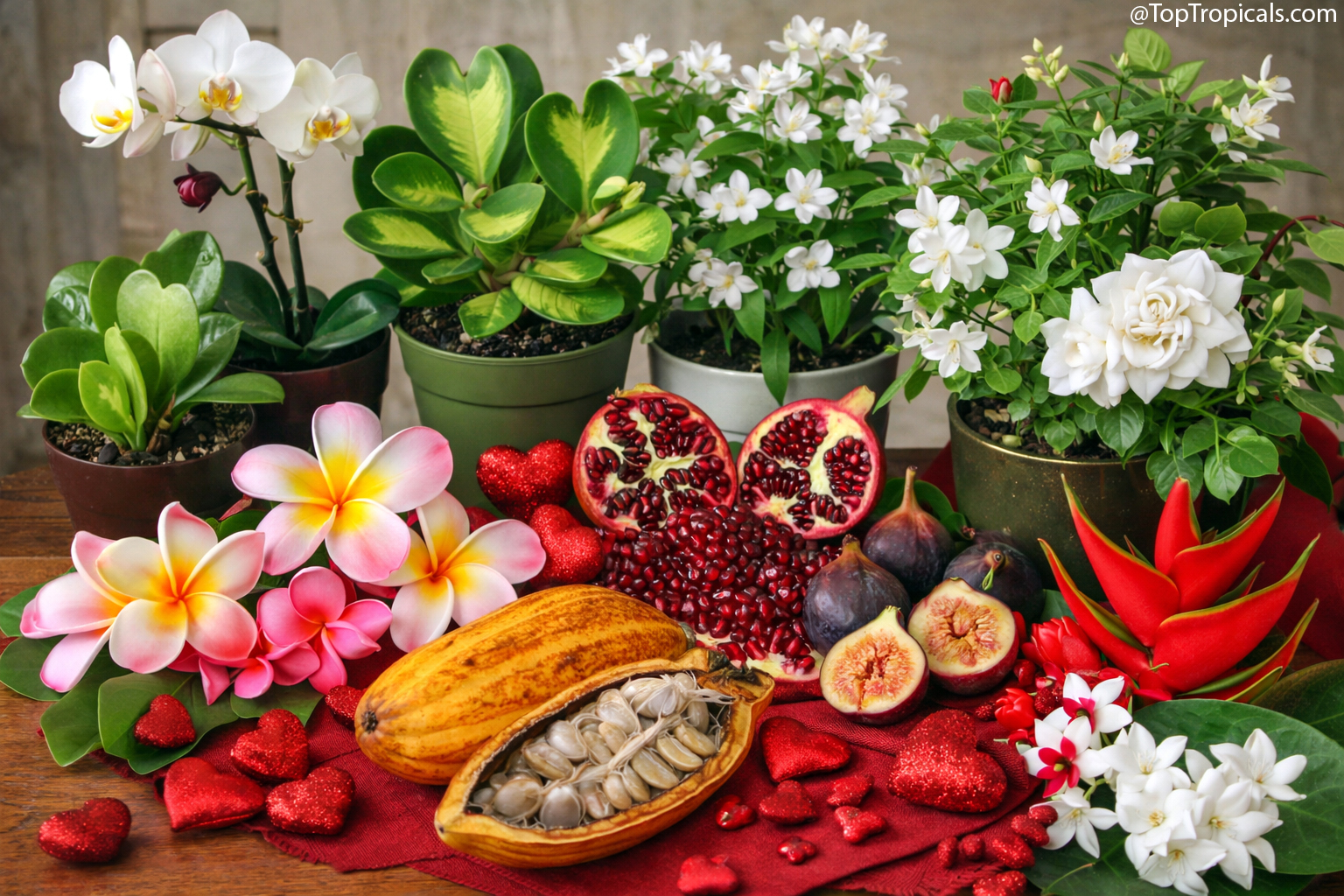
💕How would you like to give a Valentine plant gift?
Choose the plant
If you already know what feels right, choose the plant now.
Sweetheart Hoya is a favorite for a reason, and there are other Valentine
plants to explore if you want options.
A good choice when you feel confident, love plants, or are gifting something
meant to live indoors.
Let your Valentine choose
If timing, weather, or choice feels uncertain, a Gift Card keeps the moment simple. Your Valentine can choose the
perfect plant when the time is right.
Especially helpful for gardeners up north, or when you want the gift to
unfold later.
About shipping and timing
We ship live plants with care and pay close attention to weather along the
way.
If conditions are not right, we may hold a shipment briefly to keep plants
safe.
If timing or weather makes you hesitate, a Gift Card is an easy way to give a Valentine gift now and choose the
plant later, when conditions are perfect.
Valentine Day Gift Card Bonus
To make Valentines Day a little sweeter, we are offering a special gift
card bonus for a limited time.
When you purchase a gift card, we add 15% extra
value. Just add Valentine greeting in gift card message field.
For example, a $100 gift card becomes $115 to spend.
Offer valid through 02/15/2026.
The bonus value is not valid with other promotions or discounts. Gift
cards cannot be used to purchase other gift cards. Bonus value is added at
the
time of purchase.
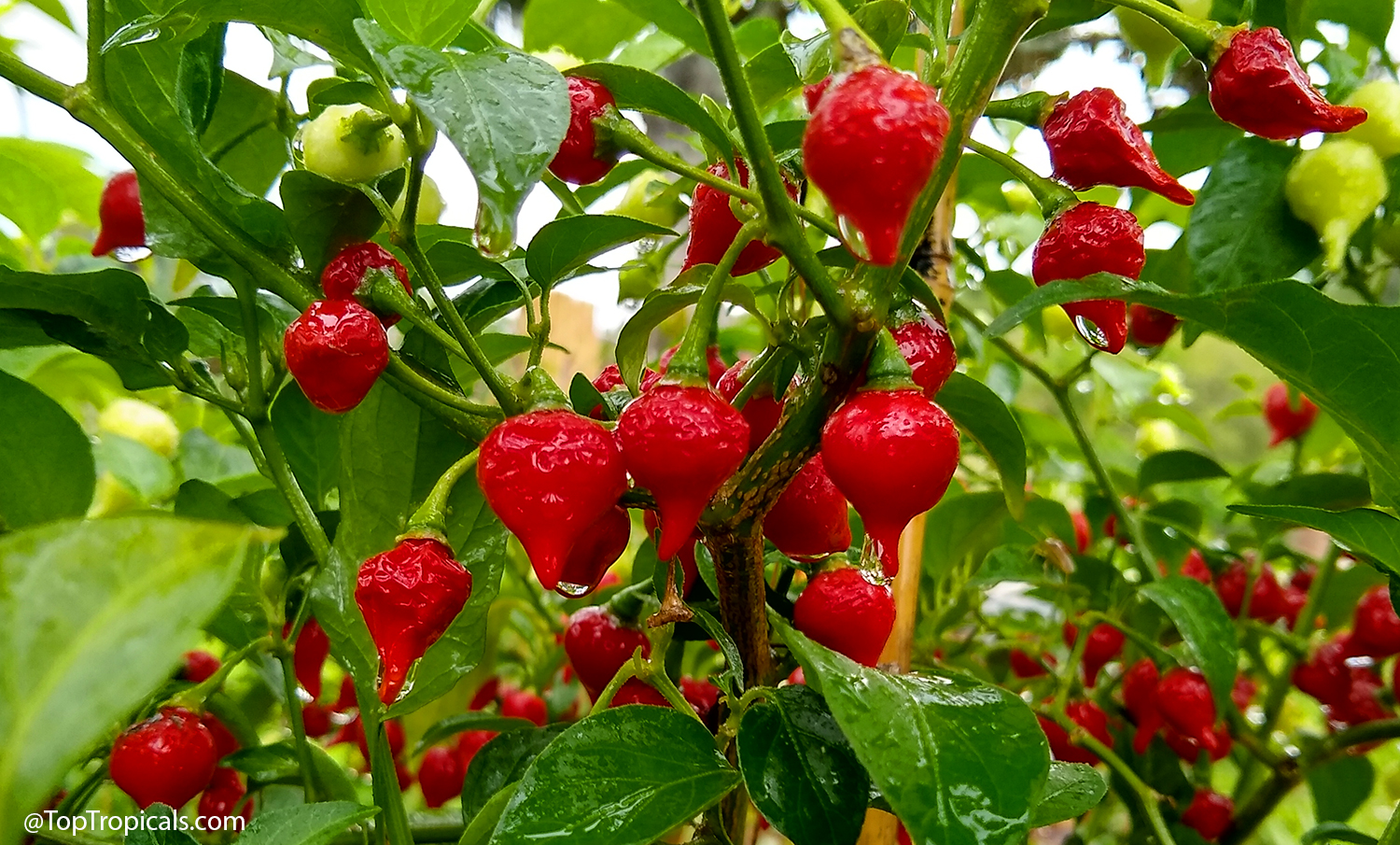
Biquinho
pepper loaded with fruit - small, beak-shaped peppers ripen
from green to bright red, offering intense fruity habanero flavor with
little to no heat on a compact, heavy-producing plant.
Sweet Pepper Plant Facts
Botanical name: Capsicum annuum Also known as: Sweet Pepper, Chilli Pepper, Cayenne Pepper, Paprika, Ornamental pepper
USDA Zone: 4 - 10
Highligths
A lot of plants that thrive in Florida heat have deep roots in Mexico, and
not just as ornamentals. Think coral vine or flame vine climbing a fence in
summer, or bird of paradise
sitting at the edge of a patio like it owns the place. These are not plants
that need coaxing. They grow fast, full, and unapologetically.
Then there are the plants you actually eat: peppers,
prickly
pear, sweetleaf,
and fruit trees like avocado, guava,
and sapodilla.
They do not just decorate the yard. They change how the yard works, and how
the kitchen feels all year.
Avocado Plant Facts
Botanical name: Persea americana, Persea gratissima Also known as: Avocado, Alligator Pear, Aguacate, Abacate
USDA Zone: 9 - 11
Highligths
That is the part that sneaks up on you. Gardening stops being about having a
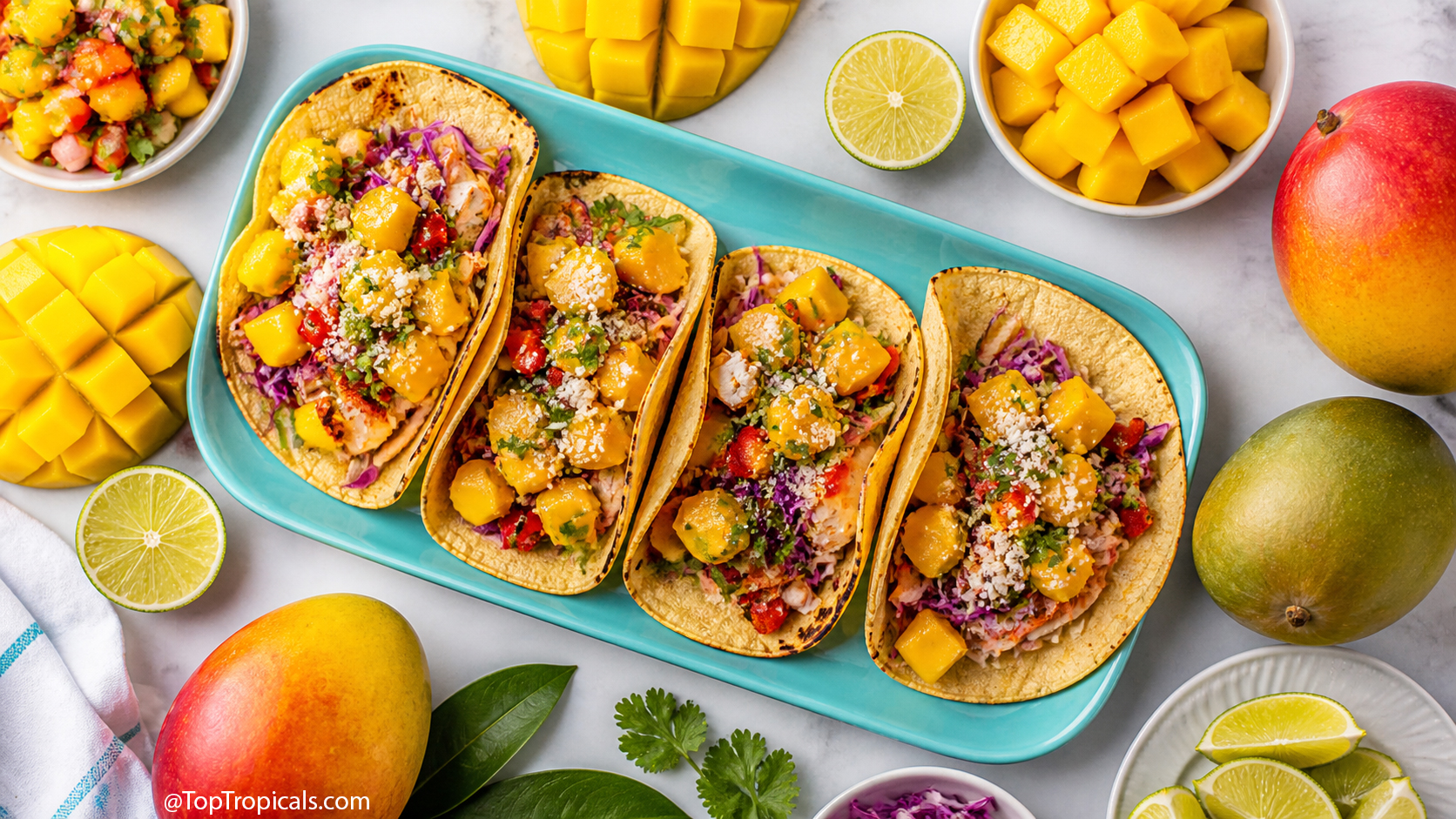
pretty yard and starts becoming a way of living. Mango tacos taste
different when you picked the mango yourself. Everything does.
Mango Plant Facts
Botanical name: Mangifera indica Also known as: Mango
USDA Zone: 9 - 11
Highligths
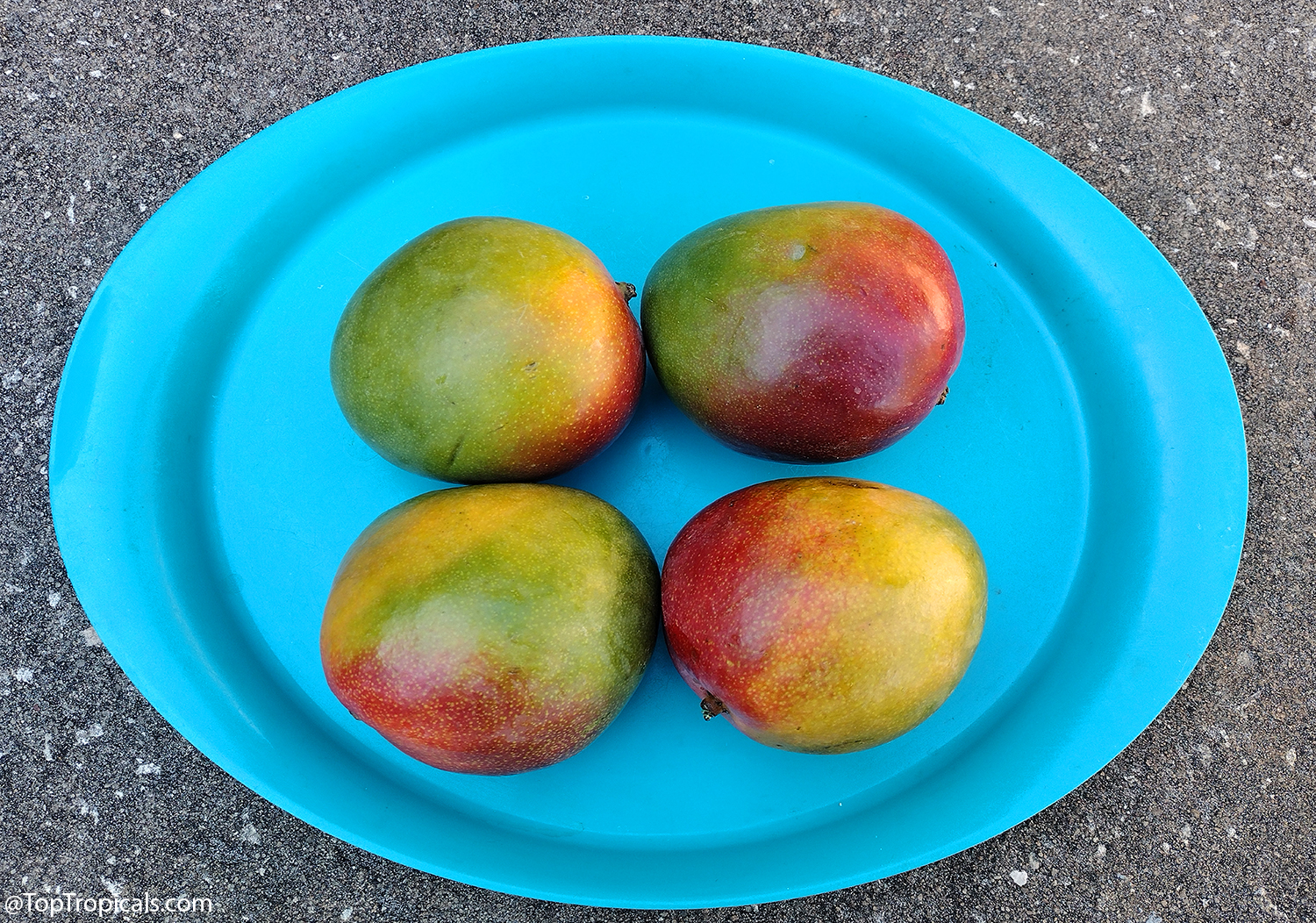
Kent mango - classic late-season variety with smooth,
fiberless flesh and rich, sweet flavor.
🍀Mexican
Plants That Thrive With Minimal Effort
by Tatiana Anderson, Top Tropicals Garden
Expert
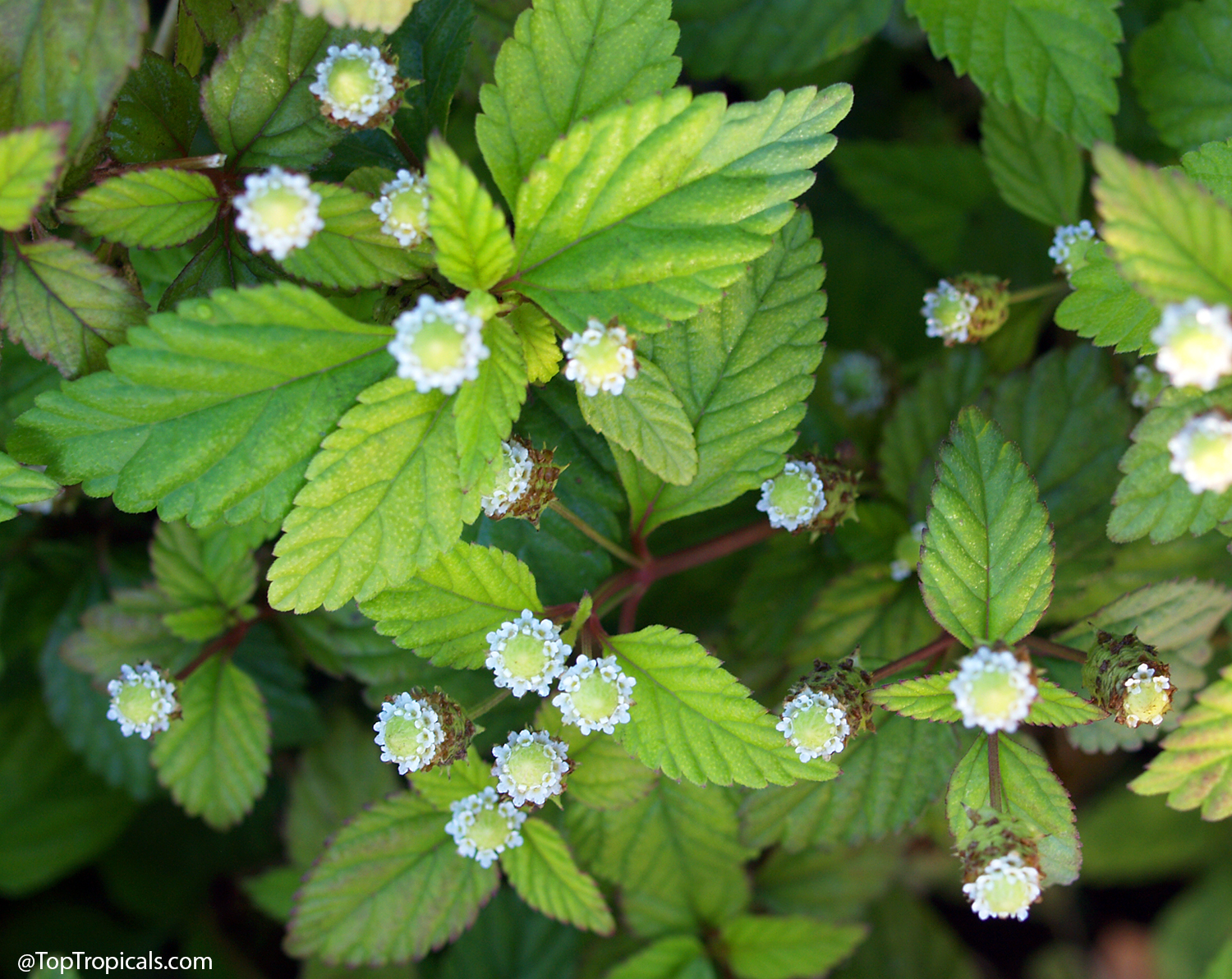
Lippia
dulcis - Aztec Sweet Herb in bloom - a low-growing Mexican herb
with tiny white flowers and remarkably sweet leaves that can be eaten fresh
or added to fruit dishes, traditionally used since Aztec times for coughs
and colds.
Aztec Sweet Herb Plant Facts
Botanical name: Phyla dulcis, Lippia dulcis, Phyla scaberrima, Lippia mexicana Also known as: Aztec Sweet Herb, Sweetleaf
USDA Zone: 9 - 11
Highligths
These Mexican plants are surprisingly easy to grow if you give them what
they expect: sun, heat, and good drainage. Most of them are built for tough
conditions and will grow fast with minimal care once established.
The one rule that matters: fill the planting hole with water. If it does
not drain in 5-10 seconds, plant on a mound or use a container.
Flowering
vines will take off quickly, edibles like peppers and sweetleaf
lippia
are very forgiving, and cactus types prefer to be left alone rather than
overwatered.
For full, step-by-step growing tips and plant-specific advice, read our blog
- we break everything down in practical, real-world terms.
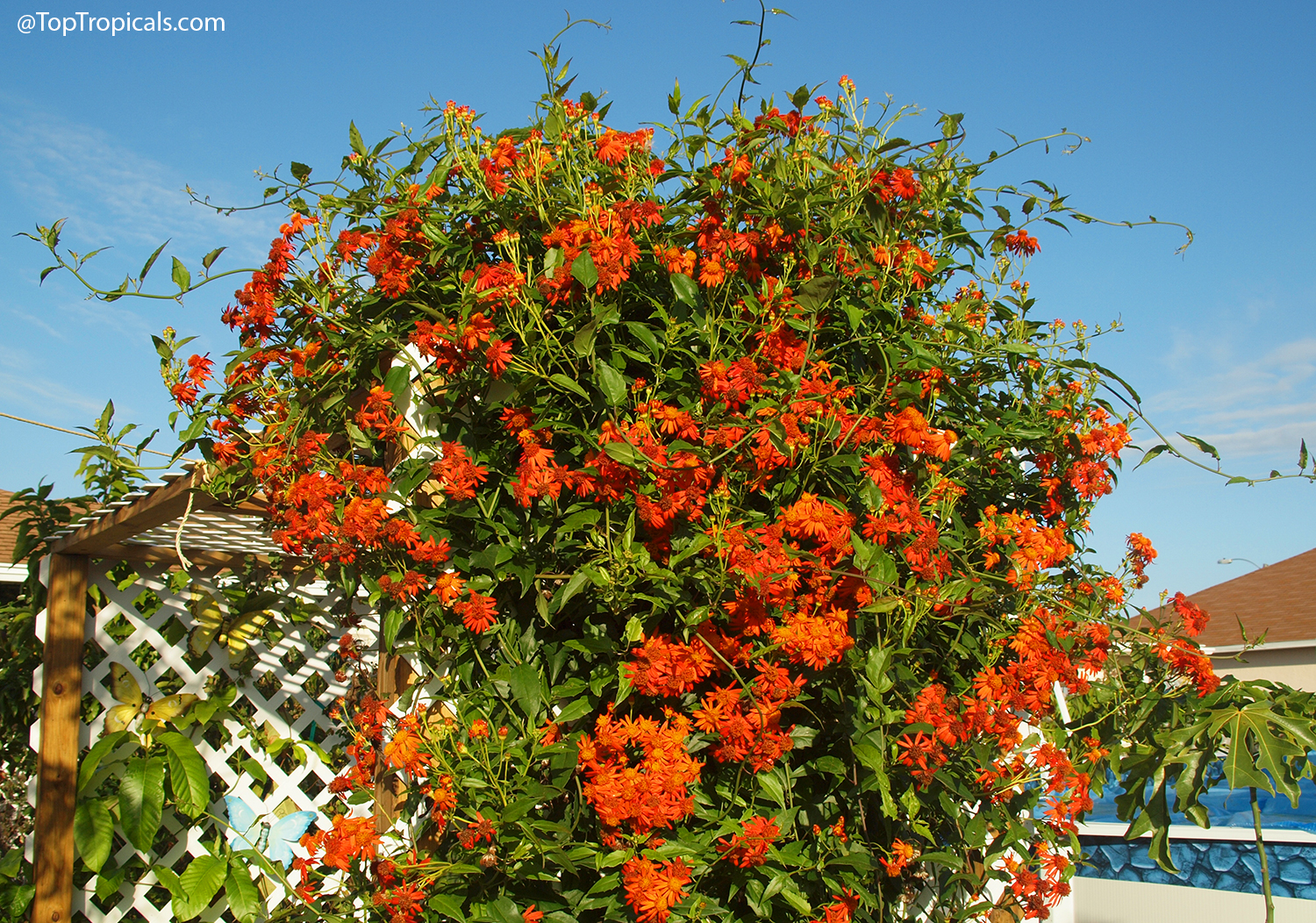
Mexican Flame Vine in full bloom - a fast-growing,
drought-tolerant climber that quickly covers fences with vivid red flowers,
attracting
pollinators and adding bold color with minimal care.
Mexican Flame Vine Plant Facts
Botanical name: Pseudogynoxys chenopodioides, Senecio confusus Also known as: Mexican Flame Vine, Orangeglow Vine
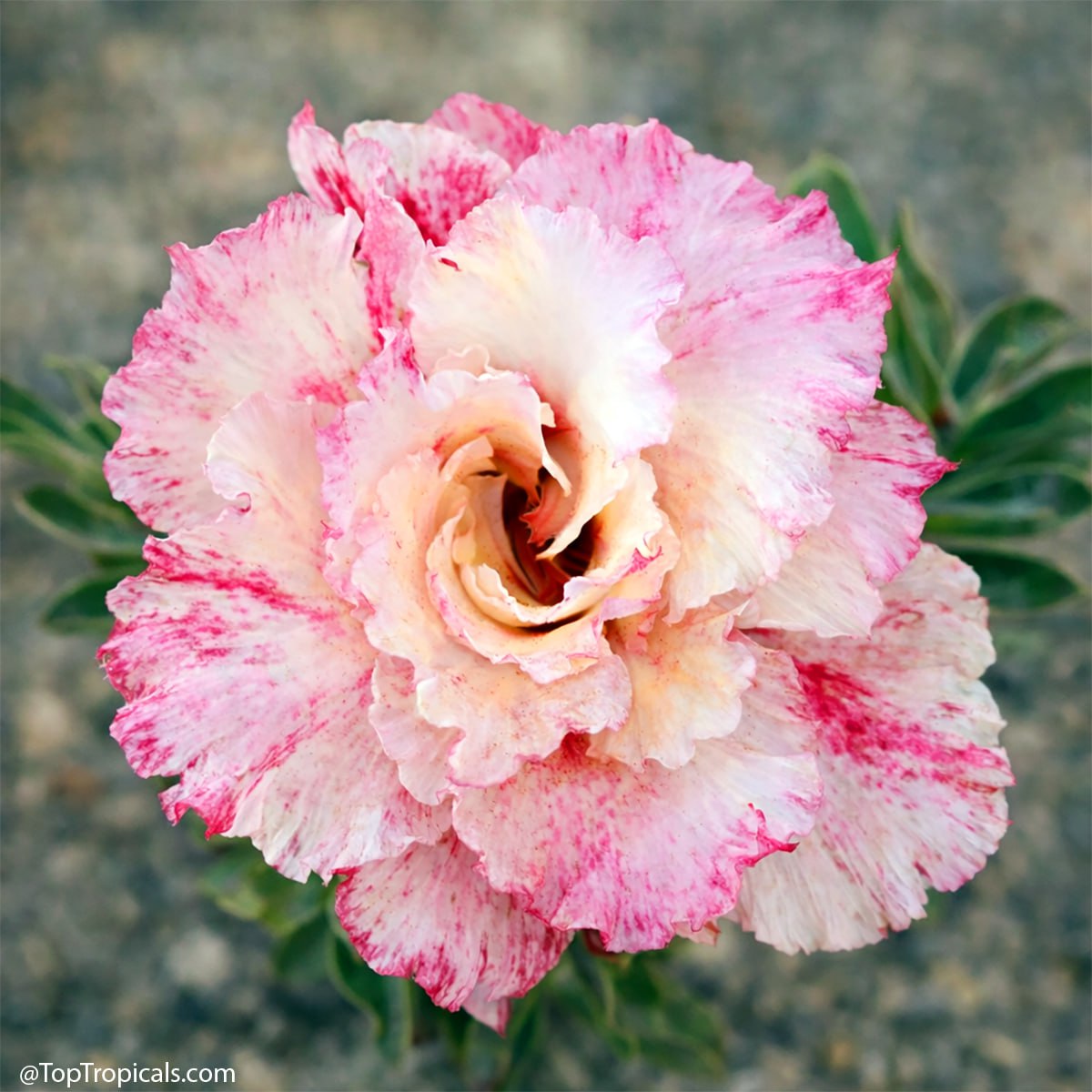
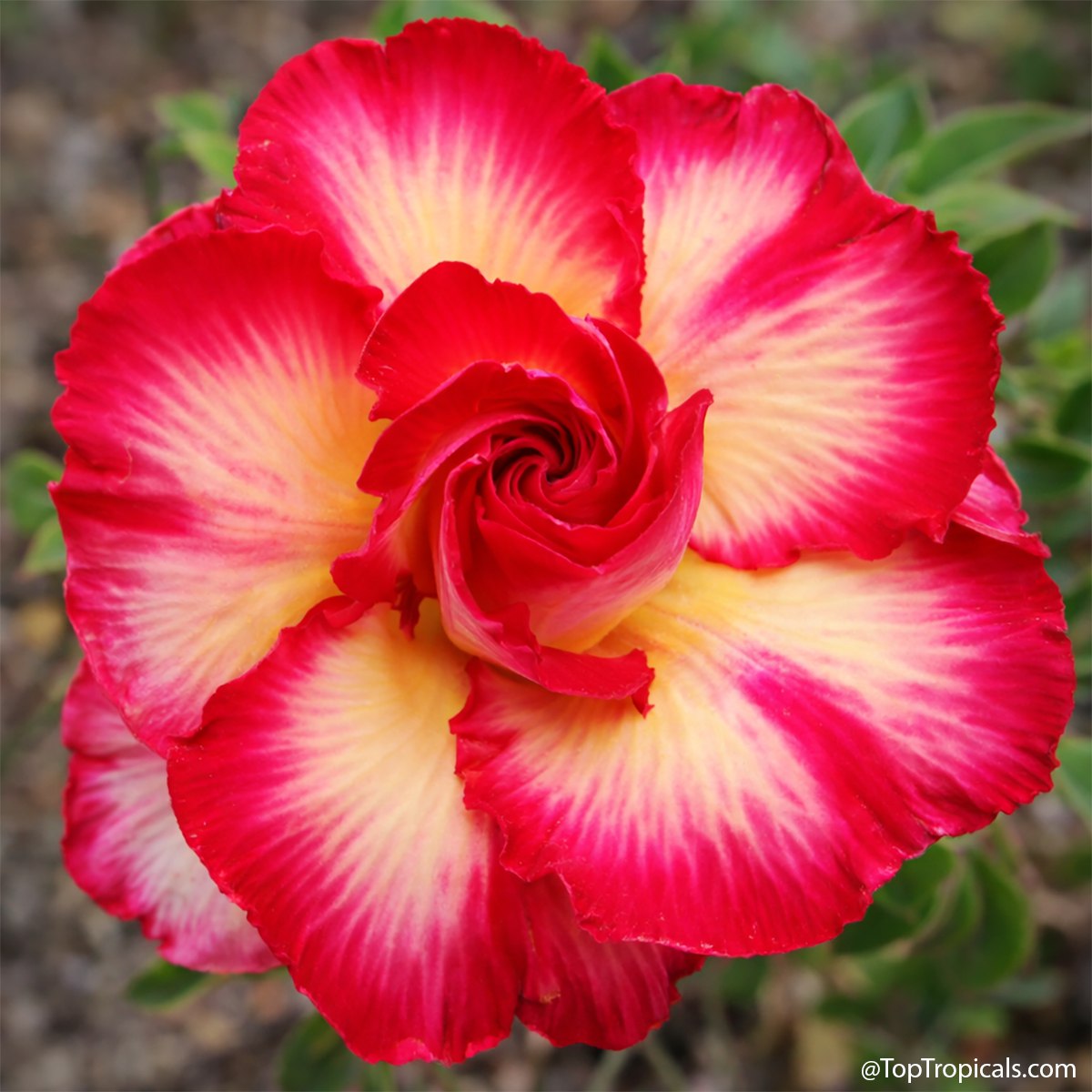
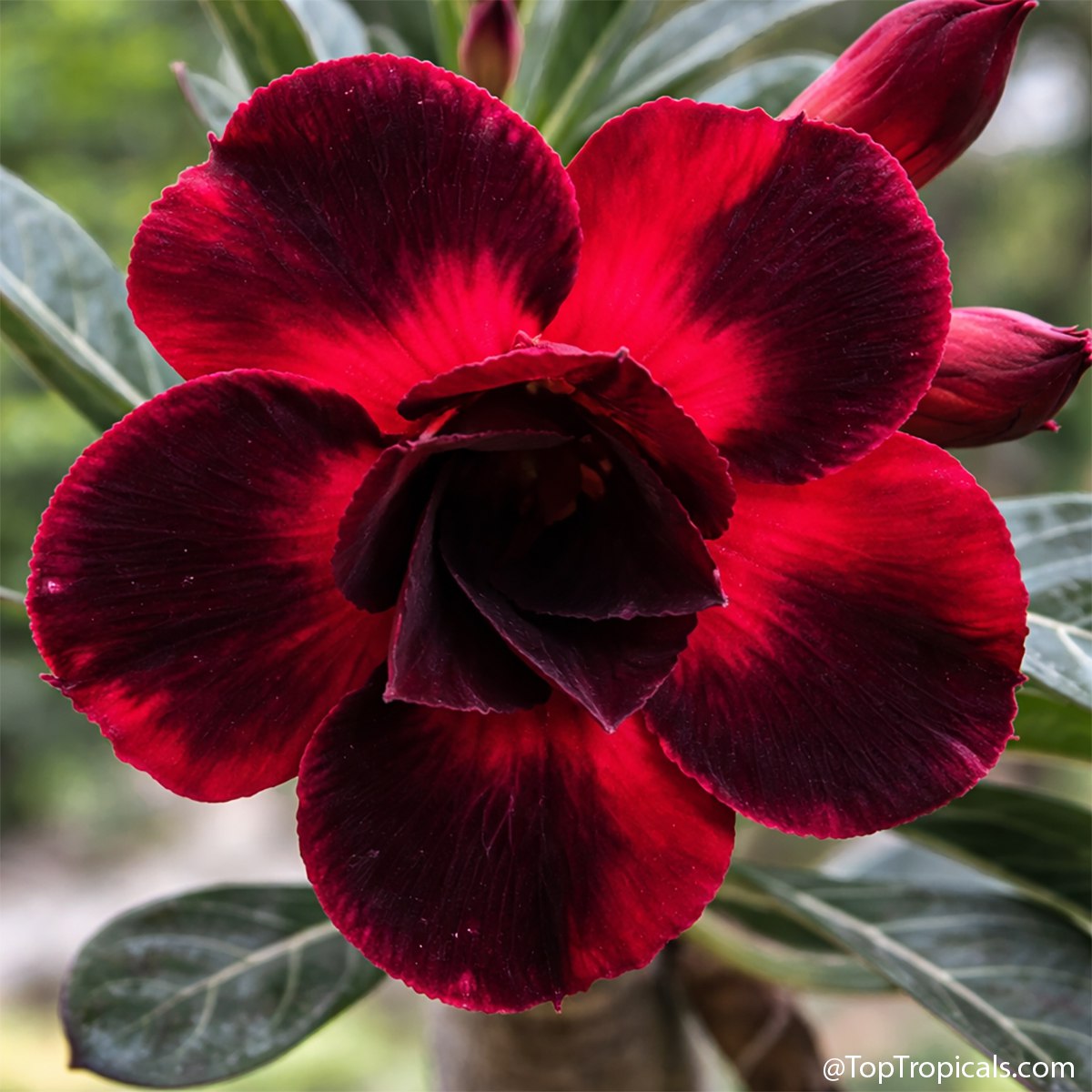
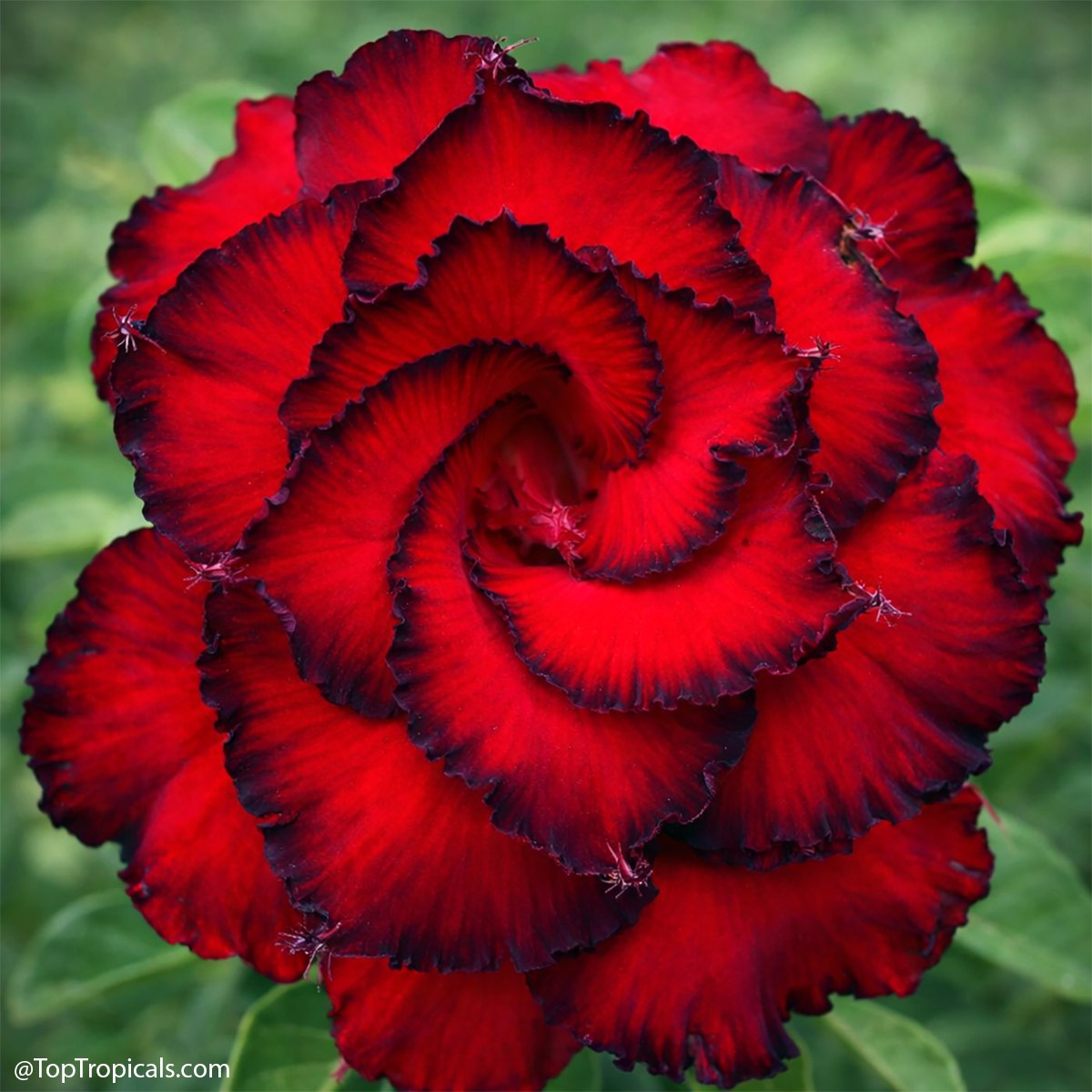
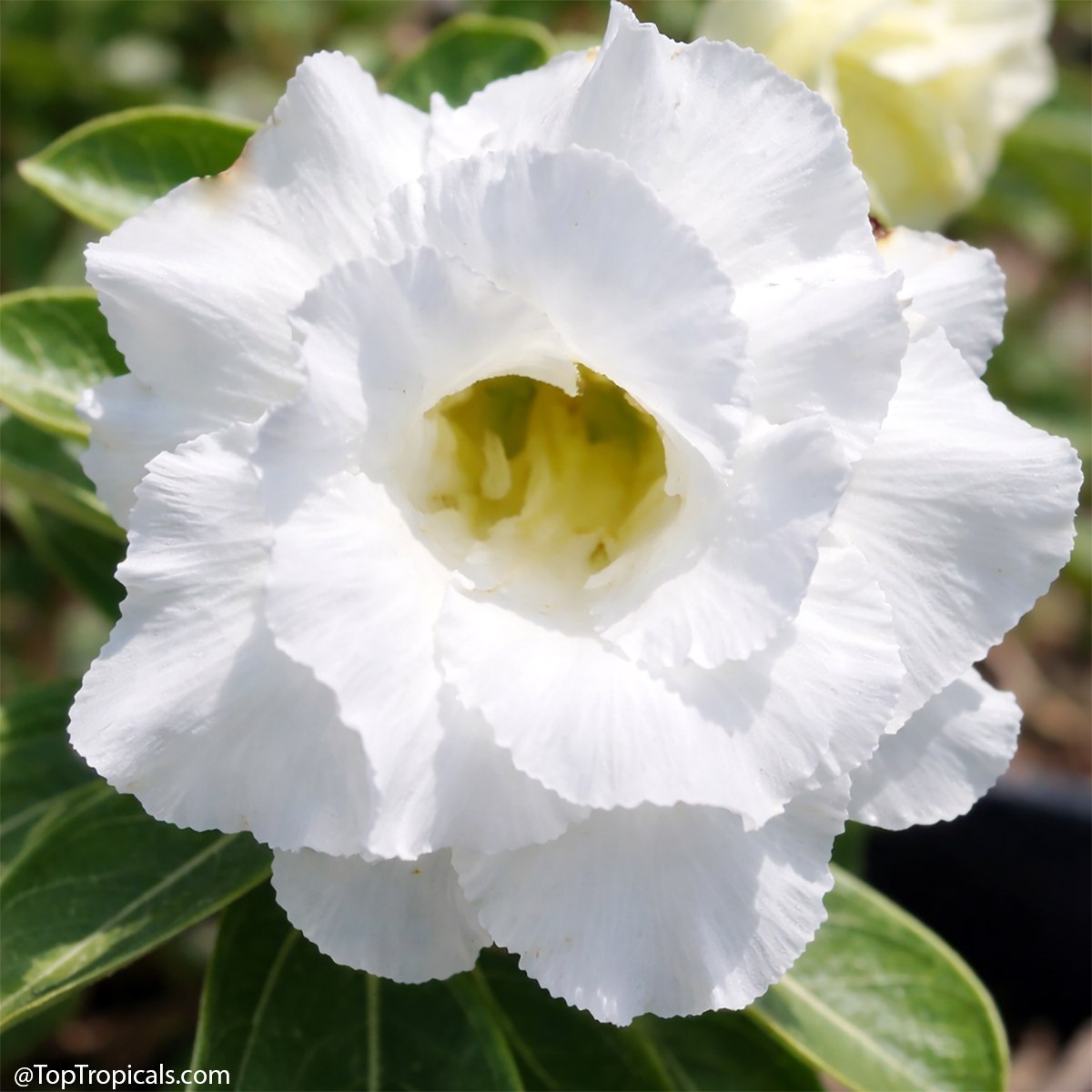
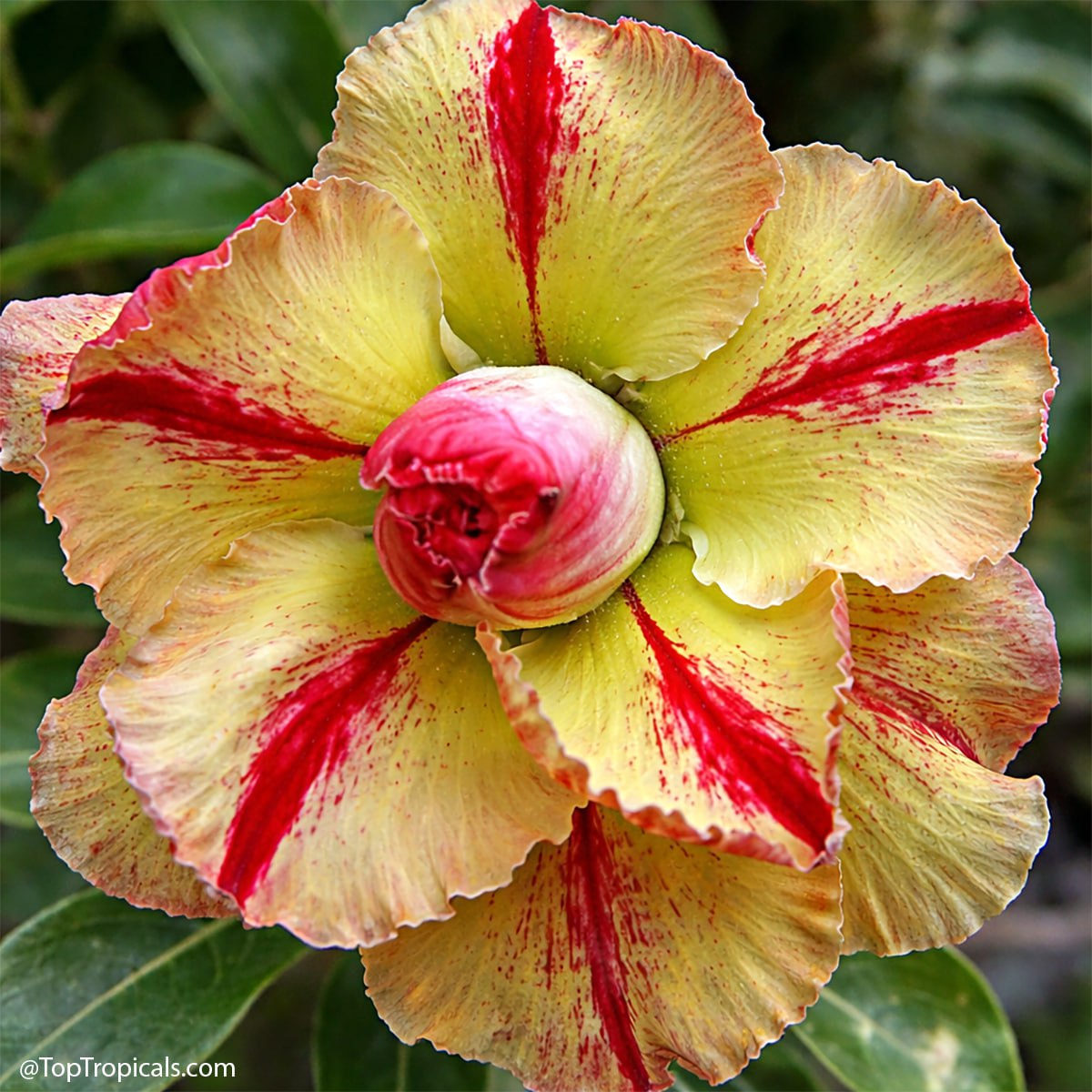
A few adeniums you dont want to miss: Adenium rainbow
Adenium Beauty
Adenium Chok Sedthee
Adenium Black Dragon
Adenium Red Dragon
Adenium Jasmine
Adenium Marygold
A few adeniums you don’t want to miss: Adenium rainbow 🌈
Adenium Plant Facts
Botanical name: Adenium sp. Also known as: Adenium, Desert Rose, Impala Lily
USDA Zone: 9 - 10
Highligths
Some adeniums bring color.
Some bring character.
And some… bring both.
This mix has a bit of everything - strong reds, deep tones, and soft floral shapes that balance it all out.
💡 Trimming tip
It’s always hard to cut back a branch… especially when it’s blooming.
But with adeniums, trimming is key.
After flowering, cut back leggy growth. This encourages branching, and more branches mean more flower buds.
It may feel like you’re losing blooms now - but you’re setting up a much bigger show next.
Trim, let it branch, and you’ll be rewarded with multiple blooms instead of just one.
🌸 Today's featured adeniums
✦ Beauty: Soft, balanced bloom with a clean look - simple and pleasing. ✦ Chok Sedthee: Name tied to wealth and success - a strong grower with presence. ✦ Black Dragon: Deep, intense tones with a bold, powerful look. ✦ Red Dragon: Bright red blooms with strong energy - hard to miss. ✦ Jasmine: Light, delicate feel with a more refined floral look. ✦ Marygold: Warm golden tones that bring brightness into any mix.
A mix like this gives you contrast right away - dark next to gold, simple next to unusual.
That’s what makes a collection interesting: not just how many you have, but how different they feel side by side.