Date: 5 Jan 2021
People of TopTropicals. Dog of the Year: Tilda, the Assistant Photographer
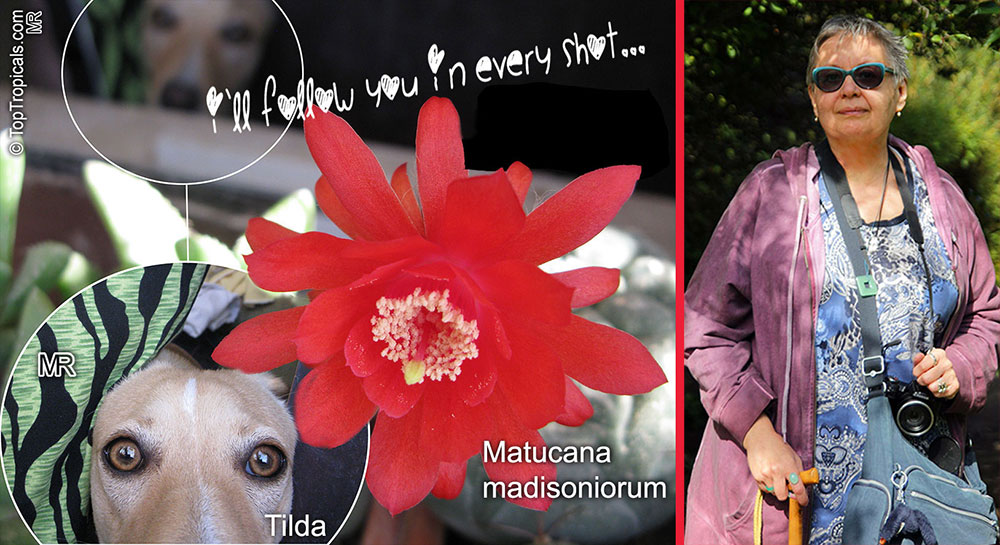
Today is a sad day. Our Editor and Photographer assistant Tilda left us for her last trip to Eternity...
to the Dog's Paradise. For many years, Tilda has been helping Top Tropicals Editor and Plant Expert Marina Rybka to take pictures of beautiful plants from all
over the world. We can often see Tilda's tail, paws, ears or eyes in many photos of our plant catalog. With Marina's and Tilda's help, our catalog today has 4900 tropical plant profiles with 53989 photos!
Tilda, you will always stay with us. You will follow us in every shot you made with your Mom. Thank you for being there for Marina and her TopTropicals. Thank you for making life of tropical gardeners happier! You made the
difference. We love you forever.

TopTropicals PeopleCat Club and Zoo
Thank you for supporting us in helping PeopleCat Community!
Make your kind donation today and receive a surprise gift from us! Every little bit helps. Thank you and God bless you and your
pets!

Date: 28 Dec 2020

Healthy Plants: Q&A from Mr Booster
How to grow a happy Red Jade Vine?
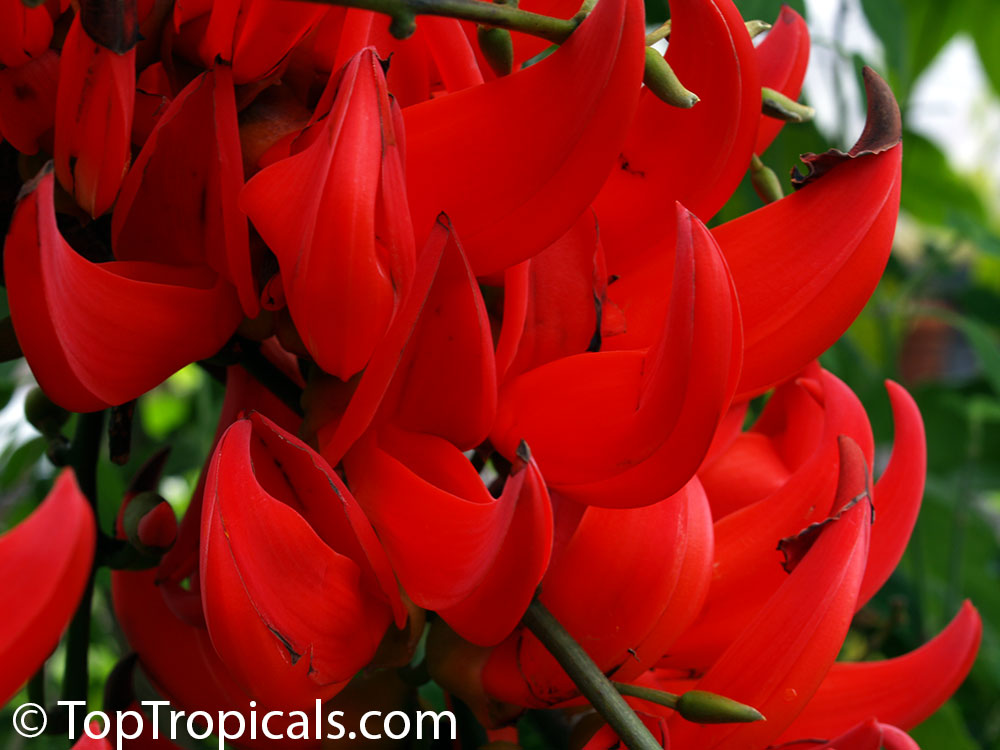
Q: My Red Jade Vine has the leaf tips turning brown. I water this plant four times a week and I am using a half a teaspoon of miracle grow bloom booster 15-30-15 per 2 gallons, every two weeks. In the beginning I had to water this plant off city water in South Fort Myers. Over the last two months I picked up a dechlorinator buggy plus threw that on my hose and I've been watering it with that but it didn't seem to make a difference. I put this plant in the ground last September. It has three shoots that run into the top of the tree, so it is growing but leaves seem to drop off down low at the base of the vine and the brown tipping running into the top of the plant. But not the newest shoot its leaves are solid green all the way at the top. Thanks for any advice.
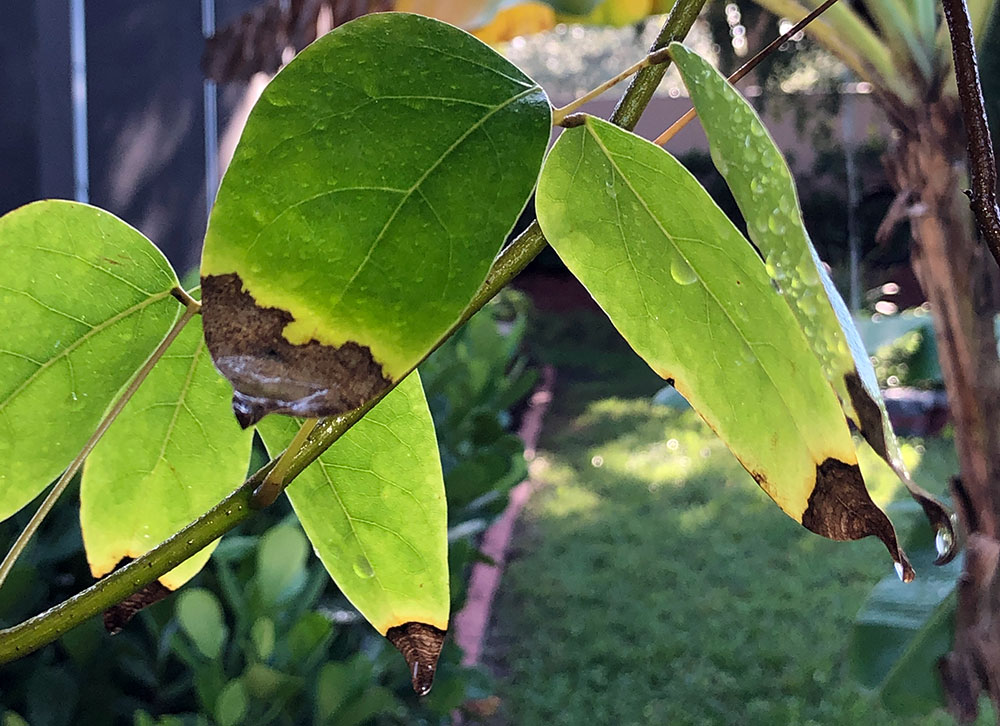
A: Mucuna benettii - Red Jade vine - is not the easiest plant to grow, and
we are glad your vine is growing well. For those who love this plant but not
ready to face all challenges, we recommend its cousin - Camptosema grandiflora - Dwarf Red Jade Vine, which is much hardier and
easier plant.
We looked at the photos and these are our thoughts.
1) The top of the plant with green fresh leaves definitely indicates
that the plant is generally healthy and vigorous.
2) Dry tips of the old leaves may indicate excess salts in soil, in
combination with the summer heat that it went through. Based on your feeding program
description, that fertilizer may create a problem. Water soluble traditional
fertilizers are EDTA-chelated which often causes nutrients lock up in soil
and leaf drop. Try to stay away from that fertilizer for a month and let the
rains and/or irrigation water flush the soil for a couple of weeks.
3) Red Jade vine is a very sensitive species. Normally, during hot season
it is safe to use traditional fertilizers, especially slow-release granulated.
However, with this plant we recommend you to switch to more delicate formula
and use only liquid fertilizer.
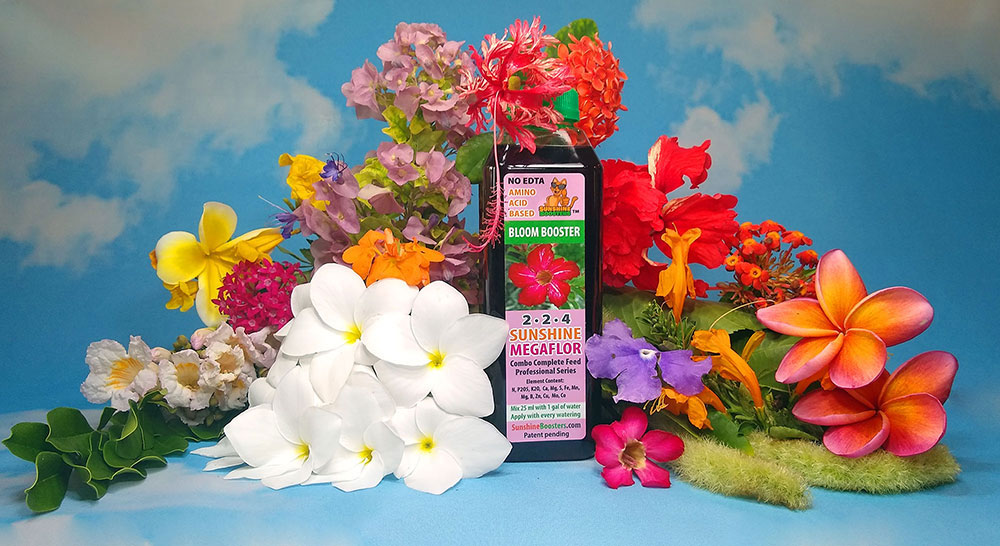
SUNSHINE Megaflor - Bloom Nutrition Booster will be the best. It is
safe to use it as frequent as with every watering! It is amino-acid
based, and will be totally consumed by the plant without nutrient lockup.
4) Another cause of dry leaf tips may be micro-element deficiency.
Megaflor booster already has all necessary micro-nutrients in it, plus you
may apply some extra: SUNSHINE Superfood.
5) You may continue using regular water for watering (including city water)
as long as you use amino-acid based plant food and supplements: they improve
soil acidity (what tropical plants like is acidic soil, and Florida soils
are alkaline). Additionally, to improve soil acidity which can be critical for
this Mucuna species, you may add 1"layer of pure peat moss on top of the
soil around the plant. Please keep us in loop how the plant is doing. It is
pretty rare species in cultivation and we will be happy to help you to keep it
thriving.

Date: 15 Dec 2020
Healthy Plants: Q&A from Mr Booster
What is an ideal potting mix?
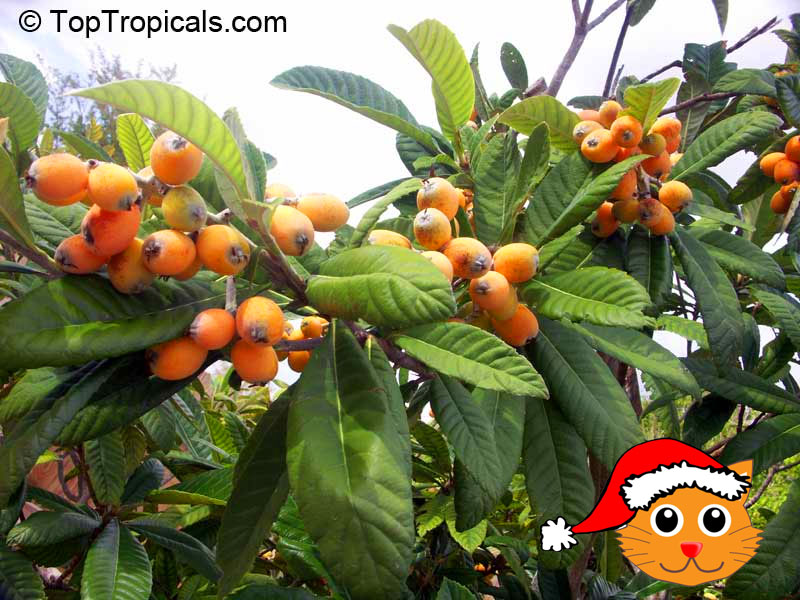
Q: A few years ago, I purchased a Barbie Loquat from you, and I'm pleased to say it's been growing very well. I now have several loquat seedlings. I have read that a well-draining medium should be used, and I have found that the various formulations provided on the web for such medium seem vaguely reminiscent of the recipe provided in your transplanting instructions. Therefore, I would like to retrieve your recipe, unless you could recommend an even better one?
A: The main requirements for a good potting mix are:
- perfect drainage, allowing air circulation that is so necessary for
healthy roots; oxygen circulation helps to avoid root rot
- water retention: to keep nutrients in soil
- low pH (soil acidity) which is important for most tropical plants
- adequate amount of organic matter in the mix, in combination with proper
fertilizer program
In our nursery we experimented with many different potting mixes for the past couple decades. We ended up with an ultimate mix for tropical container plants that we designed ourselves. This custom mix is called -
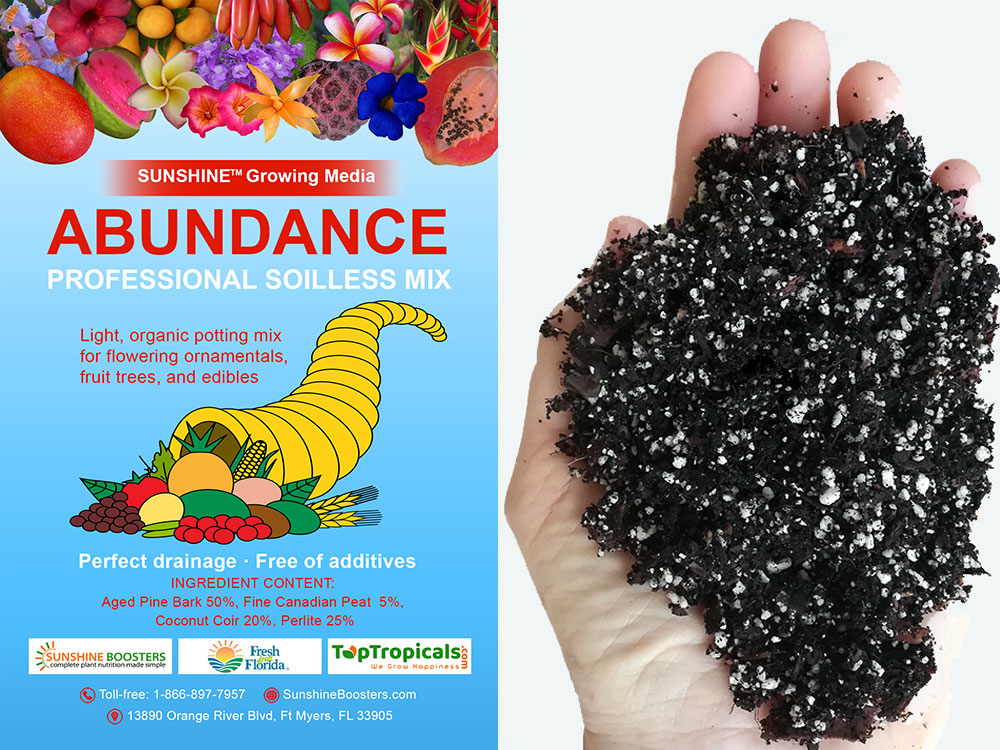
Abundance - TopTropicals professional soilless potting mix
It meets all the requirements above which makes it a perfect mix. All
our plants are happy with it.
Abundance is a professional quality (nursery-grade) potting mix with great
drainage characteristics, ideal for any tropical plants. It is organically
derived soil-less mix, free of any additives.
Ingredients are:
- fine Canadian peat moss
- coconut coir
- perlite
- aged pine bark (soil conditioner).
See more info on
soil mixes.
We have this mix available for purchase in different packaging sizes - 2, 3, and 7 gal
bags.
Besides proper potting mix, all container plants require regular
fertilizing. We recommend the newest, scientifically balanced fertilizers Sunshine Boosters that are natural, eco-safe, great for all edibles and
organic gardening. They are safe to use with every watering, provide all
necessary elements for plant daily needs, and won't burn the roots.
For your loquat tree, consider Sunshine C-Cibus, it boosts both flowering and fruit production. Loquat
is Winter-Spring bloomer, hopefully you will get some crop soon!
See more information about potting mix science

Date: 19 Nov 2020

Healthy Plants: Q&A from Mr Booster
Feeding Indoor Plants
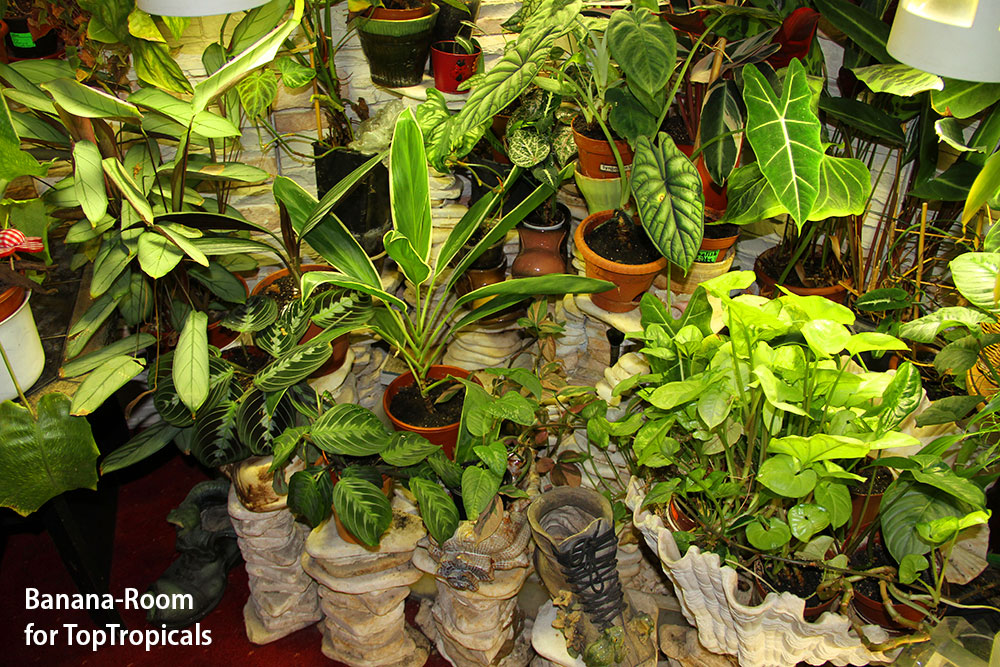
Q: I am moving all my potted plants indoors as weather is cooling down. I still have Sunshine Boosters that I got from you in Summer. Do I need to continue fertilizing and how often, or should I wait until Spring?
A: Indoor plants add a vibrant warmth to your home, and can even
improve the air quality. But most importantly, indoor plants give you access
to year-round gardening.
While majority of house plants are easy to maintain, they still require
proper care to thrive.
Too many gardeners overlook the importance of fertilizing plants indoors.
However, proper feeding is essential to grow healthy, vibrant plants. With
outdoor plants nature sends rain and a plant will send new roots to find food,
an indoor plant is limited to only what you will give it. That is why it is
essential to feed your plants a healthy nutritious meal even indoors.
Many granular and slow-releasing fertilizers will recommend that you only
feed your plants occasionally, but this is not the healthiest for plants,
since they need to "snack" every day to satisfy their daily nutrient needs. When you feed a plant a large meal rarely, it cannot absorb the nutrients effectively, leftovers creating build up in soil (it's called "locked up nutrients") and that is why we specifically designed our fertilizers to be a light, daily nutritious meal for your plants -
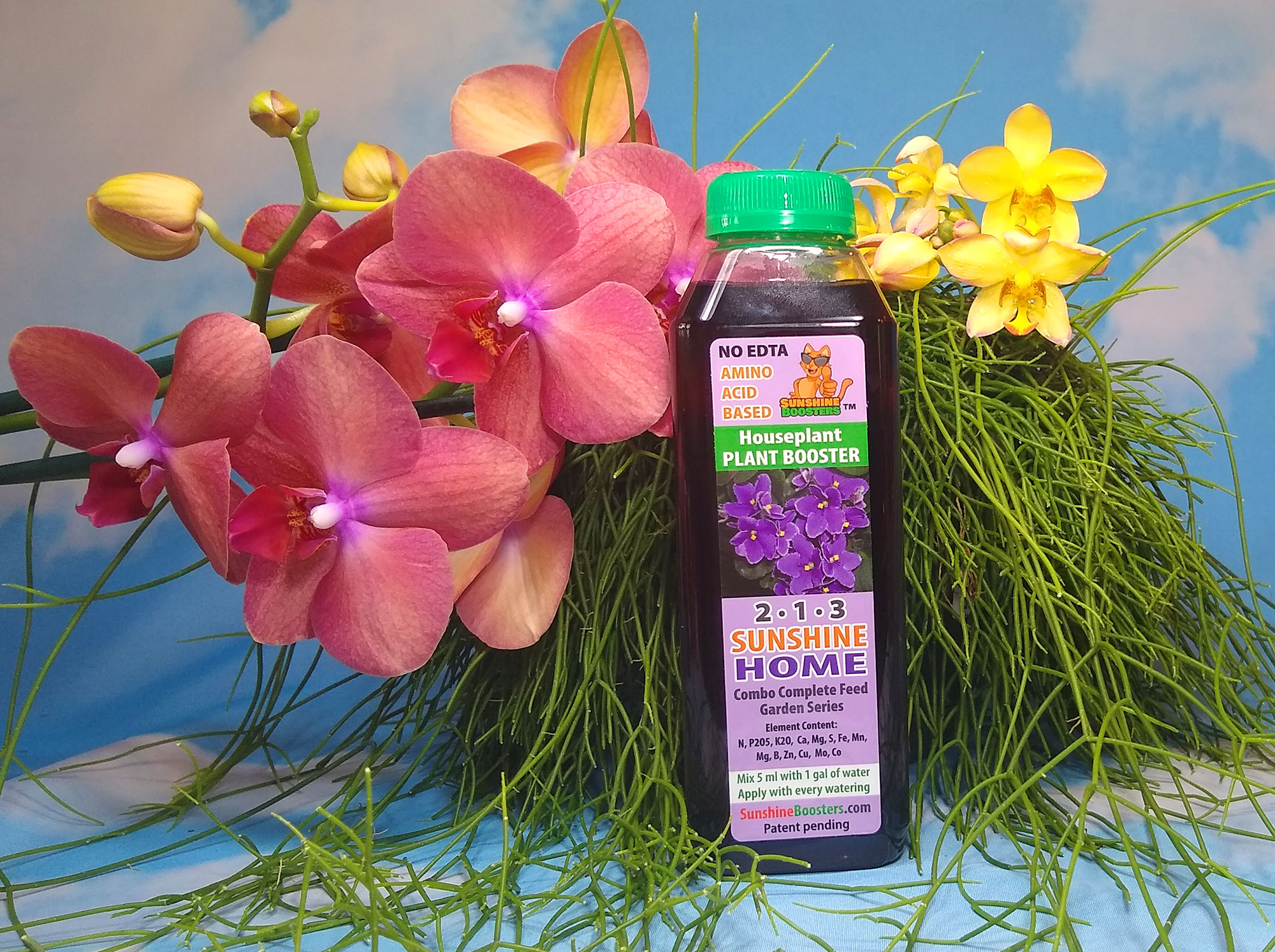
Sunshine Home for houseplants...
Date: 24 Nov 2020
Healthy Plants: Q&A from Mr Booster
How not to kill gardenias?
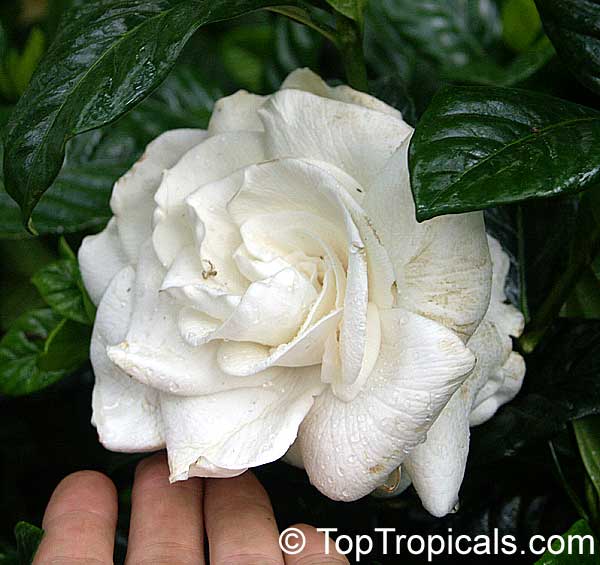
Q: I have tried to grow gardenia in pots for years and never keep them alive. When i look on camellia websites they say fertilize potted plants twice a year. I'm confused as I tend to kill them with kindness haha. Also, if our tap water has high cal/mag and that stops the gardenia getting other nutrients why would I make up the feed with tap water? So confusing and online is mixed messages...
A: Gardenias are not the easiest plants to grow, however, they are easier in pots than in the ground: they prefer acidic soils, and in many areas soils are alkaline. The most important factor is balanced and sufficient nutrients. In the ground, plants have no limits to reach out to different elements by spreading their root system. In a pot, once all the good stuff is consumed, plants start suffering nutrient deficiency. This is why a balanced feeding program is important.
Generally speaking, Cal/Mag in tap water cannot be bad, because they are
essential elements, good for plants (in proper amounts). However, just
Cal/Mag is not enough. This is why you need a balanced liquid fertilizer for plants that prefer acidic soil.
Excessive Cal/Mag alone can create nutrient lock up, especially if they are chelated
with EDTA like in dry fertilizers, which are not fully accessible for
plants.
We recommend natural, Amino-Acid based fertilizers that are completely
consumed by a plant and are safe to use with EVERY watering, even in Winter. They
are scientifically formulated and cover all plant needs.
For your gardenias, you should use SUNSHINE Pikake - Fragrant Flower Booster.
Another important factor is proper watering. Gardenias like regular water
but don't like wet feet = well drained potting mix is a must, similar to Abundance professional growing mix.