Garden Blog - Top Tropicals

Date: 8 Oct 2024

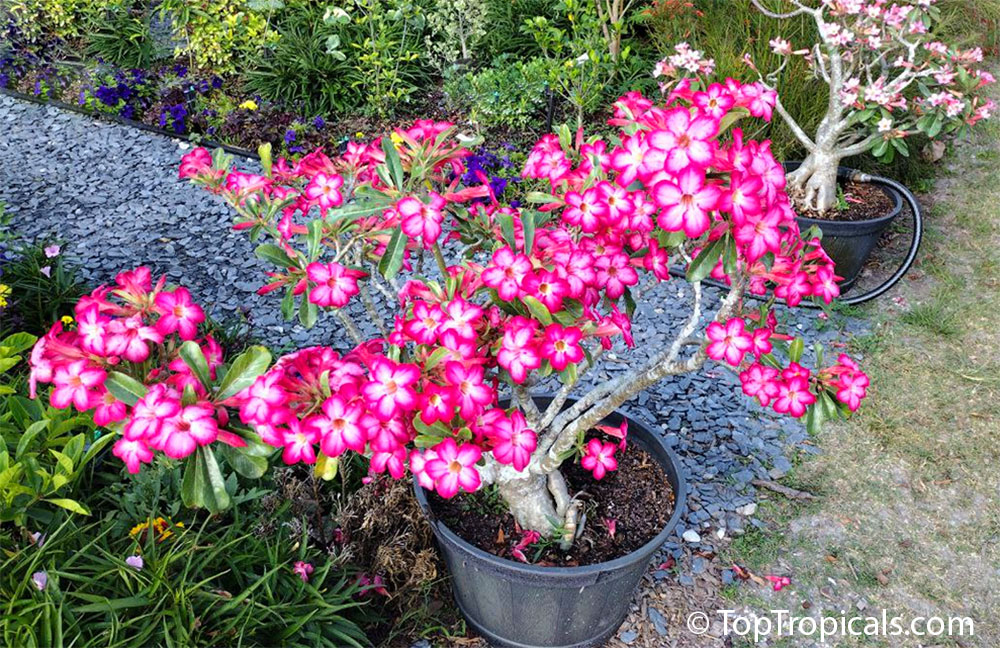
Is this Adenium?

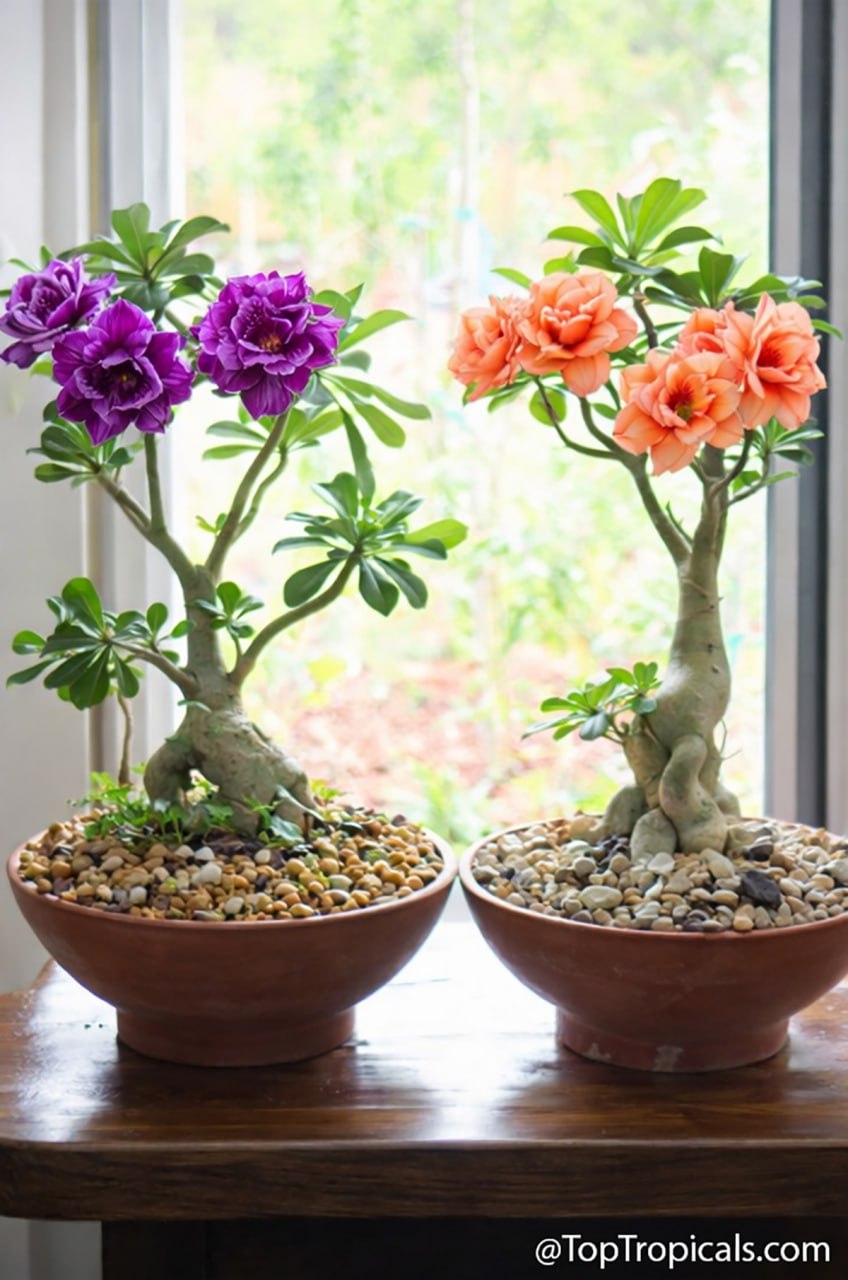
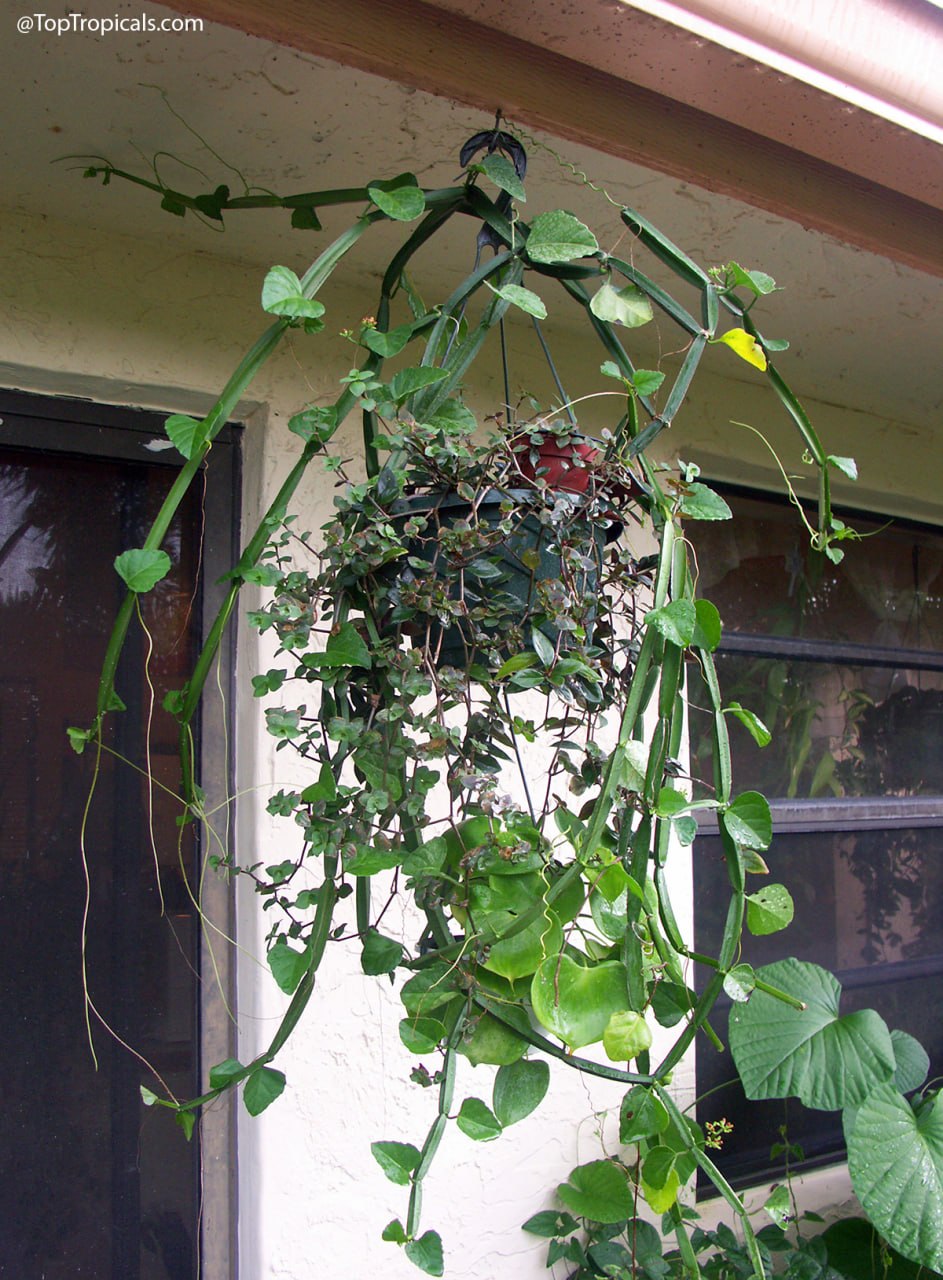
caudiciform Morning Glory - Ipomoea platensis

🌸 Is this Adenium? No, its a Morning Glory!


🌸 This remarkable caudiciform Morning Glory - Ipomoea platensis - is growing from a large caudex! The caudex can be of some weird shapes and forms. Similar to Desert roses (Adeniums), it grows caudex for water storage to survive extended drought periods. This is one of our favorite plants, easy to grow, makes a great conversation piece. It is a perfect for bonsai

📚
Learn more from previous post:
A beauty from Argentina

🛒 Order Caudiciform Morning Glory

#Nature_Wonders

🔴 Join 👉 TopTropicals

Date: 31 Aug 2025

🌿 The Jungle Cactus with a secret life
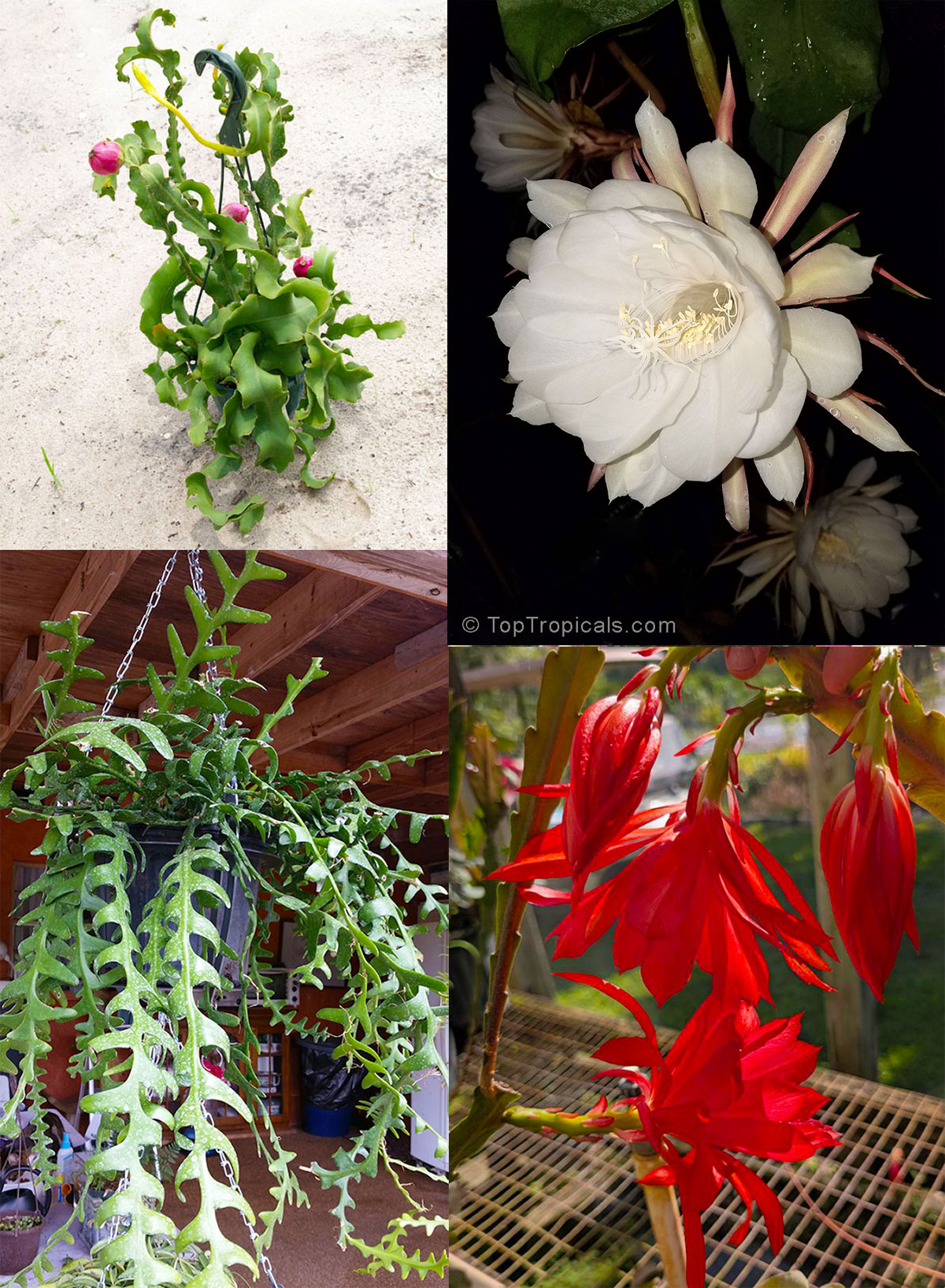
Collage  of  four  jungle  cactus  plants:  top  left  Epiphyllum  guatemalense 
 Monstrosa  (Curly  Locks  Orchid  Cactus),  top  right  Epiphyllum  oxypetalum 
 (Queen  of  the  Night),  bottom  left  Cryptocereus  anthonyanus  (Zig-Zag  Cactus),
    and  bottom  right  Disocactus  ackermanni  (Red  Orchid 
 Cactus).

Jungle cactus collage: top left Epiphyllum guatemalense Monstrosa (Curly Locks Orchid Cactus), top right Epiphyllum oxypetalum (Queen of the Night), bottom left Cryptocereus anthonyanus (Zig-Zag Cactus), and bottom right Disocactus ackermanni (Red Orchid Cactus)

Most people picture cactus as desert plants: hot sun, sharp spines, dry sand. But that’s only half the story. There’s another branch of the family that lives in the shade of rainforests. These are the jungle cacti — epiphyte plants that climb trees, trail from branches, and throw out flowers so big and showy they look closer to orchids than to cactus blooms.

See one up close and it’s a surprise. The stems can be flat, zig-zagged, or even curly. Some trail like ferns, others pile into a shaggy basket. And when the flowers open — often at night — they’re wide, fragrant, and gone by morning. It’s no wonder gardeners like them from a first sight.

✔️ Jungle Cactus Q&A

Aren’t all cacti desert plants?

Not these. Jungle cacti are epiphytes and grow in rainforests, clinging to trees and catching rain. They never touch desert sand.

What kind of light do they need?

Outdoors, filtered sun under a tree works best. Indoors, give them bright but indirect light — east or north windows are usually safe. Direct summer sun can scorch the stems, whether inside or out.

How much water is safe?

They take more water than desert cactus but still hate wet feet. Outdoors, a rain shower is fine if the pot drains fast. Indoors, water when the top inch of soil feels dry. Always use a loose mix like Adenium mix so roots get some air.

Do they bloom indoors?

Yes. In fact, many bloom better inside where conditions are steady. They set buds when a little root-bound, and cooler nights help. Outdoors in frost-free zones, flowers come with seasonal shifts. Indoors, expect surprise buds after a cool spell by the window.

Best way to display them?

Hanging baskets show off trailing stems both inside and out. Shallow pots work well on shelves or ledges indoors. In warm climates, they can even be tied to a tree branch outside — exactly how they grow in the wild.

Extra note on indoor vs. outdoor care?

Indoors, watch for dry heated air in winter — they like a bit of humidity. A tray of pebbles and water under the pot helps. Outdoors, protect from heavy midday sun and bring them in if nights dip below the mid 30s F.

Jungle cacti are easy to keep and full of surprises. Whether trailing from a basket or blooming after dark, they prove that not every cactus belongs in the desert.

Read Garden Blog about Cacti

Add Jungle Cactus to your collection
Date: 9 Apr 2023

How Gardening improves your health

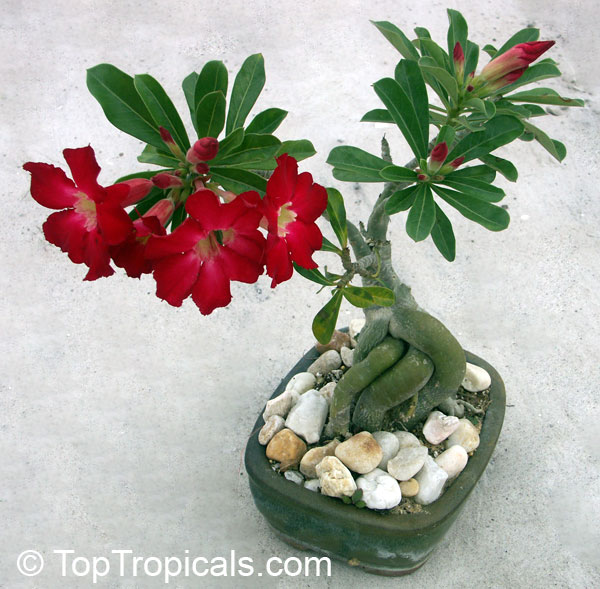
Flowering  Adenium

Q: Can gardening improve my health?

A: Gardening is not only a fun way to spend time but also an opportunity to bond with family and friends. Get everyone involved in planting flowers, starting a vegetable patch, or even organizing a whimsical Easter egg hunt amidst the blooming garden.

The joy of gardening offers mood-boosting benefits, leaving you feeling invigorated and cheerful during the festive holiday. Plus, the sense of accomplishment when your garden begins to flourish perfectly aligns with Easter's spirit of personal growth and transformation.

Head out to your garden with a spring in your step and a smile on your face. Revel in the beauty of nature, spend time with loved ones, and watch as your garden transforms into a lively, colorful haven.

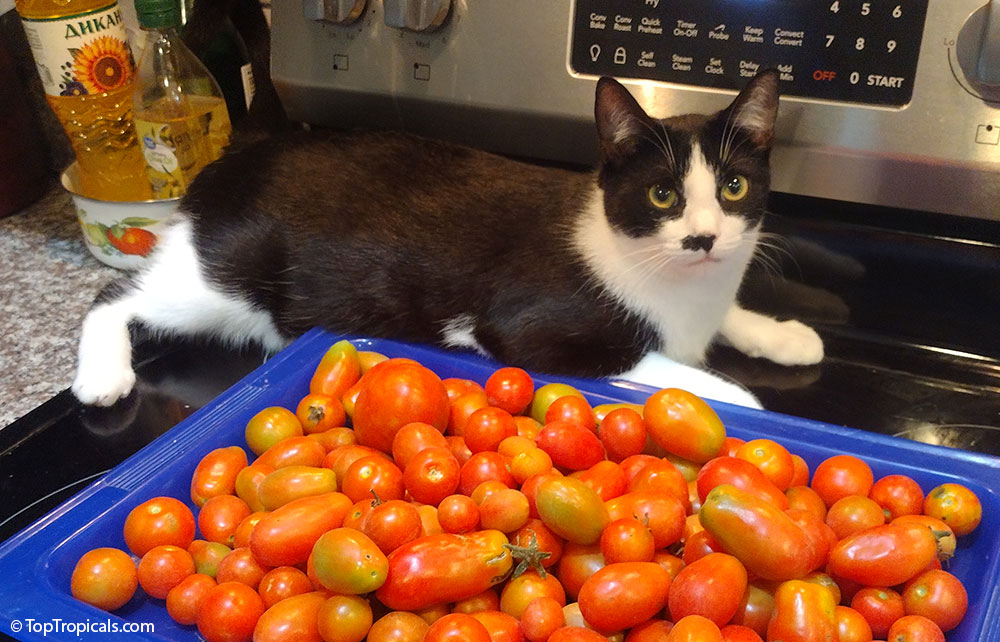
Tuxedo  cat  with  tomatoes

Date: 24 Jun 2018

Adenium: a Rose by any Other Name

New article by Jane Jordan.
"...The famous quote is often used to imply that the names of things do not affect what they really are, in the case of The Desert Rose (Adenium obesum) it is not a rose at all, rather a succulent that thrives in hot, dry and sunny conditions. These spectacular plants have no relation to the rose family, they are a species of flowering plant from the dogbane family, Apocynaceae. The naming of this plant is partly correct as they originate in sub-Saharan Africa and the Arabian Peninsula, where they can grow into large trees with huge swollen trunks..."
Continue reading...

Date: 17 May 2026

9 awesome accent plants and vines that love heat and dry conditions

9 awesome accent plants and vines that love heat and dry conditions 9 awesome accent plants and vines that love heat and dry conditions 9 awesome accent plants and vines that love heat and dry conditions 9 awesome accent plants and vines that love heat and dry conditions 9 awesome accent plants and vines that love heat and dry conditions

☀️ 9 awesome accent plants and vines that love heat and dry conditions


The hardest spots aren’t for trees - they’re for everything else. The toughest areas are often smaller spaces - along walls, patios, containers, or rocky patches where soil dries out fast. This is where most plants fail quickly.
These picks don’t just survive - they stand out. They bring texture, color, and structure - without needing constant watering or perfect soil.


Why containers are the toughest of all in heat


Growing in pots in hot, dry conditions is a different game. The soil heats up fast, roots can literally overheat, and moisture disappears much quicker than in the ground. If you’re using containers, protect the root zone - group pots together, tuck them into partial shade, or shield the container itself from direct sun. Choosing drought-tolerant plants helps, but don’t assume they can go totally without water - even tough plants in pots can dry out quickly, so check regularly and don’t let them go bone dry.

🔥 9 best smaller plants and vines for hot, dry spots


  1. ☀️ 1. Adenium - Desert Rose 📸
    Stores water in its caudex and thrives in heat - one of the best flowering plants for dry conditions.

    Adenium Plant Facts

    Botanical name: Adenium sp.
    Also known as: Adenium, Desert Rose, Impala Lily
    USDA Zone: 9 - 10
    Highligths Plant with caudexLarge shrub 5-10 ft tallSmall tree 10-20 ftFull sunDry conditionsModerate waterYellow, orange flowersRed, crimson, vinous flowersUnusual colorBlue, lavender, purple flowersWhite, off-white flowersPink flowersToxic or Poisonous
    Get personalized tips for your region
    More details
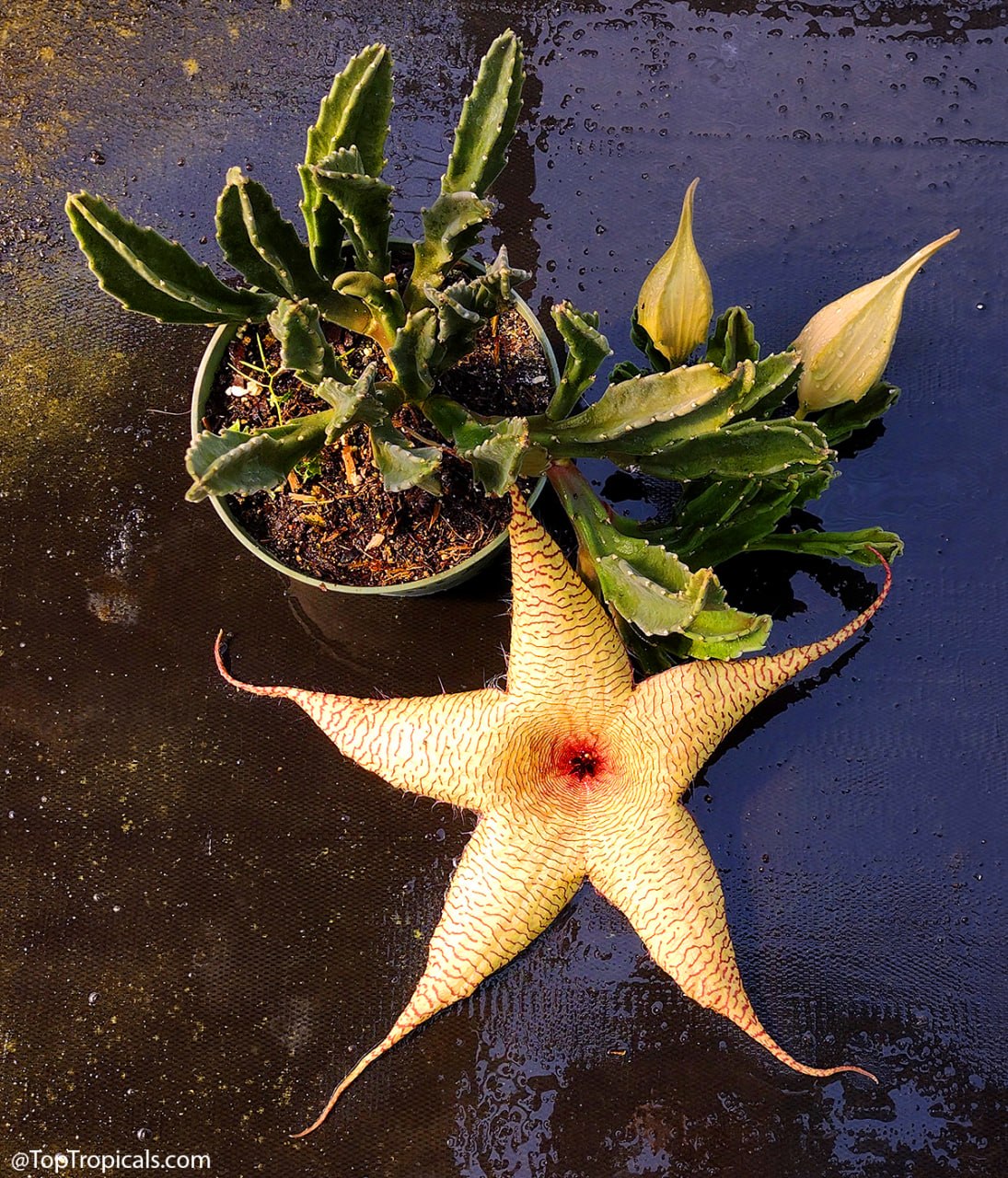
  2. ☀️ 2. Stapelia gigantea - Starfish Flower 📸
    Unusual and tough - thrives in dry soil and produces massive, eye-catching blooms.

    Zulu Giant Plant Facts

    Botanical name: Stapelia gigantea
    Also known as: Zulu Giant, Carrion Plant, Starfish Flower
    USDA Zone: 9 - 10
    Highligths Small plant 2-5 ftFull sunModerate waterUnusual colorPlant attracts butterflies, hummingbirds
    Get personalized tips for your region
    More details
  3. ☀️ 3. Cissus quadrangularis - Veld Grape Vine 📸
    A succulent vine that handles heat and drought while adding a unique structural look.

    Veld grape Plant Facts

    Botanical name: Cissus quadrangularis, Vitis quadrangularis
    Also known as: Veld grape
    USDA Zone: 9 - 11
    Highligths Groundcover and low-growing 2ft plantVine or creeper plantSemi-shadeFull sunModerate waterOrnamental foliageEthnomedical plant.
Plants marked as ethnomedical and/or described as medicinal, are not offered as medicine but rather as ornamentals or plant collectibles.
Ethnomedical statements / products have not been evaluated by the FDA and are not intended to diagnose, treat, cure, or prevent any disease. We urge all customers to consult a physician before using any supplements, herbals or medicines advertised here or elsewhere.Subtropical plant. Mature plant cold hardy at least to 30s F for a short time
    Get personalized tips for your region
    More details
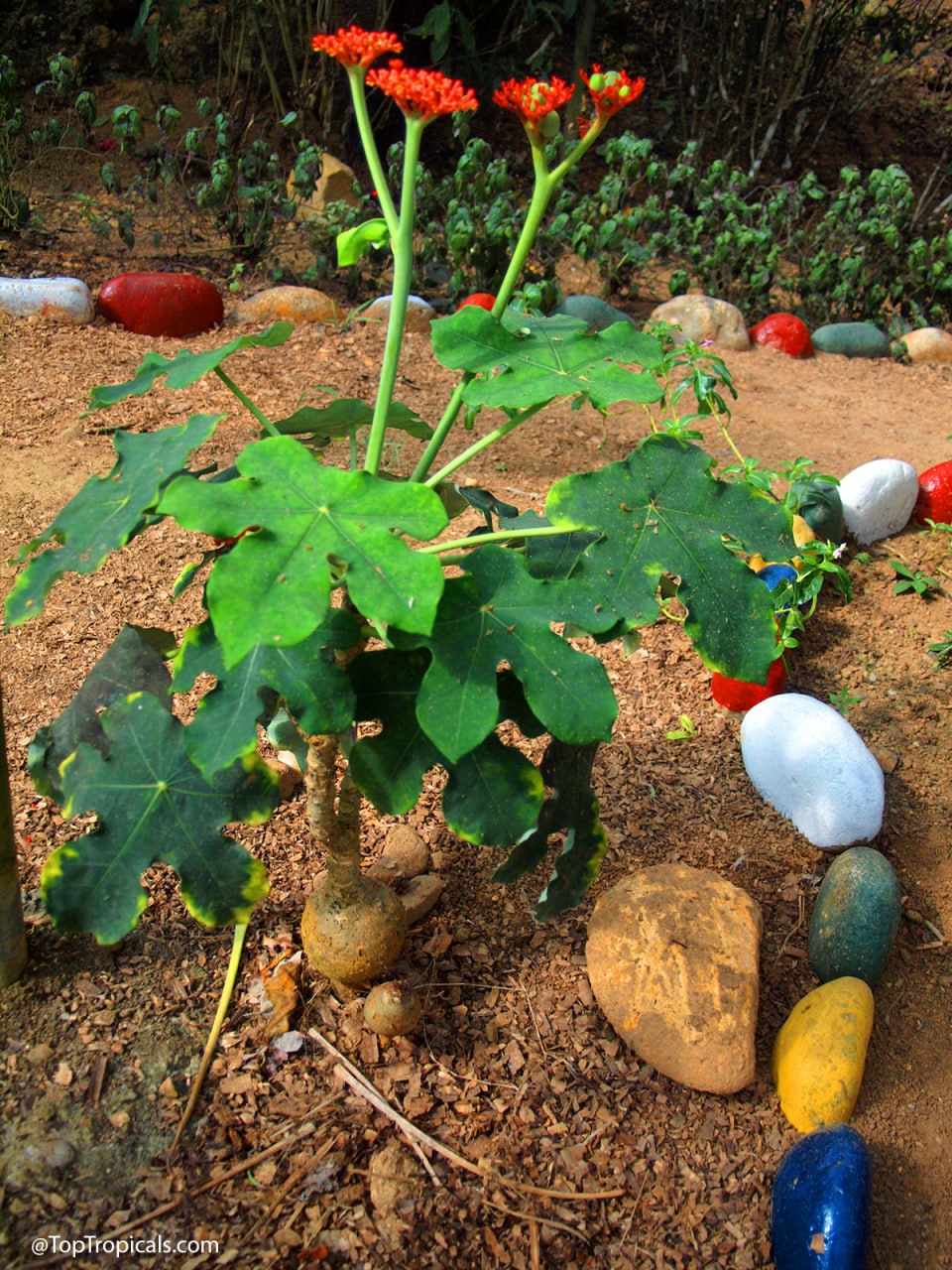
  4. ☀️ 4. Jatropha podagrica - Gout Plant 📸
    Thick stems store water, making it surprisingly drought tolerant with a bold tropical look.

    Gout Plant Plant Facts

    Botanical name: Jatropha podagrica
    Also known as: Gout Plant, Gout Stick, Buddha Belly, Guatemala Rhubarb, Tartogo
    USDA Zone: 9 - 11
    Highligths Plant with caudexPlant used for bonsaiSmall plant 2-5 ftSemi-shadeShadeFull sunModerate waterYellow, orange flowersRed, crimson, vinous flowersOrnamental foliageToxic or PoisonousPlant attracts butterflies, hummingbirdsSubtropical plant. Mature plant cold hardy at least to 30s F for a short timeSeaside, salt tolerant plant
    Get personalized tips for your region
    More details
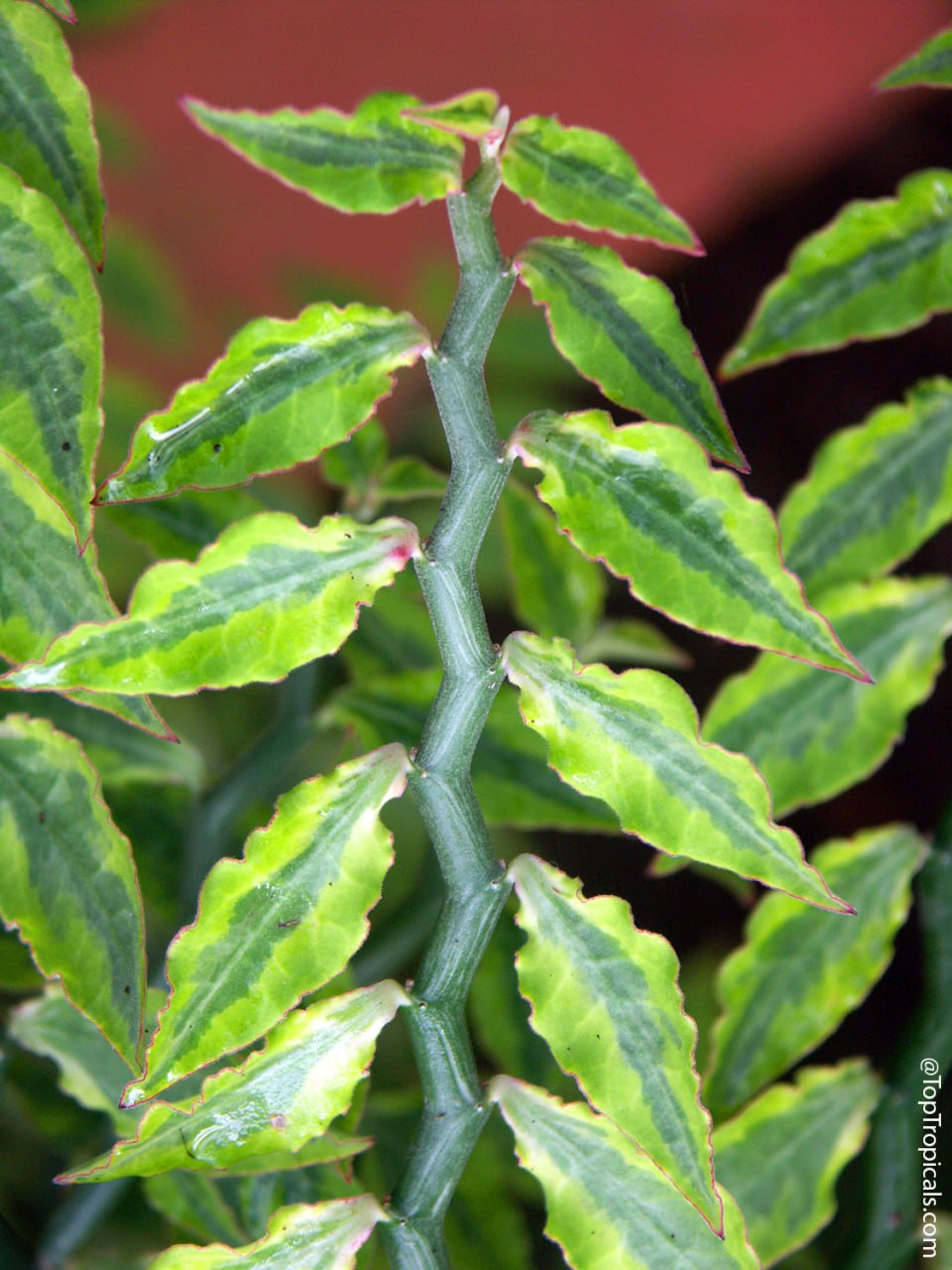
  5. ☀️ 5. Pedilanthus tithymaloides - Devil's Backbone 📸
    Extremely forgiving - thrives on neglect, heat, and dry soil.

    Devil's backbone Plant Facts

    Botanical name: Euphorbia tithymaloides, Pedilanthus tithymaloides
    Also known as: Devil's backbone, Zigzag plant, Jacob's ladder
    USDA Zone: 9 - 11
    Highligths Large shrub 5-10 ft tallSmall plant 2-5 ftSemi-shadeFull sunModerate waterOrnamental foliagePink flowersIrritating plantSubtropical plant. Mature plant cold hardy at least to 30s F for a short time
    Get personalized tips for your region
    More details
  6. ☀️ 6. Agave species - Tequila Agave, Century Plant
    Classic drought plants - architectural, extremely tough, and almost maintenance-free.

    Century plant Plant Facts

    Botanical name: Agave americana
    Also known as: Century plant
    USDA Zone: 8 - 11
    Highligths Large shrub 5-10 ft tallFull sunDry conditionsModerate waterThorny or spinySubtropical plant. Mature plant cold hardy at least to 30s F for a short time
    Get personalized tips for your region
    More details
  7. ☀️ 7. Crocosmia species - Coppertips / Falling Stars
    Handles heat well once established and adds bright seasonal color with minimal care.

    Coppertips Plant Facts

    Botanical name: Crocosmia sp.
    Also known as: Coppertips, Falling Stars, Montbretia
    USDA Zone: 8 - 11
    Highligths Small plant 2-5 ftSemi-shadeFull sunModerate waterRegular waterYellow, orange flowersRed, crimson, vinous flowersPlant attracts butterflies, hummingbirdsSubtropical plant. Mature plant cold hardy at least to 30s F for a short time
    Get personalized tips for your region
    More details
  8. ☀️ 8. Ipomoea platensis - Caudiciform Morning Glory
    A rare vine with a swollen base - built to handle dry cycles and intense sun.

    Plata Ipomoea Plant Facts

    Botanical name: Ipomoea platensis, Ipomoea platense, Ipomoea lineariloba
    Also known as: Plata Ipomoea, Caudiciform Morning Glory
    USDA Zone: 9 - 11
    Highligths Plant with caudexVine or creeper plantSemi-shadeModerate waterRegular waterPink flowersSubtropical plant. Mature plant cold hardy at least to 30s F for a short time
    Get personalized tips for your region
    More details
  9. ☀️ 9. Plectranthus hadiensis tomentosus - Camphor Basil
    Soft, aromatic foliage that tolerates dry conditions better than most leafy plants.

    Camphor Plant Plant Facts

    Botanical name: Plectranthus tomentosus, Plectranthus hadiensis var. tomentosus
    Also known as: Camphor Plant, Camphor Basil, Vicks Plant, Succulent Coleus
    USDA Zone: 9 - 10
    Highligths Groundcover and low-growing 2ft plantSmall plant 2-5 ftSemi-shadeFull sunDry conditionsModerate waterOrnamental foliageBlue, lavender, purple flowersPlant attracts butterflies, hummingbirdsSpice or herb plantEthnomedical plant.
Plants marked as ethnomedical and/or described as medicinal, are not offered as medicine but rather as ornamentals or plant collectibles.
Ethnomedical statements / products have not been evaluated by the FDA and are not intended to diagnose, treat, cure, or prevent any disease. We urge all customers to consult a physician before using any supplements, herbals or medicines advertised here or elsewhere.Fragrant plant
    Get personalized tips for your region
    More details


🛒 Shop drought tolerant plants - for hot and dry spots

📚
Learn more:
Jatropha podagrica - in Plant Encyclopedia
7 tough shrubs that handle heat and dry soil
9 tough trees for hot, dry spots that actually thrive
9 best tropical shrubs that bloom all summer long or year around
The bizarre bloom you cant stop staring at
Coral-blooming bonsai with a bottle-shaped trunk - perfect container plant
Caudiciform Morning Glory
Grows in neglect: tough plant for tough spots

#Discover #Hedges_with_benefits #How_to

🟢 Join 👉 TopTropicals