Garden Blog - Top Tropicals

Date: 17 Jan 2026

Ti plant leaf color meaning
Hawaiian Ti plant (Cordyline fruticosa)

Hawaiian Ti plant (Cordyline fruticosa)

🌈 Ti plant leaf color meaning


The Hawaiian Ti plant (Cordyline fruticosa) is more than just a colorful tropical accent. Across Polynesian, Hawaiian, and Southeast Asian cultures, the color of ti plant leaves has long been associated with different meanings, moods, and uses - both symbolic and practical.

Hawaiian Ti Leaf Plant Facts

Botanical name: Cordyline fruticosa, Cordyline terminalis
Also known as: Hawaiian Ti Leaf
USDA Zone: 10 - 11
Highligths Large shrub 5-10 ft tallSmall plant 2-5 ftSemi-shadeShadeFull sunWatering: Regular. Let topsoil dry slightlyOrnamental foliageUnusual colorPink flowersSubtropical plant. Mature plant cold hardy at least to 30s F for a short time
Get personalized tips for your region


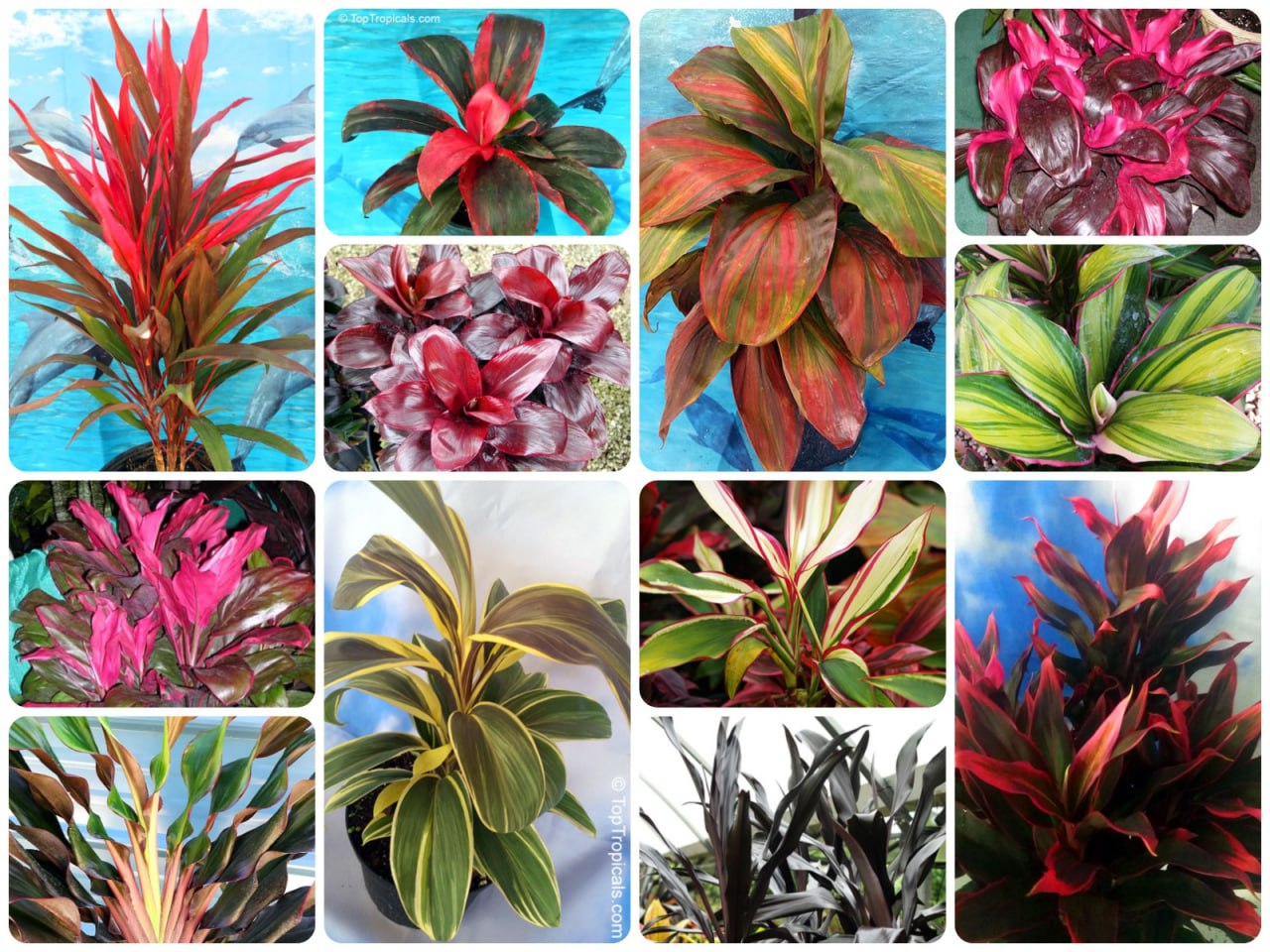
🌈 Green leaves
Green ti plants are linked to peace, balance, and steady growth. Traditionally, they were planted around homes for protection and good fortune. In the garden, green varieties are usually the toughest and most shade-tolerant.

🌈 Red and deep burgundy leaves
Red ti plants are associated with strength, power, and protection. In Hawaiian tradition, red ti leaves were believed to ward off negative energy and were often used in ceremonies. Garden-wise, deeper reds usually mean more sun exposure and stronger pigmentation.

🌈 Pink, magenta, and multicolor leaves
These colorful ti plants symbolize joy, celebration, and creativity. They are often used as ornamental focal points and in festive plantings. Variegated and pink types tend to prefer brighter light to keep their colors sharp.

🌈 Purple and dark-toned leaves
Purple ti plants are linked to mystery, spirituality, and transformation. Their dramatic color comes from high anthocyanin levels and usually intensifies in bright light with good nutrition.

🌈 Yellow or light variegation
Yellow tones often represent optimism and new beginnings. Plants with lighter variegation may grow a bit slower and need protection from harsh sun, but they add a softer contrast in tropical landscapes.

🌈 One practical note
Leaf color is influenced not just by variety, but also by light, temperature, and nutrition. Fading color usually means too little light or depleted soil, while rich, bold tones signal a happy plant.

Ti plant colors tell a story - part cultural tradition, part plant health, and part personal style in your garden.

🛒 Ti plants rainbow: collect them all

📚 Learn more:


Cordyline fruticosa in Plant Encyclopedia
Ti plant: bold color, easy care
Color that lasts year-round

#Container_Garden #Hedges_with_benefits #Shade_Garden #Discover #Horoscope

🟢 Join 👉 TopTropicals

Date: 25 Apr 2026

♥️ Mother’s Day: More Than a Gift

Smokey  cat  with  glasses  showing  mango  tree  to  mother  cat  in  garden
Mom: You grew this… for me? You remembered my favorite…
Smokey: I did.
Mom: You never forget what matters. It’s beautiful.
Smokey: Not as much as you. Happy Mother’s Day.
Sunshine: You raised him right. It shows.

Some things stay with you from your mom.

A favorite fruit. A smell from the garden. The way she showed you how to care for something and stick with it.

At the time, it felt small. Later, you realize it wasn’t. It turns into something real - a tree, a habit, a way of doing things you still follow.

Mother’s Day is simply a reason to tell your mom you remember. To say thank you for what she taught you, and to show your love.

It does not have to be complicated. Just something that makes it clear you were paying attention.

If you are thinking what to give, start simple.

A fruit she loves. A plant she will enjoy watching grow. Something alive, not just something that sits on a shelf.

It does not have to be big. What matters is that it means something to her.

And maybe, years from now, it becomes one of those things that stays.

We put together a few plants that make good Mother’s Day gifts.

Fragrant flowers. Fruit trees she can enjoy year after year. Easy growers that do not require much effort.

If she has a favorite, start there. If not, pick something simple and reliable.

🛒 Shop Gift plants

Date: 21 Mar 2026

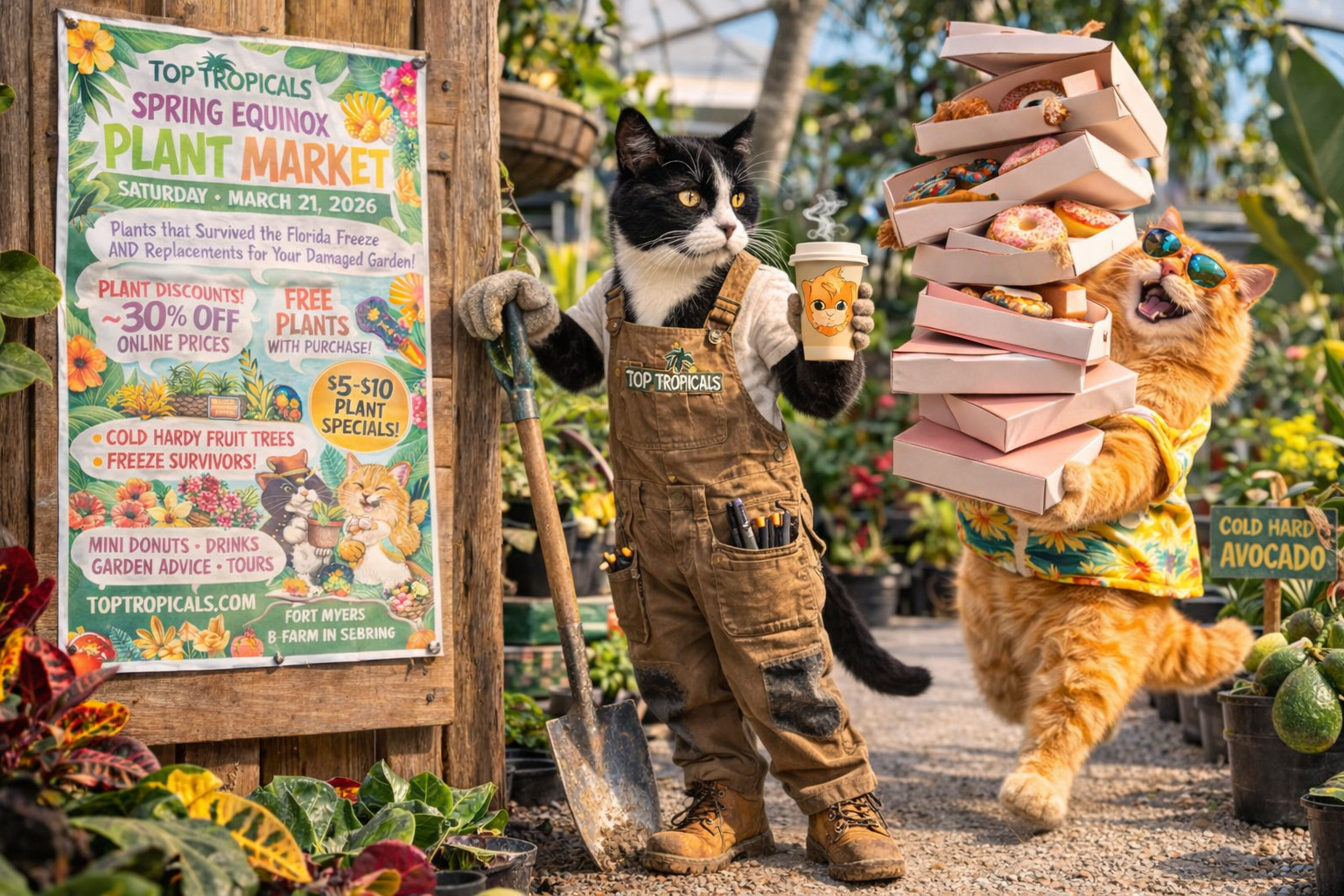
Today: Spring Equinox Plant Festival 🌿

Smokey  the  tuxedo  cat  holding  Sunshine's  coffee  while  Sunshine  carries 
 a  large  stack  of  donut  boxes  in  a  tropical  nursery  with  lush  plants  and  an 
 equinox  sale  poster
Sunshine:Smokey, hold my coffee. Donuts are coming. Big day today.

Smokey: Under control. Try not to drop half of them.

Both: Friends, come over today.

Everything is ready for today at our Spring Equinox Plant Festival. The garden is full and we would love to see you. Come over today and enjoy it with us.

SEE FULL EVENT DETAILS

Date: 28 Jan 2026

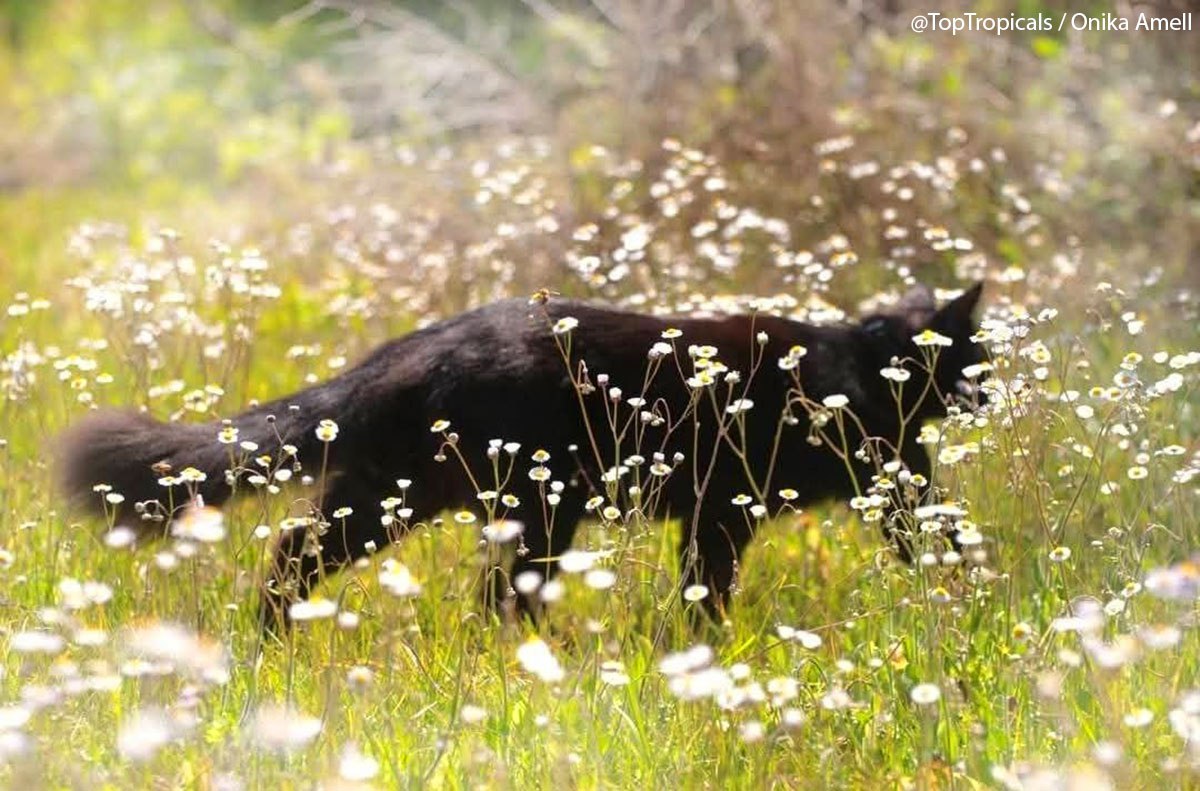
Cat Donald in the garden

Onika's cat Donald

Onika's cat Donald

🕺 Onika's cat Donald


🐈📸 Meet Onika's cats from TopTropicals PeopleCats.Garden:
This is Donald (last name is Trump - it is what it is). Donald is patrolling the yard constantly to make sure everyone is safe.

#PeopleCats

🟢 Join 👉 TopTropicals

Date: 24 May 2026

Fruit Tree Hacks: 5 High-Yield Fruit Trees You Can Buy for Under $50

High-Yield Fruit Trees You Can Buy for Under $50

High-Yield Fruit Trees You Can Buy for Under $50

💲 Fruit Tree Hacks: 5 High-Yield Fruit Trees You Can Buy for Under $50


Starting a home orchard doesn’t have to cost a fortune. While high-end grafted Mangoes or Avocados can easily set you back $100 or more, there is a "secret category" of fruit plants that are affordable, fast-growing, and perfect for beginners. If you have a $40-50 budget and a small sunny spot, these five options provide the best "bang for your buck" in terms of growth speed and flavor.

1. Dragon Fruit: The Vertical Speedster


Dragon Fruit is the ultimate budget win. Because it grows from cuttings easily, nursery prices stay low.
The Payoff: It grows incredibly fast. In a single season, a small pot can turn into a massive climbing cactus.
Space Saver: It grows vertically on a post or trellis, making it perfect for side-yards or balconies.
👉 More...

2. Peanut Butter Fruit (Bunchosia)

This is the ultimate conversation starter for your garden.
The Flavor: The fruit has a dense, sticky texture that tastes exactly like sweet peanut butter.
Why it’s a Bargain: It stays naturally compact (shrub-sized) and often begins fruiting in its second or third year - much faster than traditional fruit trees.
👉 More...

3. Blackberry Jam Fruit (Randia formosa)

If you love gardening in containers, this is your best friend.
The Experience: You don't pick a bucket of these; you enjoy them as a garden snack. The pulp inside is black and gooey, tasting remarkably like high-quality preserves.
The Price Point: Because it is technically a woody shrub, you can often find "ready-to-fruit" sizes for very reasonable prices compared to large-canopy trees.
👉 More...

4. The "Eugenia" Group (Surinam, Grumichama, Rio Grande)

Professional landscapers love this family of plants because they double as "Edible Hedges."
Surinam Cherry: Extremely tough. It handles poor soil and neglect while producing star-shaped, ribbed fruits.
Grumichama: Often called the "Brazilian Cherry," it produces a fruit that looks and tastes strikingly like a true Bing cherry but grows in warm climates where cherries usually fail.
Cherry of the Rio Grande: A beautiful, upright grower with attractive peeling bark. It produces dark purple, teardrop-shaped fruits that are among the best tasting of all the tropical cherries. The tree is the most cold hardy of all eugenias.
👉 More...

5. Mulberries

While not on every list, a Mulberry is a budget powerhouse. They are often sold in small 3-gallon pots for $30-40 and will literally start popping out berries the same week you plant them.
👉 More...

👉 Pro Tip: How to Save Even More


To keep your costs down, look for these plants in 3-gallon containers.
Why? 3-gallon plants are the "sweet spot" for value. They are large enough to be established and hardy, but they haven't reached the premium price point of 7 or 15-gallon "instant landscape" trees.

🛒 Shop Budget-Friendly Fruit Trees

📚 Learn more:

Murta Plant Facts

Botanical name: Blepharocalyx salicifolius, Eugenia salicifolia
Also known as: Murta
USDA Zone: 9 - 10
Highligths Small tree 10-20 ftSemi-shadeFull sunWatering: Regular. Let topsoil dry slightlyWhite, off-white flowers
Get personalized tips for your region

· Eugenia cherries in Plant Encyclopedia
· 3 Best Trees for a "Fast-Fruit" Garden
· 10 best fruit trees to grow in Florida and Southern landscapes
· Top 10 fast-fruiting trees
· 5 fast-growing fruit trees and shrubs for quick, low-effort harvests (Top Tropicals experts for Martha Stuart)

#Food_Forest #How_to #Discover

🟢 Join 👉 TopTropicals