Date: 11 Sep 2020
The best Loquat varieties with big, sweet fruit
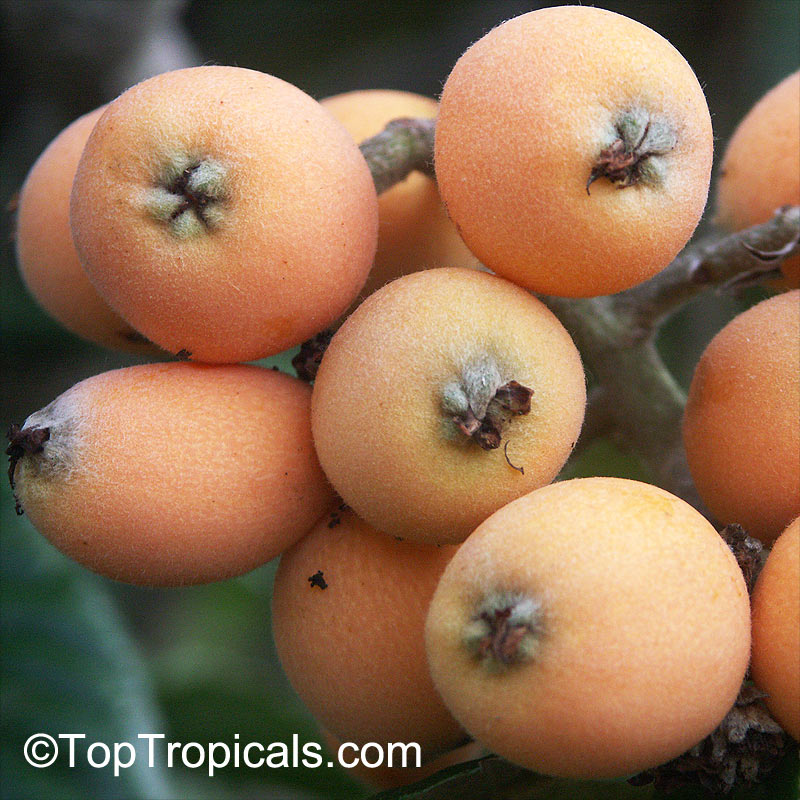
Q: I'm interested in loquat and read through the varieties you offer but wanted your recommendation. I'm looking for a variety that is big, sweet (not tart) with 1 seed. Of the varieties you offer... Which variety would you recommend?
A: From our experience, the most popular Loquat variety is Christmas.
It is an early ripening type hence the name Christmas. Fruits are very large
for a loquat, they are bright yellow with a tangy apricot flavor.
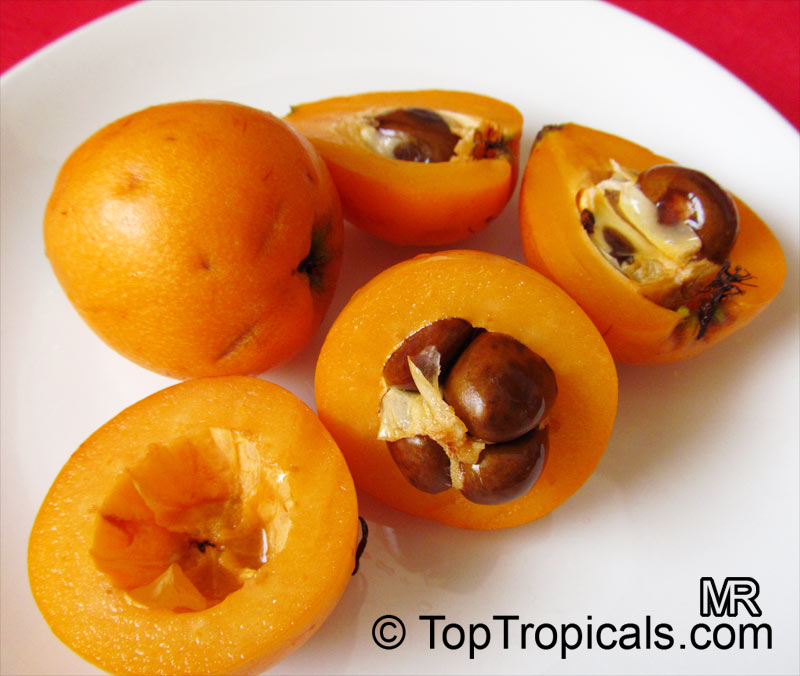
Another good variety we recommend is Yehuda - it has a large fruit and very small seed
Also, variety Oliver for many years has been considered the best loquat for South
Florida. The fruiting season is March to May. It has medium to large fruit. The
fruit is very sweet with only one-two seeds.
Loquats are very cold hardy tropical fruit trees, easy to grow, drought
tolerant, fast growing. Fruit is great for eating fresh or making jam.
Check them out while they are on sale!

Date: 12 Jul 2020
Delicious Turkish Brown Fig
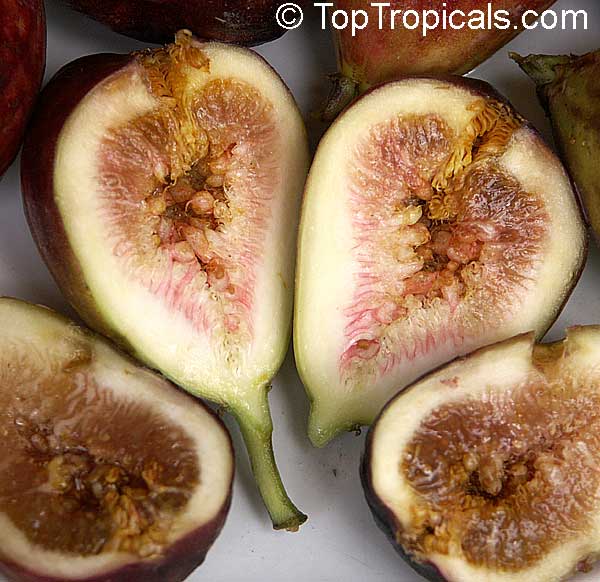
by Onika Amell, tropical plant expert
...Did you know that figs were among the very first plants grown in the
hot and arid Middle East? Fast growing and utterly delicious, they soon made
their way all over the Mediterranean, transported aboard ships and on the
backs of camels...
If you are a fig lover, you may be tempted to grow your own. Market-bought
figs are never as good and tasty as your own, homegrown figs. They just
simply do not keep well in supermarkets. Fast growing, undemanding and low
maintenance, figs will bear fruit in just two years, often bearing two crops in a
year. Another plus is that they are not bothered by too many pests and are
self-fertile. Apart from the delicious fruit, any fig tree will add beauty and
shade to a garden...
CONTINUE READING >>
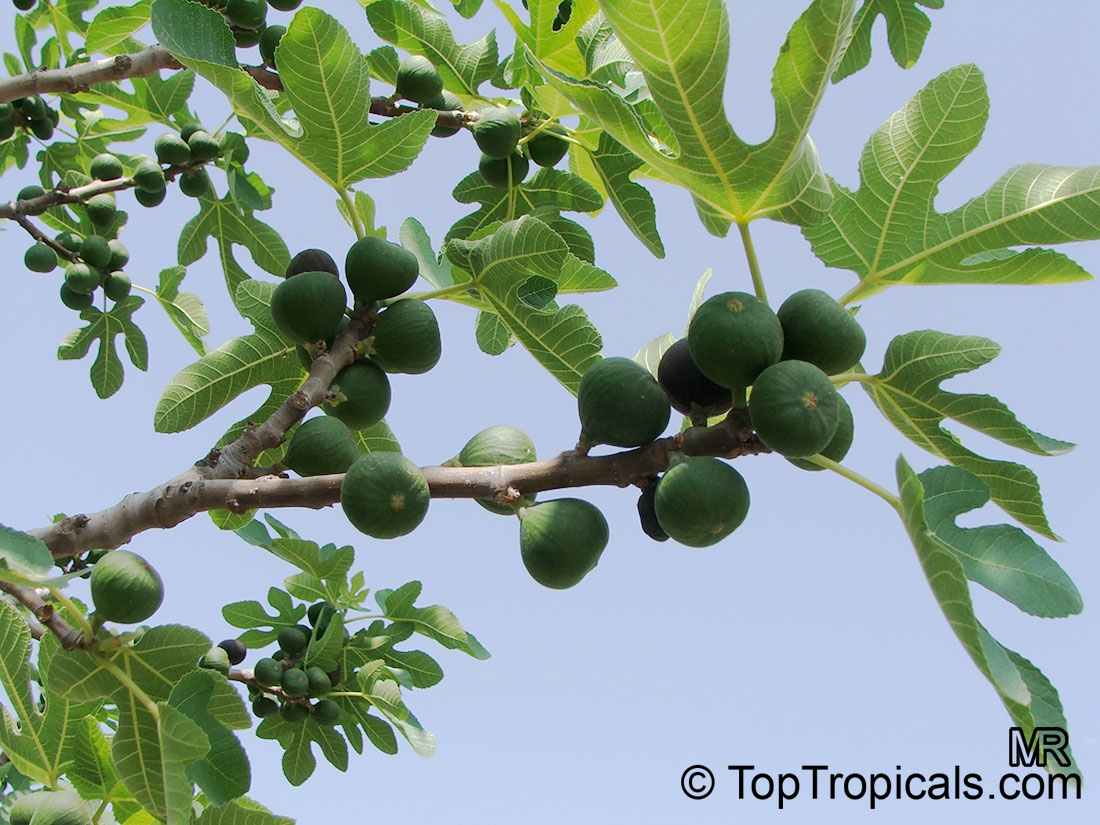
Read more about fig trees:
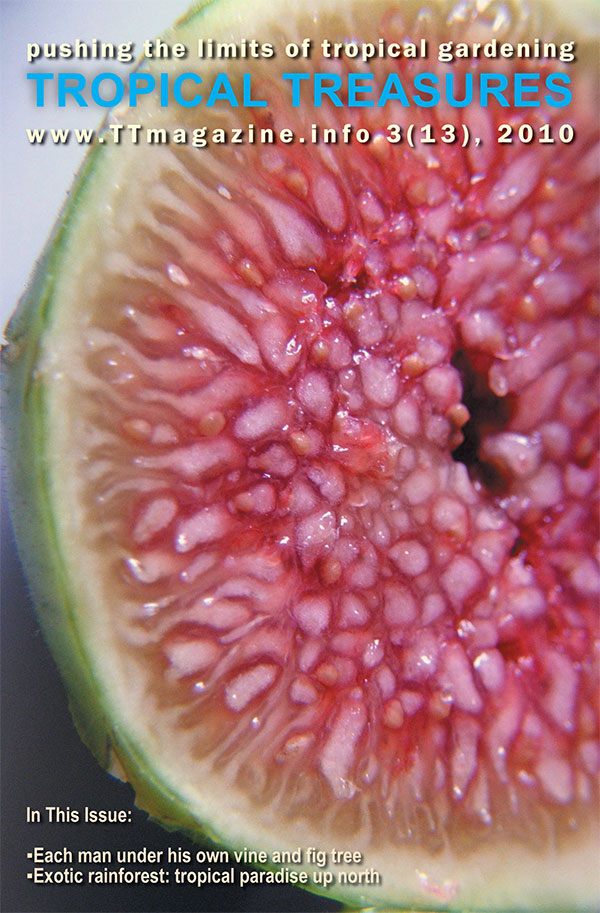
Tropical Treasure magazine # 13 (3) 2010:
- Hard
copy
- PDF
Download
Date: 30 Jun 2020
Plants like to snack!
How to feed Poinciana tree
(and other tropical flowering trees)
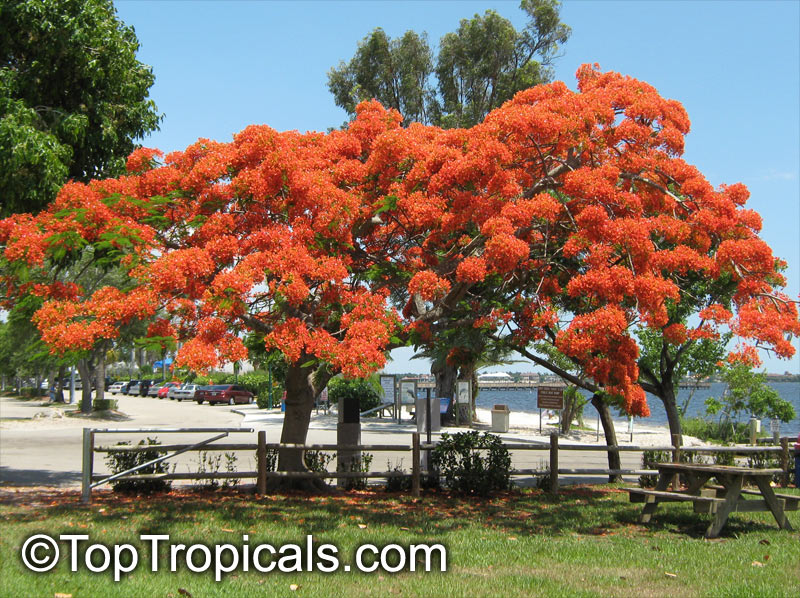
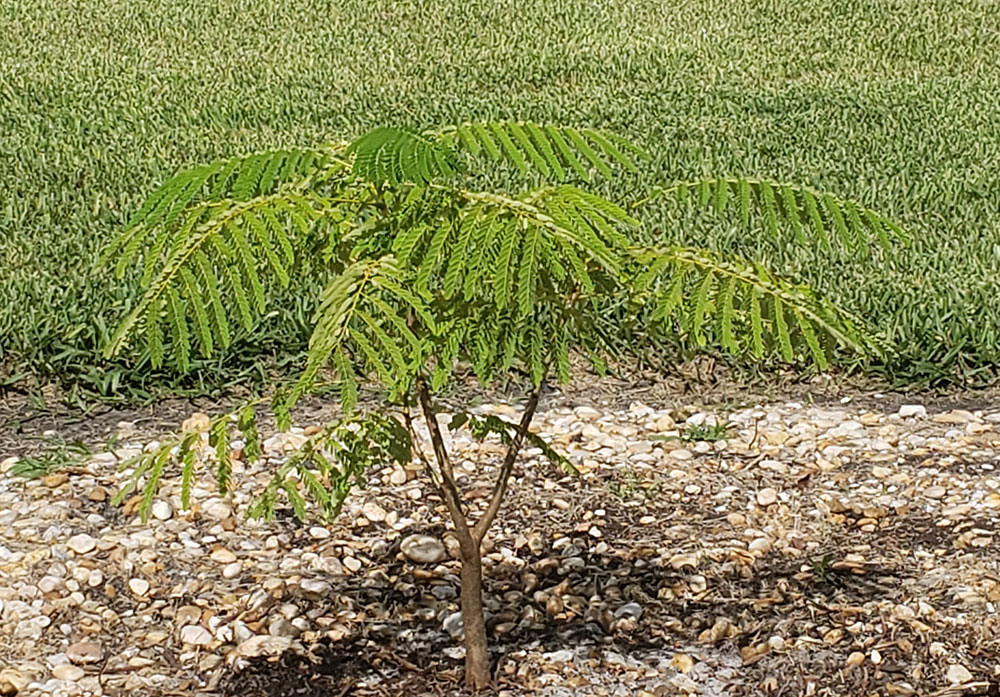
Q: We purchased a Royal Poinciana tree from TopTropicals not too long ago and we gradually gave it more sun until finally we were able to plant it in direct sunlight where it's been for a week or so. Rain has been sporadic lately so I'm giving it a little bit of water every day. It seems to be doing fine. I do have a question about whether the leaves are as green as they should be? I read online that I should fertilize it with gardenia / ixoria fertilizer in March, June, and October. I looked on homedepot.com but didn't really find anything that goes by that name. Would fertilizer help? Can you suggest a fertilizer?
A: Your Poinciana tree looks pretty healthy and happy,
congratulations with a great job!
Traditional (old-school) fertilizer recommendations usually suggest feeding
a plant 2-3 times a year with a slow-release fertilizer. And although a
plant will benefit from any fertilizer application (extra food is always good),
however, for the best results, faster growth, sooner and more profuse
blooming, your should use complete plant nutrition products - liquid fertilizers (see
why liquid
fertilizers are better than dry).
Here is an example. Some people eat a big heavy meal once a day which we
all know, is not very healthy. Other people eat balanced food more frequently
but in smaller portions - this is always the best way to go.
From this point, plants prefer SNACKING - frequent feeding, but with less
concentrated, mild and balanced nutrients.
For your beautiful Poinciana tree (and other flowering plants), we suggest
the following nutrition program:
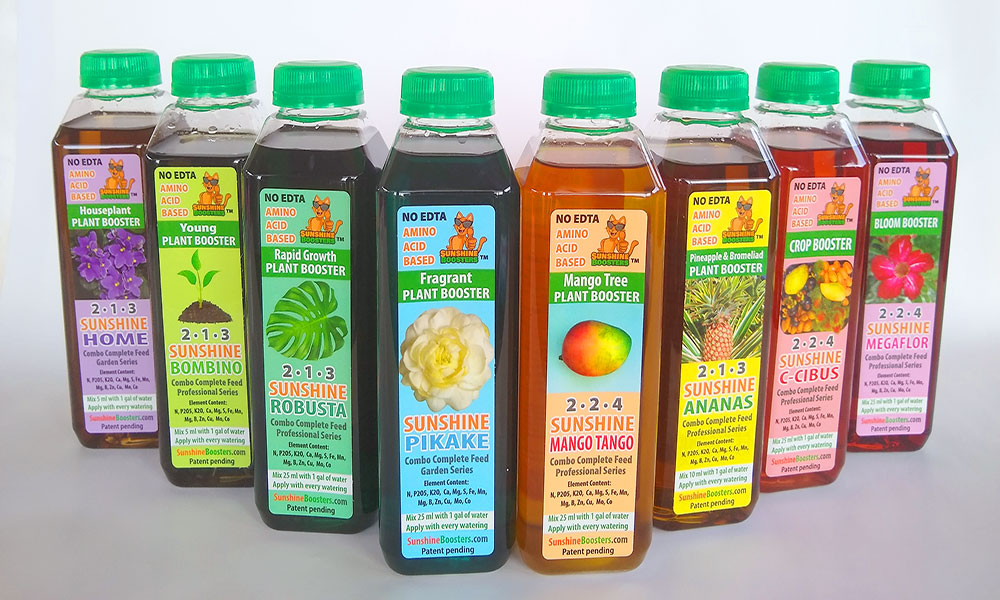
1) SUNSHINE Megaflor - Bloom Nutrition Booster - you may use this fertilizer as frequent as with every watering, it won't burn the roots, and will provide a complete nutrition for all plant needs throughout the year. You can continue fertilizing with Megaflor even during winter time. Sunshine Megaflor will help you to keep the plant healthy, vigorous, and resistant to stress and diseases. It turns leaves green and makes the plant strong so it will start flowering sooner for you.
2) Tropical Allure - Smart-Release Booster. Apply it once a month during hot season only (in Florida - from March to November).
Date: 30 May 2020
How to prevent mango fruit drop
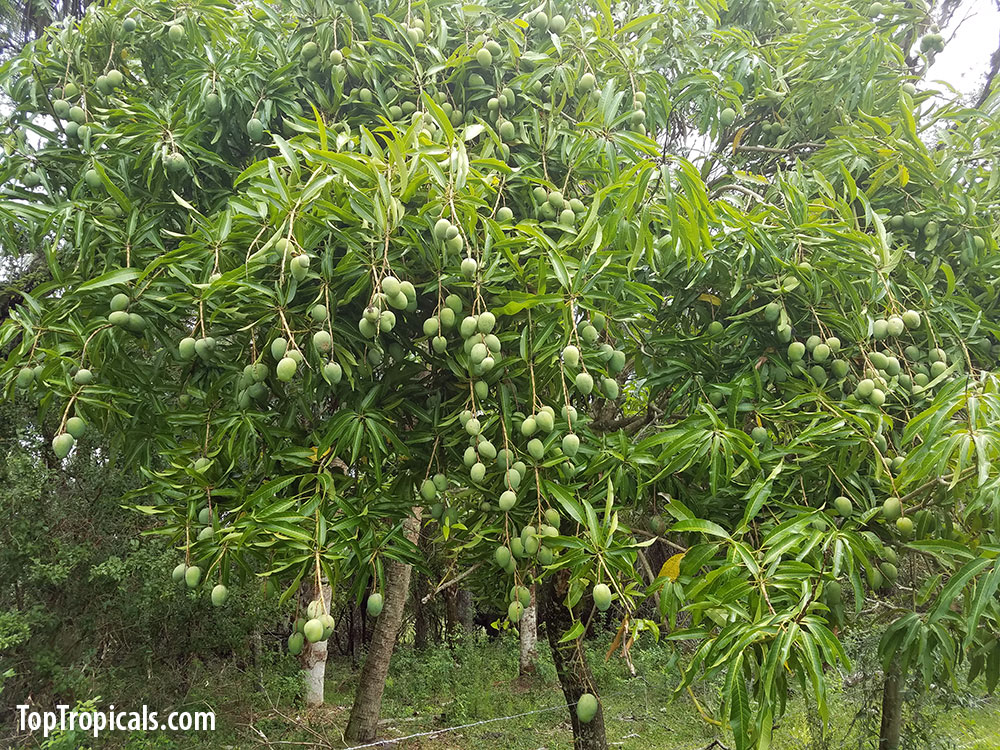
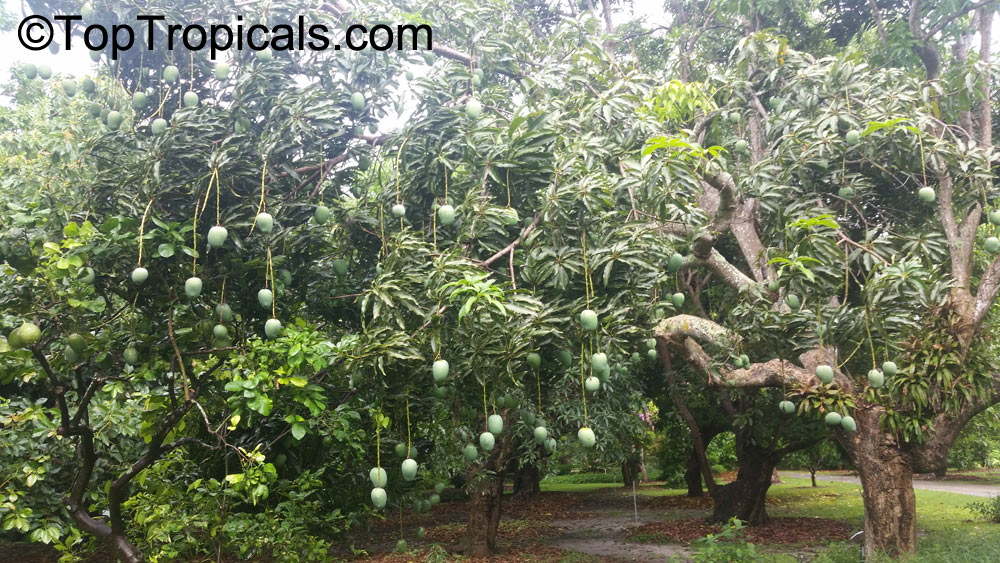
Q: My mature mango tree is fully grown 15 yrs old and each year it fully blooms, sometimes twice. Shortly thereafter, all the baby mangos and flowers fall off providing no mangos for the season. I have tried fertilizing, spraying the tree for fungus or other insects, to no avail. I give up, any suggestions?
A: Dropping fruit in pretty common issue with mango trees. There
may be several reasons, or a combination of reasons.
1. Fungal disease (anthracnose), and/or powdery mildew. To avoid
fungal disease problems, spray your tree when it just begins to form the flower
spikes. Treat foliage with Copper fungicide. There is also another
one, very effective for anthracnose: Thiophanate methyl.
2. Inadequate nutrition. Feed your tree with a combination of
granulated fertilizer Mango-Food, liquid booster SUNSHINE Mango Tango and micro-elements Sunshine Honey and Sunshine Superfood
Check out pictures of our mango tree problems that were fixed within a month by
using Sunshine Boosters.
3. Too much rain or heavy dew during blooming and fruit set (see 1 -
use preventive treatment for fungus)
4. Cold. Sometimes the cause of premature fruit drop is from the
cold weather during bloom and fruit set. Usually the most affected varieties are
the early bloomers including Glenn, Haden. The cold damages the developing
embryo in the seed. The fruit starts to develop but because of ethylene gas
given off by the damaged embryo, the fruit is triggered to drop before
maturity. To see if cold temperature was the cause for your fruit dropping, cut open
the fallen fruit. Even if there is a small speck of brown in the seed,
that's enough damage to stop fruit development.
To learn more how to care for your mango, please read this publication.
Date: 15 May 2020
Harvesting from a young mango tree
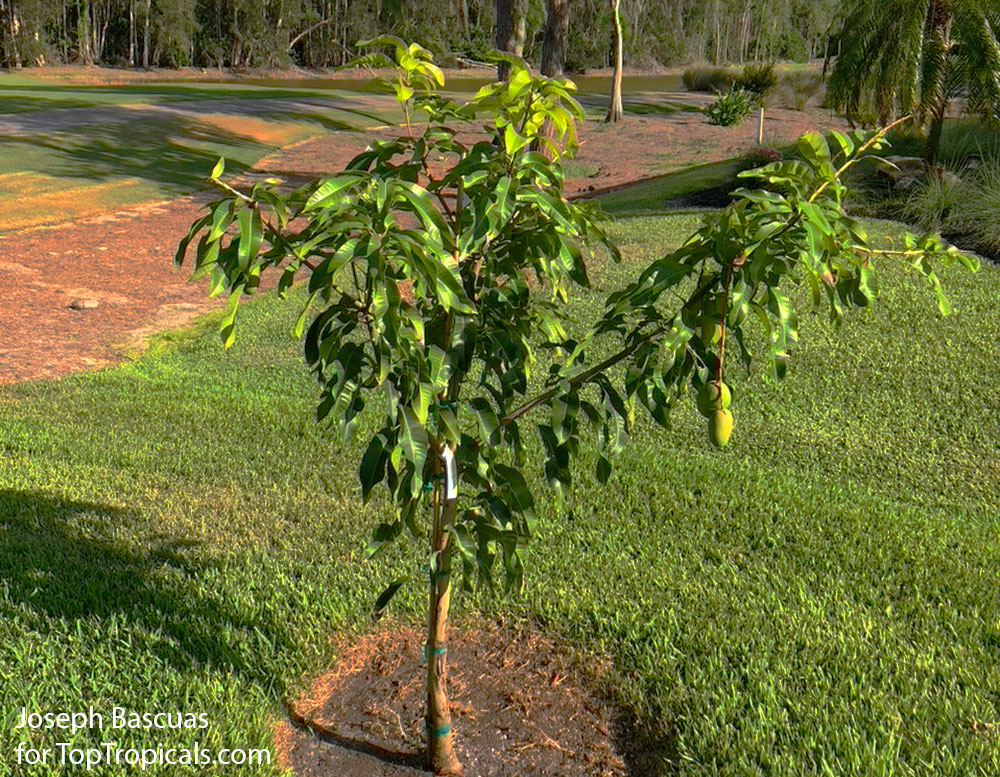
Q: About a year ago we bought a mango tree from you folks and planted it in our backyard in Estero. It has done well. It now has several mangoes and I am wondering if the tree is strong enough to support the fruit or if I should just cut off the fruit and wait until next year when the tree is a bit stronger. I am attaching some pictures. I am most concerned about the branch on the right which seems to be sagging. If you do not suggest that I cut off the fruit, can I wait until they ripen on the tree and eat them. They seem to be a bit on the small side for eating.
A: Your mango tree looks very healthy and happy, congratulation with a great job! For young mango trees, it is always recommended to minimize a number of fruit to 2-3 so
the tree has enough energy for vegetative growth rather than fruiting.
In your case, as we can see from the pictures, your tree is very well
established, has a strong root system, nice symmetrical shape, and vigorous new growth. In our opinion, you can save all
these fruit and let them ripen on the tree.
To support the plant's energy, make sure to fertilize it during summer with slow-release Mango Food, and year around - with Mango Tango booster. Use Sunshine Honey
supplement for sweeter fruit.
Secure the heavy fruit branch with a v-shape stake (a big branch may work), it can definitely use the support otherwise may break
under strong Florida winds.
You are all set to enjoy your first crop and be rewarded with fruit of your excellent work!
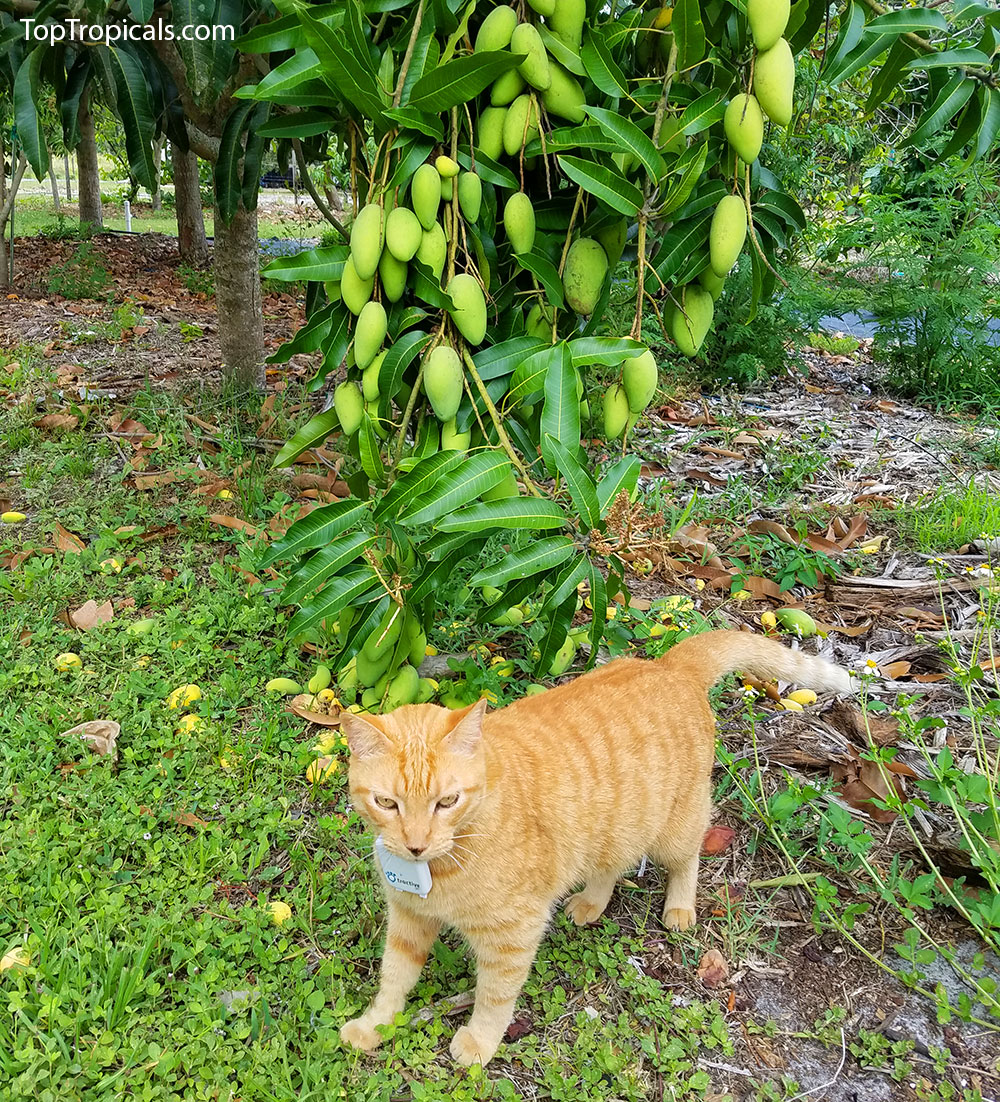
In the photo above: Mr B is harvesting Mango Pim Seng Mun after his successful Sunshine Boosters