Do Fruit Trees Increase Property Value? Tropical Plants That Pay Off
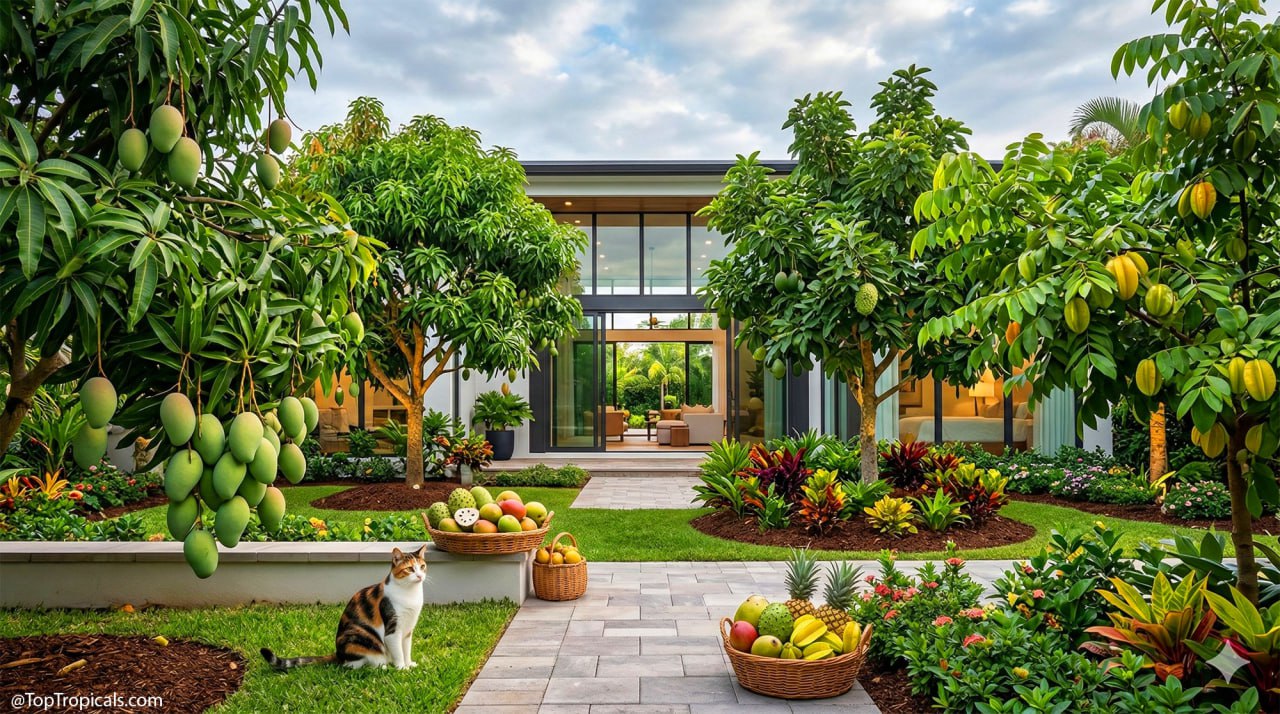
Yard with fruiting tropical trees
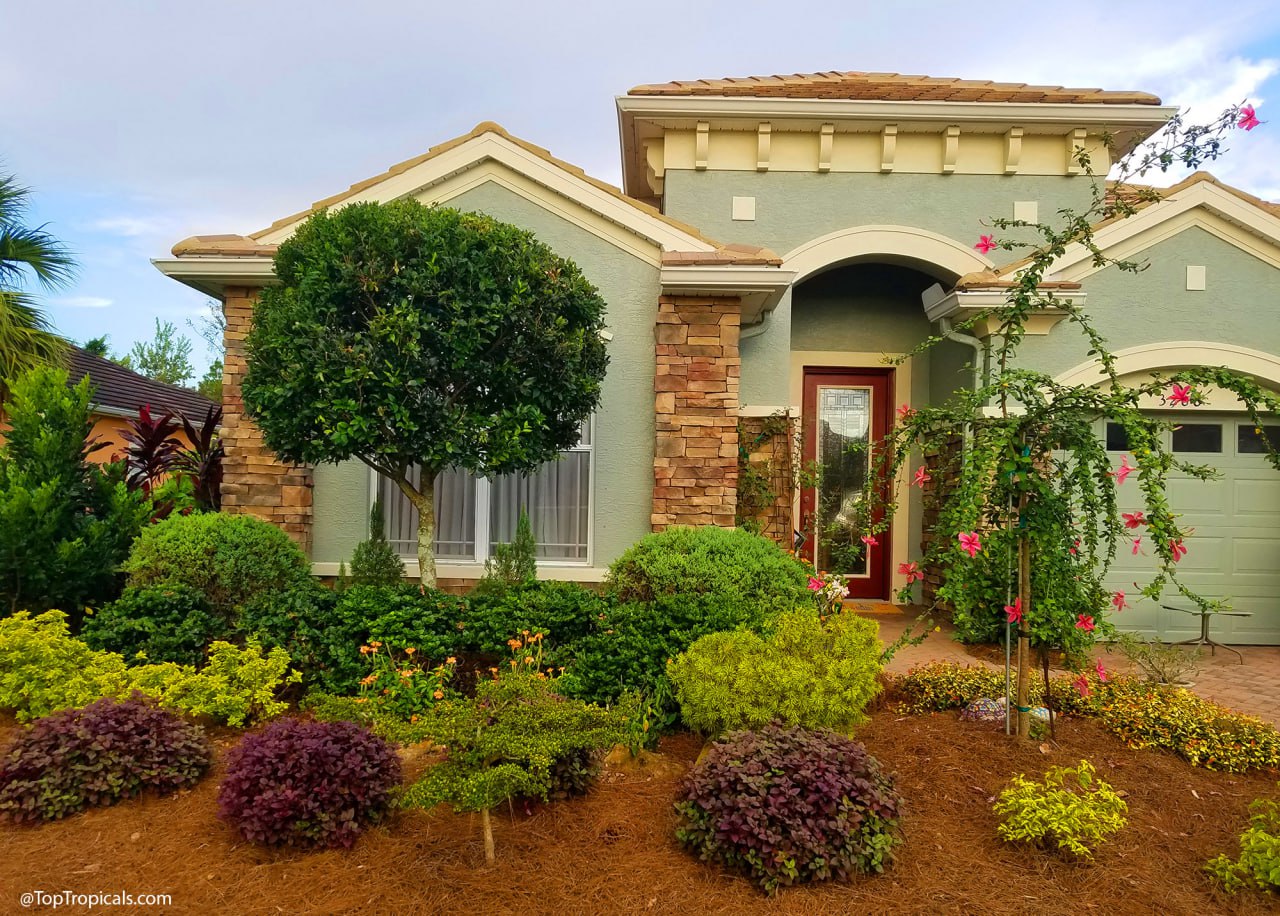
Landscaped yard in Florida
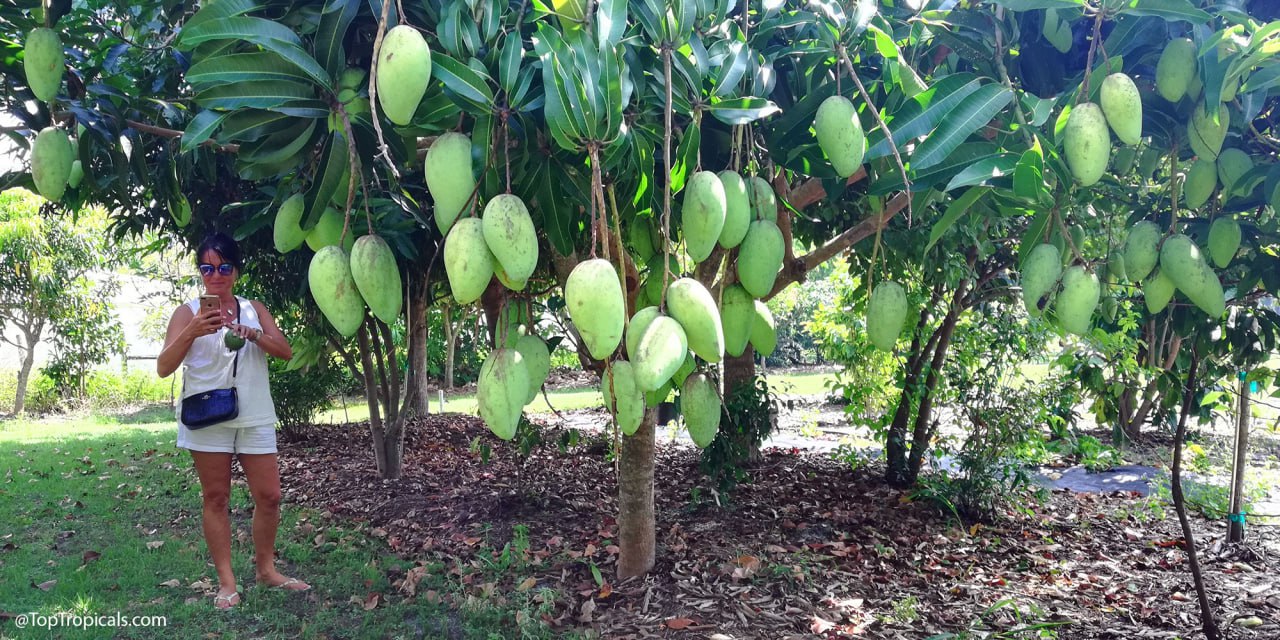
Mango tree fruiting in the garden
Do Fruit Trees Increase Property Value? Tropical Plants That Pay Off 🏡
Can your backyard pay for itself? Learn which 12 tropical fruit trees real estate experts say are the smartest investment for your landscape. Discover how tropical fruit trees like mango and avocado add "edible equity" and curb appeal to your property, making it more desirable to future buyers. Turn your yard into a private paradise that lowers grocery bills and boosts home value.
In warm climates like Florida, a mango tree isn't just landscaping - it’s a food-producing asset. Mature tropical fruit trees offer "edible equity," saving homeowners hundreds in grocery bills while creating a unique, memorable aesthetic for buyers.
Mango Plant Facts
Botanical name: Mangifera indica Also known as: Mango
USDA Zone: 9 - 11
Highligths
🥭 1. Focus on "Instant Recognition" Favorites
Trees buyers already know and love provide the strongest ROI. They signal that the yard is already productive - something new builds can’t offer.
• Top Picks: Mango, Avocado, Papaya, Banana, Guava, and Loquat.
Avocado Plant Facts
Botanical name: Persea americana, Persea gratissima Also known as: Avocado, Alligator Pear, Aguacate, Abacate
USDA Zone: 9 - 11
Highligths
• The Value: A single mature avocado or mango tree can yield hundreds of pounds of fruit annually.
🥭 2. Create a "Memorable Discovery" with Exotic Varieties
Unusual fruits turn a standard yard into a tropical orchard, acting as a conversation piece during home tours.
• The Exotic List: Jackfruit, Sugar Apple, Soursop, Sapodilla, Ice Cream Bean, and Star Fruit.
🥭 3. Strategic Placement for Energy Savings
Large-canopy trees like jackfruit or mango do more than provide food; they act as natural insulation.
• Natural Cooling: Strategic planting reduces afternoon sun exposure and lowers AC costs. • Indoor/Outdoor Flow: Use trees to frame window views, block neighbors, and create private "outdoor rooms."
🥭 4. The Power of the "Mini Orchard"
A collection of 3–5 trees creates a stronger emotional pull than a lone plant. Buyers begin to visualize a lifestyle of smoothies and harvests.
• Winning Combos: Mango + Avocado + Papaya or Guava + Star Fruit + Banana.
🥭 5. Maintenance: Health Equals Value
Fruit trees only add value if they look manageable. A neglected tree suggests a neglected home.
• Pre-Sale Prep: Prune for tidiness, mulch the base, and clear fallen fruit. • Spacing Matters: Avoid overcrowding; ensure buyers can walk comfortably through the yard without feeling "closed in."
🥭 The Long-Term Play
Unlike decorative plants that may need frequent replacement, fruit trees appreciate over time. Because a mango tree takes years to reach peak production, the best time to plant for future resale value is now. By the time you list, your yard will offer shade, privacy, and a harvest that buyers find hard to resist.
What tropical plants survived Floridas historic freeze without protection
Florida historic freeze
What tropical plants survived Florida's historic freeze without protection
In the first week of February 2026, arctic air pushed deep into Florida. For many areas, this was the coldest event in over a century.
We received one question over and over: How did your gardens do?
Top Tropicals Farm in Sebring, Florida is up and running - and this freeze became a real-world hardiness test for tropical and subtropical plants. Below is our initial field report after inspecting established plantings.
📊 Weather data - February 1-6, 2026
Sebring, Florida - 132 years of recorded observations
This was not a light frost. It was prolonged, windy, penetrating hard freeze.
🌡 Minimum temperature: 25F ❄️ Wind chill: 14F ⏳ Duration: 3 nights of 8-10 hour hard freeze ☀️ Daytime temperatures: around 50F for 7 days 🌀 Wind: sustained 20 mph, gusts 40-50 mph
Cold protection
In-ground trees: selected plants covered with frost cloth, especially
Mango Plant Facts
Botanical name: Mangifera indica Also known as: Mango
USDA Zone: 9 - 11
Highligths
mango and young
Avocado Plant Facts
Botanical name: Persea americana, Persea gratissima Also known as: Avocado, Alligator Pear, Aguacate, Abacate
USDA Zone: 9 - 11
Highligths
avocado trees. Tender container plants: moved into greenhouses with propane heat above 34F. Hardy container plants: frost cloth and wind protection only - no plastic Nutrition support: plants fertilized regularly during the growing season with Green Magic and Sunshine Boosters to maintain vigor and hardiness.
However, the plants listed below had no protection at all.
All were established trees 2-3 years in the ground.
The plants below had NO PROTECTION, established trees 2-3 years old
Botanical name: Psidium cattleyanum, Psidium littorale Also known as: Cattley Guava, Sand Plum, Strawberry Guava
USDA Zone: 9 - 11
Highligths
Eugenias (Grumichama, Rio Grande, Surinam and more)
Olive trees
Bay Leaf (Laurus nobilis)
Fig trees (Ficus carica)
Prunus sp - Peaches, Plums, Nectarines
Persimmons
Rubus (Blackberries) including Tropical Mysore Raspberry
Elderberry (Sambucus)
Yerba Mate - Ilex paraguariensis
Opuntia - Nopal Cactus, Prickly Pear
🌸 Flowering Trees and Shrubs:
Beaucarnea recurvata - Pony Tail
Ponytail Palm Plant Facts
Botanical name: Beaucarnea recurvata, Nolina recurvata Also known as: Ponytail Palm, Pony Tail, Bottle Palm, Nolina, Elephant-foot Tree
USDA Zone: 10 - 11
Highligths
Callistemon - Bottlebrush
Yucca
Tabebuias
Magnolia figo and Little Gem
Banana Magnolia Plant Facts
Botanical name: Magnolia figo, Michelia figo, Magnolia fuscata Also known as: Banana Magnolia, Banana Shrub, Port Wine Magnolia
USDA Zone: 7 - 10
Highligths
Calliandra tweedii - Red Powderpuff
Sophora tomentosa
Yellow Necklace Pod Plant Facts
Botanical name: Sophora tomentosa Also known as: Yellow Necklace Pod, Silverbush
USDA Zone: 8 - 11
Highligths
Galphimia gracillis - Thriallis
Thriallis Plant Facts
Botanical name: Galphimia gracillis, Galphimia gracilis, Galphimia glauca Also known as: Thriallis, Rain of Gold, Spray of Gold
USDA Zone: 9 - 11
Highligths
Acacia trees
Osmanthus fragrans
Tea Olive Plant Facts
Botanical name: Osmanthus fragrans, Olea fragrans, Olea ovalis, Osmanthus longibracteatus, Osmanthus macrocarpus Also known as: Tea Olive, Fragrant Olive, Sweet Olive, Kinmokusei in Japan
USDA Zone: 8 - 11
Highligths
Abutilon trees
Erythrina - several species
Monkey Ear tree - Enterolobium cyclocarpum
Bauhinia Orchid Trees - several species
Pseudobombax ellipticum - Shaving Brush Tree
Shaving Brush Tree Plant Facts
Botanical name: Pseudobombax ellipticum, Bombax ellipticum Also known as: Shaving Brush Tree
USDA Zone: 9 - 11
Highligths
Bulnesia arborea- Vera Wood
Vera Plant Facts
Botanical name: Bulnesia arborea Also known as: Vera, Verawood, Vera Wood, Maracaibo Lignum Vitae
USDA Zone: 10 - 12
Highligths
Caesalpinia mexicana, Mexican Bird of Paradise
Mexican Bird of Paradise Plant Facts
Botanical name: Caesalpinia mexicana Also known as: Mexican Bird of Paradise, Dwarf Poinciana
USDA Zone: 9 - 11
Highligths
Sansevieria - Snake Plant
Foxtail fern - Asparagus densiflorus
Lonicera - several varieties
Jacaranda tree
Eucalyptus
Plumbago Imperial Blue
Philodendron bipinnatum
Gardenias
Gingers (dormant rhizomes)
✳️ Minimal leaf damage only:
(These plants showed light cosmetic damage but no structural injury)
🍑 Tropical Fruit Trees and Edibles:
Glycosmis pentaphylla - Gin Berry
Ash sheora Plant Facts
Botanical name: Glycosmis pentaphylla, Limonia pentaphylla Also known as: Ash sheora, Orangeberry, Rum Berry, Gin Berry
USDA Zone: 9 - 10
Highligths
Black sapote tree
Tamarind tree
Syzygiums: Rose Apple and Java Plum
🌸 Flowering Trees and Shrubs:
Pandora vine
Jasminum - several species
Stenocarpus sinuatus - Firewheel Tree
Firewheel Tree Plant Facts
Botanical name: Stenocarpus sinuatus Also known as: Firewheel Tree
USDA Zone: 9 - 11
Highligths
Xanthostemon
Quisqualis indica
Rangoon Creeper Plant Facts
Botanical name: Combretum indicum, Quisqualis indica Also known as: Rangoon Creeper, Burma Creeper, Chinese Honeysuckle
USDA Zone: 10 - 11
Highligths
Schotia tree
Eranthemum pulchellum - Blue Sage
Blue sage Plant Facts
Botanical name: Eranthemum pulchellum, Eranthemum nervosum Also known as: Blue sage, Blue eranthemum, Lead Flower
USDA Zone: 9 - 11
Highligths
Hiptage benghalensis - Helicopter Flower
Hiptage Plant Facts
Botanical name: Hiptage benghalensis, Hyptage bengalensis Also known as: Hiptage, Helicopter Flower
USDA Zone: 9 - 10
Highligths
🏡 What this means for Florida gardeners
This freeze was a stress test few gardens are prepared for. Yet many species handled 25F, wind, and multi-night freeze conditions without protection.
Choosing proven survivors, planting in smart microclimates, and maintaining strong plant health during the growing season makes a measurable difference.
More updates will follow as full recovery continues - but these early results already help define a stronger plant palette for future winters.
Bauhinias: trees with Orchid Flowers
and Butterfly Wings...
Photo above: Bauhinia variegata - Purple Orchid Tree, one of the most spectacular
varieties.
Q: We just moved to Florida and I see these beautiful trees with large purple
flowers. I was told these are Orchid trees, do you have them?
A:Bauhinias, commonly known as Orchid trees, are renowned for their captivating flowers and unique
foliage. These trees typically grow to a moderate height of 15-25 feet with a
spread of 10-15 feet, showcasing a rounded to vase-like shape. Thriving in hardiness zones 9-11, they exhibit
resilience to heat and can withstand mild frost. There are over 300 species of Bauhinia,
which are distributed in tropical and subtropical areas. These species vary
in characteristics such as size, foliage, and flower color, contributing to
the diversity and appeal of this genus. You can find them as trees, shrubs,
and even vines.
Bauhinias are evergreen (in tropics) to semi-deciduous (in cooler
climates), offering year-round beauty with intermittent blooming cycles. The peak
bloom time varies depending on the species and location, often occurring in
late winter to early spring, bedecking the tree with striking orchid-like
flowers in hues ranging from white and pink to purple and red. The flowers boast
delicate petals with intricate patterns, resembling the elegance of true
orchids.
One of the distinguishing features of Bauhinia leaves is their unique
bi-lobed or bilobed structure, which gives them a distinct appearance. The
leaves are deeply divided, typically into two lobes or halves, hence the common
name "Butterfly tree" due to their resemblance to butterfly wings. This
characteristic is often used as an identifying trait for Bauhinia species. The
bilobed leaves add to the visual appeal of the tree, contributing to its
ornamental value in addition to its beautiful flowers.
Photo above: Bauhinia monandra - Napoleons Plume, starts flowering in small size.
This one is very beautiful but the most cold sensitive and should be grown in
pots in areas with winter freeze. It will happily bloom in container!
Low-maintenance by nature, Bauhinias require minimal upkeep. Annual
feeding with a balanced fertilizer enhances growth and flowering. Pruning is generally
optional but can be done in late winter or spring, after flowering, to
maintain shape or remove dead or damaged branches. These trees thrive in full sun,
preferring well-drained soil. With their enchanting blooms and easy care
requirements, Bauhinia orchid trees are a delightful addition to any landscape,
and a colorful specimen for tropical winter gardens.
In addition, Orchid trees grow fast and provide excellent shade. They
can make a shady spot in your garden in no time, giving relief from the hot
sun. This is really valuable, especially in places where it gets very hot. So, not only are
Orchid trees pretty to look at with their lovely flowers, but they're also
great for keeping you cool!
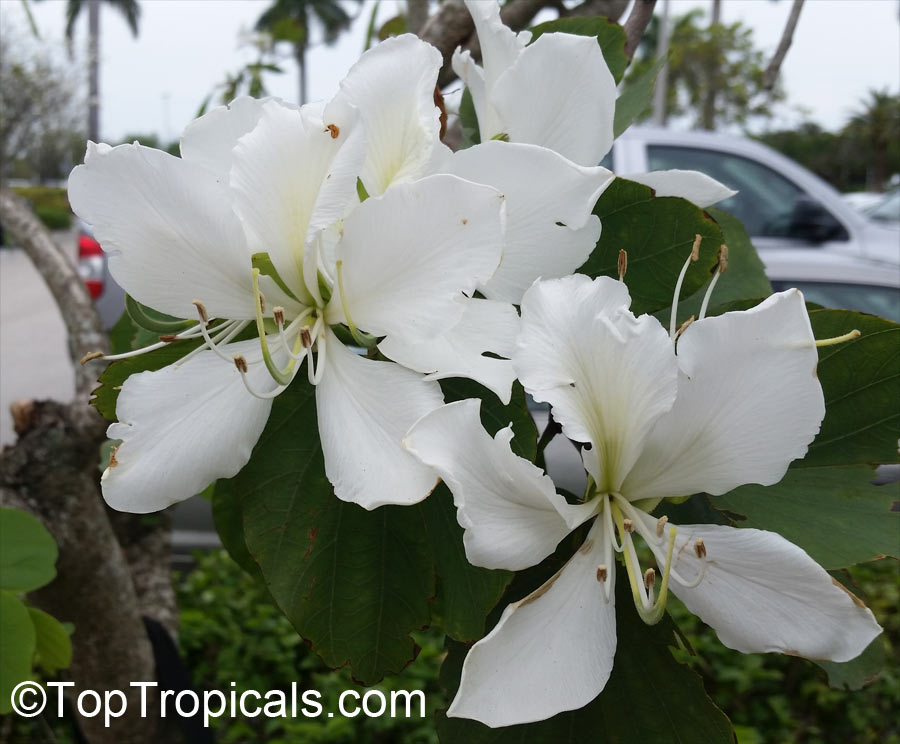
Photo above: Bauhinia x alba (candida) - White orchid tree, the most cold hardy
variety that can take light freeze once established.
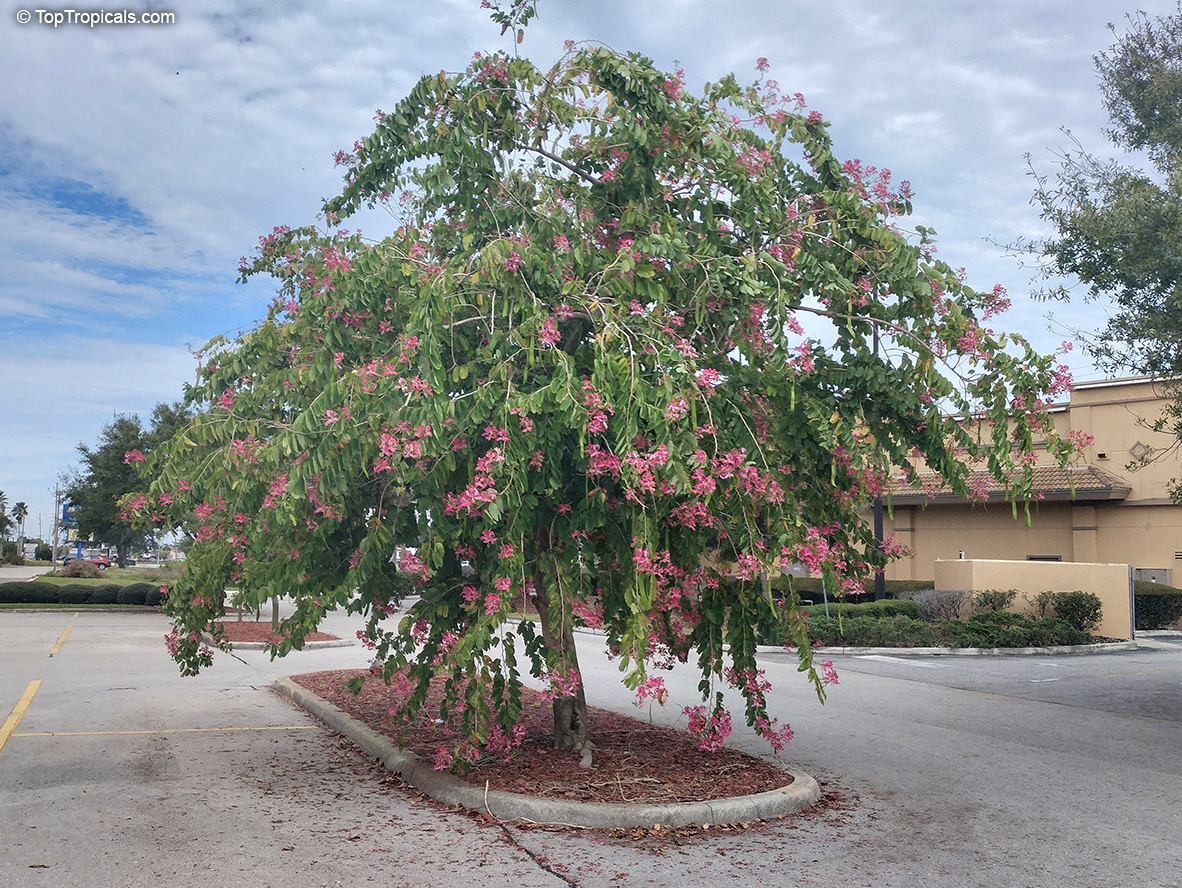
Photo above: Bauhinia purpurea - Purple Orchid Tree, one of the most popular and
easy trees in Southern landscapes.
Date: 24 Jun 2018
Full Sun Garden vs Shade Garden
"Someone is sitting in the shade today because
someone planted a tree a long time ago." (Warren Buffett)
Q:
I live in California and I have a large area of my garden
in full shade. Are there any plants that will be happy
there? I am looking for something colorful. I also have a
smaller area in front of the house that has full sun
almost all day long, but I am afraid this can be too hot
for flowering plants? Can you recommend something?
A:
Full sun gardens have a strong, bright look while shade
gardens have cooler, subdued appearance. Both types of
gardens are fun to design and maintain as long as you pick
the right plants. Full Sun Garden is the easiest to grow. Depending
on exposure, it may require some plants that can tolerate
the hottest summer days and the dry conditions in your
area. The good news is, the majority of tropical and
subtropical plants prefer full sun, so you have a large
selection to pick from - fruit trees, flowering trees,
shrubs, vines, and small perennials. The more sun, the
more flowers and fruit you will get! However, keep in mind
that sun gardens require more water, but generous mulching
will help to minimize watering. Shade Garden is much more restful in appearance,
but sometimes may be a little more difficult to work with.
As shade trees grow bigger and thicker, it may become too
dark; nothing will grow in total darkness. In this case
you need to prune back some branches to let more light in.
Filtered sunlight or dappled light coming through the
leaves of the trees is beneficial and considered light
shade, which would be the best light conditions for shade
loving plants to thrive. Although shady cooler spaces
attract more insects and will require more attention to
control them, they also have some advantages over sun
gardens. You can enjoy working in cooler conditions, and
your garden will require less water. Many foliage plants
look more deeply colored and healthier than in full sun;
white flowers shine instead of looking washed out!
Our favorite shade plants are fragrant brunfelsias , clerodendrums, and of course
colorful gingers and heliconias. You
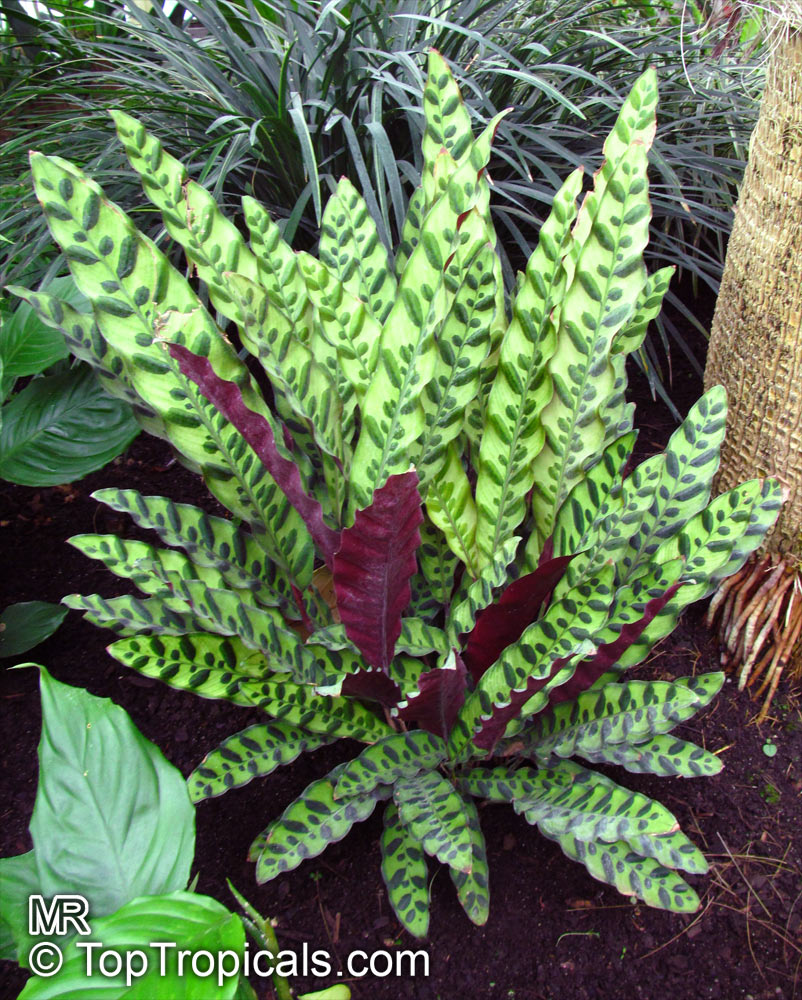
may also consider ornamental foliage of Calatheas, lush Alocasias, Colocasias, and colorful Cordylines. Check out our shade loving plant list for
more colorful suggestions. These are also great for indoor
gardens!
The most asked-about tree in the Sunshine State: Bauhinia
Purple Orchid tree - Bauhinia purpurea
🌸 The most asked-about tree in the Sunshine State: Bauhinia
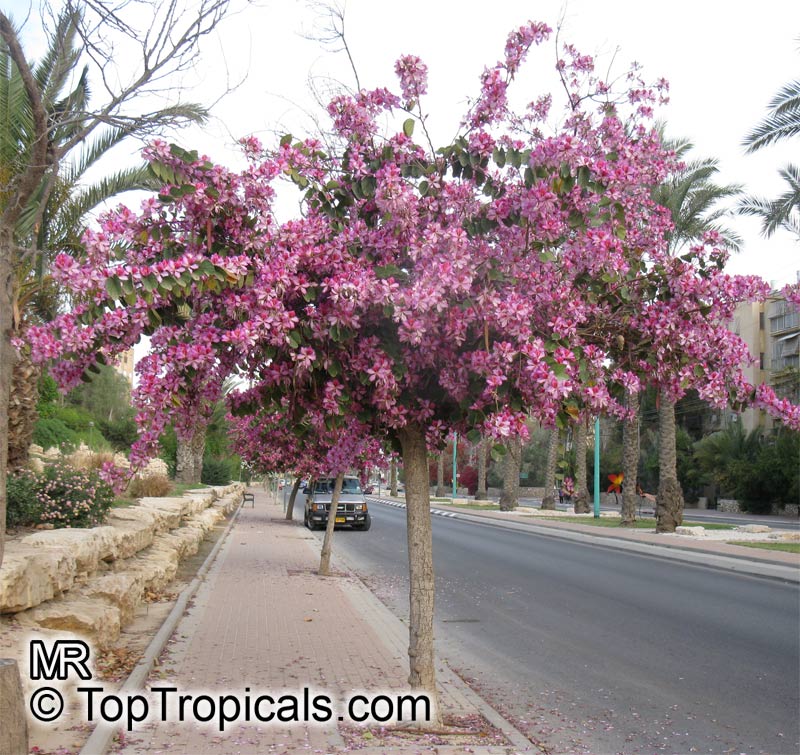
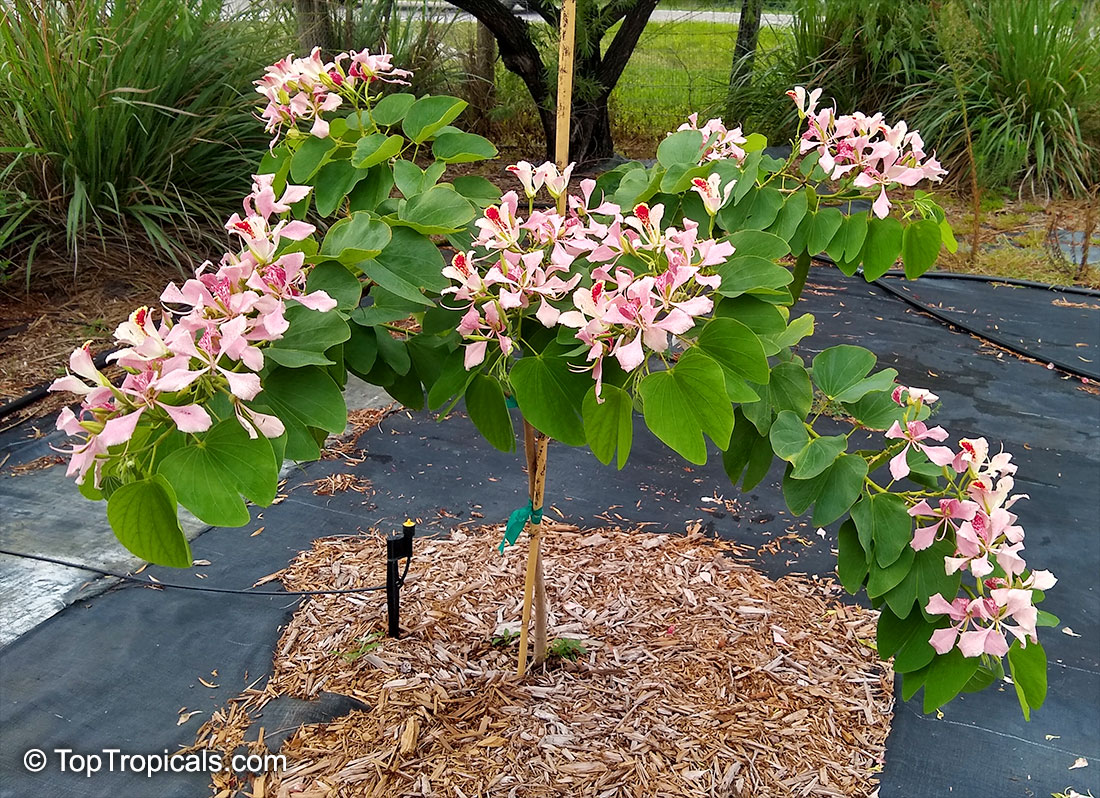
🌸 If you visit Florida in winter, chances are you will notice a tree covered in orchid-like flowers and wonder what it is. That tree is often an orchid tree, most commonly Bauhinia purpurea. It is fast growing, wide spreading, and blooms from late winter through spring, sometimes with a second round in summer. The flowers range from magenta to lavender, are lightly fragrant, and stand out even from a distance. The leaves are just as distinctive - split into two halves like butterfly wings, which is why these trees are also called butterfly trees.
🌸 Orchid trees are easygoing and practical. They thrive in full sun, tolerate many soil types as long as drainage is good, and need little water once established. Growth is quick, often 2–3 feet per year, making them excellent shade trees for hot climates. The flowers attract bees, butterflies, and hummingbirds, and in some cultures the buds and blossoms are used in cooking, while the bark has a long history in folk remedies. Beautiful, useful, and low maintenance, orchid trees are a perfect fit for Southern landscapes.