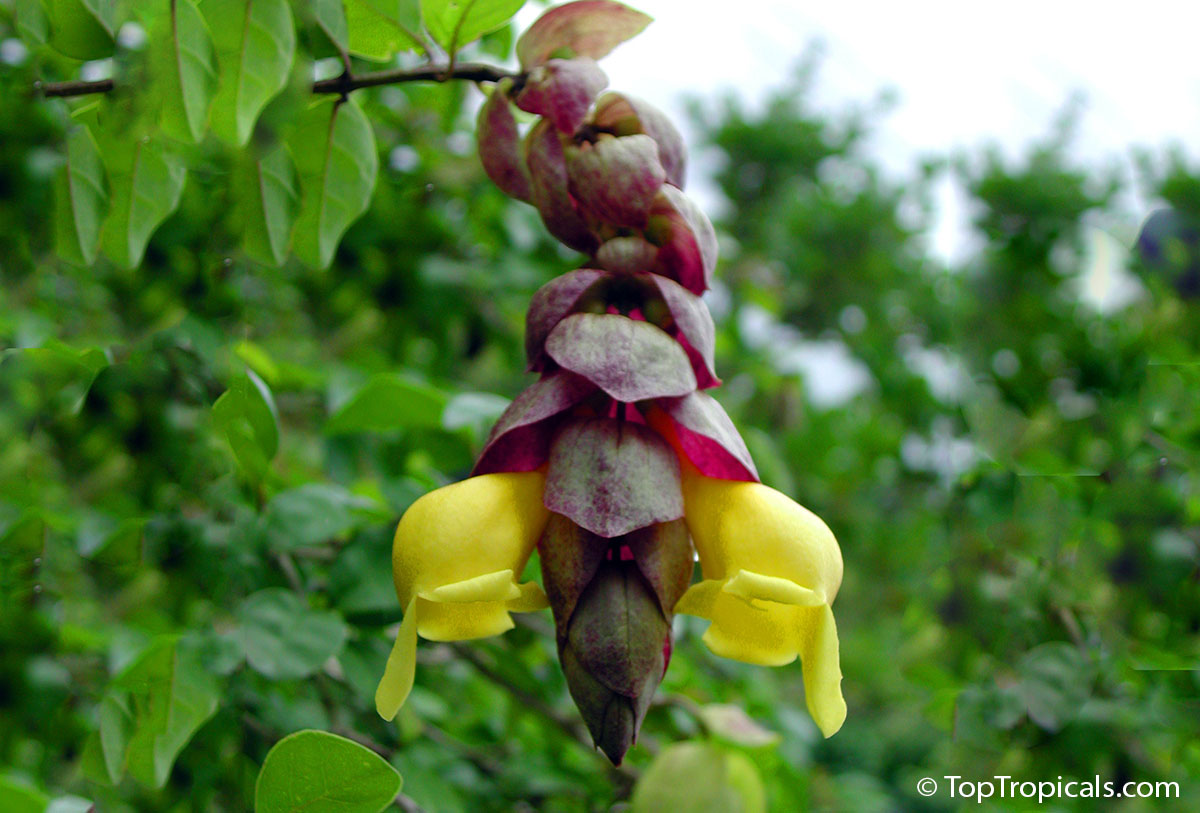
Introducing Parrots Beak: a whimsical and vibrant shrub, with funny
flowers that mimic the playful antics of a parrot, with its pendant branches and
joyful handstand-like leaves... This low-maintenance, sun-loving plant adds a
touch of the tropics and endless whimsy to your garden, making it a
butterfly magnet!
Stay updated with TopTropicals Videos by subscribing to our channel at
YouTube.com/TopTropicals
and get our latest video news of what is fruiting and blooming!
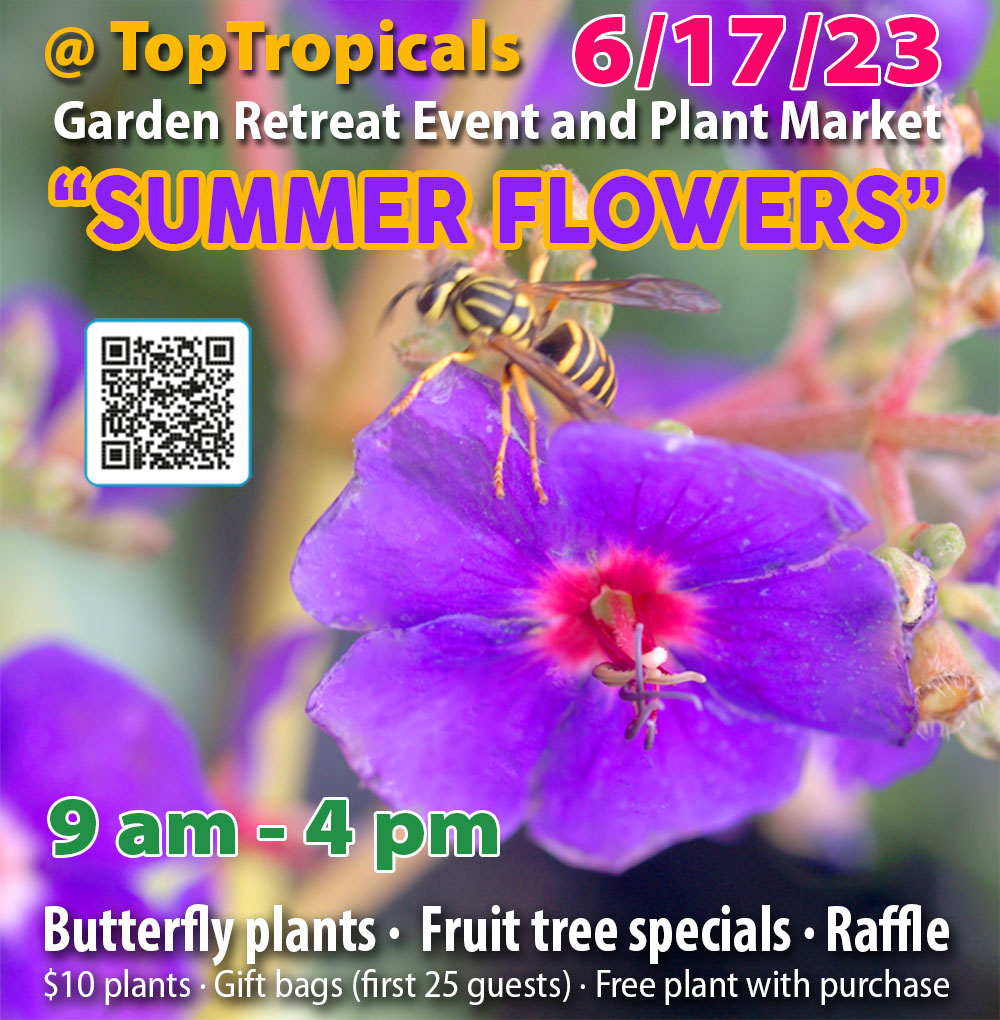
Mark your calendars: June 17
Summer Flowers Plant Market
Saturday, June 17, 9 am - 4 pm
Join us for a celebration of Summer Garden Festival and Plant Market!
Immerse yourself in a world of colorful blooms, fragrant scents, and nature's
beauty. Don't miss out on the opportunity to stroll through our gardens and
nursery. Bring your friends and family for a day of fun in the sun!
Event agenda:
9 am - 4 pm: Plant Market. 30% off online price, one day
only! Raffle. Gift bags - for first 25 customers with $50 order Secret Garden: Super savings area 50% off Fruit tree specials $10 plants and FREE plants with a purchase!
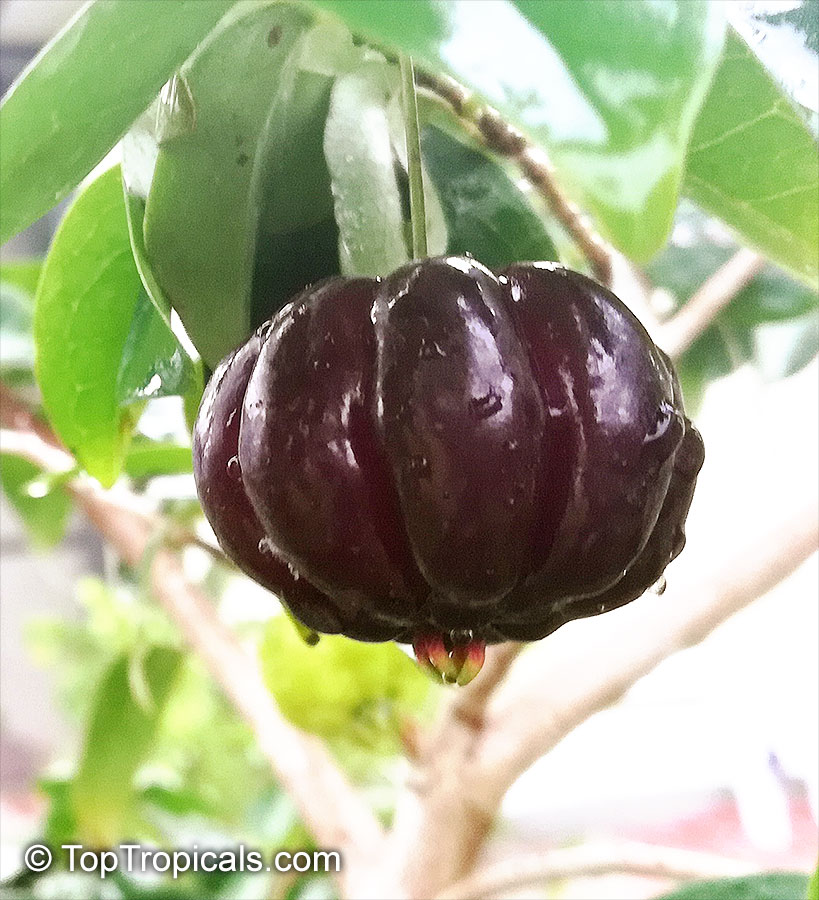
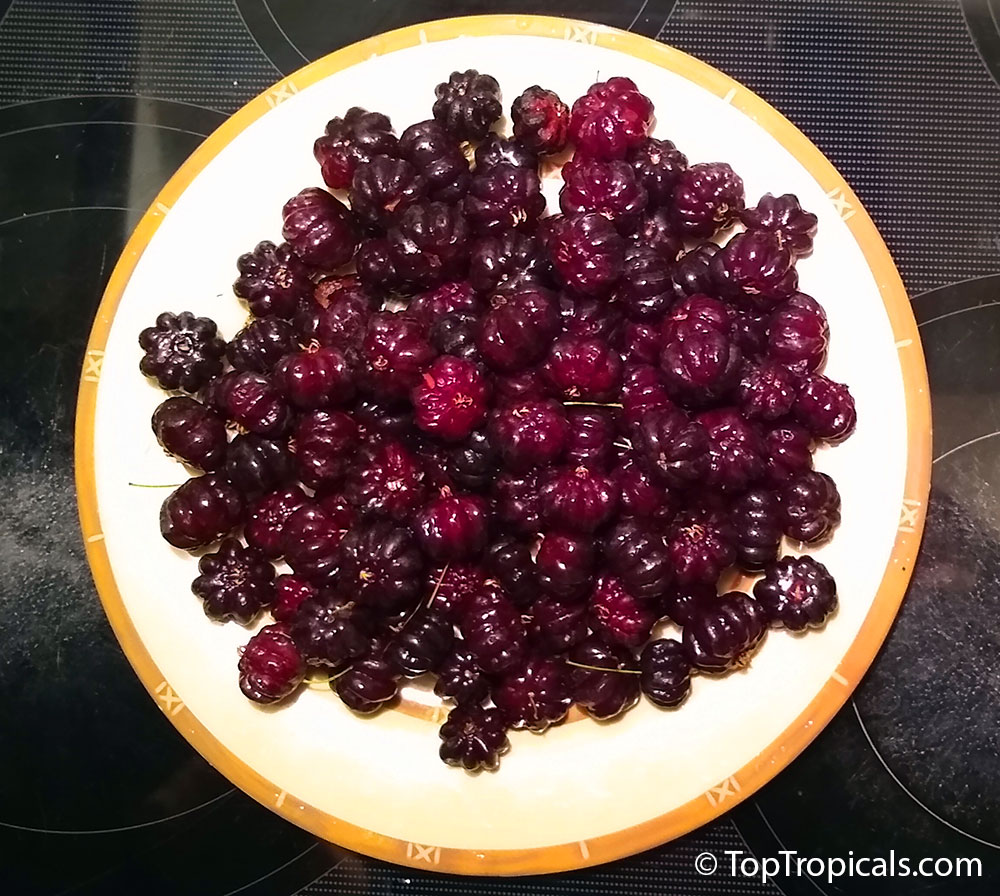
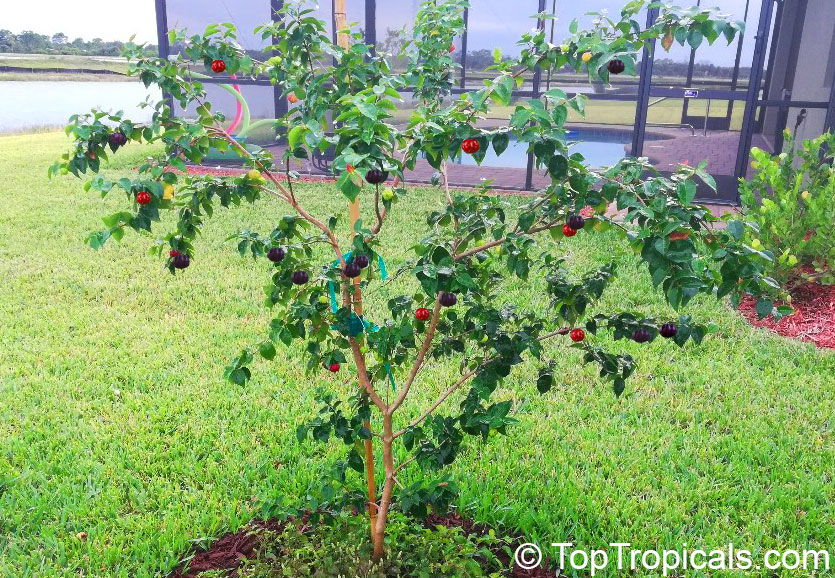
Eugenia uniflora
Lolita also known as Black Surinam Cherry, is a tropical fruit tree
native to South America. Black fruited Surinam Cherry starts as red and turns
black as it ripens and has exceptional flavor. The plant is vigorous and ready
to fruit the same year. The fruit is very sweet, without aftertaste, large
1-1.2 inch, very juicy. The fruits are being eaten fresh, and also used in
jams, jellies, and pies.
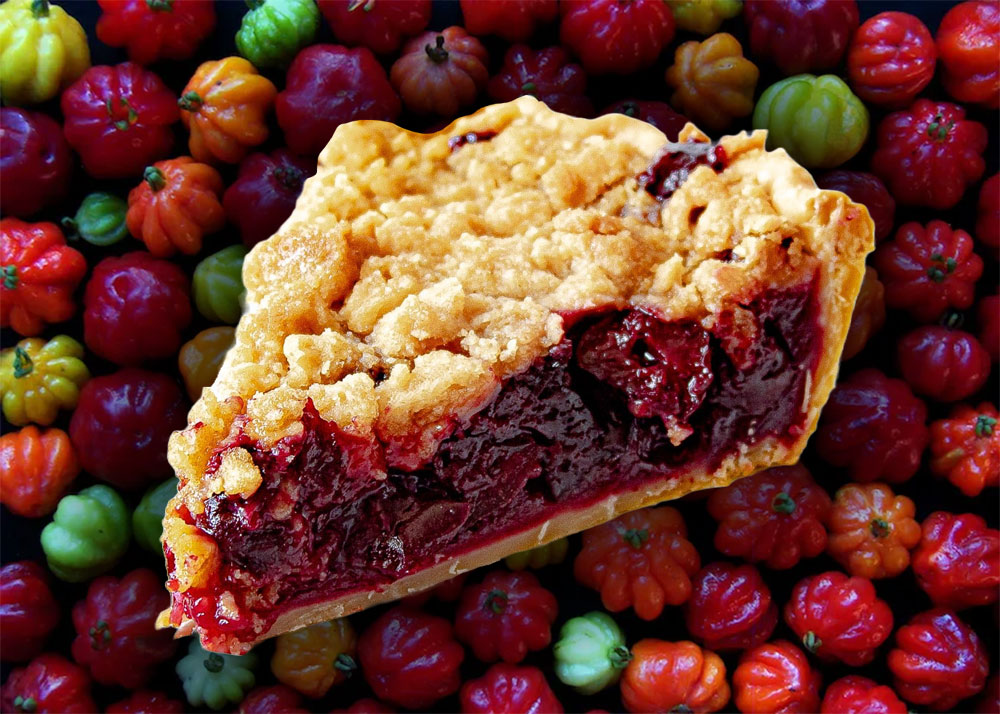
One popular use of Surinam Cherry is in Christmas cherry pie - Bermuda
Pie, a traditional dessert served during the holiday season. The fruit is
cooked down with sugar and spices to create a thick, flavorful filling for the
pie. The dark red to really black color of the fruit adds a festive touch to
the dessert.
In addition to being used in culinary applications, Surinam Cherry has a number of other uses. The tree is often grown as
an ornamental plant due to its attractive foliage and bright ribbed fruit. The
fruit is also used in traditional medicine in some parts of South America,
where it is believed to have antioxidant and anti-inflammatory properties. The
pulp is a good source of calcium, and a fair source of phosphorus and iron.
Its juice is fermented into wine or vinegar.
Despite its many uses, Surinam Cherry is not widely grown outside of its
native range in South America. However, it is becoming increasingly popular
in tropical and subtropical regions around the world, where it is prized for
its attractive appearance and flavorful fruit. This tropical plant can
successfully be grown in a pot indoors in the cooler zones.
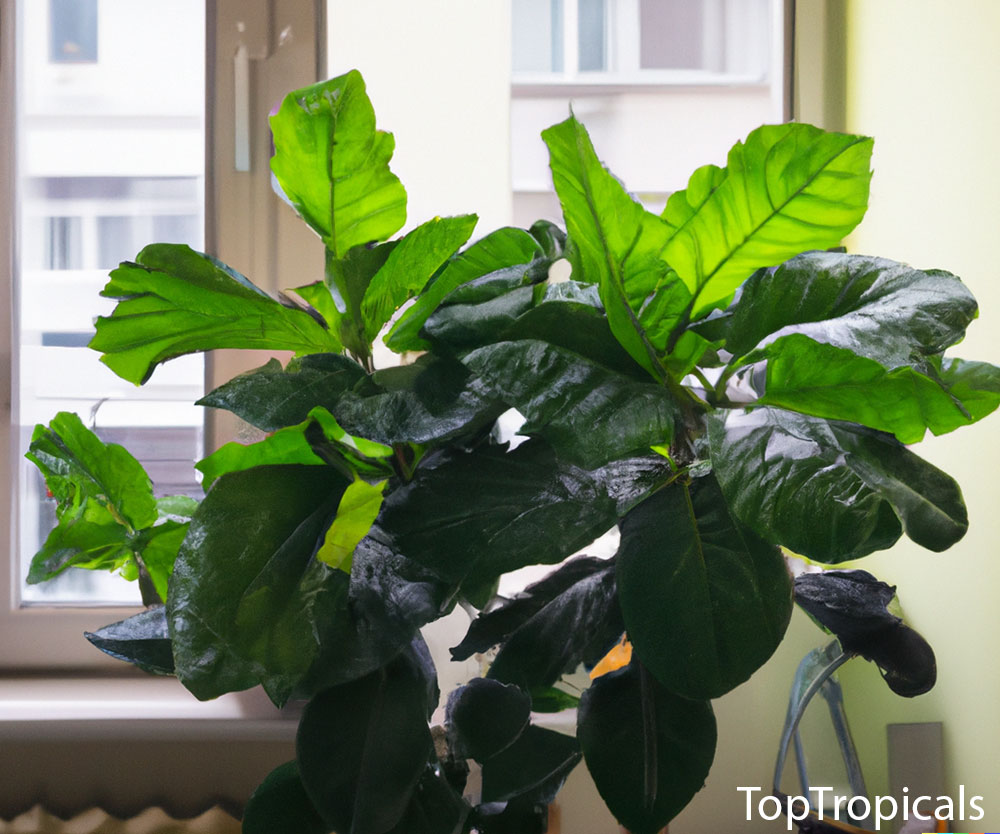
At our Christmas Plant Market a few days ago, many guests purchased a Noni tree. Everybody loved its large, beautiful leathery leaves, and
were buying Noni as a present. It was appreciated as ornamental, for example as
a showy specimen tree with a tropical look for a pool area. But very few
people actually knew that this tree was a source of a famous Noni Juice - a
unique remedy from Mother Nature... Some were surprised the plant had so many
health benefits! So we promised to tell more about Noni in our newsletter.
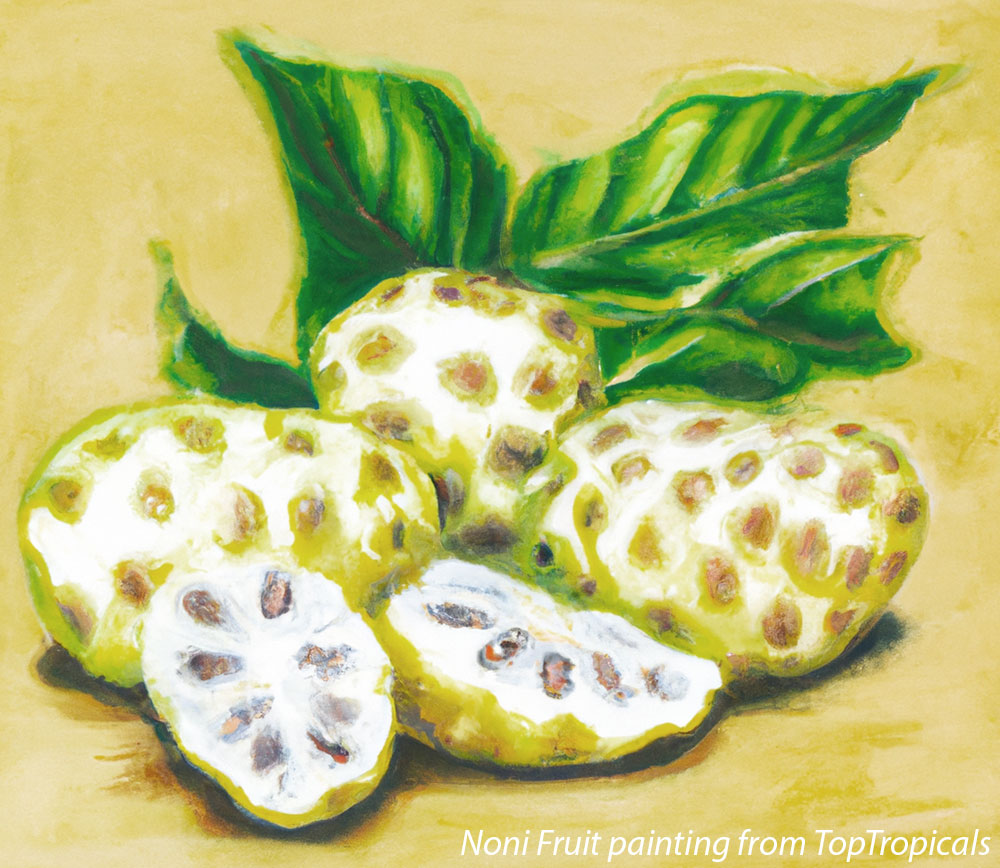
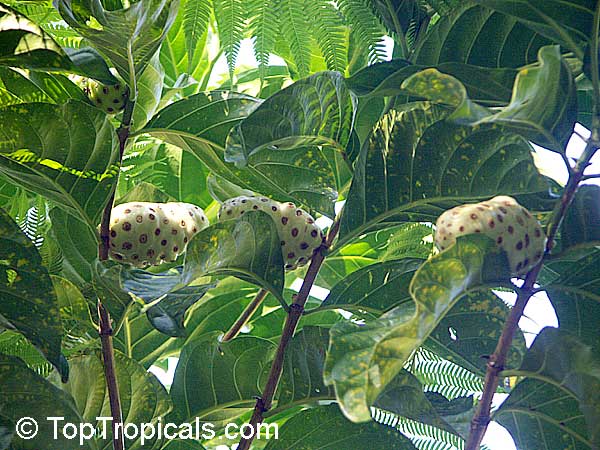
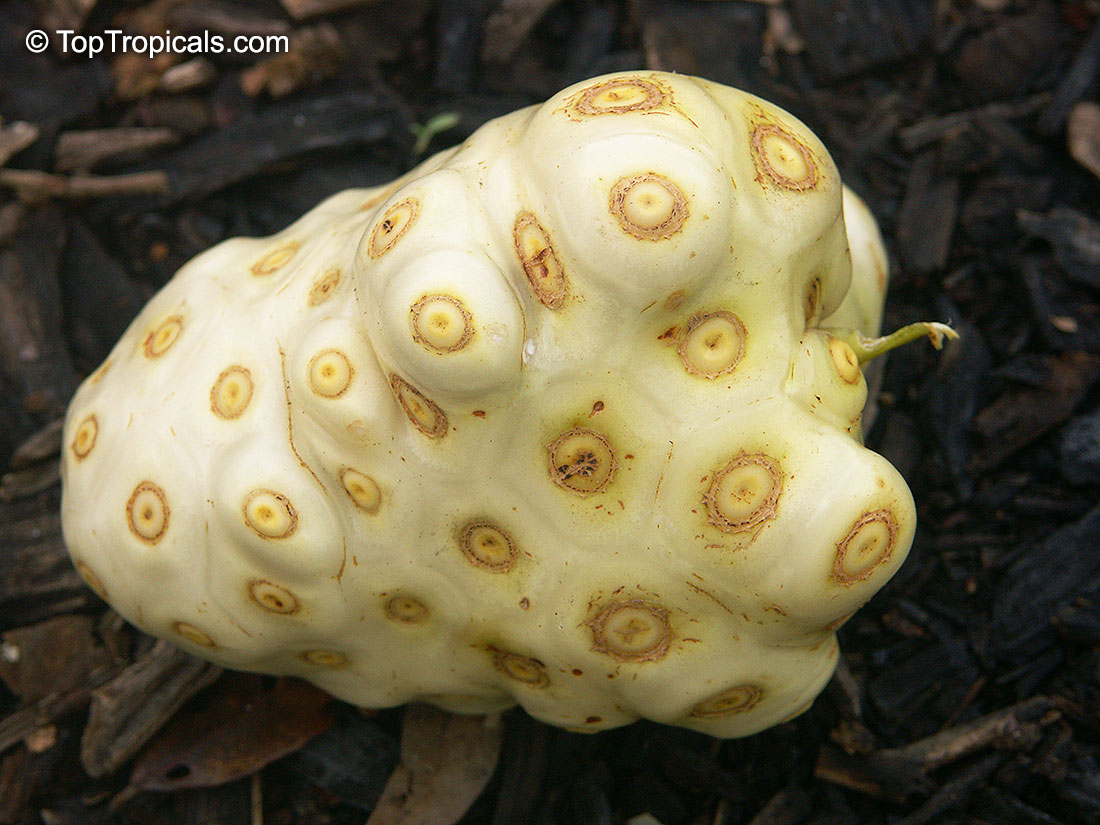
The Noni tree - Morinda citrifolia - is a beautiful ornamental tree because of its
glossy green leaves and curious fruit. The tree is prized for its medicinal
fruit.
The Noni is considered to be a "superfruit" because of its high levels of
antioxidants, vitamins, and minerals. The fruit, leaves, and roots of the Noni
tree are used in traditional medicine to treat a wide variety of ailments,
including pain, inflammation, and infections. Some people also use Noni fruit
and juice as a natural health supplement because of its potential health
benefits.
Additionally, the Noni tree is easy to grow and care for, making it a
popular choice for both gardens and houseplant collections.
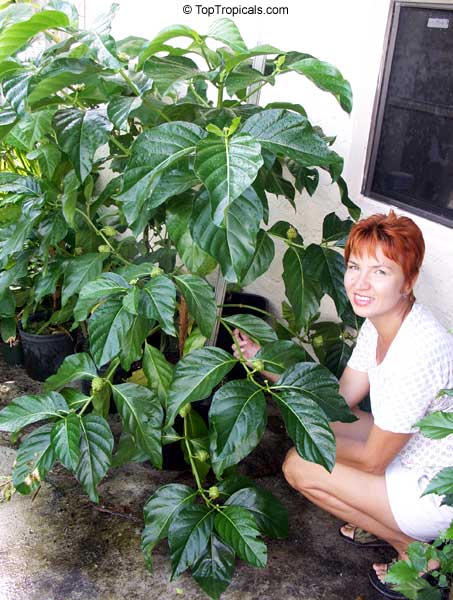
In the photo: Noni is happily fruiting in 7 gal pot.
It's a beautiful ornamental and a conversation piece.
Date: 6 Nov 2022
Annona montana - Mountain Soursop
Grow Your Own Food
Exotic fruit, a cold hardy
alternative to a Soursop
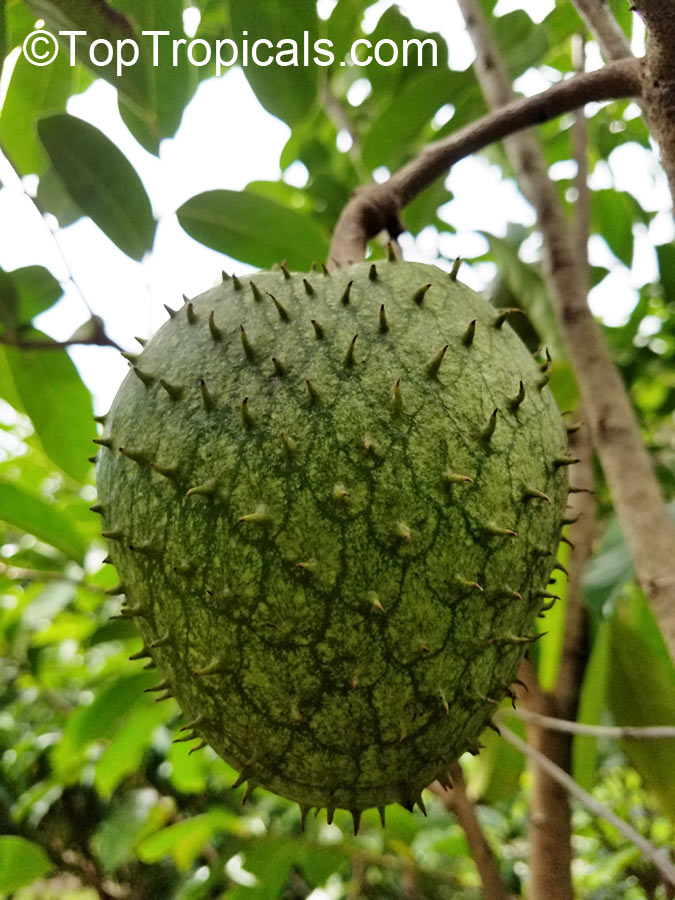
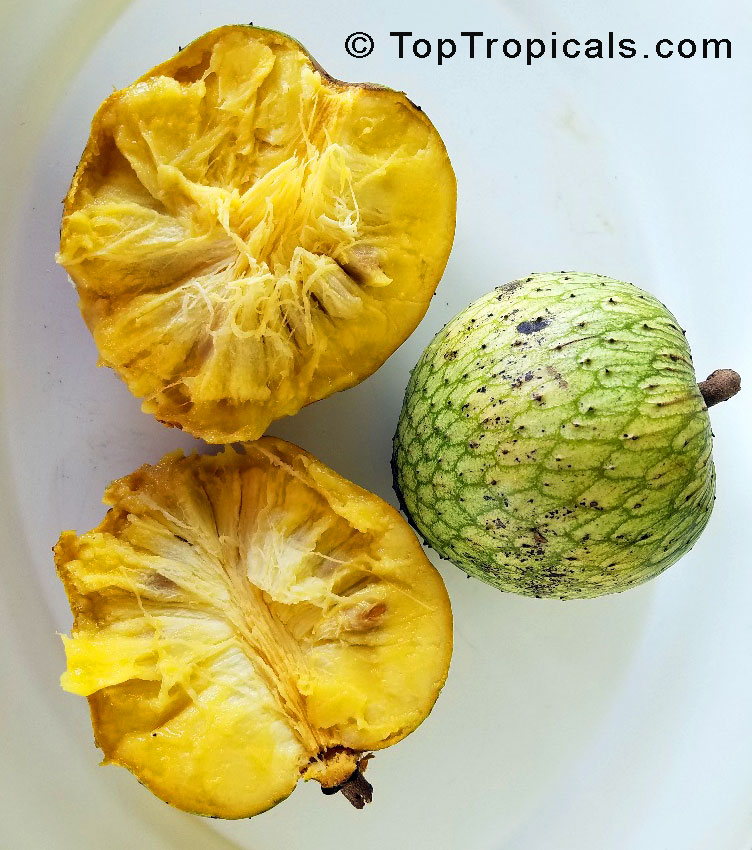
Not only tasty, this exotic fruit has the most unusual
looks! This exotic beauty grows up to a pound and just look at these curious
and life-like spines! We guarantee that everyone who sees this fruit in your
garden will ask for seeds even before they taste the fruit. And you will have
lots of seeds to share because Mountain Soursop is very reliable producer
with many seeds in each fruit.
Mountain Soursop tastes similar to regular Soursop (better known as the
Guanabana), with slightly milder flavor. The pulp is highly scented, with good
aroma. It is eaten out of hand or can be used in milkshakes and smoothies. The
fruit is softball sized with orange-yellow flesh, somewhat smaller and
rounder than the regular Soursop. The tree is medium sized, with beautiful, large,
leathery dark green leaves that emit a strong aroma when crushed.
How to grow Mountain
Soursop?
Mountain Soursop is a very easy to grow, medium size
exotic fruit tree that is great for beginners. This species is much more cold
hardy than the Soursop, established trees can take temperatures a few degrees
below freezing, tolerating cold spells down to 24F when full grown. Mountain
Soursop tolerates a variety of soil types and will grow well in dry
conditions. Trees produce within just 2-3 years from seed, like many Annonas, and can
happily grow and produce in a large container.