Date: 19 May 2025
What fruit can reduce your blood pressure. Tropical fruit and plants that help keep blood pressure in balance
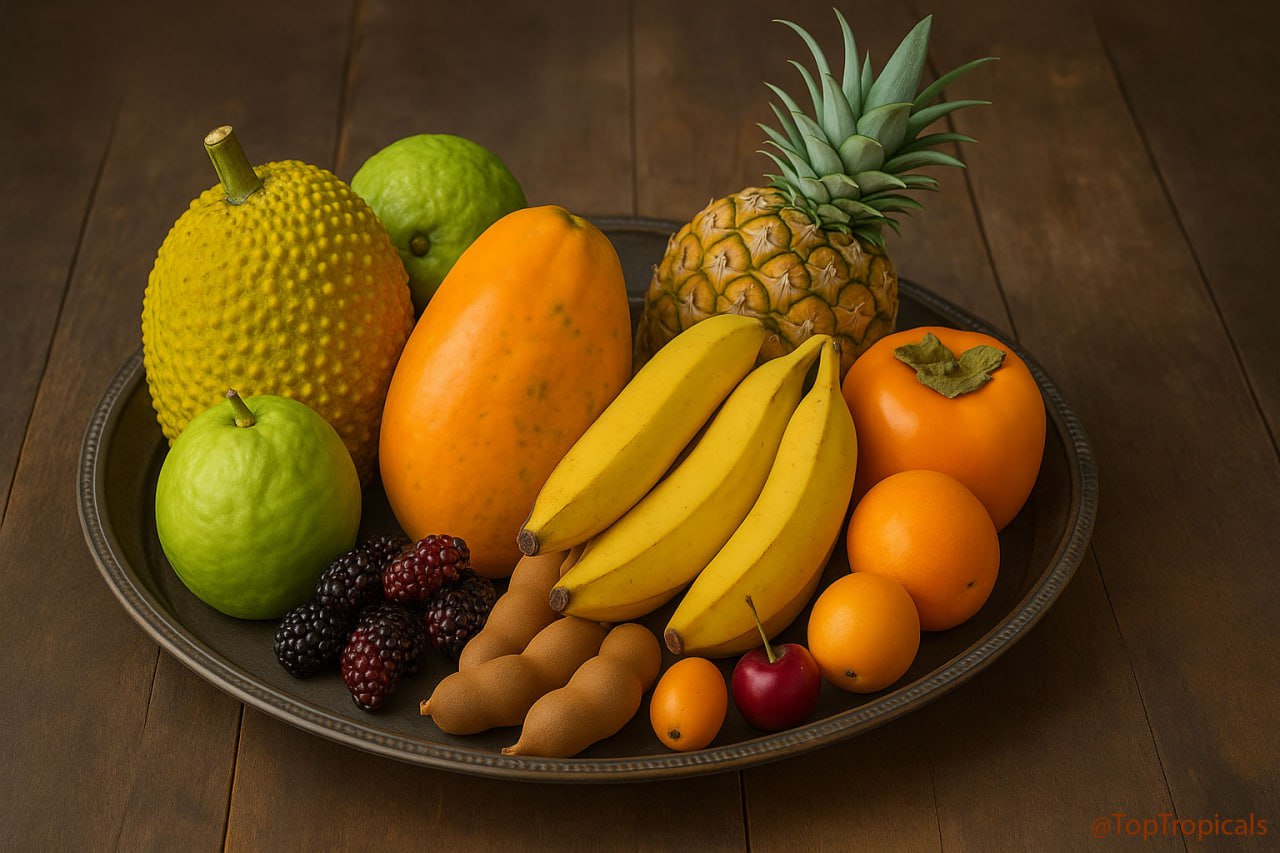
Tropical fruit that can reduce your blood pressure
❤️ Tropical fruit and plants that help keep blood pressure in balance.
Part 1: What fruit can reduce your blood pressure?
💲 You don’t need to spend $$$ on doctors and medications to stay healthy and young. By eating right and adding a few powerful plants and fruits to your diet, you can naturally keep your blood pressure in check. Plant them today and harvest your own medicine tomorrow! And don’t forget - gardening itself is therapeutic! It keeps you active, reduces stress, and helps your whole body stay in balance.
💚 Tropical fruit that help reduce blood pressure:
✅ Jackfruit (Artabotrys hexapetallus) - Contains potassium and magnesium, which help relax blood vessels and regulate blood pressure.
✅ Guava (Psidium sp.) - Rich in potassium and fiber, supports vascular health and may help lower blood pressure.
✅ Papaya (Carica papaya) - High in potassium and antioxidants, promoting healthy blood pressure.
✅ Banana (Musa sp.) - Well-known for its high potassium content, which helps counteract sodium and lower blood pressure.
✅ Pineapple (Ananas comosus) - Contains potassium and bromelain, which may support circulation and reduce inflammation.
✅ Persimmon - High in fiber and antioxidants, which can contribute to better heart and vascular function.
✅ Mulberry (Morus sp.) - Contains resveratrol and other antioxidants linked to heart health and blood pressure support.
✅Tamarind (Tamarindus indica) - Rich in potassium and fiber, may help regulate blood pressure and support arterial health.
✅ Loquat (Eriobotrya japonica) - Contains potassium, aiding in fluid balance and blood pressure control.
✅🍒 Tropical Cherry (Eugenia) - Contains antioxidants and supports healthy circulation.
Part 2: Edible plants reducing blood pressure - see next post⤵️
🛒 Shop tropical fruit trees that boost your health
📚 Learn more:
Tropical fruit health benefits guide
#Disover more #Remedies and #Fruit_Forest
🔴 Join 👉 TopTropicals