The Secret to a Sharper Mind Might Be Growing in Your Backyard
Harvesting tropical fruits
The Secret to a Sharper Mind Might Be Growing in Your Backyard
Your garden shed might hold a more powerful tool for brain health than your medicine cabinet. What if the best defense against cognitive decline isn’t found in a pill bottle - but right outside your door? While we often think of gardening as just a hobby, new research suggests that the combination of physical "zone-pushing" and harvesting your own nutrient-dense tropical fruit could be a literal life-saver for your brain.
🍒 What the Research Actually Says
A massive study recently published in the journal Neurology followed more than 92,000 people to see how diet impacts the mind. The findings were clear: the quality of the plant-based foods you eat plays a massive role in your risk of dementia. It isn't just about "eating your veggies" - it's about which ones you choose.
(The full study: Plant-Based Dietary Patterns and Risk of Alzheimer Disease and Related Dementias in the Multiethnic Cohort Study)
🍒 Why Growing Your Own Fruit Changes the Game
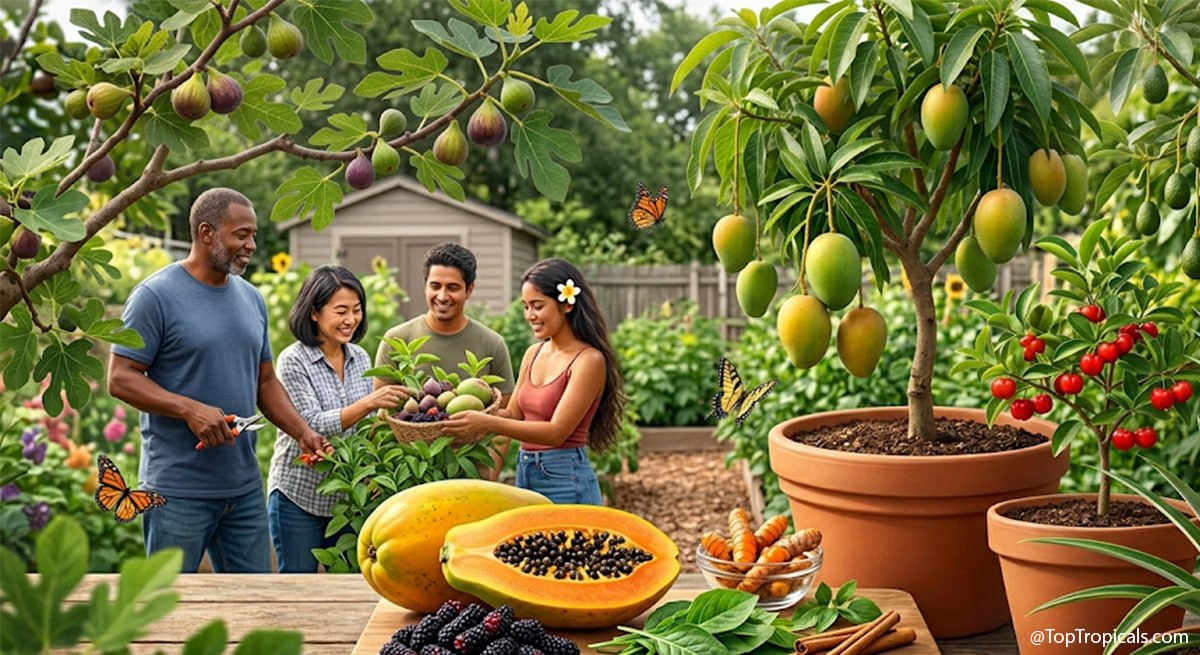
If you grow your own fruit, you quietly solve two problems at once. It turns a "diet plan" into a natural part of your day.
1. Effortless Nutrition
When a ripe mango, a handful of mulberries, or a fresh guava is hanging within arm's reach, you eat it. It replaces processed, sugary snacks without any "willpower" required. You are naturally moving toward the high-quality, whole-food diet the research supports.
Mango Plant Facts
Botanical name: Mangifera indica Also known as: Mango
USDA Zone: 9 - 11
Highligths
2. Functional Fitness
Gardening doesn't feel like a workout, but it is. Bending, pruning, carrying pots, and digging are all forms of functional movement. It’s steady, useful physical activity that supports your heart and brain while you’re focused on your plants.
3. The "Outdoor" Effect
Sunlight and fresh air are natural mood boosters. The mental focus required to manage tropical plants - especially when you’re protecting them from a surprise freeze - provides a level of mental engagement and stress relief that you just can't get from a treadmill.
🍒 What to plant if you are just starting
You don’t need a massive orchard to start investing in your brain health. One or two plants can shift your habits immediately.
Botanical name: Carica papaya Also known as: Papaya
USDA Zone: 9 - 11
Highligths
For Small Spaces:Dwarf Mango varieties and Cherries (Eugenias or Acerola), Pineapples thrive in containers and provide massive doses of antioxidants.
Pineapple Plant Facts
Botanical name: Ananas comosus Also known as: Pineapple, Pina
USDA Zone: 9 - 11
Highligths
For the "Zone Pusher":Figs and cold-hardy Avocados offer healthy fats and fiber that are essential for long-term health.
Fig Tree Plant Facts
Botanical name: Ficus carica Also known as: Fig Tree, Brevo
USDA Zone: 7 - 10
Highligths
Avocado Plant Facts
Botanical name: Persea americana, Persea gratissima Also known as: Avocado, Alligator Pear, Aguacate, Abacate
USDA Zone: 9 - 11
Highligths
🍒 Start Small, Start Now
The research makes one thing clear: improving your food quality matters, and you can see results no matter your age. Planting a fruit tree changes what you eat, how you move, and how often you step outside.
That’s more than just gardening - that’s a lifestyle shift your brain will thank you for.
🍒 FAQ
Does fruit really support brain health?
Yes. Diets rich in whole, high-quality plant foods are linked to a lower risk of dementia, especially when they replace processed snacks and added sugars.
Is gardening enough to count as exercise?
Absolutely. Regular gardening provides steady, functional movement that improves circulation and supports overall physical health.
Is it too late for me to start?
No. The study showed that even participants who improved their diet quality in their 60s and 70s saw a measurable reduction in dementia risk.
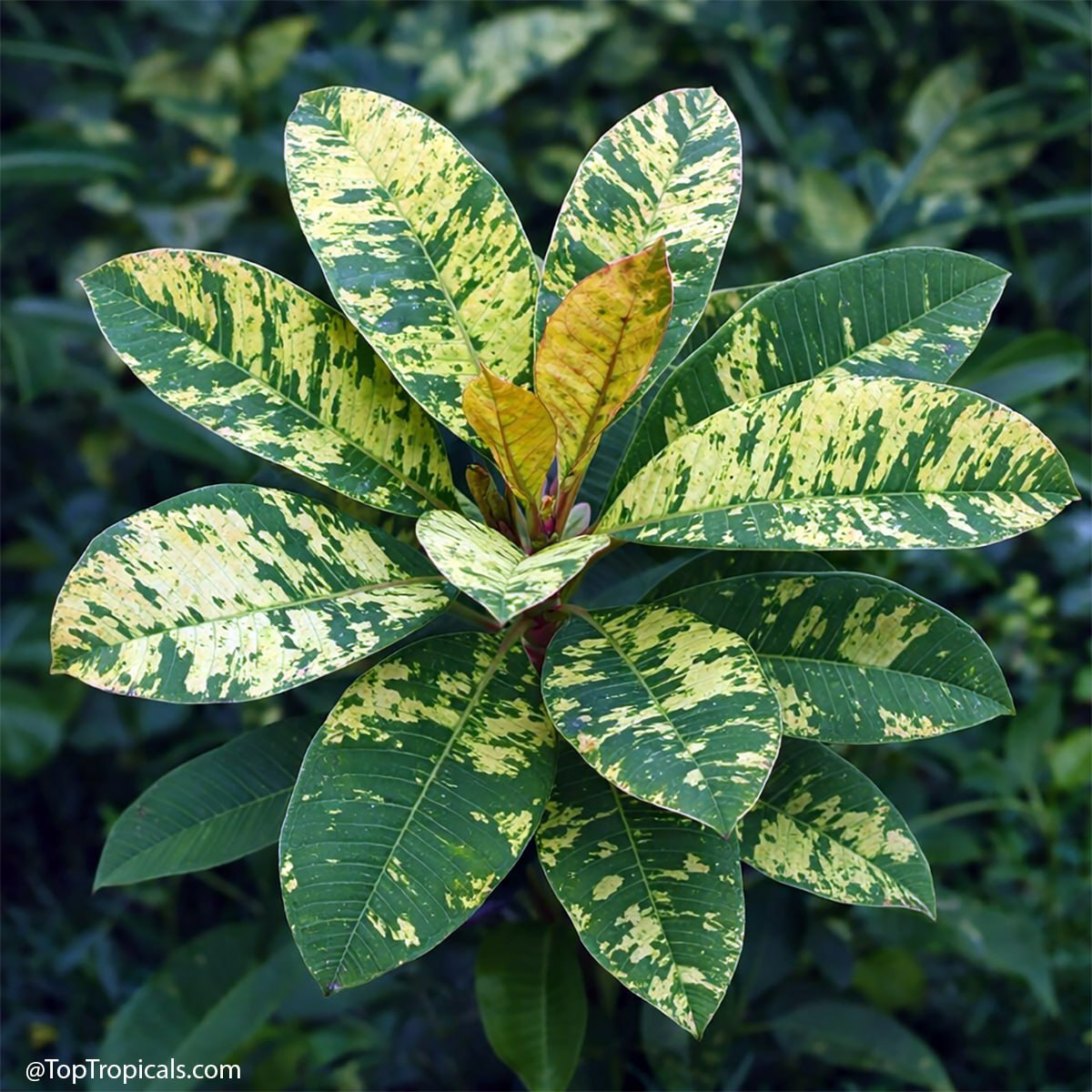
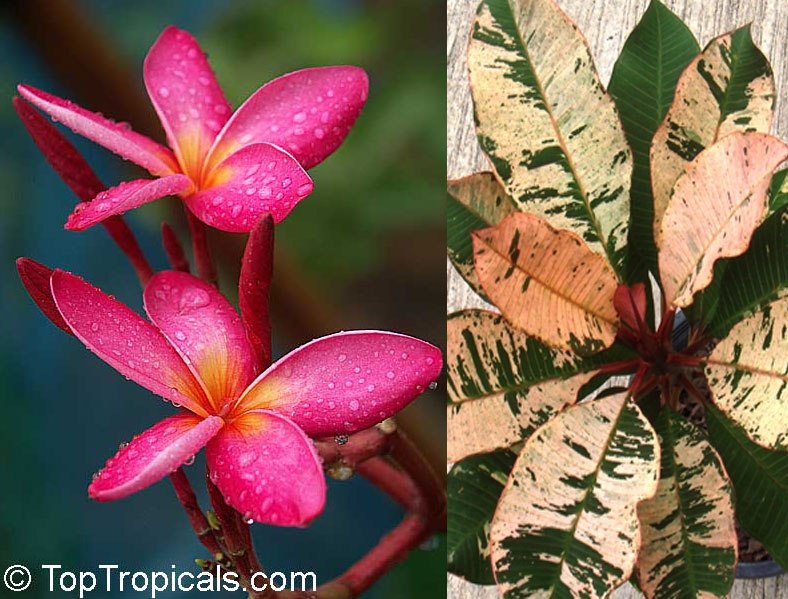
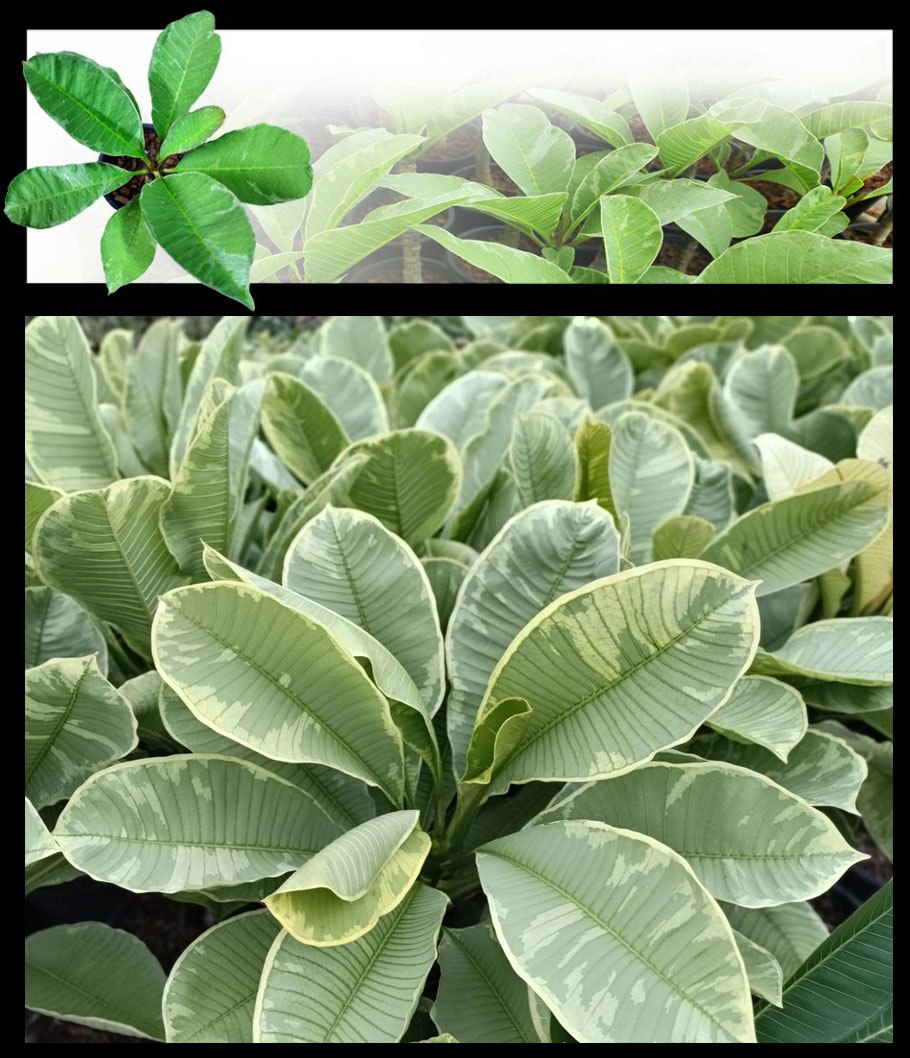
5 striking variegated plumerias you can’t ignore. Soil tip 🌈
Variegated plumerias are a whole different level - not just flowers, but foliage that steals the show even when the plant is not in bloom. This batch feels rare, collectible, and a little addictive… once you see them, it’s hard to stop at just one.
Plumeria Plant Facts
Botanical name: Plumeria sp. Also known as: Plumeria, Frangipani
USDA Zone: 9 - 11
Highligths
🌸 Today's featured plumerias
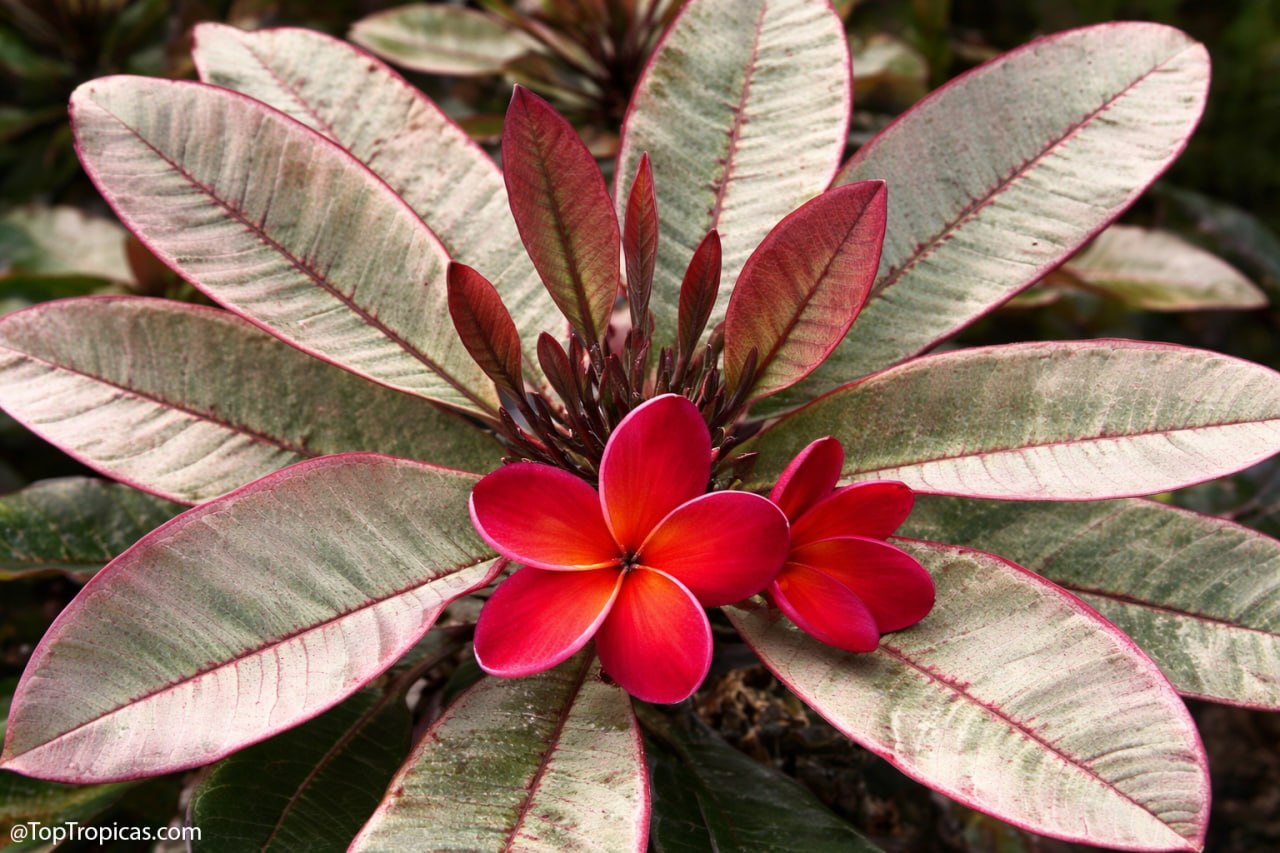
✦ Plumeria Pink Border Leaf Variegated - silver-green leaves with dark pink veins and a distinct pink edge, often deepening in new growth. Bright red flowers add strong contrast.
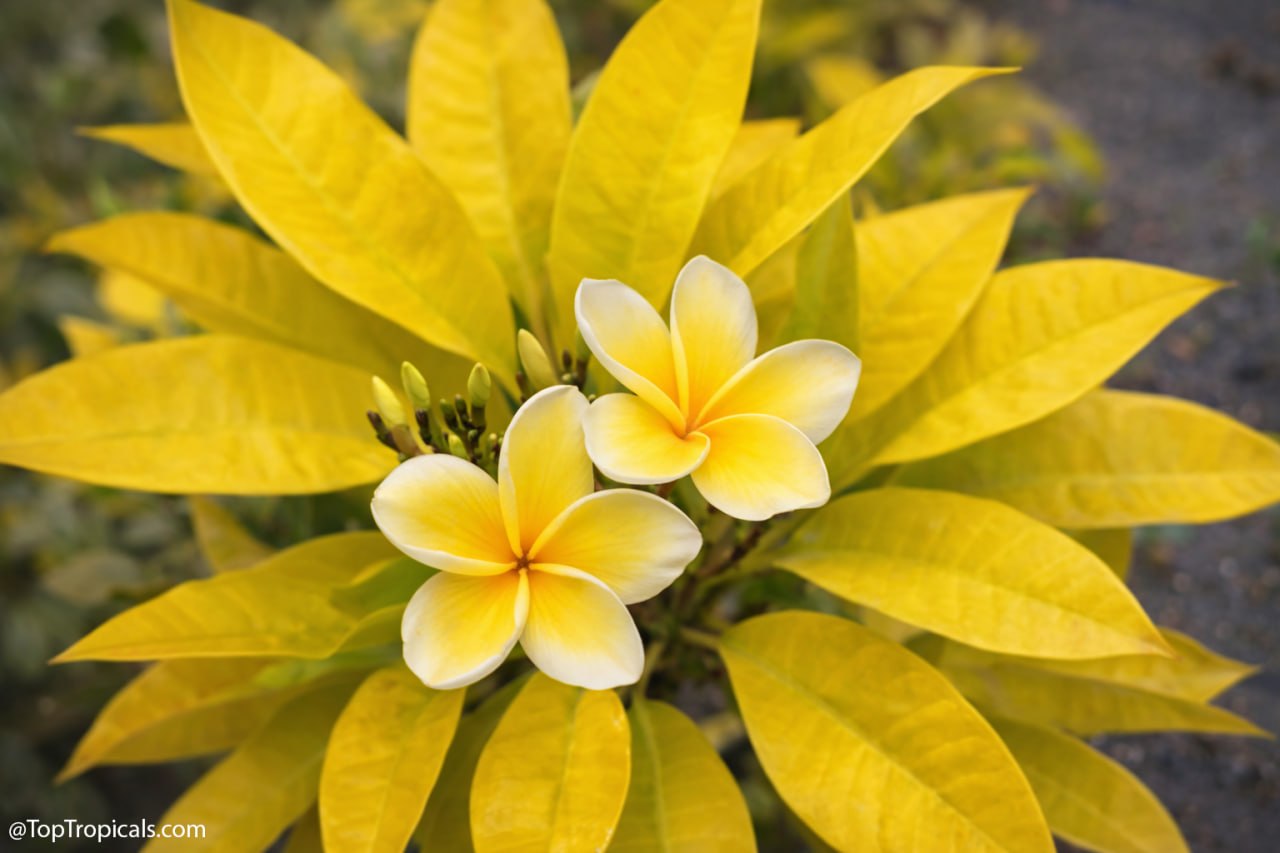
✦ Plumeria Golden Leaf - grown as much for its glowing golden foliage as for its soft yellow flowers with creamy edges. One of those varieties that stands out even without blooms.
✦ Plumeria Anyamanee Yellow Variegated - bright yellow flowers paired with dark green leaves streaked in yellow, creating a bold, high-contrast look. The Thai name means rare jewel, and it fits perfectly.
✦ Plumeria Maya Red Variegated - rich red-pink flowers with variegated leaves touched by reddish tones, giving the whole plant a warm, layered look. Fragrant and very eye-catching.
✦ Plumeria Silver Leaf Variegated - silvery variegated foliage paired with soft yellow blooms, creating a clean, elegant contrast. A collectible type that feels a bit different from typical plumerias.
💡 Plumeria tip: soil and drainage
Plumerias hate wet feet. Give them a fast-draining, airy mix so roots can breathe - think chunky soil with perlite, bark, and coconut fiber. A simple formula that works very well is Sunshine Abundance soilless formula mixed 50/50 with coarse sand - it drains quickly and keeps roots healthy and rot-free.
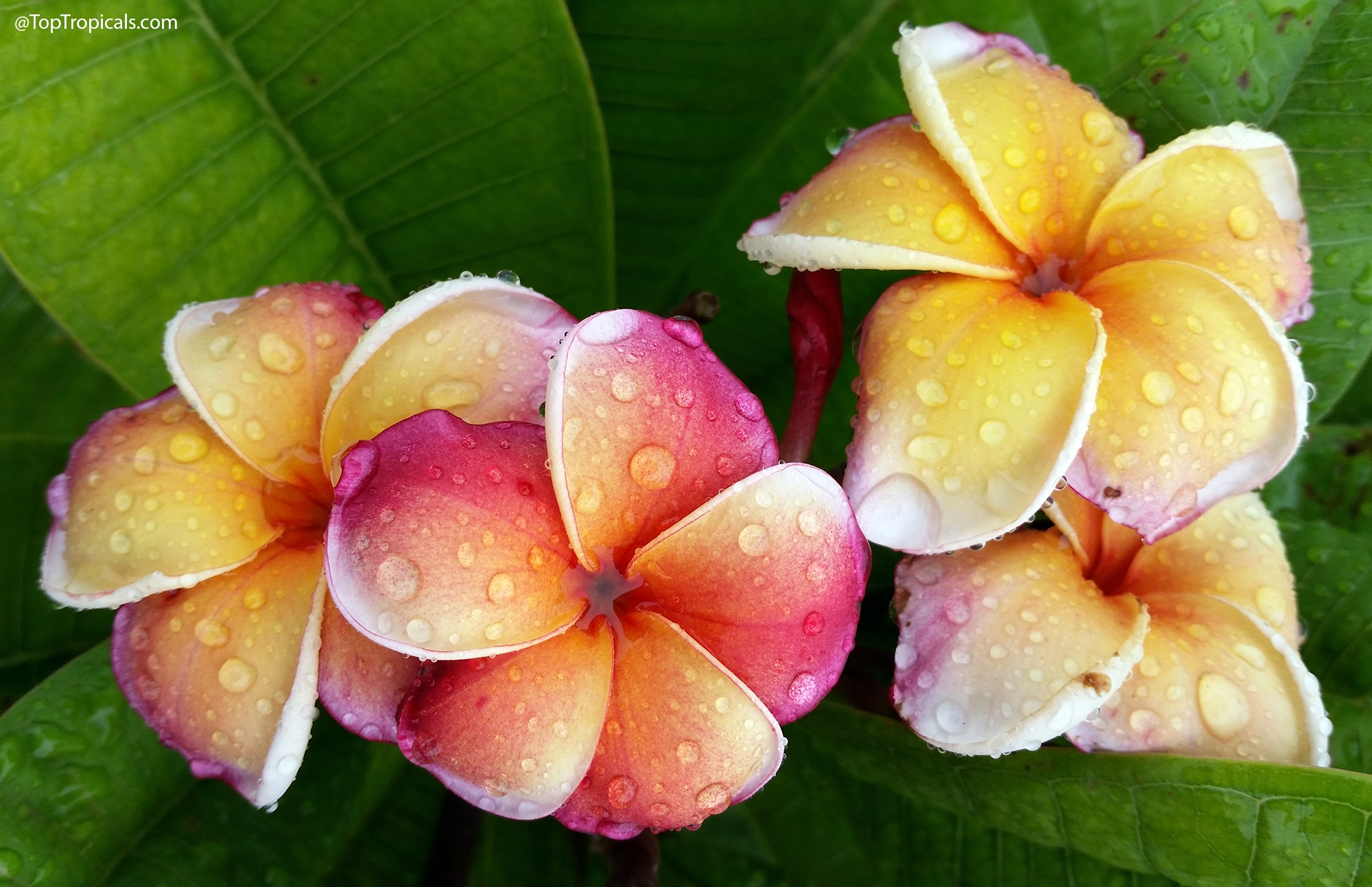
Plumeria
Orange KLS stands out with a rare mix of five colors - peach, yellow,
orange, white, and crimson - all blending into one vivid bloom. Fragrant and
eye-catching, it’s a truly unique plumeria.
Plumeria Plant Facts
Botanical name: Plumeria sp. Also known as: Plumeria, Frangipani
USDA Zone: 9 - 11
Highligths
Practical Growing Tips (Keep It Simple)
Sun: Full sun is key. 6+ hours daily for best
blooms.
Soil: Fast-draining mix. In pots, use cactus mix or add
perlite and sand. The best soil for Plumerias is a
50:50 mix of
Abundance potting soil with coarse sand.
Watering: Water well, then let soil dry out before
watering again.
Containers: Excellent for pots. Easier control and
mobility.
Airflow: Good airflow keeps plants healthy and
clean.
Spacing: Give each plant room - better shape and more
flowers.
Blooming plumeria plants in pots after rain.
Winter Care (Very Important)
Temperature: Protect from freeze. Below 40F they need
protection.
Dormancy: Leaves drop in winter. This is normal.
Watering: Almost dry during dormancy.
Indoors: Move containers inside if frost is
expected.
Light: Bright spot is enough. No need for full sun in
dormancy.
No feeding: Do not fertilize during winter rest.
Restart: Resume watering when new growth appears in
spring.
Potted plumeria in bloom.
About Plumeria Rust (Florida Reality)
If you are growing plumerias in Florida, you will likely see plumeria rust
at some point. It shows up as orange powdery spots on the
underside of leaves and can cause leaves to yellow and drop early. It is
driven by high humidity and is most common in the fall, right before the
plant naturally starts dropping its leaves.
It looks alarming, but it is mostly a cosmetic issue and does not harm the
plant long term. Good airflow, full sun, and avoiding overhead watering help
reduce it. If needed, you can remove affected leaves or use a simple
fungicide (in our experience, the most effective one for Plumeria rust is
Southern Ag Garden Friendly Fungicide), but in most cases the plant
grows
right through it and comes back clean with fresh growth.
White and
Yellow Plumerias are the most fragrant.
Plumeria Fragrance - Bring It Anywhere
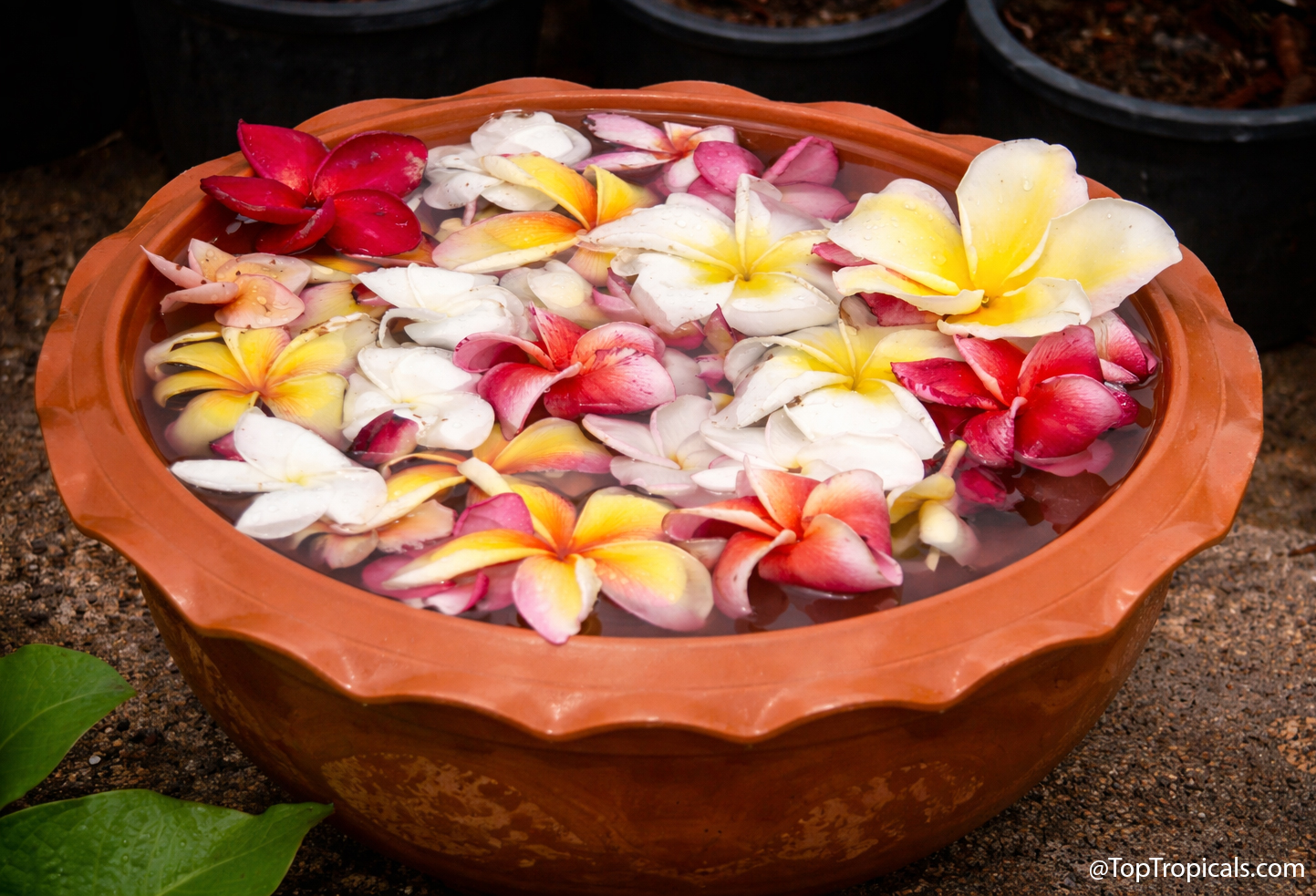
That scent does not have to stay in the garden. Fresh plumeria flowers can
be brought inside and placed in a small bowl of water they will float and
gently perfume the room. You can make a simple lei, keep a few blooms
on a table, or even place a flower in your car on a hot day - the warmth
releases the fragrance.
Bowl with Plumeria flowers
creates a scented space anywhere
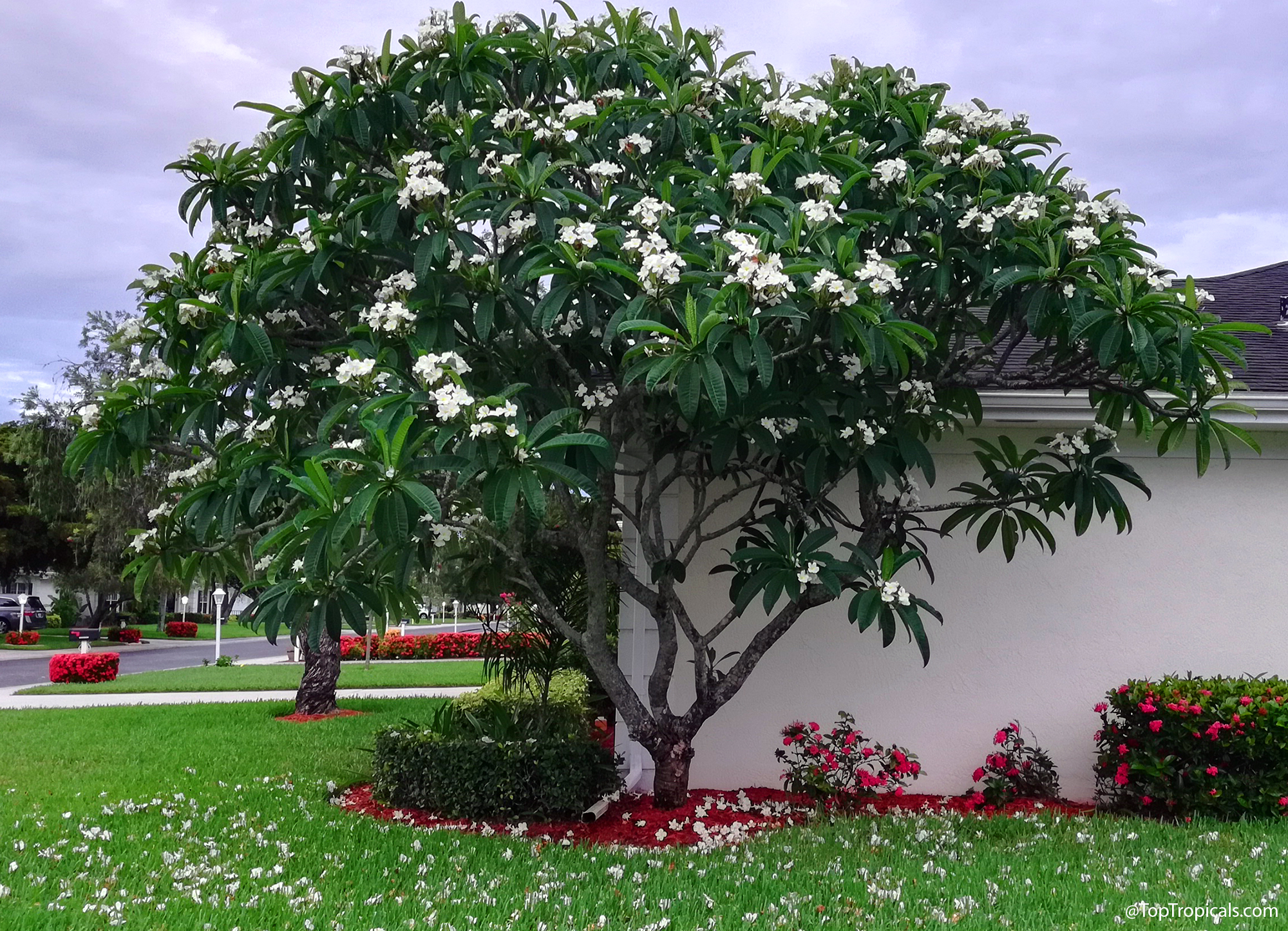
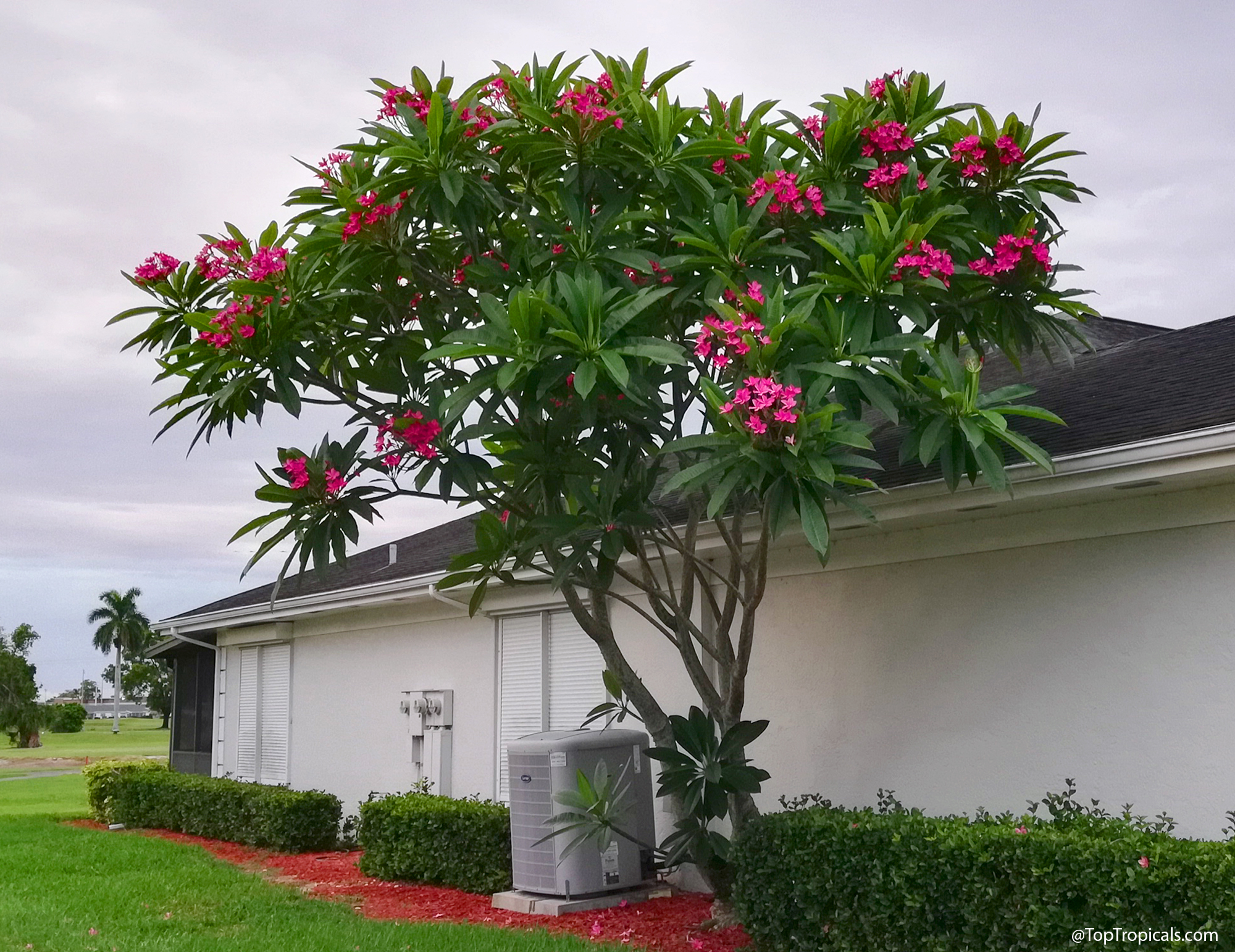
Red Plumeria is not just fragrant, it is one of the
most spectacular trees when in full bloom
Build Your Plumeria Paradise - Save
10%
Get 10% off with coupon code PLUMERIA2026
on plumeria trees.
Offer valid through 04/15/2026.
Discount applies to plumeria plants only. Not valid on previous purchases
and cannot be combined with other promotions or discounts. Offer
subject to change without notice.
Date: 11 Apr 2026
Plumeria rainbow: Symbol of the Tropics
Plumeria Granny
Plumeria Som Paruay
Plumeria Yellow Maha
Plumeria Moung Jack (Jacque)
Plumeria rainbow: Symbol of the Tropics 🌈
Plumerias are one of those plants that instantly feel like a vacation - soft, fragrant flowers, warm colors, and that unmistakable tropical look. Known as a symbol of Hawaii and the Aloha spirit, they’re loved for their scent, their beauty, and how effortlessly they turn any space into something special. And the best part - their colors feel almost endless, from soft pastels to rich, glowing tropical tones, even into rainbow-like multicolor blooms.
Plumeria Plant Facts
Botanical name: Plumeria sp. Also known as: Plumeria, Frangipani
USDA Zone: 9 - 11
Highligths
💡 How to Grow a Blooming Plumeria?
Plumerias are surprisingly easy to grow - once you follow a few simple rules, they almost take care of themselves. Give them sun, fast-draining soil, and don’t overwater, and they’ll reward you with strong growth and fragrant blooms.
In #PlumeriaRainbow series, we’ll share simple tips to keep them happy, healthy, and blooming - bringing that perfumed tropical Aloha right into your garden.
🌸 Today's featured plumerias
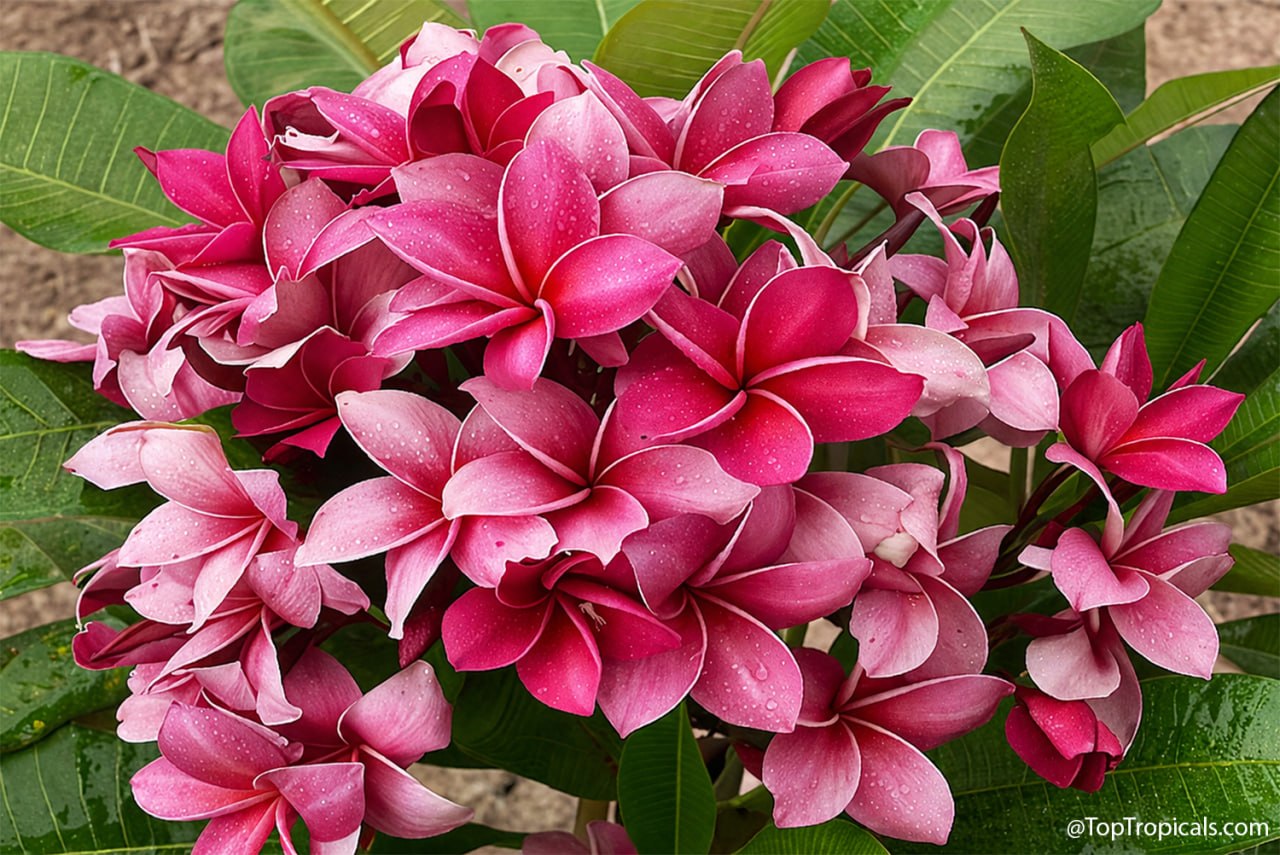
✦ Plumeria Granny - a full, eye-catching variety with rich pink blooms ranging from soft blush to deeper rosy tones, often mixed within the same cluster. Petals are smooth and slightly overlapping, giving flowers a rounded, softly layered look. It blooms in dense clusters, creating a lush, full appearance that stands out from a distance while still showing nice detail up close.
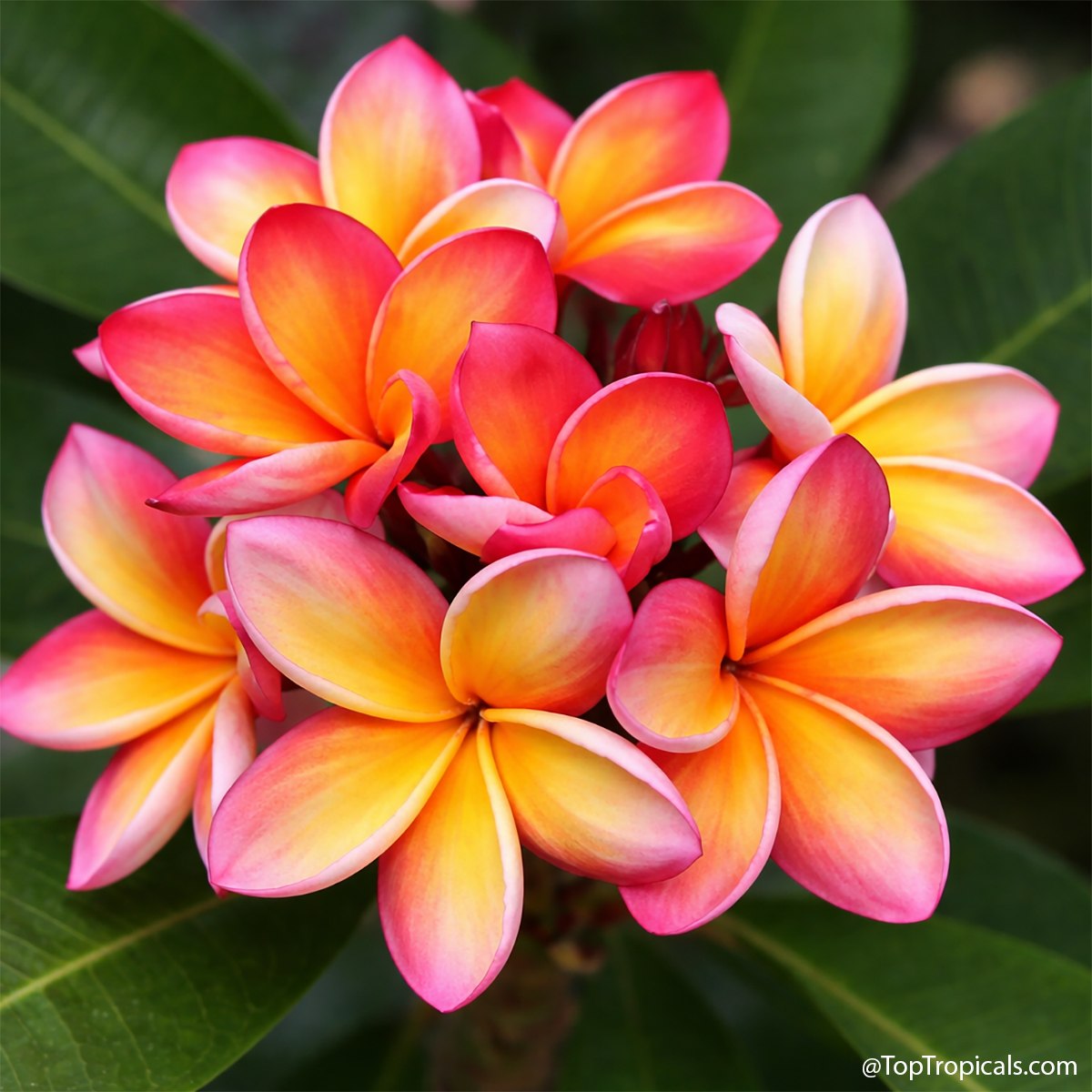
✦ Plumeria Som Paruay - a bright, cheerful "Rainbow" variety with golden-yellow centers blending into orange, coral, and rosy pink edges. The smooth color gradient gives each flower a warm, glowing look. Clusters are vibrant and lively, adding strong tropical color. The name comes from Thai - Som means orange, Paruay refers to prosperity and good fortune.
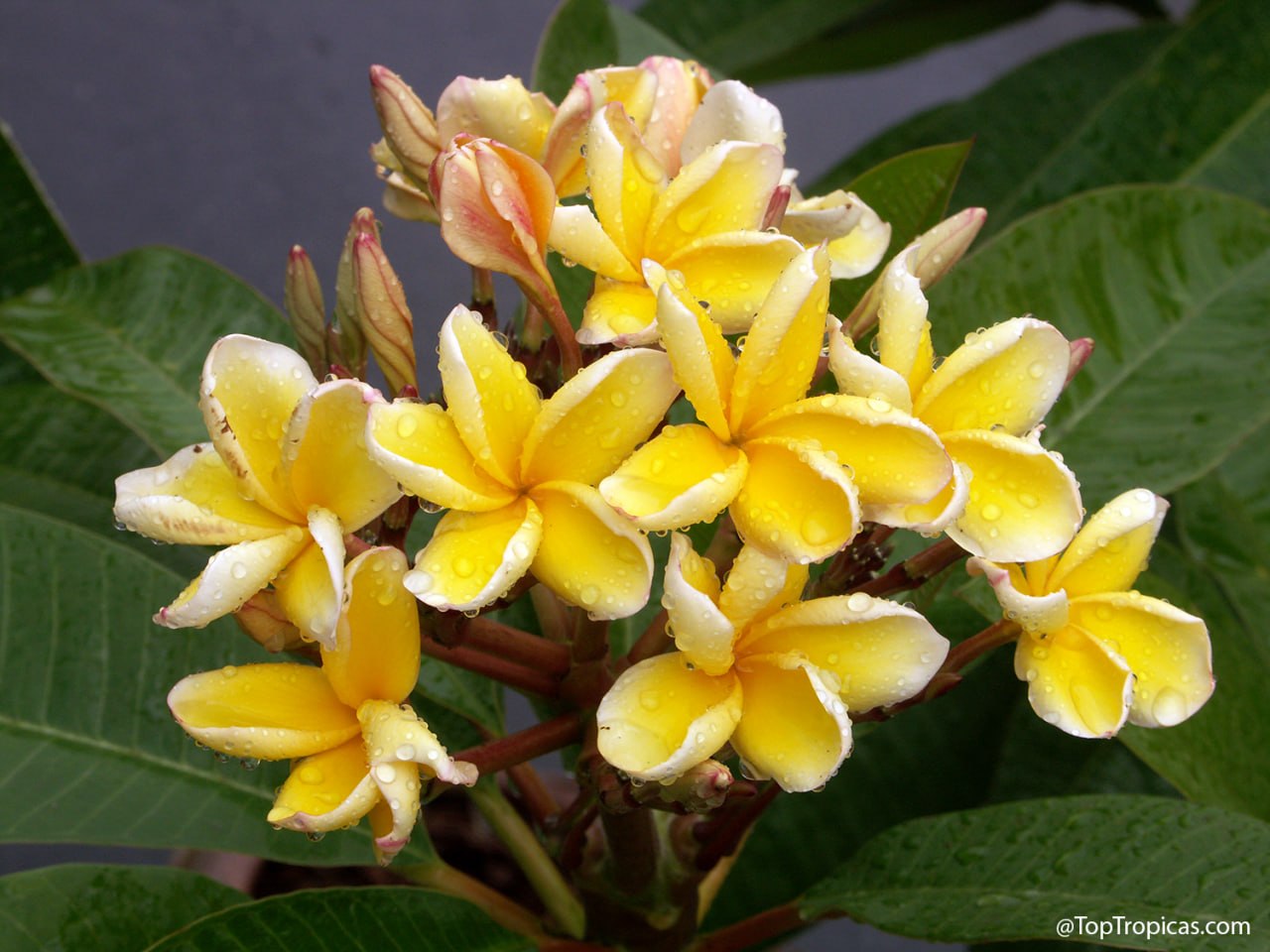
✦ Plumeria Yellow Maha - a striking variety with extra-long petals in bright yellow, cleanly outlined in white. The shape alone makes it stand out. It is also super aromatic - yellow varieties are the most fragrant, filling the air with a strong, sweet scent.
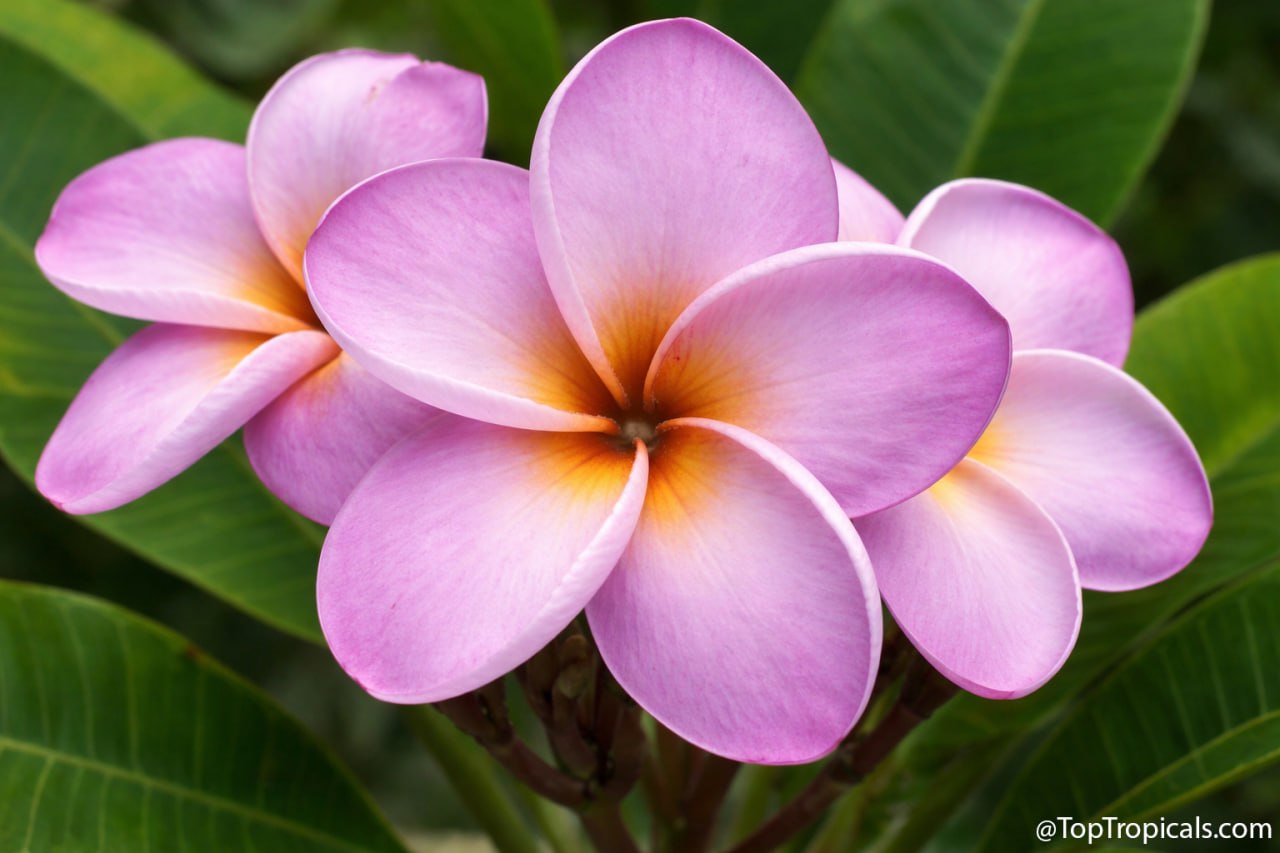
✦ Plumeria Moung Jack (Jacque) - a softer, more unusual variety with lavender-pink tones and a warm yellow-orange center. The color is smooth and slightly muted, giving it a calm, pastel look. Petals are broad and rounded, forming a classic shape with a velvety feel. Moung means purple in Thai, referring to its gentle lavender tones.
Adenium rainbow - warm, bright, and full of energy
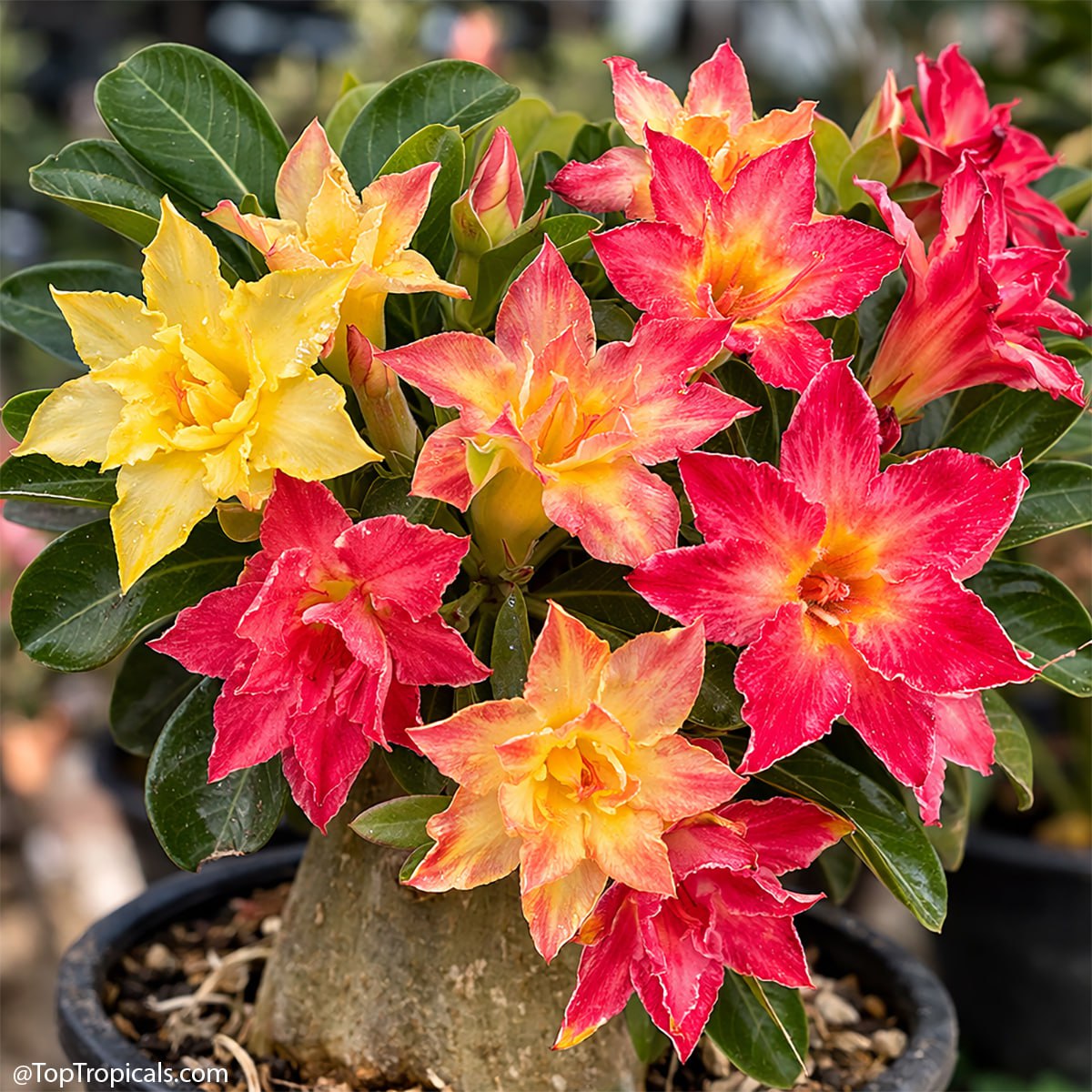
Adenium Phoenix
Adenium rainbow - warm, bright, and full of energy 🌈
Some adeniums feel calm. And some feel like sunshine!
This set is all about warm orange tones - bright, happy, and hard to overlook. These are the ones that light up a bench even on a cloudy day.
💡 Rainy summer tip
In places like Florida, summer rain can be too much for adeniums.
Adenium Plant Facts
Botanical name: Adenium sp. Also known as: Adenium, Desert Rose, Impala Lily
USDA Zone: 9 - 10
Highligths
They are succulents - Desert Roses they are! - and don’t like staying wet for long periods. Constant rain keeps the soil saturated, which can lead to root rot and weak growth.
If you have a rainy season, it’s best to keep them under a roof or covered area.
This helps control watering, keeps the soil from staying soggy, and protects the caudex and roots.
They still need bright light - just not endless rain.
🌸 Today's featured adeniums
✦ Phoenix: Color-changing blooms that shift from soft yellow to pink and coral - looks like a living sunset on one plant. ✦ Pra Rod Mary: Warm orange shades with a soft, rounded bloom. ✦ Pratum Thong: Golden-orange color with a rich, glowing look. ✦ Som Term Sab: Bright, lively tones - name tied to wealth and good fortune. ✦ One Heart: Balanced form with warm color and a clean structure. ✦ Thong Nuekao: Golden shades with a slightly deeper, more refined tone.
Orange adeniums bring a different kind of energy - warm, glowing, and full of life.
And once you add a few - your collection starts to feel a lot brighter!




 Practical Growing Tips (Keep It Simple)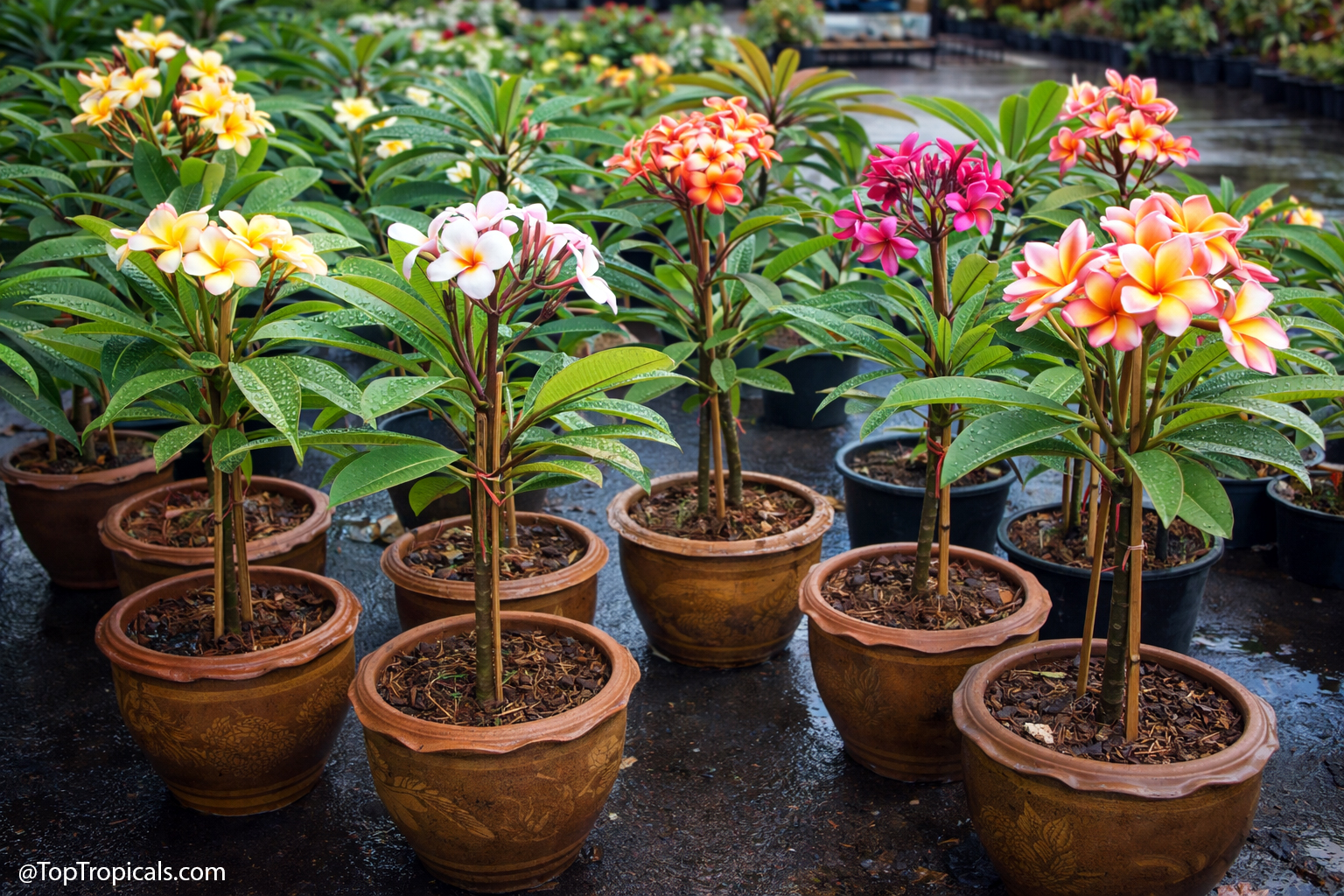
 Winter Care (Very Important)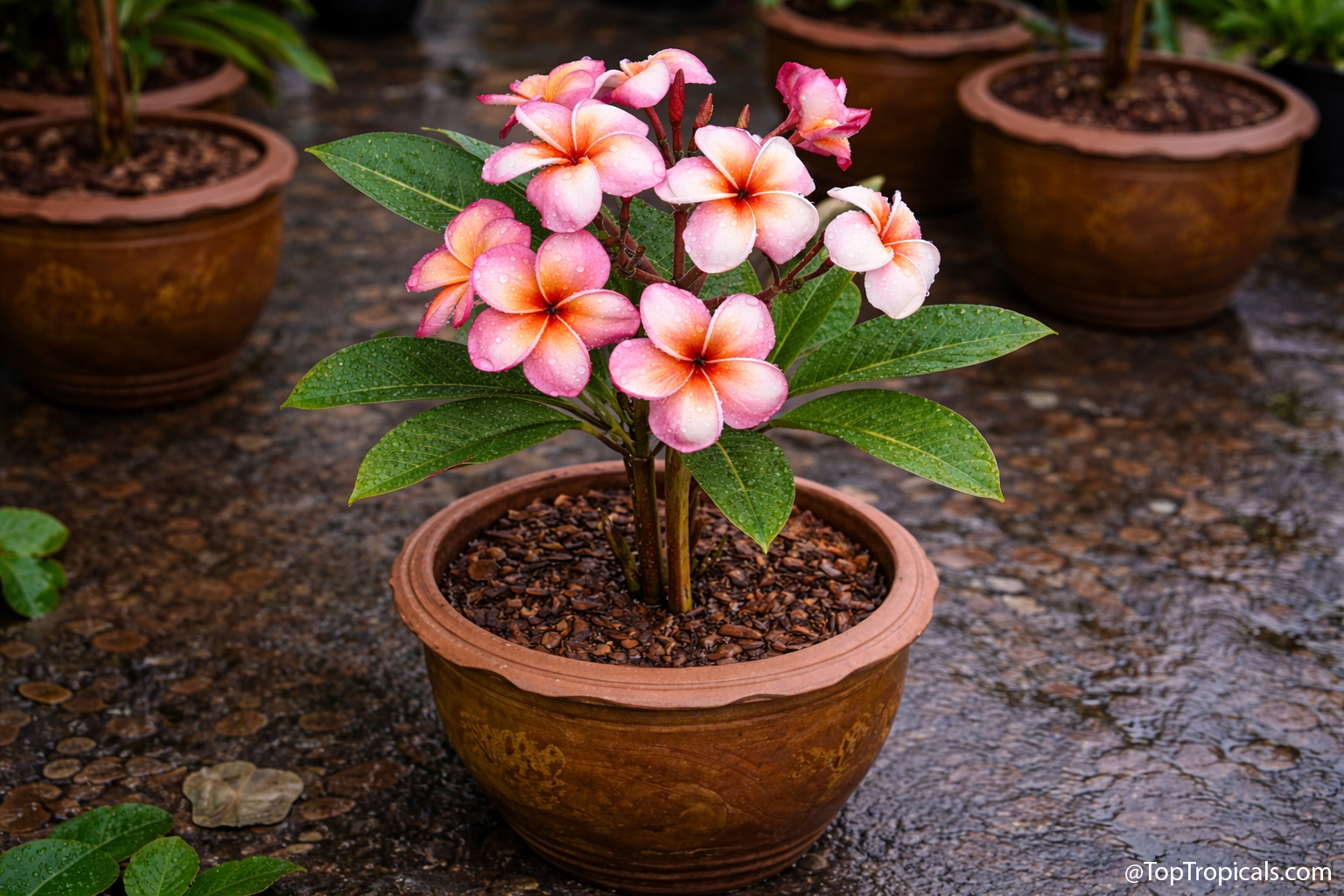
 Build Your Plumeria Paradise - Save
10%
Build Your Plumeria Paradise - Save
10%