Garden Blog - Top Tropicals

Date: 31 Jan 2026

Pitomba pop cups: quick-n-fun exotic recipes
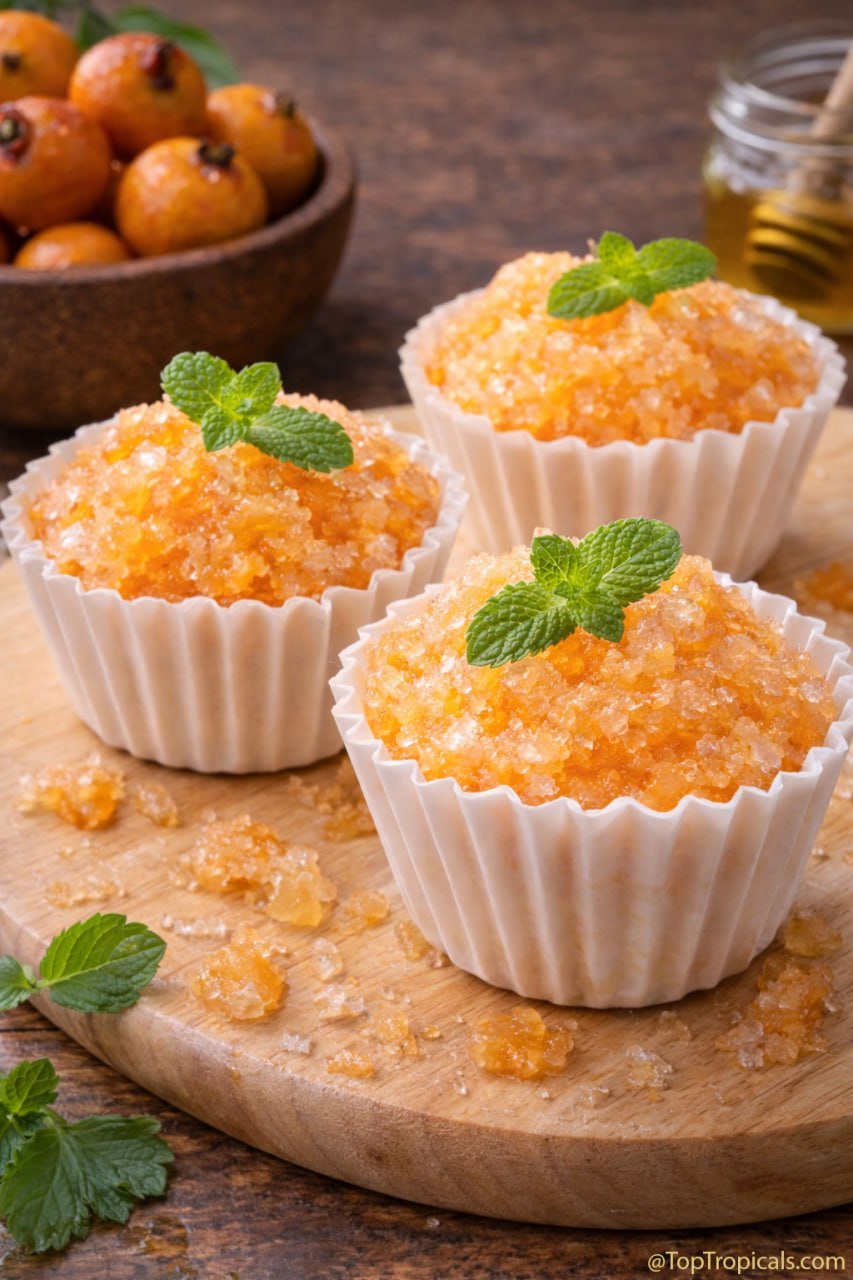
Frozen pitomba pops with mint
Frozen pitomba pops with mint

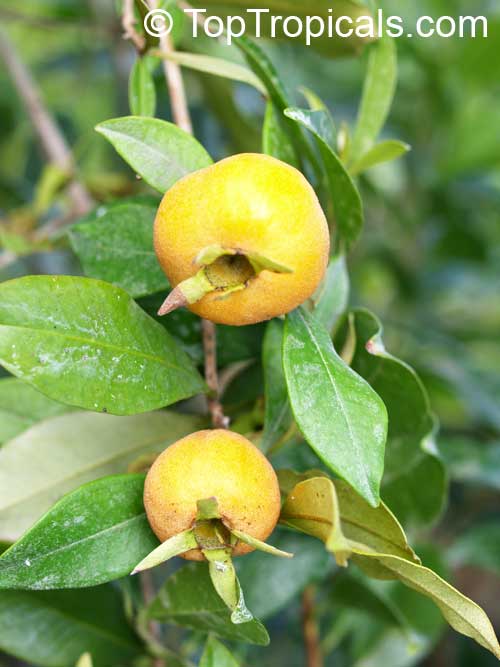
Eugenia luschnathiana - Pitomba

Eugenia luschnathiana - Pitomba

🍴 Pitomba pop cups: quick-n-fun exotic recipes


Pitomba Pop Cups

Ingredients

  • 1 cup pitomba pulp
  • 1 teaspoon honey
  • 1 tablespoon water
  • Fresh mint leaves (optional)

Instructions

  1. Scoop pitomba pulp into a small bowl.
  2. Mix with honey and a little water to soften the texture.
  3. Spoon the mixture into small cups or molds.
  4. Freeze until icy-soft.
  5. Serve topped with fresh mint for a refreshing tropical snack.


🌿 About the plant:


Pitomba (Eugenia luschnathiana) is a tropical fruit native to Brazil, prized for its bright, citrusy pulp with a sweet-sour kick. The flavor is often compared to a mix of apricot, citrus, and mild resin, making it refreshing and snack-worthy straight from the fruit.

Pitomba Plant Facts

Botanical name: Eugenia luschnathiana, Phyllocalyx luschnathianus
Also known as: Pitomba
USDA Zone: 9 - 11
Highligths Small tree 10-20 ftFull sunWatering: Moderate. Water when top soil feels dryWatering: Regular. Let topsoil dry slightlyWhite, off-white flowersEdible plant
Get personalized tips for your region


🌱 In the garden:


Pitomba grows as a small to medium-sized slow growing tree with glossy evergreen leaves. It thrives in warm climates, prefers full sun to light shade, suitable for USDA zones 10-11, it can also be grown in large containers and responds well to pruning, making it manageable for home gardens.

🛒 Plant exotic Pitomba cherry in your garden

📚 Learn more:


Eugenia luschnathiana - Pitomba - in Plant Encyclopedia

#Food_Forest #Recipes

🟢 Join 👉 TopTropicals

Date: 19 Jan 2026

You dont need to buy Gin any more!

Gin Berry, Glycosmis pentaphylla, Orangeberry, Limonia

🍸 You don't need to buy Gin any more!

🍸Guess what is this fruit that tastes like Gin - it's Gin Berry, Glycosmis pentaphylla. It's also called Orangeberry, or Limonia, and is one of those plants that surprises people the moment they touch it. Crush a leaf or rub one of the ripe berries, and the scent is unmistakable - fresh, citrusy, pure gin! Just add tonic.

Ash sheora Plant Facts

Botanical name: Glycosmis pentaphylla, Limonia pentaphylla
Also known as: Ash sheora, Orangeberry, Rum Berry, Gin Berry
USDA Zone: 9 - 10
Highligths Small tree 10-20 ftFull sunWatering: Moderate. Water when top soil feels dryWatering: Regular. Let topsoil dry slightlyWhite, off-white flowersEthnomedical plant.
Plants marked as ethnomedical and/or described as medicinal, are not offered as medicine but rather as ornamentals or plant collectibles.
Ethnomedical statements / products have not been evaluated by the FDA and are not intended to diagnose, treat, cure, or prevent any disease. We urge all customers to consult a physician before using any supplements, herbals or medicines advertised here or elsewhere.
Get personalized tips for your region


🍸 Why the berries smell like gin?


The leaves and berries are packed with aromatic oils rich in citrus terpenes, similar to compounds found in juniper and citrus peel. That shared chemistry is what creates the gin-like fragrance. It smells clean, sharp, and refreshing - more aroma than sweetness.

🍸 A lesser-known citrus cousin


Gin Berry belongs to the Rutaceae family, the same plant family as oranges, lemons, limes, and Curry leaf. You can see it in the glossy leaves and smell it in the oils, but the growth habit is different. Instead of becoming a tree, Gin Berry stays a compact, evergreen shrub.

🍸 Edible, but fragrance-forward


The small berries are edible and lightly sweet-tart, though most people notice the aroma before the flavor. In parts of South and Southeast Asia, the fruit is eaten fresh, added to chutneys, or used to scent drinks and infusions. It is subtle and aromatic rather than juicy.

🍸 Traditional uses and health benefits


🔸Gin Berry has a long history in folk medicine, especially in in Hindu medicine.
🔸Leaves used in teas for digestion and fevers
🔸Roots traditionally used for inflammation and pain
🔸Modern studies note antimicrobial and antioxidant activity

🍸 Easy garden and container plant


🔸Evergreen shrub with shiny leaves
🔸Naturally compact and easy to prune
🔸Small white flowers with a light fragrance
🔸Clusters of decorative berries
🔸Excellent for pots, patios, and warm climates
🔸Attracts pollinators, and birds enjoy the berries.

🍸 Why Gin Berry stands out


Gin Berry sits right between ornamental and edible. It has the citrus-family fragrance people love, stays manageable in size, and offers a unique sensory experience that most gardeners have never seen - or smelled - before.

🛒 Add Gin Berry to your rare fruit collection

#Food_Forest #Fun_facts #Remedies

🟢 Join 👉 TopTropicals

Date: 17 Apr 2024

Why buy Mango from the store? Plant the trees today to enjoy your own fruit tomorrow!

Why buy Mango from the store? Plant the trees today to enjoy your own fruit tomorrow!
🥭 Why buy Mango from the store? Plant the trees today to enjoy your own fruit tomorrow!

🛒 Shop Mango trees

#Food_Forest

🏵 TopTropicals

Date: 15 May 2025

Red Leaves, Red Fruit, Real Wow Banana!

📱 Red Leaves, Red Fruit, Real Wow Banana!


#Bananas #Food_Forest #Discover

🔴 Join 👉 TopTropicals

Date: 3 Jun 2025

What fruit smells like roses

😏 What fruit smells like roses


📱

🛒 Plant your Rose Apple, smell the roses and be happy!

#Food_Forest #Fun_Facts

🟢 Join 👉 TopTropicals