Garden Blog - Top Tropicals

Date: 10 May 2026

🍑 Tree-Ripened Peaches Change Everything

Smokey  and  Sunshine  relax  under  a  peach  tree  in  the  S&S  Garden, 
 discussing  low-chill  peaches  for  Florida  while  enjoying  peach  cobbler  with 
 ice 
 cream.
Sunshine: I love peach cobbler. Smokey, why are peaches on the tree so early?
Smokey: Low-chill peach varieties for Florida. They ripen much sooner.
Sunshine: I thought peaches were for Georgia.
Smokey: Not if you plant low-chill peaches. And speaking of peaches, do you know about donut peaches?
Sunshine: Donut peaches? Finally, horticulture I can understand.

Some fruits carry memories before you've even tasted them.

There's something about a peach still warm from the tree - the way it gives a little when you pick it, the smell that hits you before you even take a bite. It makes you slow down. It makes summer feel like it actually meant to show up.

Peach Plant Facts

Botanical name: Prunus persica, Amygdalus persica
Also known as: Peach
USDA Zone: 5 - 10
Highligths Small tree 10-20 ftFull sunWatering: Regular. Let topsoil dry slightlyWhite, off-white flowersPink flowersEdible plantDeciduous plantSubtropical plant. Mature plant cold hardy at least to 30s F for a short time
Get personalized tips for your region

For Florida gardeners, that moment used to feel borrowed. Peaches were a Georgia thing, a Carolina thing. You'd admire someone else's harvest and quietly file it under not for us.

Low-chill peaches rewrote that story.

Here's the thing about regular peaches - they need cold. Not just a cool night or two, but a real winter. We're talking 600 to 1,000 hours below 45F. That's how they know to wake up in spring and actually fruit. South Florida just doesn't deliver that. The trees will grow fine, look healthy even, and then give you almost nothing come harvest time. Frustrating doesn't cover it.

Low-chill varieties are different. They were bred specifically for places like ours - warm winters, mild springs. Some only need 100 hours of chill. A hundred. That's a few cold fronts, not a season. And because they're working with our climate instead of against it, they fruit reliably. Every year.

They're not just a Florida trick either. Gardeners in coastal Texas, southern Louisiana, southern California - anywhere in that Zone 8b to 10 range - have been growing these successfully. If you've got warm winters and thought peaches weren't for you, they probably just weren't the right peaches.
🛒 Shop Low-Chill Peach trees

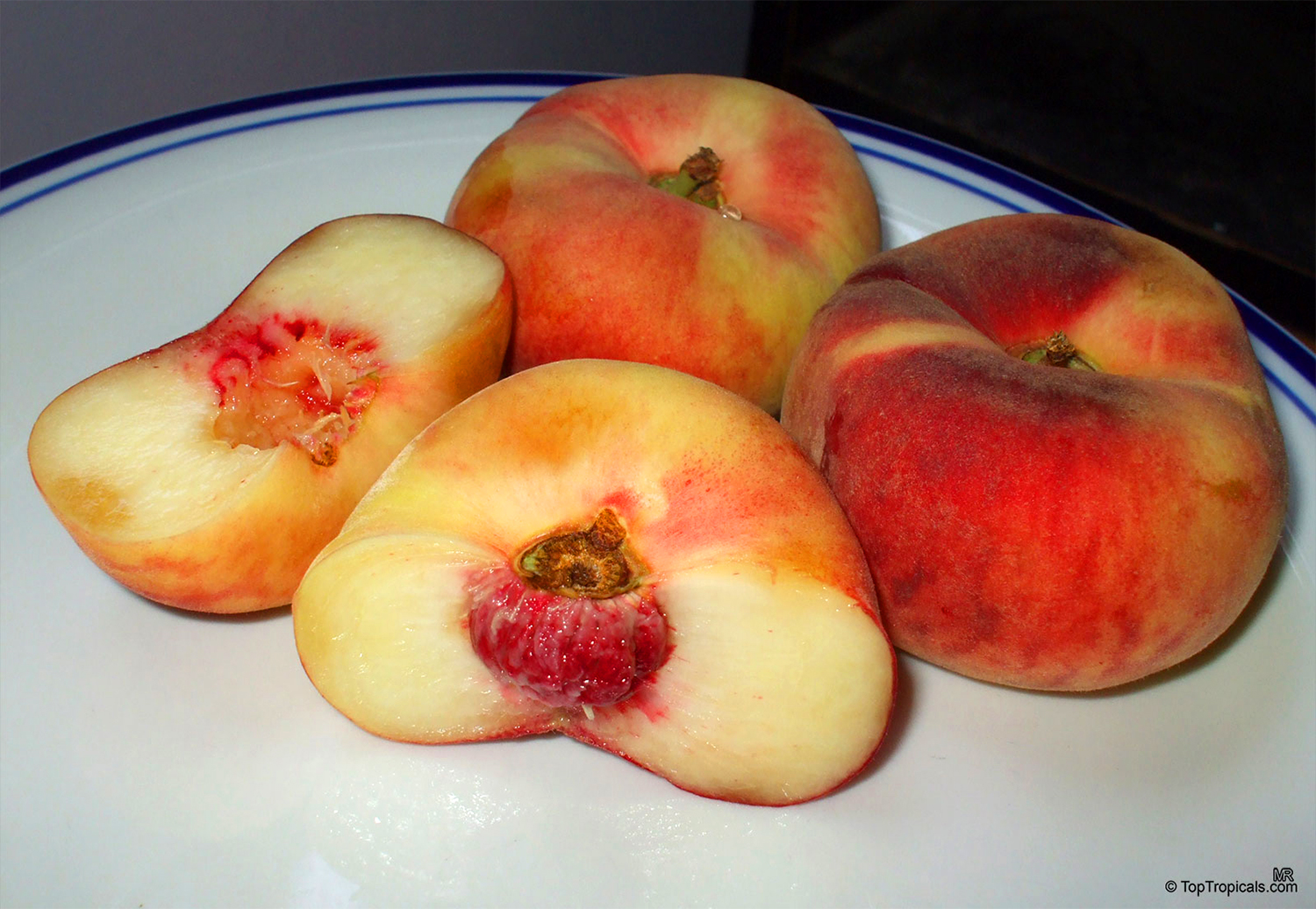
Several  ripe  flat  peaches,  also  known  as  donut  peaches  or  Saturn 
 peaches,  displayed  on  a  white  plate.  Two  peaches  are  cut  open,  showing  the 
 pale  white  flesh  and  small  central  pit  with  pink-red  coloring  around  the 
 seed 
 area.

Flat peaches - sometimes called DONUT peaches - are known for their sweet white flesh, low acidity, and fun squashed shape.

Date: 9 Dec 2023

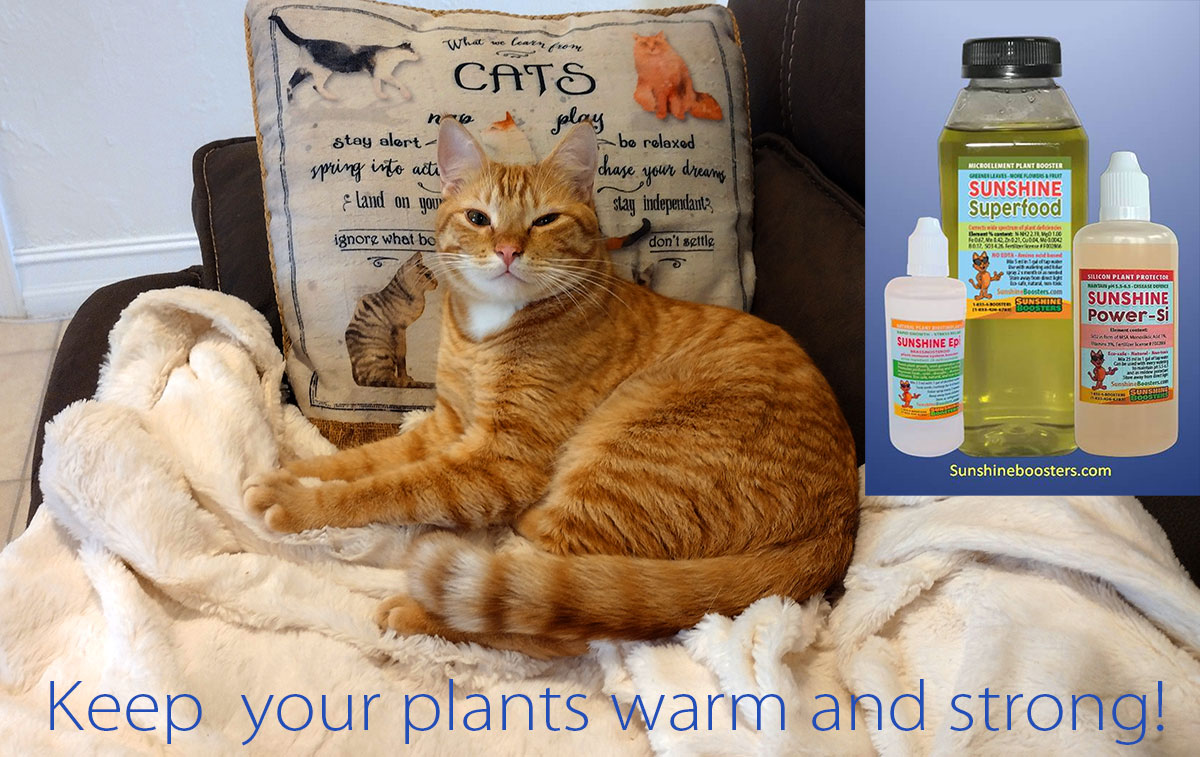
Sunshine supplement kit for cold hardiness

Video by Scott Riddle

Discover the cool story of Scott Riddle, a well-known plant enthusiast with a popular YouTube channel dedicated to his tropical plant collection. In this video, Scott shares his firsthand experience with our Sunshine micro-element kit, designed to enhance the cold hardiness of plants.
Living in the unpredictable climate of the California mountains, where he cultivates tropical plants in a zone higher than recommended, Scott faced the challenge of unexpected freezes. The boosters hopefully will be a game-changer for him, reinforcing his plants for the winter season. This insightful and detailed video is a valuable resource for anyone engaged in zone-pushing, aiming to fortify their tropical plants against the rigors of challenging weather conditions.

Here at Top Tropicals, we have already applied two pre-winter treatments of Sunshine Power-Si formula, in combination with the bio-stimulant Sunshine Epi and micro-elements. One in November, the second one in the beginning of December. So far, after a couple of cold nights, the plants still look happy. Stay warm and get prepared!"

Cozy  cat  with  sunshine  boosters  hardiness  kit

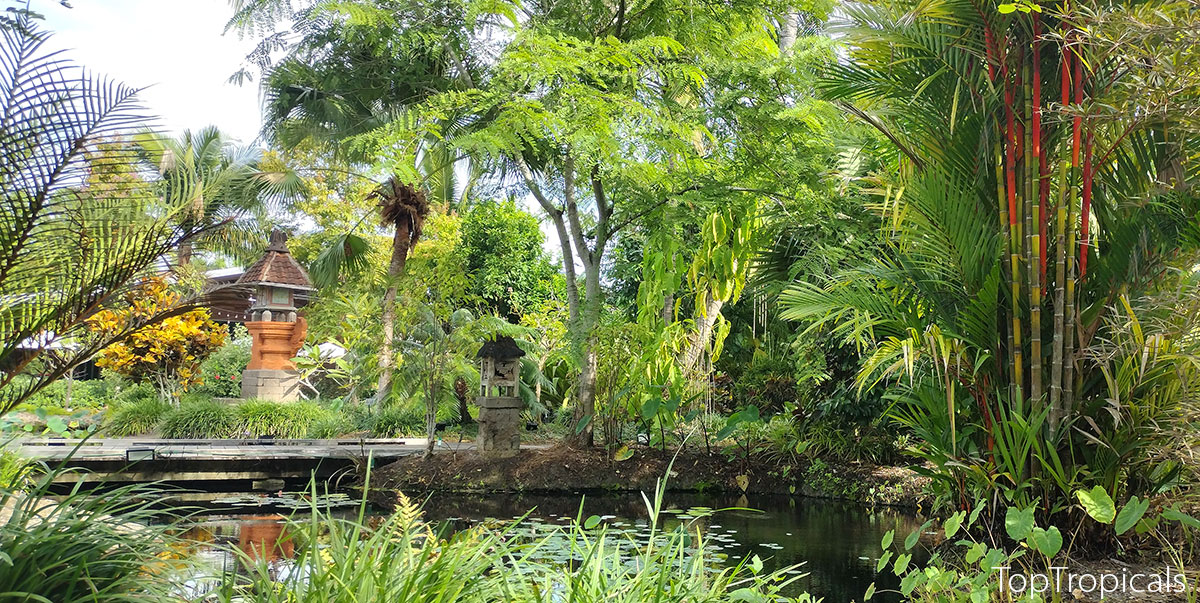
Tropical  landscape  with  Red  Lipstick  Palm

Date: 7 Jul 2023

Fertilizing a Mango tree in container

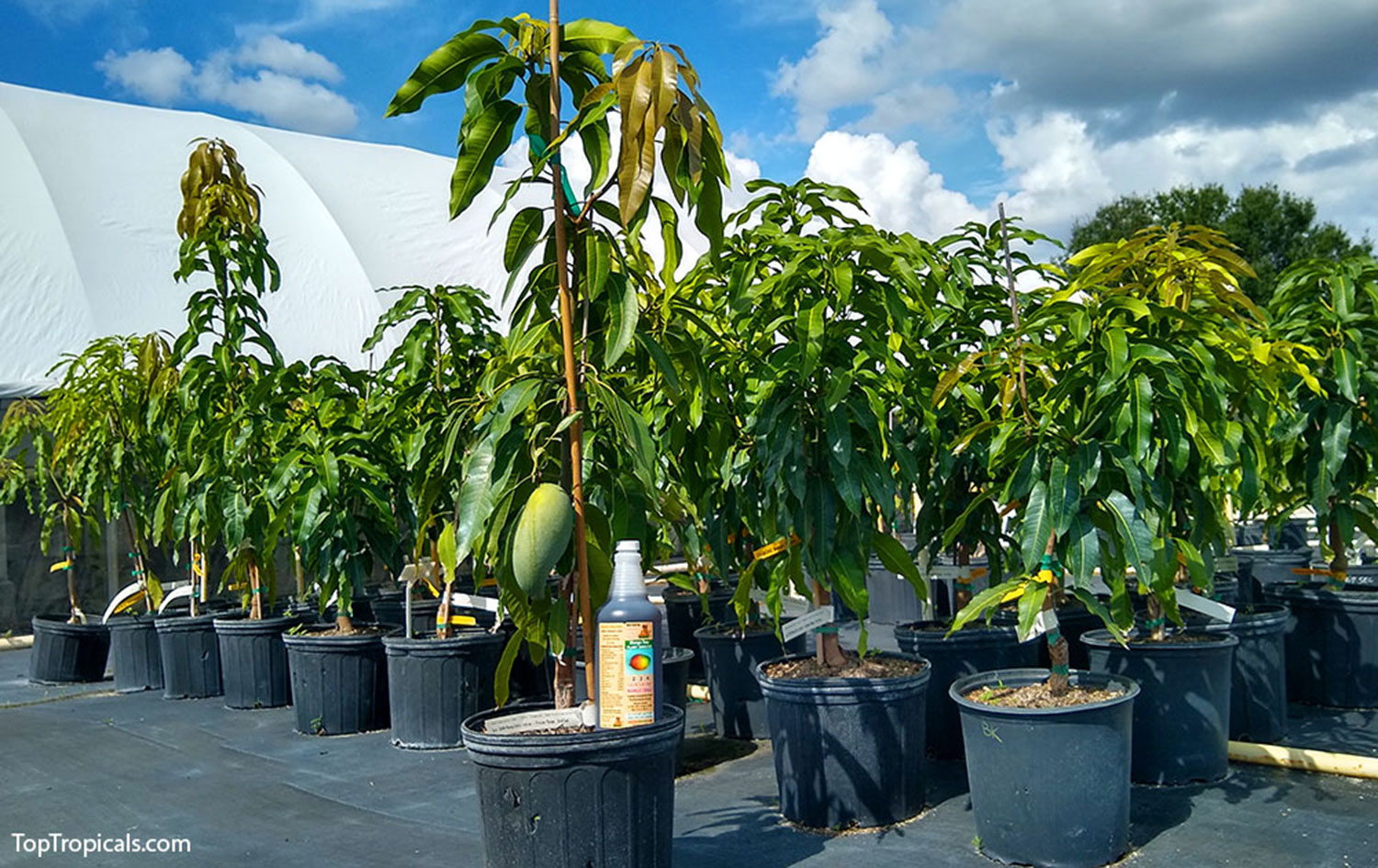
Mango  trees  in  pots  and  fertilizer

Q: I live in the area with cooler winters so I am keeping my mango tree in a pot. What fertilizer do you recommend for the best growth and fruit production?

A: If you're growing fruit trees in pots, using liquid fertilizers is a great choice. And when it comes to liquid fertilizers, ones that are based on amino acids are super cool because they're natural and plants can gobble up all the good stuff without any problems. So, if you have a mango tree, the absolute star in amino acid-based fertilizers is -

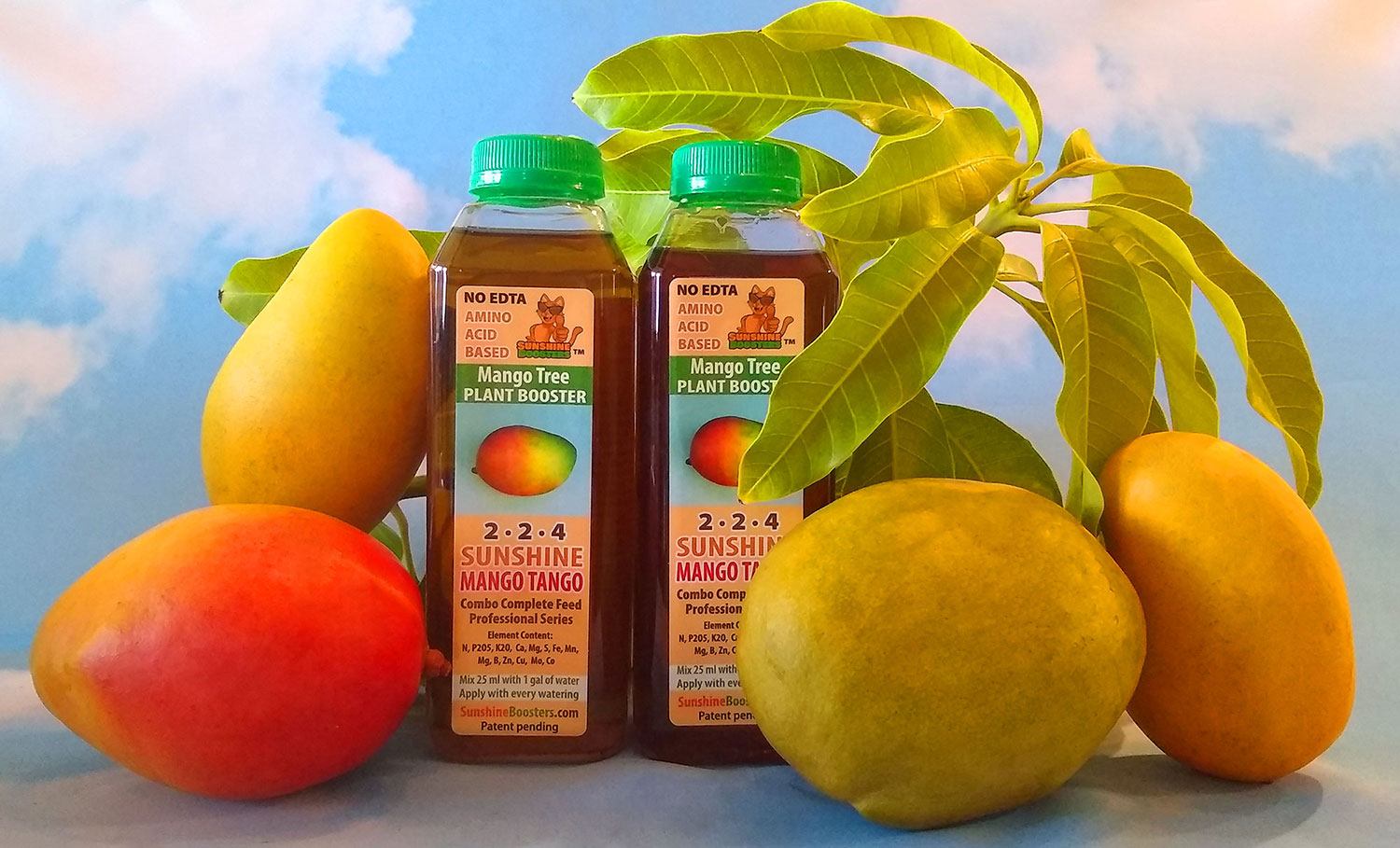
Sunshine Boosters Mango Tango

Your tree will be doing a happy dance with this stuff!

Sunshine  booster  mango  tango  fertilizer

Why Sunshine Boosters liquid fertilizers are so popular?

Here are a few awesome reasons:

1. Speedy nutrients: Sunshine Boosters liquid fertilizers are like a fast pass for plants. They get absorbed by the roots super quick, giving your fruit tree a speedy delivery of all the nutrients it needs. This is especially great for potted plants with limited soil space, like those yummy fruit trees.

2. Nutrients for all: Sunshine Boosters are like the fairy godmothers of nutrients. When you pour them around the base of your tree, they spread out evenly, making sure every bit of the tree gets its fair share of the good stuff. No nutrient deficiencies allowed!

3. The power of precision: Sunshine Boosters liquid fertilizers and other cool plant supplements let you become a master mixologist for your plant. You can measure and mix them just right, giving your tree the exact nutrients it craves. It's like creating a customized cocktail for your tree's taste buds. Try adding the magic works of SUNSHINE Microelement Supplement Kit - that improves hardiness, vigor, and production.

4. Leafy goodness: Sunshine Boosters have a secret talent - they can be sprayed directly on the leaves! It's like giving your tree a refreshing nutrient-packed spa treatment. The leaves slurp up those nutrients, bypassing any soil limitations. Talk about a VIP treatment!

Remember, while liquid fertilizers are awesome, they work best when you team them up with other good plant care practices. So don't forget to water properly, keep that soil in tip-top shape, and give your tree plenty of sunshine. With this dream team, your potted mango tree will thrive and grow like a champ!

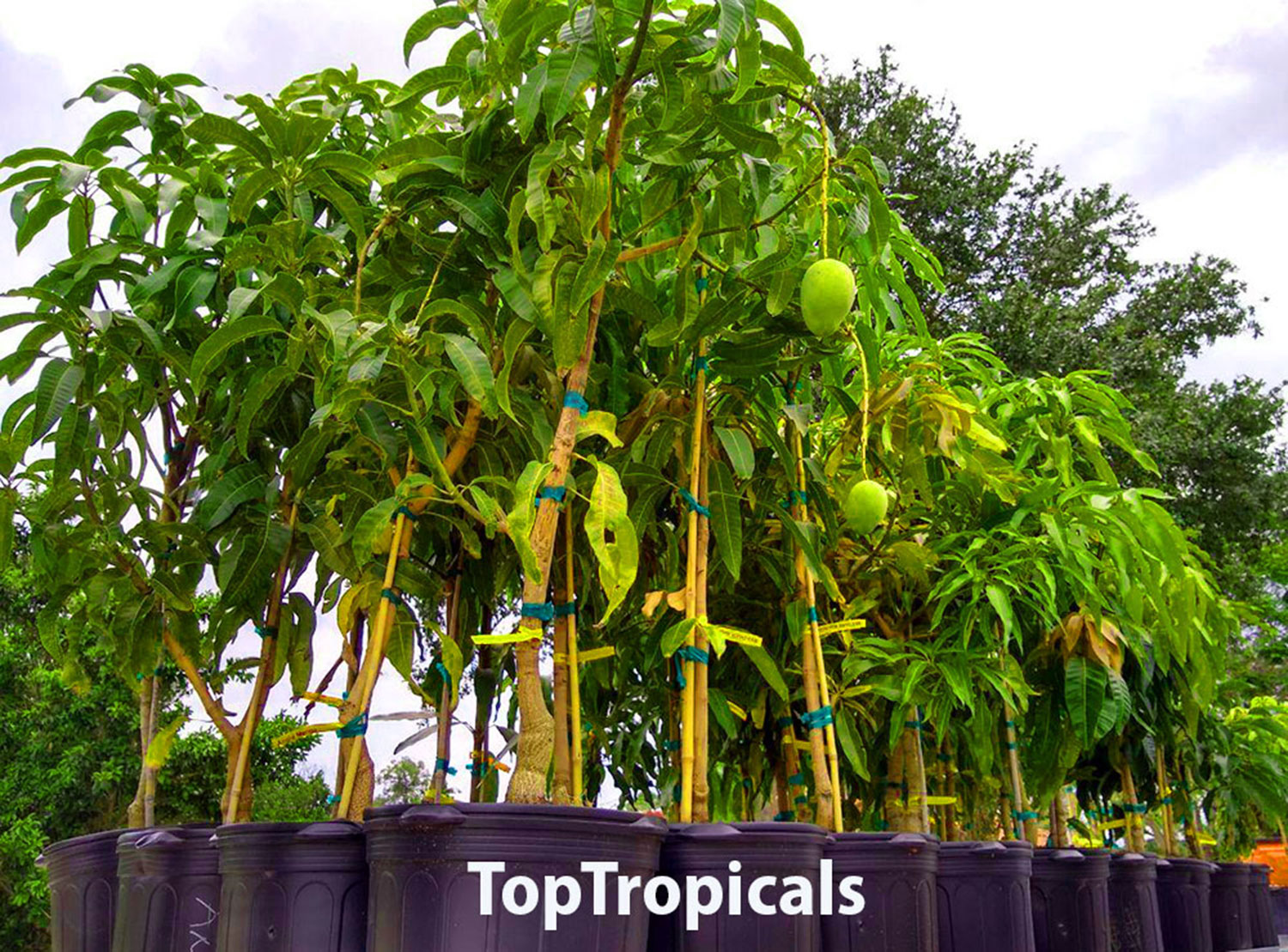
mango  trees  in  containers

Date: 6 Feb 2026

💘Rooted love lasts longer than flowers

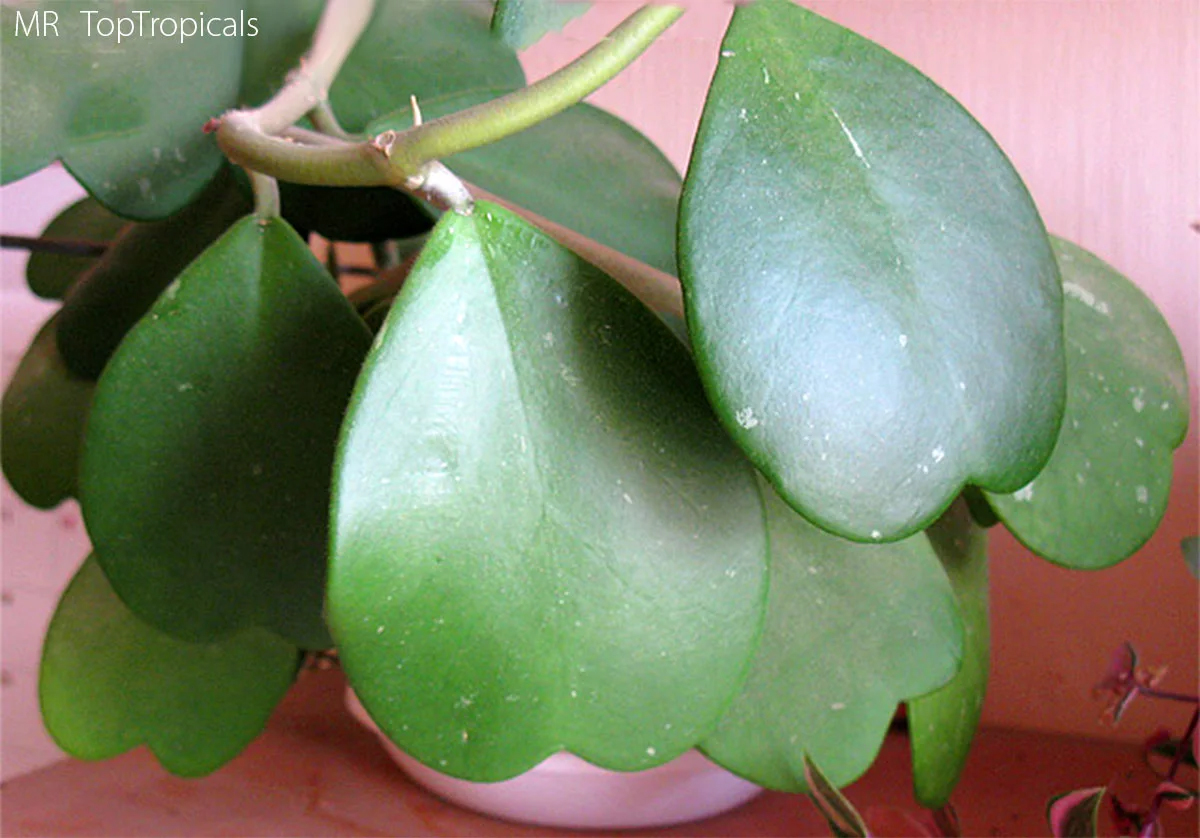
Smokey  the  tuxedo  cat  and  Sunshine  the  ginger  cat  sit  in  a  greenhouse 
 beside  a  Sweetheart  Hoya  with  heart-shaped  leaves,  a  tag  reading  rooted 
 love,  and  a  cup  of  coffee  with  donuts  on  a  wooden 
 table.
Sunshine: Valentine Day soon. We need flowers.
Smokey: Nope. Heart-shaped hoya. Flowers fade. Plants stay.
Sunshine: Alright. One for my Valentine. One for me, with coffee.

💖 Sweetheart Hoya: a Valentine gift that lasts

Sweetheart Hoya (Hoya kerrii) has thick, heart-shaped leaves and a compact form that fits easily on a windowsill, desk, or shelf. It does not need constant attention, bright sun, or frequent watering. In fact, it prefers a lighter touch.

Wax Hearts Plant Facts

Botanical name: Hoya kerrii
Also known as: Wax Hearts, Sweetheart Hoya, Valentine Hoya, Heart leaf
USDA Zone: 9 - 11
Highligths Groundcover and low-growing 2ft plantSemi-shadeShadeFull sunWatering: Moderate. Water when top soil feels dryOrnamental foliageWhite, off-white flowersPlant attracts butterflies, hummingbirdsFragrant plant
Get personalized tips for your region

This is a plant that works well indoors, grows slowly, and forgives missed waterings. It is comfortable in normal home conditions and does not require special tools or experience. That makes it a good gift not only for plant lovers, but also for people who have never kept a houseplant before.

Unlike flowers, it does not come with an expiration date. It becomes part of daily life and stays there quietly, doing its job. Over time, it feels less like a purchase and more like something chosen with intention.

For Valentines Day, Sweetheart Hoya is a simple, lasting way to give something real.

Sweetheart Hoya care: quick how-to

  • Light: Bright window light is ideal. Avoid harsh, hot direct sun.
  • Water: Let the potting mix dry between waterings. When you water, water thoroughly, then let it drain.
  • Feeding: Light feeding during active growth helps. A balanced fertilizer like Sunshine™ Robusta keeps growth steady and leaves healthy.
  • Pace: Slow-growing and patient. Do not overwater or overpot.

❓Sweetheart Hoya: quick FAQ

  • Is it good for beginners? Yes. It is forgiving and does not need constant attention.
  • Can it live indoors year-round? Yes, in bright indoor light and normal home conditions.
  • Does it need flowers to be special? No. The heart-shaped leaves are the main feature.
  • Learn more: What is the best Valentines Day gift that actually lasts?

♥️ Shop Sweetheart Hoya

Valentine  Sweetheart  Hoya  Plant

Date: 19 Jul 2025

☀️ When tropical plant takes a Summer break

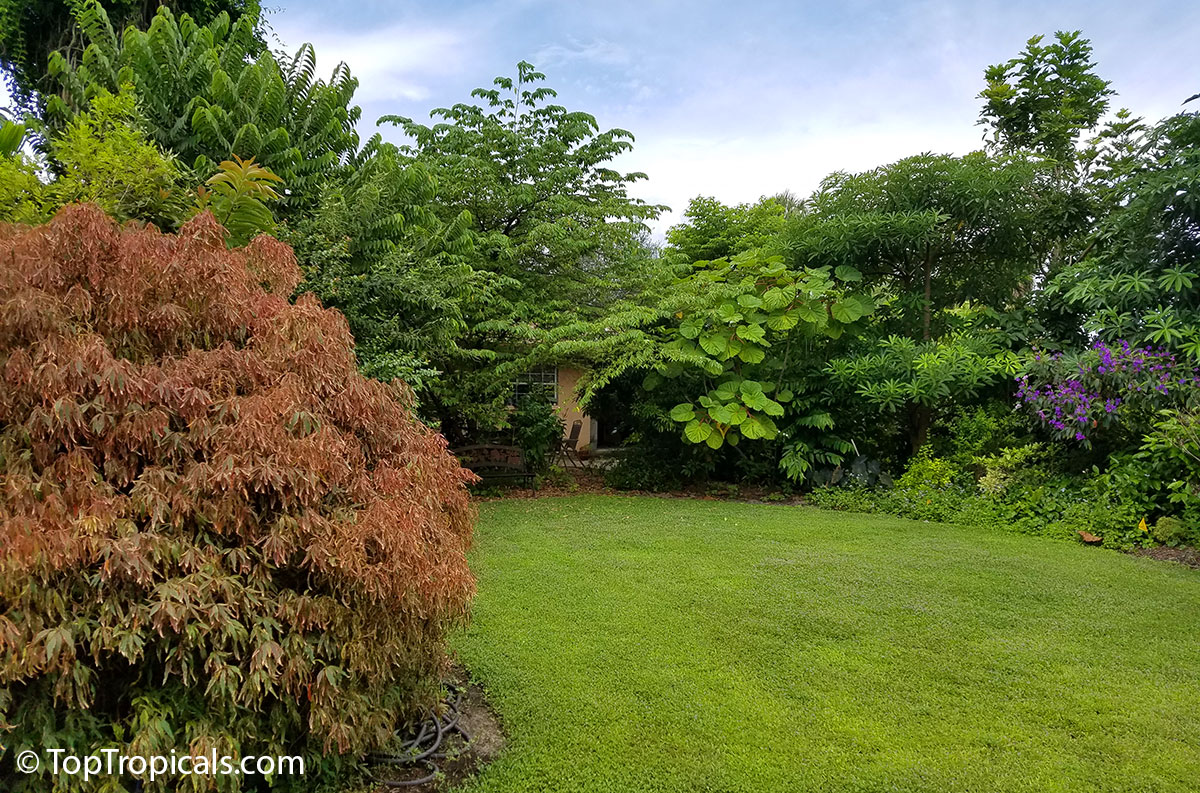
Tropical  landscape

Why your plants might stop growing in mid-Summer
and what to do about it

Q: Why some tropical plants stop growing when it gets too hot? Aren't they supposed to like the heat? Should I use more fertilizer during hot Summer?

You've been watching your tropical tree thrive all spring. New leaves, steady growth, maybe even a flower or two. Then July hits, and… nothing. The heat cranks up, and your once-busy plant just sits there. No new shoots, no blooms, not even a twitch. If it feels like your plant ghosted you - but don't worry! It's not dying. It's just hot!

Q: What happens to tropical plants when it gets extremely hot?

When the heat hits, plants hit pause. In the peak of summer, especially with temperatures above 90F, many tropical and subtropical plants go into heat survival mode. Growth above ground may slow down or stop entirely. It's not because you forgot to water or skipped a fertilizer dose - it's just too hot. The plant's energy shifts underground, where roots may still be growing. Think of it like a tropical version of a siesta - less margarita, more mulch. This stage might last a few weeks or longer, depending on how intense the heat gets. But the important thing is: it's normal.

Q: What NOT to do?

  • Don't drown it in extra water. That leads to root rot.
  • Don't dump dry fertilizer on it. That can burn the roots or just get flushed away. Use controlled release or liquid fertilizer dozed proportionaly to the plant's water usage.
  • Don't prune aggressively, hoping to jolt it awake.

None of that helps - in fact, it can make things worse.

Q: What you CAN do?

  • Water deeply in the early morning, and let the soil dry a bit between waterings.
  • Add mulch to help keep the root zone cool and reduce evaporation.
  • Provide temporary shade for potted plants or young trees.
  • Hold off on pruning or heavy feeding until you see new growth.

Just like you wouldn't run a marathon in a heatwave, your plant needs a break too.

Q: Why you shouldn't fertilize stressed plants with dry fertilizer?

Fertilizing seems like the obvious solution when a plant stalls, but in the heat of summer, it can backfire. When temperatures soar, roots slow down, and absorption becomes inefficient. You might pour in nutrients, but your plant can't use them - and what's worse, any tender new growth that does emerge can get scorched or sunburned before it has a chance to harden.

Feeding a plant with strong fertilizers during a heatwave is like telling someone to sprint in a sauna. It's not just unhelpful - it's risky. That's why you need a fertilizer that’s engineered for hot weather - not just any slow-release formula.

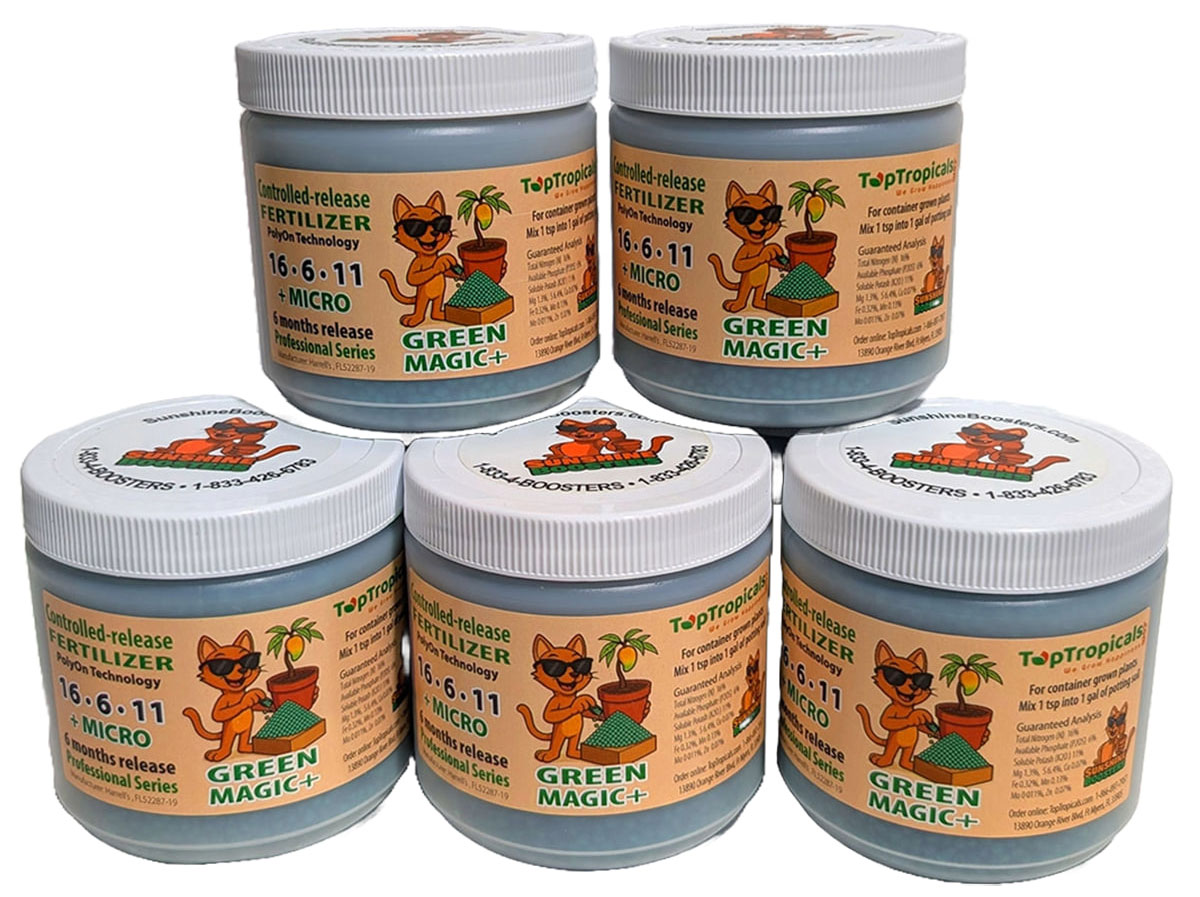
Liquid Sunshine Boosters mild formulas are safe to use year around. Controlled release fertilizer like Green Magic are safe as well, just make sure to follow directions and dosage.


Q: Why Green Magic fertilizer works in heat better that Osmocote?

Green  Magic  controlled  release  fertilizer

Not all slow-release fertilizers are built for hot summer. Some popular brands might seem like a good choice - but they’re optimized for soil temperatures around 70-75F. That's a mild Spring day in the South, but in real-world Florida or Arizona heat? Not even close.

Here's the problem: Osmocote releases nutrients based on moisture, not temperature. When it's hot and humid - or worse, when you water heavily - it can dump too many nutrients at once. That nutrient surge can:

  • Burn your plant's roots
  • Force tender new growth that gets fried in the heat
  • Leach straight out of the pot, wasting both fertilizer and money

It's unpredictable, especially in containers that heat up faster than ground soil. What you think is "slow-release" can behave more like a fertilizer bomb.

Green-Magic, by contrast, uses a temperature-sensitive polyurethane coating that responds gradually and consistently as the soil warms. That means:

  • No sudden nutrient spikes
  • No wasted runoff
  • And no risk of heat-triggered burn

It's designed to feed steadily and predictably - even when temps hit 90F and stay there. For potted tropical plants, that kind of control is the difference between stressed and thriving.

Q: How does Sunshine Boosters help with daily plant recovery in summer?

Once your plant begins to show signs of life again - maybe a new bud, or evening perkiness - it's safe to resume feeding. But skip the salts, and reach for something gentler: Sunshine Boosters.

These amino-acid based liquid fertilizers are designed for daily use, even in containers during the hottest days. They enhance nutrient uptake, even when roots are stressed or sluggish. Unlike synthetic chelators like EDTA, Sunshine Boosters won't bind nutrients or burn root system. They stay gentle, available, and effective. Learn more from this short video.

Use SUNSHINE Robusta for foliage support, or Ca-Support PRO for strong structure and recovery. It's like hydration and nutrition in one - perfect for tropical plants fighting through summer heat.

Q: How can I help my plants during extreme heat?

Don't fight the heat - work with it. If your tree looks stalled this summer, don't panic. It's following a rhythm older than all of us. Support it with smart watering, the right fertilizer combo, and a little patience. Before long, you'll see buds again - and know your plant made it through the heat.


Shop fertilizers and garden supplies


Read more plant care tips in Garden Blog