Garden Blog - Top Tropicals

Date: 19 Feb 2026

10 ways to enjoy Wild Medlar - Spanish Tamarind
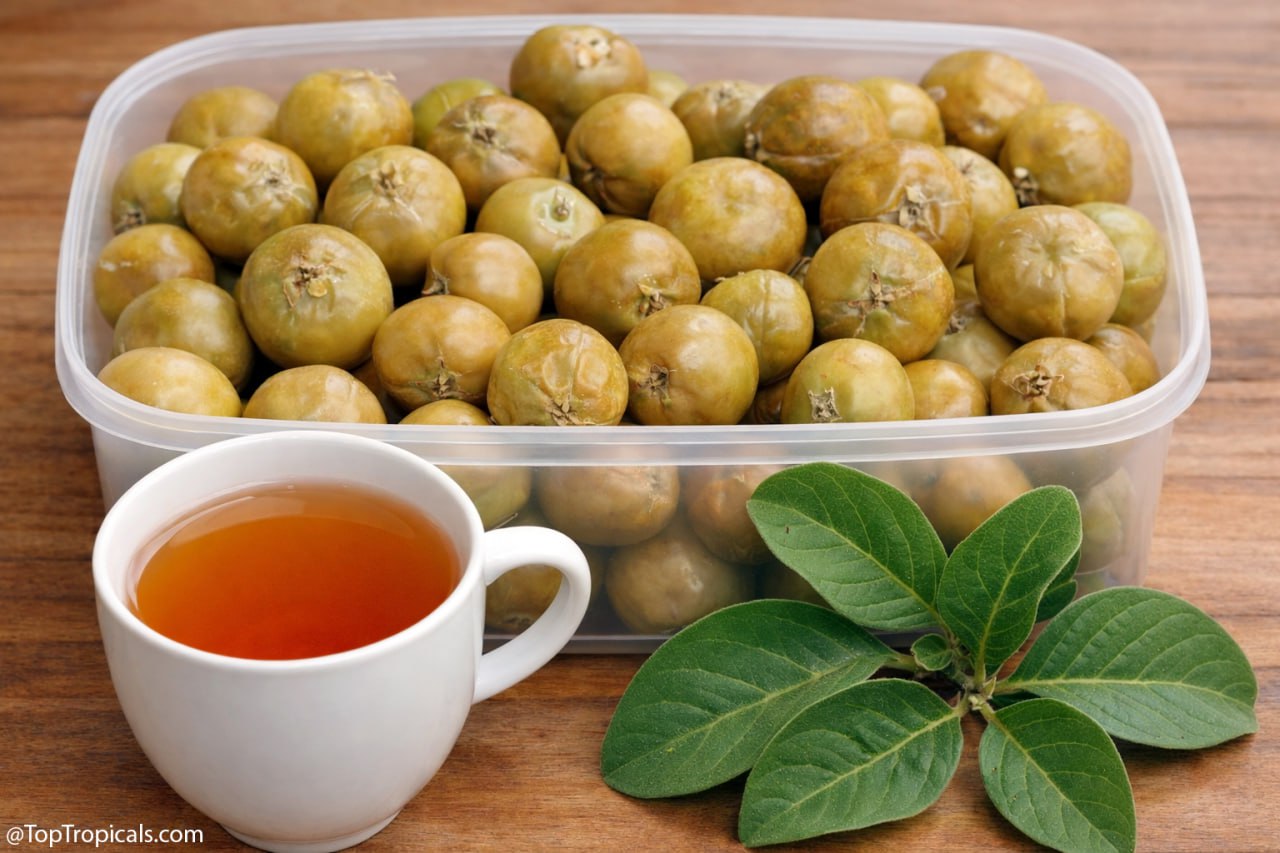
Vangueria infausta (Spanish Tamarind, Wild Medlar)

Vangueria infausta (Spanish Tamarind, Wild Medlar)

🍊 10 ways to enjoy Wild Medlar - Spanish Tamarind


Vangueria infausta (Spanish Tamarind, Wild Medlar) from Africa to your backyard: the fruit, the medicine, the tradition.

Spanish Tamarind may look like a small, unassuming fruit - but don’t let it fool you. In its native Africa, this tree is a food staple, a home remedy, and a cultural favorite, all wrapped into one. And now, it’s ready to bring that same magic into your garden and kitchen. People have used this fruit for generations - and how you can too.

🍊 1. Eat it fresh, off the tree


When ripe, the fruit turns golden brown and softens slightly. Its flavor is sweet-tart, almost like a tangy apple or tamarind with a hint of citrus. Just peel and eat!

🍬 2. Dry it for snacks


In many African regions, the fruit is sun-dried and enjoyed like natural fruit leather. It keeps well, travels well, and makes a great healthy snack.

🍵 3. Brew it into a fruit tea


Dried fruit can be steeped into a tart, refreshing tea that’s packed with vitamin C and antioxidants. Add honey or ginger for a soothing drink.

🍷 4. Ferment it into traditional beer or wine


In some local cultures, the fruit is fermented into a mild alcoholic drink, similar to fruit wine or beer. This is one of the tree’s oldest known traditional uses.

🍧 5. Make jams and preserves


Boil the pulp with sugar and lemon juice to make tangy medlar jam. Spread it on toast, stir into yogurt, or use it in baking.

6. Add to porridge or smoothies


Crushed or juiced medlar fruit is added to traditional maize porridge for a nutrient boost. You can do the same with oatmeal or smoothies.

7. Try traditional fruit pudding


A simple medlar mash with a little sweetener makes a rich, apple-like pudding with hints of spice. Great as a chilled dessert.

🌿 8. Use the leaves and bark medicinally


In folk medicine, leaves are brewed into a tea for treating fever, colds, and stomach aches. Bark is used for chest congestion and coughs. Roots are sometimes used for even stronger remedies like malaria treatment.

9. Clean your teeth the traditional way


Believe it or not, people use medlar leaves to clean their teeth! The leaves are antimicrobial and have a slight astringent taste that leaves your mouth feeling fresh.

🎨 10. Dye fabric naturally
Crush the bark or boil the leaves to create natural dyes in yellow, green, and even purple tones. This use is still practiced in rural areas of southern Africa.

✍️ Why this tree belongs in your life


Wild Medlar is more than just a fruit. It’s a versatile, resilient, and deeply cultural plant that connects generations. It’s food, it’s healing, it’s art—and now it can be part of your garden story.
Grow it for the fruit, the medicine, the tradition… or just for the joy of growing something wild and wonderful.

🛒 Plant Spanish Tamarind and enjoy exotic fruit benefits

📚 Learn more:

Plant Facts

Vangueria infausta
Wild Medlar, Spanish Tamarind
USDA Zone: 9-11
Small tree 10-20 ftFull sunModerate waterEdible plantDeciduous plantEthnomedical plant.
Plants marked as ethnomedical and/or described as medicinal, are not offered as medicine but rather as ornamentals or plant collectibles.
Ethnomedical statements / products have not been evaluated by the FDA and are not intended to diagnose, treat, cure, or prevent any disease. We urge all customers to consult a physician before using any supplements, herbals or medicines advertised here or elsewhere.Subtropical plant. Mature plant cold hardy at least to 30s F for a short time

#Food_Forest #Remedies #Recipes #Discover

🟢 Join 👉 TopTropicals
Date: 18 Nov 2021

7 reasons to get an Aroid Houseplant

1. It's almost Winter... You need something tropical in your home! Aroids have the most tropical look!
2. Aroids tolerate low light conditions of indoors.
3. Aroids require almost no care. Care is easy because if you watch for the signals, the plant will tell you exactly what it needs
4. Aroids adapt to wide range of conditions. Many of them thrive in neglect and survive even in sub-optimal conditions... Unlike most tropicals, Aroids don't experience much stress when moving from indoor to outdoor settings and adapt readily to conditions inside the home.
5. Aroids are compact and easy to manage.
6. Aroids are fast growing while still being compact.
7. They are on sale now!

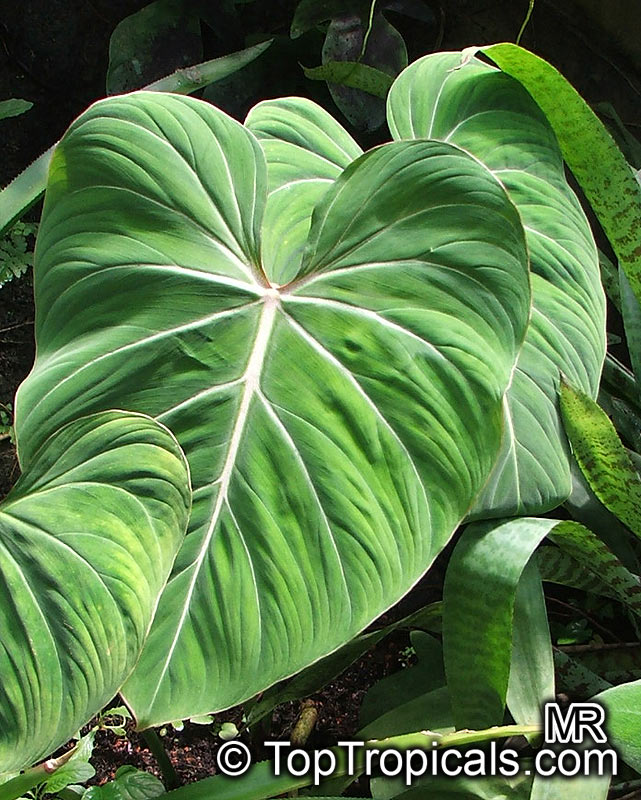
Check out our Philodendrons, Monsteras, Fancy Syngoniums, Alocasias, Colocasias.

Date: 25 Feb 2021

Healthy Plants: Q&A from Mr Booster

Dragon Fruit Magic Tricks

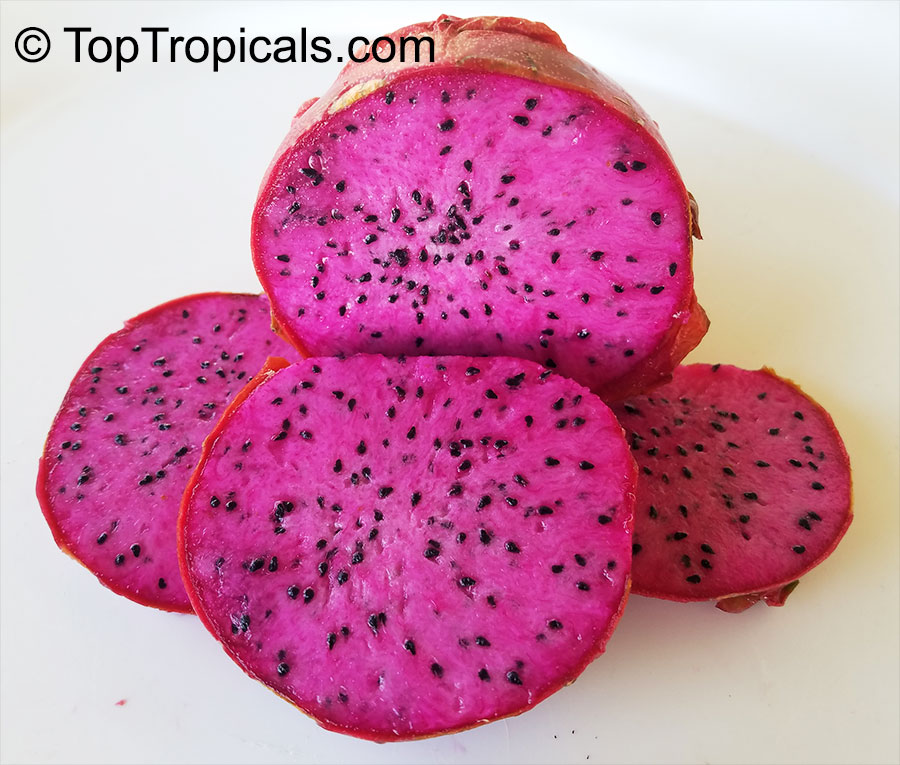
Q: I purchased two sweet red pitayas, that arrived and were planted on May 28, 2020, they were damaged but not serious. my question is this one pitaya is a beautiful green, and has grown 6or 8 "already, the other is bigger and is a grayish green and has not shown any sign of growth at all in six weeks, how long do I wait before I throw it out and buy another?

A: Being a cactus, sometimes Pitaya slows down its growth waiting for more favorable conditions. If one of your plants doesn't show any new growth, just give a it some more time and make sure the plant stays happy. To make pitaya happy, provide the following:
- Water. Unlike most cacti, Pitaya prefers regular watering (but not a wet soil). Make sure it is planted in well-drained media. Do not water again if soil remains moist, wait until it dries out on the surface. During hot weather, Pitaya enjoys light daily watering.
- Light. Unlike most cacti, Pitaya benefits from a filtered light especially while establishing. Try to create a temporary shade over the plant until it starts active growth (if grown in the ground), or move the pot in filtered light. Dull color or dry spots are signs of sun burn. Once the plant shows new growth, you may remove sun protection, or move the pot gradually into the full sun.
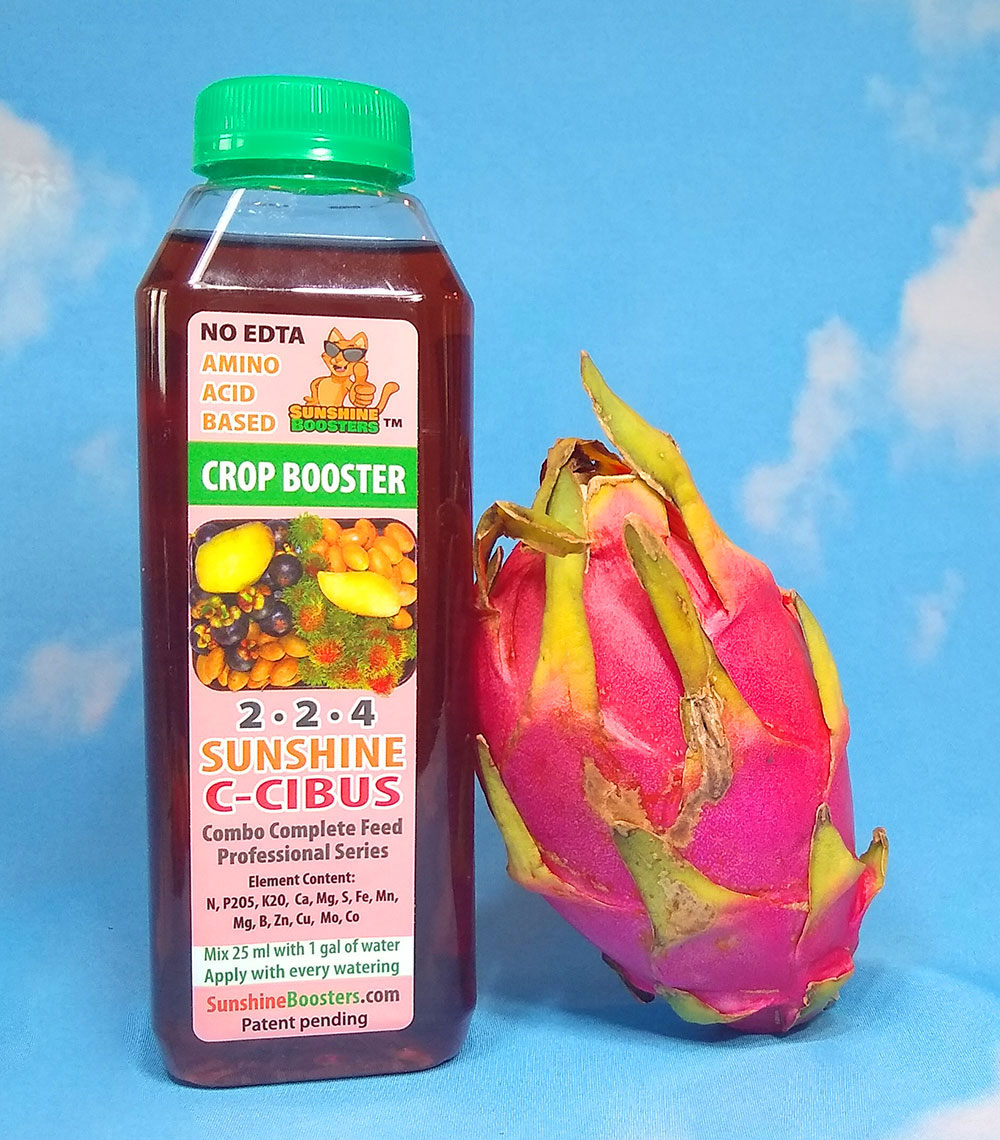
- Food. Pitayas are heavy feeders. Use the following fertilizer:
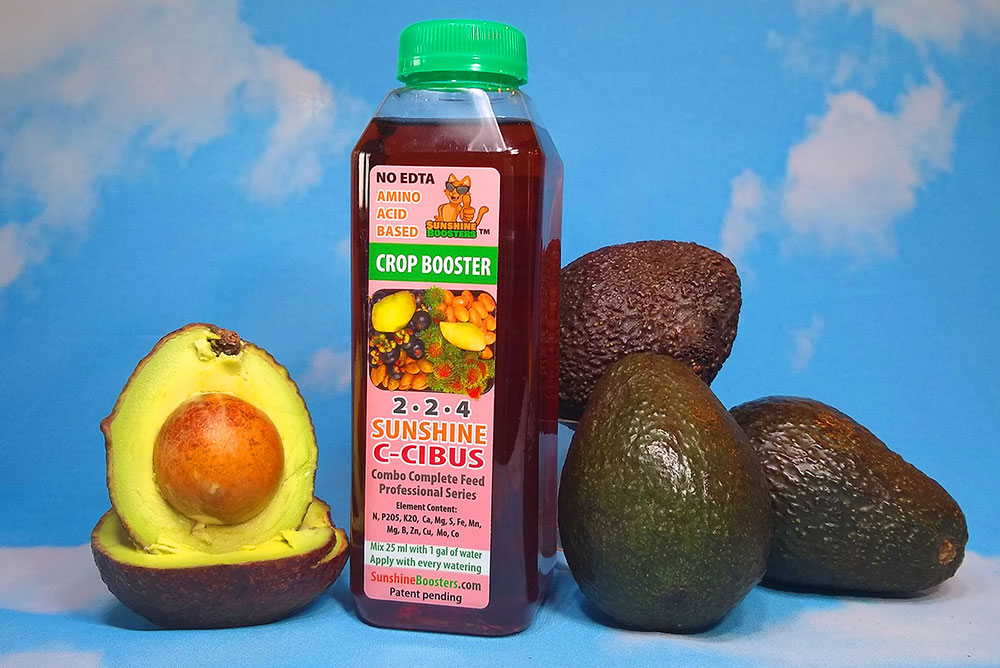
SUNSHINE C-Cibus - Crop Nutrition Booster

Q: I've been growing dragon fruit cuttings from Okinawa, Thailand and Vietnam for several years in pots and cannot get them to fruit. Any fertilizer suggestions? I live in Northern Virginia so I bring the massive pots in the garage under lights and a heater for the winter but back outside once the temperature warms up.

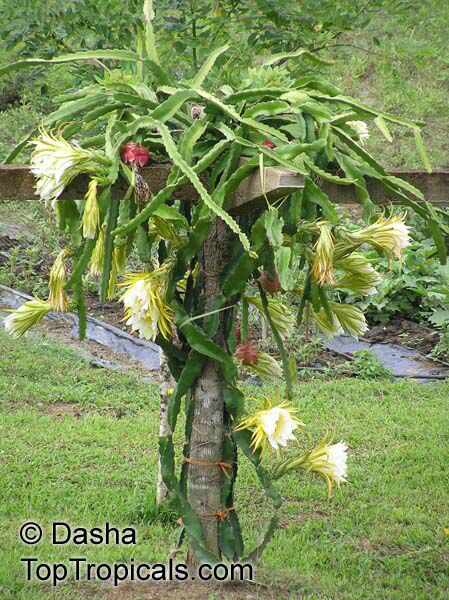
A: There is a little trick to get Dragon fruit to flowering and fruiting. This plant likes flowering when it is attached to a strong support. In commercial plantations, they use special trellises/frames made out of logs, but you can make one yourself using simple materials.
See article: Do-It-Yourself Support Structure for Dragon Fruit.
And of course, don't forget a special plant food for tropical fruit - Sunshine C-Cibus.
You can successfully get your Dragon fruits to fruit in pots, providing bright light in Summer. In Winter, keep the plants on a dry side to give them some rest and a chance to hibernate before the next fruiting season.

Date: 9 Dec 2020

Establishing Mamey Sapote

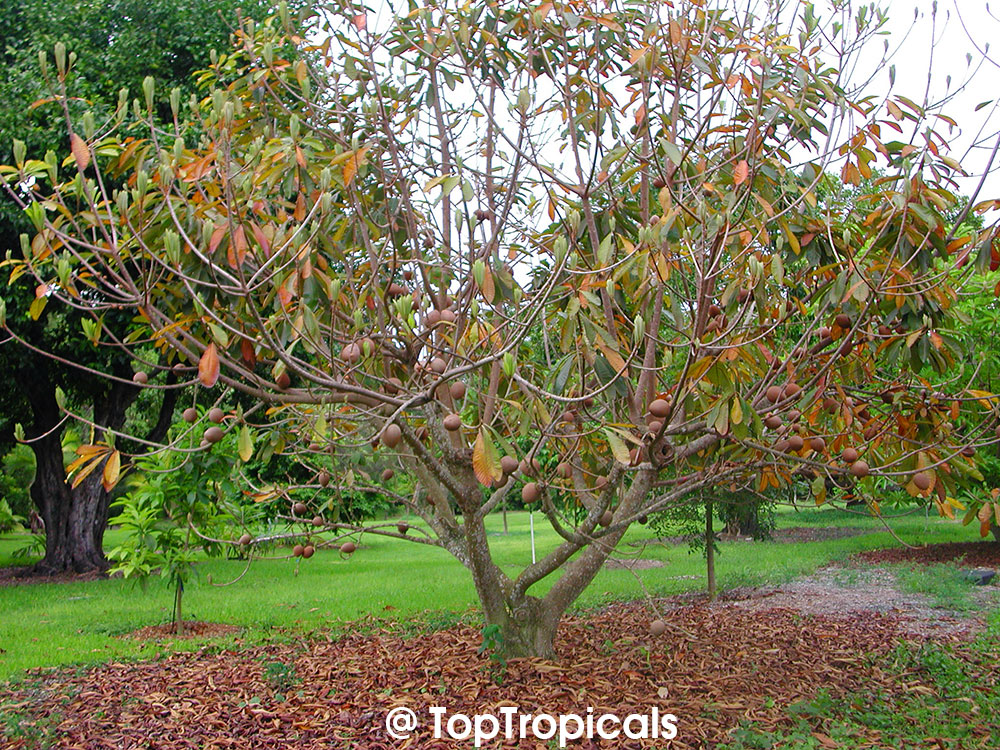
In the photo: Mamey Sapote lre-leafing.

Q: I purchased Mamey sapote last fall and am very excited about having it in my yard. It lost leaves during the winter, but then budded and put on a lot of beautiful leaves. I was hand watering since this covid stay at home event, and thought I'd put it in a larger container, 10 gallon. About 2 months after transplant and hand watering the leaves turned yellow. I cut back on watering, allowing some dryness between. Some leaves now have fallen off, but looks like new ones forming. What have I done and most importantly now, what do I need to do so she survives? I haven't yet decided exactly where to plant her... so hoping she can stay in container for a bit longer while recovering.

A: It is possibly a combination of over-watering and seasonal changes (re-leaf). During this time of the year, Pouteria sapote loses old leaves and grows new ones. This plant is semi-deciduous, which means, it drops leaves during unfavorable conditions (too dry, too wet, too cold, to hot, etc. = any stress). The new buds are healthy. Give it a couple of weeks. Reduce watering. Don't water again if the soil is still moist. If planted in the ground, it will be easier to control the moisture, as long as you plant it high enough (at least 3-4"above the surrounding area, like on a little hill, for a better drainage. See how to plant a tree.
Once you notice a new growth and healthy leaves, give the plant some food:
SUNSHINE C-Cibus - Crop Nutrition Booster
Mango-Food - Smart Release Fruit Tree Booster


Date: 18 Feb 2021

Healthy Plants - Q&A from Mr Booster: Feeding Avocado Tree

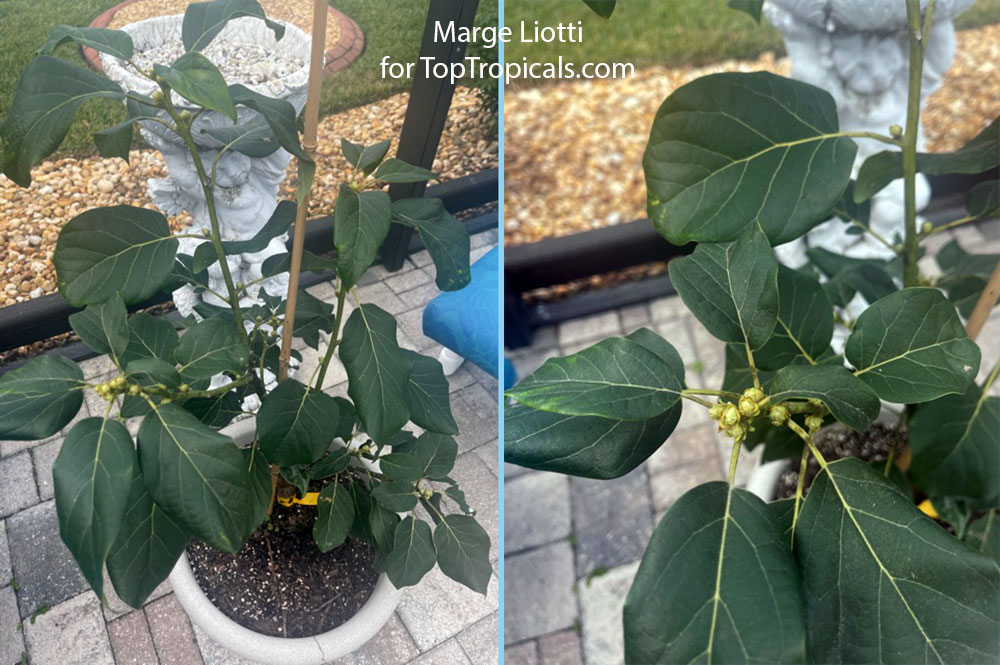
Q:We bought one of your avocado grafts and it's doing great, lots of buds for fruit. It's still in a pot and fertilizing with the Sunshine Boosters. Should we continue with this product? We'll plant it in the ground in March. Thought you'd enjoy pictures of our wonderful tree. No freezing temperatures in Riverview, but when it got down into the 30s, the plant came in. One good thing about growing in the pot. I'll be buying some more Sunshine Boosters. This stuff is working great on all our plants.

A: Congratulations with a good job on growing avocado over winter. Avocado trees are not easy, we are happy to hear that your plant is ready for production, this is amazing! We've noticed that Sunshine Boosters perform miracles. Here are some suggestions for you:
1) Continue fertilizing with Sunshine Boosters according to the feeding chart
2) When ready to plant, dig a large hole and fill it with good soil full of organic matter (compost mixed with existing sandy soil will be good). Make sure to plant the tree on 3-4"high elevation, like on a little hill. Avocados need perfect drainage and can't tolerate wet feet. See more info on planting and planting instructions (pdf).
3) Water daily with a hose, do not rely on sprinklers. Avocados like water (considering perfect drainage)
4) Continue applications of Sunshine Boosters at least until the tree is established and starts growing new branches with lots of leaves. After that, you can switch to slow-release fertilizers once a month if it makes it easier, but if you can, continue Sunshine Boosters at least on weekly basis - they really boost plant growth!