Garden Blog - Top Tropicals

Date: 11 Jan 2026

How to lose weight naturally with tropical fruit and plants

Fat orange cat on treadmill with tropical fruit that help lose weight naturally

Fat orange cat on treadmill with tropical fruit that help lose weight naturally

🍑 How to lose weight naturally with tropical fruit and plants


🏃‍♀️ Losing weight isn’t about starving yourself - it’s about supporting your body with the right nutrients and keeping things balanced. Plants can help by boosting your metabolism, keeping you full longer, improving digestion, and regulating blood sugar. When you build a food forest with the right plants, you’re investing in long-term health that tastes good and feels good.

🏆 15 TOP TROPICAL plants and fruits that naturally help with weight management:

  • 💚 Papaya – Contains enzymes like papain that aid digestion, and it’s high in water and fiber—great for feeling full.
  • 💚 Mango – Supports fat metabolism and reduces inflammation. Its fiber helps regulate appetite and digestion.
  • 💚 Avocado – Full of healthy fats and fiber, avocado helps you feel satisfied longer and supports steady energy levels.
  • 💚 Banana – Rich in resistant starch (especially when underripe), bananas help support gut health and fat metabolism.
  • 💚 Jackfruit – High in fiber and low in fat, this fruit keeps blood sugar steady and supports slow, sustained energy.
  • 💚 Yerba Mate – A natural tea with gentle stimulant properties that may help reduce appetite and increase fat burn.
  • 💚 Moringa – Known as a superfood, moringa helps regulate blood sugar and boosts metabolism with powerful nutrients.
  • 💚 Galangal (Thai Ginger) – Supports digestion and contains compounds that may help increase fat burning, like regular ginger.
  • 💚 Cinnamon – Can improve insulin sensitivity and help with sugar cravings, making it easier to stay on track.
  • 💚 Insulin Ginger (Costus igneus) – Traditionally used to manage blood sugar, it also supports digestion and energy. Chewing the spiraled leaves or brewing them as tea is a natural way to get more from your garden.
  • 💚 Dragon Fruit – Extremely high in fiber, dragon fruit supports healthy digestion and helps regulate metabolism, which can aid weight loss.
  • 💚 Pomegranate – Used for centuries in Ayurvedic medicine to improve metabolism. Its antioxidant-rich juice supports fat burning and digestion.
  • 💚 Tea Leaf Tree (Camellia sinensis) – The source of green, black, and white tea. These teas are linked to metabolism boost, heart health, and appetite regulation.
  • 💚 Noni – A powerhouse fruit traditionally used for inflammation, immune health, blood sugar balance, and metabolism support. It may also help reduce fat accumulation and boost overall vitality.
  • 💚 Canistel (Eggfruit, Pouteria campechiana) is a naturally sweet, nutrient-dense fruit that helps curb sugar cravings while keeping you full longer. Its rich fiber content and slow-digesting carbs make it a great choice for supporting weight management without reaching for processed snacks.


❗️When you grow these plants in your home garden or food forest, you're not just planting food - you’re planting tools for better health.
And bonus: gardening itself keeps you active and stress-free, which is another win for your waistline.


🛒 Explore tropical fruit and edibles

📚 Learn more about natural weight loss with plants:


#Food_Forest #Remedies #Discover

🟢 Join 👉 TopTropicals

Date: 18 Jan 2026

Five steps to everblooming Rose Hydrangea

Dombeya seminole - Tropical Rose Hydrangea

🌸 Five steps to everblooming Rose Hydrangea

  • 🌸 Dombeya seminole - Tropical Rose Hydrangea: everyone who sees this plant falls in love at first sight. Exceptional rose-pink flower clusters cover the shrub, and butterflies and bees go wild over it. While it is considered a winter bloomer, here at Top Tropicals garden we regularly see it flower multiple times a year, with peak bloom from November through January and surprise blooms the rest of the year.
  • 🌸 Here is how to keep your Dombeya seminole happy and blooming more:


💋 1. Full sun


The more sun it gets, the more flowers it produces. Sun equals bloom power.
  • 💋 2. Adequate water


    Dombeyas are heavy drinkers. Regular watering fuels fast growth and heavier flowering.
  • 💋 3. Feed for flowers


    Use Sunshine Megaflor bloom booster with regular watering, or apply Green Magic controlled-release fertilizer every 6 months.
  • 💋 4. Trim after flowering


    Prune once blooms fade. A bushier plant means more flowering points next season.
  • 💋 5. Give it space


    This is a round, airy shrub. Allow at least 6 x 6 ft for good air circulation and even light exposure.


🌸 Quick facts you will appreciate:
  • 💋Often called Tropical Hydrangea because of its hydrangea-like flower clusters
  • 💋Blooms fall through spring, often all winter
  • 💋Reaches about 6-7 ft tall and wide, but can be kept smaller with pruning
  • 💋Thrives in full sun to partial shade and tolerates poor soil
  • 💋An excellent nectar source for butterflies

If you want a beautiful color that refuses to quit, this shrub earns its spotlight.

🛒 Add Beautiful Dombeya to your garden

📚 Learn more:


#Hedges_with_benefits #Butterfly_Plants

🟢 Join 👉 TopTropicals
Date: 9 Mar 2026

Golden canistel cream: quick-n-fun exotic recipes

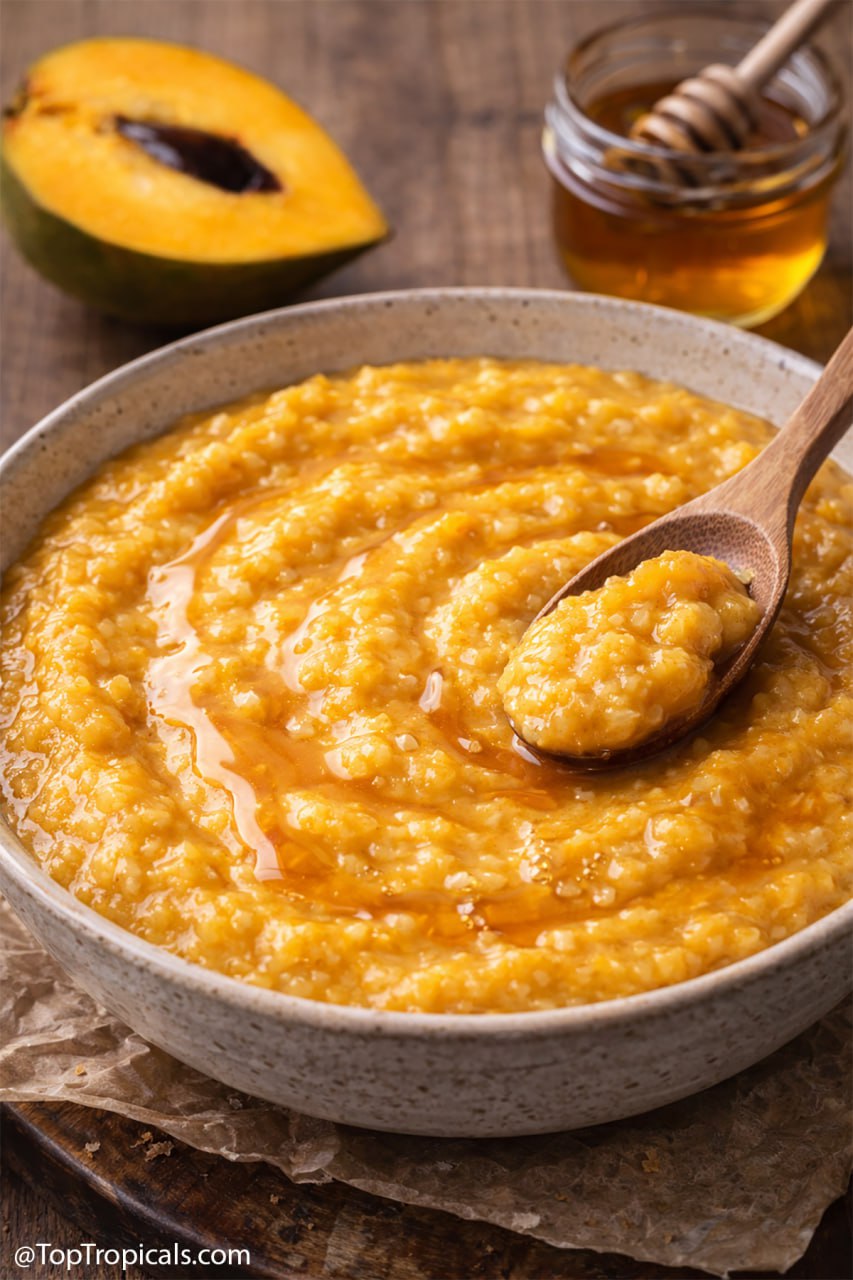
Golden canistel cream

Golden canistel cream

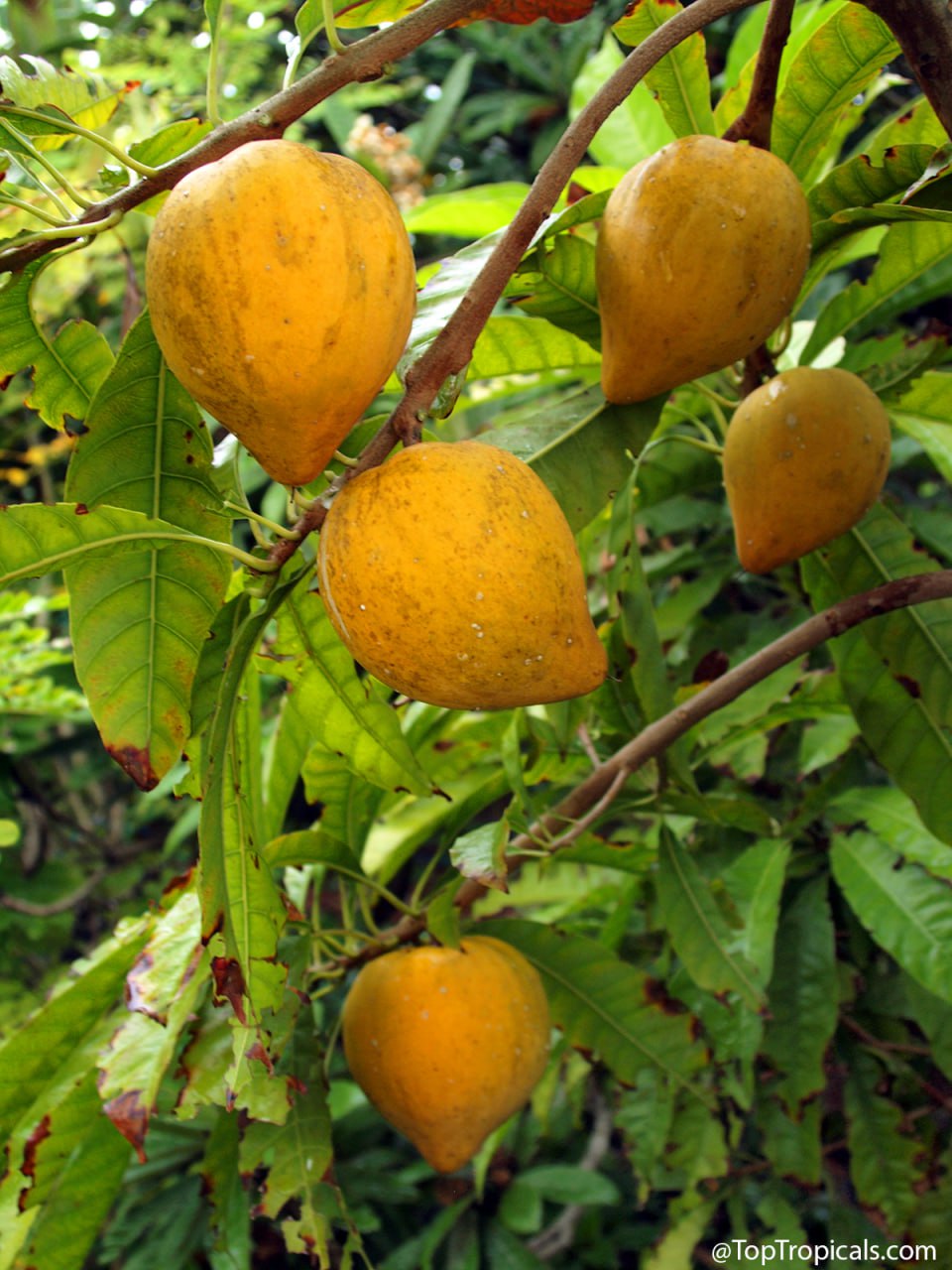
Pouteria campechiana - Canistel, Eggfruit

Pouteria campechiana - Canistel, Eggfruit

🍴 Golden canistel cream: quick-n-fun exotic recipes


Golden Canistel Cream

Ingredients

  • 1 ripe canistel (eggfruit)
  • 2 to 3 tbsp milk
  • 1 to 2 tsp honey

Instructions

  1. Scoop the ripe canistel flesh into a bowl.
  2. Add milk and honey.
  3. Mash until smooth and creamy.
  4. Warm gently in a small pan if desired.
  5. Serve warm like a thick tropical porridge.

🌿 About the plant:


Also called Eggfruit, canistel has bright yellow flesh that is dense and slightly dry when ripe.

🏡 In the garden:


Grows well in warm climates with good drainage. Compact growth makes it suitable for small yards.

🛒 Plant Canistel Egg Fruit tree - grows well in container too

📚 Learn more:


#Food_Forest #Recipes

🟢 Join 👉 TopTropicals

Date: 27 Feb 2026

Grilled star fruit slices: quick-n-fun exotic recipes

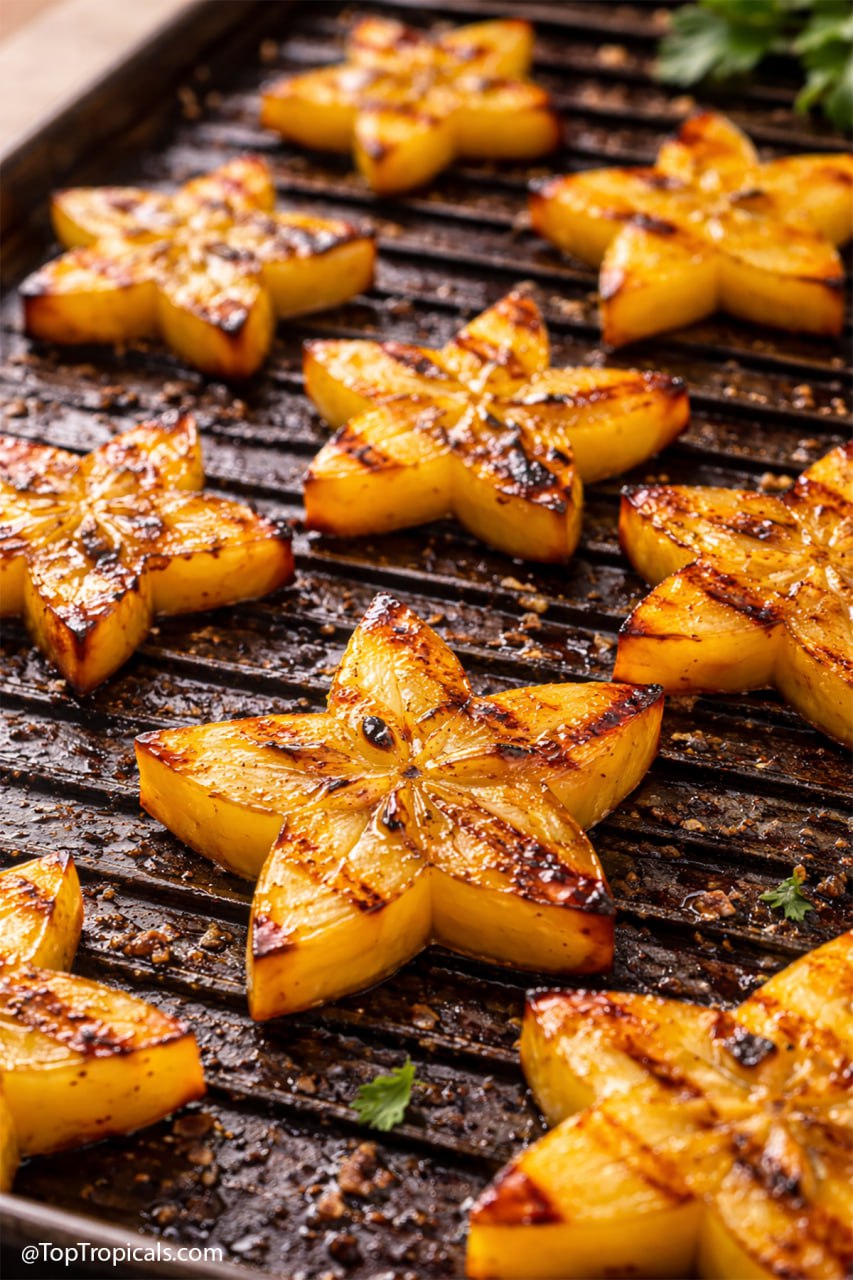
Grilled star fruit slices on grill pan

Grilled star fruit slices on grill pan

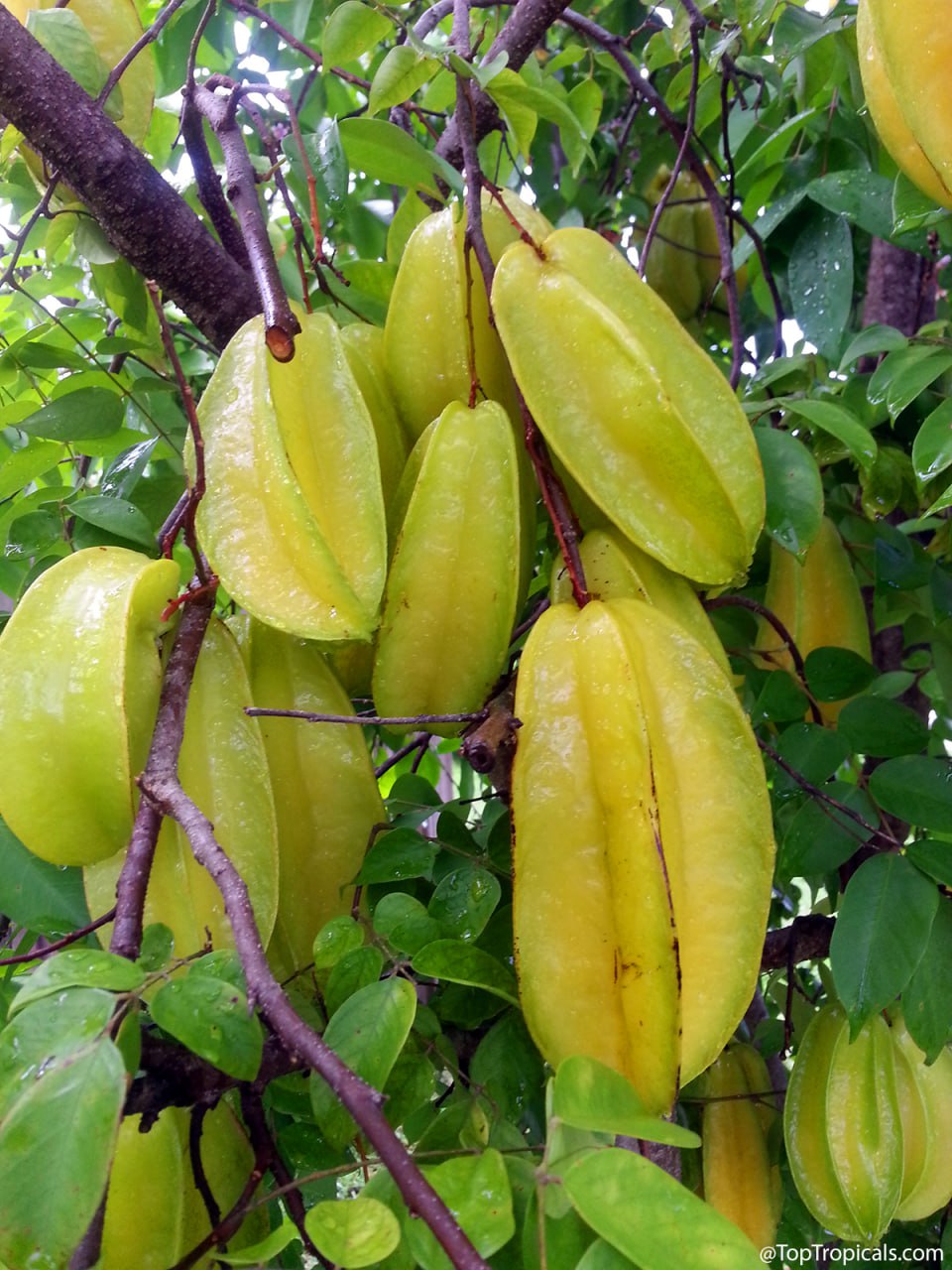
Averrhoa carambola - Star Fruit Carambola Tree

Averrhoa carambola - Star Fruit Carambola Tree

🍴 Grilled star fruit slices: quick-n-fun exotic recipes


Grilled Star Fruit Slices

Ingredients

  • 1 ripe star fruit (carambola)
  • 1 teaspoon honey
  • 1 teaspoon butter or coconut oil

Instructions

  1. Slice the star fruit crosswise into star-shaped pieces.
  2. Heat a grill pan or skillet and lightly grease with butter or coconut oil.
  3. Place the slices on the hot surface and grill briefly on each side.
  4. Drizzle lightly with honey as the edges begin to caramelize.
  5. Serve warm as a tropical side dish or dessert topping.


🌿 About the plant:


Carambola, or Star Fruit, is a small tropical tree with glossy leaves and crisp, juicy fruit that slices into perfect stars.

🏡 In the garden:


Thrives in zones 9-11. Likes sun, regular water, and protection from strong winds. Dwarf varieties do well in large containers.

🛒 Plant Star Fruit Carambola Tree

📚 Learn more:


#Food_Forest #Recipes

🟢 Join 👉 TopTropicals

Date: 31 Jan 2026

Pitomba pop cups: quick-n-fun exotic recipes

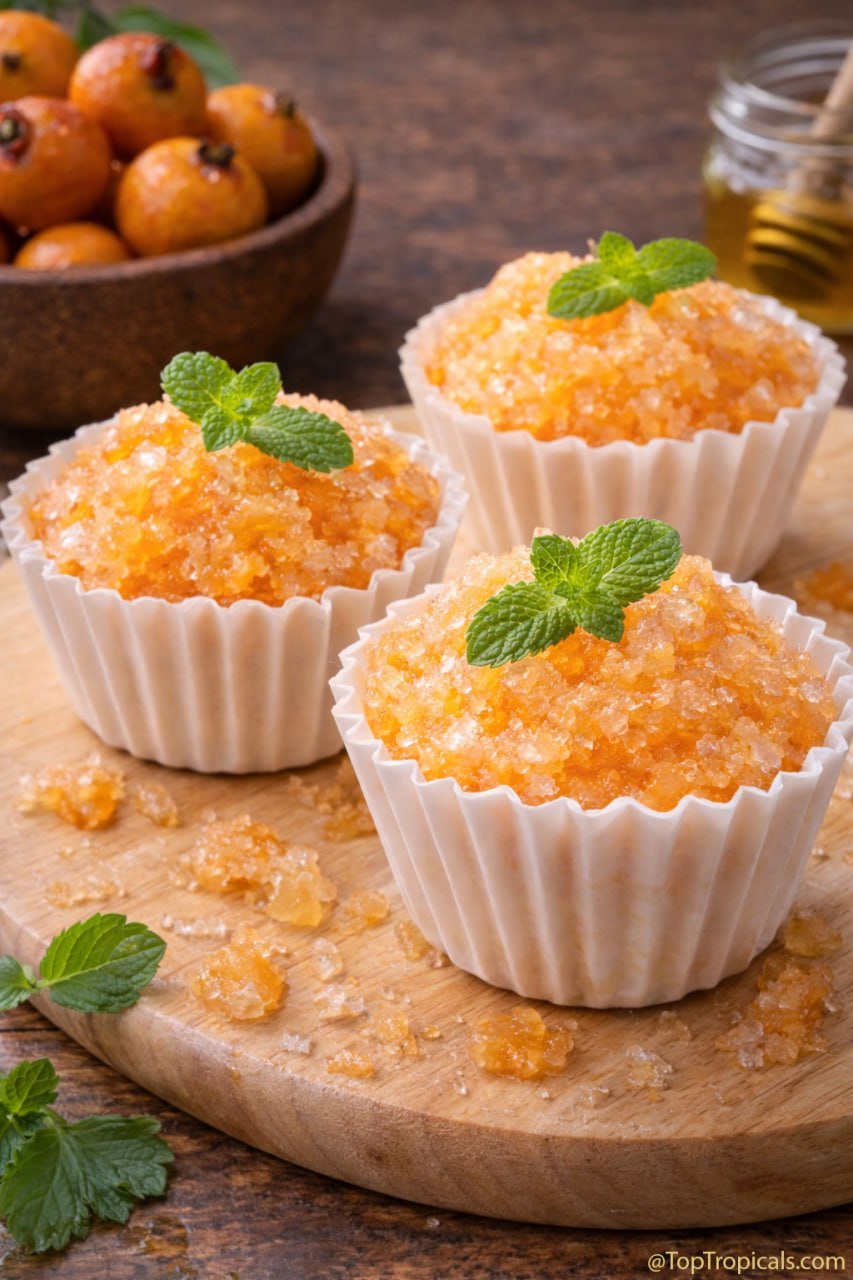
Frozen pitomba pops with mint

Frozen pitomba pops with mint

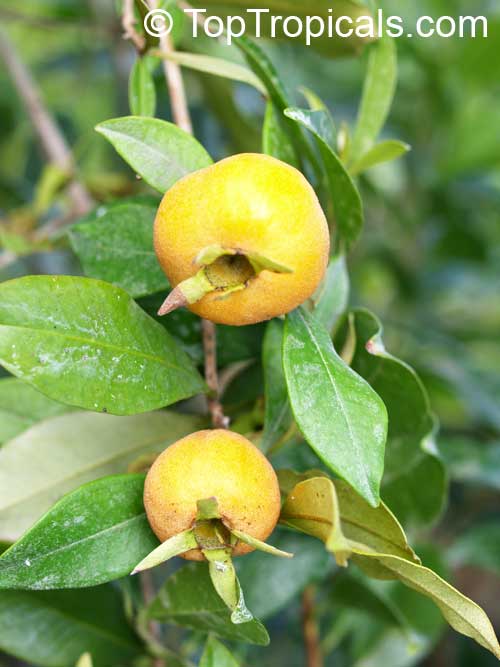
Eugenia luschnathiana - Pitomba

Eugenia luschnathiana - Pitomba

🍴 Pitomba pop cups: quick-n-fun exotic recipes


Pitomba Pop Cups

Ingredients

  • 1 cup pitomba pulp
  • 1 teaspoon honey
  • 1 tablespoon water
  • Fresh mint leaves (optional)

Instructions

  1. Scoop pitomba pulp into a small bowl.
  2. Mix with honey and a little water to soften the texture.
  3. Spoon the mixture into small cups or molds.
  4. Freeze until icy-soft.
  5. Serve topped with fresh mint for a refreshing tropical snack.


🌿 About the plant:


Pitomba (Eugenia luschnathiana) is a tropical fruit native to Brazil, prized for its bright, citrusy pulp with a sweet-sour kick. The flavor is often compared to a mix of apricot, citrus, and mild resin, making it refreshing and snack-worthy straight from the fruit.

🌱 In the garden:


Pitomba grows as a small to medium-sized slow growing tree with glossy evergreen leaves. It thrives in warm climates, prefers full sun to light shade, suitable for USDA zones 10-11, it can also be grown in large containers and responds well to pruning, making it manageable for home gardens.

🛒 Plant exotic Pitomba cherry in your garden

📚 Learn more:


Eugenia luschnathiana - Pitomba - in Plant Encyclopedia

#Food_Forest #Recipes

🟢 Join 👉 TopTropicals