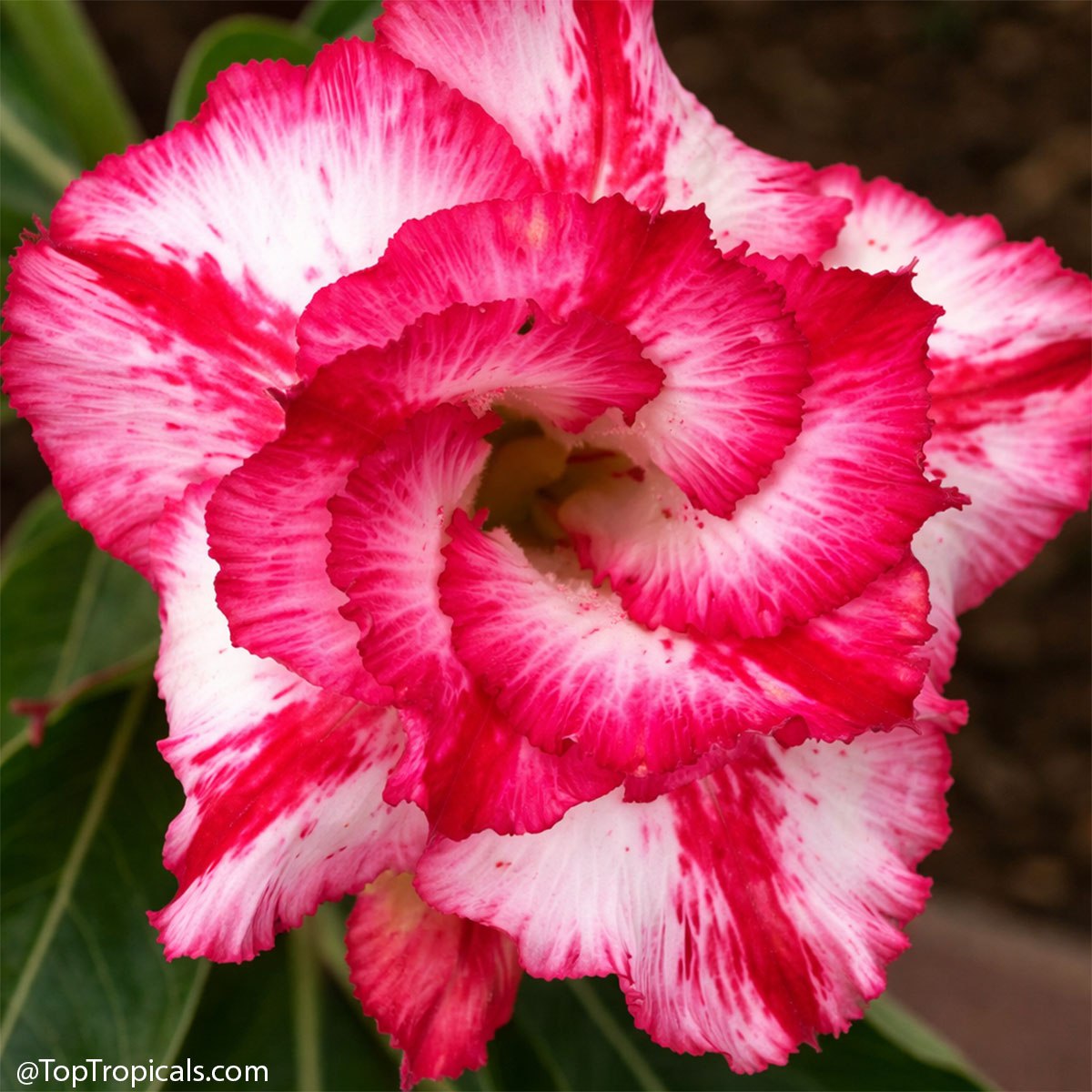
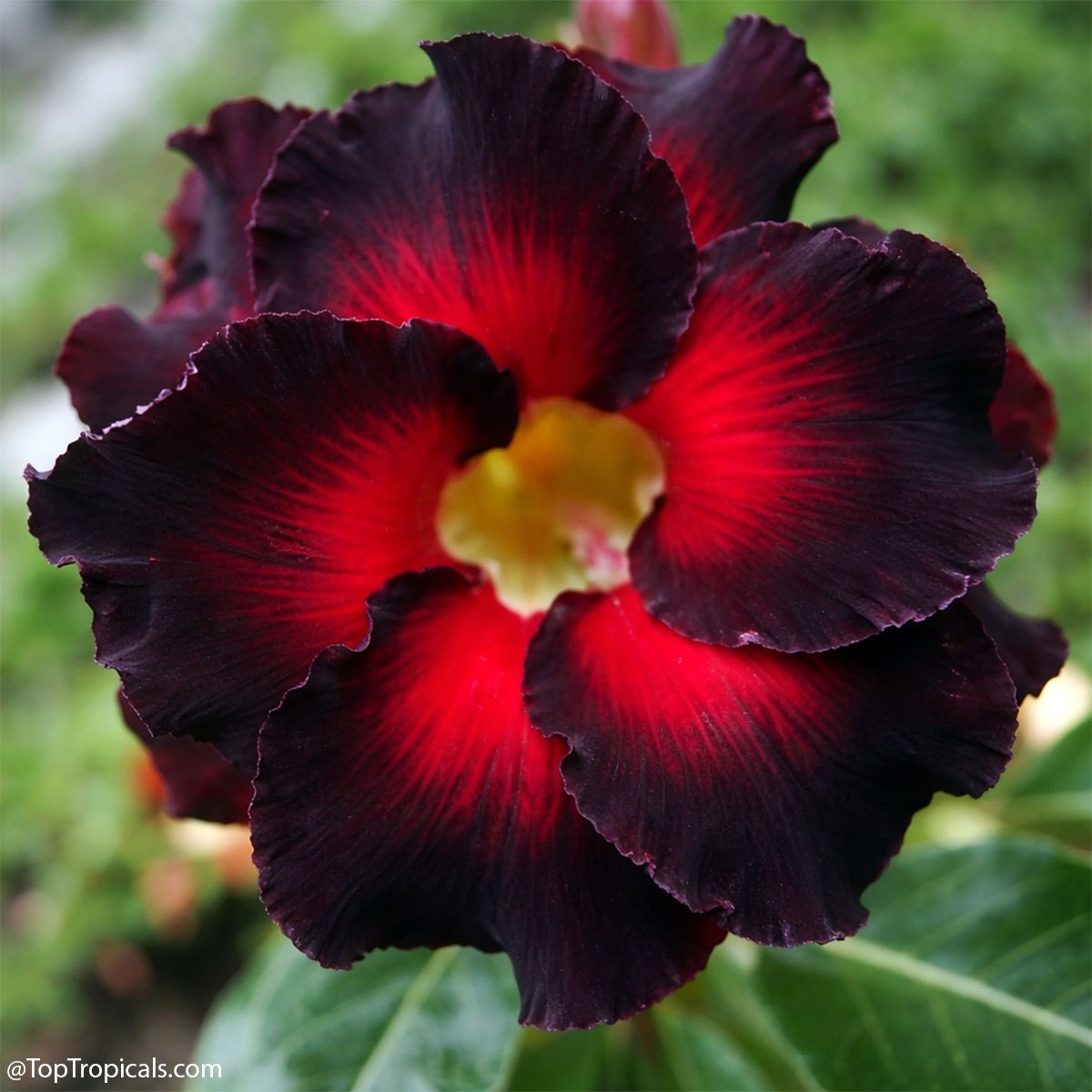
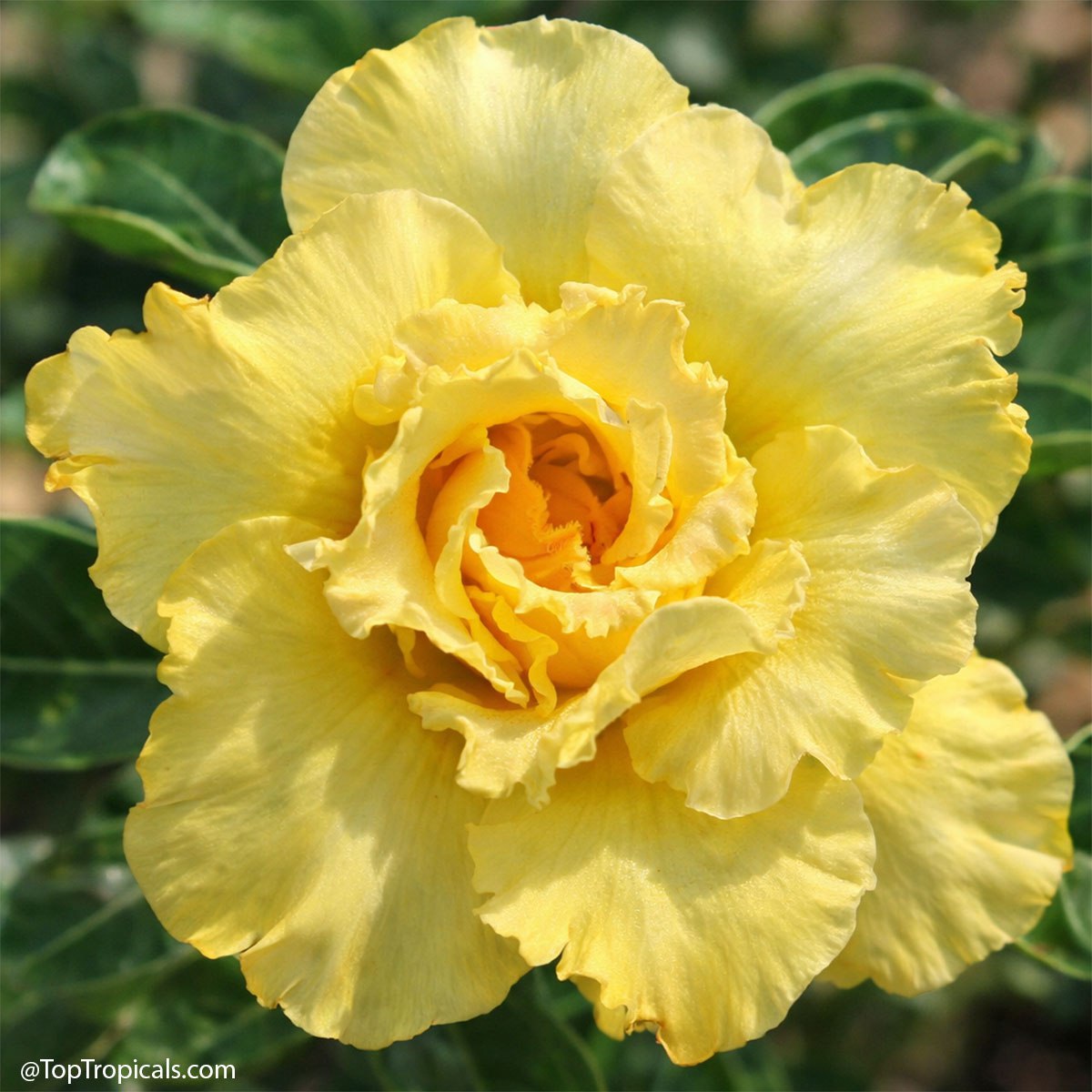
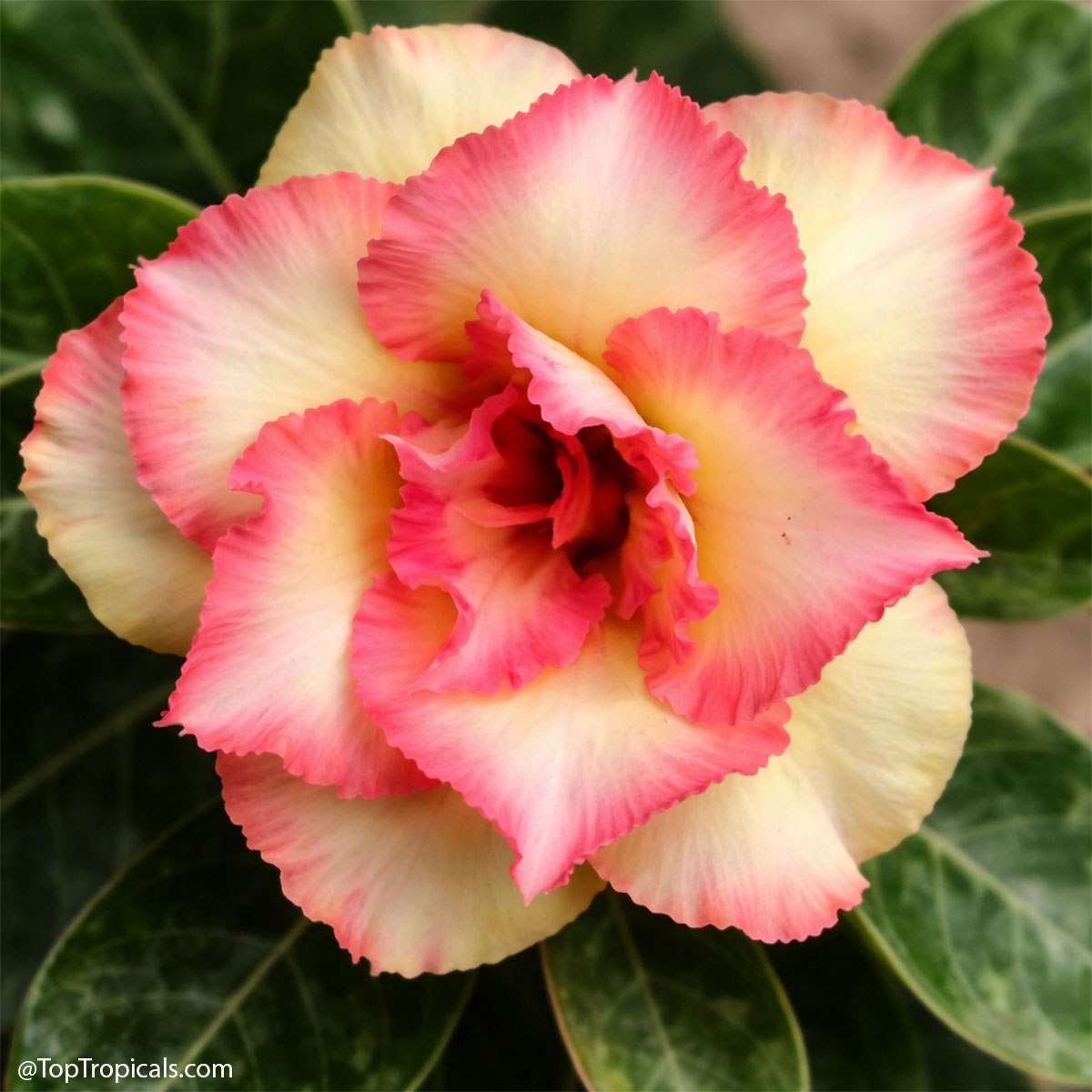
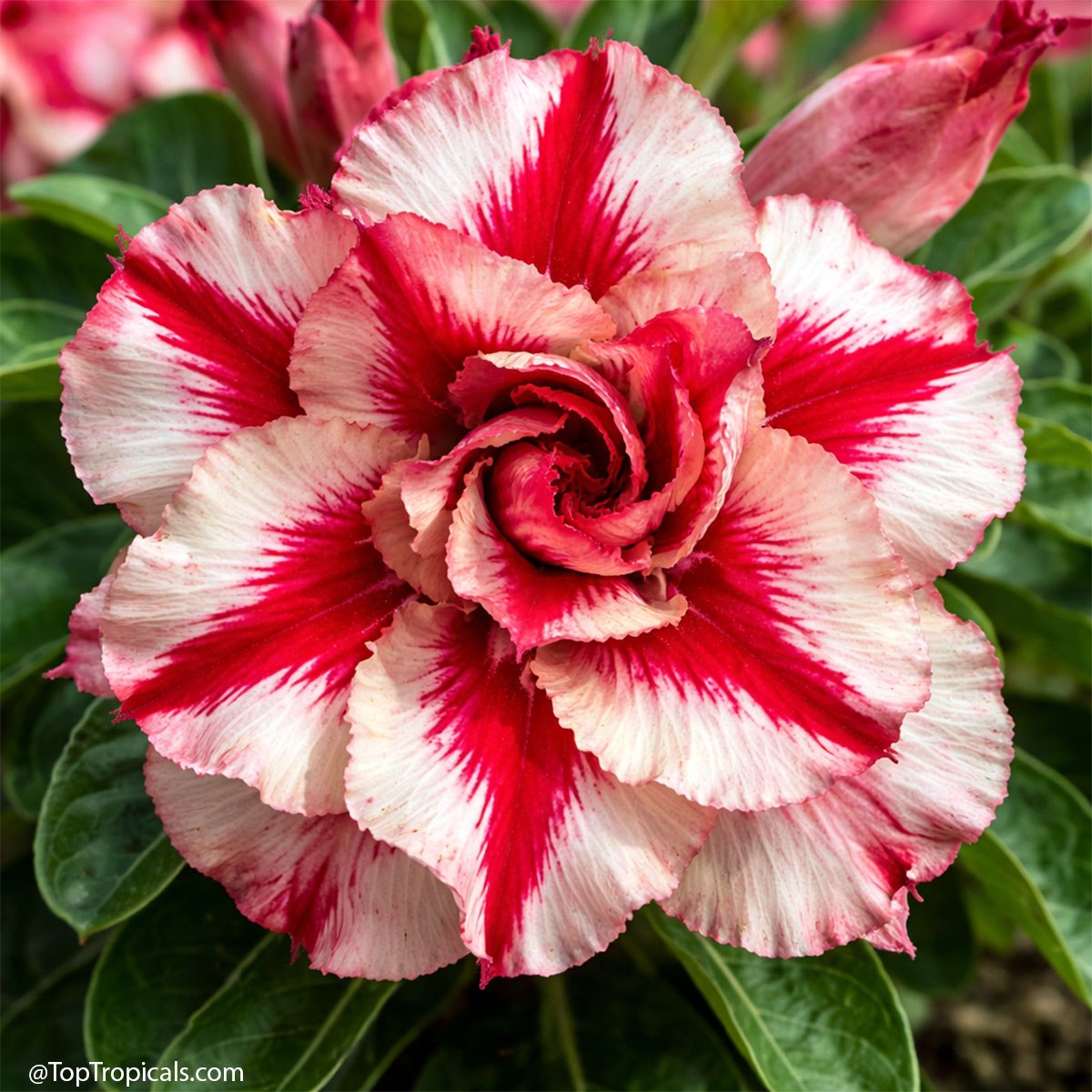
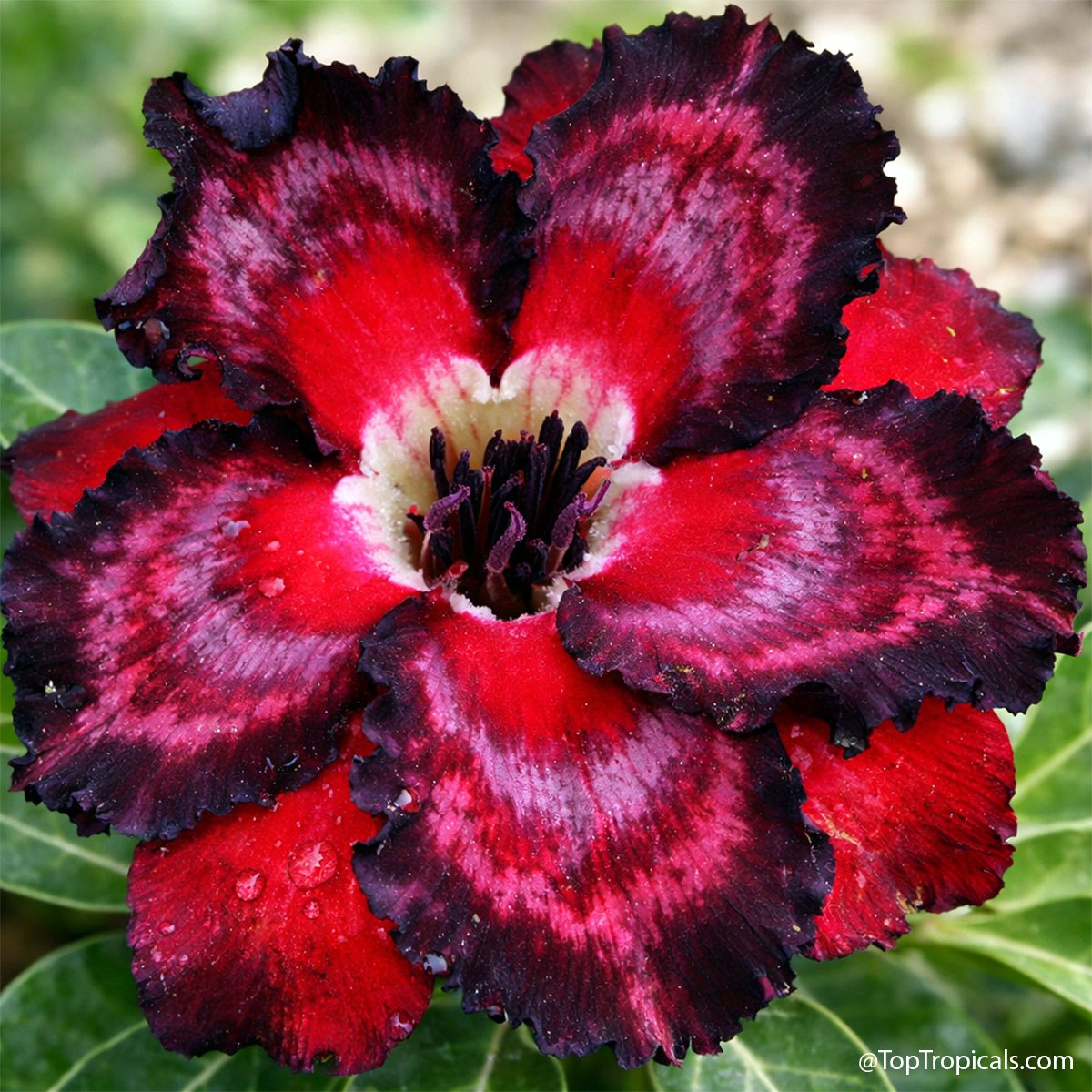
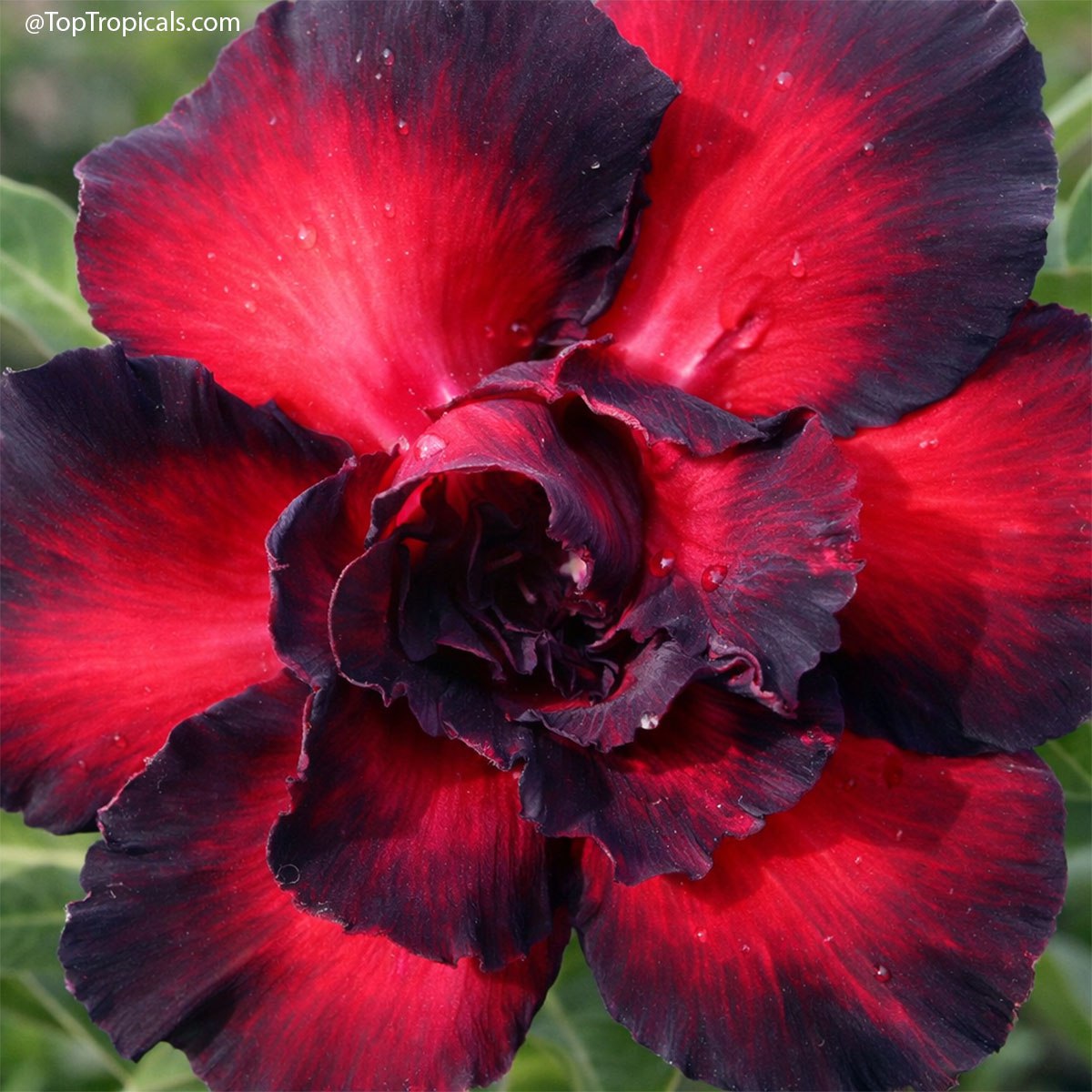
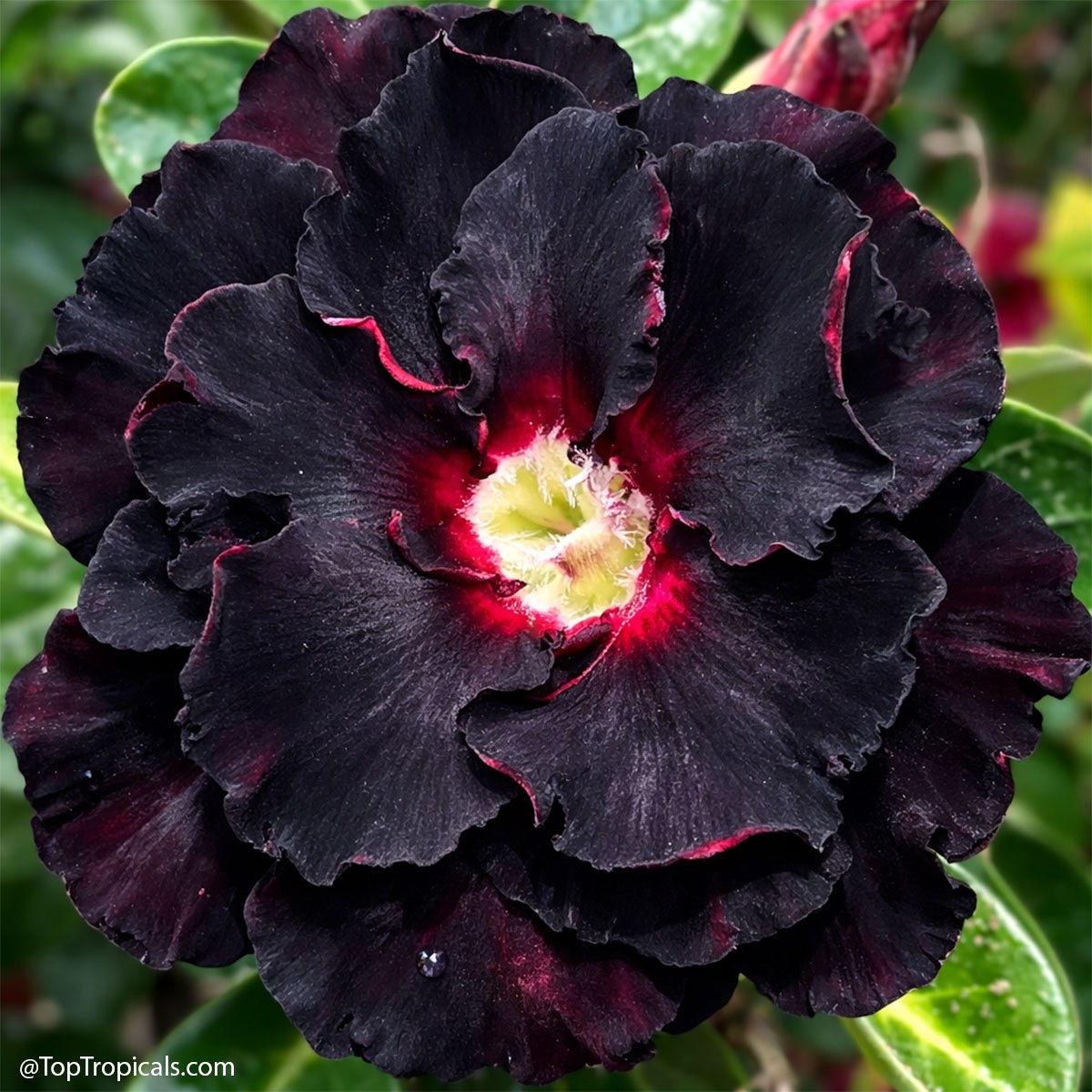
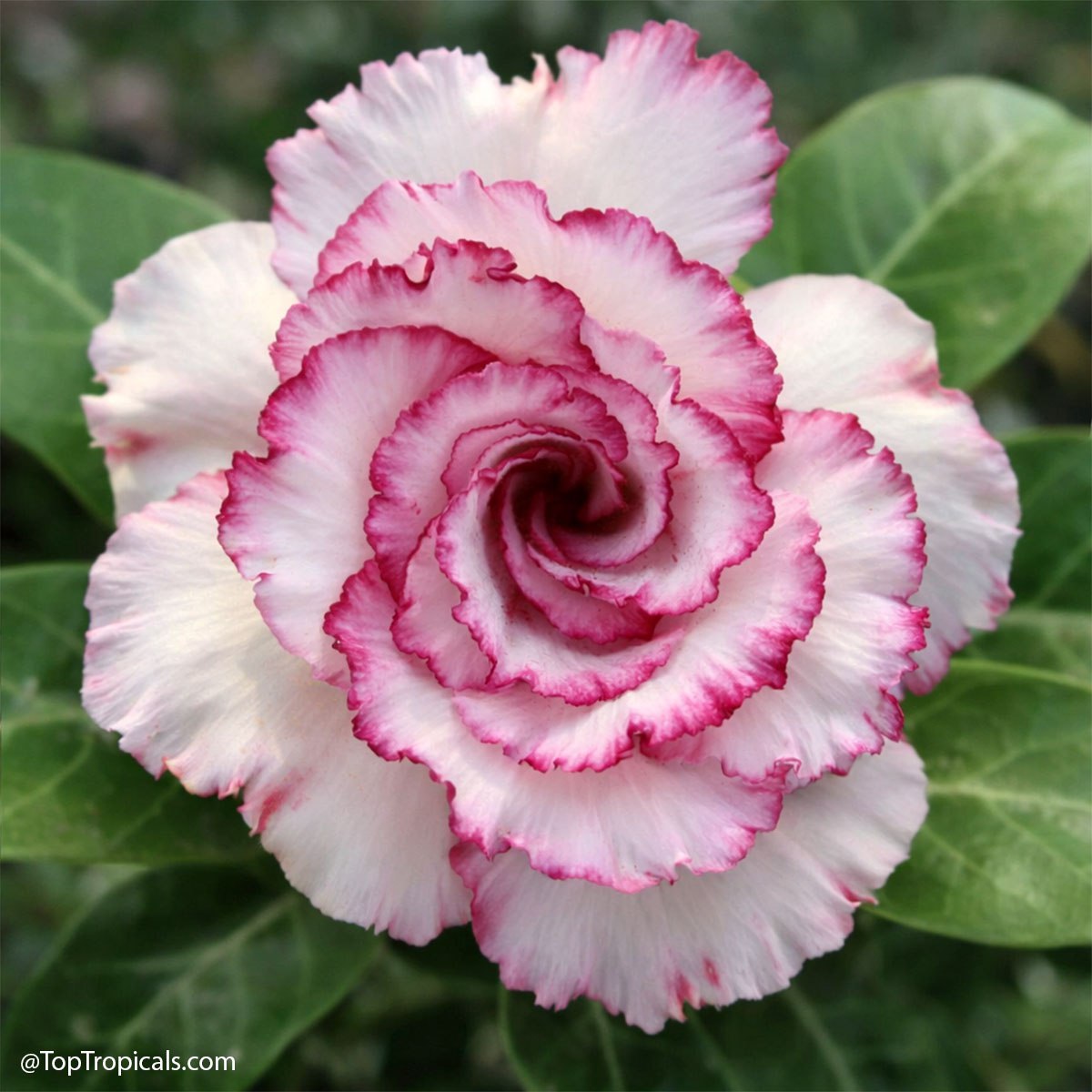
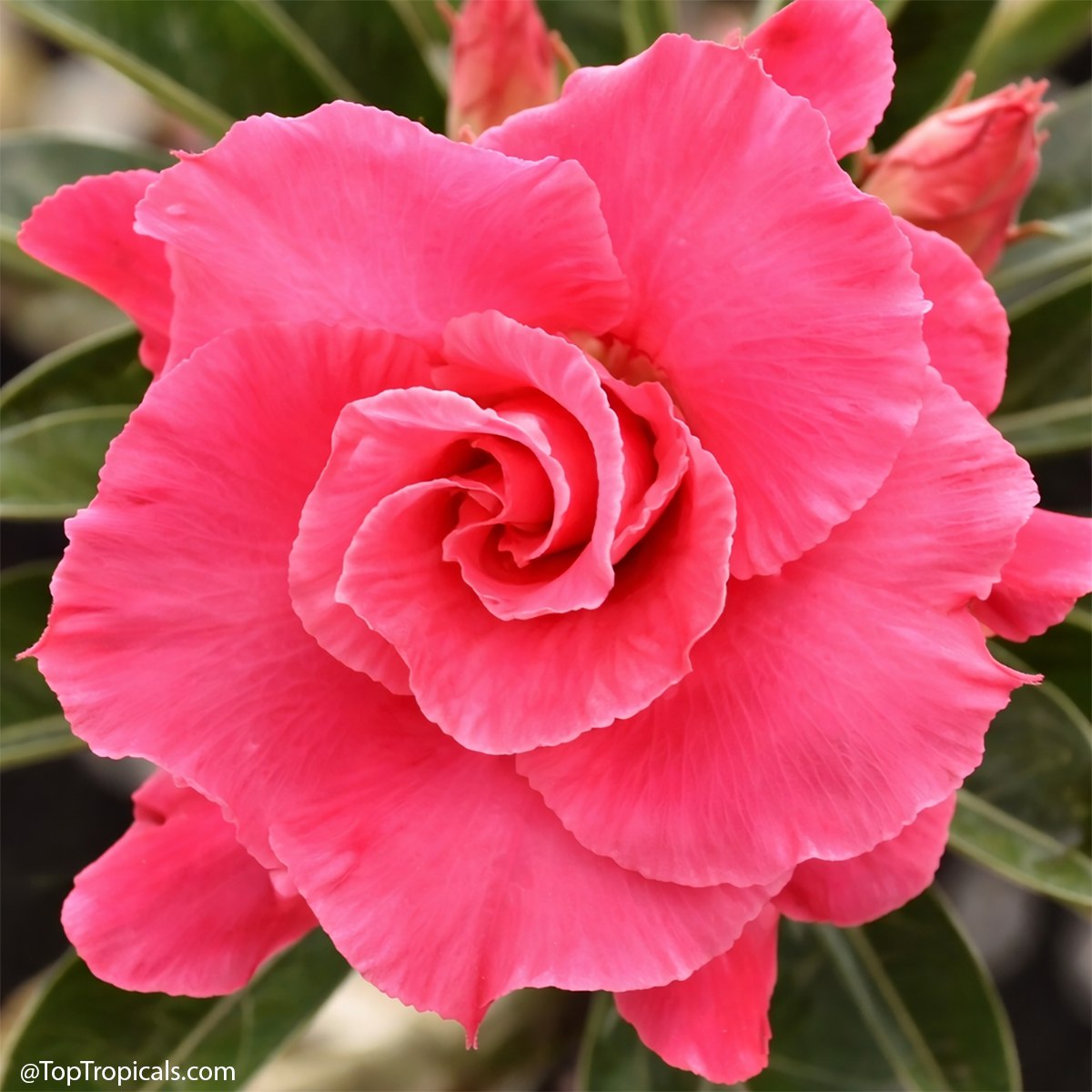
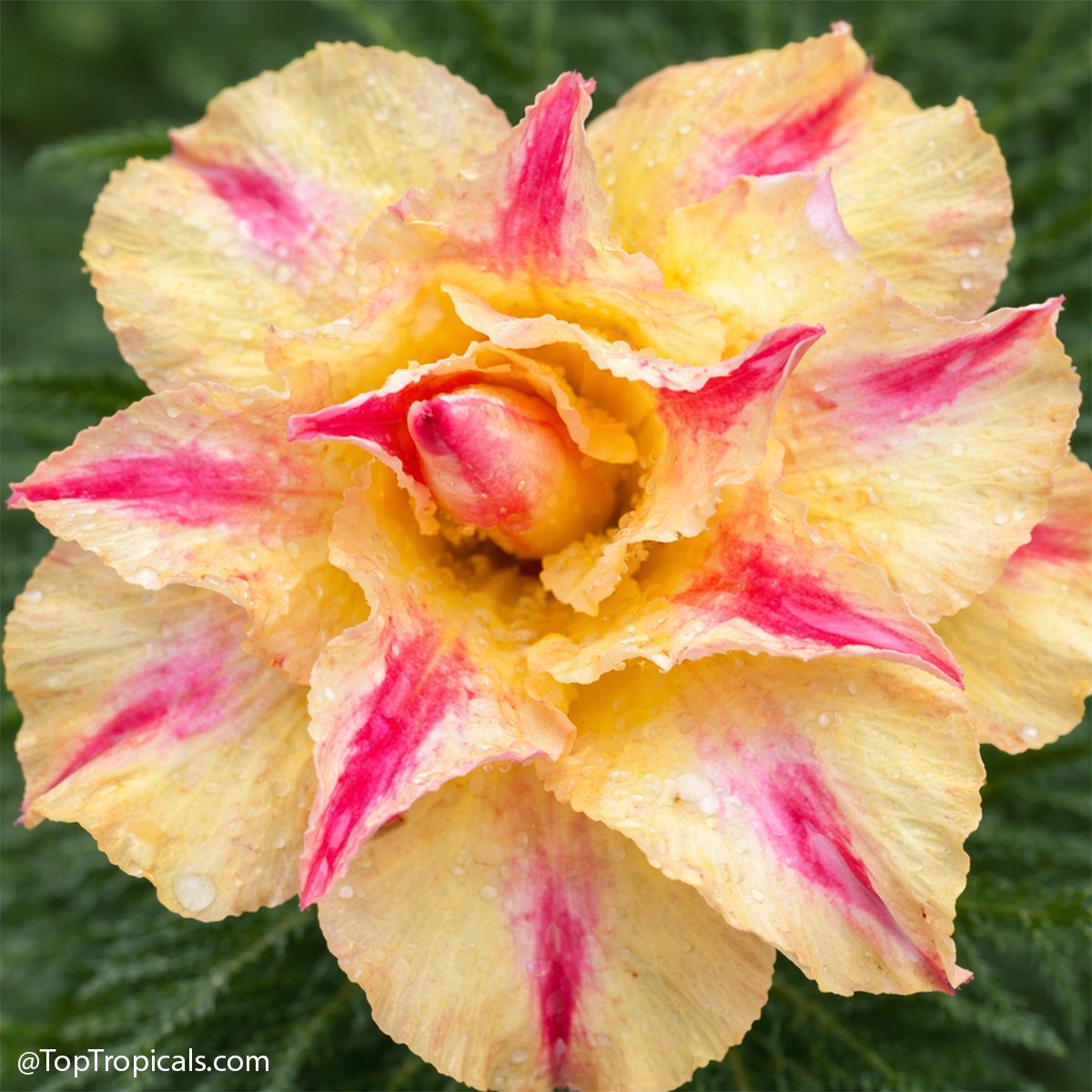
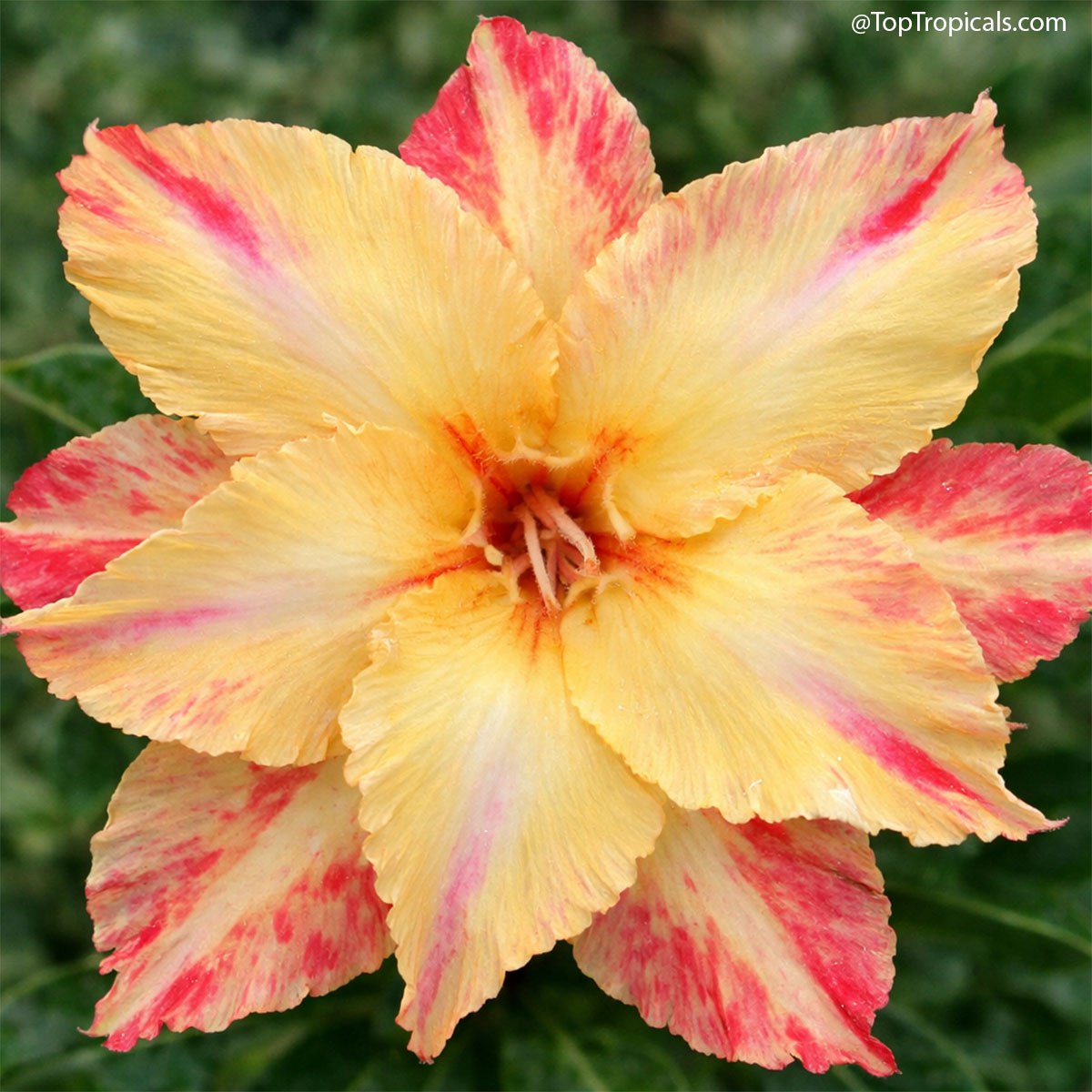
A few adeniums you dont want to miss: Adenium rainbow
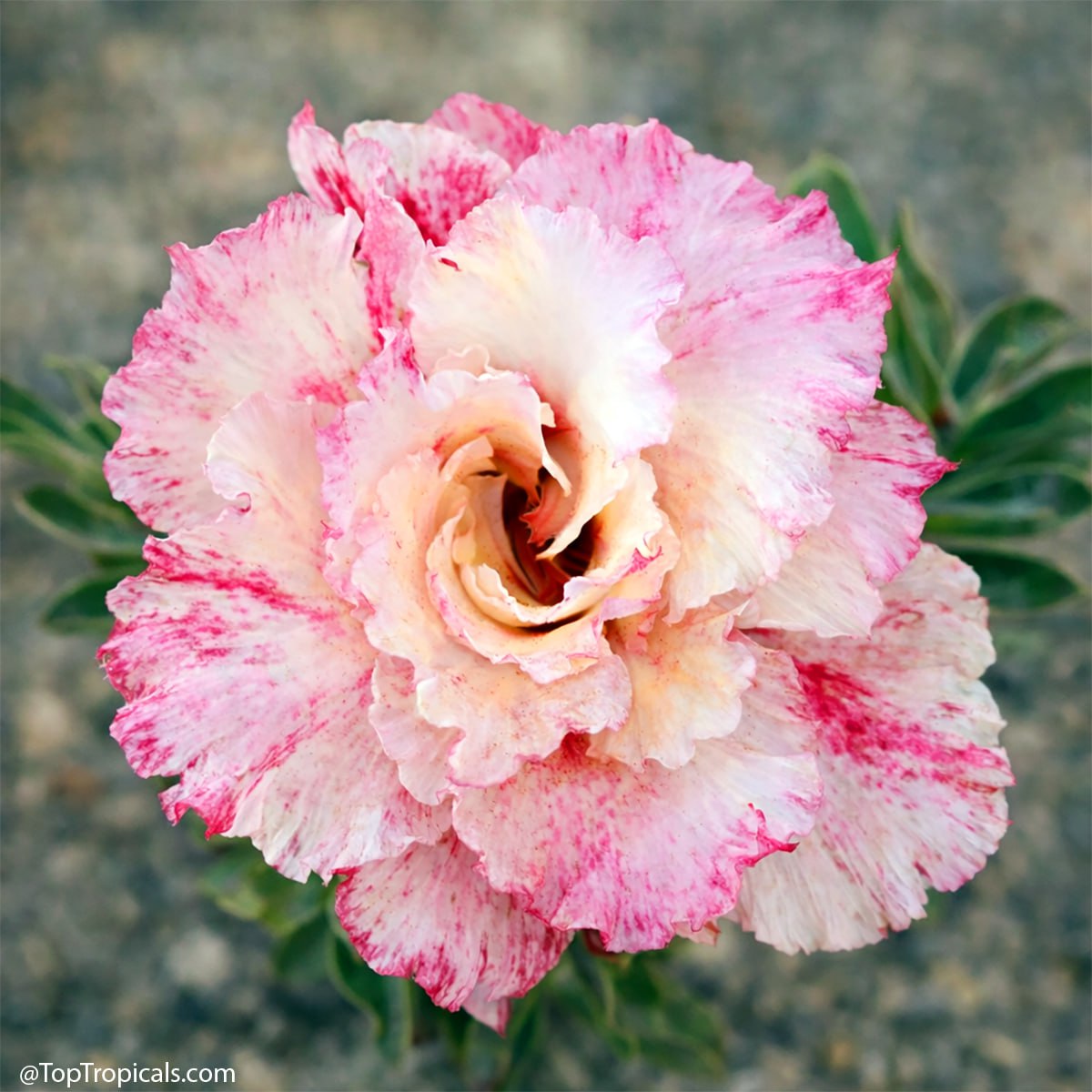
Adenium Beauty
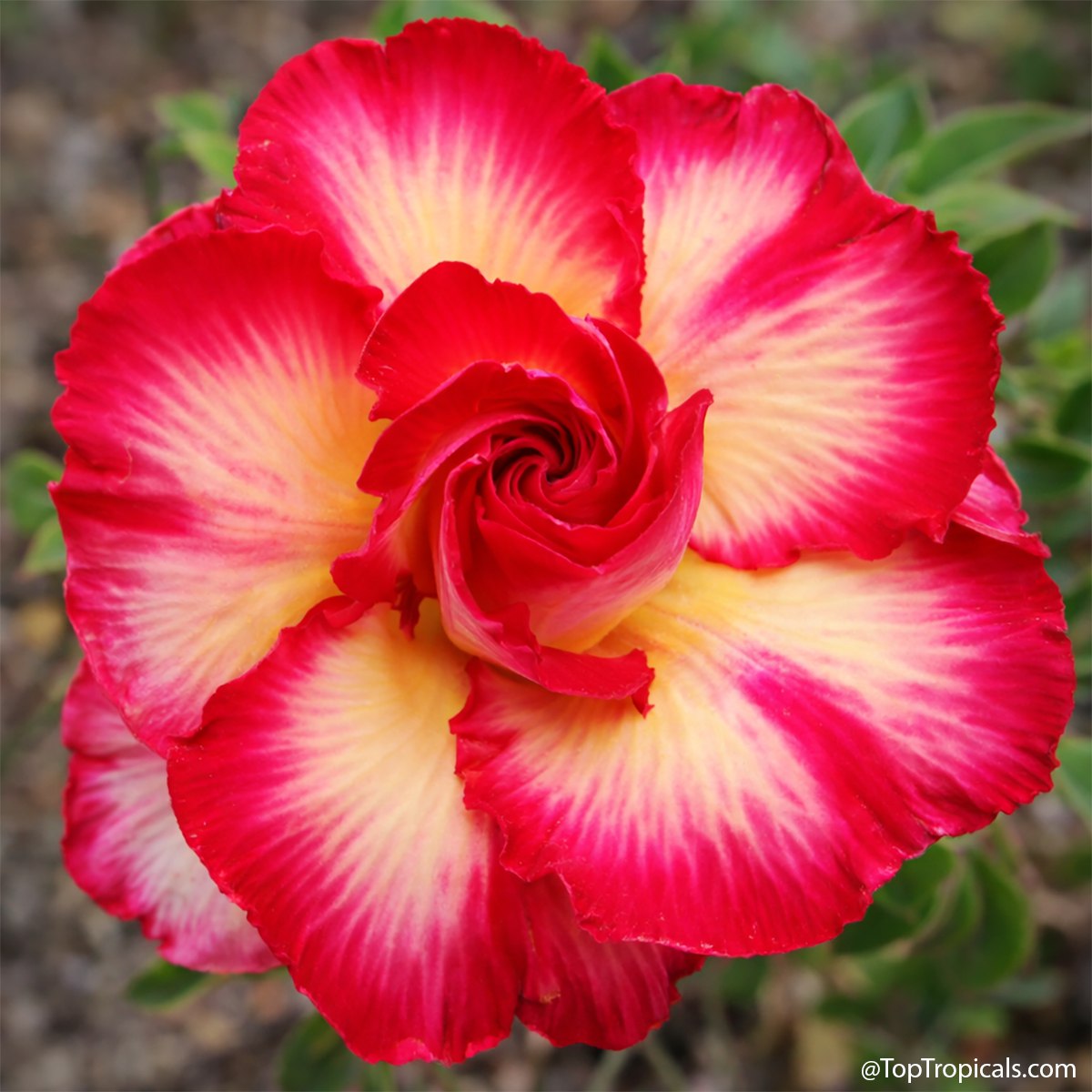
Adenium Chok Sedthee
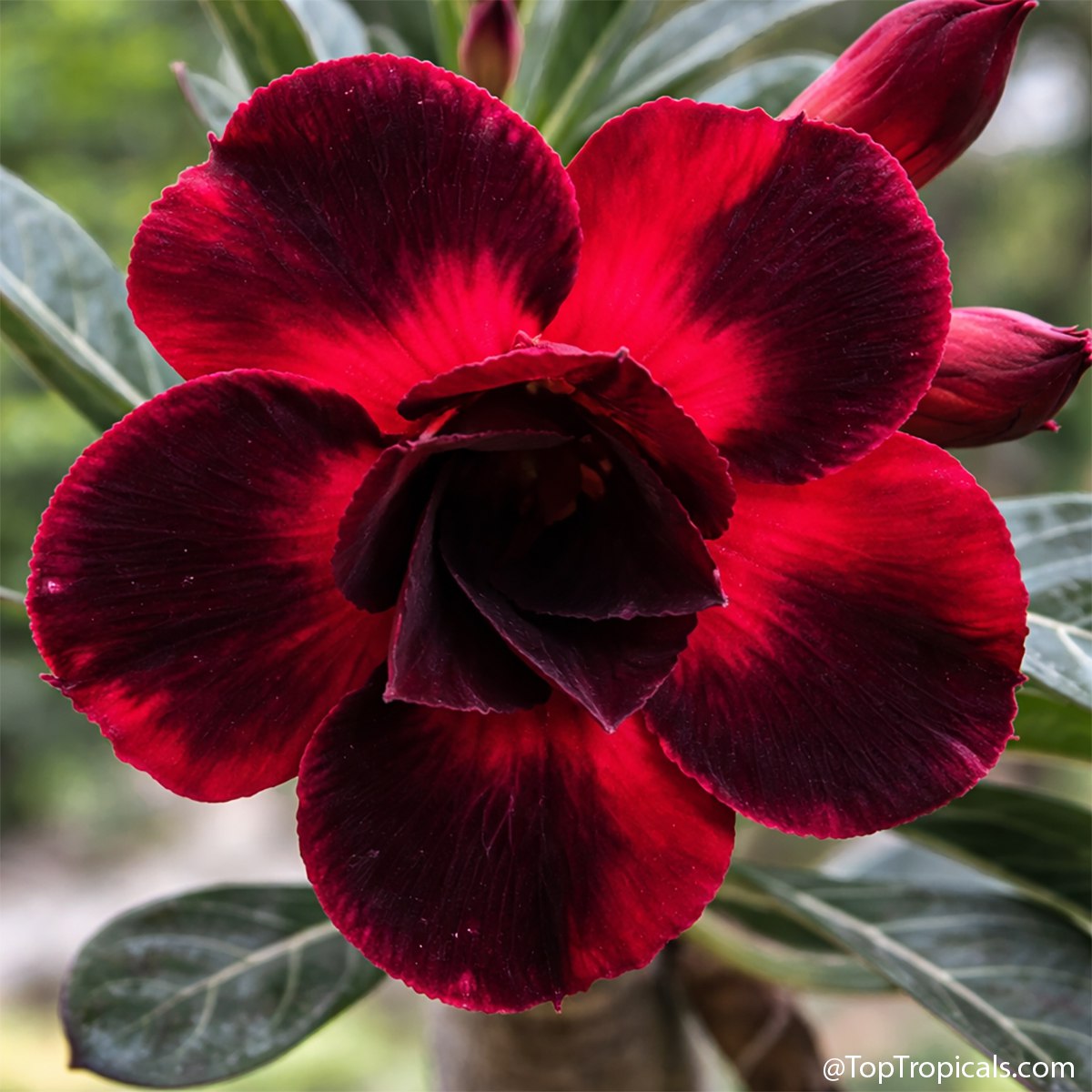
Adenium Black Dragon
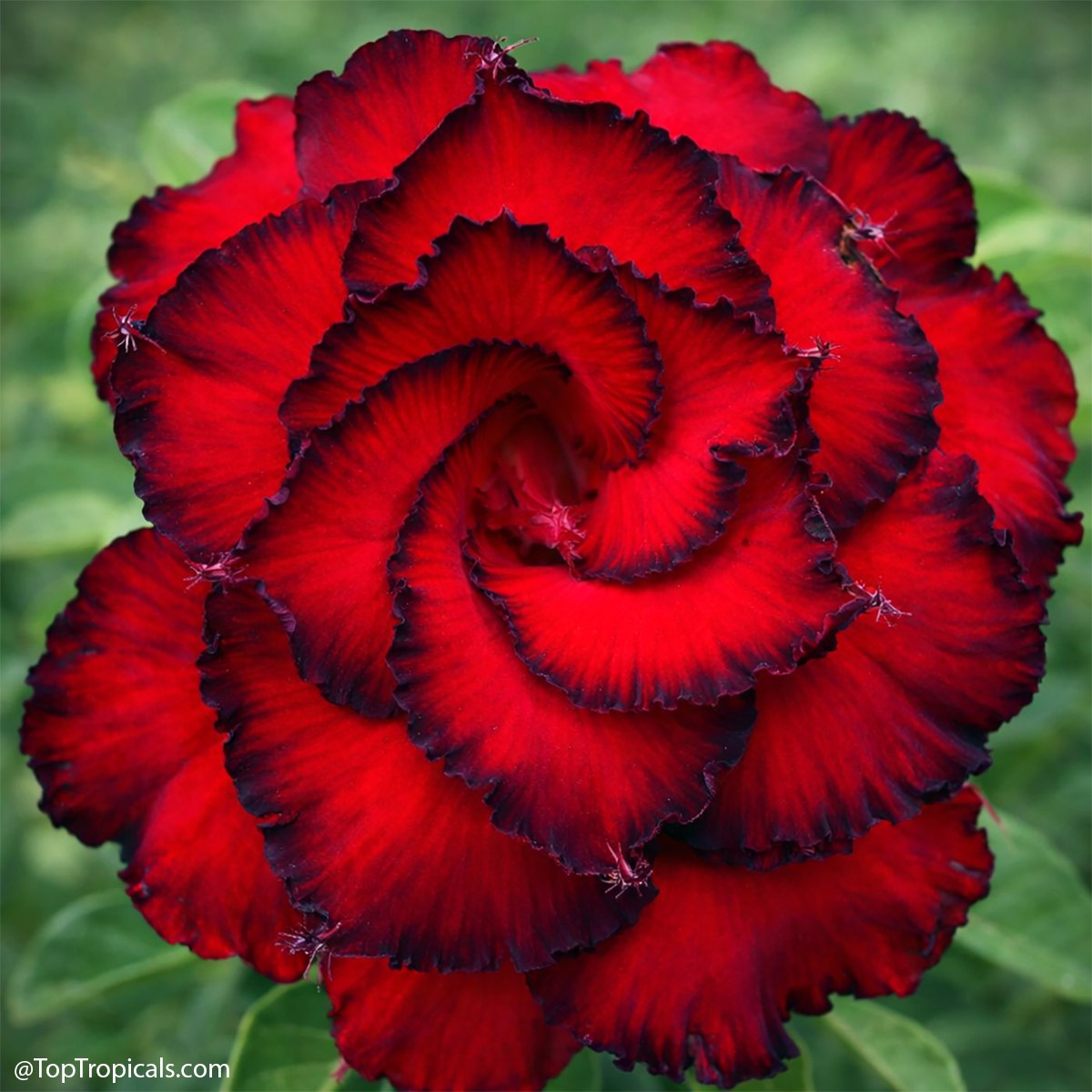
Adenium Red Dragon
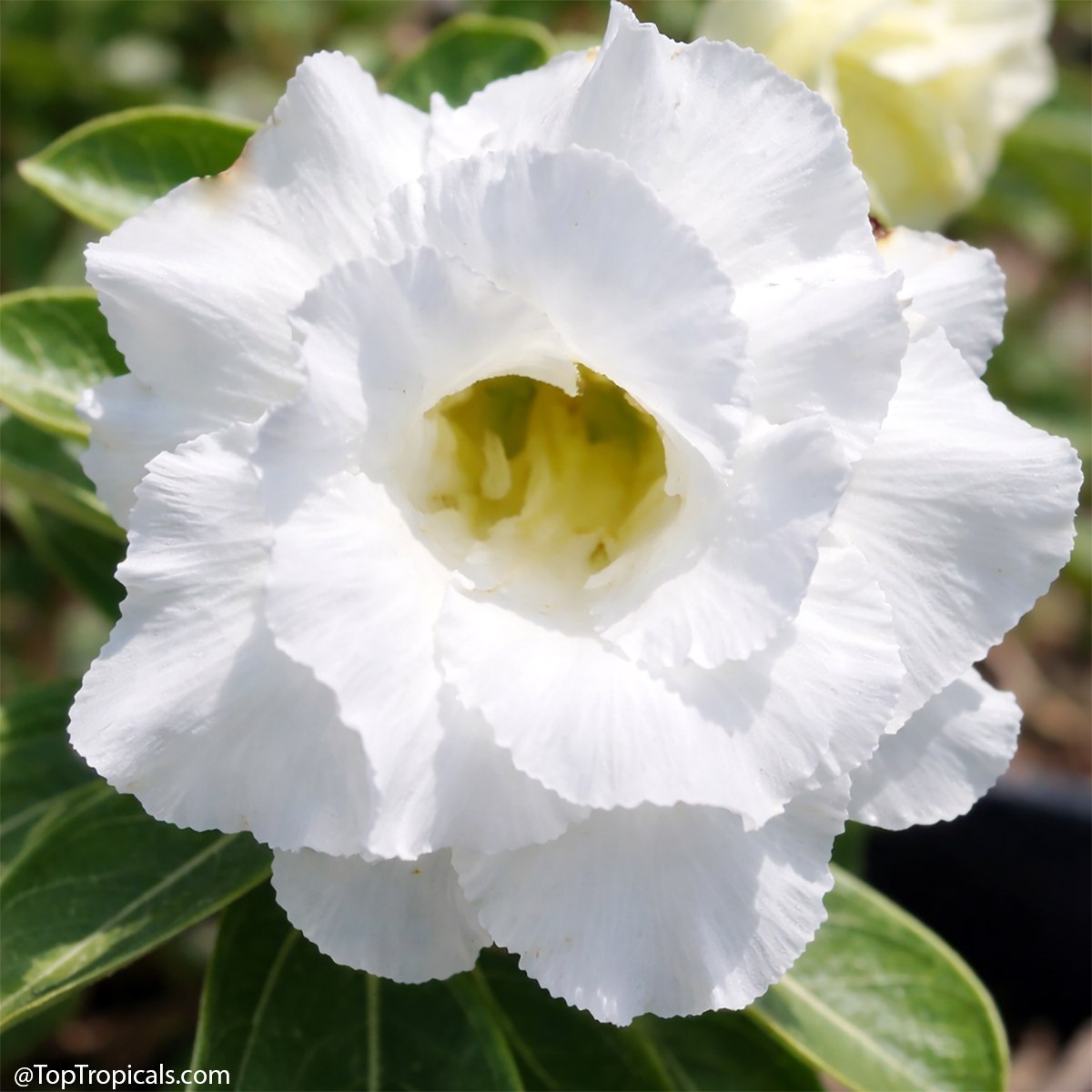
Adenium Jasmine
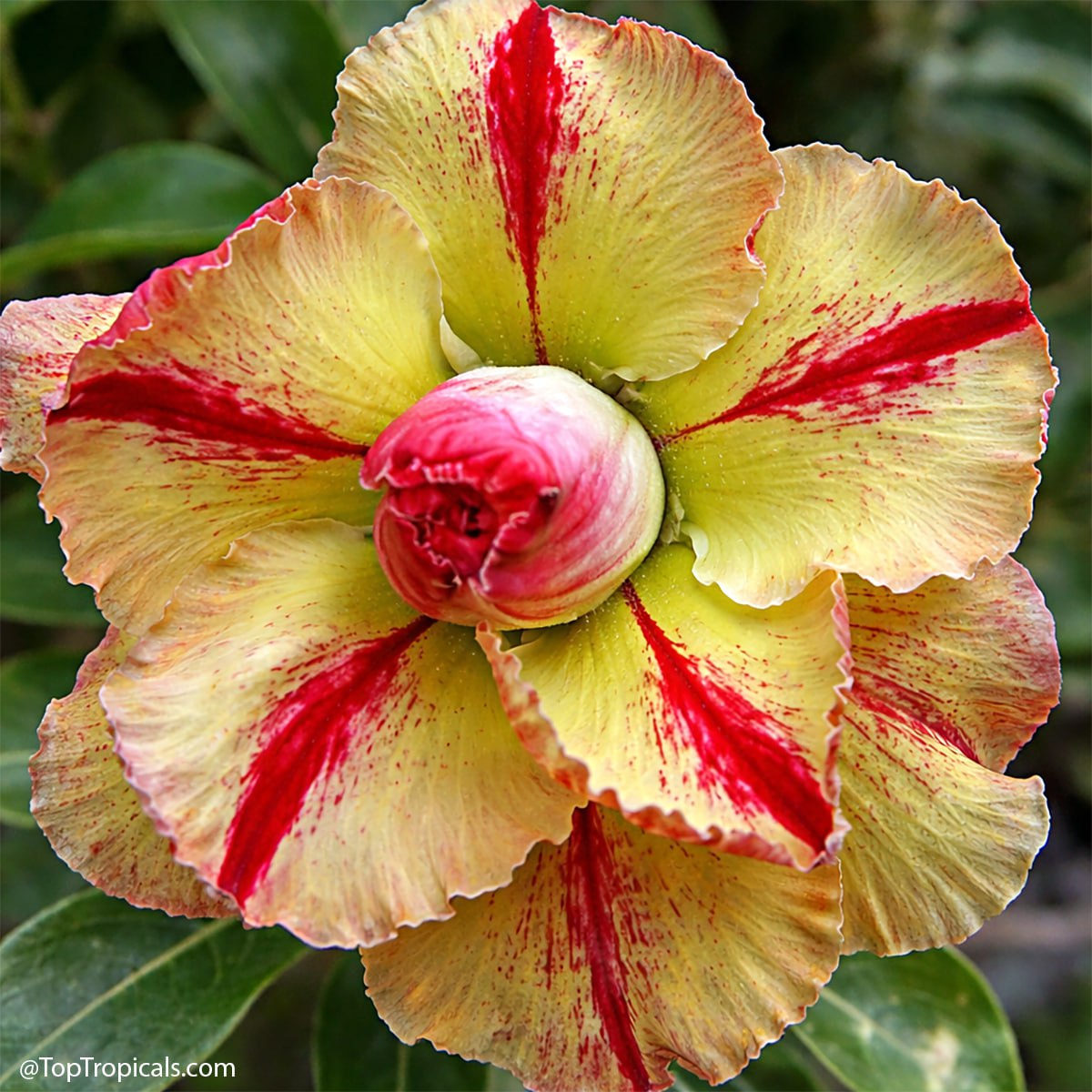
Adenium Marygold
A few adeniums you don’t want to miss: Adenium rainbow 🌈
Some adeniums bring color.
Some bring character.
And some… bring both.
This mix has a bit of everything - strong reds, deep tones, and soft floral shapes that balance it all out.
💡 Trimming tip
It’s always hard to cut back a branch… especially when it’s blooming.
But with adeniums, trimming is key.
After flowering, cut back leggy growth. This encourages branching, and more branches mean more flower buds.
It may feel like you’re losing blooms now - but you’re setting up a much bigger show next.
Trim, let it branch, and you’ll be rewarded with multiple blooms instead of just one.
🌸 Today's featured adeniums
✦ Beauty: Soft, balanced bloom with a clean look - simple and pleasing.
✦ Chok Sedthee: Name tied to wealth and success - a strong grower with presence.
✦ Black Dragon: Deep, intense tones with a bold, powerful look.
✦ Red Dragon: Bright red blooms with strong energy - hard to miss.
✦ Jasmine: Light, delicate feel with a more refined floral look.
✦ Marygold: Warm golden tones that bring brightness into any mix.
A mix like this gives you contrast right away - dark next to gold, simple next to unusual.
That’s what makes a collection interesting: not just how many you have, but how different they feel side by side.
Some adeniums are nice, and some - make you stop and stare.
This batch leans bold, unusual, and a little addictive. If you’re building a collection, this is the kind of mix that makes it feel alive.
💡 Adenium fertilizing tip
Adeniums respond really well to liquid feeding - especially during active growth.
Bloom booster. Use a fertilizer with a higher middle number (phosphorus). It supports both flowering and caudex development. We use professional Sunshine Megaflor Bloom Booser.
How to apply
Water into the soil
Light foliar spray on leaves
Avoid spraying directly on the caudex
Add Sunshine Superfood: Iron - for rich, healthy leaves Molybdenum & Boron - support longer-lasting blooms
🌸 Today's featured adeniums
✦ Big Harry: Large, bold presence - one of those varieties that doesn’t go unnoticed.
✦ Black Border: Deep, rich petals with a dramatic dark edge that makes the color pop.
✦ Cheese: Soft yellow shades, warm and creamy - unusual and easy to like.
✦ Cotton Candy: Fluffy pink shades that look almost unreal, like spun sugar.
✦ Chok Am Nuay: A Thai classic tied to luck and prosperity - strong grower with character.
✦ Immortality-2: Layered petals with a refined look - feels a bit more rare and collected.
Pick a mix like this - light, dark, bold, soft - and your collection instantly feels more complete.
And yes… this is how it starts again.
The adenium colors everyone is talking about right now: Adenium rainbow
Adenium Black Rahu
Adenium Black Swan
Adenium Carnation
Adenium Camellia
Adenium Golden Millionaire
Adenium Golden Star
The adenium colors everyone is talking about right now: Adenium rainbow 🌈
Some adeniums pull you in with color. Others with shape.
And a few… just look different from anything else on the bench.
This set leans into contrast - deep tones, bright golds, and a few forms that don’t quite follow the rules.
💡 Light tip for hot climates
In places like Florida, South California, or Texas, full sun can actually be too intense for adeniums.
They grow just fine in bright, filtered light - even indoors - which makes them surprisingly good houseplants.
In extreme heat:
🔸 Keep them in filtered light to protect leaves and extend bloom life. Flowers last longer and won’t burn.
🔸 Bright light is important, but avoid harsh midday sun.
🔸 Deep shade is too much and will reduce flowering.
🔸 Dry air is not a problem - adeniums actually prefer it.
🌸 Today's featured adeniums
✦ Black Rahu: Dark, intense tones with a bold presence - one of the more striking “black” types.
✦ Black Swan: Elegant shape with deep coloring - feels refined and a bit dramatic without trying.
✦ Carnation: Layered, ruffled petals that give it a fuller, almost classic flower look.
✦ Camellia: Full, layered petals in a soft rosette form - looks more like a classic garden flower than a typical adenium.
✦ Golden Millionaire: Rich golden tones with a strong, bright look - warm and eye-catching.
✦ Golden Star: Clean yellow blooms with a crisp form - simple, bright, and very balanced.
A mix like this gives you contrast right away - dark next to gold, simple next to unusual.
That’s what makes a collection interesting: not just how many you have, but how different they feel side by side.
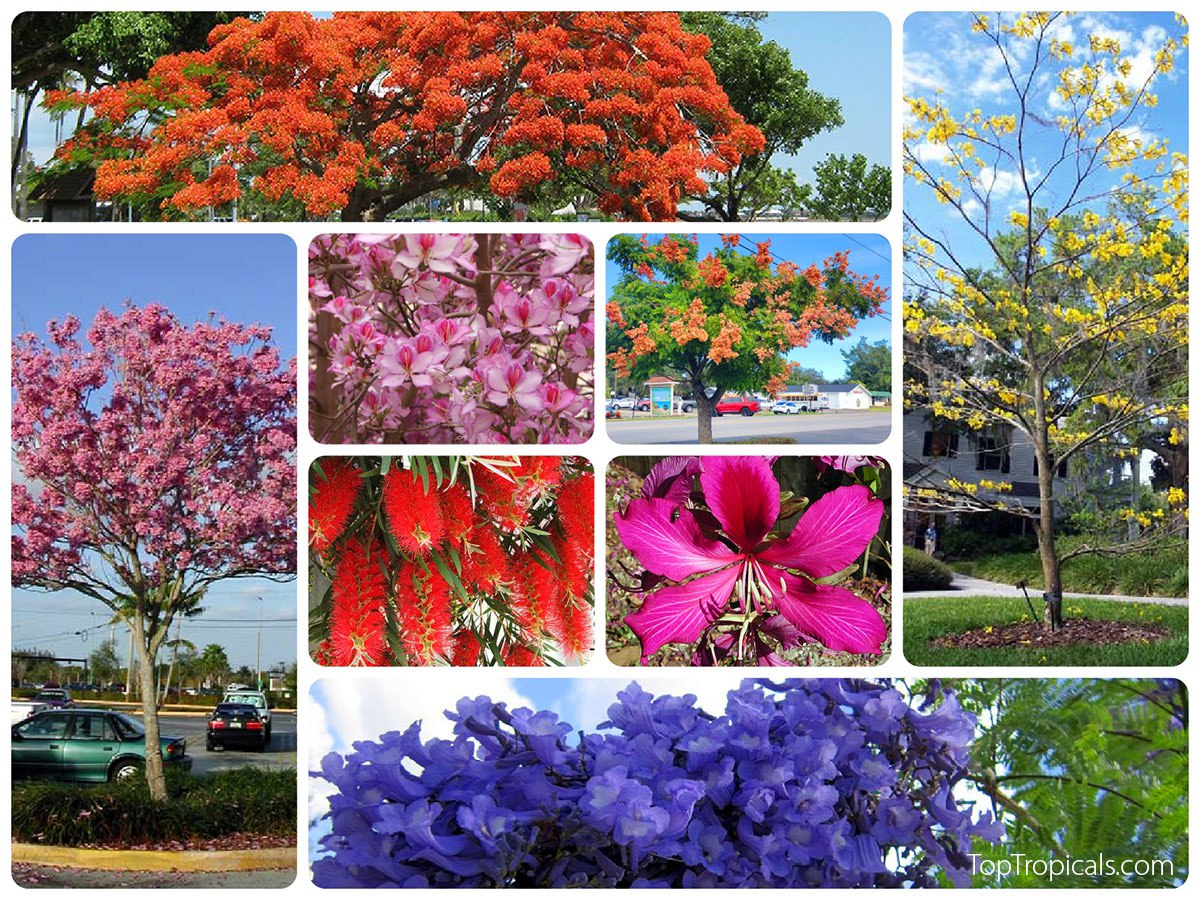
The diva of tropical trees. Huge red-orange flowers blanket the branches
from late winter through summer. If you’ve ever seen one in full
bloom, you know — it stops traffic.
Best in large yards or open spaces, but young ones do great in big pots for
a few years.
🛒 Shop Tatiana: “If you want a tree that makes
people
say ‘wow,’ this is it.”
Tabebuia chrysotricha – Dwarf Golden Tabebuia
Small tree, big drama. It turns solid gold just before new leaves
appear.
Blooms while completely bare — a stunning contrast of yellow on brown
wood.
Perfect for patios, courtyards, and containers. Handles cool nights down to
the mid-20s F.
Bright, cheerful, and forgiving — the kind of tree that always looks
like it’s celebrating. 🛒
Shop
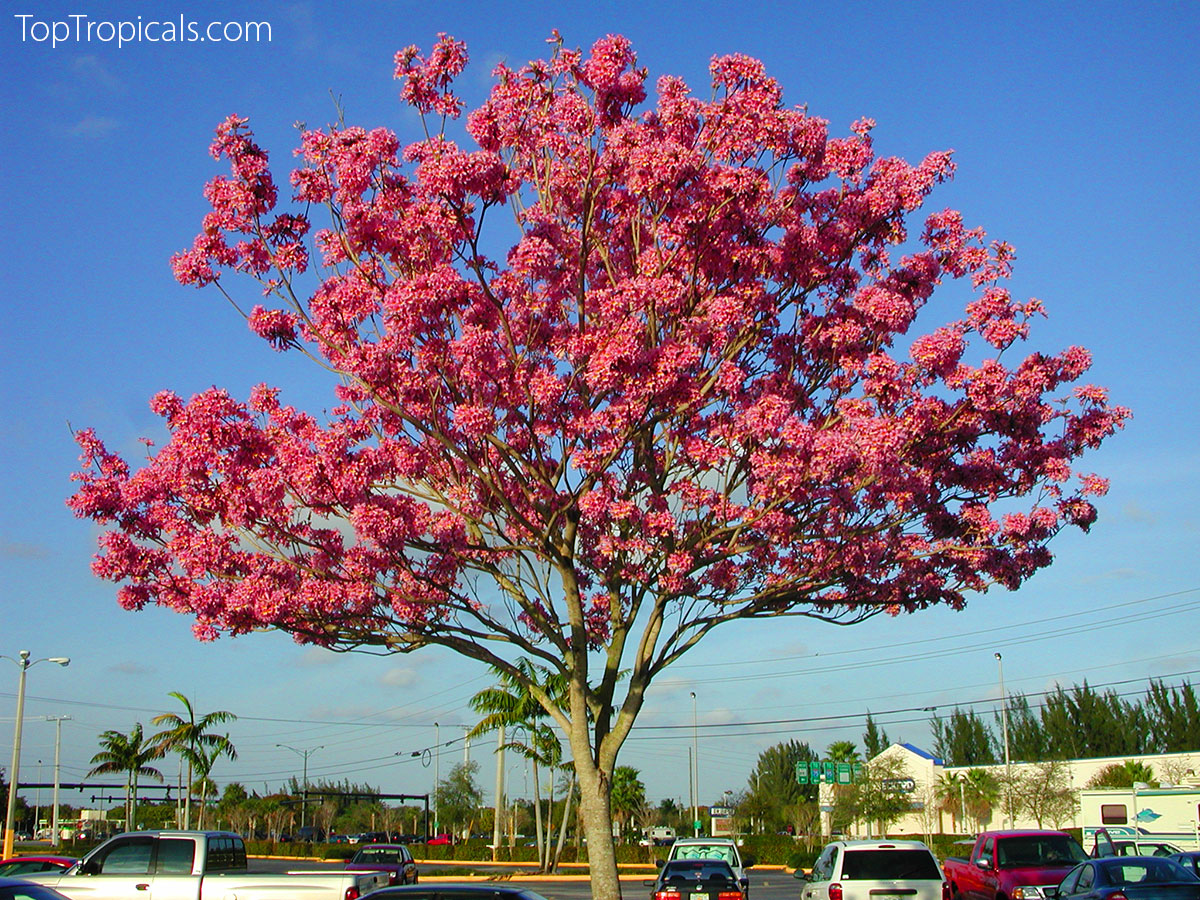
The Florida “cherry blossom.” Pink-lavender flowers smother
the branches each winter, often before any leaves return.
Thrives in sandy soil, tolerates drought, and grows beautifully in large
planters or pots indoors near a sunny window.
Ideal for seasonal residents or anyone who wants color when everything else
is asleep. 🛒
Shop
Jacaranda mimosifolia
If color had music, this would be jazz.
Soft, fern-like leaves and cascades of violet-blue trumpet flowers —
airy, elegant, unforgettable.
Outdoors, it makes a graceful shade tree; in containers, it stays compact
with regular pruning.
Jacarandas reward patience — they bloom bigger each year. 🛒
Shop
Koelreuteria paniculata – Golden Rain Tree
A favorite for its surprises — golden blooms in summer, pink paper
lantern pods in fall, and bronze leaves before rest.
Fast-growing, tough, and easy. Loves full sun and moderate water.
Great for open lawns or patio tubs. The kind of tree that gives you
something new to look at every month. 🛒
Shop
Callistemon citrinus – Bottlebrush Tree
The hummingbird magnet.
Bright red, brush-shaped flowers bloom several times a year —
sometimes even in cool weather.
The dwarf form, ‘Little John,’ stays about 4 feet tall, perfect
for pots or small borders.
Trim lightly after flowering to keep it compact and colorful. 🛒
Shop Tatiana: “If you’ve never grown a
tropical tree before — start here. It’s the friendliest
one.”
Bauhinia variegata – Pink Butterfly Tree
Graceful, fragrant, and forgiving.
Its pink-lavender orchid-like flowers open from late winter through spring,
filling the garden with color and pollinators.
It’s fast-growing, drought-tolerant, and excellent for both ground
and pots.
Even the buds are edible — a fun bonus for adventurous gardeners. 🛒
Shop
Bauhinia blakeana – Hong Kong Orchid Tree
The queen of them all.
Huge magenta-purple blooms that last for months, from fall through spring.
Fragrant, clean (no messy seed pods), and perfect for patios or large
decorative containers.
Give it sun, a little water, and it will reward you with bloom after bloom.
🛒 Shop Tatiana: “It’s the one tree that never lets winter
win.”
A note on grafted Hong Kong Orchid Trees:
Most Hong Kong Orchid Trees are grafted, and that’s actually a big
advantage.
Because they don’t grow from seed, grafted plants mature faster and
begin blooming while still small — sometimes within the first year.
That makes them perfect for patio pots or small gardens where space is
limited.
Bringing the Tropics Home
Whether your garden faces the Gulf or your window faces the snow, these
trees let you live in color year-round.
Plant them outdoors in warm zones or grow them in pots indoors — they
adapt, they bloom, they brighten every corner.
Gardening isn’t about waiting for spring — it’s about
finding joy in every season.
And when a tree blooms in January, that joy feels twice as sweet.
Yes! Smaller species like Bottlebrush ‘Little John,’ Dwarf
Tabebuias,
and many
Bauhinias bloom beautifully in pots with bright light or grow lamps.
Q: Do they lose their leaves in winter?
Some, like Tabebuias
and Jacarandas,
drop leaves right before blooming — it’s normal
and part of their charm. Others, like Bottlebrush,
stay evergreen.
Q: What fertilizer works best?
We use Sunshine
Boosters — gentle, balanced, and perfect for tropicals.
Feed every 2–3 weeks during active growth.
Q: How do I know when to water?
Touch the soil! If it’s dry an inch or two down, water deeply.
Overwatering is the main mistake with tropicals.
Q: Can they handle frost?
A quick dip into the upper 20s F is fine for most mature trees. Cover
young ones or move containers under shelter if colder.
Q: Which are best for beginners?
Start with Bottlebrush ‘Little John’ or Golden Tabebuia
— compact, colorful, and nearly foolproof.
Q: When will they bloom?
Usually within few years if they get enough sun and warmth. Grafted
plants blooms much sooner
Q: Which of these trees are best for pot
growing?
For patios, balconies, or indoor sunrooms, choose the compact or grafted
types: