How to get three colors on the same plant: Yesterday, Today, and Tomorrow
Brunfelsia grandiflora - Yesterday, Today, and Tomorrow
🌸 How to get three colors on the same plant: Yesterday, Today, and Tomorrow
💜 Brunfelsia is one of those plants that makes people stop mid-sentence.
It blooms in shade, smells incredible at night, and then does something unexpected - the flowers change color over just three days.
💜 Purple. Lavender. White.
All at the same time, on one plant.
💜 It is easy to grow, loves warm weather and part shade, and turns any garden path or patio into an instant conversation starter. Once it starts blooming, it just keeps going.
💜 These are the most interesting varieties known as Yesterday-Today-Tomorrow for their magical color transformation from purple to lavender to white over three days: B. grandiflora, B. paucifolia, B. australis.
Eight favorite plants of romance, affection, and emotional connection
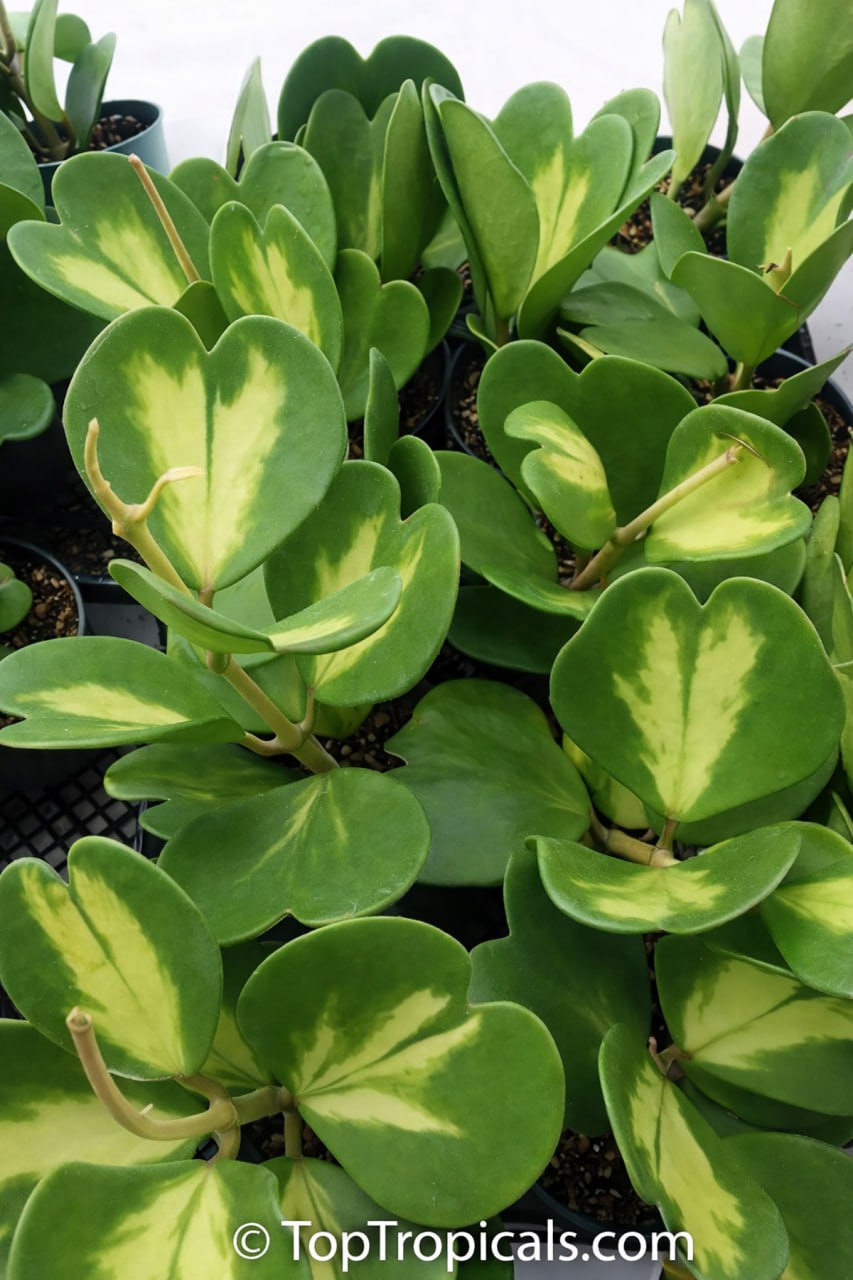
Sweetheart Hoya (Hoya kerrii)
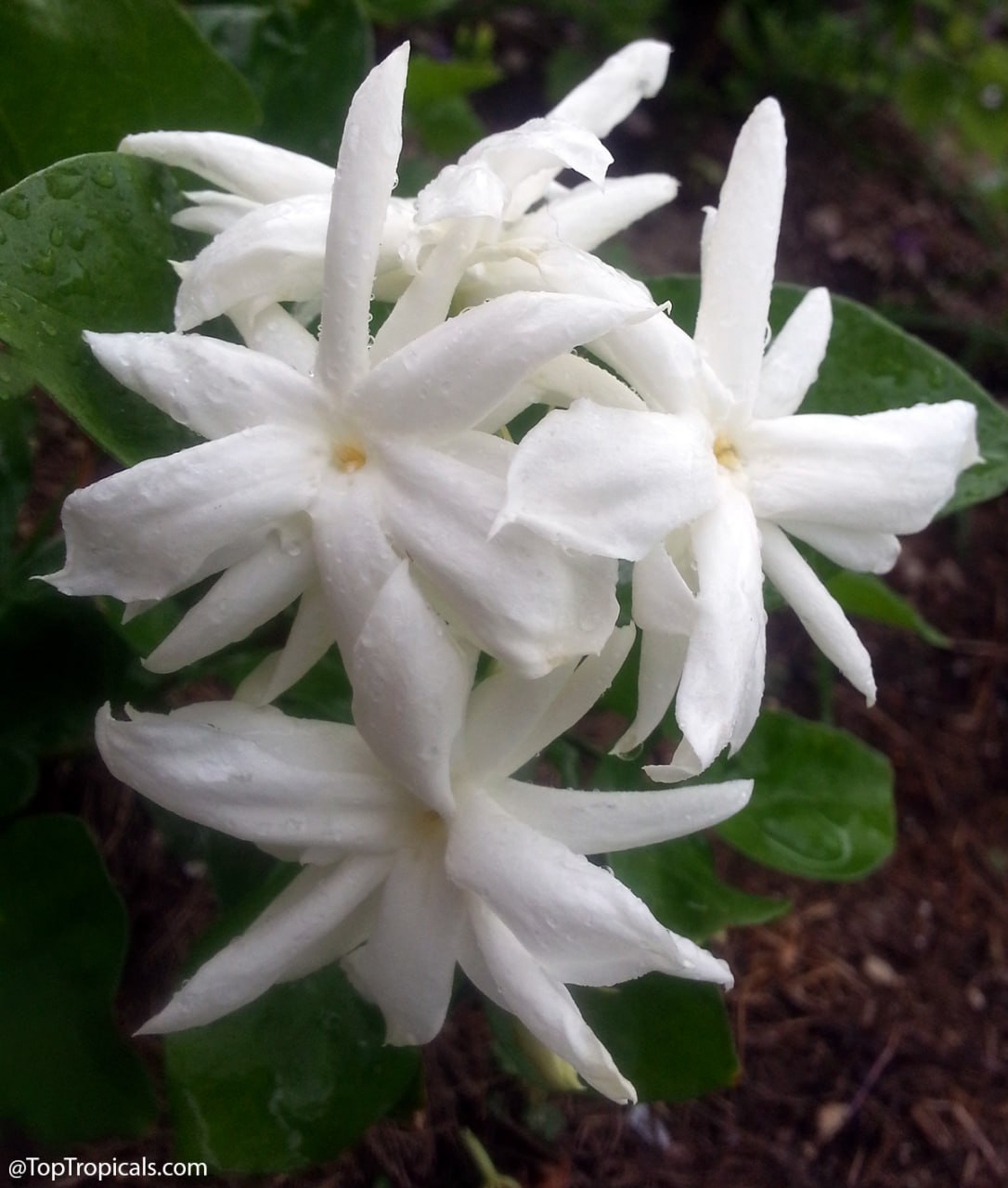
Jasminum sambac
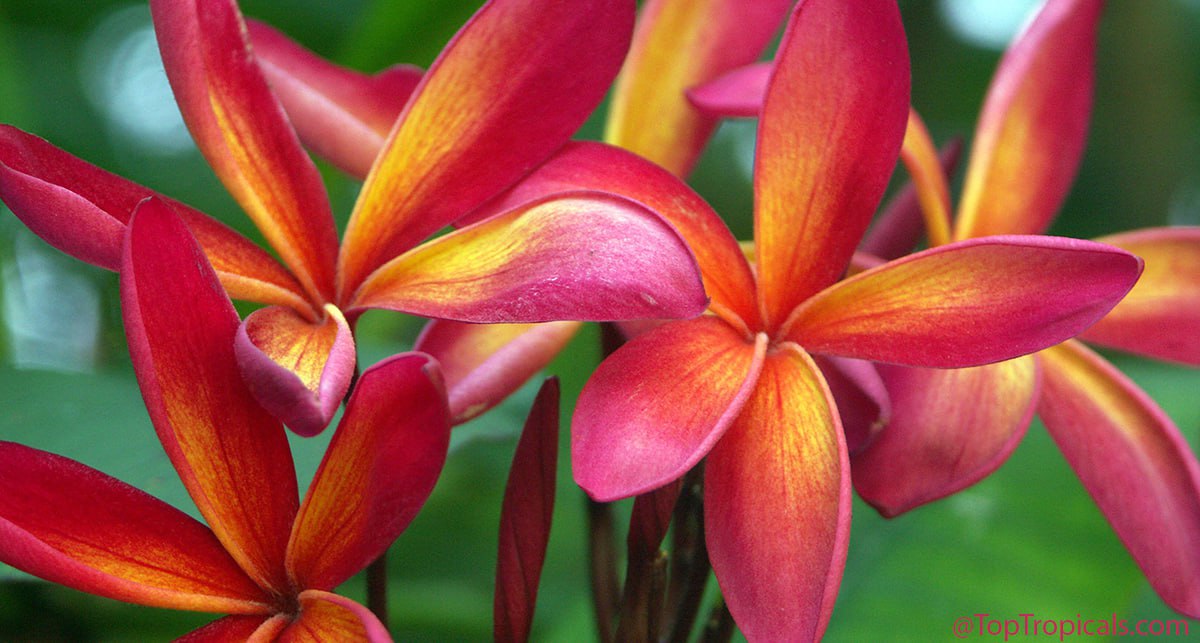
Plumeria (Frangipani)
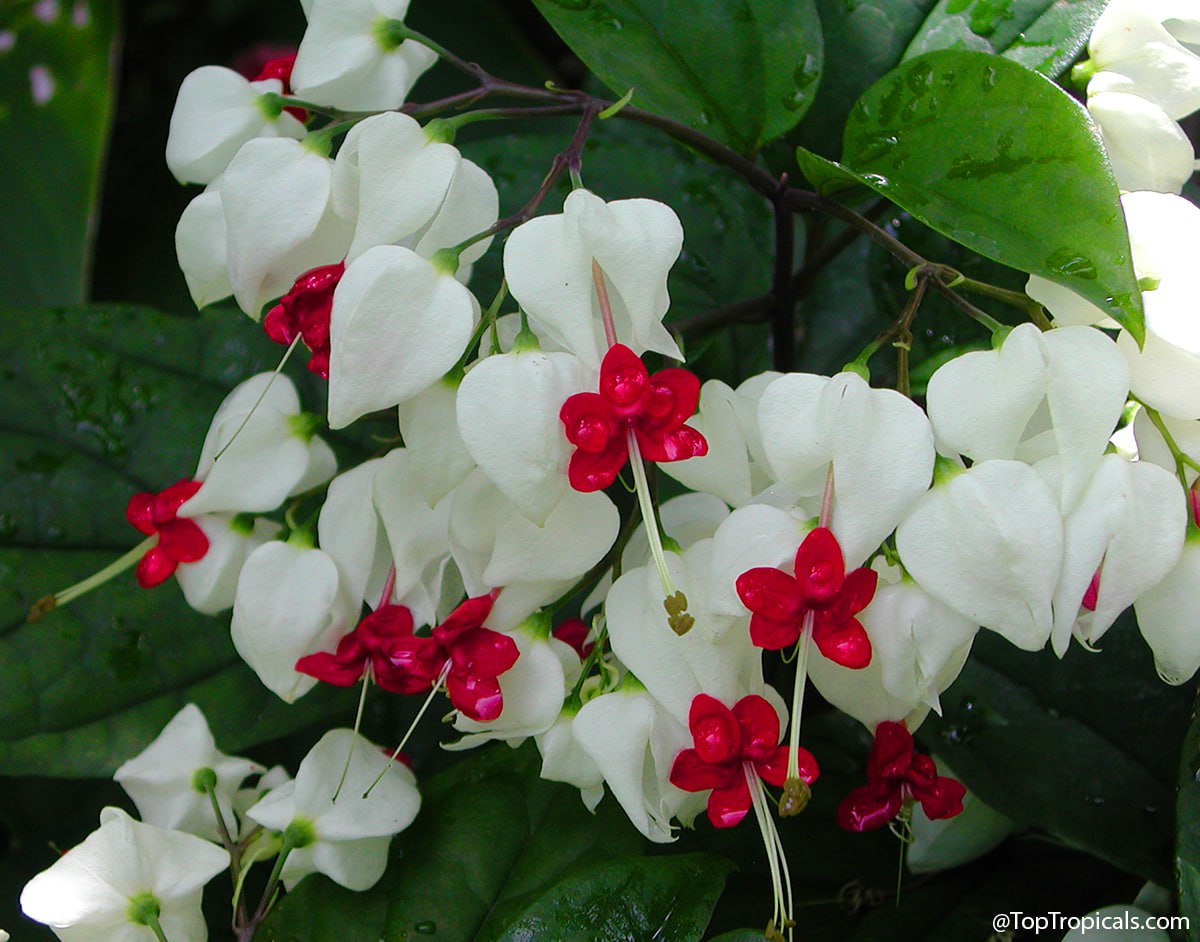
Clerodendrum thomsoniae, Bleeding Heart Vine
💕 Eight favorite plants of romance, affection, and emotional connection
These plants communicate love visually and emotionally. They are associated with beauty, admiration, devotion, and long-lasting relationships.
💖 1. Anthurium
With its unmistakable heart-shaped spathes, anthurium is one of the strongest visual symbols of love. In Latin America, it represents hospitality, passion, and enduring affection, making it a natural Valentine plant. 👉 Anthurium gift
💖 2. Orchids
In many Asian cultures, orchids symbolize refined love, fertility, and deep emotional connection. They are associated with elegance, respect, and long-term devotion rather than fleeting romance or infatuation. 👉 Orchid gift
💖 3. Valentine’s Sweetheart Hoya (Hoya kerrii)
Hoya kerrii is known for its thick, heart-shaped leaves, making it one of the clearest visual symbols of love. This long-lived vine represents loyalty and lasting commitment, and is found in several varieties with different leaf variegation patterns: regular green leaf, variegated Moonlight (gold on green) and Sunshine (white-and green).
Wax Hearts Plant Facts
Botanical name: Hoya kerrii Also known as: Wax Hearts, Sweetheart Hoya, Valentine Hoya, Heart leaf
In Polynesia and Southeast Asia, plumeria represents love, beauty, and new beginnings. In Hawaii, its flowers are a classic part of leis and have become an enduring symbol of romance, affection, and island love.
Plumeria Plant Facts
Botanical name: Plumeria sp. Also known as: Plumeria, Frangipani
Jasmine Sambac is strongly associated with romance, devotion, and spiritual love. In Hawaii it is used in leis, while in the Philippines, this so-called Sampaguita jasmine symbolizes purity, fidelity, and deep affection and is woven into garlands for lovers, weddings, and sacred ceremonies.
Sambac Plant Facts
Botanical name: Jasminum sambac Also known as: Sambac
Hibiscus symbolizes delicate beauty, attraction, and the fleeting intensity of passion. In many tropical cultures, it is associated with feminine energy and romantic expression. 👉 Hibiscus gift
💖 7. Clerodendrum Bleeding Heart
Clerodendrum thomsoniae, called the Bleeding Heart Vine, is known for its red, heart-like flowers held inside white lantern-shaped bracts. It has long been associated with love, emotional vulnerability, and deep personal bonds, making it a natural fit for Valentine symbolism.
Bleeding heart Plant Facts
Botanical name: Clerodendrum thomsoniae Also known as: Bleeding heart, Glory bower, Clerodendron
Traditionally associated with marital happiness and fidelity, Stephanotis has long been used in wedding garlands and bouquets in tropical regions. 👉 Stephanotis gift 🛒Explore gift plants 🎁 Get a Gift Card
Sapodilla - Manilkara or Achras zapota, the Brown Sugar Fruit
🍊 How to make Sapodilla fruit profusely?
Sapodilla - Manilkara or Achras zapota), the Brown Sugar Fruit is a warm-climate evergreen fruit tree that can produce a lot of fruit once conditions are right. So why do so many sapodilla trees grow beautifully, flower heavily, and still refuse to set fruit?
Sapodilla Fruit Production - What Really Matters
1. 🌳 Choose the Right Tree
Grafted or air-layered trees fruit much sooner - typically in 1-2 years - and more reliably than seedlings, which may take 6–8+ years.
Some varieties are more profuse producers than others. For example, Silas Woods is virtually everbearing, Hasya is commercial prolific producer, Oxkutzcab (or Ox) -is also heavily productive (learn more about varieties).
2. ☀️ Environment: Heat, Sun & Water Balance
Temperature and Humidity
Excessive heat above 90F and low humidity can cause flowers to dry up and fall before setting fruit.
Solution: Provide filtered light or shade during the hottest part of the day to reduce heat stress on blossoms.
Water
Sapodillas are drought tolerant, but consistent moisture during flowering and fruit set improves fruit retention.
Avoid waterlogged conditions - soggy soil can stress roots and reduce yield.
Sun Exposure
Full sun is best for growth and flowering - but for hot climates, protection during peak afternoon heat helps reduce flower drop.
Young trees can also suffer sunburn.
3. Fertilization: Feed for Fruit, Not Just Foliage
Good nutrition is critical for flowers to turn into fruit. Apply a routine feed through the growing/flowering season - contolled-release (Green Magic) or liquid (Sunshine C-Cibus) both work.
Balanced fertilizer with trace elements like Boron (B), Molybdenum (Mo), Iron (Fe), and Copper (Cu) is essential for fruit set and development. Boron & Molybdenum deficiency as a frequent cause of flower/fruit drop in container-grown trees (nutrients get depleted quickly in pots).
Micro-nutrient sprays 2-3 times per year help improve fruit retention and quality. Some growers use sugar boosters (Sunshine Honey) or micronutrient blends that include Mo & B to help fruit set (Sunshine Superfood).
4. 🐝 Pollination - Often Overlooked
Sapodilla flowers are small and often require pollinators for best fruit set.
In some regions, small insects like thrips are key pollinators.
In places with low insect activity, hand pollination dramatically increases fruit set - brushing pollen from one flower to another with a small paintbrush during peak bloom times can help.
Placing fruit scraps (apple peels/banana peels) under the tree to attract beetles is an inexpensive way to boost insect activity.
5. ✂️ Pruning and Tree Structure
Moderate pruning can help open the canopy for better light penetration and air circulation, which supports flowering and reduces stress. Training young trees promotes a strong branch structure that can carry more fruit later. Sapodilla flowers on young growth (tips of the branches).
6. Pot vs Ground: Size Matters
If your sapodilla is in a container, root bound trees struggle with fruit set because roots run out of space and nutrients - stepping up to a larger container or planting in the ground can help.
Root-bound trees often bloom but fail to develop fruit.
7.
📅 Patience & Timing
Even healthy trees can take years to start fruiting well.
Trees often flower repeatedly but only set fruit when environmental conditions and pollination align - especially important for young or newly planted trees.
📌 Summary Checklist for Better Sapodilla Fruiting
✔️ Choose a grafted variety (faster, more reliable fruit). ✔️ Manage heat & humidity - shade during hot hours. ✔️ Water consistently but avoid waterlogging. ✔️ Fertilize balanced NPK + micronutrients (include B & Mo). ✔️ Encourage pollination
Compact size, ideal for patios, balconies, and windows
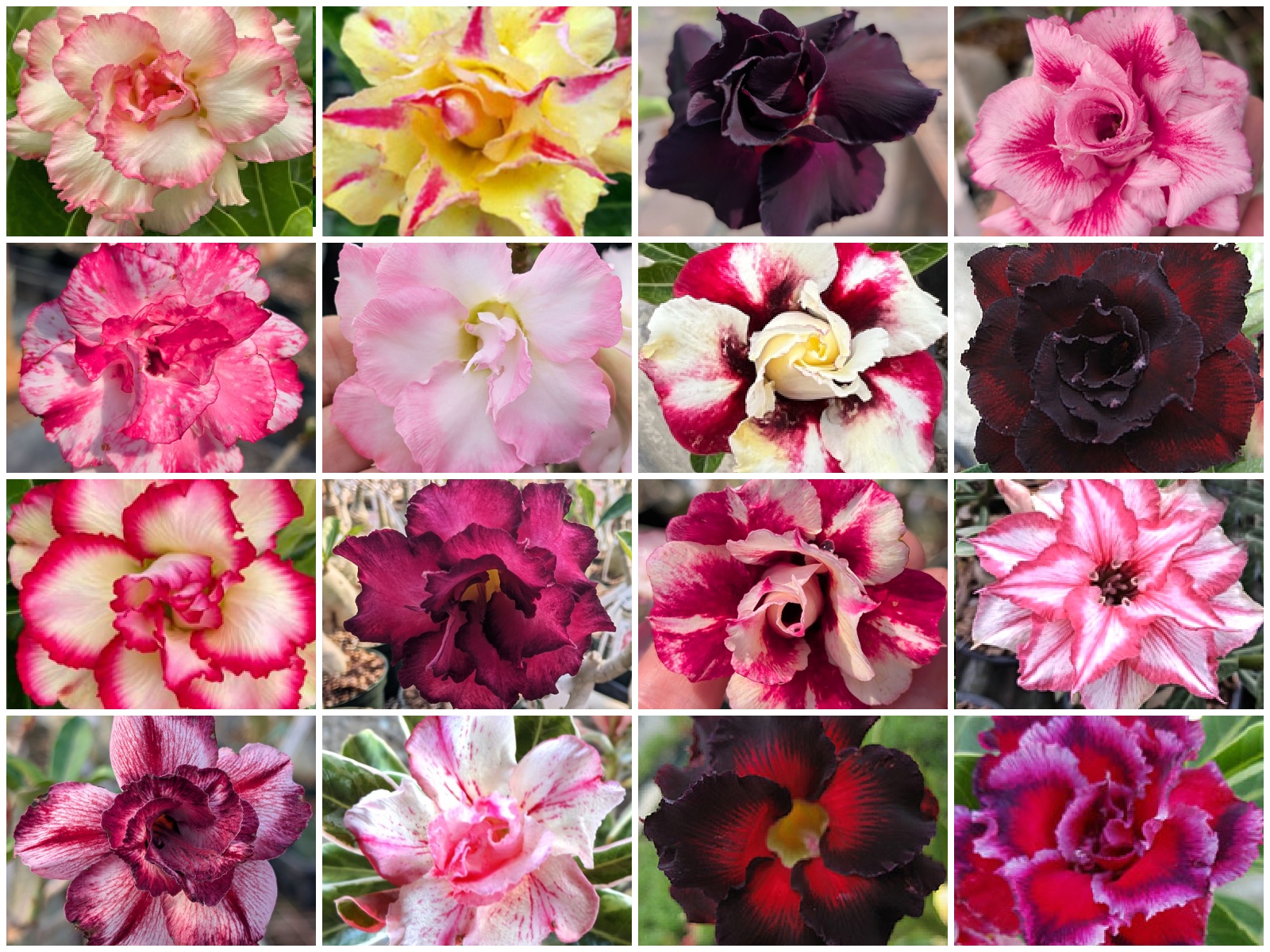
Form unique, sculptural caudex shapes
Decorative even when not in bloom
Produce stunning, long-lasting flowers
Often blooming in a few months
🌸 Adenium Care
Basics
Adeniums have many spectacular hybrids, and their basic culture is closer to
orchids than to typical houseplants.
The key is a small pot, excellent drainage, bright light, and careful
watering.
Adenium Plant Facts
Botanical name: Adenium sp. Also known as: Adenium, Desert Rose, Impala Lily
USDA Zone: 9 - 10
Highligths
Pot and Soil
Use a small pot sized to the root system.
Excellent drainage is required.
Use a very well-drained mix. We recommend specially formulated for
Adeniums Desert
Rose Soilless Mix
Light and Blooming
Give lots of light for heavy flowering.
In warm conditions and longer days, most hybrids and species begin
blooming in spring.
In warmer climates they can keep blooming through fall and winter.
Watering (Most Important)
Adeniums dislike both extremes: over-watering and drying out too
often.
Use neutral to hard water when possible.
Acidic water can sour the mix quickly and may cause root rot.
Water in the early morning so the plant can drink through the day.
Watering frequency can range from daily to every few days, depending on
heat, light, and how fast the mix dries.
Never let the pot sit in a saucer of water.
Do not let the plant dry out too often, or it may go into early
dormancy.
Do not wet the leaves.
Fertilizer (Caudex + Flowers)
To build a large swollen base/trunk (caudex), use a good quality
fertilizer.
A fertilizer that helps trunk swelling also supports flowering. The best
choice for this is Sunshine
Megaflor.
Avoid fertilizers that are too high in nitrogen; choose a formula where
the middle number is the highest.
Never apply fertilizer directly on roots.
Do not liquid feed a thirsty plant.
Always water lightly first, then feed, to avoid root burn and leaf
drop.
The Caudex "Secret" (Shaping the Base)
At each repotting, lift the plant slightly so the upper roots are a
little exposed.
This encourages new roots to grow downward and helps create a thicker,
more interesting caudex shape.
Multi-Grafted Plants (Important Note)
Adenium hybrids can be multi-grafted with several colors/varieties on
the same plant.
The swollen base forms only when the rootstock plant is grown from
seed.
✍️ Adenium
FAQ
How much light do Adeniums need?
Adeniums need lots of light for heavy flowering. Most hybrids and species
start blooming when conditions are warm and days get longer, and in
warmer climates they can keep blooming through fall and winter.
What is the best pot size for Adeniums?
Use a small pot sized to the root system, with excellent drainage. A small
pot with excellent drainage is a must.
What kind of soil mix should I use?
Use only a well-drained mix. Adeniums do best in very well-drained soil. A
small pot plus excellent drainage is the foundation of success.
How often should I water Adeniums?
Adeniums do not like both over-watering and drying-out too often. Water
preferably in the early morning and do not water again until the mix dries
on the surface. Watering can range from daily to every few days depending on
heat, light, and how fast the mix dries.
Can Adeniums sit in a saucer of water?
No. Never allow your Adenium to sit in a saucer of water.
Should I wet the leaves when watering?
No. Do not wet the leaves.
What kind of water do Adeniums prefer?
Adeniums prefer neutral to hard water. Acidic water tends to sour the soil
too fast and may cause root rot.
How do I create a large, swollen caudex?
At each repotting, lift the plant slightly so the upper parts of the roots
are a little exposed. This encourages the plant to form more roots that grow
downward and helps create a thicker, more interesting caudex.
What fertilizer should I use for caudex growth and blooms?
Use a good quality fertilizer to support both trunk swelling and flowering.
Avoid formulas that are too high in nitrogen; the middle number should be
the highest. Never apply fertilizer directly on roots, and do not liquid
feed when the plant is thirsty. Water lightly first, then feed, to avoid
root burn and leaf drop.
Can an Adenium have multiple flower colors on one plant?
Yes. Adenium hybrids can be multi-grafted with several colors or varieties
on the same plant. Note that the swollen base forms only when the rootstock
plant is grown from seed.
🌷 Why Turmeric was named the 2026 Herb of the Year
🌷 Turmeric was named the 2026 Herb of the Year by the International Herb Association, and it is easy to see why gardeners are paying attention. This tropical plant from the ginger family is best known for its bright orange underground rhizomes, used for centuries as a spice, natural dye, and traditional remedy.
🌷Native to India, Turmeric (Curcuma longa) is closely related to Ginger and Cardamom. Its rhizomes are a staple in curry and widely used in Asian, African, and Caribbean cuisines. In recent years, turmeric has also gained attention for potential anti-inflammatory properties.
Spice Turmeric Plant Facts
Botanical name: Curcuma longa Also known as: Spice Turmeric, Longevity Spice, Indian Saffron, Tumeric
USDA Zone: 8 - 11
Highligths
🌷 Herb, spice or flower?
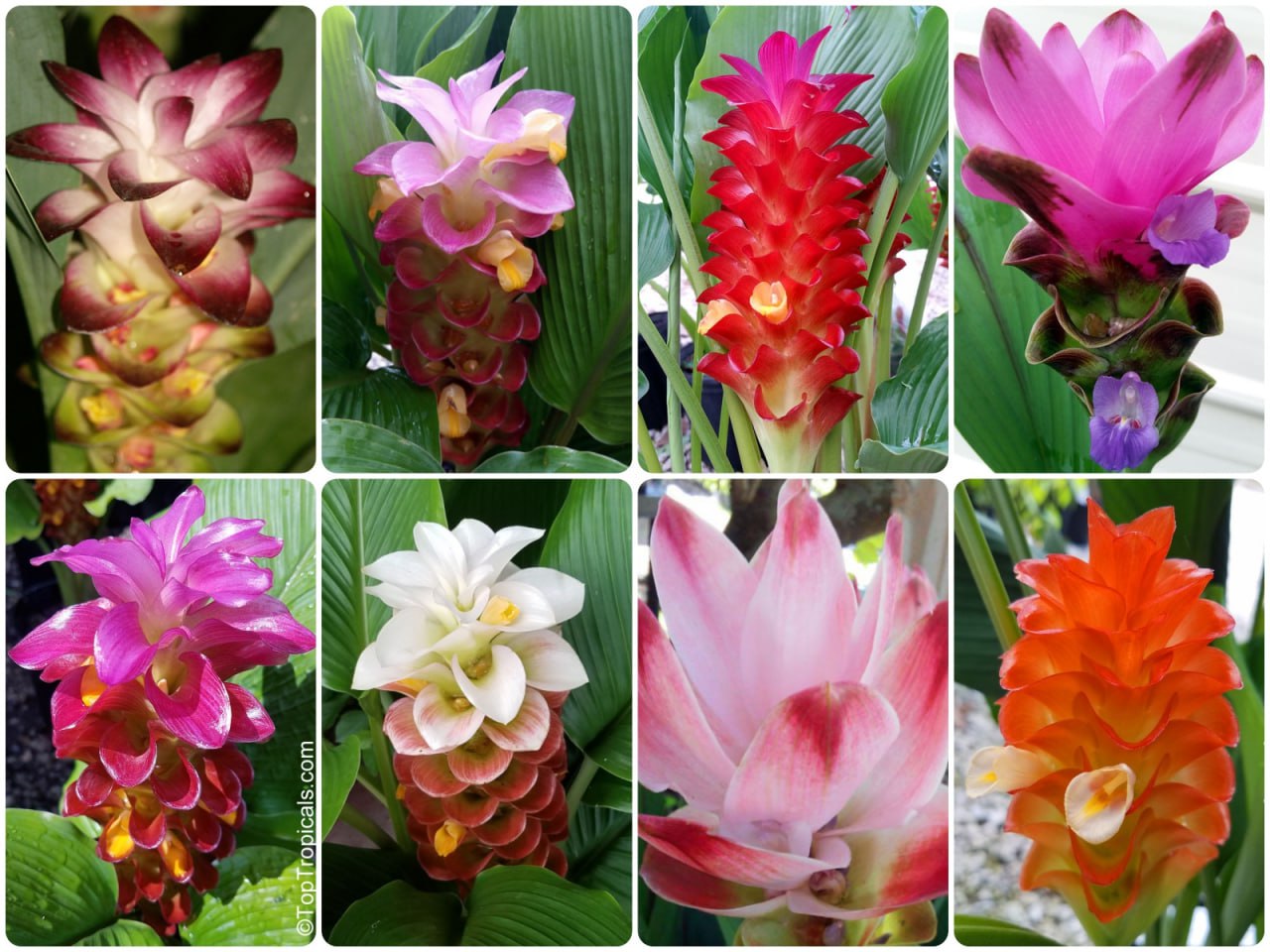
• Botanically, turmeric is a spice, since it comes from the plant’s rhizomes rather than its leaves. In the kitchen, however, it often functions like an herb. Fresh turmeric can replace powdered turmeric in most recipes and delivers brighter flavor and color. • Beyond edible Turmeric, there are many Curcuma hybrids grown purely for ornament. These selections produce striking, long-lasting flower spikes in shades of pink, white, orange, red, and purple, rising above lush tropical foliage. Ornamental curcumas are popular as patio plants and indoor accents, adding dramatic color and texture even where they are grown strictly in containers.
🌷 Growing turmeric anywhere - even in cool climates
Although Turmeric is a tropical perennial, it grows very well in containers, making it suitable for gardeners everywhere. When grown in pots, turmeric is treated as a warm-season plant that can be moved indoors as temperatures cool.
🌷 How to grow Turmeric
Turmeric is a compact, but bold plant, reaching 3-4 feet tall and wide, so it needs a roomy container. It prefers:
The plant produces flowers that do not set seed, so turmeric is grown entirely from rhizomes.
🌷 Harvesting and using Turmeric
As the season ends, turmeric naturally goes dormant and the leaves yellow and dry. This signals harvest time. Dig the rhizomes, clean them, and dry them in a cool, shaded place.
Rhizomes can be: • Boiled, dried, and ground into powder • Frozen whole and grated as needed • Pickled for long-term storage
Some healthy rhizomes can also be saved and replanted the following season, making turmeric both productive and renewable.
Compact, bold, and useful, turmeric proves that tropical plants can thrive well beyond the tropics - especially when grown in pots.