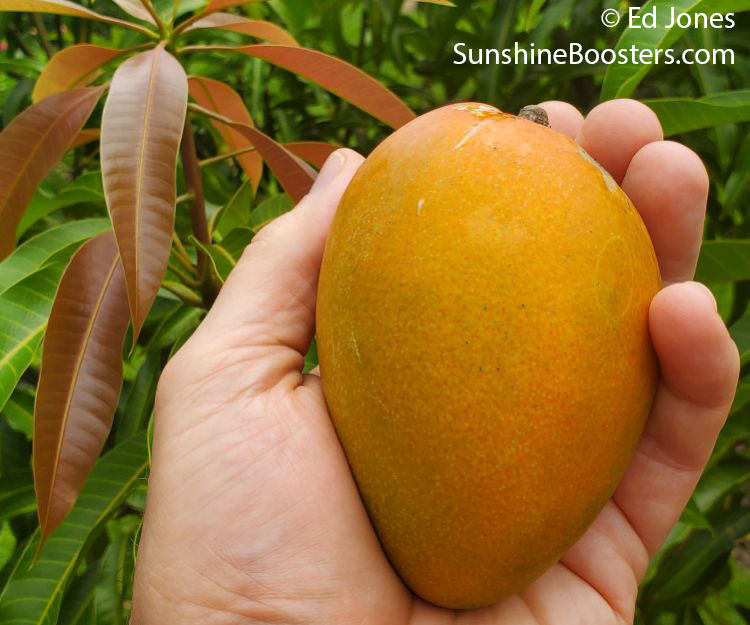
Today we are introducing a new column - Mango Talk! Everybody loves Mango
- the most delicious fruit in the world. Fruit experts like to talk about
varieties, how to grow a Mango tree better, and the fruit bigger and sweeter.
And beginners want to know more! What variety to get? How to take care of it?
How to get more fruit sooner than later?
This easy-read blog from Ed Jones is about the first steps - what to do
when you get your first Mango tree...
In our future publications, you will hear from Mango experts and have a
tour on Mango varieties...
Fertilize your Mango trees
By Ed Jones, the Booster Guy
Ok, you finally did it. You bought your first mango tree. Now what?
Well, you have to love it and feed it and trim it and love it some more. But
today, lets talk about how to fertilize your mango tree.
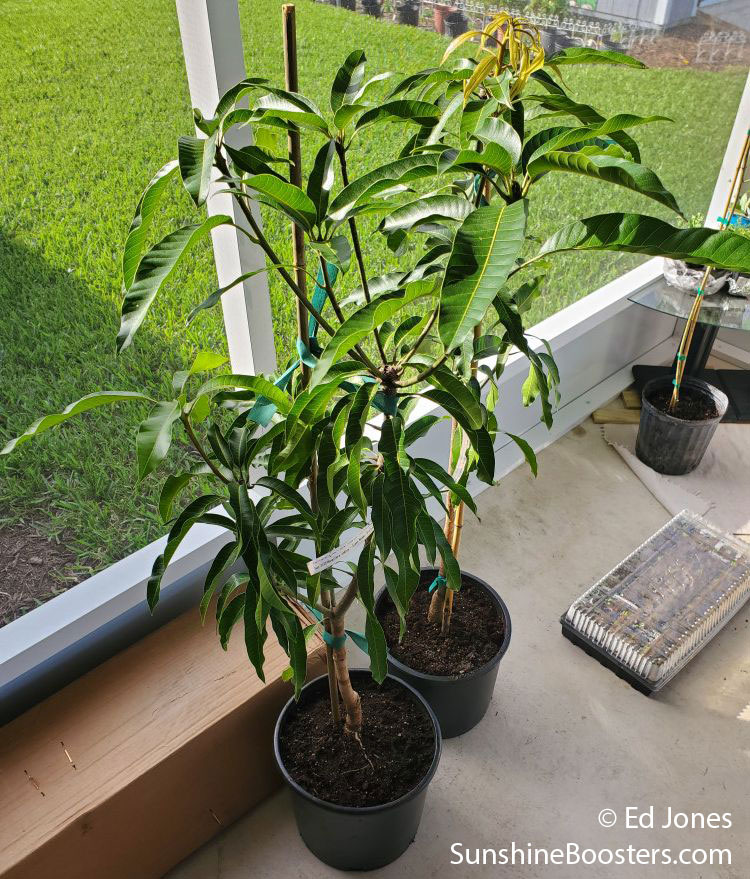
The photo above shows some very small grafted mango trees. This is probably
how yours will look when you bring them home or have them delivered....
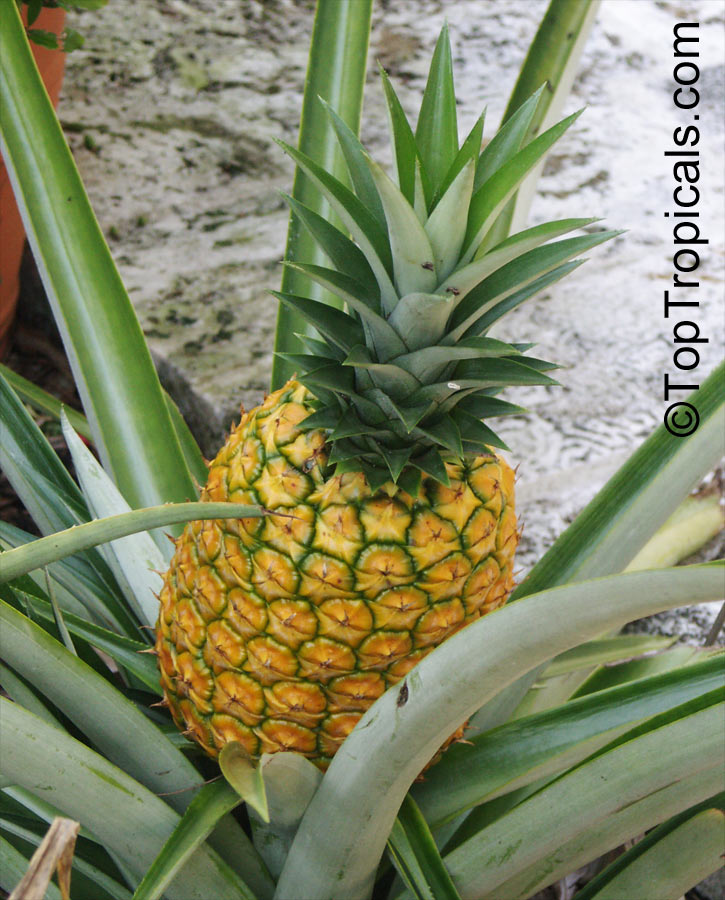
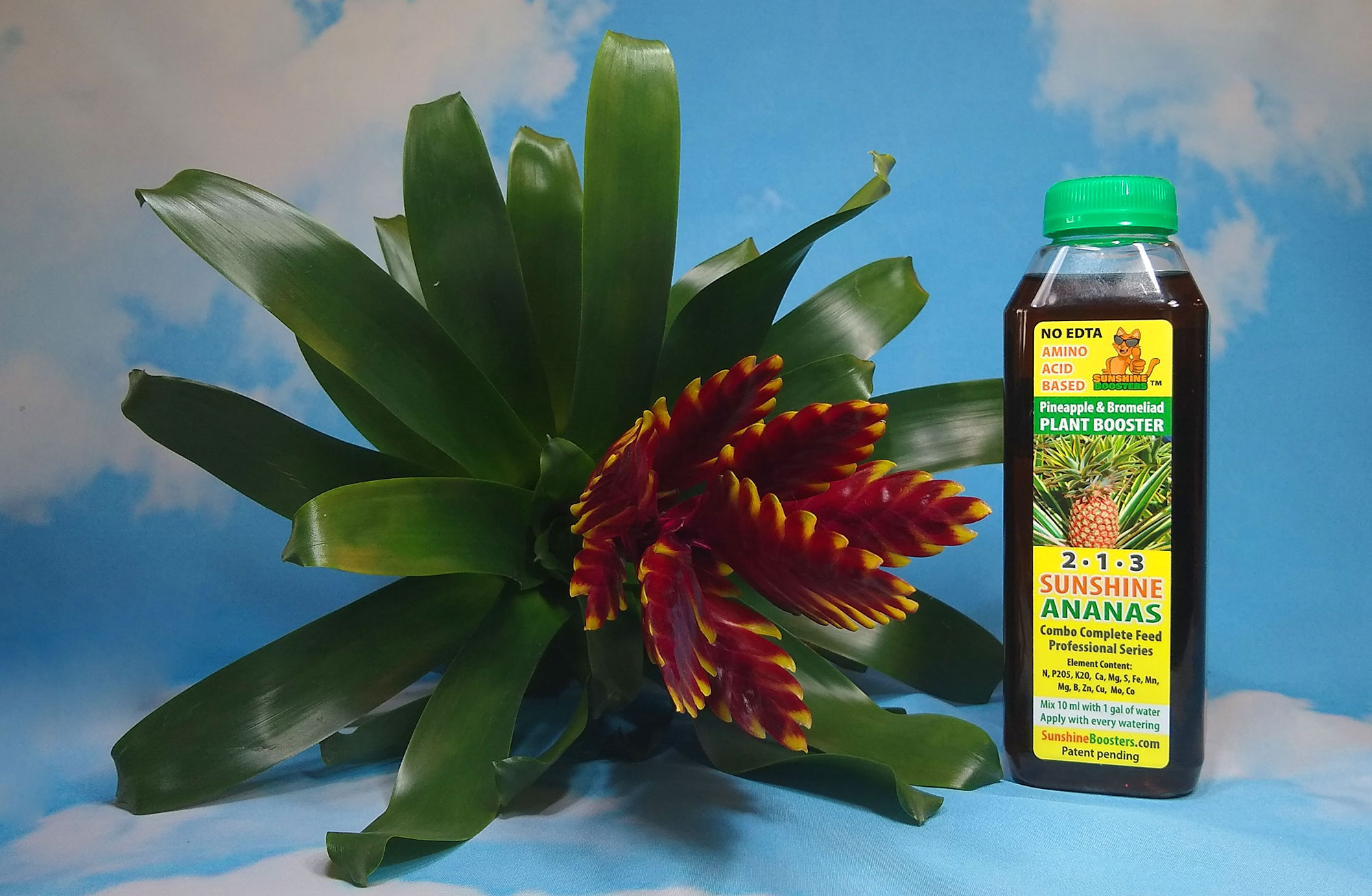
Pineapple season is here and people often ask, "how do you get them to grow?" Well, the answer is simple really. One method involves cutting the top off a pineapple, prepping it and then planting it. You can find several different ways to do this with a short Google search. Of course the easiest way is to purchase plants that have already been started. You can do that here...
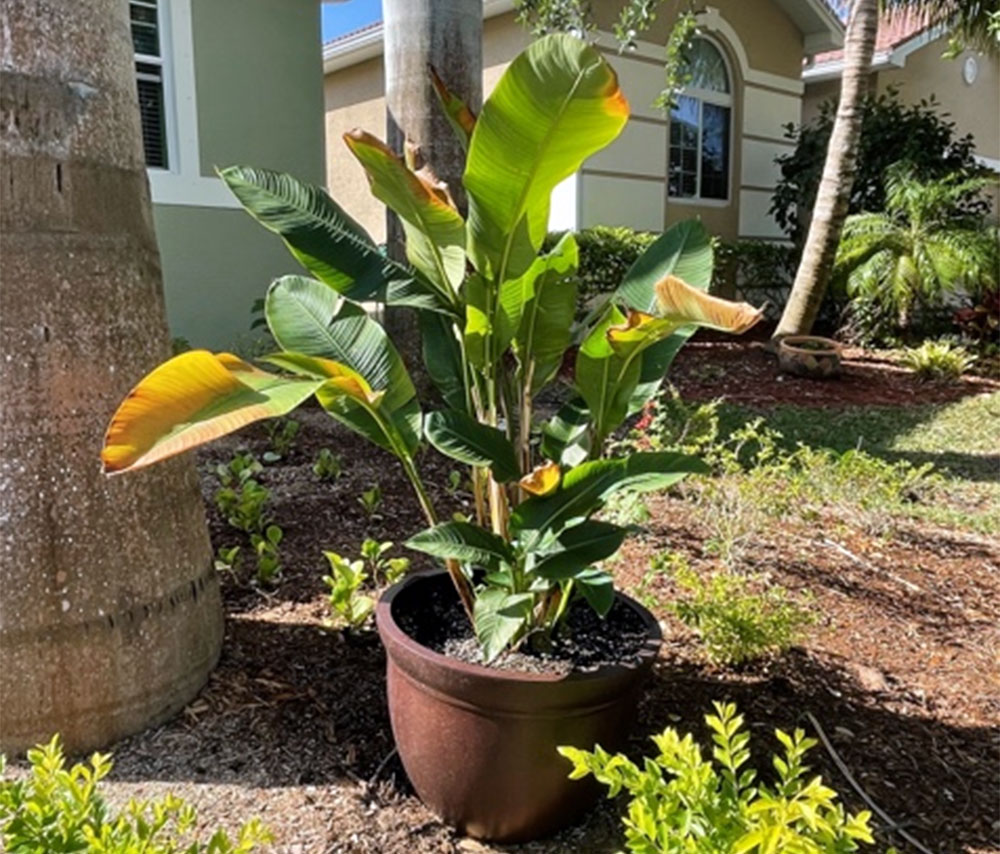
Q: I purchased a heliconia from you a couple months ago. The new
growth seems to be doing fairly well, however some of the larger leaves are
discoloring around the edges then drying up. It's potted in a large pot with potting soil with 3 holes in the bottom to help with drainage in partial sun under a Royal Palm facing northwest. I'm here in Ft Myers. I was previously watering it every other day with your rapid growth fertilizer 1 tbsp per gallon but I have cut that back to once or twice a week. Please let me know your thoughts.
A:Heliconias and Gingers tend to develop dry leaves if grown in pots,
especially ceramic or clay pots, because soil in such pots dries out too fast.
These dry leaves are not caused by fertilizer, and you can see lots of new
healthy green growth. The plant overall seem to be healthy. Continue fertilizing
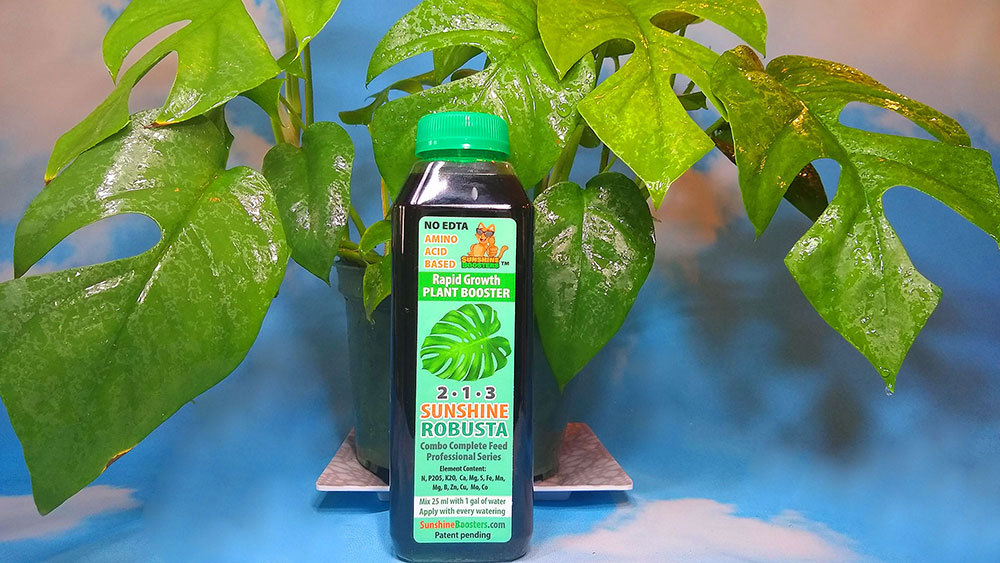
it with liquid Sunshine Robusta that is great for all wide-leaf tropical species,
promotes green, lush foliage, and do not use any additional dry fertilizers!
Another suggestion, try to move the plant in more shady spot. Right now it
sits in pretty bright light, this may be OK for established plants in the
ground, but potted heliconias are very sensitive to hot sun. They get leaf burn
easily.
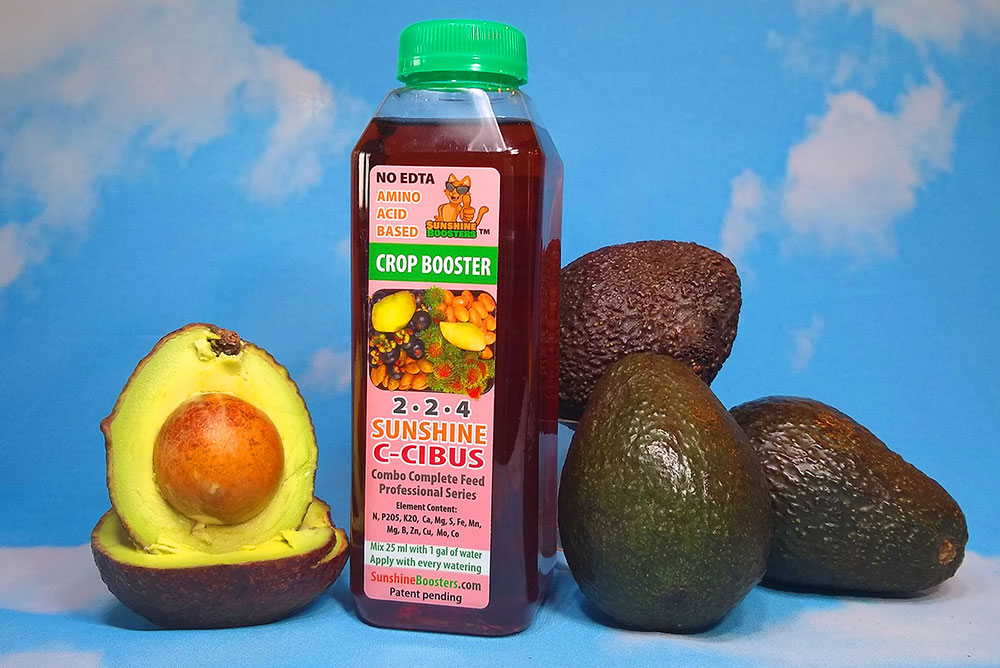
Q: I have 5 avocados. Three of your cold hardy varieties and two
others that have all flowered and set fruit in the past. The last two years
including this year, not a single one of them has put out any flowers. I am
getting lots of new growth like one would expect on a tree too young to flower.
The last two years have been very mild with out any damaging frost where in
previous years they lost all their leaves due to frost yet started putting
out flowers once winter was over. I am confused because they have all flowered
and set fruit previous years. Any ideas would be appreciated.
A: From information you provided, and considering the trees get
lots of full sun and cold was not an issue, the only explanation is - lack of
nutrients. Here is an example.
Very common situation: you get a small 2-3 ft Avocado or Mango tree in 3
gal pot (or even smaller) from a nursery, full of flowers, and sometimes even a
small fruit. You bring it home, plant it in the ground or a bigger pot, it
looks happy and grows like crazy. Then next year - oops, no fruit, sometimes
not even flowers. What happened?
When the tree lived in a nursery, it was provided with all necessary
nutrients through the injector systems (continuous feed); or some nurseries may use
top dress smart release on regular schedule. Regardless of fertilizer type,
professional grower's set up delivers plant food non-stop, on regular basis, with balanced formulas. Plants are not only growing fast but also ready to produce, since nutrients are always available for a full growth cycle.
When you plant a tree in the ground (or larger pot), conditions change.
They may be beneficial for the plant: lots of room for roots to establish, hence
lots of vegetative growth. Even if you planted it using good quality fertile
soil, this soil may contain mostly nutrients responsible for vegetative
growth (branches and leaves). Chances are, your soil may be rich in Nitrogen
(good for green growth), but poor in other elements responsible for flowering and
fruiting (Phosphorous, Potassium, and many important micro-elements such as
Molybdenum, Boron, Iron, etc.). Besides, existing soil gets exhausted
quickly, and within a year a two, if you don't add fertilizer, flowering and fruiting may be reduced or even stopped.
This is why fertilizing program is very important for fruit trees that are expected to bring a crop soon.
Also keep in mind that some fruit trees have a habit of "skipping" a year and may either produce less or not produce at all every other year. In any case, balanced nutrition program can help to fix this "bad habit".
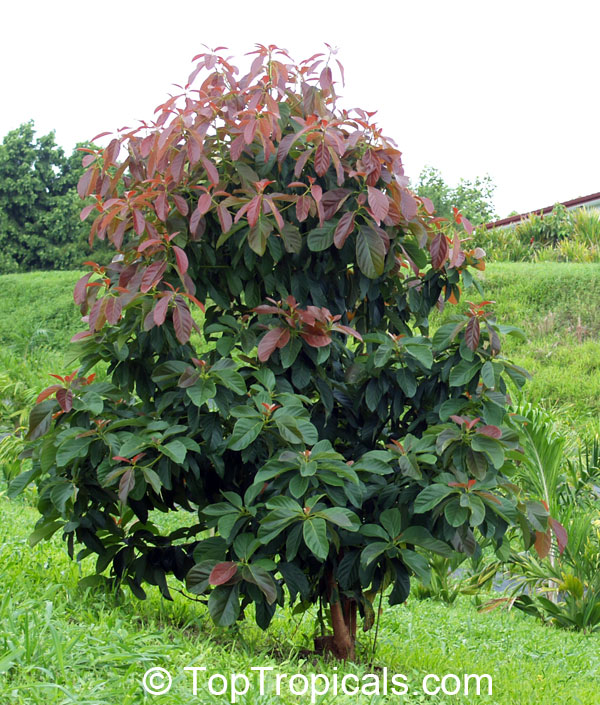
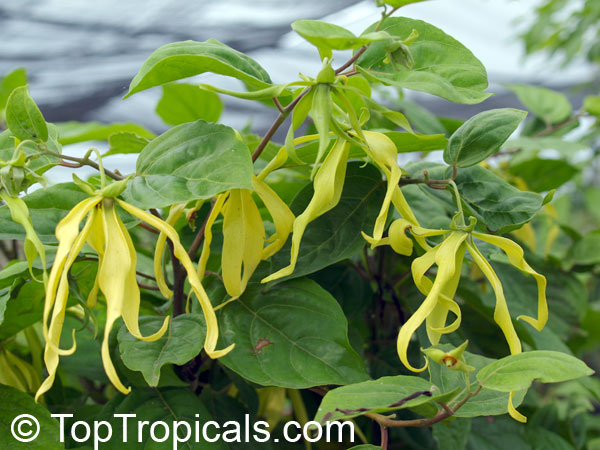
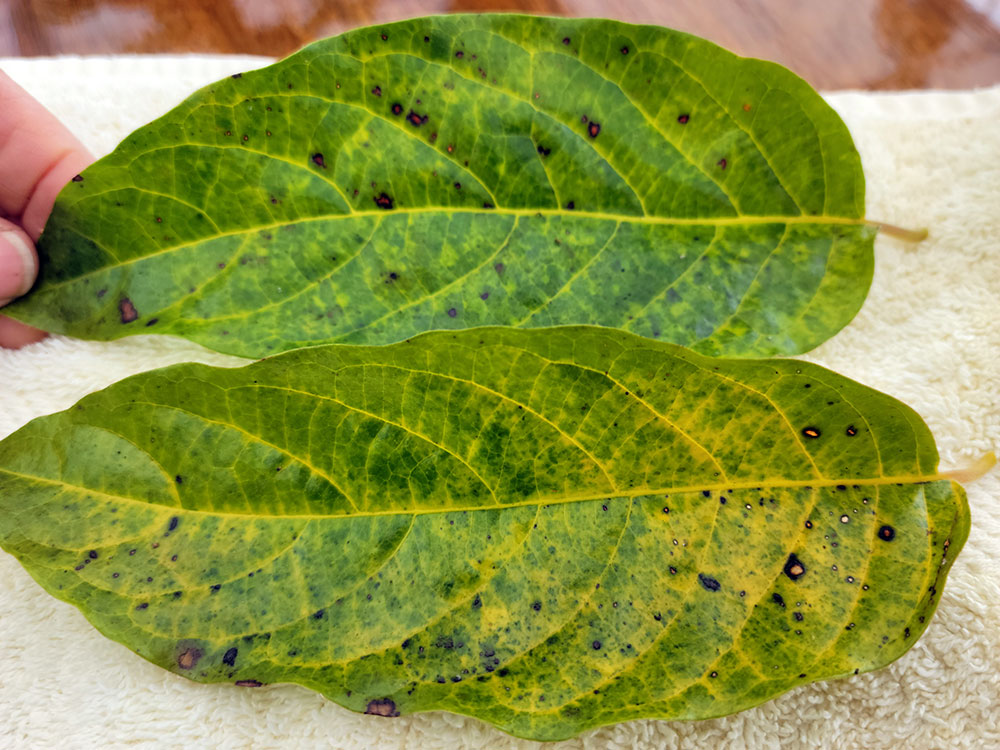
Q: Hi, I purchased ylang ylang tree a couple of years ago. It's grown quite well in my Greenhouse but I'm having some trouble figuring out if I'm watering it too much not enough or if it has an insect. Can you please take a look at my photos and maybe give me a suggestion of what my problem might be?
A: It is normal for Ylang Ylang tree to get dark spots during
winter time. Sometimes Cananga gets whole branches darkened (especially dwarf variety fruiticosa), some may even fall off. But they will be replaced
with new growth in Spring-Summer. There is nothing wrong with your plant, it is
just a reaction to cold and short day light when you keep this plant indoors. These leaves eventually will fall
off as the weather warms up, and will be replaced with a new fresh green growth.
Luckily, Cananga is not susceptible to insects and diseases, but its leaves
can look unattractive in winter.
Make sure to keep watering at minimum until temperatures raise to 80's.
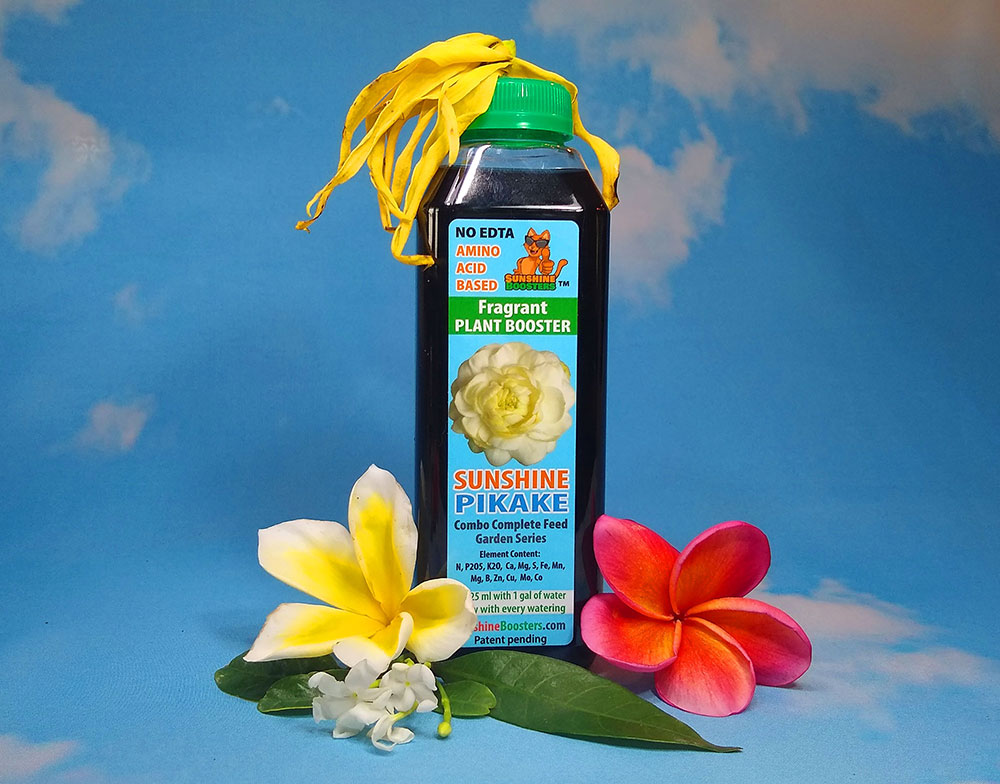
Start fertilizing as soon as new growth appears. We recommend SUNSHINE Pikake
- Fragrant Flower Booster, an ultimate fertilizer for fragrant plants.