Garden Blog - Top Tropicals

Date: 18 Dec 2025

How to have fruit year around from Everbearing Mulberry

🍇 How to have fruit year around from Everbearing Mulberry


📱

💗 Dwarf Everbearing and Dwarf Issai - Compact, container-friendly varieties perfect for small spaces. These dwarf trees (6-10 ft tall) are disease and drought resistant, with multiple crops year-round, even from the first year! Ideal for patios and small yards..

🛒 Plant hardy Mulberry year around

📚 Learn more:

Plant Facts

Broussonetia papyrifera, Morus papyrifera
Paper Mulberry
USDA Zone: 9-11
Large shrub 5-10 ft tallSemi-shadeModerate waterRed, crimson, vinous flowersOrnamental foliageSubtropical plant. Mature plant cold hardy at least to 30s F for a short time
  • · Mulberry trees in Plant Encyclopedia
  • · What are the best Mulberry varieties
  • · Top 10 fast-fruiting trees: #7. Mulberry
  • · How Mulberry fruit helps with diabetes

  • #Food_Forest

    🟢 Join 👉 TopTropicals

    Date: 11 Jan 2026

    Did you know why its an Akee time, too?

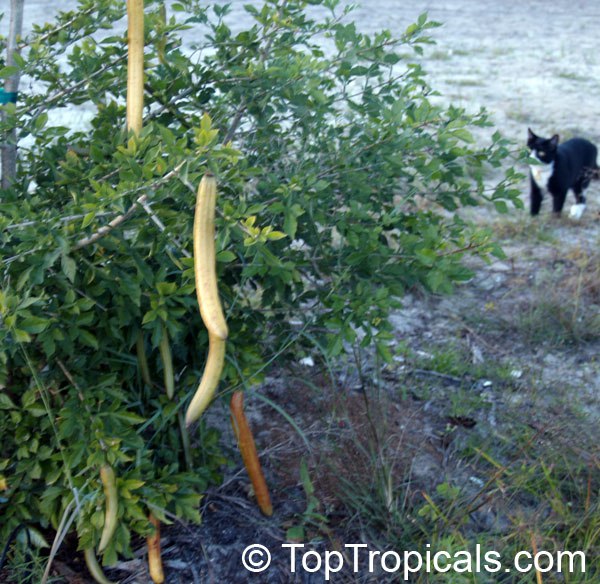
    Cat Bob with his Ackee fruit (Blighia sapida)

    Cat Bob with his Ackee fruit (Blighia sapida)

    🍊 Did you know why it's an Akee time, too?


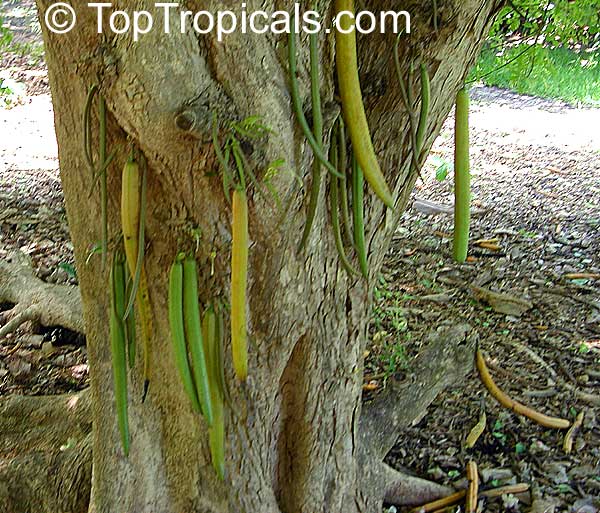
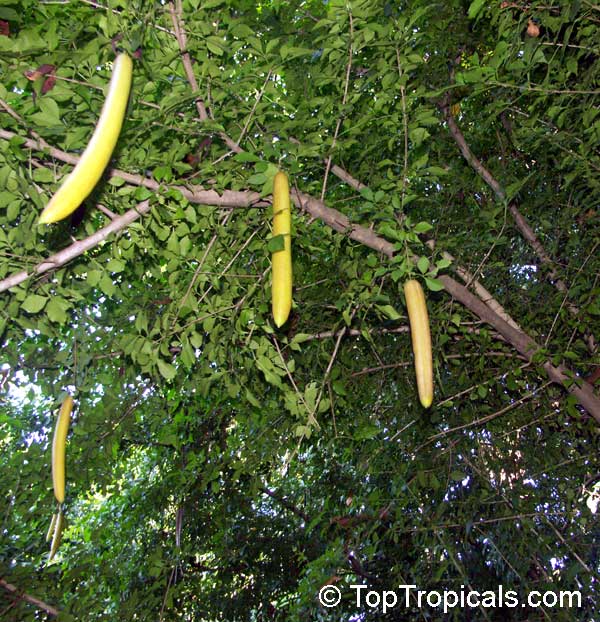
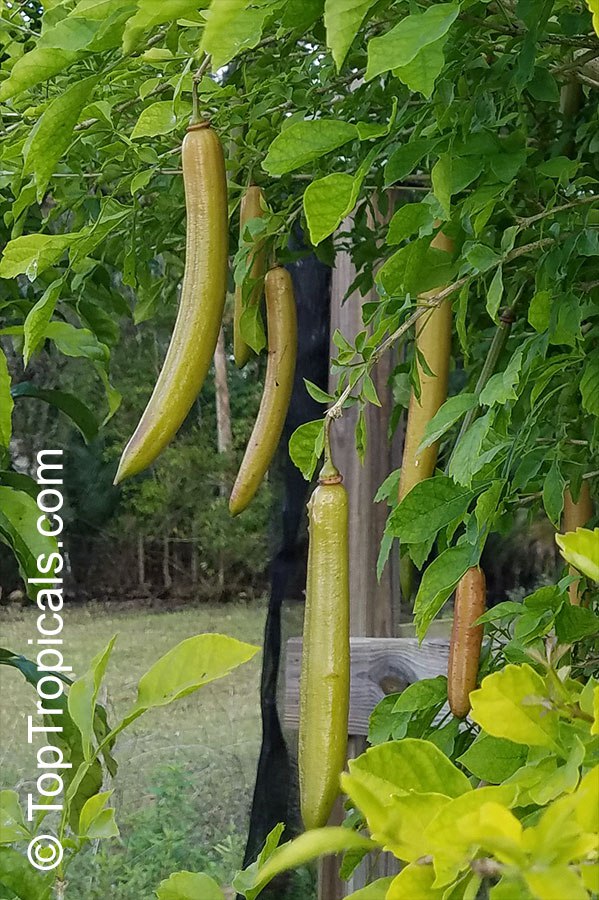
    Akee (Ackee) starts fruiting late Summer through Fall, but we still have some fruit on the trees through the Winter!

    🐈📸 Cat Bob with his Ackee fruit at TopTropicals PeopleCats.Garden

    #PeopleCats

    🟢 Join 👉 TopTropicals

    Date: 19 Jan 2026

    You dont need to buy Gin any more!

    Gin Berry, Glycosmis pentaphylla, Orangeberry, Limonia

    🍸 You don't need to buy Gin any more!
    • 🍸Guess what is this fruit that tastes like Gin - it's Gin Berry, Glycosmis pentaphylla. It's also called Orangeberry, or Limonia, and is one of those plants that surprises people the moment they touch it. Crush a leaf or rub one of the ripe berries, and the scent is unmistakable - fresh, citrusy, pure gin! Just add tonic.
    • 🍸 Why the berries smell like gin?


      The leaves and berries are packed with aromatic oils rich in citrus terpenes, similar to compounds found in juniper and citrus peel. That shared chemistry is what creates the gin-like fragrance. It smells clean, sharp, and refreshing - more aroma than sweetness.
    • 🍸 A lesser-known citrus cousin


      Gin Berry belongs to the Rutaceae family, the same plant family as oranges, lemons, limes, and Curry leaf. You can see it in the glossy leaves and smell it in the oils, but the growth habit is different. Instead of becoming a tree, Gin Berry stays a compact, evergreen shrub.
    • 🍸 Edible, but fragrance-forward


      The small berries are edible and lightly sweet-tart, though most people notice the aroma before the flavor. In parts of South and Southeast Asia, the fruit is eaten fresh, added to chutneys, or used to scent drinks and infusions. It is subtle and aromatic rather than juicy.
    • 🍸 Traditional uses and health benefits


    🔸Gin Berry has a long history in folk medicine, especially in in Hindu medicine.
    • 🔸Leaves used in teas for digestion and fevers
    • 🔸Roots traditionally used for inflammation and pain
    • 🔸Modern studies note antimicrobial and antioxidant activity


    🍸 Easy garden and container plant

    • 🔸Evergreen shrub with shiny leaves
    • 🔸Naturally compact and easy to prune
    • 🔸Small white flowers with a light fragrance
    • 🔸Clusters of decorative berries
    • 🔸Excellent for pots, patios, and warm climates
    • 🔸Attracts pollinators, and birds enjoy the berries.


    🍸 Why Gin Berry stands out


    Gin Berry sits right between ornamental and edible. It has the citrus-family fragrance people love, stays manageable in size, and offers a unique sensory experience that most gardeners have never seen - or smelled - before.

    🛒 Add Gin Berry to your rare fruit collection

    #Food_Forest #Fun_facts #Remedies

    🟢 Join 👉 TopTropicals

    Date: 4 Feb 2026

    Top nine plants of love, desire, and the senses: aphrodisiacs and sensory connections

    Cinnamon (Cinnamomum zeylanicum)

    Cinnamon (Cinnamomum zeylanicum)

    Coffee - Coffea arabica

    Coffee - Coffea arabica

    Fig tree fruit (Ficus carica)

    Fig tree fruit (Ficus carica)

    Patchouli - Pogostemon cablin

    Patchouli - Pogostemon cablin

    Pomegranate (Punica granatum)

    Pomegranate (Punica granatum)

    Cacao - Chocolate Tree (Theobroma cacao)

    Cacao - Chocolate Tree (Theobroma cacao)

    💖 Top nine plants of love, desire, and the senses: aphrodisiacs and sensory connections


    Across cultures, love has also been expressed through taste, scent, warmth, and shared ritual. These tropical plants were valued not just for beauty, but for how they awaken the body and deepen connection.
    • 💘 1. Cacao


      Cacao - Chocolate Tree (Theobroma cacao) - has one of the strongest global associations with love. Revered by the Aztecs as a “food of the gods”, it was consumed to increase desire and emotional bonding. Chocolate contains compounds linked to feelings of pleasure and infatuation, making cacao a natural Valentine symbol.

    👉 Chocolate Tree gift
    • 💘 2. Vanilla Orchid


      Vanilla (Vanilla planifolia) is both an orchid and one of the most sensual plant aromas known. Historically paired with cacao in love remedies, vanilla represents intimacy, warmth, and attraction. Its fragrance alone carries powerful emotional associations.

    👉 Vanilla orchid gift
    • 💘 3. Ginger


      Ginger symbolizes heat, vitality, and passion. Used worldwide to stimulate circulation and warm the body, it represents spark, chemistry, and physical energy.

    👉 Ginger gift
    • 💘 4. Cinnamon


      Cinnamon (Cinnamomum zeylanicum) has long been associated with attraction and stimulation. Its warm, lingering aroma makes it a classic plant of desire, comfort, and emotional warmth.

    👉 Cinnamon gift
    • 💘 5. Pomegranate


      Pomegranate (Punica granatum) has long symbolized love, fertility, and union, with its many ruby-red seeds representing abundance and deep connection. In ancient traditions, it was linked to goddesses of love and marriage and remains a symbol of passion balanced by continuity and commitment.

    👉 Pomegranate gift
    • 💘 6. Coffee


      Coffee (Coffea arabica) represents connection through shared ritual. Sacred to African Sufis for its stimulating properties, coffee symbolizes conversation, alertness, and social bonding rather than purely romantic love.

    👉 Coffee tree gift
    • 💘 7. Fig Tree


      Figs (Ficus carica) have ancient associations with fertility, sensuality, and indulgence. Their voluptuous form, sweet flesh, and rich texture made them symbols of desire and abundance in many cultures.

    👉 Fig tree gift
    • 💘 8. Betel Leaf and Betel Nut


      Betel Leaf (Piper betle) is a powerful symbol of love, respect, and partnership across South and Southeast Asia. It is exchanged in courtship, weddings, and ceremonies, representing acceptance and shared experience. Its heart-shaped leaves reinforce its Valentine symbolism.
      Betel nut (Areca catechu) - traditionally used as a stimulant and aphrodisiac, betel nut represents intensity, ritual, and sensory awakening. In this context, it is best presented as a cultural symbol rather than a casual love plant.

    👉 Betel gift

    💘 9. Patchouli


    Patchouli (Pogostemon cablin) represents deep attraction and emotional grounding. Its earthy, musky scent has long been associated with intimacy and physical presence. Unlike sweet florals, patchouli symbolizes mature, rooted love that lingers.

    🛒 Explore gift plants
    🎁 Get a Gift Card

    📚 Learn more:


    🎥 Secret Sex Life of Vanilla Orchid: how to produce your own vanilla

    #Shade_Garden #Container_Garden

    🟢 Join 👉 TopTropicals

    Date: 31 Jan 2026

    Pitomba pop cups: quick-n-fun exotic recipes

    Frozen pitomba pops with mint

    Frozen pitomba pops with mint

    Eugenia luschnathiana - Pitomba

    Eugenia luschnathiana - Pitomba

    🍴 Pitomba pop cups: quick-n-fun exotic recipes


    Pitomba Pop Cups

    Ingredients

    • 1 cup pitomba pulp
    • 1 teaspoon honey
    • 1 tablespoon water
    • Fresh mint leaves (optional)

    Instructions

    1. Scoop pitomba pulp into a small bowl.
    2. Mix with honey and a little water to soften the texture.
    3. Spoon the mixture into small cups or molds.
    4. Freeze until icy-soft.
    5. Serve topped with fresh mint for a refreshing tropical snack.


    🌿 About the plant:


    Pitomba (Eugenia luschnathiana) is a tropical fruit native to Brazil, prized for its bright, citrusy pulp with a sweet-sour kick. The flavor is often compared to a mix of apricot, citrus, and mild resin, making it refreshing and snack-worthy straight from the fruit.

    🌱 In the garden:


    Pitomba grows as a small to medium-sized slow growing tree with glossy evergreen leaves. It thrives in warm climates, prefers full sun to light shade, suitable for USDA zones 10-11, it can also be grown in large containers and responds well to pruning, making it manageable for home gardens.

    🛒 Plant exotic Pitomba cherry in your garden

    📚 Learn more:

    Plant Facts

    Eugenia luschnathiana, Phyllocalyx luschnathianus
    Pitomba
    USDA Zone: 9-11
    Small tree 10-20 ftFull sunModerate waterRegular waterWhite, off-white flowersEdible plant

    Eugenia luschnathiana - Pitomba - in Plant Encyclopedia

    #Food_Forest #Recipes

    🟢 Join 👉 TopTropicals