Garden Blog - Top Tropicals

Date: 15 Jul 2024

Five most useful edibles for your Food Forest
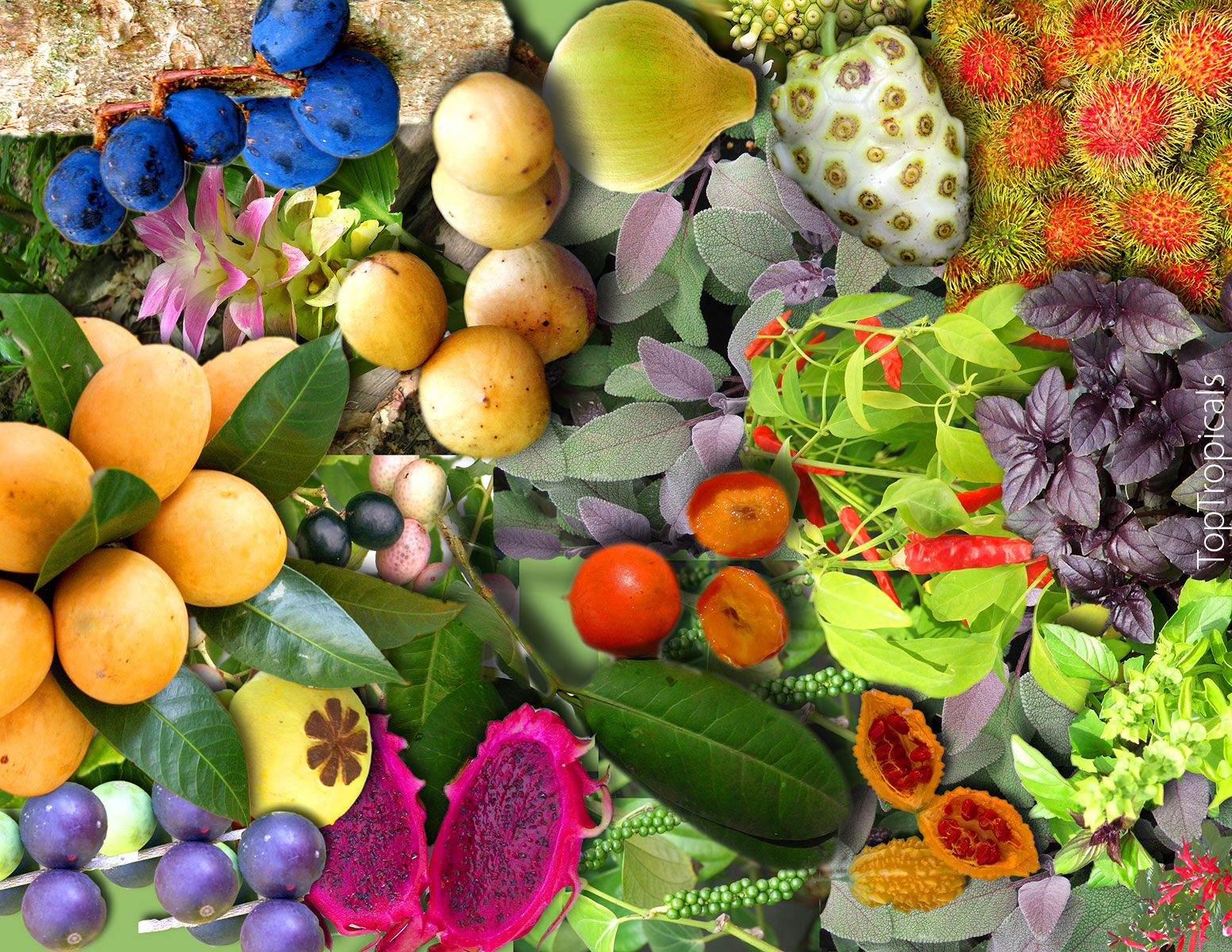
Tropical  Food  Forest  collage

Tired of mowing a boring lawn? Use your yard instead of being used by your yard - grow edible landscape! Below are several plants that made our life happier and meals healthier. Besides, these are fun to grow! Try them out:
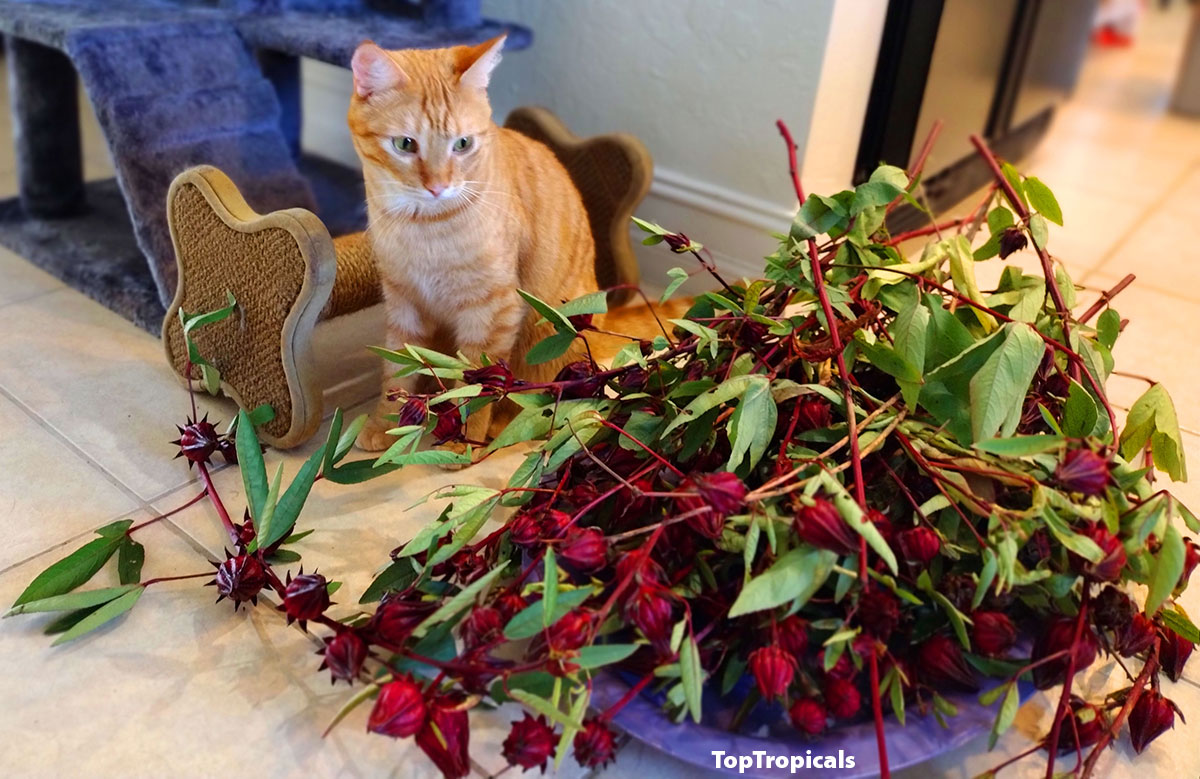
Hibiscus  sabdariffa  -  Flor  de  Jamaica,  Karkade  Sorrel

1. Hibiscus sabdariffa - Flor de Jamaica, Karkade Sorrel - Flowers are used to make a tea "Agua de Flor de Jamaica". Medical studies show that it lowers blood pressure and has diuretic effects. The pleasant flavor is on the tart side similar to a cranberry juice. We make this cold tea every day - perfect for hot summer. Full sun.
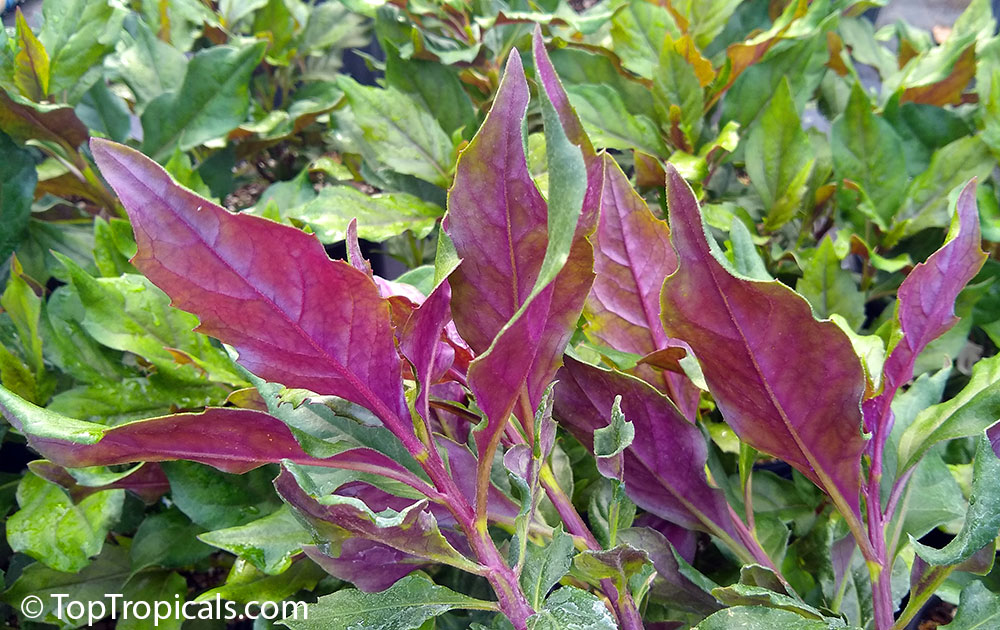
Gynura  procubens  -  Longevity  Spinach,  Cholesterol  spinach

2. Gynura procubens - Longevity Spinach, Cholesterol spinach - one of the Superfoods, and there are many claims that it lowers cholesterol. We use it in our cooking all the time and so far we are all alive! Full sun.
See recipe >>
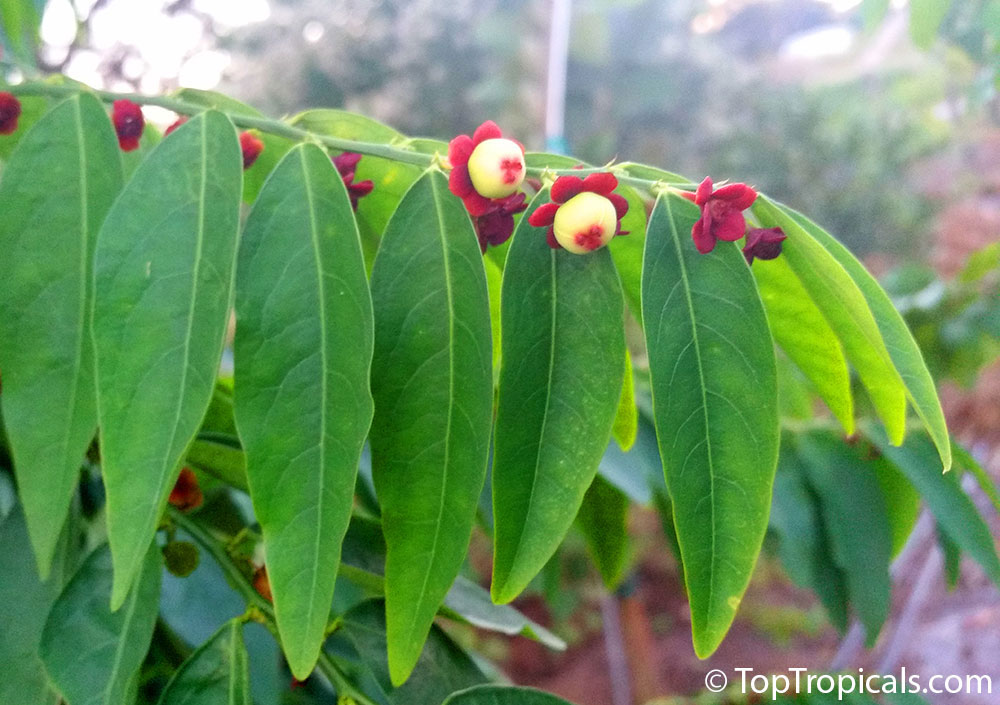
Cymbopogon  citratus  -  Lemon  grass

3. Sauropus androgynus - Katuk, Tropical Asparagus. Delicious young shoots, one of the most popular leaf vegetables in Southeast Asia. In Vietnam, people cook it in stews and soups. It is among only a few flora containing vitamin K. Full sun or semi-shade.
Learn more >>
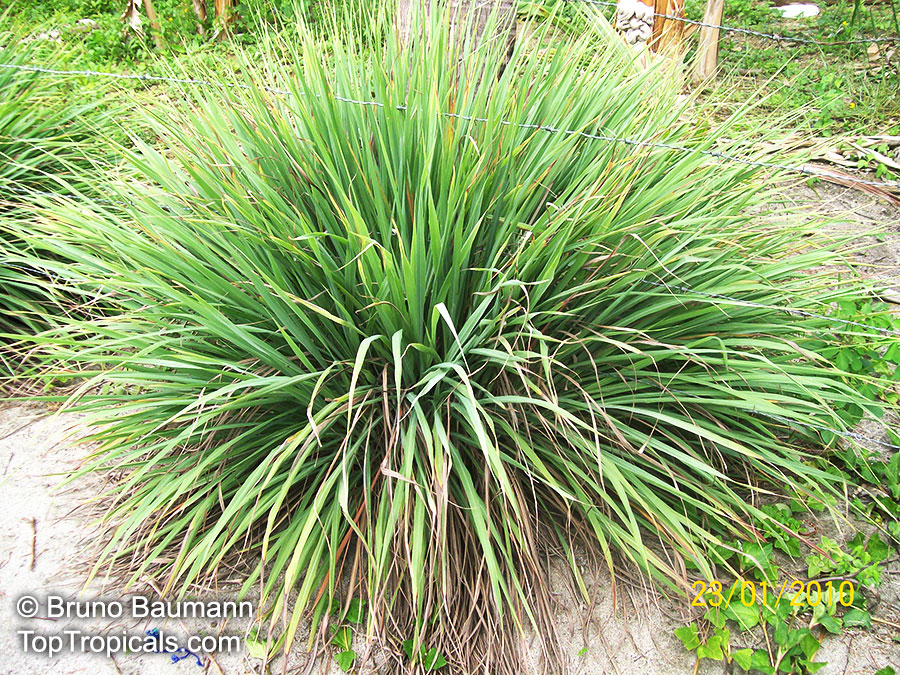
Cymbopogon  citratus  -  Lemon  grass

4. Cymbopogon citratus - Lemon grass: Versatile performer in the kitchen where it can be used in teas, beverages, herbal medicines, Eastern inspired soups and other dishes. Full sun or semi-shade.
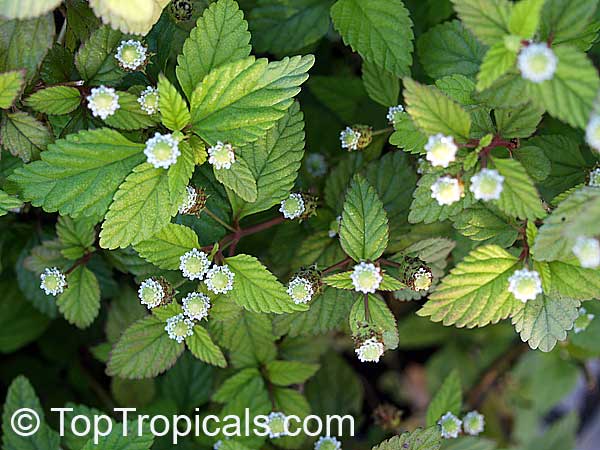
Lippia  dulcis  -  Aztec  Sweet  Herb,  Sweetleaf

5. Lippia dulcis - Aztec Sweet Herb, Sweetleaf: Mexican herb with incredibly sweet leaves that can be eaten from the plant like candy or tossed into fruit salads for an unusual addition. It has been used since the time of the Aztecs for coughs and colds. Tastes great, can be used by diabetic patients. We add this herb to Karkade or Mint tea as a sweetener. Shade or semi-shade.
Date: 7 Aug 2024

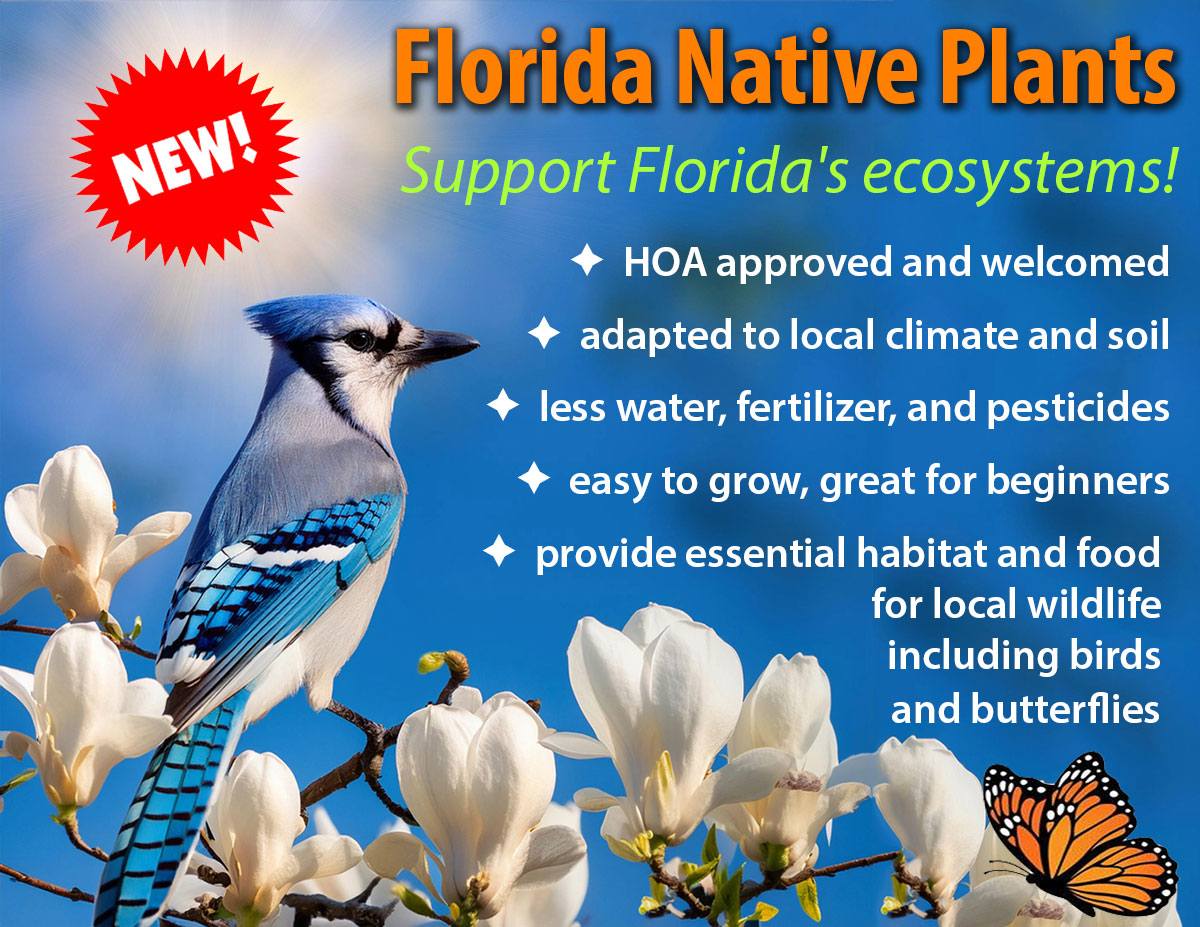
Florida native plants for Florida and beyond

Florida  Native  Plants

If you live in Florida community with HOA, you may need these plants!

Did you know that we carry Native Florida plants?

At Top Tropicals, we have the biggest selection of tropical plants from around the World, with a special selection of Florida Natives. If you are looking for a particular Florida Native plant, just let us know - we can get them for you, because... we are here in Florida and we know them all!

If your Florida yard is regulated by a Homeowners Association, you may be required to plant native plants or those species on approved list. Why? These policies aim to promote sustainable landscaping practices and protect Florida's unique ecosystems. Although this may seem to limit your choices, there are plenty of Florida-friendly plants to choose from!

In general, native plants are adapted to the local climate and soil conditions, making them more resilient and requiring less water, fertilizer, and pesticides. This makes them easy to grow and great for beginners.

Native plants provide essential habitat and food sources for local wildlife, including birds, butterflies, and other pollinators. And Florida flora has a lot to offer for the wildlife!

If you live outside of Florida, our native plants may appear to you as much exotic and rare as those from Asia, S. America or Africa! Let's take a peak at some Natives...

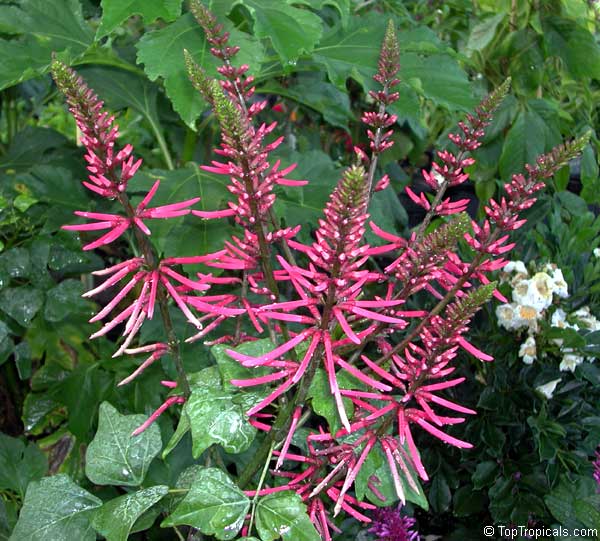
Erythrina  herbacea  -  Coral  Bean

In the photo above: Erythrina herbacea - Coral Bean. Coral trees - Erythrinas are very showy, red-flowering small trees that are perfect for locations with poor soil and limited irrigation, very easy to grow, great butterfly and hummingbird attractors..

Acacia  farnesiana  -  Sweet  Mimosa

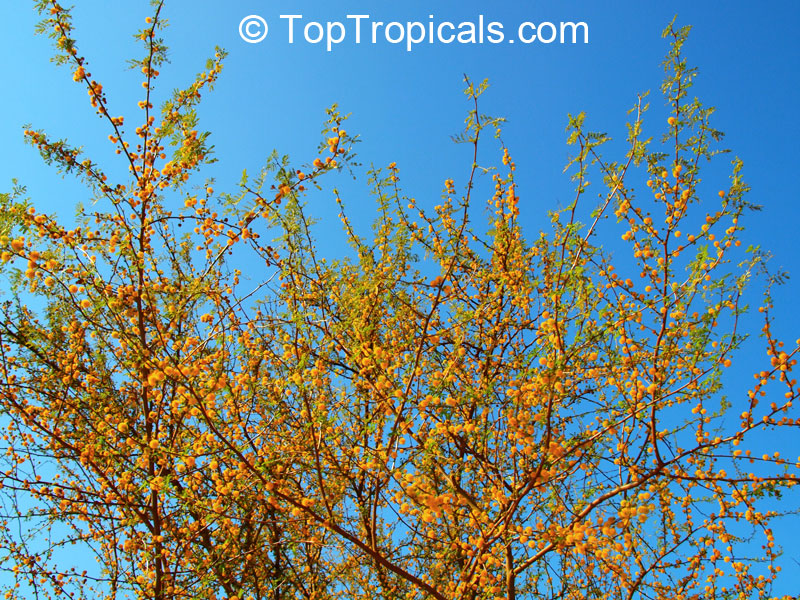
In the photo above: Acacia farnesiana - Sweet Mimosa. One of the most useful tropical plants that is very cold tolerant, blooms all winter through spring with honey-fragrant flowers - canary yellow powder puffs, attracting bees and butterflies. Fast growing bushy tree, tolerates poor soils and drought.

Date: 12 Oct 2018

Top Tropicals Powerpoint Presentation by Anna Banana:
"Let's grow something different!"

TopTropicals.com

Mark your calendar: Anna Banana's Presentation "Let's grow something different" Oct 16 @ 2 pm.

Learn more about rare tropicals and how to grow them in non-tropical climate. Cold protection, water-wise, soil improvement and much more.

Where: ALVA Garden Club
Meeting Location: The Alva Library Museum, 21420 Pearl Street, Alva, FL 33920
When: Tuesday, October 16th @ 2 pm.
Contact Phone Number for the Event: 239-728-3386
See more info about this event.

Date: 7 Sep 2018

6 reasons to buy tropical plants in Fall

TopTropicals

1) Easy planting. No sweat. Enjoy your gardening fun during cooler weather!

2) Easy shipping. With cooler weather, there are less chances for the mail order plants to get overheated in transit or at your doorstep in case you miss the delivery. But don't wait too long, another few weeks and too much cold will put another restriction for deliveries up North.

3) Easy establishing. Stress-free roots = stress-free plants = happy gardeners. Cooler weather is always better for planting and quick establishing.

4) Easy maintenance. Plant growth rate slows down during cool period, so your garden maintenance will be minimal.

5) Winter bloomers will brighten your days! Look at these winter-flowering plants that create a spectacular show during Fall-Winter in subtropical climates. If you grow them as houseplants, this is your chance to have flowers in Winter!

6) House plants Many tropical species suitable for indoor cultivation are available year round, but when you buy them in Fall - they are in their fullest and best shape after Summer vigorous growth.

One the photo: Barleria cristata Striped Lavender Lace.

Date: 4 Sep 2018

Checklist - Preparing for winter in subtropical areas

TopTropicals

Watering. Start reducing the amount you water your plants in early fall, once the temperature drops below 65F. Avoid watering your plants during cool nights, as this may cause serious root rot.

Mulch. When a plant is protected by a thick layer of mulch, the root system stays healthy.

No Pruning. Avoid pruning, trimming, or pinching branch tips altogether during the fall and winter which encourages new shoots that are soft, tender, and very cold sensitive. Last trimming should be done no later than September - early October.

No Fertilizer. Avoid fertilizers during the winter. The main reason being the same as above for pruning: fertilizing promotes growth of the upper plant parts which should be avoided during the winter months. The last time for fertilizer should be no later than October.