Garden Blog - Top Tropicals

Date: 3 Jul 2018

Shipping plants during hot weather. Any temperature limitations?

TopTropicals

Q: I want to order a plant that you have only one left in stock; however the weather is extremely hot in my area right now. Do you have any temperature limitations when you ship your plants?

A: We ship plants year around and do our best to watch weather forecast at destination. However the forecast may change to worse within a day or two while a plant is in transit. To ensure your plants have a safe trip during extreme weather, follow these steps:
- notify us if you want to wait until weather permitting so we hold your shipment until further notice;
- make sure to track your package and be at home at time of delivery. The only time when a plant can get temperature damage, from our experience, is when the box is left on your doorstep while too hot (or too cold) outside.
- you may use your business as shipping address if no one is home during regular business hours of delivery.
- unpack the box immediately and follow planting instructions. Keep plant in shade until recovered; never plant directly from a box into the ground; never plant into hot, full sun: protect a new plant with a shade cloth for a few days until established, and water as needed.
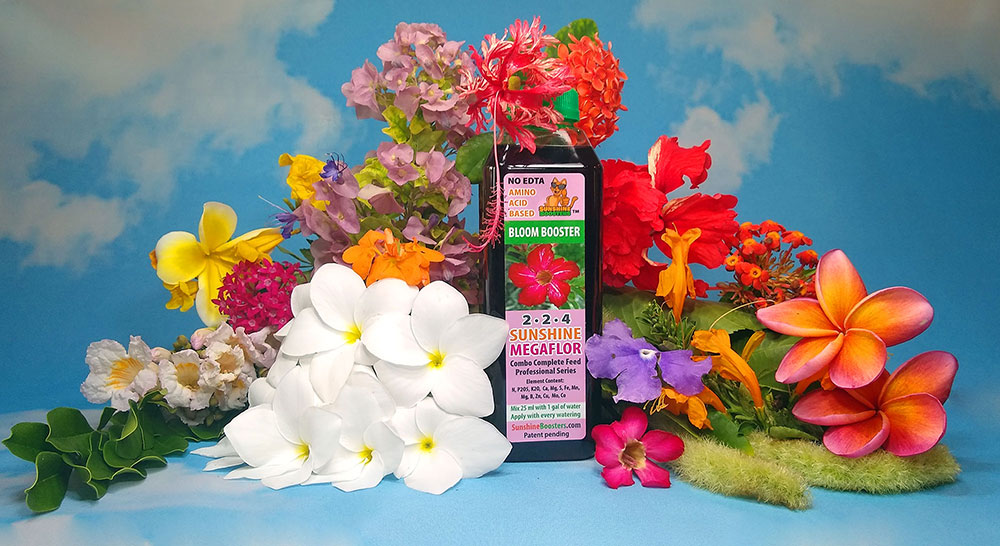
- use SUNSHINE booster to help plants recover from shipping stress. It really works! For only $4.95 with FREE shipping!

On the photo: Adenium is the easiest plant for shipping!

Date: 24 Jun 2018

TopTropicals

Winter mulching in Southern landscapes

"My rule of green thumb for mulch is to double my initial estimate of bags needed, and add three. Then I'll only be two bags short." (Author unknown)

Q: What is the best time for mulching in Florida? What type of mulch do you recommend and how much should I use?

A: Every gardener knows that spreading mulch in the garden helps to protect the soil in general, prevents weeds from growing, plus it has specific benefits during harsh winter conditions. A layer of mulch will keep the soil insulated, roots protected from possible freezing, so you'll also end up with better results in spring by laying down mulch in the cold months.
When? We lay mulch in our Florida garden right now. It is cool so we work twice more efficient. After rainy summer-fall season, most of mulch around plants had broken down and in many areas soil is exposed: easy target for weeds.
In general, in warm climates Fall and Winter mulching is the most effective. Mulch creates an insulating barrier between the soil and air, thereby protects plant roots from rapid fluctuations in soil temperature.
How much? There is never too much mulch. Just make sure to put it 2-3 inches away from the trunk to prevent rotting and mold.
What kind? Different types of mulch can be used, including wood chips, shredded leaves, straw and hay. Yes, leaves and hay too! Remember all green parts of a plant (= your leaves and grass) are full of Nitrogen so important for plant vigor, it eventually will go back into the soil as extra benefit. Unless you want to spend a fortune on a fancy red or cypress mulch, you may use these natural materials that are handy in every garden. After raking leaves, pile them up and in couple weeks of drying and breaking down leaves will become a perfect, soft mulch that is best to use around fragile and herbaceous plants. After mowing your lawn, save the cut grass and use the hay as mulch. It always works the best in our garden, keeps weeds away better than wood chips, and in spite of a common belief that cut grass is full of weed seeds, we never seen grass or weeds sprouting from that hay.
Happy mulching and stay warm!

Date: 24 Jun 2018

When should you start growing plants from seed indoors?

TopTropicals

"Happiness held is the seed; Happiness shared is the flower." (John Harrigan.)

Q: Our growing season is very short so I decided to start some of tropicals from seed indoors. When should I start?

A: It is always a good time to start from seed. If you want to feel happier, get into gardening. If you want to feel God, start plants from seeds and watch New Life grow from a tiny grain.
Traditionally, people prefer sowing seeds in Spring, especially temperate species for vegetable garden: tomatoes, peppers, cucumbers... My grandmother up North started them in early Spring in small pots on a windowsill, then once the temperatures raised just above freezing, she planted them out in garden beds, and that early start always helped her to have the best early harvest in the neighborhood.
When we deal with tropical plants, "just above freezing" is not warm enough. Which means, you have to grow small babies indoors for quite a while, providing additional heating when needed. Heating pads always work best... When we had large size monitors and TV's, I always put couple trays on top of hot monitors, and even on warm top of a refrigerator, if space by the radiator was all taken. But that was in very cold apartment...
If you keep your living space around 75F (ideal for many species), this is a perfect temperature to get your seeds started. Tropical plants are not like annual tomatoes that try to grow through the season as fast as possible. They may take time. So the sooner you start, the more chances to get small seedlings just in time when Spring air outside is warm enough - at least in 70's.
A great advantage of starting tropical seeds indoors is controlled temperature and moisture. In the plant world, environment extremes are not good for germination process. Mild conditions of your home or a greenhouse create better chances for successful growth. Seeds won't get overheated in hot Summer sun, and won't get rotten because of a sudden heavy rain. Just keep in mind that some species require light for good germination.

Conditions for the best seed germination:
- Soak seeds for a few hours. Adding a few drops of Sunshine Seed Germination booster is very beneficial and improves germination rate by 30-50%
- Well-drained mix, you may use our Professional Seed Germination Mix. Put seeds not too deep (1/2 inch deep or less) to allow air circulation
- Keep warm (75-85F) and in bright light
- Keep soil slightly moist but not soggy.

See more info on seed germination

Check out our seeds selection.

Date: 24 Jun 2018

Growing tropicals from seeds.

From Kristi the Wizard of Rose: I grow many plants from seeds, both for my personal collection, and for TopTropicals. I receive many questions from customers who want to grow tropical plants from seeds. Some of them live in colder climates and try to extend growing season of their tropical collections by starting new varieties early in the year from seeds. These are a few tips that may be helpful.

Q: What do I need to do to speed up germination process?

A: Many factors affect germination. Considering you get fresh seeds (for example from TopTropicals) and Mother Nature gives them a good kick start, there are a few things that may speed up germination:
1) Scarification. Large seeds with a hard outer shell can be slightly sanded down just enough for moisture to get inside to wake up the seed during the pre-soaking. Be careful not to damage the seed. See example of Lotus seed scarification.
2) Pre-soaking. We recommend pre-soaking most of the seeds for only a few hours (3-8 depending on species. Some seeds are very sensitive to moisture and may start rotting if stay wet without air circulation. Small seeds, especially tiny ones like dust, should not be soaked.
3) SUNSHINE-S treatment. Adding a few drops of SUNSHINE-S booster when pre-soaking seeds increases their germination rate 3-5 times.
4) Temperature. Warm temperatures help germination. If grown indoors, put seeds containers or trays in the warmest spot of your house; you may use heat pads. Outdoors, putting them in full sun helps a lot, just don't let soil to dry out.

Use only special porous seed germination mix to provide air circulation and prevent seeds from rotting.

Q: Should I keep seeds in refrigerator before planting?

A: Do not refrigerate tropical seeds. Stratification (treatment with cold) works only for temperate species, and some subtropical (like non-tropical Magnolias)

Q: How do you grow eucalyptus from seeds? I tried a few times with no success.

A: The secret of germinating tiny seeds like eucalyptus is - to sow them on top of the moist soil surface (soil must be very fine and soft), without covering. Keep container covered with clear plastic, in bright light. Use spray bottle to keep surface moist but not soggy. I have a customer who germinates eucalyptus seeds using an old fish tank, covered with a glass. Perfect environment - bright light and moist all the time.

Date: 19 May 2022

Top Story: The little mango tree that could

Mango  Tree

By Ed Jones, the Mango Guy

"...Until you dig a hole, you plant a tree, you water it and make it survive, you haven't done a thing. You are just talking..."
- Wangari Maathai -

This is the story of the little mango tree that could. From the beginning, it has been a fighter and has come through its latest battle with a few scars, but it is still going...
...On January 30, the unthinkable happened. Cold weather was coming. We had a low of under 25F on that Sunday morning...
...Then, on April 4, 2022 we had a very bad hail storm... Hail stones up to 3"fell for 20 minutes...
Learn more about what happened and see this mango tree today... What helped it to survive and also what will help it to grow back into a beautiful tree?

For information on how to shape your mango trees, see

How to shape mango

Subscribe to our Channel:

Stay updated with TopTropicals Videos by subscribing to our channel at YouTube.com/TopTropicals and get our latest video news of what is fruiting and blooming!


REAL DEALS:
More specials
with instant 30% OFF!

Real  Deal  PeopleCats