Garden Blog - Top Tropicals

Date: 22 Jun 2026

Carambola Starfruit FAQ: how dwarf is a seedling?
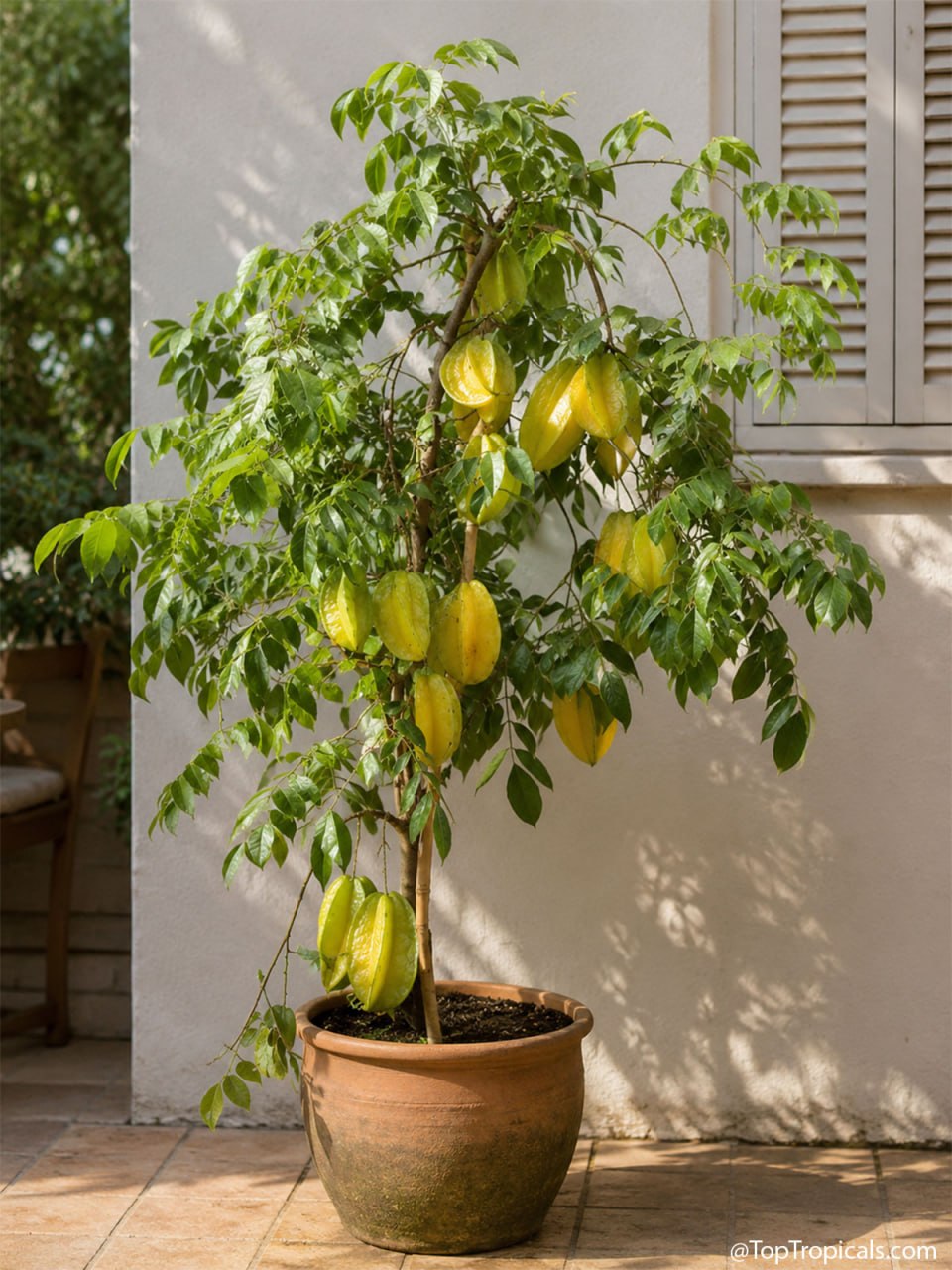
Carambola Starfruit FAQ: how dwarf is a seedling?

🌟 Carambola Starfruit FAQ: how dwarf is a seedling?


I recently ordered a dwarf Hawaiian star fruit seedling from your glorious stock of tropical trees, however upon doing further research it seems like grafted trees guarantee fruit results while seedlings may vary from what the parent plant was. I was planning on putting it in a planter since it’s a dwarf but I’m worried about the quality of fruit since it’s a seedling. Could you elaborate on that a bit?

✅ You are correct that grafted trees provide the greatest certainty because they are clones of a known variety. Seedling trees can show some variation from their parents.

In this case, however, your seedling is not from an unknown or mixed genetic background. The seeds were collected from a true Dwarf Hawaiian cultivar that was growing among other selected dwarf carambola cultivars, primarily Dwarf Hawaiian and a few Fwang Tong trees. Because both the seed parent and the surrounding pollen parents were dwarf, we expect the offspring to retain many of the desirable dwarf characteristics.

While we cannot guarantee that every seedling will be identical to the parent tree, the chances of obtaining a compact, productive tree with good fruit quality are quite favorable. In fact, seedlings sometimes combine the best qualities of both parents and may even produce fruit that is equal to or better than either parent.
The main difference between a grafted tree and a seedling is predictability. A grafted tree gives you a known result. A seedling introduces some genetic variation, but in this case the variation comes from a pool of carefully selected dwarf varieties rather than from unknown parents.

For container growing, we would still expect your tree to be well suited to pot culture, especially with periodic pruning to maintain size and shape. Many growers actually enjoy growing seedlings because there is always the possibility of discovering an exceptional individual. Carambola is a quick fruit tree: 3-4 years from seed to fruit.

We believe your Dwarf Hawaiian seedling has excellent potential and should make a rewarding container-grown fruit tree.

🛒 Plant Star Fruit Carambola Tree

📚 Learn more:

Carambola Plant Facts

Botanical name: Averrhoa carambola
Also known as: Carambola, Starfruit, Five-finger, Balimbing
USDA Zone: 9 - 11
Highligths Small tree 10-20 ftSemi-shadeFull sunWatering: Regular. Let topsoil dry slightlyEdible plantSubtropical plant. Mature plant cold hardy at least to 30s F for a short time
Get personalized tips for your region

Averrhoa carambola in Plant Encyclopedia
Star fruit chili relish: quick-n-fun exotic recipes
Grilled star fruit slices: quick-n-fun exotic recipes
How to gets lots of Star Fruit Carambola
Star Fruit from our garden
Grow your own Carambola
Top 10 fast-fruiting trees: #8. Carambola - Starfruit
Carambola Banana Whip
Carambola Jam recipe
When young Carambola trees are covered with fruit
Carambola tree is the Star of the orchard

#Food_Forest #Discover #How_to

🟢 Join 👉 TopTropicals
Date: 24 Jun 2026

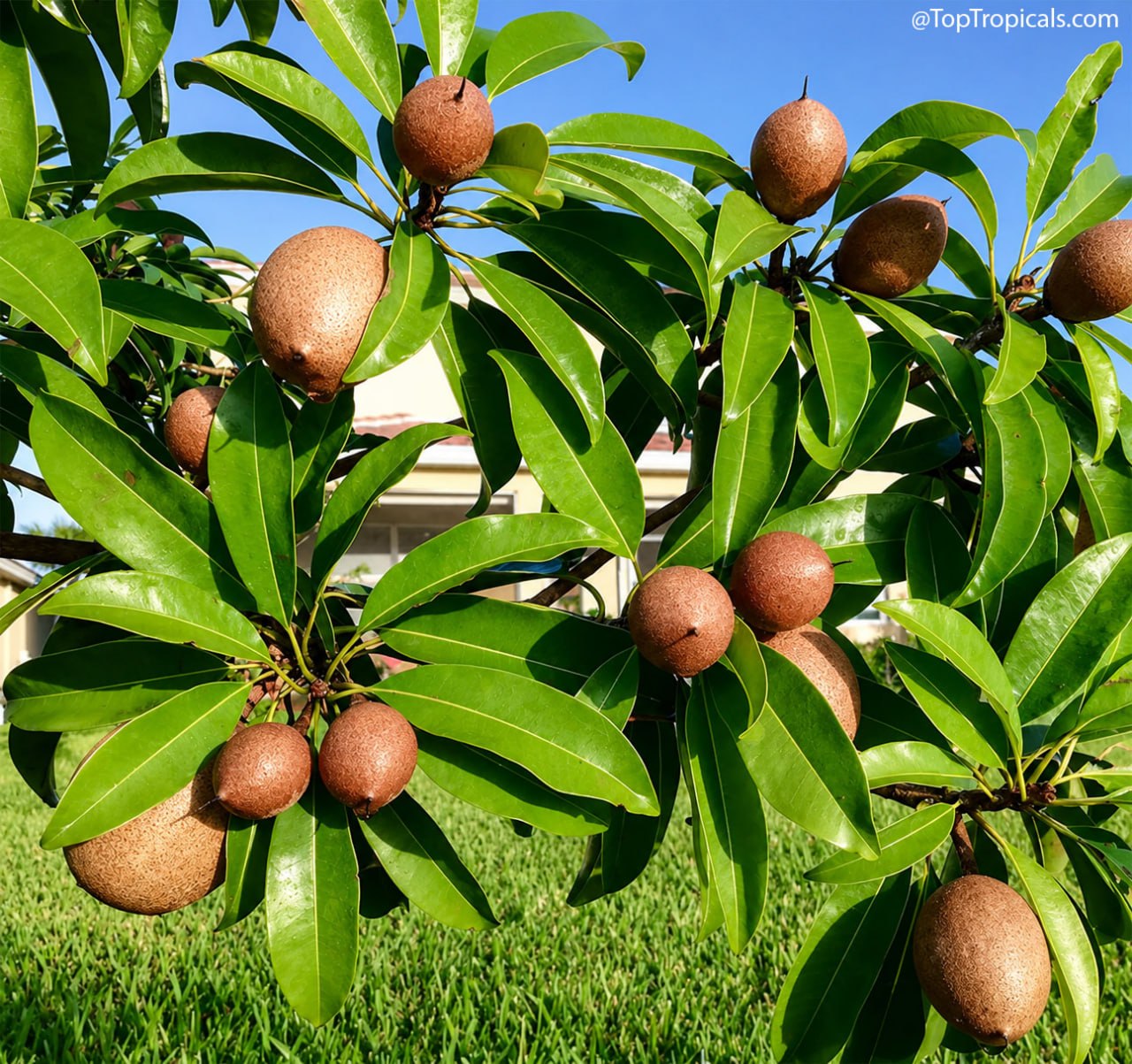
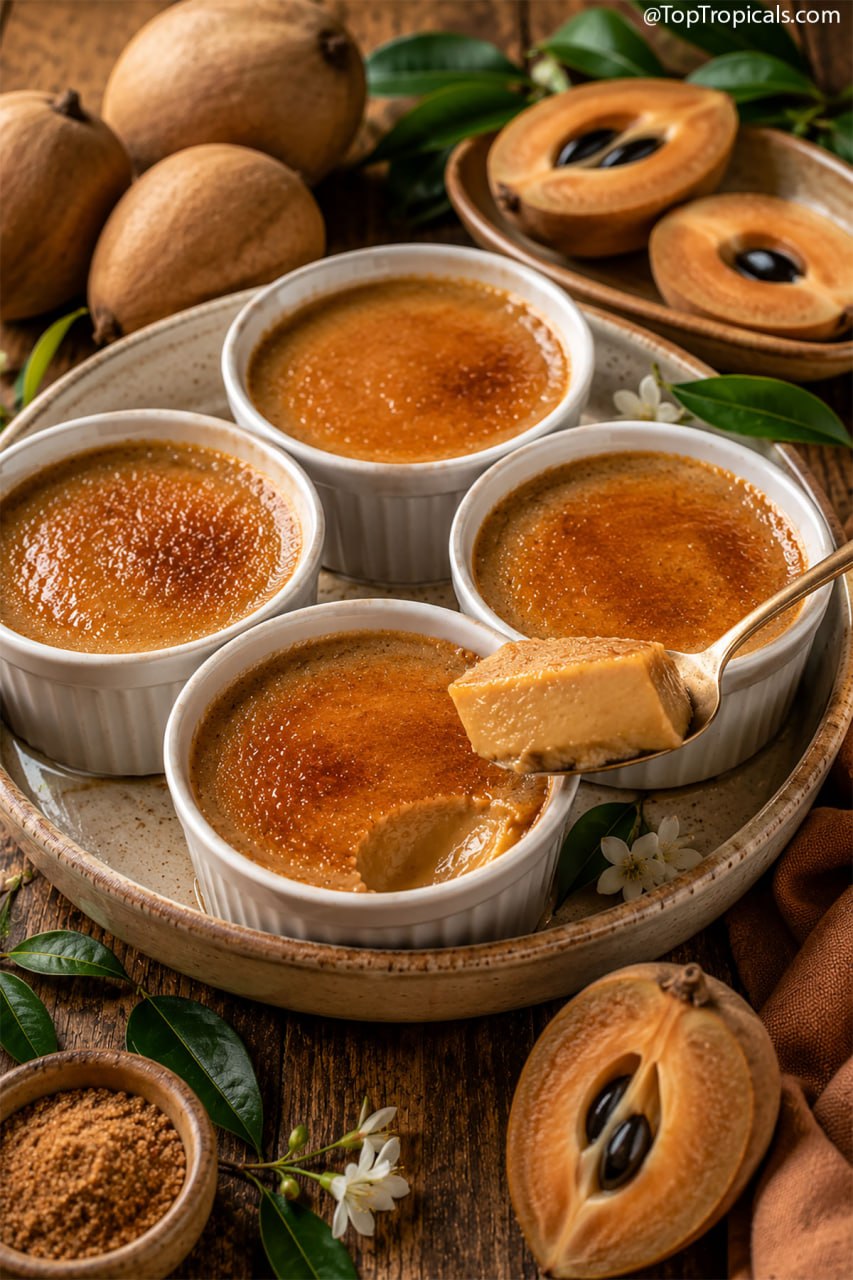
Sapodilla baked custard

Sapodilla baked custard Sapodilla baked custard
🍴 Sapodilla baked custard: quick-n-fun exotic recipes

🔴Blend ripe sapodilla pulp with eggs, milk, and a touch of sugar until smooth and creamy.
🔴Pour the mixture into small ramekins or a lightly greased baking dish.
🔴Bake gently until the custard is set around the edges but still slightly soft in the center.
🔴Allow to cool for a few minutes as the custard finishes setting.
🔴Serve warm or chilled for a dessert that tastes remarkably like natural caramel pudding with hints of brown sugar and pear.

🌿 About the plant:


The flesh of sapodilla is naturally high in sugars and fiber, with a flavor often compared to caramel, pear, and brown sugar. It is also a source of vitamin C and several antioxidants.

🏡 In the garden:


Regular feeding during the growing season improves flowering and fruit size. Young trees benefit from consistent moisture, especially during fruit development.

🛒 Add Sapodilla - Brown Sugar Fruit tree to your Food Forest

📚 Learn more:

Sapodilla Plant Facts

Botanical name: Manilkara zapota, Manilkara achras, Achras sapota
Also known as: Sapodilla, Ciku, Naseberry, Nispero, Sapote, Brown Sugar Fruit
USDA Zone: 9 - 11
Highligths Large tree taller than 20 ftSemi-shadeFull sunWatering: Regular. Let topsoil dry slightlyEdible plantSubtropical plant. Mature plant cold hardy at least to 30s F for a short timeSeaside, salt tolerant plant
Get personalized tips for your region

Sapodilla (Achras zapota) in Plant Encyclopedia
Sapodilla caramel toast: quick-n-fun exotic recipes
How to make Sapodilla fruit profusely?
A sugar that’s good for your health
When does Sapodilla start fruiting and what is the best variety
New variety of Sapodilla: Thai Brownie

#Food_Forest #Recipes

🟢 Join 👉 TopTropicals

Date: 30 Jun 2026

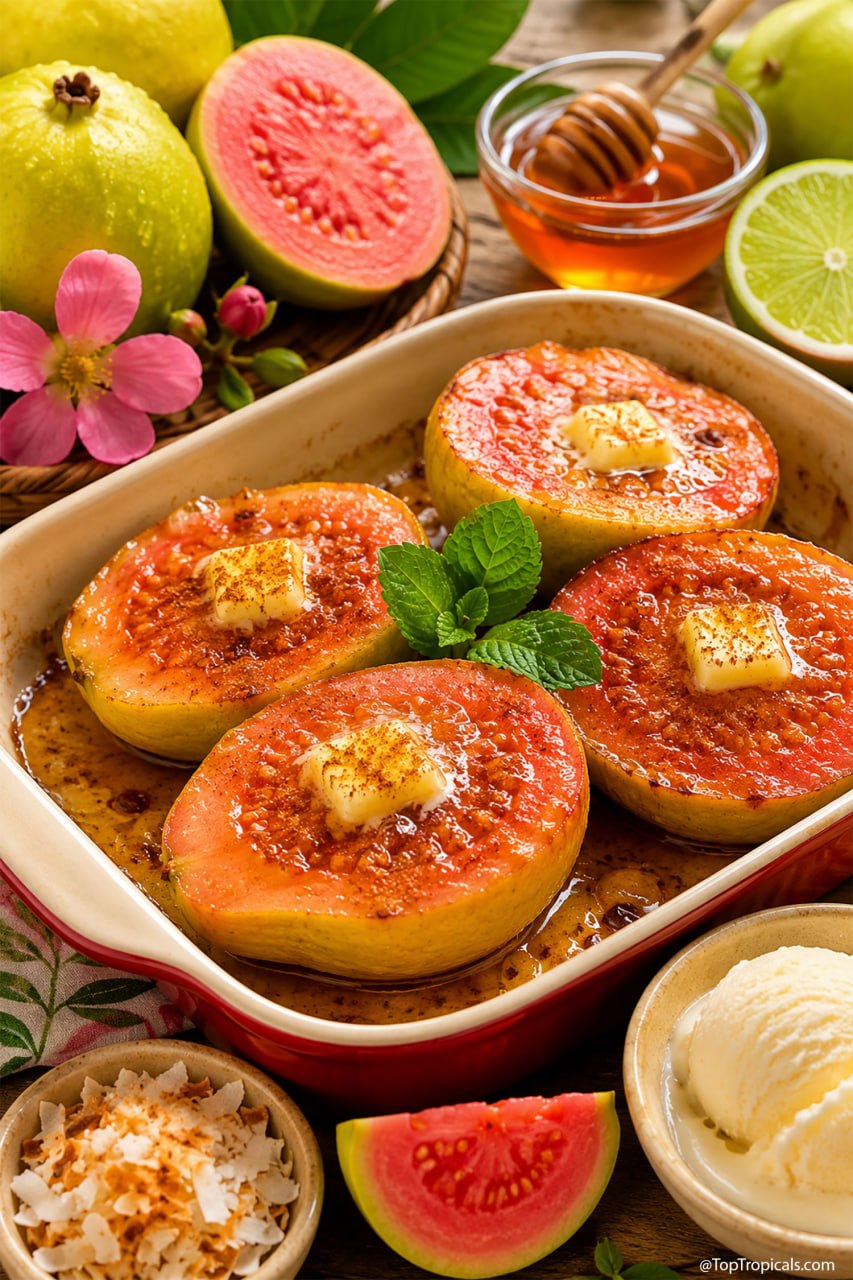
Baked guava halves: quick-n-fun exotic recipes

Baked guava halves: quick-n-fun exotic recipes Baked guava halves: quick-n-fun exotic recipes

🍴 Baked guava halves: quick-n-fun exotic recipes


🔴Cut ripe guavas in half and arrange them cut-side up in a baking dish.
🔴Drizzle with honey, add a small dab of butter if desired, and sprinkle with a pinch of cinnamon or nutmeg.
🔴Bake at 375°F (190°C) for 20-30 minutes until the fruit is soft and the honey is bubbling.
🔴A squeeze of lime juice brightens the flavor.
🔴Serve warm on its own, with vanilla ice cream, yogurt, or a sprinkle of toasted coconut.
🔴The guavas become soft, fragrant, and almost jam-like as they bake.

🌿 About the plant:


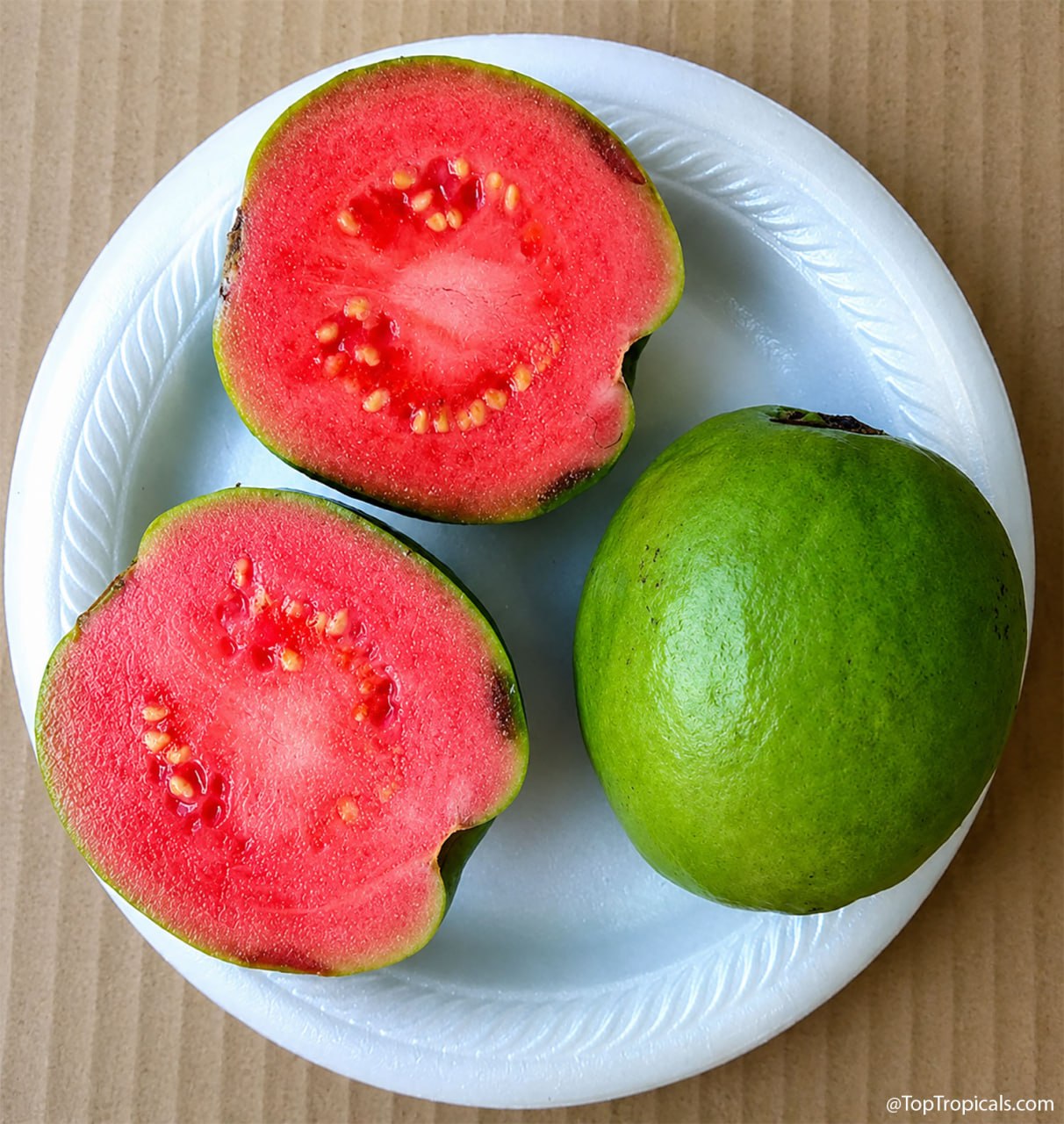
Guava, Psidium guajava, belongs to the myrtle family and produces white, pink, or deep coral flesh depending on the variety. The fruit develops a strong, sweet fragrance as it ripens.

🏡 In the garden:


Guava trees flower on new growth, so light pruning encourages more blooms and fruit. They adapt well to different soils as long as drainage is good.

🛒 Grow your own guava tree

📚 Learn more:

Brazilian Guava Plant Facts

Botanical name: Psidium acutangulum
Also known as: Brazilian Guava, Araca Pera, Bayabas
USDA Zone: 9 - 11
Highligths Large shrub 5-10 ft tallSmall tree 10-20 ftFull sunWatering: Regular. Let topsoil dry slightlyWhite, off-white flowersEdible plant
Get personalized tips for your region

Guava trees in Plant Encyclopedia
Guava chili glaze: quick-n-fun exotic recipes
Guava fudge: quick-n-fun exotic recipes
Six guava varieties that will keep you picking year-round
How to grow a Guava Tree: Practical Guide to Growing Guava
More about #Guava

#Food_Forest #Recipes

🟢 Join 👉 TopTropicals