Garden Blog - Top Tropicals

Date: 4 Dec 2024

Is Sapphire Gem really a ginger?
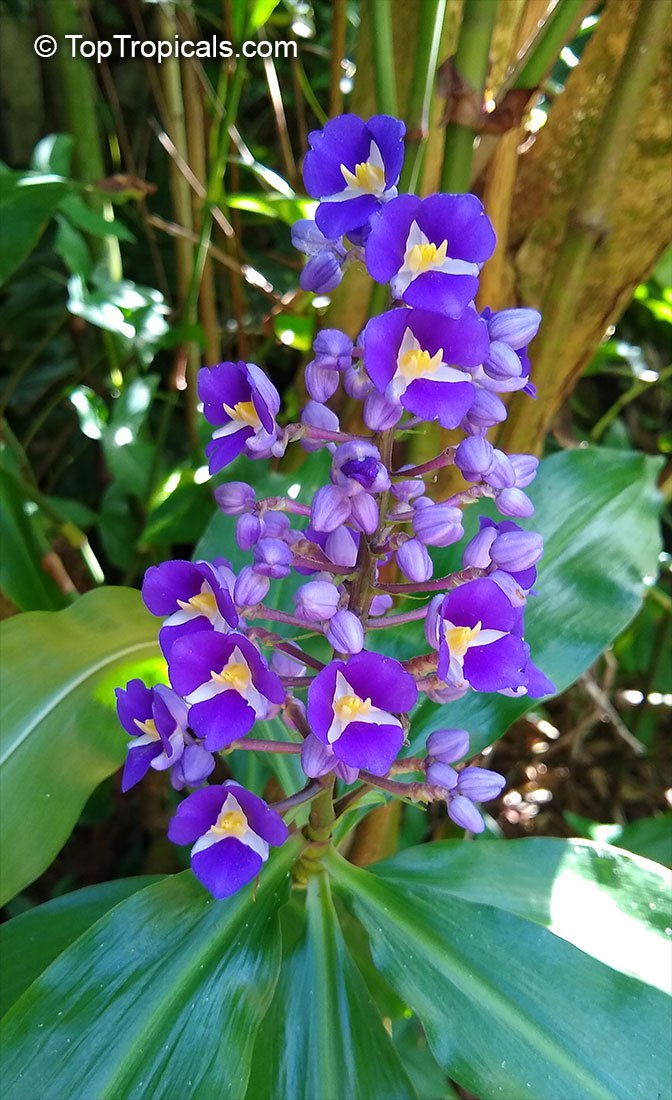
Dichorisandra thyrsiflora - Blue Ginger, Sapphire Gem
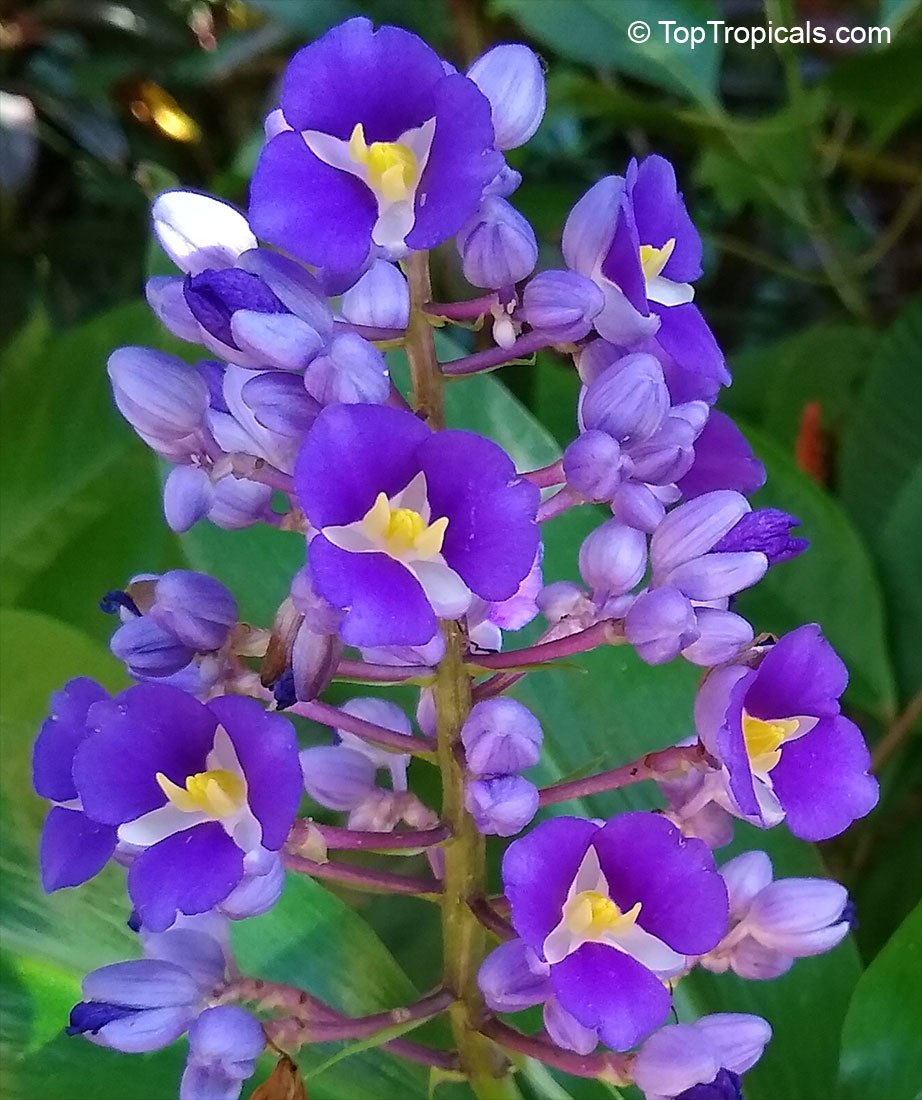
Dichorisandra thyrsiflora - Blue Ginger, Sapphire Gem
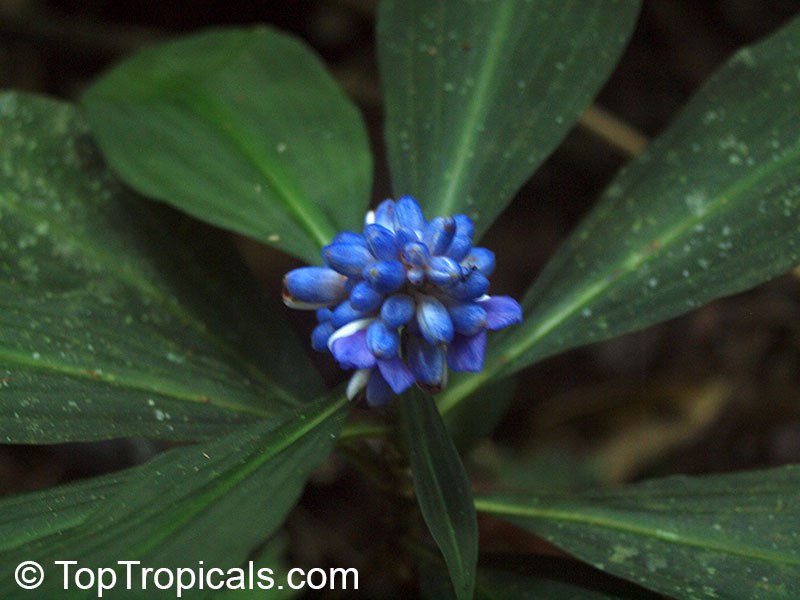
Dichorisandra thyrsiflora - Blue Ginger, Sapphire Gem
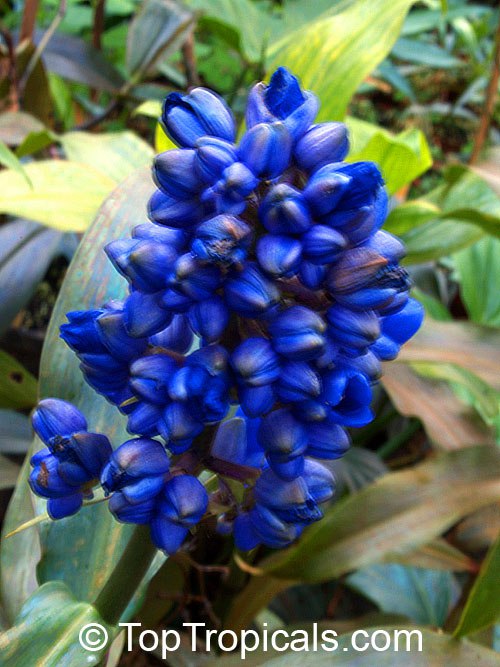
Dichorisandra thyrsiflora - Blue Ginger, Sapphire Gem
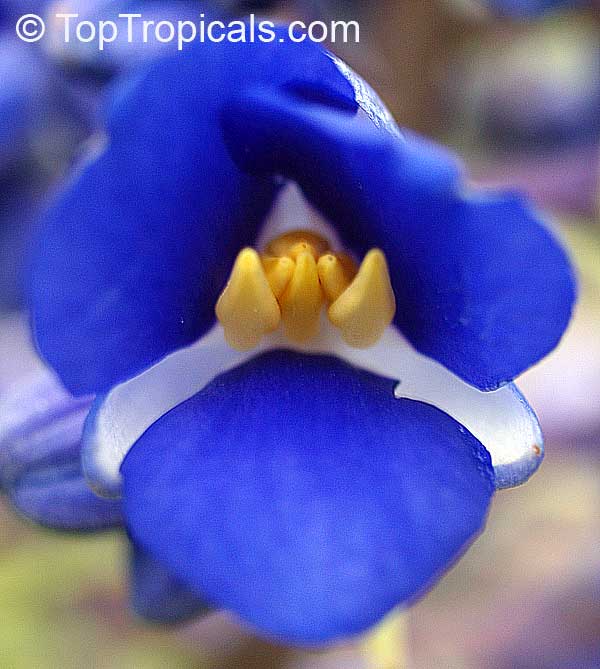
Dichorisandra thyrsiflora - Blue Ginger, Sapphire Gem

Dichorisandra thyrsiflora - Blue Ginger, Sapphire Gem

Dichorisandra thyrsiflora - Blue Ginger, Sapphire Gem

Dichorisandra thyrsiflora - Blue Ginger, Sapphire Gem

Dichorisandra thyrsiflora - Blue Ginger, Sapphire Gem

Dichorisandra thyrsiflora - Blue Ginger, Sapphire Gem

💎 Is Sapphire Gem really a ginger?

  • 💎 Despite its name, Blue Ginger is not a true ginger but a member of the Commelinaceae family, closely related to the well-known Tradescantia houseplants.
  • 💎 Dichorisandra thyrsiflora - Blue Ginger, Sapphire Gem is a clump-forming perennial enchants with its deep sapphire-blue blooms - a rare and striking color for the tropics.
  • 💎 Growing 2-5 feet tall, it features dark green stems with leopard-like spots at the leaf axils and shiny, horizontally held foliage.
  • 💎 Native to Brazil and Peru, Blue Ginger thrives in semi-shade or partial shade with moist, well-draining soil, making it an ideal addition to shade gardens, patios, or indoor collections.
  • 💎 Its vibrant blue, lavender, or purple flowers attract hummingbirds, butterflies, and other pollinators, creating a lively display.
  • 💎 In warm climates it remains evergreen and can tolerate brief dips into the low 30s. In cooler regions, it grows beautifully in pots and can be overwintered indoors in a cool, bright location. For best results, keep the soil moist but not waterlogged, maintain good air circulation, and fertilize moderately during the growing season.
  • 💎 In warm environment, the plant is evergreen and doesn't go dormant (unlike true gingers). Close relative - Dichorisandra pendula - Weeping Blue Ginger


🛒 Plant exotic Blue Ginger

#Container_Garden #Shade_Garden

🔴 Join 👉 TopTropicals
Date: 23 Apr 2024

Did you know that ice cream actually grows on a tree?

Ice Cream Bean Tree (Inga edulis)

Ice Cream Bean Tree (Inga edulis)

Ice Cream Bean Tree (Inga edulis)

Ice Cream Bean Tree (Inga edulis)

Ice Cream Bean Tree (Inga edulis)

Ice Cream Bean Tree (Inga edulis)

Ice Cream Bean Tree (Inga edulis)

Ice Cream Bean Tree (Inga edulis)

🍦 Did you know that ice cream actually grows on a tree?

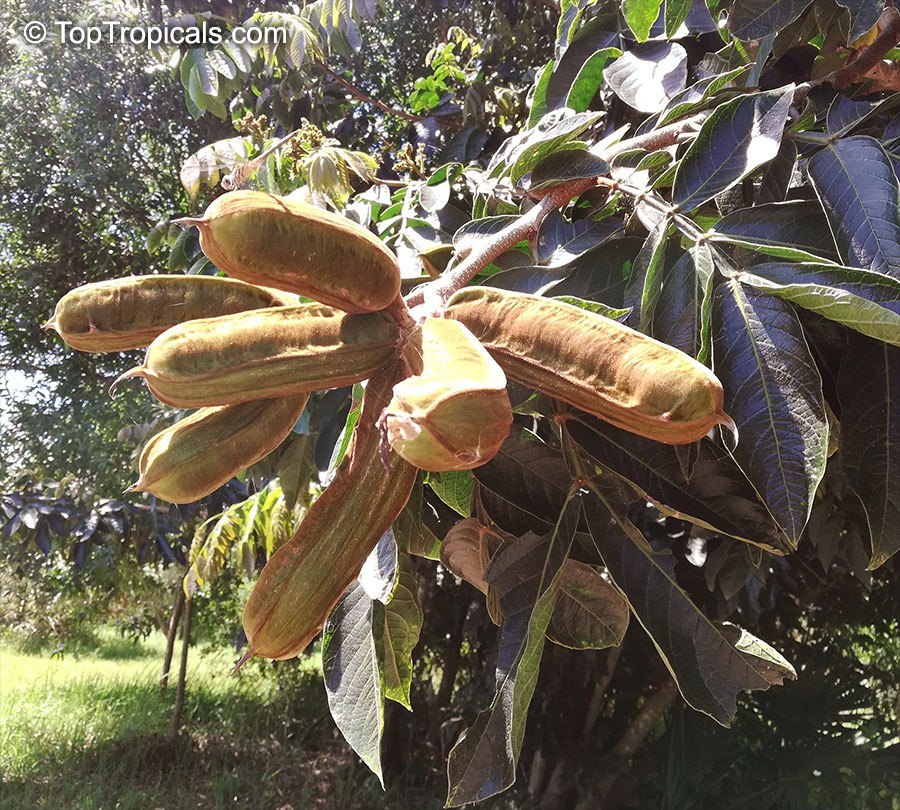
Ice Cream Bean Tree (Inga edulis) - fast growing shade tree with wonderful fruit that kids love! 👯‍♀️
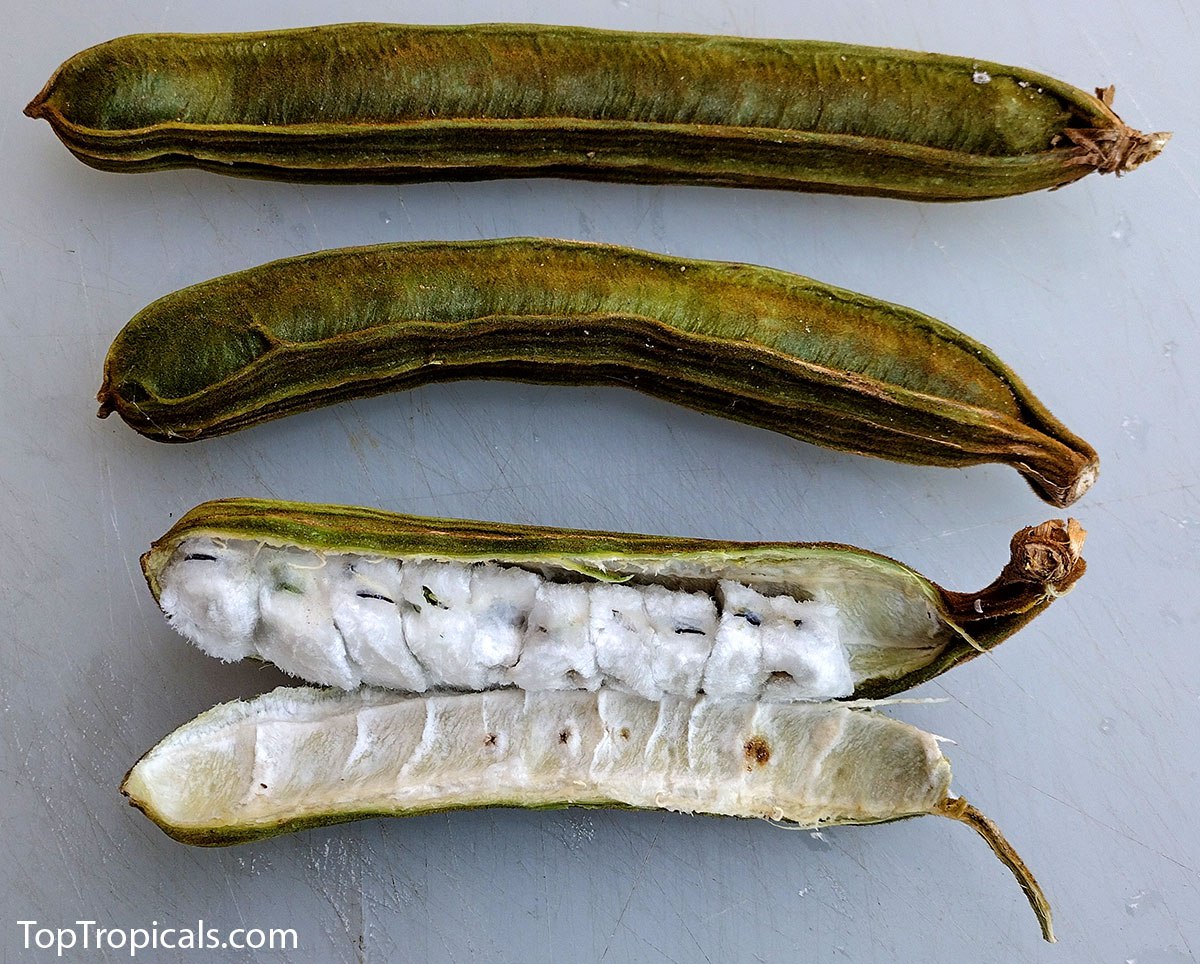
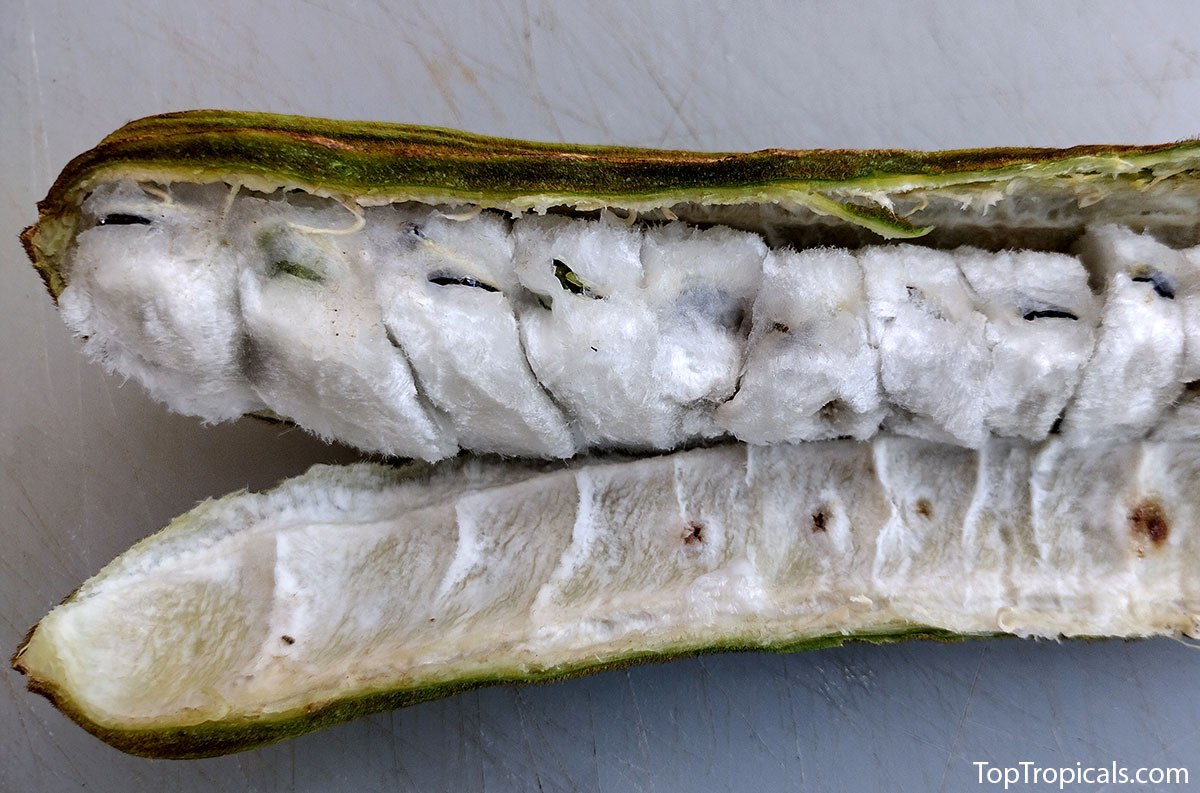
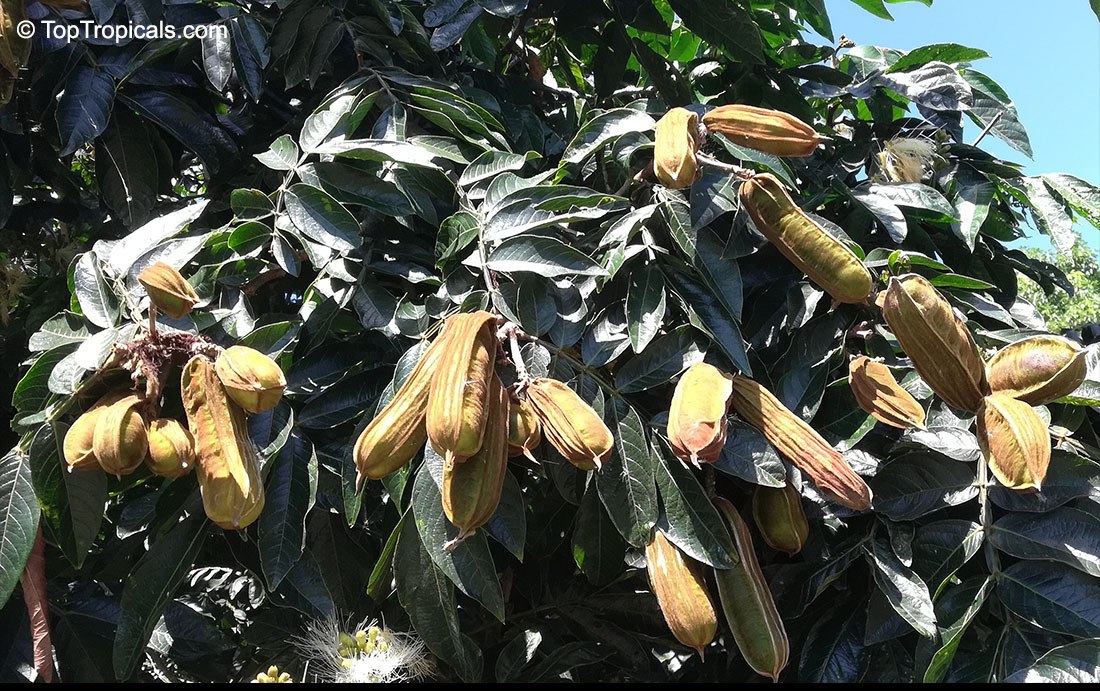
  • ✳️ Bean pods up to 3 ft long contain sweet, juicy, white pulp that has a soft cotton wool texture and tastes of vanilla ice-cream.
  • ✳️ The fruit has fantastic health benefits. It contains up to 25% sugar, 10% protein, 5% fiber, vitamins C, A and E, and minerals such as phosphorus, calcium, magnesium and zinc. The protein content is two times higher than that of a banana!
  • ✳️ A mature tree will produce around 100 fruits in a season. Seedlings start fruiting within 3-4 years.
  • ✳️ Fast growing, umbrella-shaped tree, 20 ft tall and almost as wide, provides plenty of shade. This is our favorite tree when we need to create shade quickly.


🛒 Shop Icecream Bean Tree

#Food_Forest #Nature_Wonders

TopTropicals.com
We Grow Happiness

Date: 19 Jun 2025

Valencia Pride mango - a stunning shade tree with red-blushed, fiberless, honeyed fruit

Valencia Pride mango

Valencia Pride mango - a stunning shade tree with red-blushed, fiberless, honeyed fruit.
Mango Rainbow🌈


🥭 Valencia Pride is a vigorous Florida heirloom - a Haden seedling from 1941, famed for its large, oblong-sigmoid fruit with yellow skin and crimson blush. The nearly fiberless, firm flesh is juicy and flavorful, offering sweet-tart notes of honey, coconut, and stone fruit . The tree grows tall and open, making it ideal for shade in zones 9-11, and is moderately cold-hardy with good disease resistance. It ripens mid- to late summer (July-August in Florida) and produces reliably once established.

🛒 Shop Mango varieties

📚 Previous posts: #Mango_Rainbow - varieties you should try

#Food_Forest #Mango #Mango_Rainbow

🟢 Join 👉 TopTropicals

Date: 7 Jan 2026

How to grow papaya from seed without killing it, Part 3: containers, sunlight, and 11 common mistakes

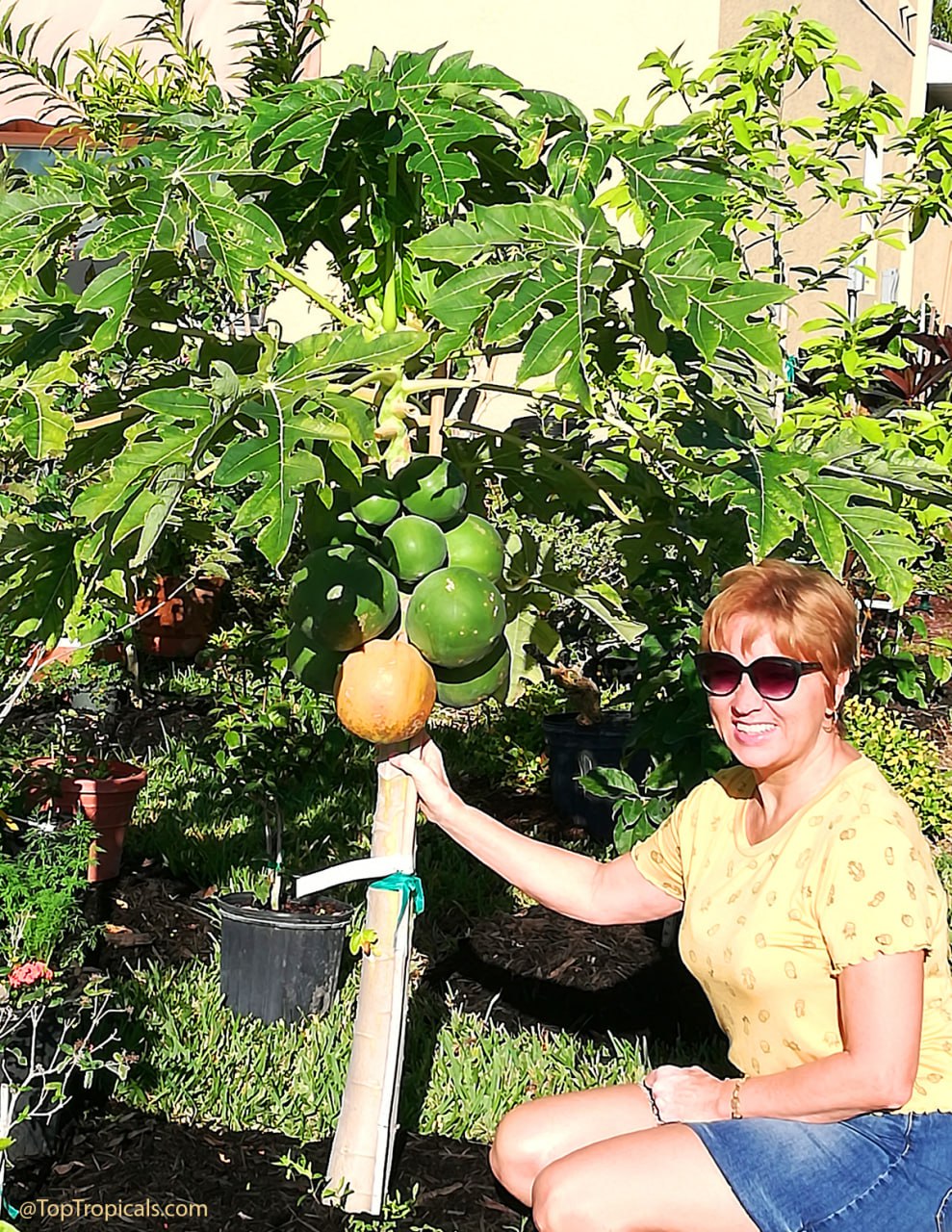
Dwarf Papaya tree

Dwarf Papaya tree

🍊 How to grow papaya from seed without killing it, Part 3: containers, sunlight, and 11 common mistakes


Getting papaya to sprout (see part 1 and part 2) is only half the battle. How you handle containers, sun, water, and root disturbance determines whether your plant reaches fruiting size or slowly declines. In this final part, we cover practical container growing, light requirements, and the mistakes that stop papaya from ever producing fruit.
  • 🍊 Transplanting papaya - what most people get wrong


    The one thing papaya roots hate (and most growers ignore)

    Choosing the right container is critical.
    Rule of thumb: papayas hate transplanting. Their roots do not like to be disturbed.

    Because of this:

🟡Reduce transplanting as much as possible
  • 🟡Choose a container that will last longer once seedlings leave starter pots
  • 🟡Avoid stepping up pot sizes too frequently

  • Watering matters just as much:
  • 🟡Larger pots stay wet longer
  • 🟡Papaya roots dislike constant moisture
  • 🟡Always reduce watering when moving into a bigger container


🍊 Container growing guide for papaya


Grow papaya anywhere - but only if you do this right
  • 🟡Start seeds in small cells (1–2 seeds per cell) or small pots (4–8 seeds per pot, spaced far apart)
  • 🟡Transplant carefully when seedlings reach about 2 inches
  • 🟡Once a 4-inch pot is outgrown, move directly to 1-gallon or even 3-gallon containers
  • 🟡Reduce watering when containers are much larger than the root system
  • 🟡Protect young plants from heavy rain until roots fill the pot
  • 🟡Stake plants with bamboo
  • 🟡Papayas grow fast, and the stem often outpaces root development. Even light wind can knock them over


🍊 Sunlight requirements for papaya


Papaya grows fast, but one mistake stops it cold

Papayas need full sun and prefer to stay on the drier side once established.

In shade:
  • 🟡Plants become leggy and overly tall
  • 🟡Flowering may stop completely
  • 🟡Fruit production may be reduced or zero

  • Shade also keeps soil wet longer:
  • 🟡Soil dries slowly
  • 🟡Excess moisture can kill roots, even on mature plants


🍊 11 most common mistakes when growing papaya from seed


From seed to fruit in under a year - if you avoid these papaya mistakes
  • · 1. Leaving pulp or slime on seeds - prevents germination and causes rot
  • · 2. Soil too wet during germination - keep damp, not soggy
  • · 3. Overwatering seedlings - young plants rot easily
  • · 4. Disturbing roots during transplanting - papayas hate it
  • · 5. Not enough sun - papaya hates shade and will not produce in low light
  • · 6. Too much water once established - prefers drier conditions
  • · 7. Planting in low spots in the ground - poor drainage leads to root rot
  • · 8. Using heavy soil - waterlogging kills roots
  • · 9. Giving up too early - seeds can take weeks to sprout
  • · 10. Not fertilizing - papaya is a heavy feeder. Poor soil means no fruit. Remember, it is a giant grass.
  • · 11. Do not trim papaya. Trimming may cause side shoots, but it ruins the natural tropical form. If you need a ladder to harvest fruit, the solution is not pruning - it is growing a dwarf variety.

Papaya rewards growers who understand its quirks. Treat it like the fast-growing, shallow-rooted plant it is, and it will produce quickly and generously. Ignore those basics, and it will struggle no matter how much care you give it.

If you found this helpful, bookmark all 3 parts - papaya grows fast, and timing matters
:

How to grow papaya from seed without killing it:
Part 1: Papaya basics
Part 2: Seeds germination
Part 3: Containers, sunlight, and common mistakes

🛒 Explore Papaya varieties

📚 Learn more:


· Carica papaya in Plant Encyclopedia

#Food_Forest #How_to #Papaya

🟢 Join 👉 TopTropicals

Date: 15 Jan 2024

Florida Starter Garden in Winter

Odontonema  Firespike

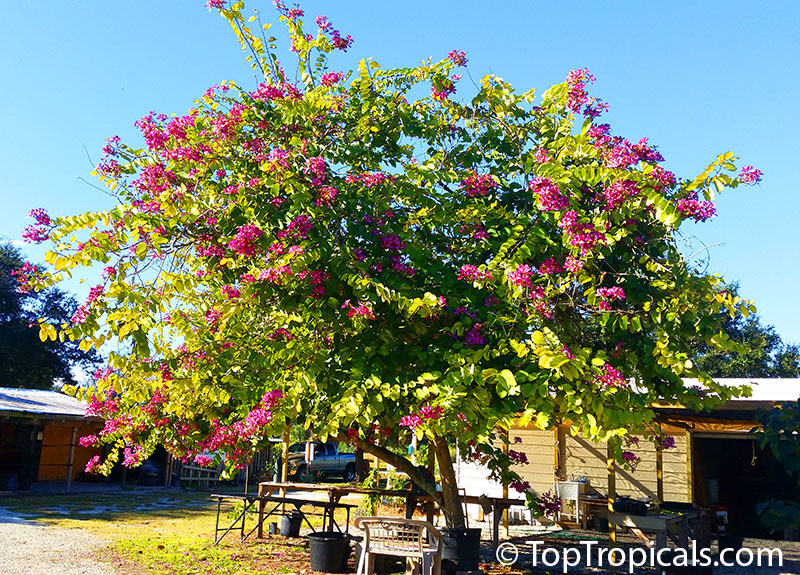
Photo above: Bauhinia blakeana - Hong Kong Orchid Tree

Q: We just moved to Florida and our yard is currently just plain grass. I want to add some beautiful tropical plants, but I'm not sure where to start. Can you suggest easy-to-care-for plants that look nice in winter, preferably with flowers? Considering it's Winter time and some trees look dormant... But I can't wait to start my tropical garden!

A: Florida residents are blessed to have mild winters, and many tropical and subtropical plants enjoy this climate year around. Just be mindful of your location's specific conditions (sun-shade, wet-dry, cold sensitive or hardy). Here are some recommendations for easy-to-grow, evergreen plants that love Florida and look great even in winter. They'll establish well during cooler months, add a splash of color to your garden with their flowers, and even treat you with fruit!

Winter flowers - will bloom now!

Clerodendrum Winter Starburst
Clerodendrum Blue Butterfly
Eranthemum Blue Sage
Odontonema Firespike
Pavonia - Brazilian Candles

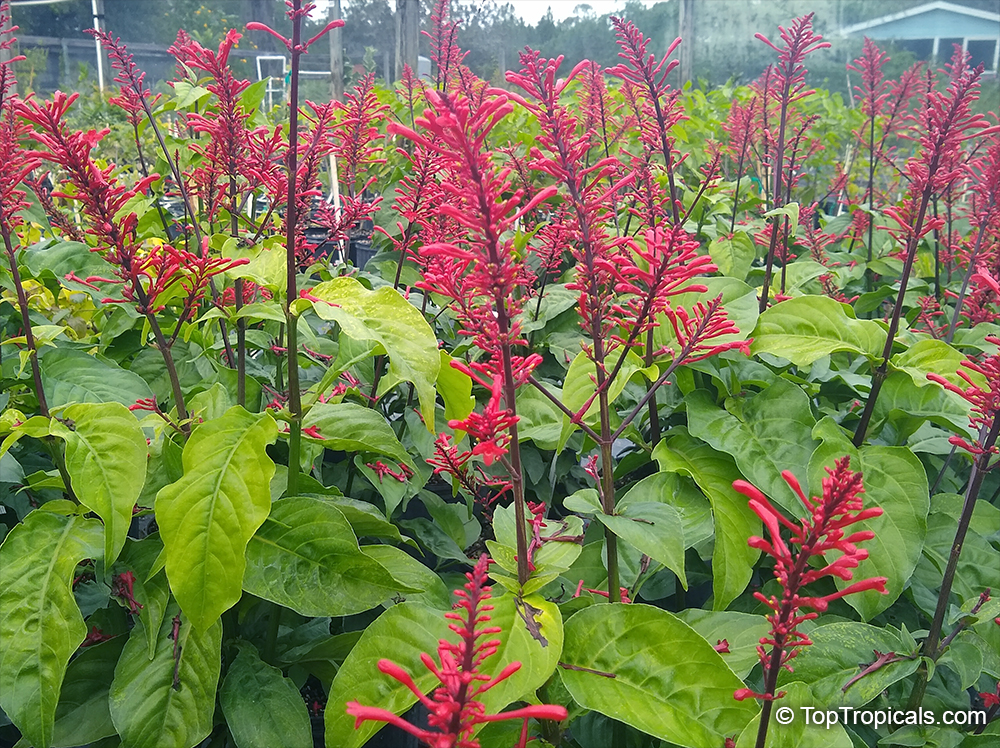
Odontonema  Firespike

Photo above: Odontonema cuspidatum - Firespike

Fragrant Garden

Banana Magnolia
Jasminum sambac Little Duke Supreme
Vietnamese Gardenia
Nyctanthes - Parijat
Ylang Ylang vine

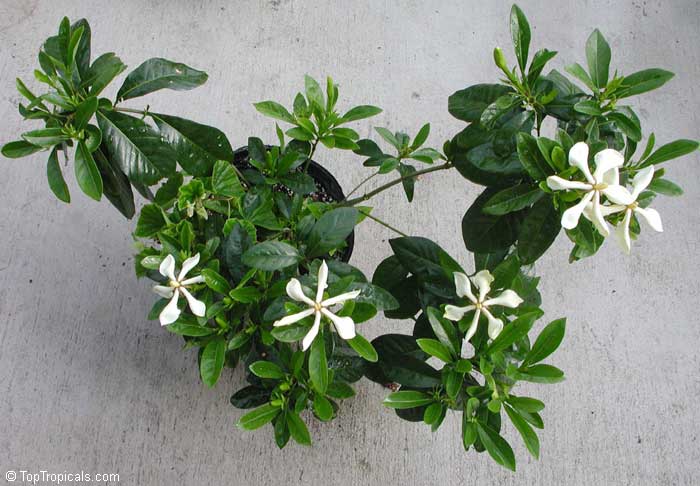
Gardenia  (Kailarsenia)  vietnamensis  -  Vietnamese  Gardenia

Photo above: Gardenia vietnamensis - Vietnamese Gardenia

Curious unusual trees

Hong Kong Orchid Tree
Candle Tree

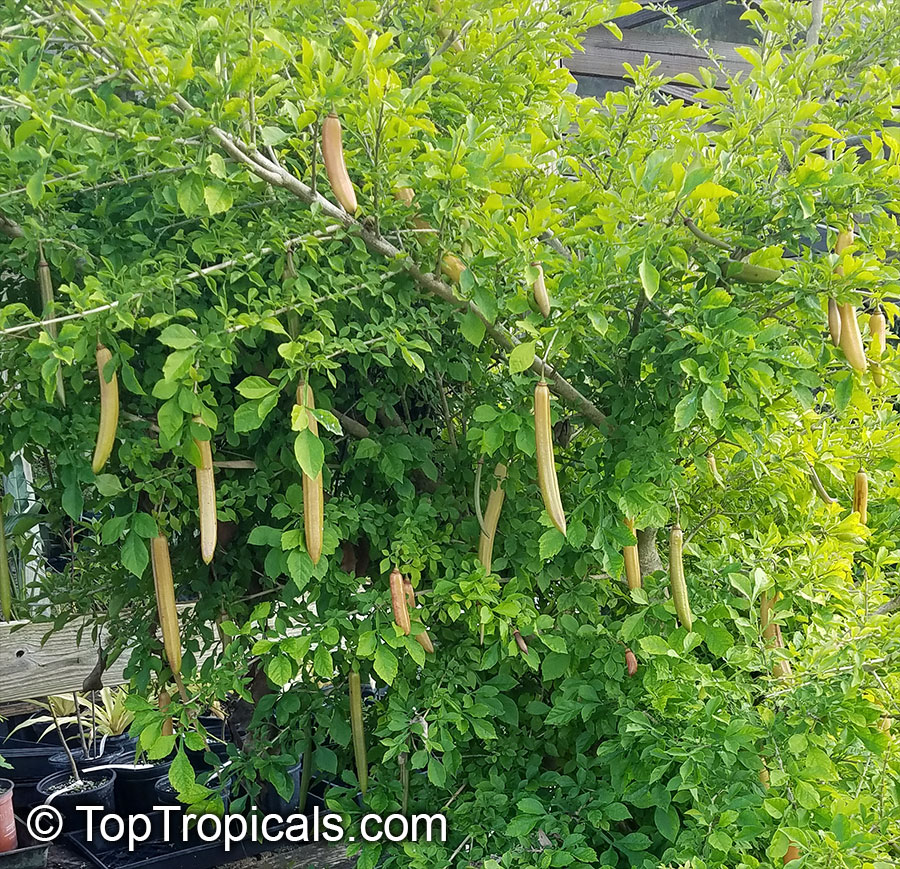
Parmentiera  edulis  -  Candle  Tree,  Guahalote

Photo above: Parmentiera edulis - Candle Tree, Guahalote

Easy fruit

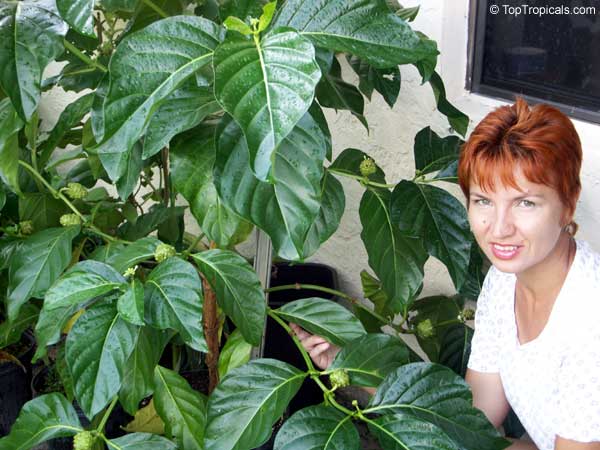
Noni Tree
Yellow Dragon Fruit Palora
Coffee Tree

Morinda  citrifolia  -  Noni  Tree

Photo above: Morinda citrifolia - Noni Tree

Great looking now:
for Shade and Indoor Garden

Calathea zebrina - Zebra Plant
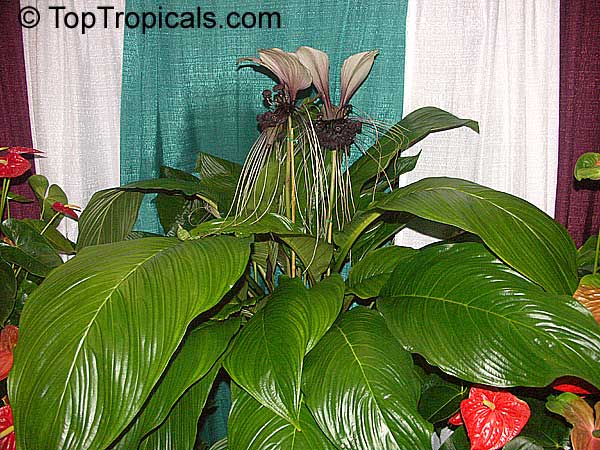
Black Bat Head Lily
White Bat Head Lily
Medinilla
Vanilla Orchid
Reed Ground Orchid
Calathea Fuzzy Pheasant
Colocasia Mojito
Syngonium

Tacca  nivea  -  White  Bat  Head  Lily

Photo above: Tacca nivea - White Bat Head Lily