Garden Blog - Top Tropicals

Date: 6 Dec 2025

🌿 Bring the Jungle Inside: Winter Survival Guide Part 1: Lighting ❄️

Smokey  the  taxedo  cat  adjusts  an  indoor  grow  light  while  Sunshine  the 
 

ginger  tabby  sits  holding  a  hygrometer  he  does  not 
 

understand.

Smokey: "Winter lighting must be precise. I need this light exactly at 14 inches."
Sunshine: "Sure. I am holding this… little number thing."
Smokey: "It reads humidity. Your main job is to look cute."

🌞 LIGHT, TEMPERATURE, PLACEMENT

Winter indoors is a different kind of battlefield. Dark rooms. Dry air. Cold windows. Random drafts. Weak light. Sad plants. We've been talking about keeping your tropicals alive outdoors previously. But some of you have no choice this time of year. You have to bring the jungle inside.

If that is you, then this is your plant survival guide.
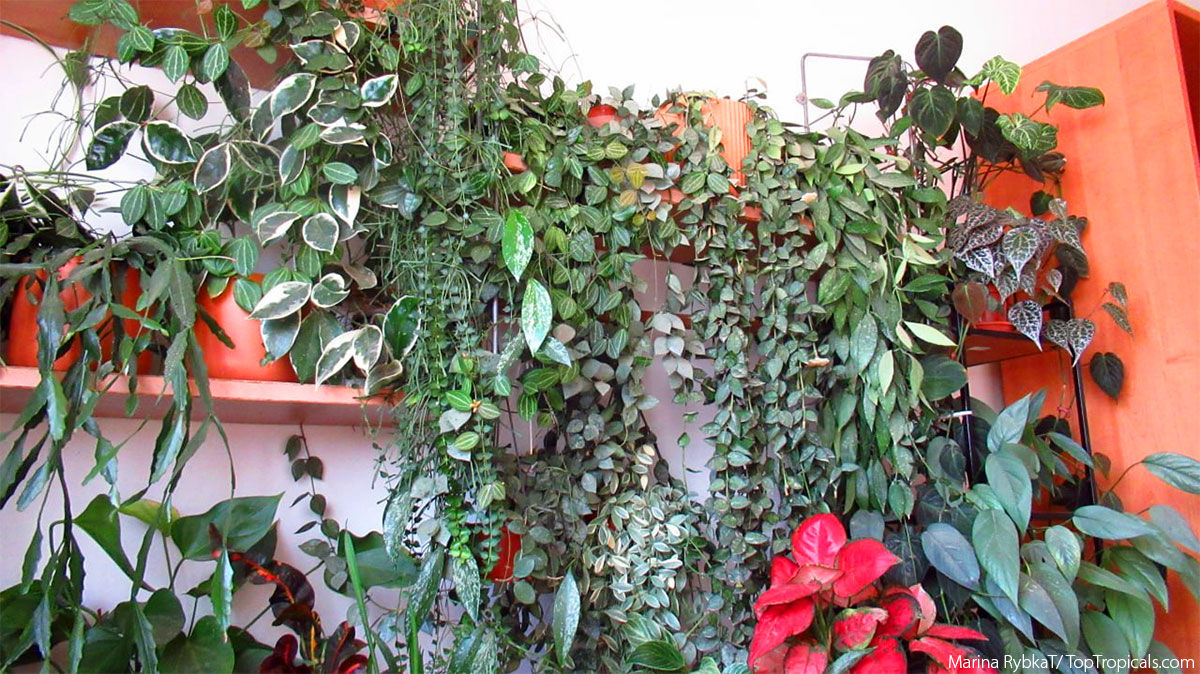
Indoor  wall  of  tropical  houseplants,  including  cascading  vines,  variegated  foliage,  and  mixed  aroids  arranged  on  shelves.

☀️ LIGHT: THE WINTER LIFELINE

Light advice here comes straight from our in-house expert, Michael Dubinovsky, a high-tech lighting engineer with over 30 years of hands-on experience. If he says brightness beats hours, trust him.

Here is the truth: Indoor light in winter is 10 to 50 times weaker than outdoors. Short days. Low-angle sun. Windows filtering half the useful light. It all adds up.

Tropicals need 10 to 12 hours of real brightness. Winter sun cannot do that on its own. Not even in a big window. So we help them.

Use bright LED shop lights or utility lights. 5000K to 6500K CCT. High lumen output. Skip decorative bulbs. Skip purple grow fancy toy lights. If you want a single plant light, even a clamp lamp is fine if you screw in a bright daylight LED bulb.

Panels work best for plant clusters. Bars for shelves. Bulbs for single plants. And grouping plants under one bright panel always beats spreading them out.

Distance matters: keep LEDs about 12 to 18 inches above the leaves. Too close: leaf burn. Too far: stretching, weak stems.

Leaves reaching up? Light is too high or too weak. Leaves curling down? Light is too close.

If you want a reality check, download any smartphone lux meter app. Most indoor corners are 50 to 200 lux without supplemental light. Tropicals want much more

And a quick tip about windows: winter sun comes in sideways. A spot that looks bright at noon can go dull by 2 PM. Don't count of window light
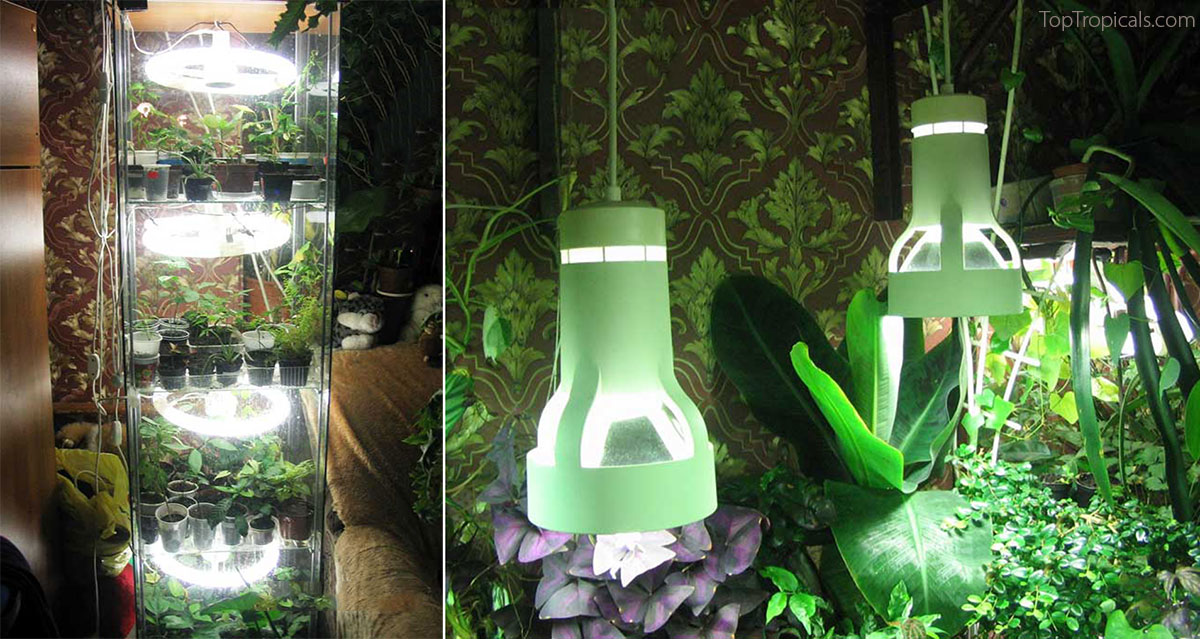
Indoor  grow  setup  with  bright  LED  lights  illuminating  shelves  of  tropical  plants.

Bright light or long hours

People try to fix weak light by running it for 16 or 18 hours. That does not work. Plants care more about light intensity. A few hours of strong light beats all-day dim light. If the light is weak, adding more hours will not change anything except your electric bill.

Simple rule: Short duration but bright is always better than long duration but weak. - by Michael, Top Tropicals lighting expert

No need for fancy horticultural panels

You do not need purple grow lights. You do not need special horticultural fixtures. You do not need expensive panels unless you want real winter growth.

For winter plant holding till spring, the inexpensive solution works great:

  • Bright LED daylight bulbs (5000K to 6500K) from hardware store
  • High lumen output
  • Inexpensive clamp lamps
  • Aim directly at the plant from 12 to 18 inches

This setup keeps tropicals happy until spring without buying anything fancy. Save the money for soil, pots, or your next plant.

Indoor plant lighting safety note:

  • Use timers. Keep cords dry. Do not overload outlets.
  • Do not hang lights over humidifiers.
  • And do not put fixtures on piles of books to raise them. People do this.
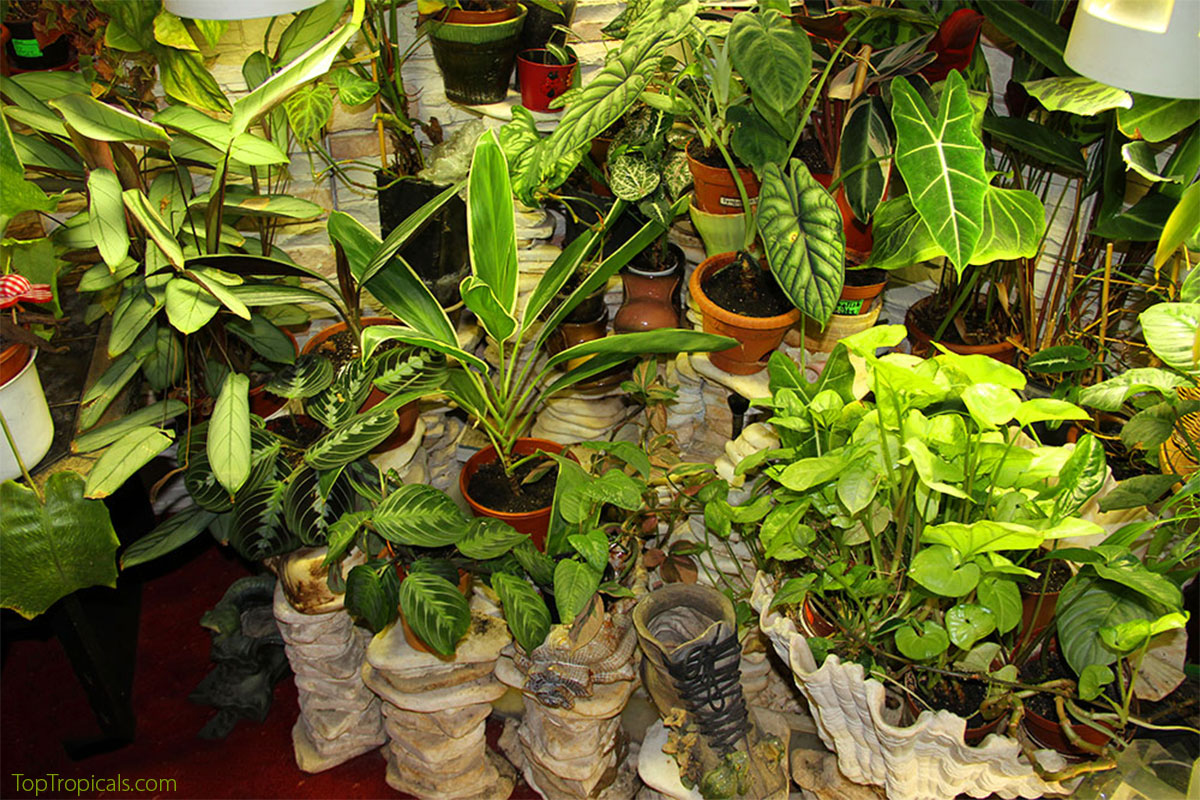
Indoor  plants


✔️ WINTER INDOOR FAQ: TEMPERATURE AND PLACEMENT

Q: I am in Home Depot. Which light do I buy?
A: LED shop light, daylight color (5000K to 6500K), high lumens. Skip fancy plant bulbs.

Q: Can I use clamp lamps or floor lamps for plants?
A: Yes. Clamp lamps with a bright daylight LED bulb work great for winter holding.

Q: Do I need special horticultural grow lights?
A: No. A bright LED daylight bulb works fine for winter. Save the fancy lights for real growth projects.

Q: How far should the light be from the plant?
A: About 12 to 18 inches above the leaves. Too close burns. Too far stretches.

Q: Can I run weak lights for 18 hours to compensate?
A: No. Weak light plus long hours still equals a weak plant. Brightness matters more than hours.

Q: How do I know if a spot is bright enough?
A: Use a free phone lux app. Most indoor corners are much too dim for tropicals.

Q: I have a huge window. Why do I still need LEDs?
A: Indoor winter light is weak, short, and filtered by glass. Plants want intensity, not just a big window.

Q: My window faces north. Now what?
A: North windows are decorative only. Use supplemental lighting or move the plant.
📚 Learn more:


Date: 26 Apr 2023

The Benefits of Companion Planting

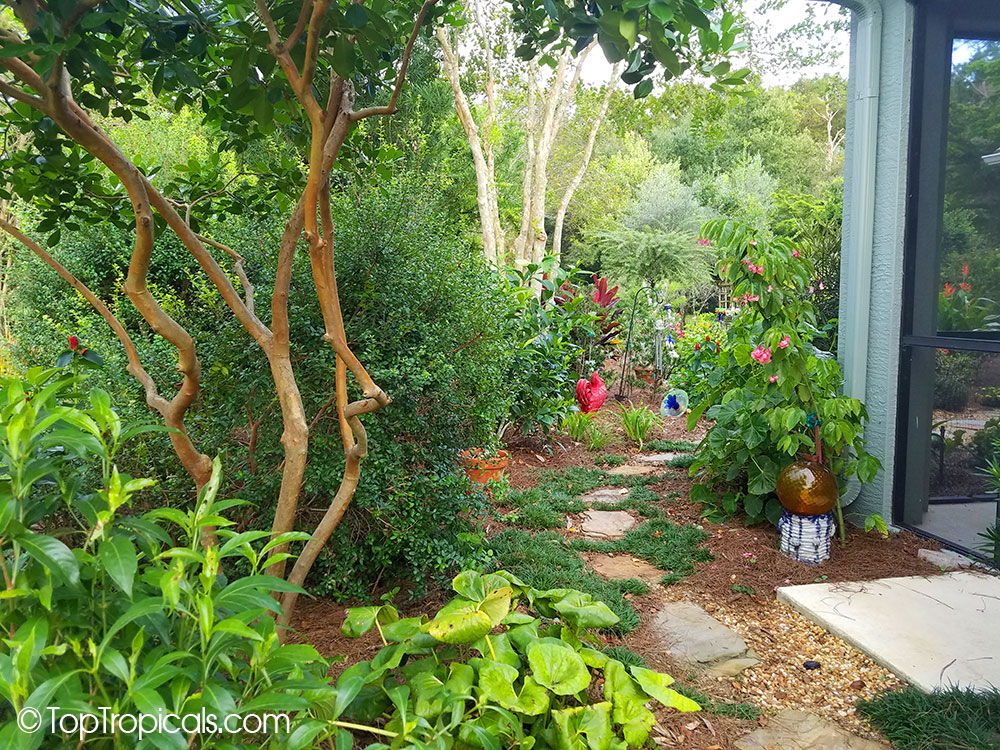
Landscaped  garden  with  companion  planting

Q: What is companion planting?

A: Companion planting is a gardening technique that involves planting different crops or types of plants together in a way that benefits all plants. This practice has been used for centuries, and it can be especially useful in tropical gardens where there is a diversity of plant life: trees, shrubs, vines and climbers, ground covers, fruit and edibles, and different flowering ornamentals. It is a great way to improve the health and yield of fruit tree crops while reducing the need for fertilizers and pesticides. By choosing the right companion plants and planning your garden layout carefully, you can create a vibrant and diverse ecosystem that will benefit both your plants and the environment.

Companion planting involves:

Planting different crops together to repel insects: adding such plants as Lemon grass, Patchouli leaf, or Moujean Tea near your vegetables can deter aphids and other pests.

Attracting pollinators - Butterfly plants. Many tropical crops, such as passion fruit, papaya, mango, and avocado, rely on pollinators to produce fruit. Companion planting can help to attract pollinators such as bees, butterflies, and hummingbirds to your garden.

Providing nutrients to the soil, adding mulch and low growing plants (ground covers) to preserve moisture.

Planting a variety of different types of plants together in order to create a more resilient ecosystem that is less susceptible to pests and diseases.

To get started, plan your garden layout and choose companion plants with similar water and light requirements.
For example, plant in the same group lush foliage plants, gingers, and flowering brunfelsias in shady areas; plant jasmines and gardenias in full sun and very well-drained spots.
Rotate annual crops regularly and experiment with combinations to find what works best. By doing this, you can create a thriving ecosystem that benefits both your plants and the environment, reducing the need for harmful chemicals.

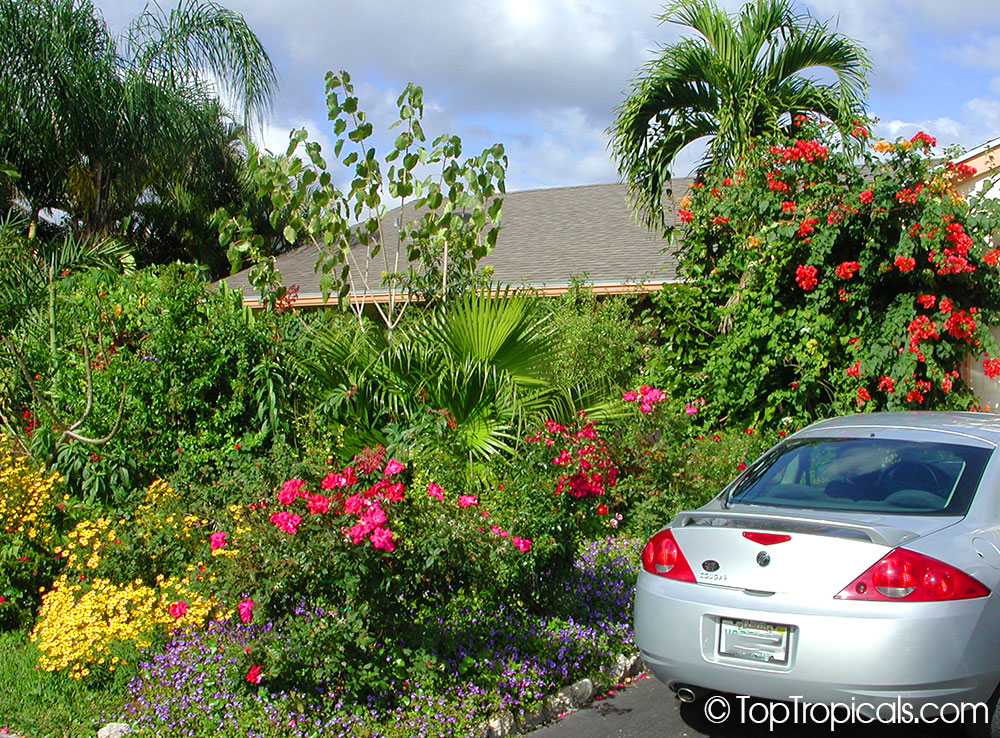
Landscaped  front  yard  with  companion  planting

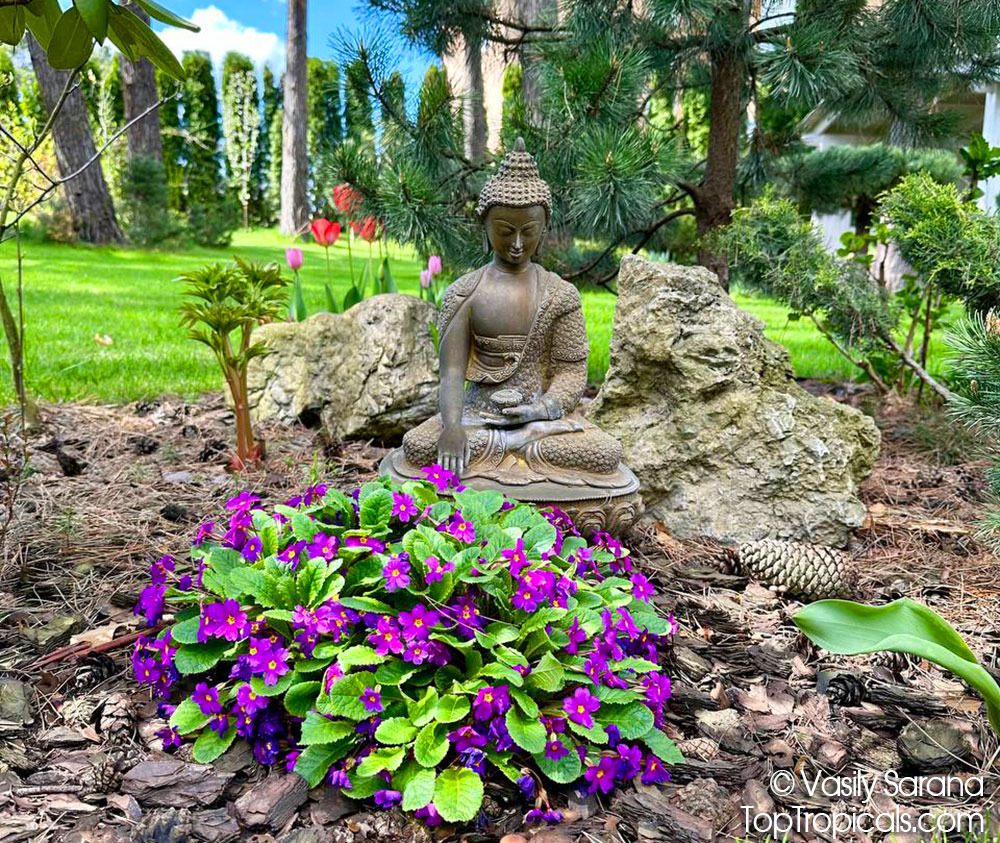
Buddah  and  flowers

Date: 2 Jan 2025

New Year with New Plants:
Choose from 17 Tropical Paradise Resolutions!

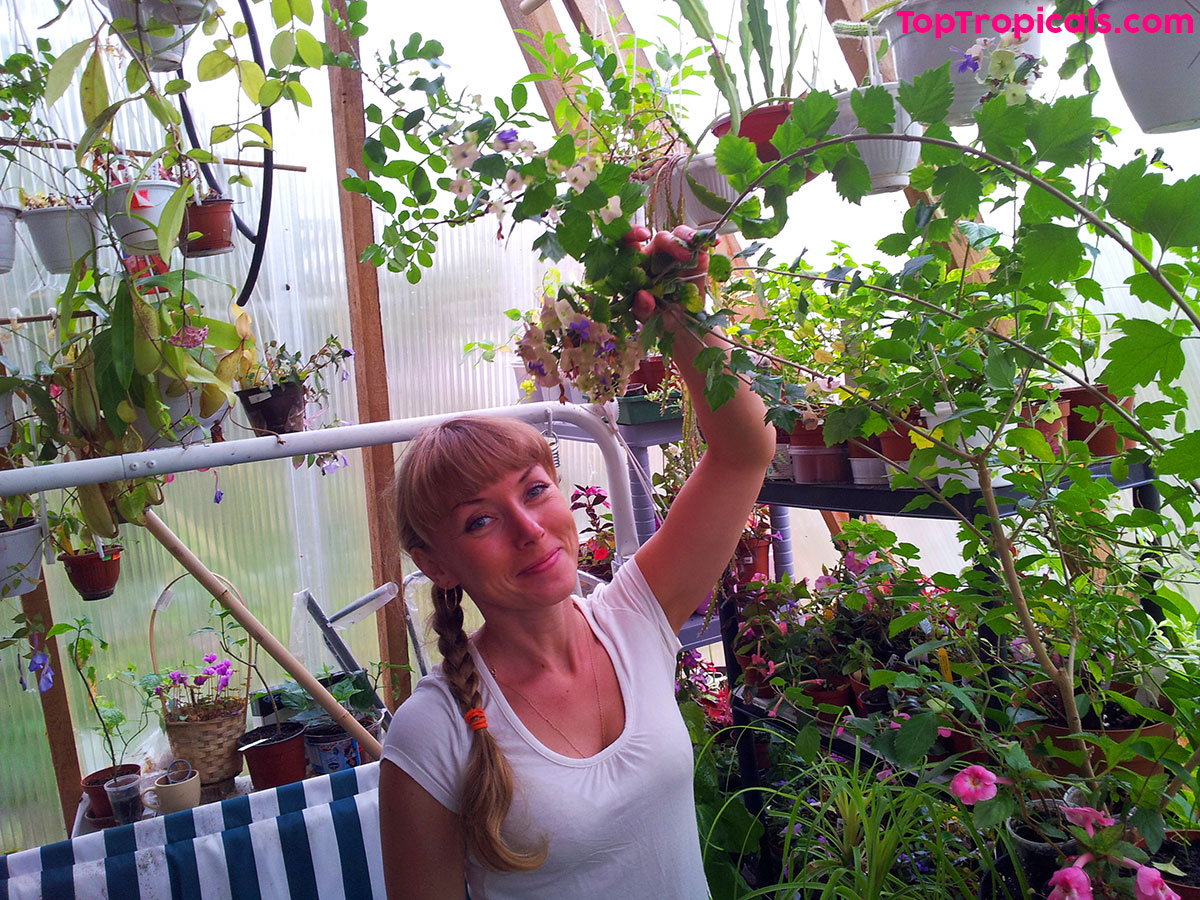
Indoor  garden  and 


greenhouse

"A garden is never so good as it will be next year..." - Thomas Cooper.

Happy New Year, dear fellow gardeners! As we step into a fresh new year, it's the perfect time to think about what exciting, special, and life-changing plants we can add to our gardens. The days are getting longer, and spring is just around the corner, so now's the time to make a plan and prepare for the season ahead. Let's take small steps each year to create the garden of our dreams. This winter, consider these fun resolutions:

  1. Hang a bird feeder and install a rain barrel
  2. Order some tropical plant seeds for an early start
  3. Ask your grandparents about their favorite garden plants
  4. Build a raised bed for succulents
  5. Plant a fruit tree or two to have some crop this year
  6. Start a compost pile
  7. Switch to organic fertilizers and plant boosters
  8. Fill empty spaces with flowering trees, shrubs, and vines
  9. Add butterfly attractors to your garden
  10. Provide water for bees and butterflies to help them thrive and pollinate your fruit trees
  11. Get a bonsai starter to try bonsai art
  12. Enjoy meals outside as often as you can
  13. Teach a child how to plant a tree
  14. Plant berry-bearing shrubs like Tropical Cherries to feed the birds
  15. Rake up leaves for winter mulch
  16. Add a few exotic plants to your indoor collection or container garden
  17. Share plants as gifts all year long

Happy gardening in 2025!

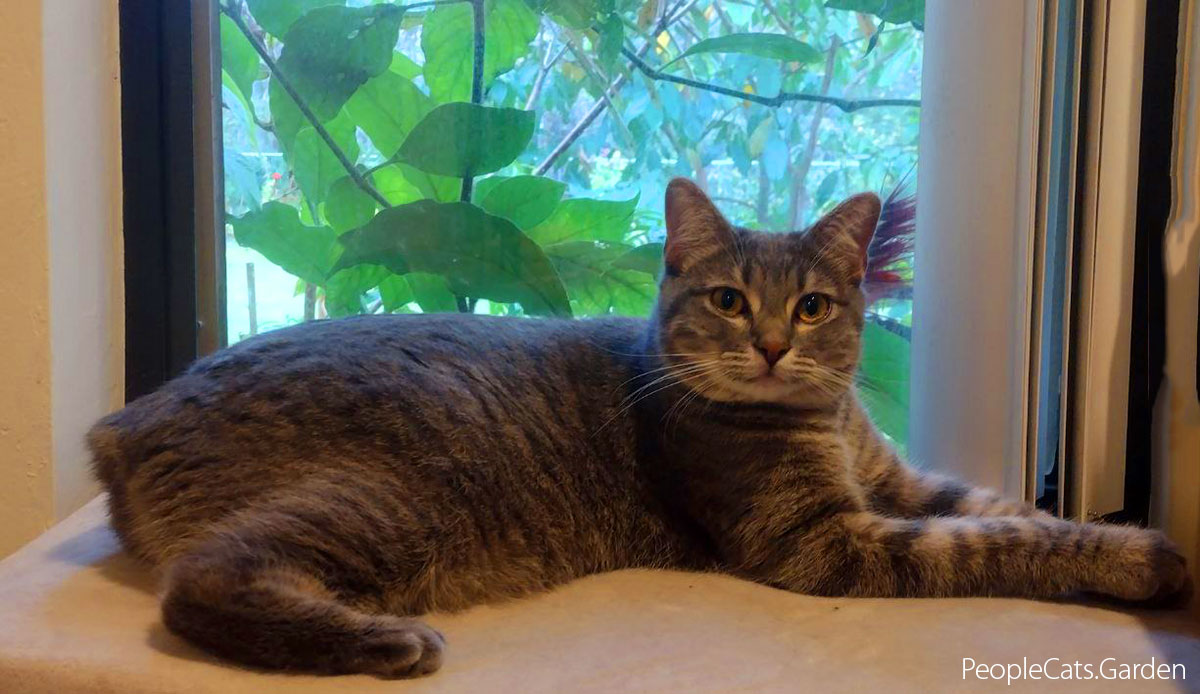
Cat  with  tropical  plants

Date: 3 Jan 2025

New Year with New Plants: how to choose from 17 Tropical Paradise Resolutions

New Year with New Plants: how to choose from 17 Tropical Paradise Resolutions

📌 New Year with New Plants: how to choose from 17 Tropical Paradise Resolutions


✍️ "A garden is never so good as it will be next year..." - Thomas Cooper.

⚡️ As we step into a fresh new year, it's the perfect time to think about what exciting, special, and life-changing plants we can add to our gardens. The days are getting longer, and spring is just around the corner, so now's the time to make a plan and prepare for the season ahead. Let's take small steps each year to create the garden of our dreams. This winter, consider these fun resolutions:

🚩🚩🚩🚩 Happy gardening in 2025!


#How_to #Quotes

🔴 Join 👉 TopTropicals

Date: 11 May 2023

Five reasons to give your mother a live plant

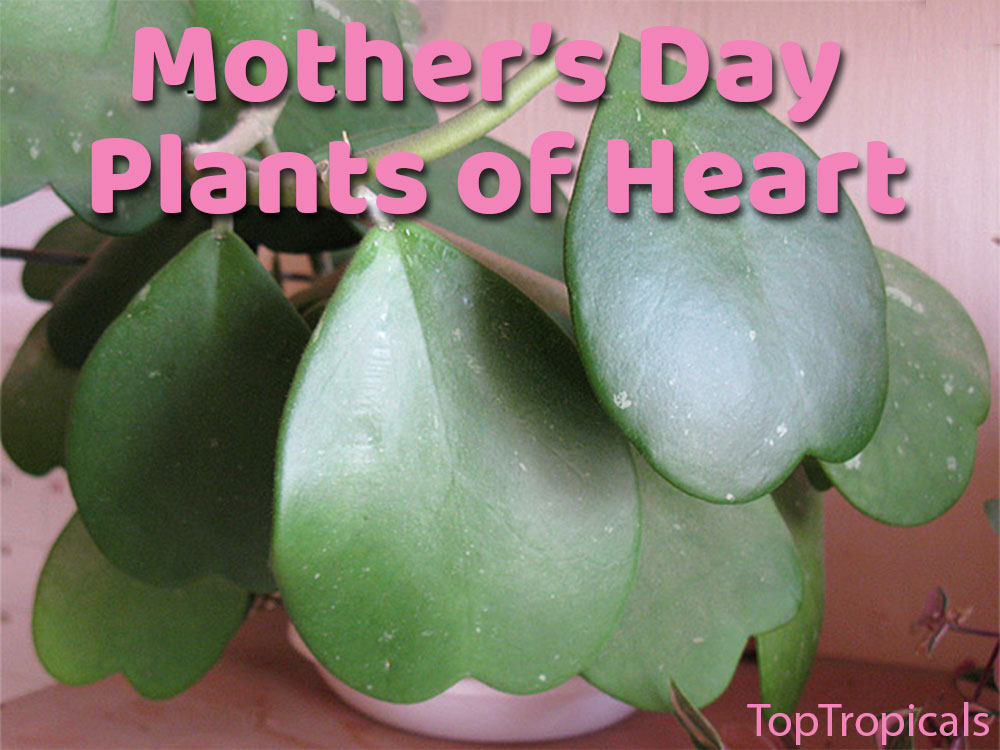
Hoya  kerrii  -  Sweetheart

In the photo: Hoya kerrii - Wax Hearts, Sweetheart Hoya, Heart leaf - makes an ideal houseplant. It has become increasingly popular in recent years because of its unusual "heart" shape leaves...

Q: What is the best Mother' Days present?

A: Buying a live plant for your mother is a thoughtful and meaningful Mother's Day gift for several reasons:

1. Growth and Nurturing: Just like a mother's love, a live plant symbolizes growth, nurturing, and the bond between a caregiver and their offspring. By gifting a live plant, you acknowledge and honor your mother's role in nurturing and supporting you throughout your life.

2. Long-lasting Beauty: While cut flowers may fade within days, a live plant has the potential to flourish and bloom for months or even years. It serves as a constant reminder of your love and appreciation, bringing beauty and vitality to your mother's living space.

3. Therapeutic and Relaxing: Gardening has been proven to have therapeutic benefits, reducing stress and promoting relaxation. By giving your mother a live plant, you provide her with an opportunity to engage in a fulfilling and calming hobby that can enhance her overall well-being.

4. Personalized and Thoughtful: Choosing a live plant allows you to select a specific type or variety that holds significance for your mother. You can consider her preferences, favorite colors, or even a plant that carries a special meaning. This personalized touch shows that you've put thought and effort into selecting a gift that resonates with her.

5. Symbol of Renewal and Hope: Plants have a natural cycle of growth, renewal, and resilience. By giving your mother a live plant, you convey a message of hope, renewal, and the endless possibilities that lie ahead.

Some suggestions of live plant gifts

Spice trees and plants - you don't need to wait until it fruits or blooms, the spice is with you right away!
Mango or Avocado tree - a classic present of a valuable tropical tree and a sign of respect
Fragrant plants - 100% success! Ladies love fragrances. Especially Jasmines.
Flowering butterfly attracting plants are so romantic!
Gingers and heliconias - are very tropical looking, exotic beauties.

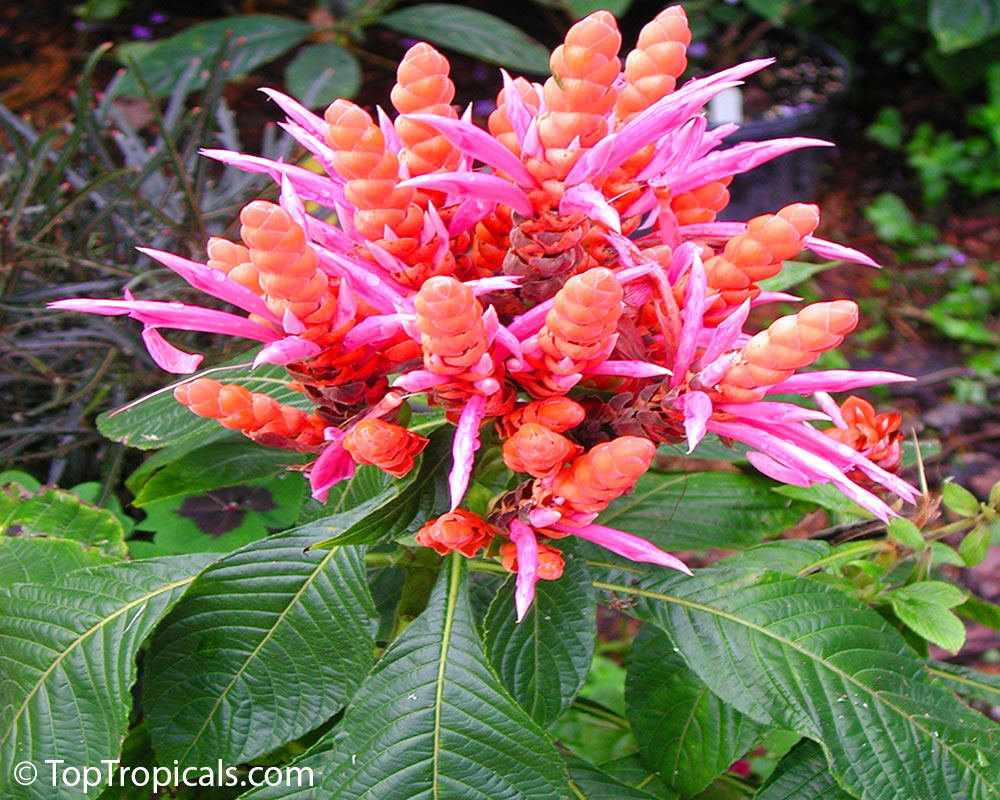
Aphelandra  sinclairiana  -  Panama  Queen

In the photo: Panama Queen - a very rare, much wanted tropical plant with extremely tropical look, fragrant flowers of unusual color combination: orange and pink