🎄 Holiday Plant Market:
Saturday, Dec 13, 2025, 9:00 AM to 4:00 PM 🎉
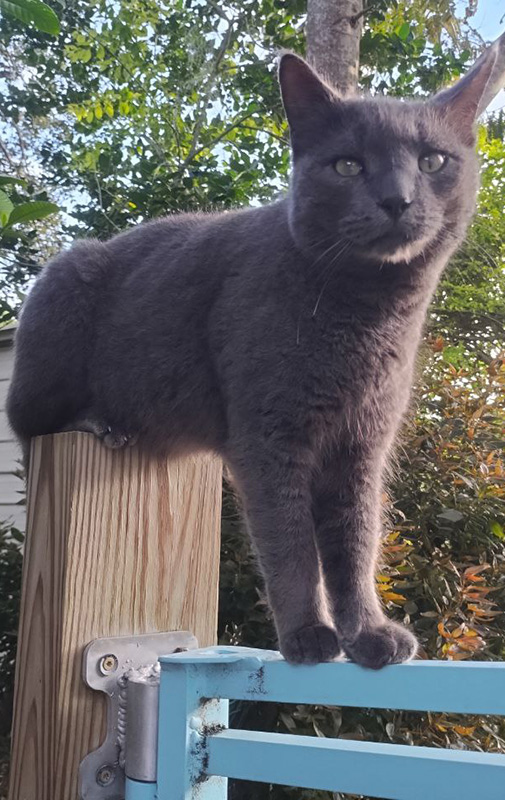
Smokey: We invited people, so we need to be prepared for the crowd.
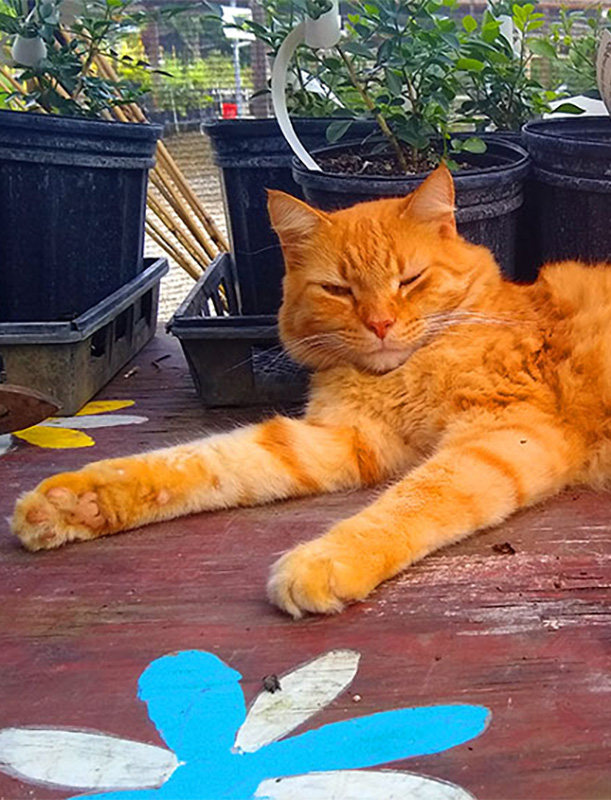
Sunshine: I am prepared. I saw yummy donuts on the flyer.
Smokey: Of course you did, genius. You are responsible for donuts
and coffee.
It is almost here. Our big end-of-season Plant Day. All year we grow the
rare and unusual plants that will be featured at this event, and Saturday is
the day they finally meet their new homes. The garden turns into a small
holiday escape: fresh air, bright colors, music, snacks, and the PeopleCats
greeting everyone like they have known you for years.
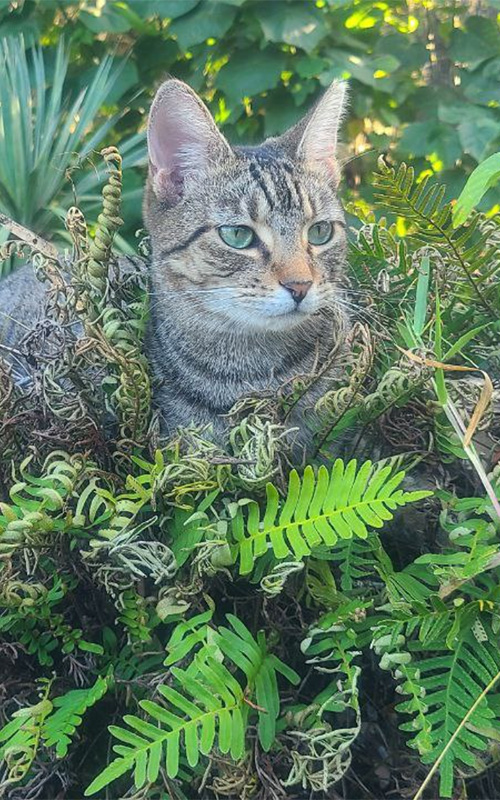
Meet PeopleCats crew in charge
King
Sushi
Snitch
Paisley
Persephone
Loki
Why you should come
It is December in Florida - warm breeze, sunshine, and perfect planting
weather. While the rest of the country is scraping frost off windshields,
you're
choosing which banana tree to take home. Come enjoy a colorful Saturday
surrounded by plants, music, snacks, and friendly PeopleCats. This is your
holiday escape, your plant-hunting adventure, and your chance to bring home
something amazing before the season ends.
Not Local?
Not everyone is lucky enough to live close by. For our online customers,
here is 20% for online orders:
EVENT2025
Valid for online orders only. Minimum order $120 (excluding shipping and
handling). Cannot be combined with any other discounts, coupon codes,
automatic promotions, or special offers. Not valid on previous purchases.
One use
per customer. Code must be entered at checkout. Offer valid through the end
of
Sunday, 12/14/2025
The One Peach Tree Every Florida Gardener Should Know About: Tropic Beauty
Peach tree in full bloom
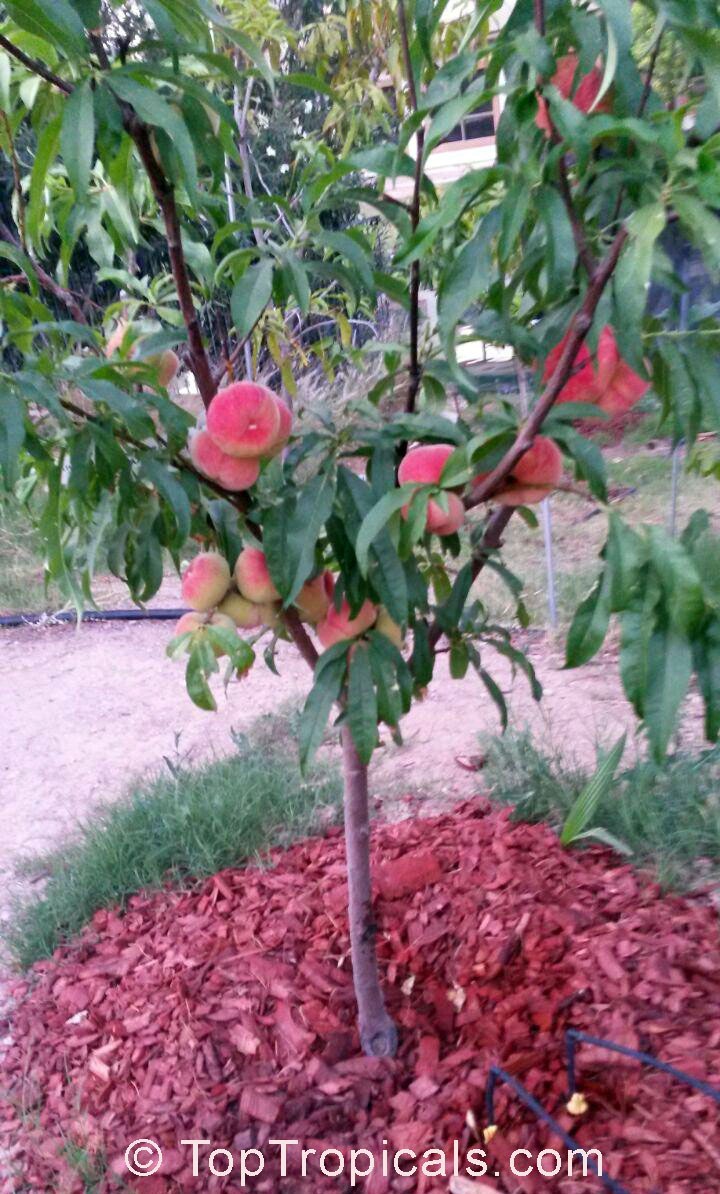
Tropic Beauty Peach tree
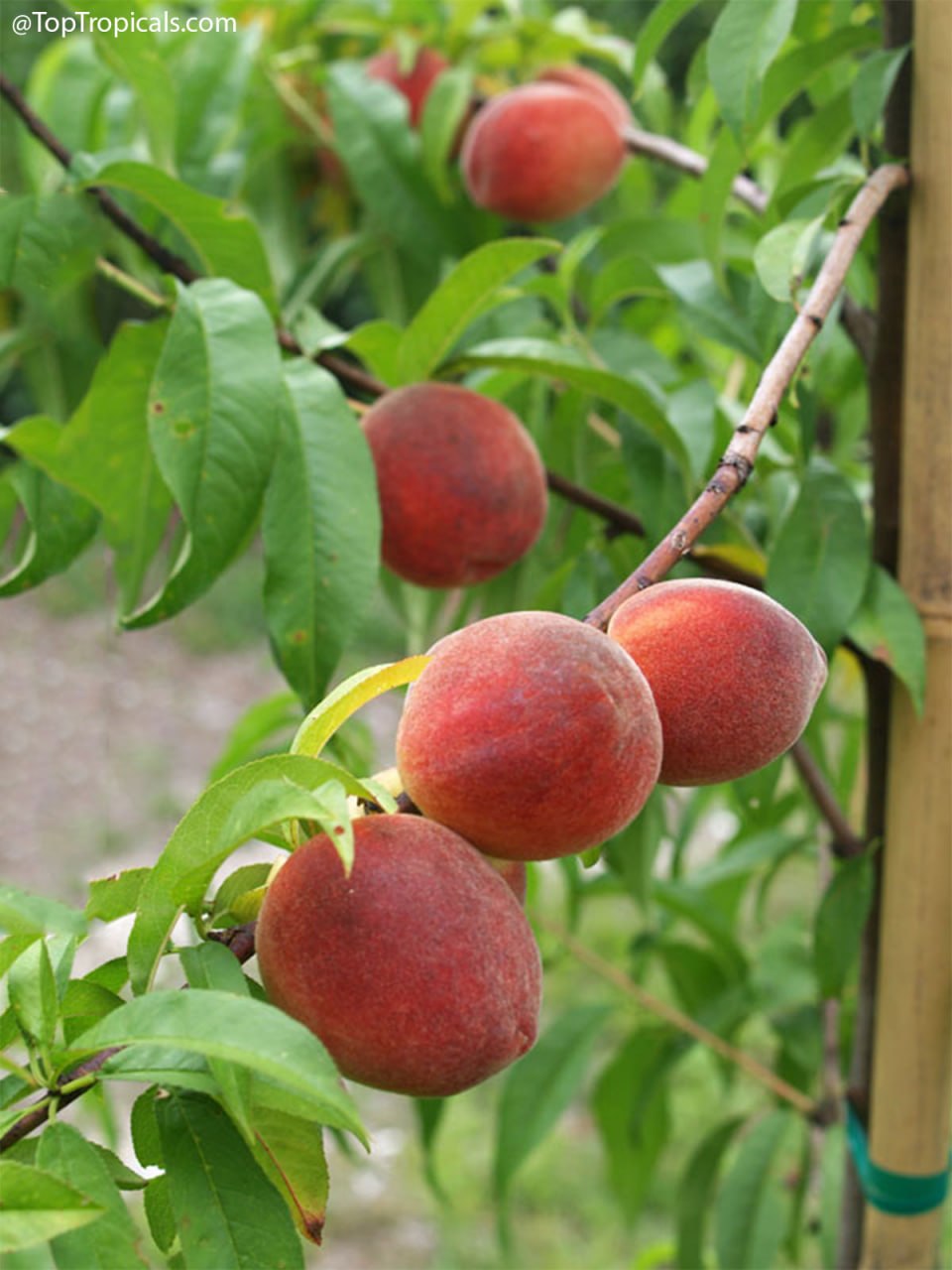
Tropic Beauty Peach fruit
The One Peach Tree Every Florida Gardener Should Know About: Tropic Beauty
Most Florida gardeners assume peaches are off the table. Wrong climate, not enough cold, too much heat. Tropic Beauty exists specifically to prove that wrong - and it ripens in late April while the rest of the country is still waiting on summer.
Peach Plant Facts
Botanical name: Prunus persica, Amygdalus persica Also known as: Peach
USDA Zone: 5 - 10
Highligths
I Didn't Think You Could Grow Peaches Here
I'll be honest - when I first started growing fruit trees in Florida, I assumed peaches were just off the table. Too much heat, not enough cold winters, wrong climate entirely. Then someone at my local nursery pointed me toward Tropic Beauty, and that assumption went right out the window.
This variety has been around since 1989, developed jointly by the University of Florida and Texas A&M. That's over three decades of Florida gardeners growing it, eating it, and planting more of them. When a cultivar sticks around that long, it's just a good tree.
Why Low Chill Actually Matters Here
Most peaches need 700 to 1,000 chill hours - the number of hours below 45°F the tree needs during winter to break dormancy and set fruit. In central and south Florida, we're lucky to scrape together 150 to 300 hours in a mild year. That rules out most varieties before you even get started.
Tropic Beauty only needs 150. It was built for exactly the winters we have here - cool but not cold, brief but not brutal. Most years, it gets what it needs without you thinking about it at all.
What the Fruit Is Actually Like
Medium-sized peaches, deep red blush covering about 70% of the skin over a bright yellow background. They look genuinely good on the tree - the kind of fruit that makes you grab your phone before you even pick one.
Cut one open and you get soft, melting yellow flesh with classic sweet peach flavor, plus a little acidity to keep it interesting. The pit is semi-freestone, easy enough that you're not wrestling with it.
If you've ever bitten into a grocery store peach and been let down - mealy texture, no real flavor - this is the opposite of that. Warm from the tree on a late April morning, it tastes like what peaches are supposed to taste like.
April Harvest: Earlier Than You'd Think
Ripening in late April, Tropic Beauty is one of the earliest peaches you can grow anywhere. Most of the country is still waiting on peach season while you're already making cobbler.
The fruit also holds well on the tree - no need to pick everything at once. You can let them hang and harvest over a couple of weeks, which is a real convenience if you're planning to can and want to spread the work out.
One Tree Is Enough (But Two Doesn't Hurt)
Tropic Beauty is self-fertile, so it doesn't need a second tree to produce fruit. Plant one, get peaches. That matters if you're working with a smaller yard or just testing the waters.
If you have space for two, yields do go up with cross-pollination - worth keeping in mind for a small home orchard.
It Fits More Spaces Than You'd Expect
The tree can grow 15 to 20 feet, but with regular pruning it's easy to keep around 10 feet. It also works well in containers, which makes it more accessible than most fruit trees.
Plant it in full sun, well-drained soil. Peaches don't love wet feet, so if drainage is questionable in your yard, mounding the soil before planting is a smart move.
Worth Planting?
If you're in central or south Florida and you've been wanting to grow peaches but weren't sure it was realistic - Tropic Beauty is your answer. Proven over decades, adapted to the climate, and when it produces, it produces well.
Some trees you plant and hope for the best. This one, you just wait for April.
"Before the peaches, there's this. Tropic Beauty in full bloom - proof that a fruit tree can be just as beautiful as anything you'd plant purely for looks.
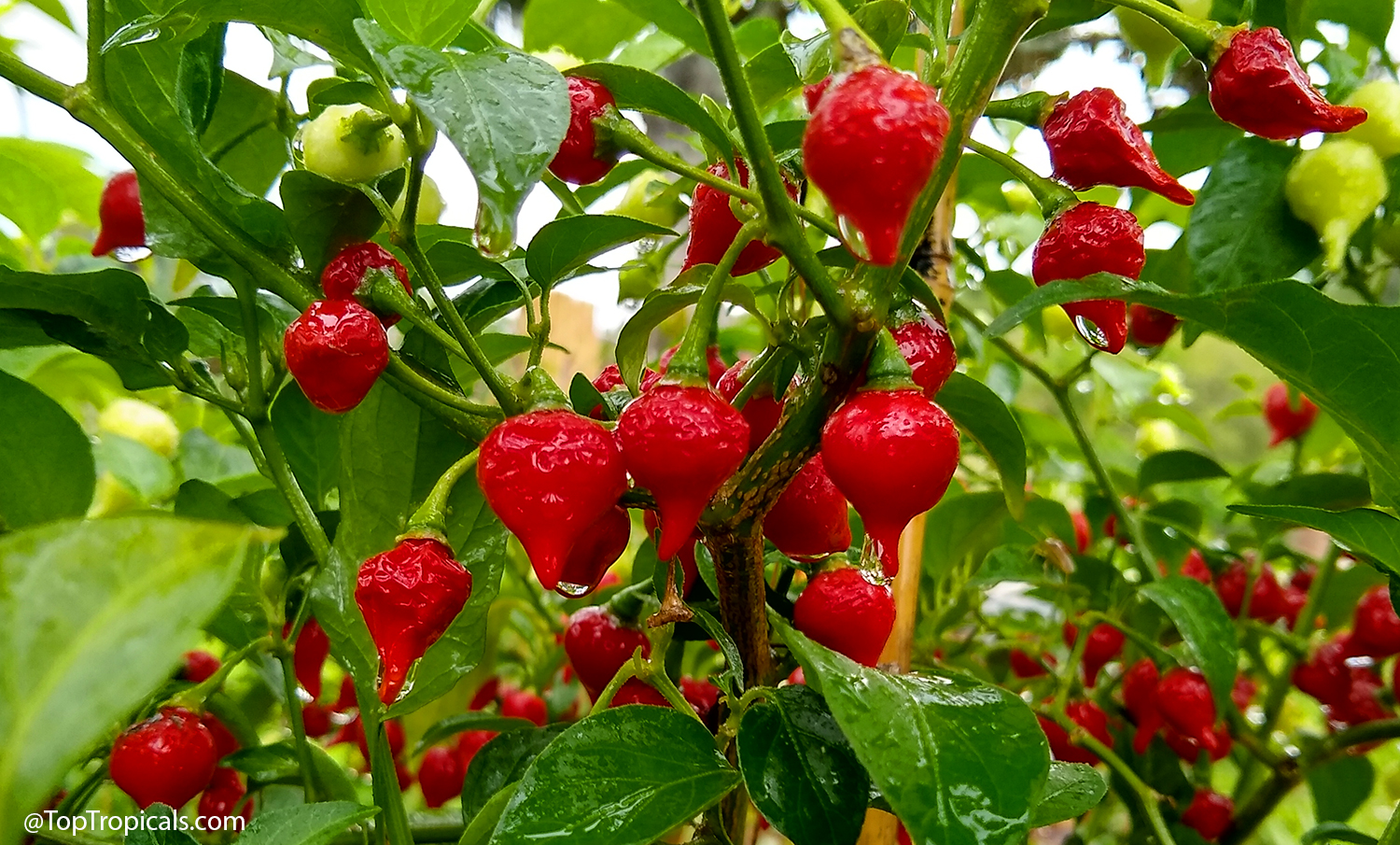
Biquinho
pepper loaded with fruit - small, beak-shaped peppers ripen
from green to bright red, offering intense fruity habanero flavor with
little to no heat on a compact, heavy-producing plant.
Sweet Pepper Plant Facts
Botanical name: Capsicum annuum Also known as: Sweet Pepper, Chilli Pepper, Cayenne Pepper, Paprika, Ornamental pepper
USDA Zone: 4 - 10
Highligths
A lot of plants that thrive in Florida heat have deep roots in Mexico, and
not just as ornamentals. Think coral vine or flame vine climbing a fence in
summer, or bird of paradise
sitting at the edge of a patio like it owns the place. These are not plants
that need coaxing. They grow fast, full, and unapologetically.
Then there are the plants you actually eat: peppers,
prickly
pear, sweetleaf,
and fruit trees like avocado, guava,
and sapodilla.
They do not just decorate the yard. They change how the yard works, and how
the kitchen feels all year.
Avocado Plant Facts
Botanical name: Persea americana, Persea gratissima Also known as: Avocado, Alligator Pear, Aguacate, Abacate
USDA Zone: 9 - 11
Highligths
That is the part that sneaks up on you. Gardening stops being about having a
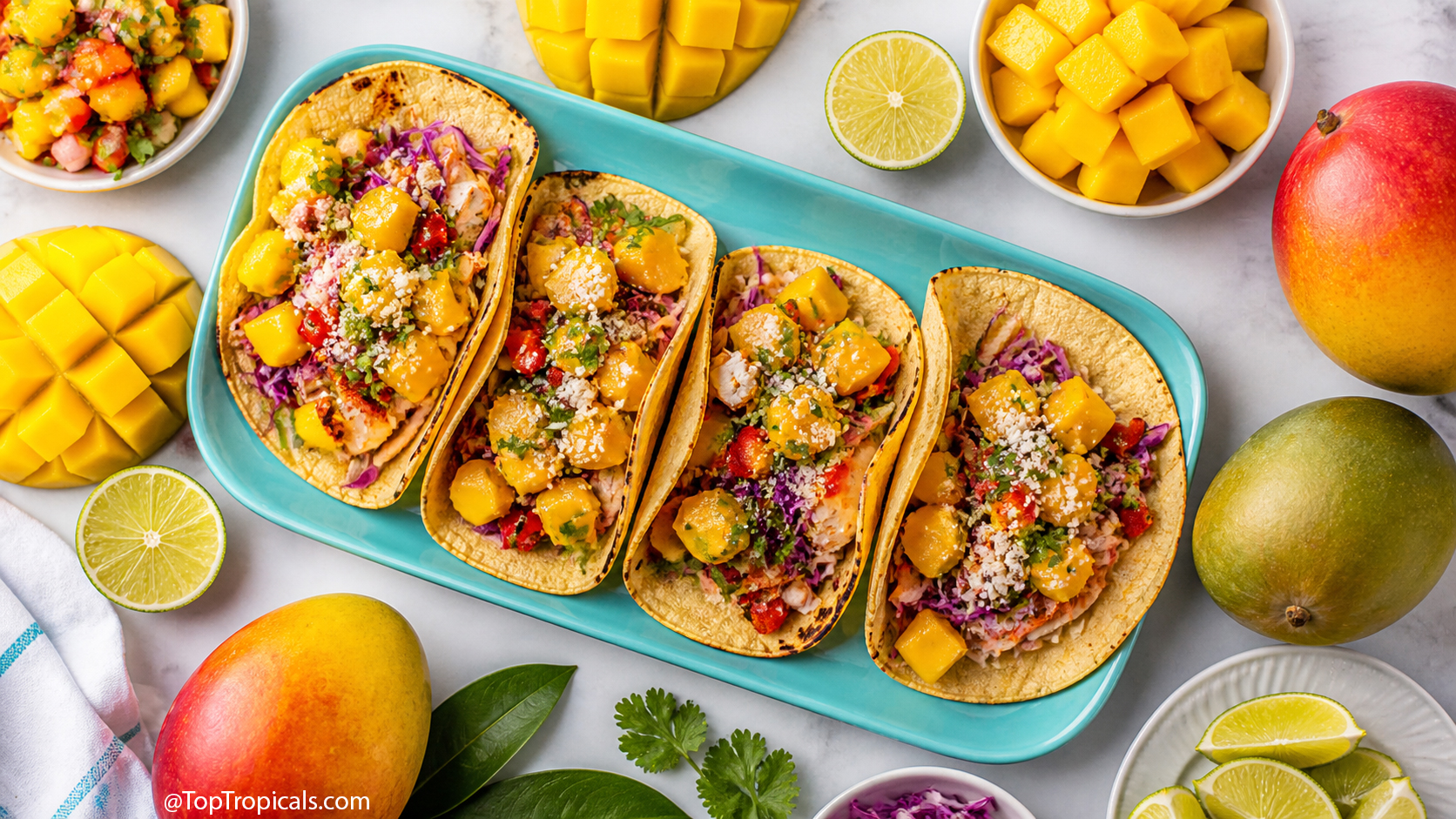
pretty yard and starts becoming a way of living. Mango tacos taste
different when you picked the mango yourself. Everything does.
Mango Plant Facts
Botanical name: Mangifera indica Also known as: Mango
USDA Zone: 9 - 11
Highligths
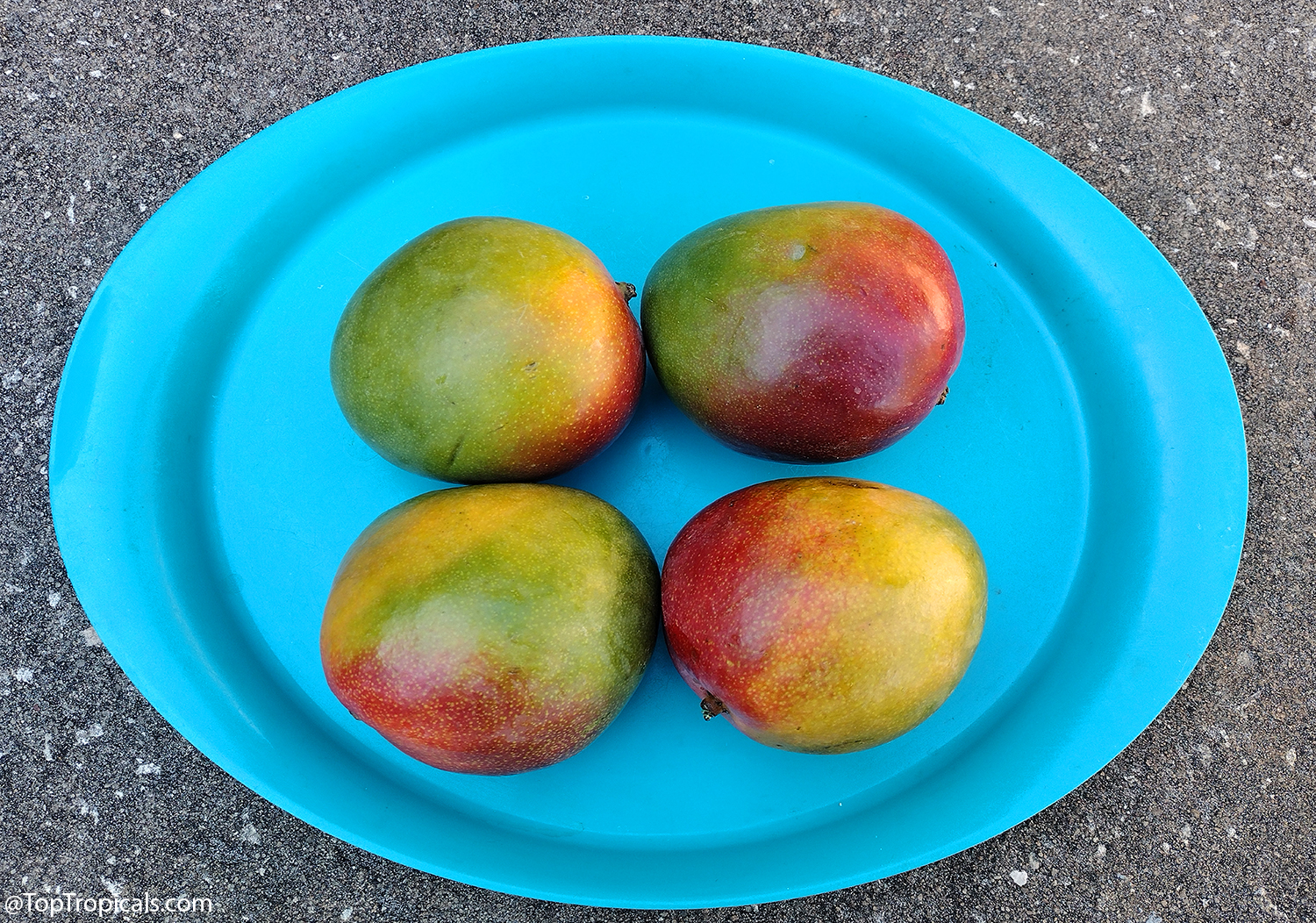
Kent mango - classic late-season variety with smooth,
fiberless flesh and rich, sweet flavor.
🍀Mexican
Plants That Thrive With Minimal Effort
by Tatiana Anderson, Top Tropicals Garden
Expert
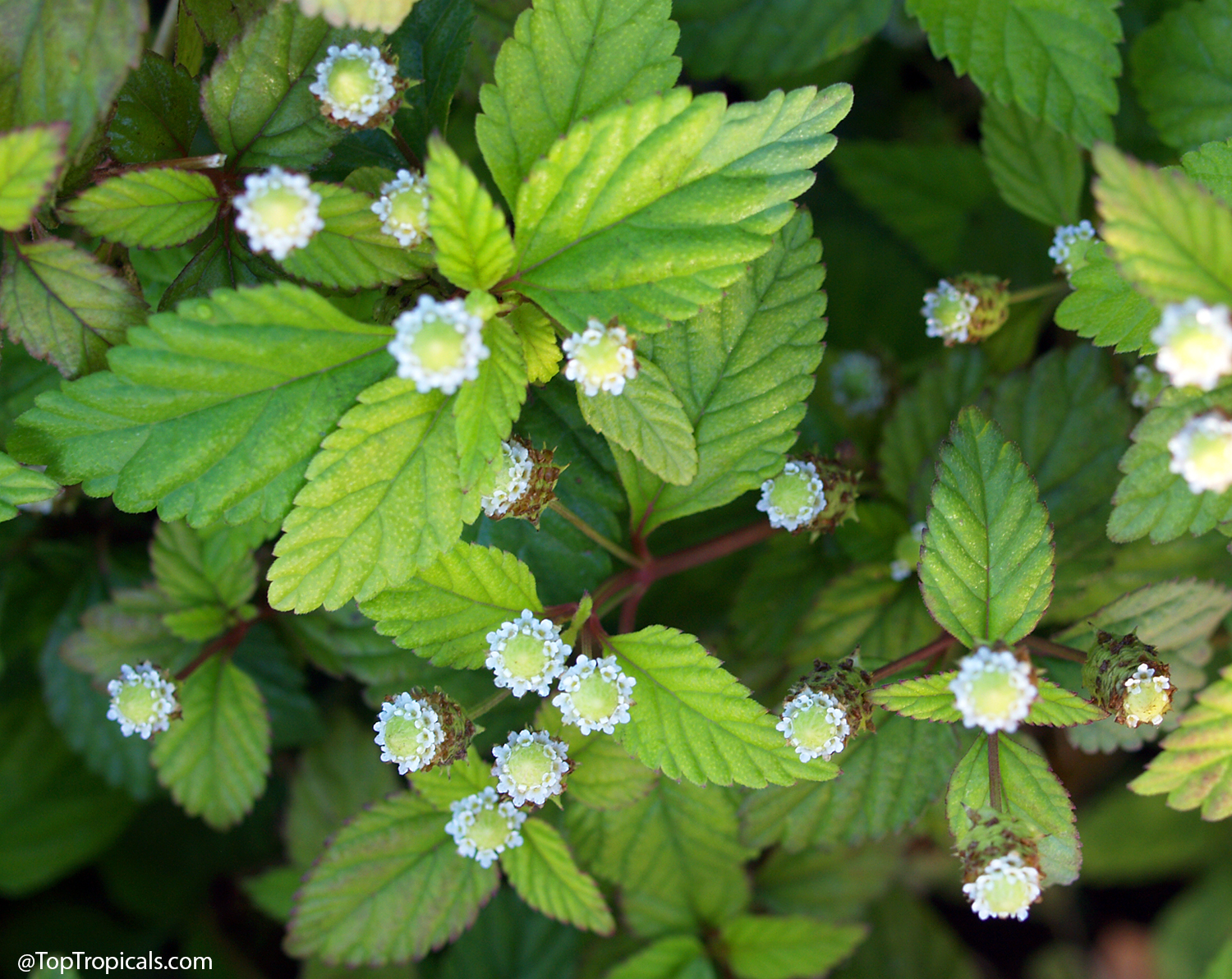
Lippia
dulcis - Aztec Sweet Herb in bloom - a low-growing Mexican herb
with tiny white flowers and remarkably sweet leaves that can be eaten fresh
or added to fruit dishes, traditionally used since Aztec times for coughs
and colds.
Aztec Sweet Herb Plant Facts
Botanical name: Phyla dulcis, Lippia dulcis, Phyla scaberrima, Lippia mexicana Also known as: Aztec Sweet Herb, Sweetleaf
USDA Zone: 9 - 11
Highligths
These Mexican plants are surprisingly easy to grow if you give them what
they expect: sun, heat, and good drainage. Most of them are built for tough
conditions and will grow fast with minimal care once established.
The one rule that matters: fill the planting hole with water. If it does
not drain in 5-10 seconds, plant on a mound or use a container.
Flowering
vines will take off quickly, edibles like peppers and sweetleaf
lippia
are very forgiving, and cactus types prefer to be left alone rather than
overwatered.
For full, step-by-step growing tips and plant-specific advice, read our blog
- we break everything down in practical, real-world terms.
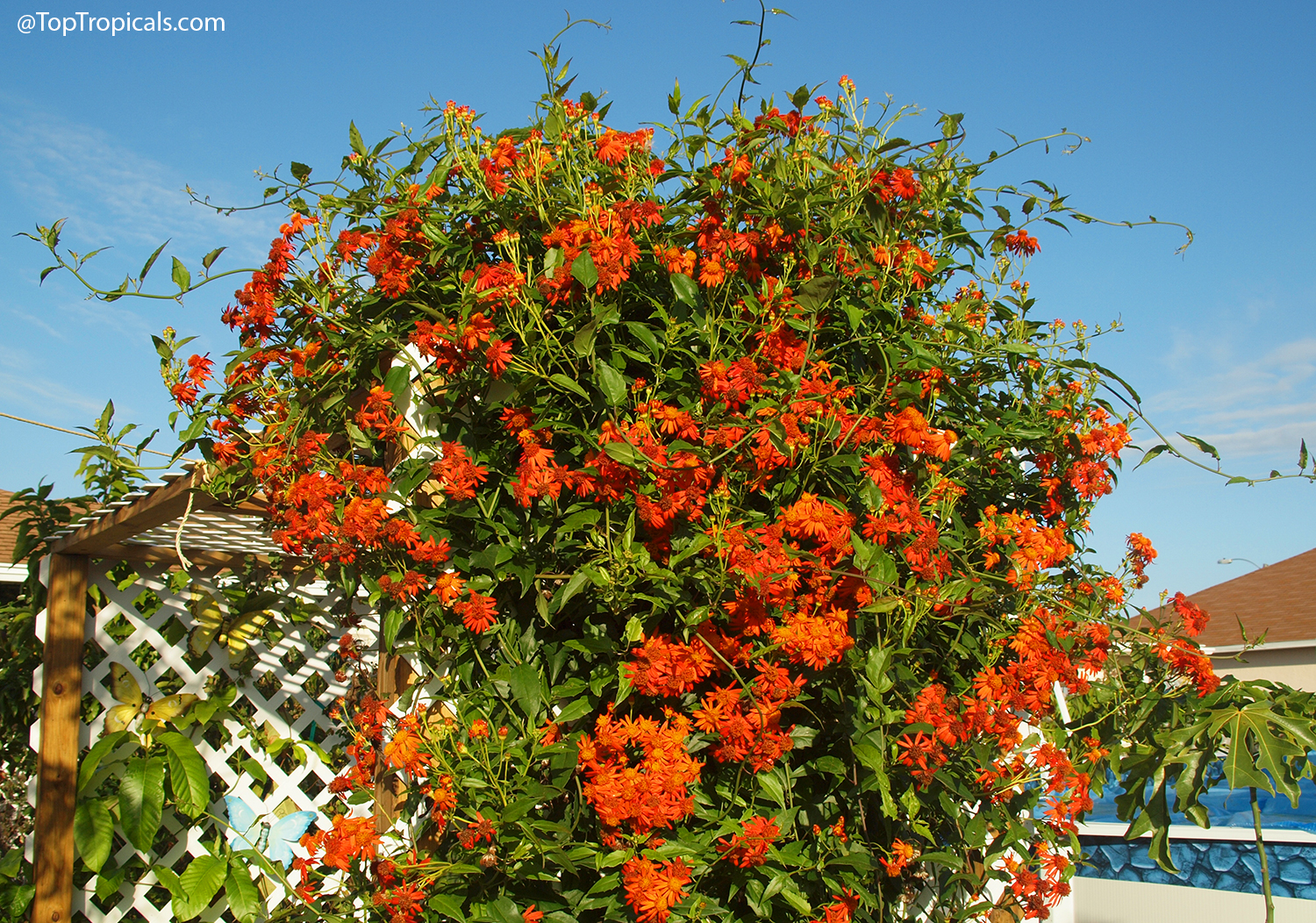
Mexican Flame Vine in full bloom - a fast-growing,
drought-tolerant climber that quickly covers fences with vivid red flowers,
attracting
pollinators and adding bold color with minimal care.
Mexican Flame Vine Plant Facts
Botanical name: Pseudogynoxys chenopodioides, Senecio confusus Also known as: Mexican Flame Vine, Orangeglow Vine
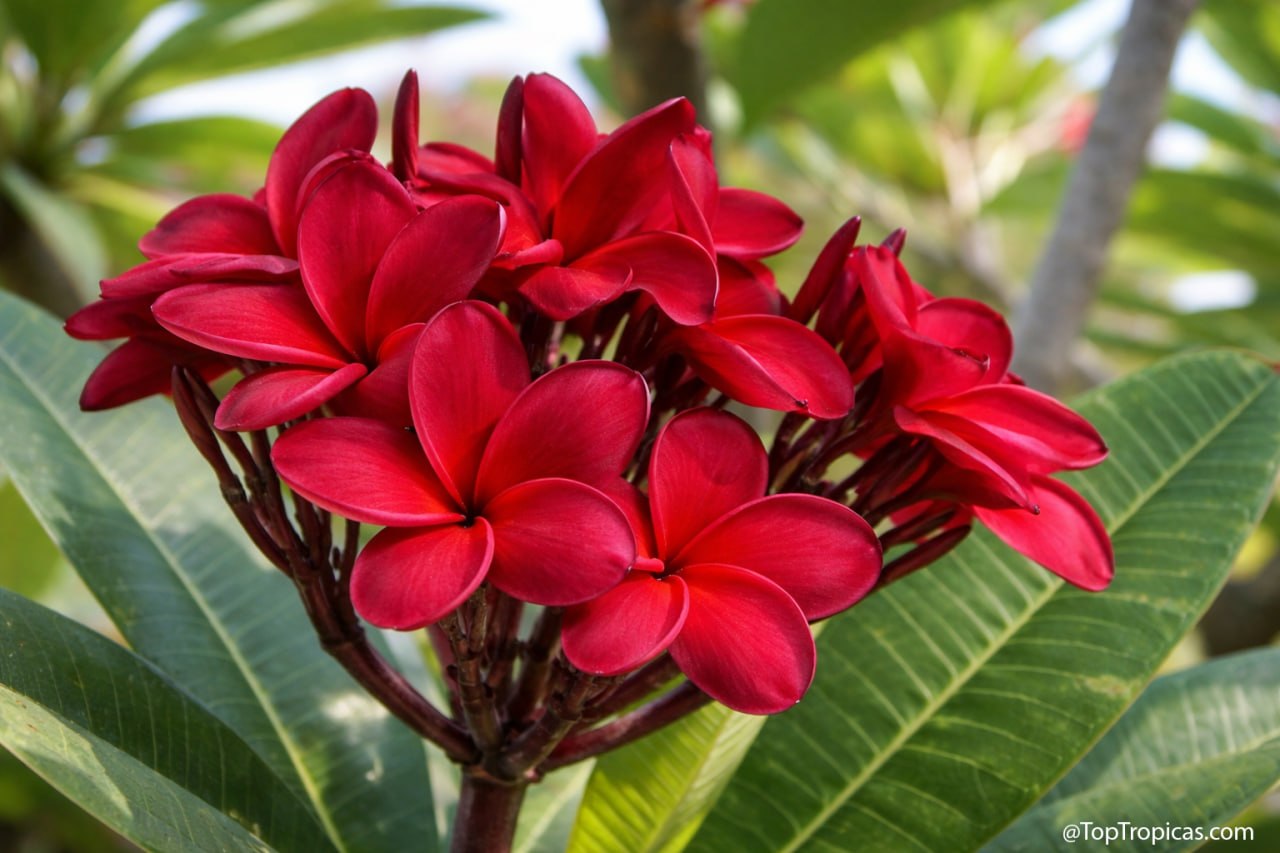
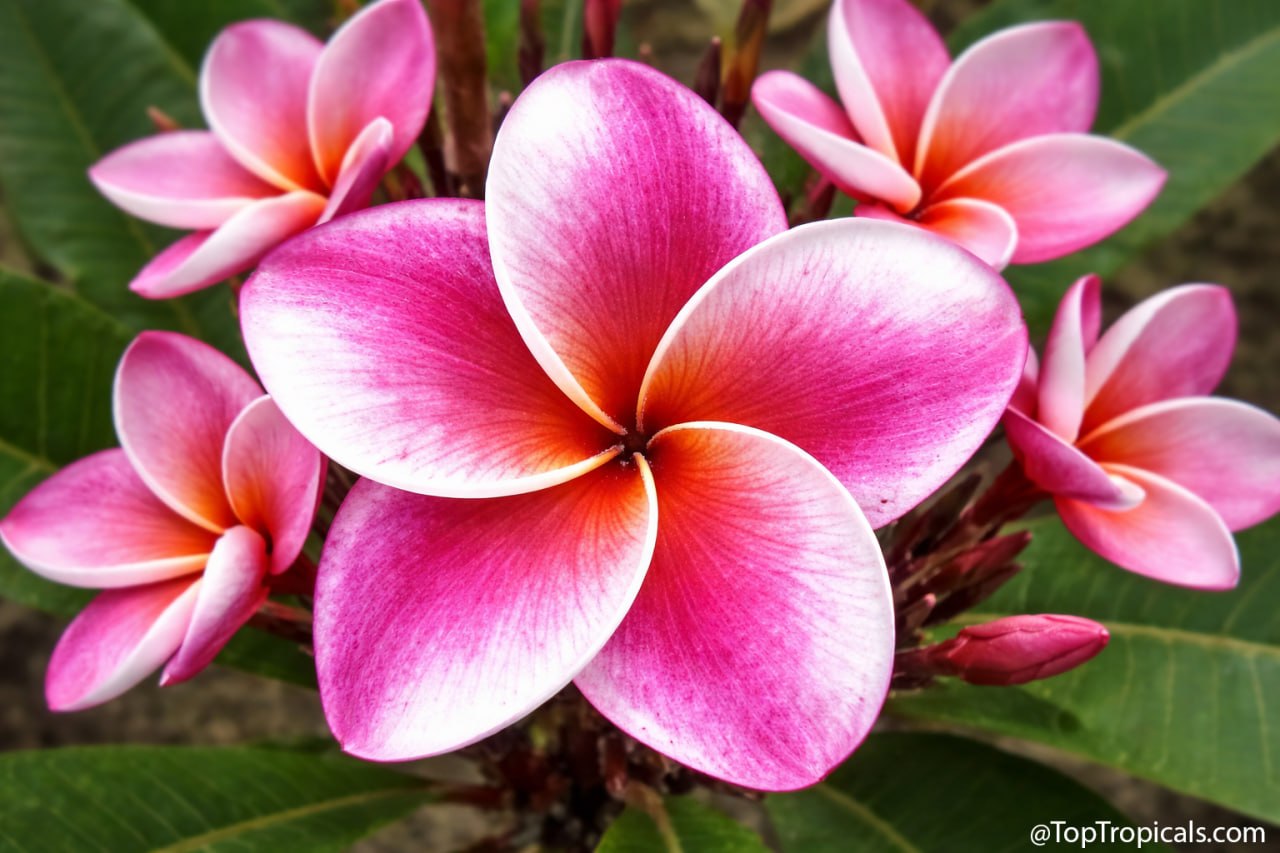
Bold reds and ruby tones - plumerias with real intensity
Plumeria Maneerat
Plumeria Siam Ruby
Plumeria Red Siam
Plumeria Kled Tabtim
Bold reds and ruby tones - plumerias with real intensity. Feeding tip 🌈
Plumeria Plant Facts
Botanical name: Plumeria sp. Also known as: Plumeria, Frangipani
USDA Zone: 9 - 11
Highligths
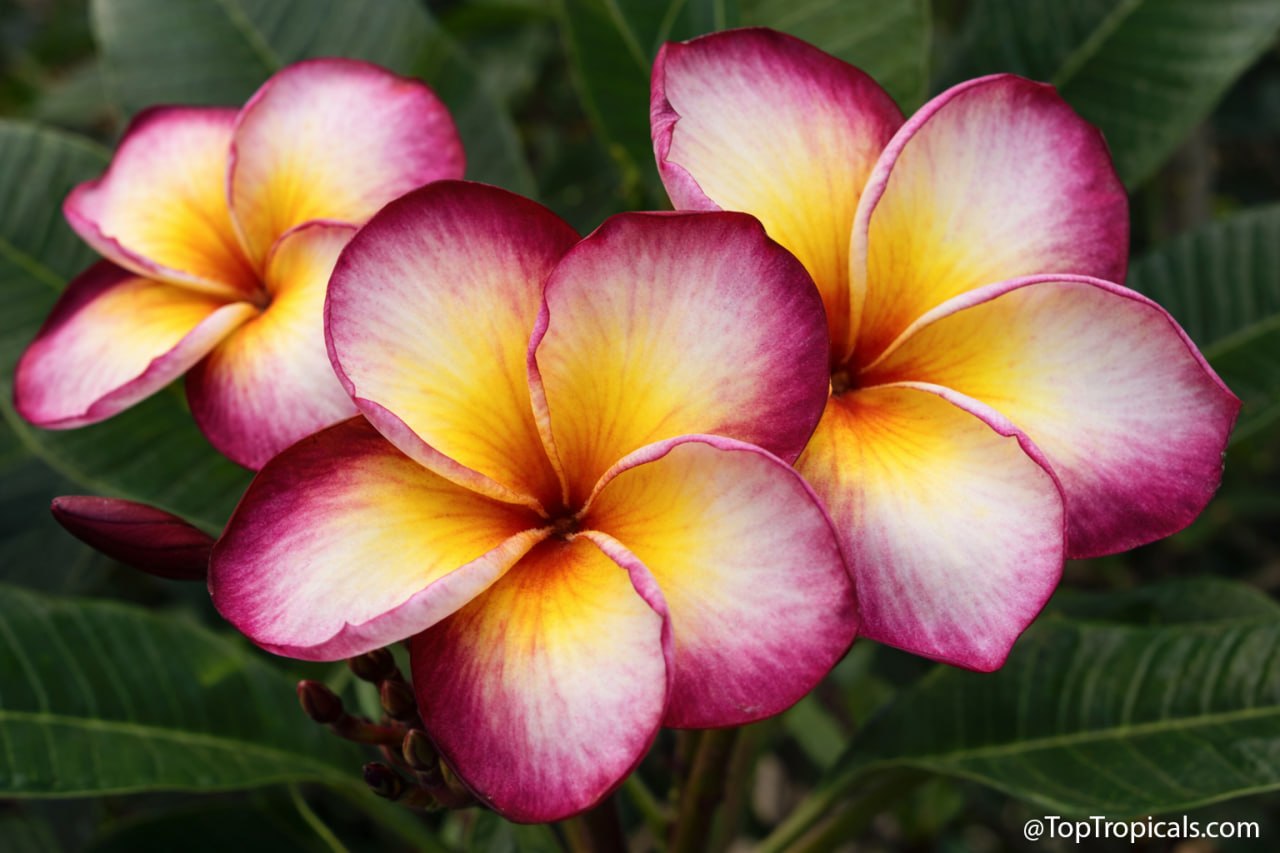
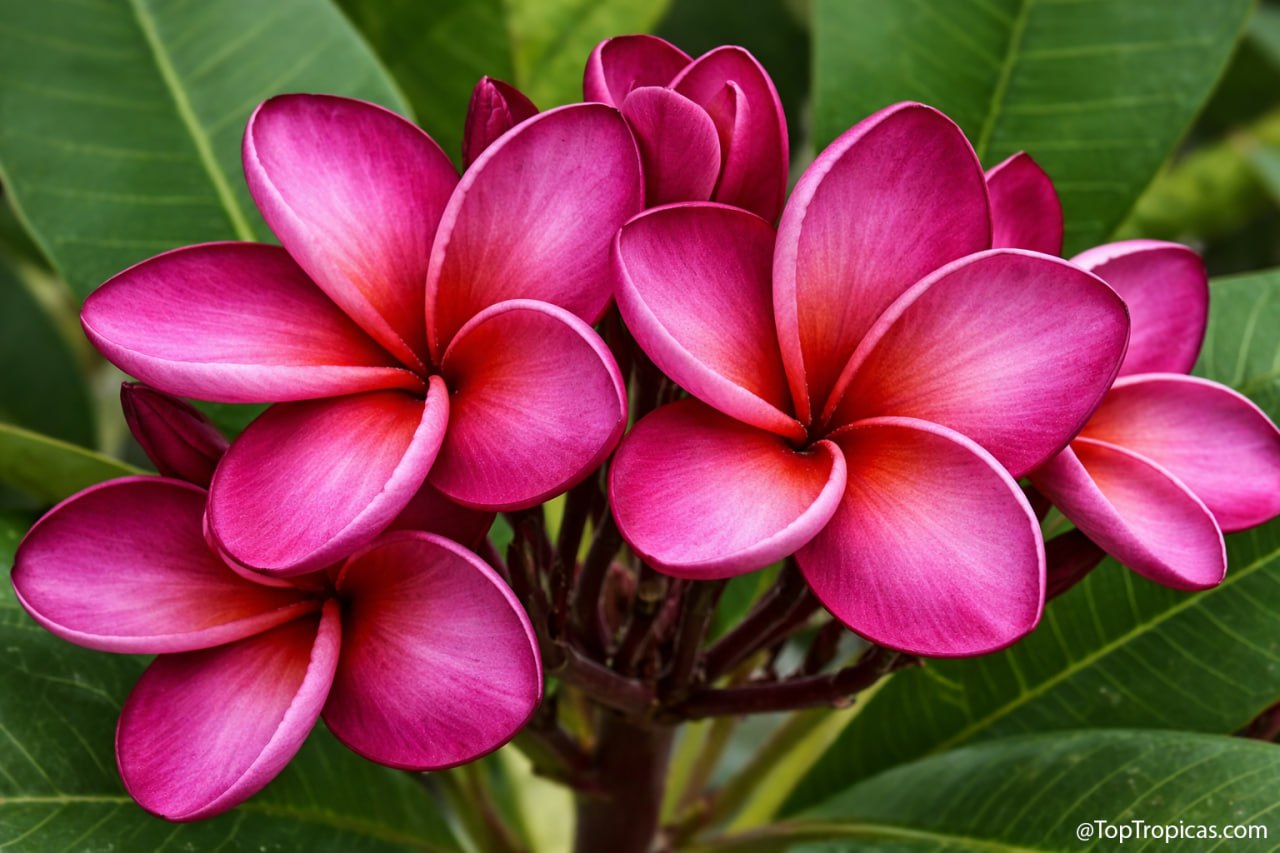
This set is all about depth, richness, and that unmistakable red glow. From ruby shades to deep velvety tones, these plumerias bring strong color and a luxurious feel - the kind that instantly draws your eye.
🌸 Today's featured plumerias:
✦ Plumeria Maneerat - golden-yellow center fading into creamy tones and strong pink to red edges, creating a radiant, glowing effect. Full, layered blooms with a rich, jewel-like look. ✦ Plumeria Siam Ruby - deep ruby pink petals with softer rosy highlights and a luminous center. Smooth, rounded blooms with a polished, gemstone feel. ✦ Plumeria Red Siam - rich, velvety red flowers with deep, consistent color and a soft satin finish. Dense clusters create a bold, classic tropical look. ✦ Plumeria Kled Tabtim - vibrant pink petals deepening toward a warm orange-red center, outlined with a clean white edge. Bright, refined, and glowing with a ruby-like effect.
💡 Plumeria tip: feeding for flowers
Plumerias are heavy feeders, especially when actively growing.
Use a fertilizer higher in phosphorus to push blooming.
Liquid feeding like Sunshine Megaflor can be used regularly, while a controlled release like Green Magic gives steady nutrition over time.
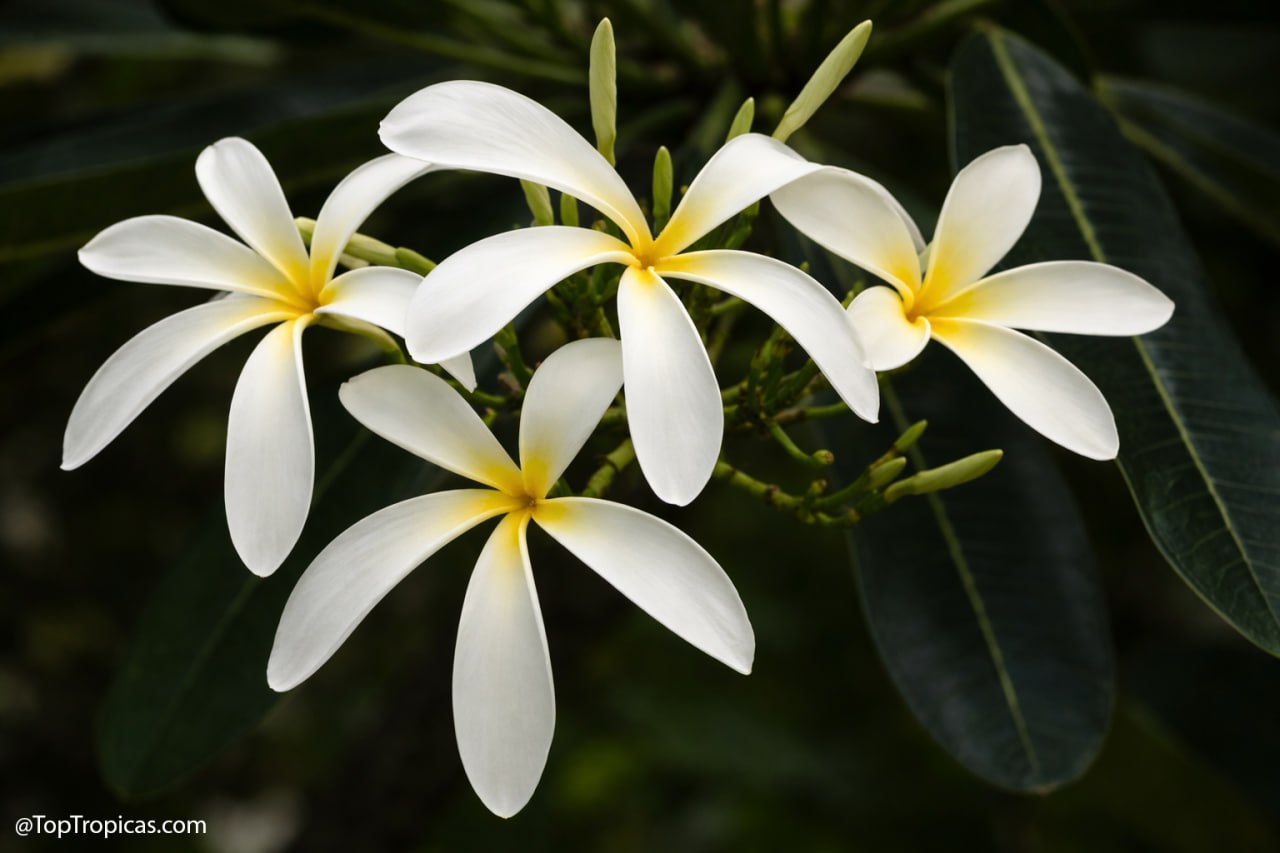
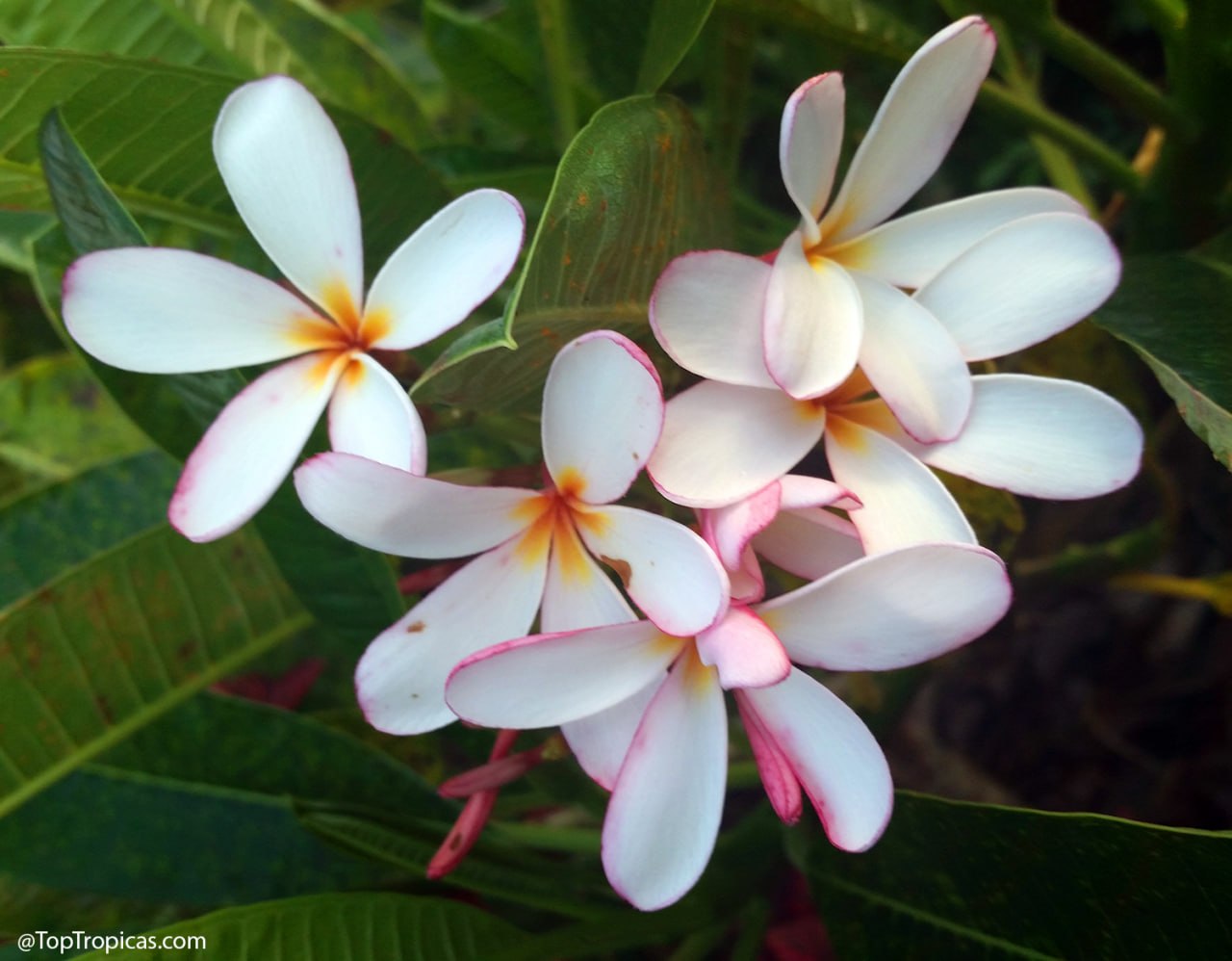
Dwarf plumerias - big blooms in small spaces. Sun tip 🌈
Not every plumeria needs to grow into a large tree. These dwarf varieties stay compact, branch well, and bloom generously - making them perfect for pots, patios, and even indoor growing in cooler climates. Small size, same tropical feel.
Plumeria Plant Facts
Botanical name: Plumeria sp. Also known as: Plumeria, Frangipani
USDA Zone: 9 - 11
Highligths
🌸 Today's featured plumerias:
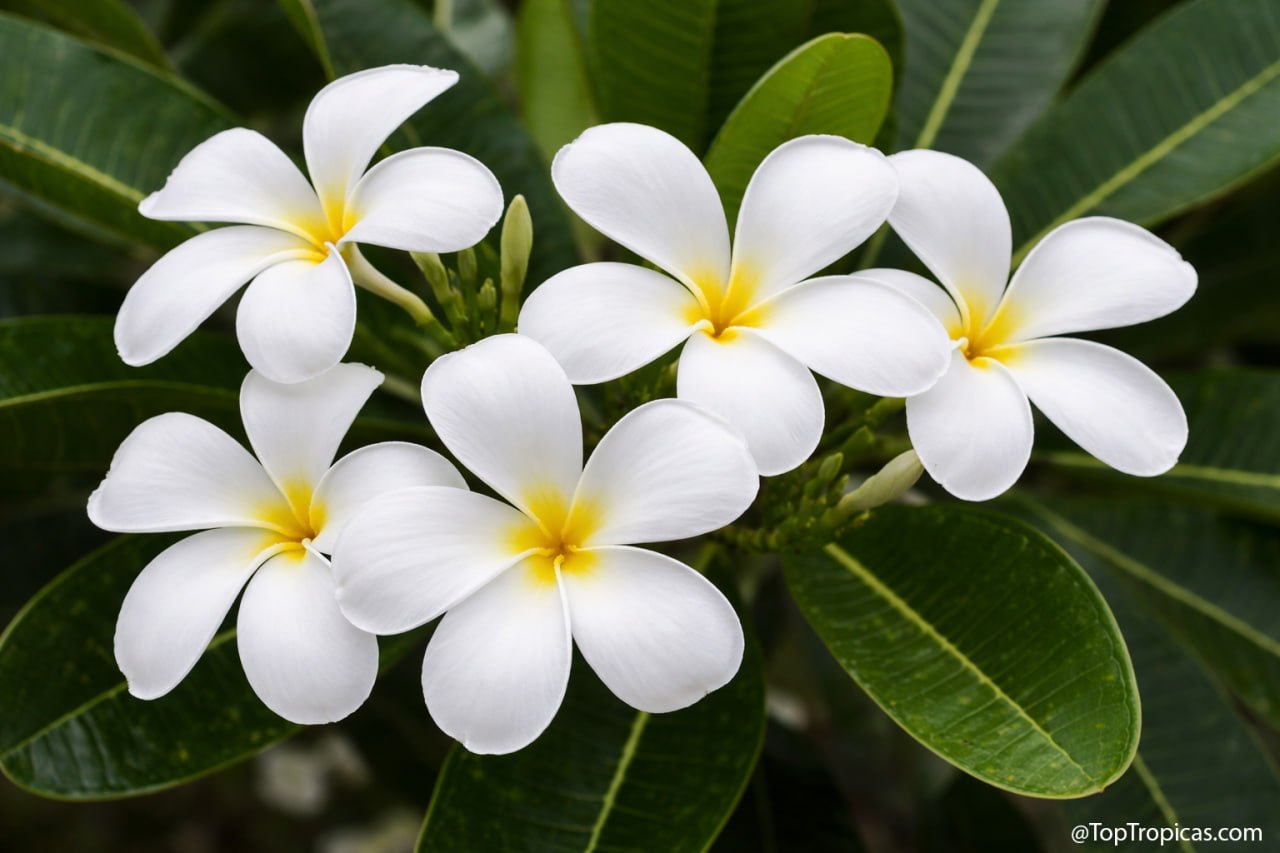
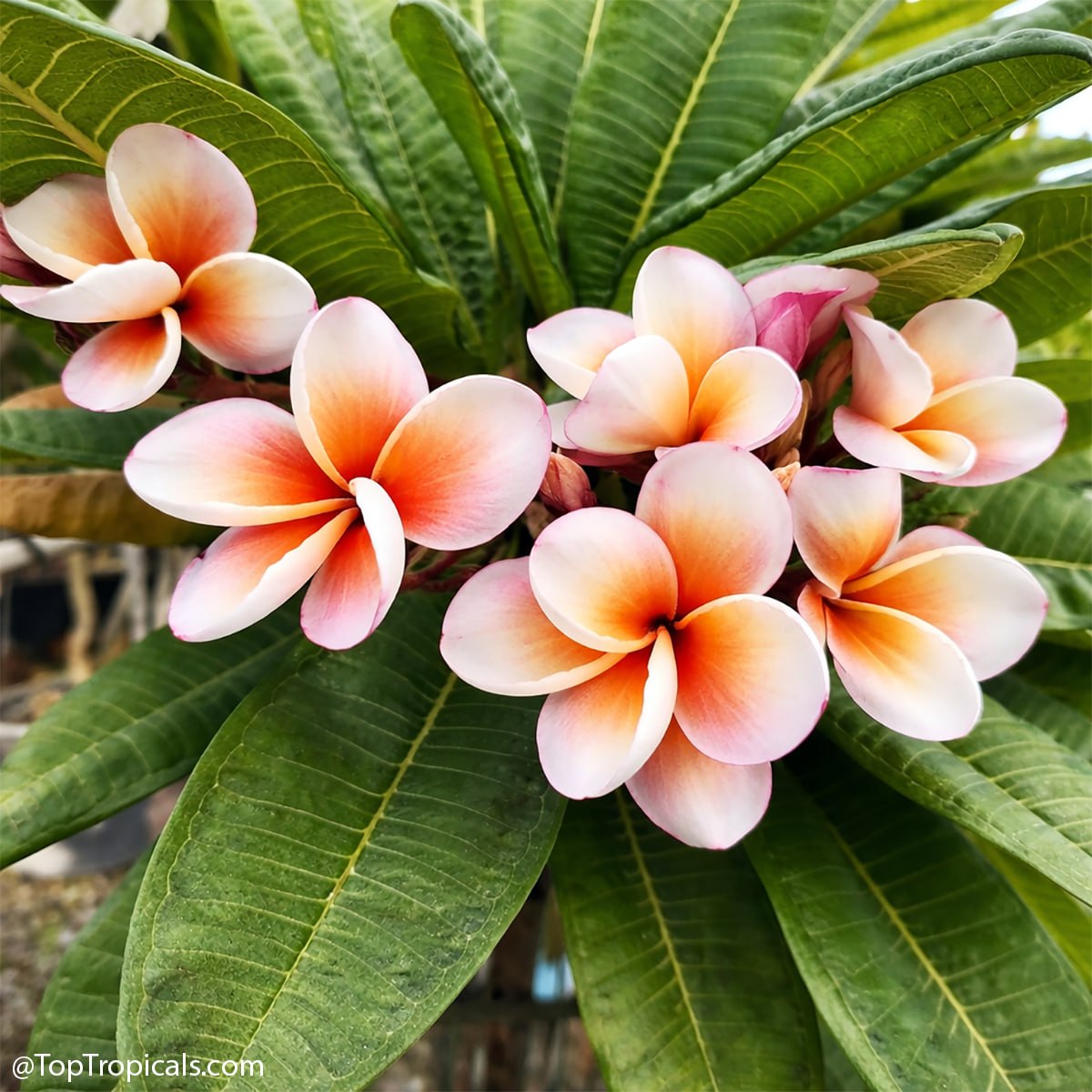
✦ Plumeria obtusa Singapore Yellow Dwarf - creamy white flowers with a soft yellow center and long, slender petals that create a light, star-like shape. Compact, glossy, and very refined. ✦ Plumeria obtusa Singapore Pink Dwarf - creamy white blooms with a warm yellow center and a soft pink edge. Naturally compact, branching well and flowering heavily, ideal for containers. ✦ Plumeria obtusa Alba, Singapore White, Dwarf - classic pure white flowers with a gentle yellow center and thick, smooth petals. Clean, polished look on a compact plant that blooms generously. ✦ Plumeria Doung Suree Dwarf - glowing orange blooms blending from golden apricot to deeper sunset tones. Compact and very floriferous, bringing strong tropical color in a small form.
💡 Plumeria tip: sun is everything
Full sun is the secret to strong growth and blooms. Outdoors is best.
If indoors, give the brightest spot you have and move it outside whenever possible. More sun = more flowers.