Date: 22 Feb 2022
How to survive Winter in South Central Florida
A touching story
by Ed Jones, the Booster Guy
...As much of the country is still in the midst of winter, I believe the
worst has passed for us here in the South Central part of Florida...
...This Winter, almost all of zone 9b and some of zone 10a had frost and
many had a hard freeze...
...Now, many of us here in this part of the state enjoy growing subtropical
plants and trees. There are many that grow well here and most can handle a
frost or even a dip to the high 20s for a short time. Smaller and more
recently planted trees and bushes are most at risk...
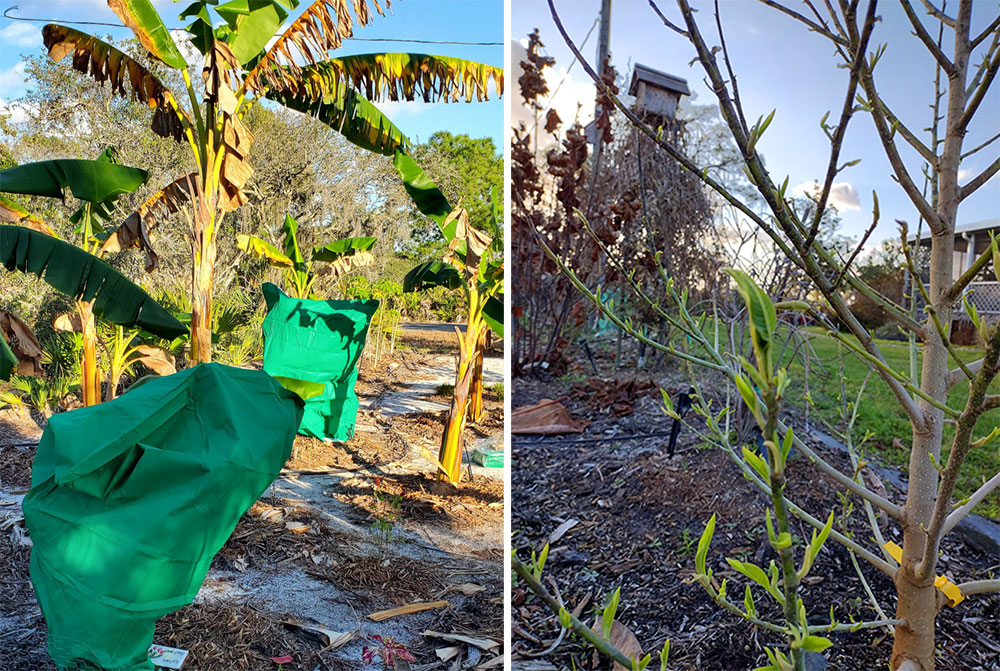
...At the Top Tropicals nursery here in Sebring, home to over 20,000
plants, we scrambled for several days to try to protect as many of our plants as
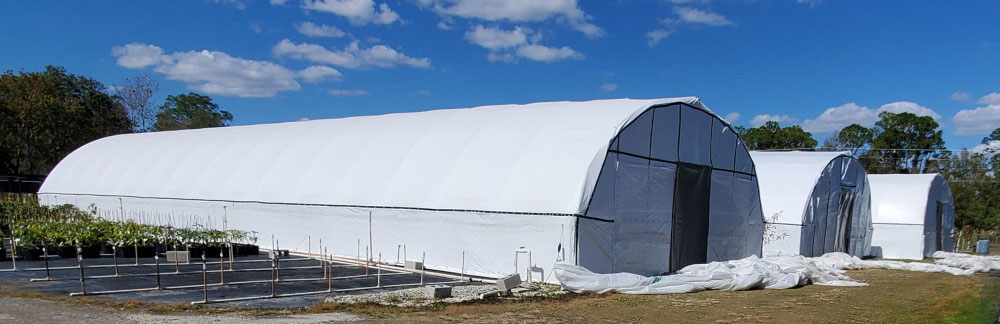
possible. We moved smaller plants into some of our hoop houses that had propane
heaters...
...After 2 weeks of moving plants in and out of protection, we were all
pretty worn out; happy that everything survived and hoping that we would not
have to do that again anytime soon. Slowly, things at the nursery are beginning
to resemble our old normal. Seeds are being planted, cuttings are continuing
to grow and grafting season will be upon us soon. We are all very happy for
that...
...What to do and not to do when the freeze is coming and you have mango,
avocado, and other tropical fruit trees and tender tropicals? Here is some
news from the Orchard and many more coming... check it out and stay with our
updates to learn more!

Date: 19 Nov 2020
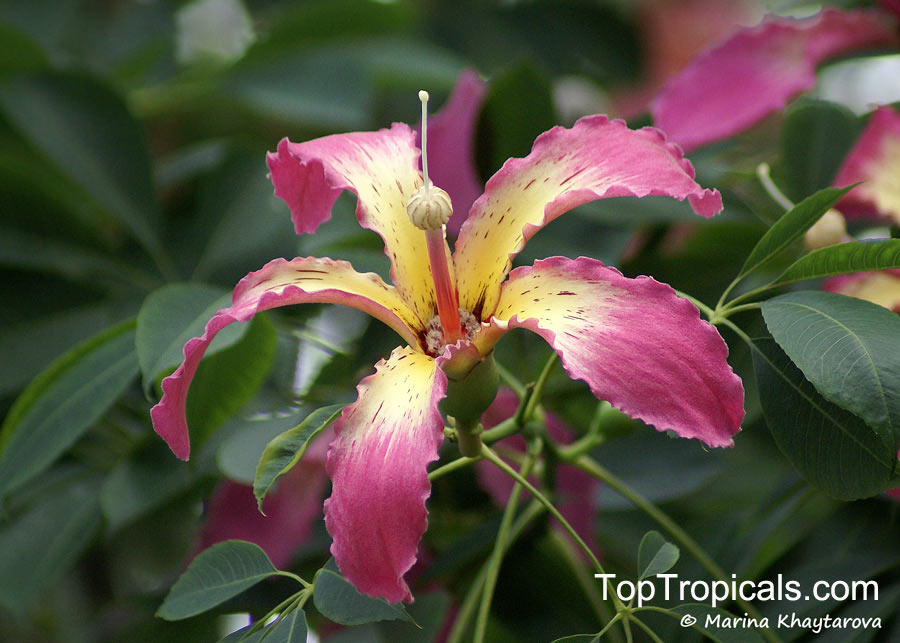
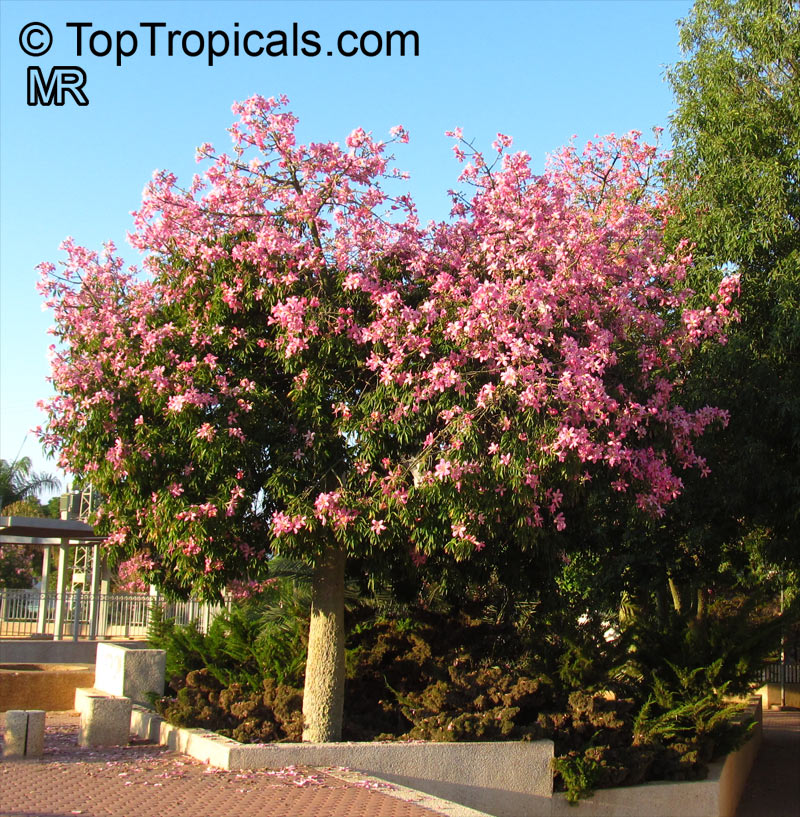
Chorisia speciosa - Exotic Pink Silk Floss Tree
by Onika Amell, tropical plant expert
When I stumbled upon my first Pink Silk Floss tree at the Naples Botanical Garden in Florida, it stopped me in my tracks. It was in full bloom and one of the most beautiful flowering trees I had ever laid my eyes upon. This tree has so much wow factor. Not only are the flowers of this native from the Amazon Rain Forest in South America spectacular, but the trunk, seeds and attractive, umbrella-like crown makes it exceptionally unique and interesting. This tree will stand out in any garden....
CONTINUE READING >>

Date: 15 Feb 2020
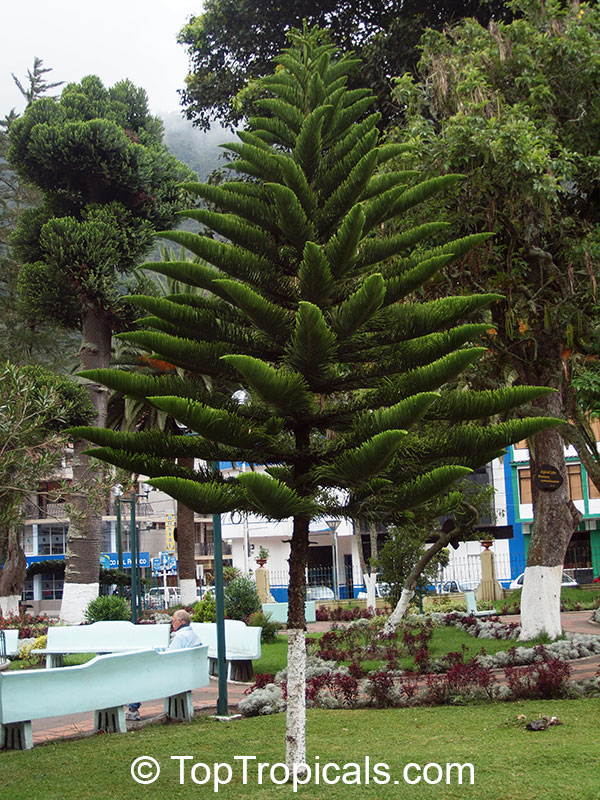
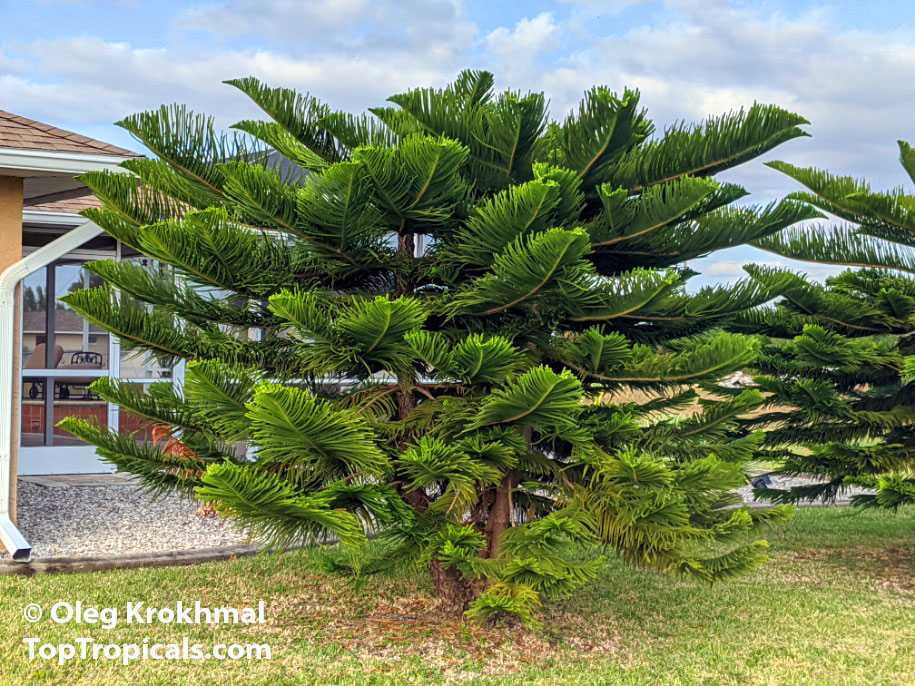
Araucaria: A Case of Mistaken Identity
by Mark Hooten, the Garden Doc
There is a particular kind of tall narrow tree, commonly seen planted in yards all over the Florida peninsula... They perhaps resemble Northern spruces or firs, and basically everyone knows them as "Norfolk Island Pines". For many years, I also did not question their identity. Not only are they planted very commonly here in Florida, but are also found for sale, often as potted "Christmas Trees" in every major nursery, big box store, and often grocery stores across the country. They are all sold as Norfolk Island Pines. Basically everyone knows them under that name. However, they are NOT!..
CONTINUE READING >>
Date: 22 Oct 2024
How
to grow Jackfruit in a pot:
the biggest fruit in the world
Q: Can I grow Jackfruit in a pot?
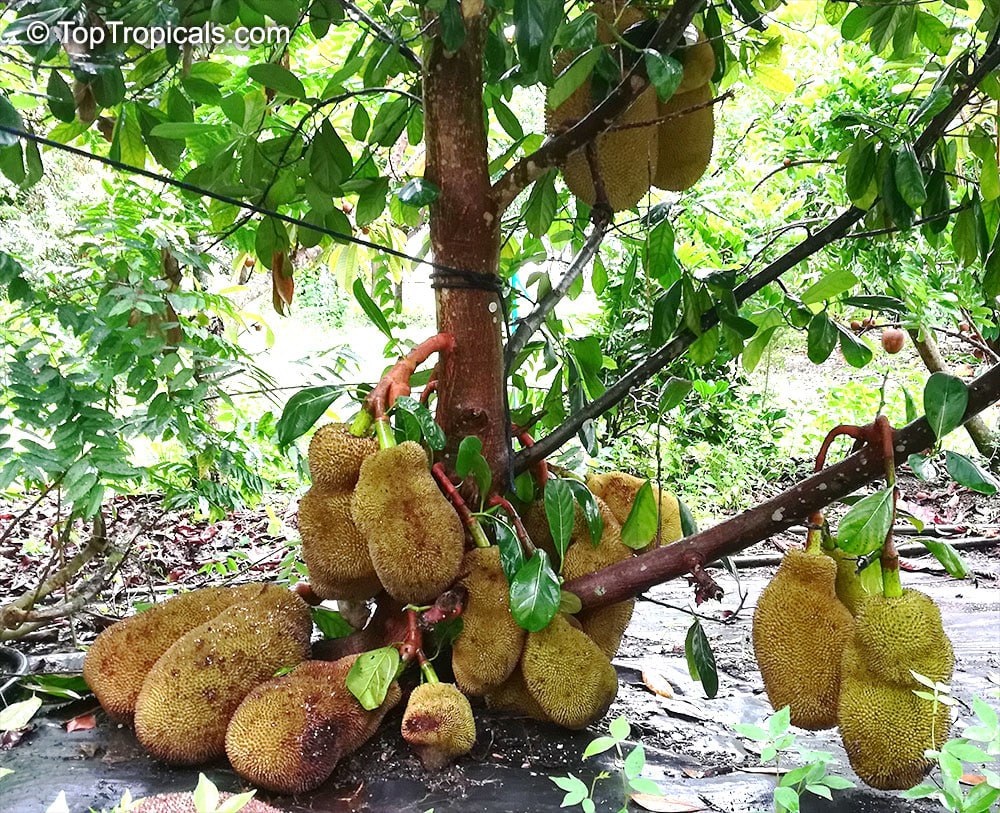
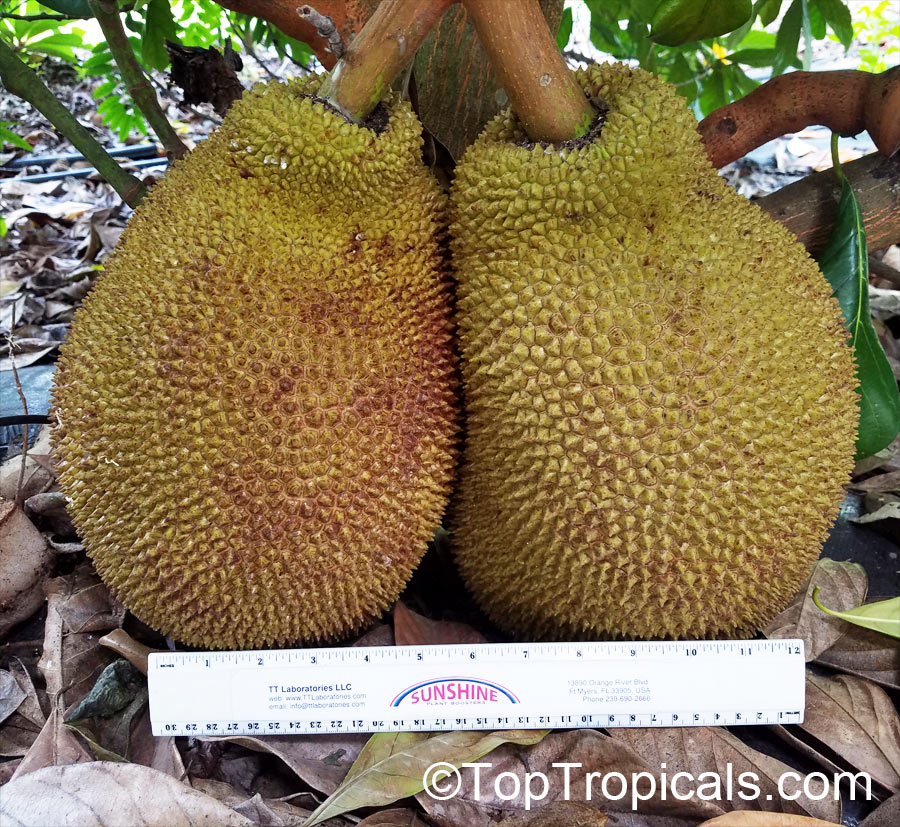
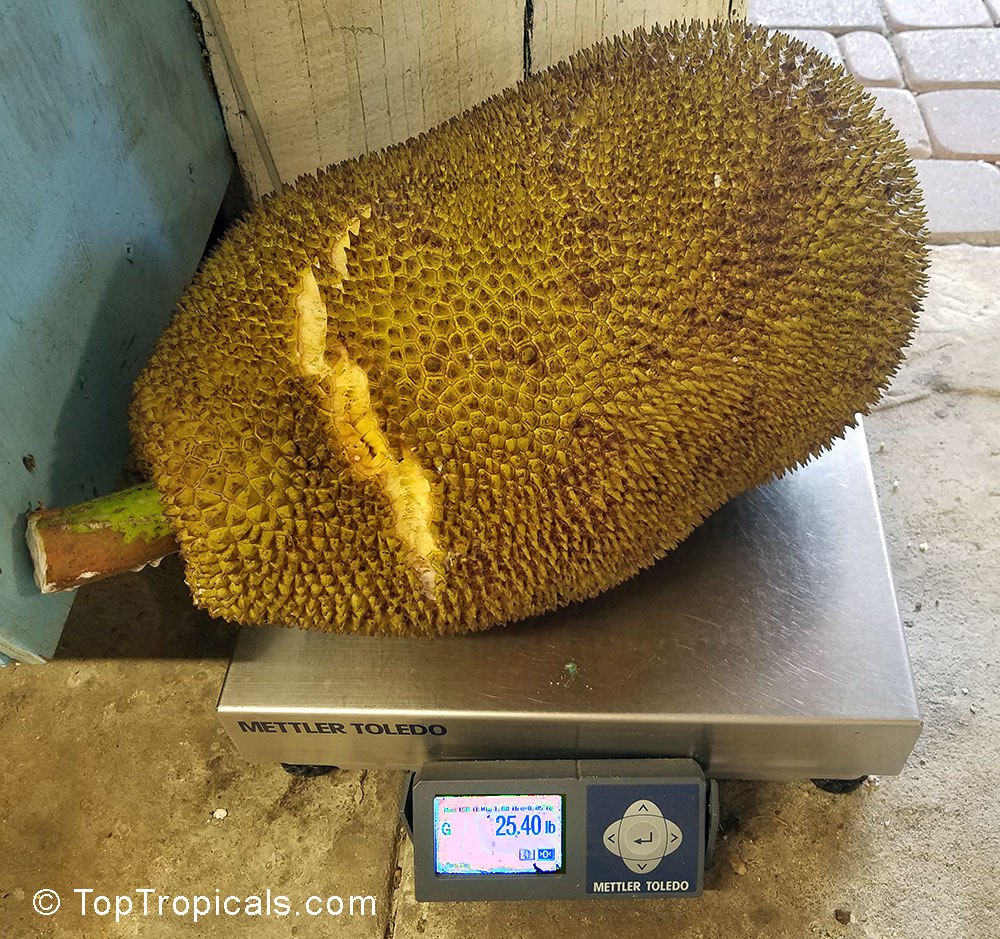
A: Yes, you can! Jackfruit trees, despite producing the largest tree-borne fruit in the world - up to 80 pounds and 36 inches long - can thrive and fruit in containers. The tree has a clever feature: it grows fruit only at the base of the trunk, allowing you to manage its height and size. With regular pruning, the tree can stay compact at just 6-7 feet tall, making it perfect for pot culture.
1. Getting started: pot sizes and growth tips
Start with: A 3-7 gallon container.
As it grows: Gradually increase to a 15-25 gallon pot by the time it
reaches fruiting size (2-4 years).
Pruning is key: Keep the tree topped at 6-7 feet to focus its energy
on fruit production.
Fertilize regularly: Use high-quality plant food like Sunshine Boosters C-Cibus to promote healthy growth and fruit
development. C-Cibus is the best natural plant food for fruit and edibles.
2. Fun facts about Jackfruit - Artocarpus heterophyllus
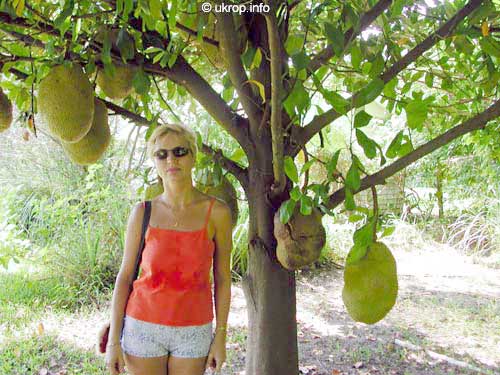
A mature Jackfruit tree can produce 200 pounds of fruit per year.
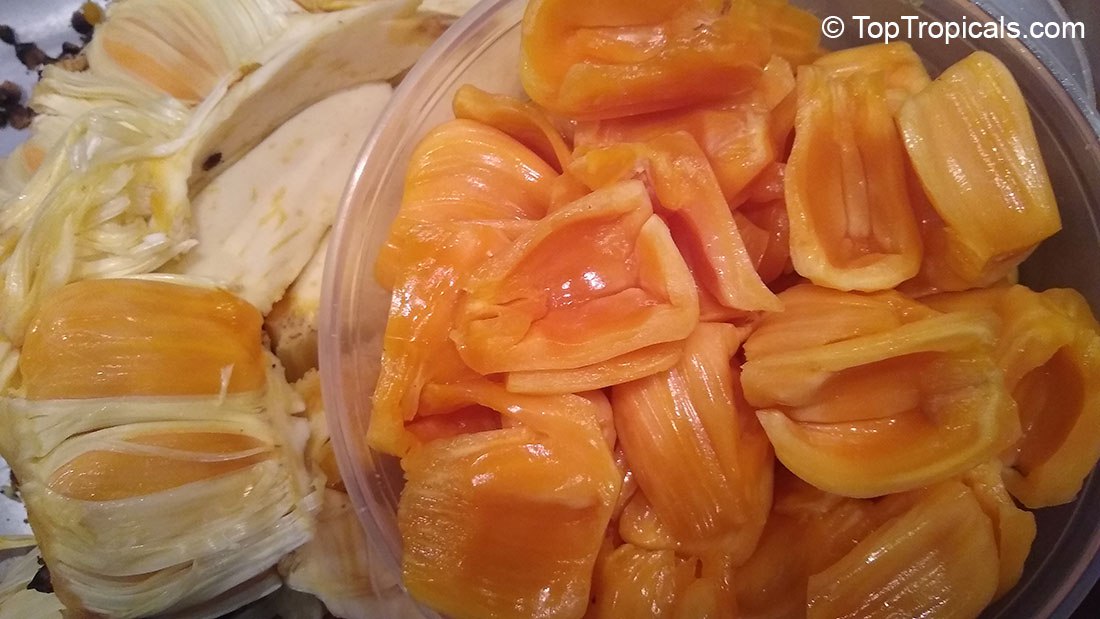
The fruit consists of large, sweet, yellow bulbs with a banana-like
aroma.
Seedlings start fruiting within 3-4 years, with fruits ripening in just 4-6
months after flowering.
3. Cold tolerance of Jackfruit trees
Though often thought of as ultra-tropical, mature trees can withstand light frost for short periods without major damage. Keeping Jackfruit in pots also offers an easy way to move them indoors during cold spells if you're in a cooler climate.
4. Secrets for successful Jackfruit production
- Frost-free temperatures are essential.
- Use rich, organic soil with compost, manure, or peat moss.
- Maintain moist soil with regular watering.
- Constant pruning to keep the tree under 7 feet promotes healthy
fruiting.
- Apply fertilizer and microelements regularly for better fruit quality.
By following these tips, you'll be able to enjoy the world's biggest fruit right from your patio!
Learn more:
About Jackfruit
How to grow the
biggest fruit on Earth
Cheena - Jackedack
Videos:
Jackfruit
Fruit
Date: 18 Apr 2025
Want Constant Blooms? Plant Clerodendrums
Your Shortcut to a Colorful Garden
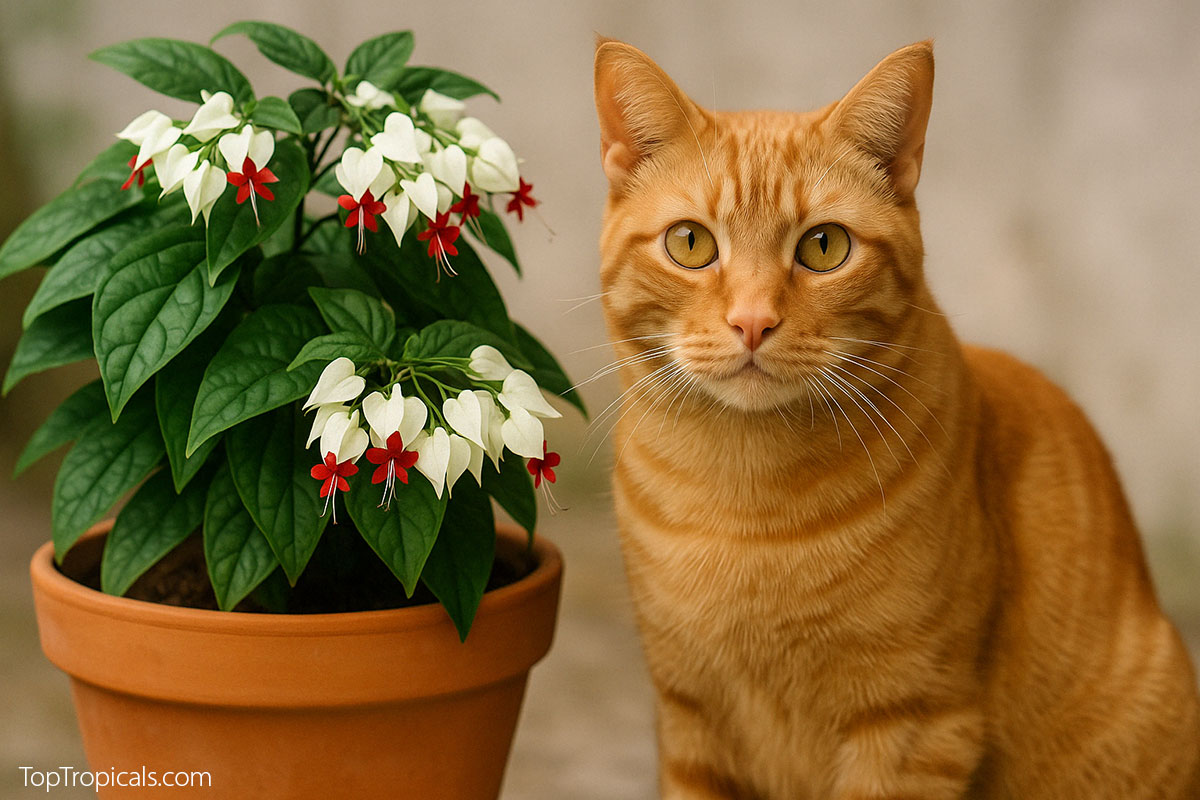
Q: Q: I live in Florida, and while everything is green, I want more color in my garden and patio. What low-maintenance perennials can add nonstop blooms without constant care? I'm tired of annuals that don't last. Do such plants even exist?
A: Yes, they do - and your perfect solution is Clerodendrums. These colorful tropical perennials grow fast, bloom for most of the year, and thrive in both sun and shade. They're easy to care for, relatively cold-tolerant, and come in many shapes: shrubs, vines, and even small trees. Ideal for both garden beds and containers.
Why Grow Clerodendrums?
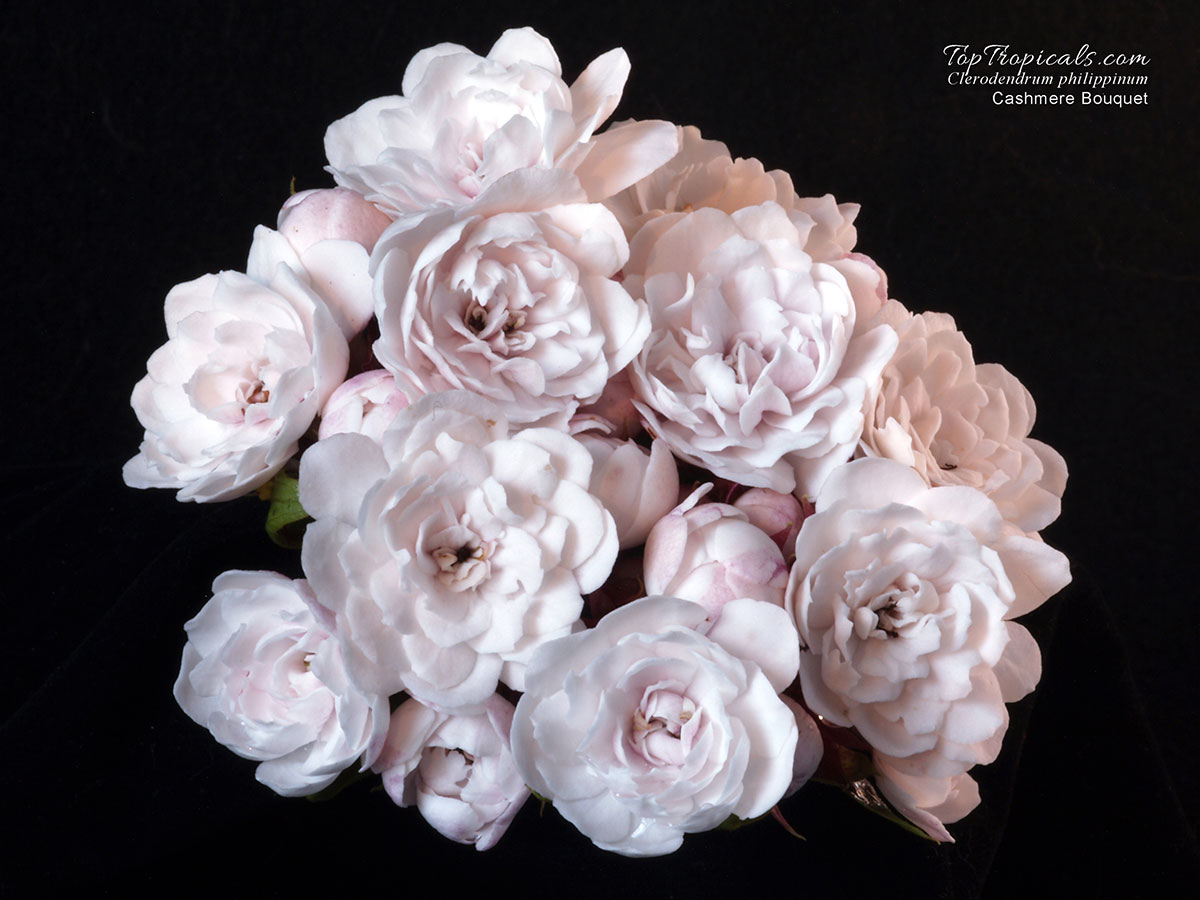
Clerodendrums are tough, reliable, and visually striking plants:
- Fast-growing with a compact habit
- Available in many forms: shrubs, vines, and small trees
- Colorful flowers, many of them are sweetly fragrant!
- Thrive in sun or shade; cold tolerant; not picky about soil
- Bloom repeatedly or continuously
- Excellent for pots, patios, or indoors
Clerodendrums as Shrubs
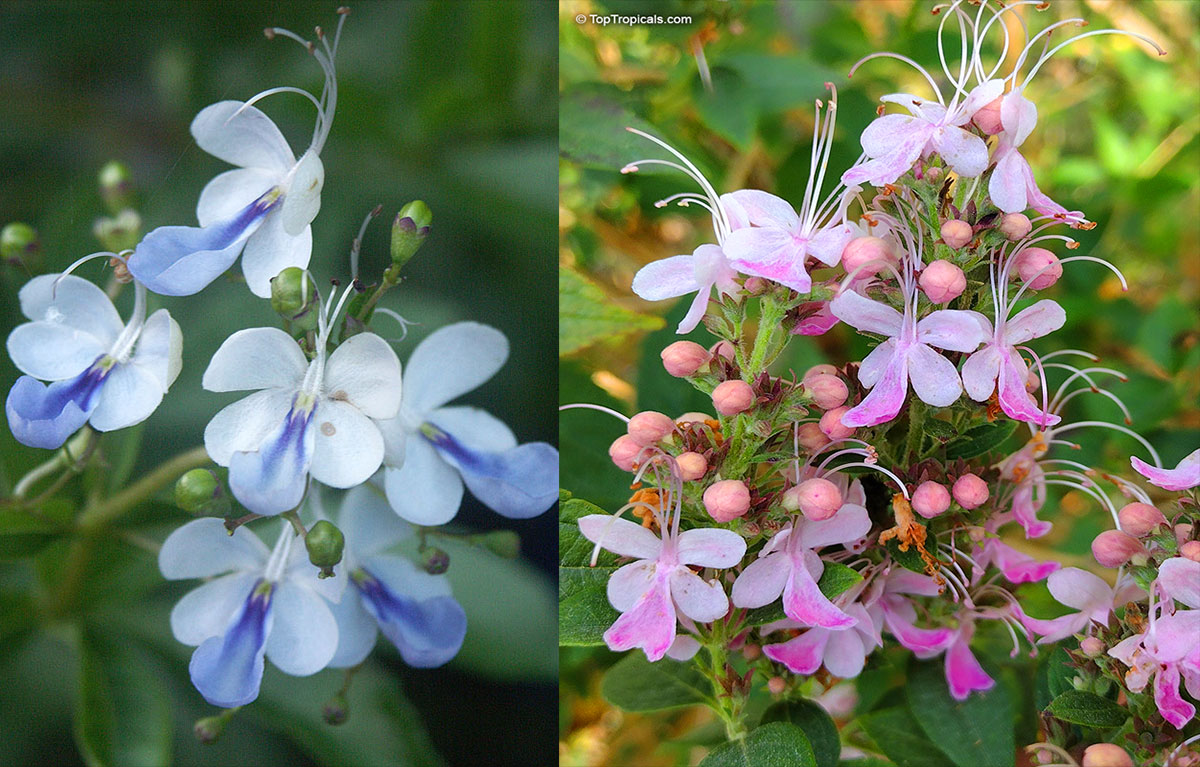
- Clerodendrum
bungei - Glory Bower: fragrant pink blooms, spreads quickly
- Clerodendrum
incisum - Musical Note: unique buds shaped like musical notes
- Clerodendrum
inerme - Wild Jasmine: salt-tolerant, good for seaside areas
- Clerodendrum
mastacanthum - Pink Butterfly Bush: long-blooming, eye-catching pink
- Clerodendrum
paniculatum - Pagoda Flower: layered red-orange towers of flowers
- Clerodendrum
philippinum - Cashmere Bouquet: double fragrant flowers, shade-tolerant
- Clerodendrum
ugandense - Blue Butterfly: delicate blue blooms that attract pollinators
Clerodendrums as Vines
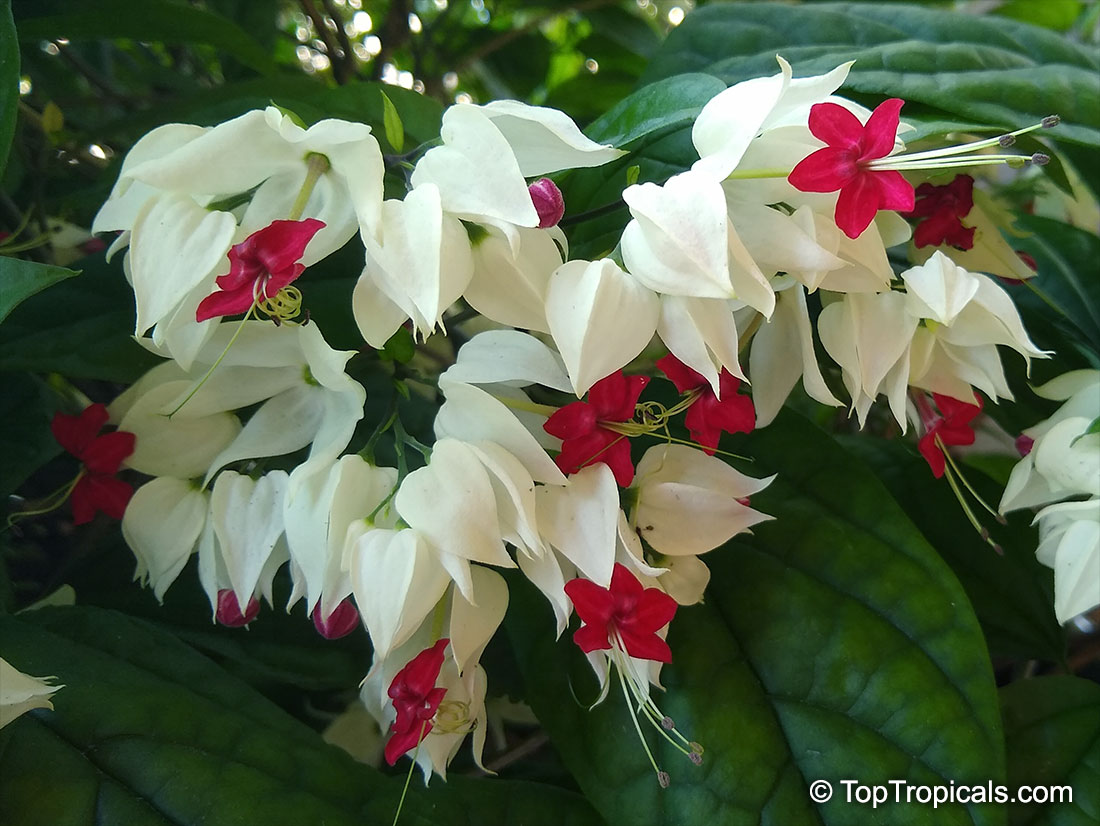
- Clerodendrum
thomsoniae - Bleeding Heart: classic red-and-white contrast, climbs
easily
- Clerodendrum
speciosum - Red Bleeding Heart: vivid magenta blooms, great on trellises
Clerodendrums as Small Trees
- Clerodendrum minahassae - Fountain Clerodendrum: upright, white flower
sprays
- Clerodendrum
sahelangii - Champagne Clerodendrum: cascading white blooms
- Clerodendrum
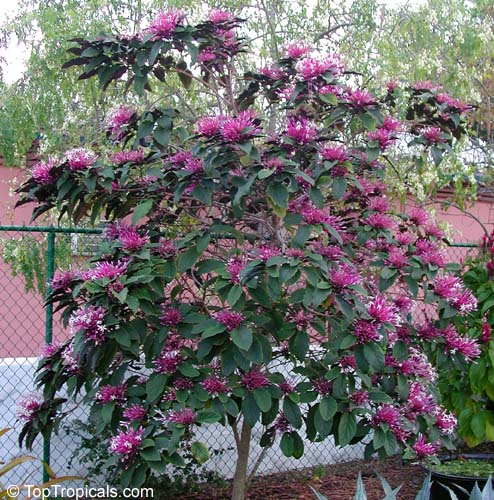
quadriloculare - Winter Starburst: purple leaves, late winter blooms
- Clerodendrum
schmitii - Chains of Glory: dangling flower clusters, unusual look
- Clerodendrum
wallichii - Bridal Veil: long white flowers, graceful arching branches