Garden Blog - Top Tropicals

Date: 8 May 2026

How to feed the right formula at the right time

How to feed the right formula at the right time

How to feed the right formula at the right time


Most plants don’t need more fertilizer - they need the right one at the right stage. Growth, flowering, and fruiting all require different support. Once you match feeding to what the plant is actually doing, everything starts to improve.

  • ☘️ One system for every plant and stage


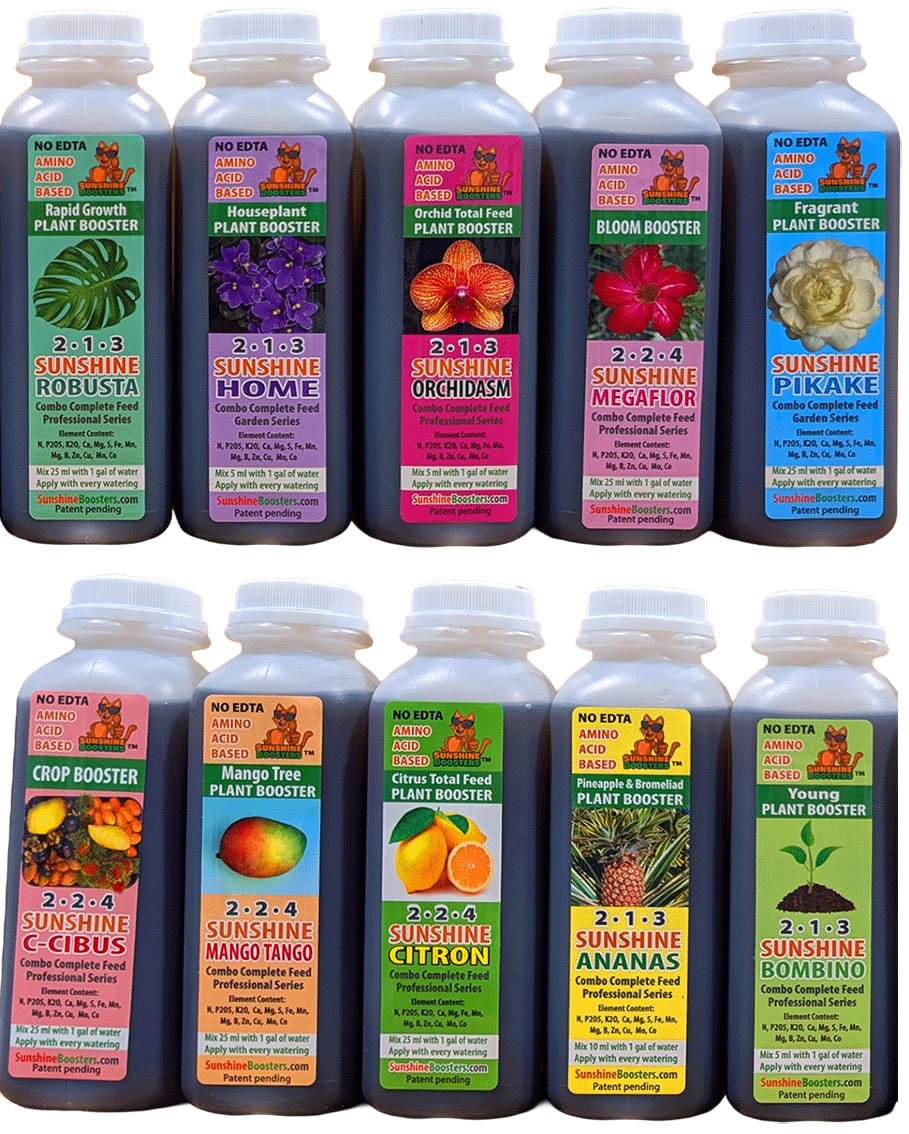
The Sunshine Boosters system includes different formulas for different stages of growth or plant types. Some are designed for young plants, some for vegetative growth, and others for flowering and fruiting. This allows you to match feeding to what your plant is doing without changing the overall system. All formulas, including additional supplements, remain compatible and can be used together when needed.

  • ☘️ Build structure and foliage


Sunshine Robusta supports vegetative growth. It is useful for building strong structure, adding foliage, and helping plants recover after stress or damage.
Sunshine Bombino is a gentle formula for young plants, seedlings, and cuttings. It supports early root development without stressing tender growth.
Sunshine Home is made for indoor houseplants. It is mild and balanced for regular feeding of sensitive plants grown indoors.

  • ☘️ Feeding for flowers

Sunshine Megaflor is a bloom booster. It helps plants produce more flowers, improves flower size, and supports strong pollen development.
Sunshine Pikake is designed for fragrant flowering plants. It increases the number of blooms and improves flower fragrance.
Sunshine Orchidasm is a complete feed for orchids. It supports steady growth and encourages longer and more frequent blooming cycles.

☘️ Feeding for fruit and yield


Sunshine C-Cibus is a crop and fruit booster. It is used during flowering and fruit development to improve yield and plant vigor.
Sunshine Mango Tango is designed for mango trees. It helps improve flowering, fruit set, and reduces flower and fruit drop.
Sunshine Citron is a complete formula for citrus trees. It supports healthy leaves, strong growth, flowering, and fruit production.
Sunshine Ananas is made for bromeliads and pineapple. It supports healthy growth and improves fruit quality in these plants.

  • 👉 To be continued - next we’ll cover the additional boosters that take your plants from good to exceptional. 👉 More...


🛒
Get your plants real food

📚
Learn more:
📱 What are Sunshine Boosters

#Discover #Fertilizers #How_to
🟢 Join 👉 TopTropicals

Date: 9 May 2026

9 tough trees for hot, dry spots that actually thrive

9 tough trees for hot, dry spots that actually thrive 9 tough trees for hot, dry spots that actually thrive 9 tough trees for hot, dry spots that actually thrive 9 tough trees for hot, dry spots that actually thrive

☀️ 9 tough trees for hot, dry spots that actually thrive


Why that one brutal spot in your yard never works? There’s always that one place - blazing sun, sandy or rocky soil, dries out fast, and everything you plant there struggles. In Florida, Arizona, and California, this isn’t rare - it’s the norm. The good news? Some trees don’t just tolerate it - they prefer it. Once established, these picks handle heat, drought, and neglect far better than typical landscape plants.
What makes these trees different? These are survivors. Many store water, have deep root systems, or evolved in dry climates. Translation - less watering, fewer losses, and a lot less frustration.


🔥 9 best trees for hot, dry spots


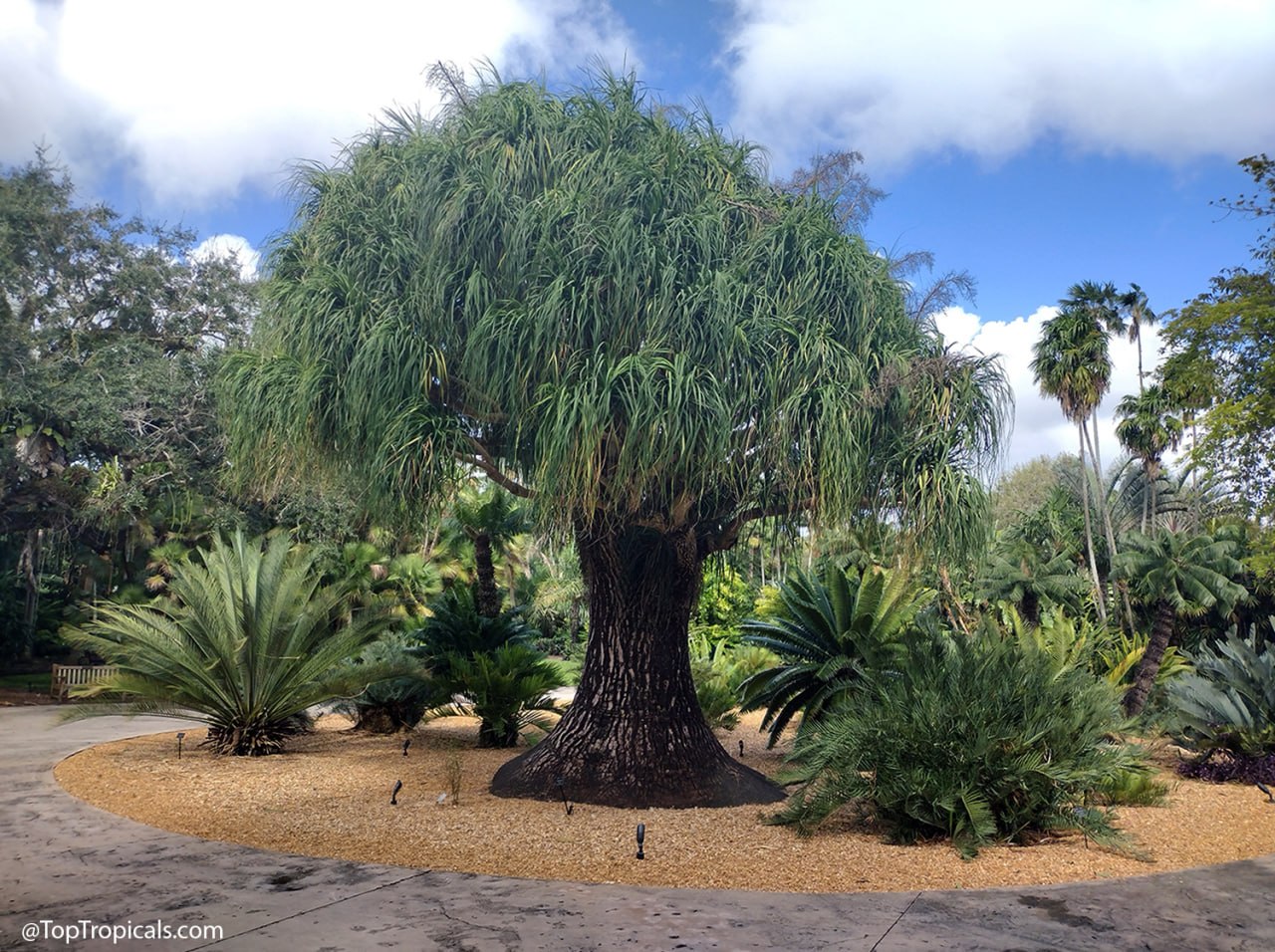
  • ☀️ 1. Pony Tail Palm - Beaucarnea recurvata 📸
Not a true palm - it stores water in its showy, swollen trunk, making it incredibly drought tolerant and perfect for harsh, dry areas.

Ponytail Palm Plant Facts

Beaucarnea recurvata, Nolina recurvata
Ponytail Palm, Pony Tail, Bottle Palm, Nolina, Elephant-foot Tree
USDA Zone: 9-11
Plant with caudexPlant used for bonsaiSmall tree 10-20 ftFull sunDry conditionsPalm or palm-like plant
👉 More

  • ☀️ 2. Monkey Ear Tree - Enterolobium cyclocarpum

A fast-growing shade tree with curious seed pods, surprisingly tough in heat and drought, with massive canopy benefits.

Monkey Ear Plant Facts

Enterolobium cyclocarpum
Monkey Ear, Ear Pod Tree, Elephant Ear Tree, Eartree, Guanacaste Tree, Arbol de Guanacaste
USDA Zone: 9-11
Large tree taller than 20 ftFull sunRegular waterWhite, off-white flowersDeciduous plantSubtropical plant. Mature plant cold hardy at least to 30s F for a short time
👉 More

  • ☀️ 3. Firebush - Hamelia patens
Technically a large shrub/small tree - thrives in heat, blooms nonstop, attracts butterflies, and handles dry conditions once rooted in.

Fire Bush Plant Facts

Hamelia patens
Fire Bush, Firecracker Plant
USDA Zone: 9-11
Large shrub 5-10 ft tallSmall tree 10-20 ftFull sunDry conditionsYellow, orange flowersRed, crimson, vinous flowersPlant attracts butterflies, hummingbirdsSeaside, salt tolerant plant
👉 More

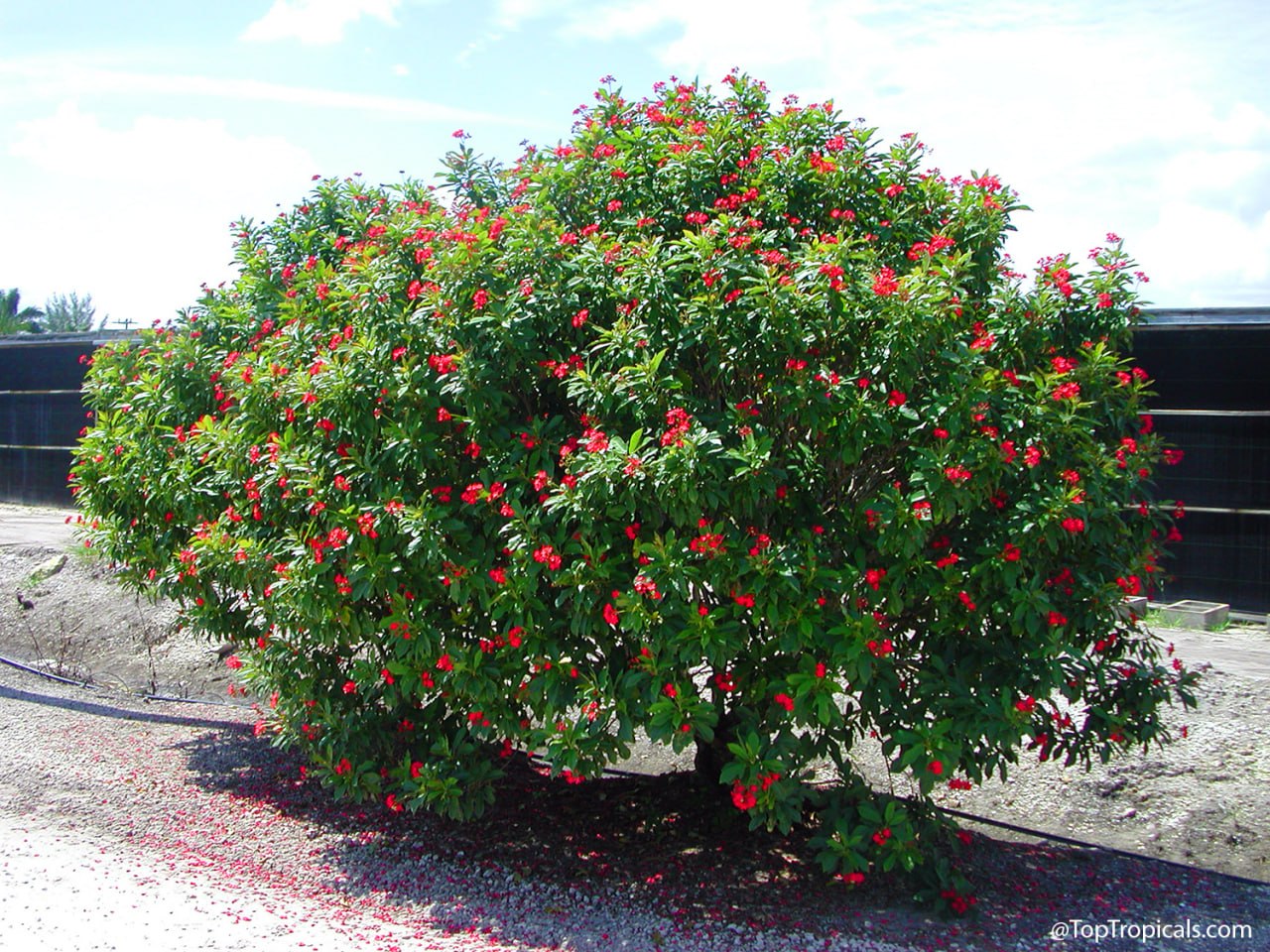
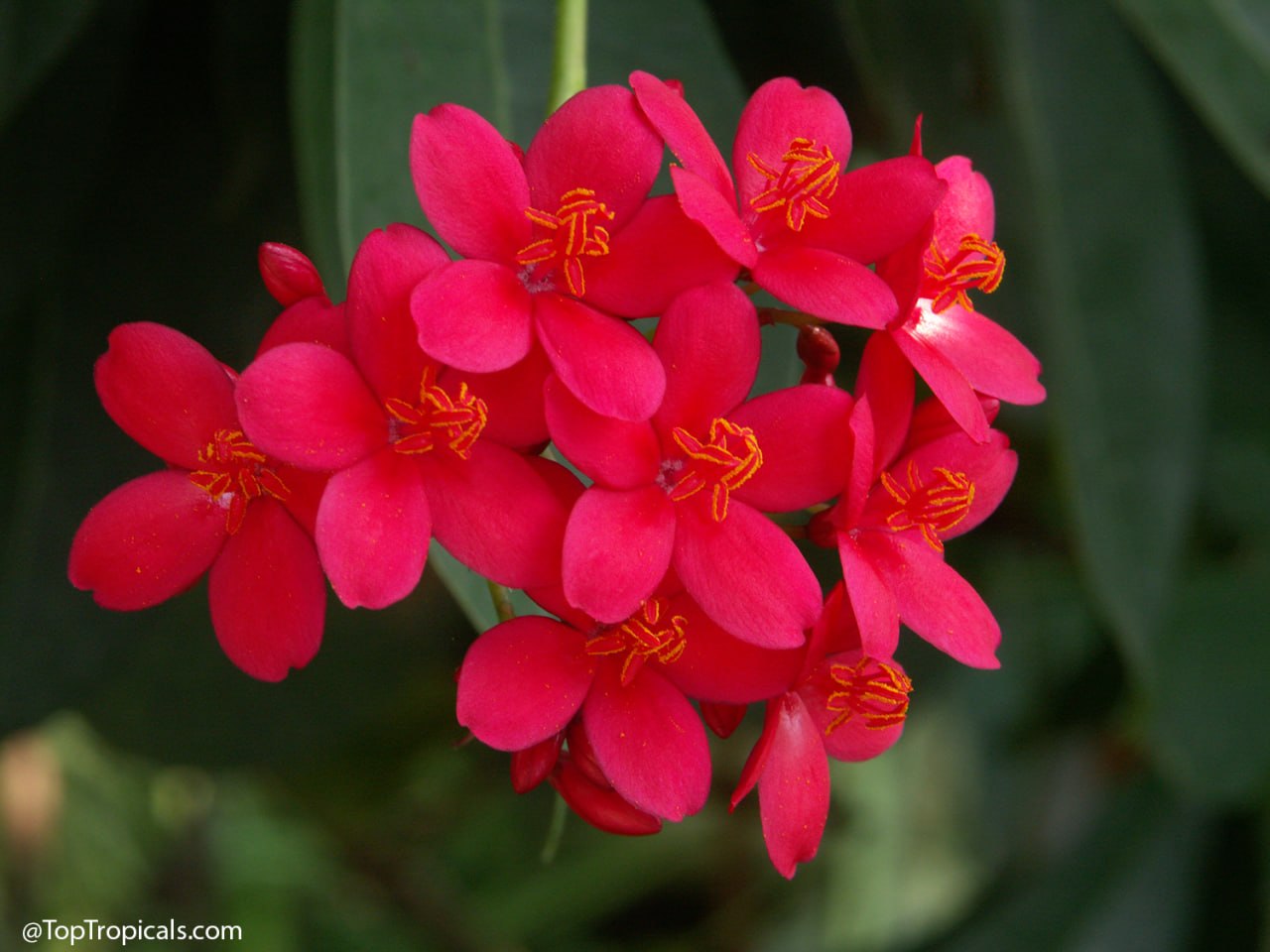
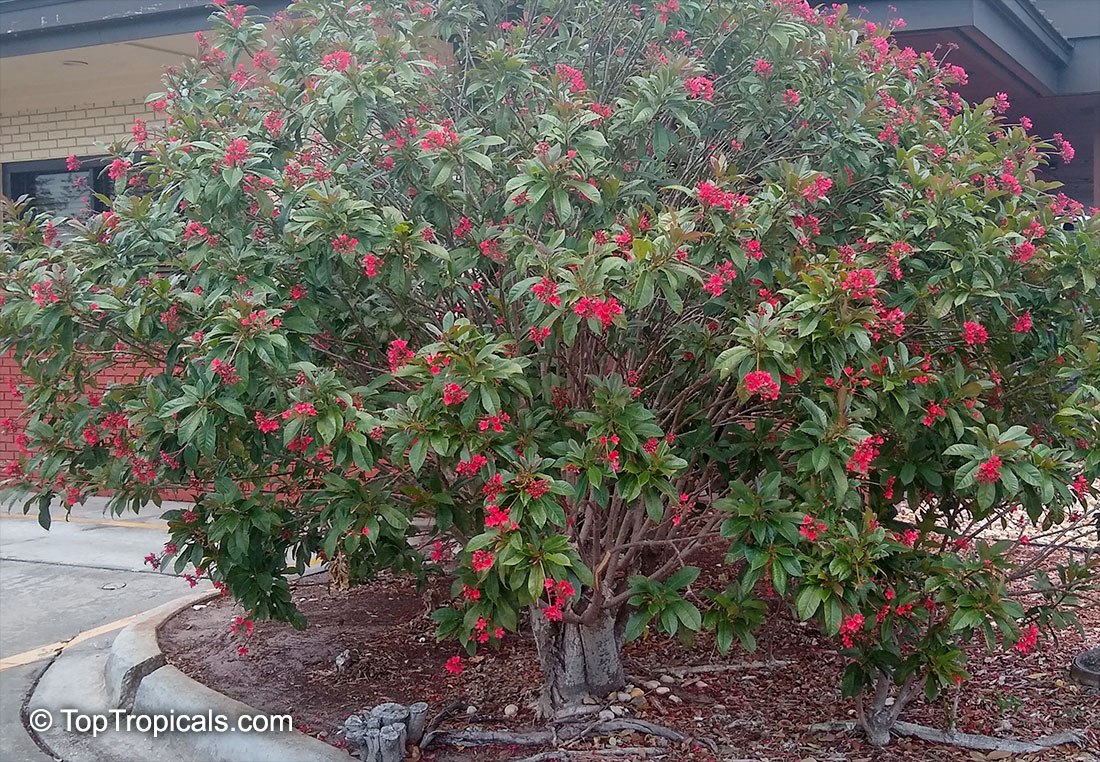
  • ☀️ 4. Peregrina - Jatropha integerrima compacta
Compact, colorful, and very forgiving - keeps flowering even when conditions get hot and dry.

Peregrina Plant Facts

Jatropha integerrima, Jatropha pandurata
Peregrina, Spicy Jatropha, Coral Plant, Physic Nut
USDA Zone: 9-11
Plant used for bonsaiLarge shrub 5-10 ft tallSmall tree 10-20 ftSemi-shadeFull sunDry conditionsRed, crimson, vinous flowersPink flowersPlant attracts butterflies, hummingbirdsIrritating plantSubtropical plant. Mature plant cold hardy at least to 30s F for a short timeSeaside, salt tolerant plant
👉 More

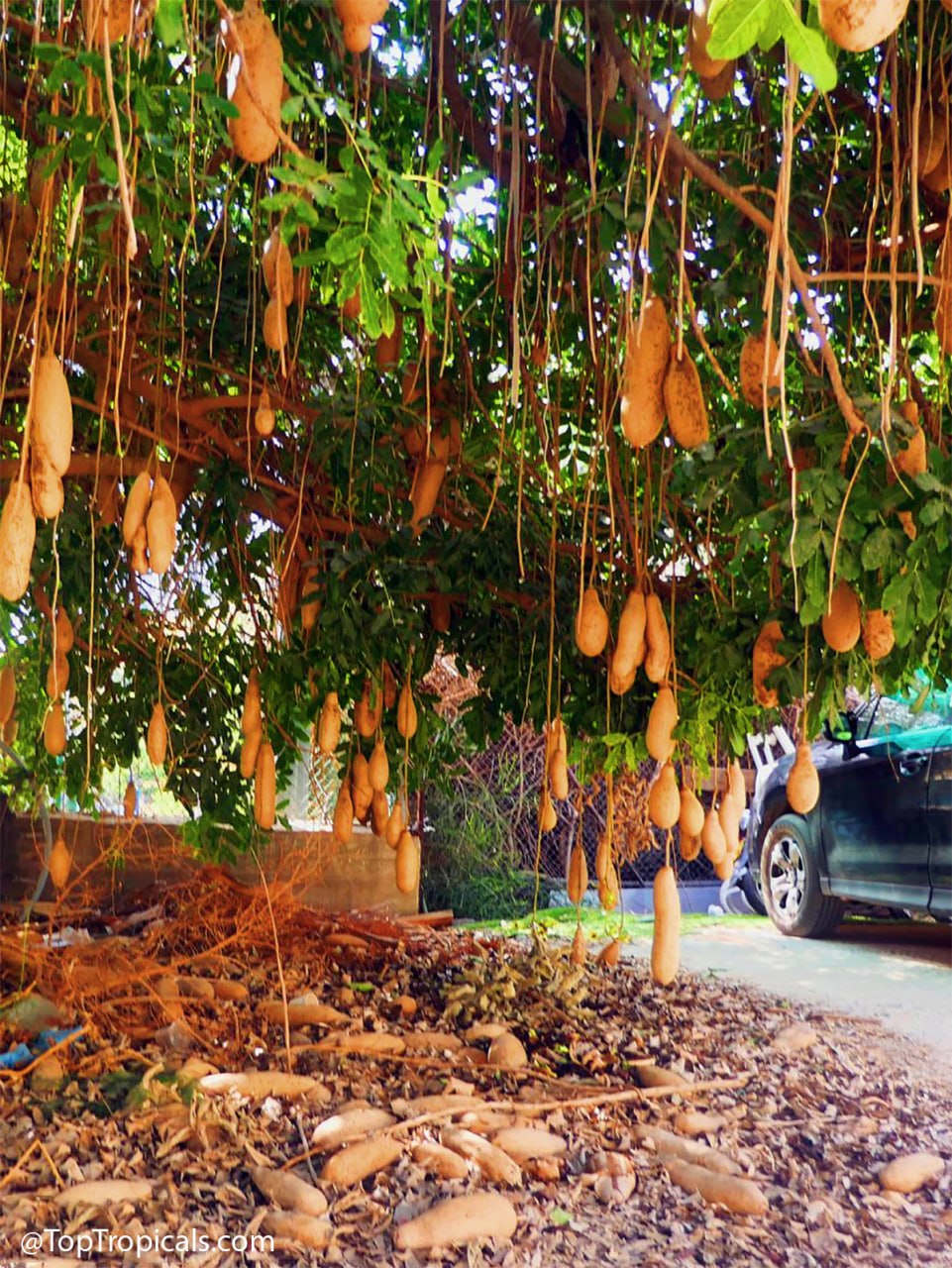
  • ☀️ 5. Sausage Tree - Kigelia pinnata 📸
A bold tropical look with bizarre flowers and fruit, with serious heat tolerance; once established, it handles dry spells better than expected.

Sausage Tree Plant Facts

Kigelia pinnata, Kigelia africana
Sausage Tree
USDA Zone: 9-11
Large tree taller than 20 ftSemi-shadeFull sunModerate waterDeciduous plantEthnomedical plant.
Plants marked as ethnomedical and/or described as medicinal, are not offered as medicine but rather as ornamentals or plant collectibles.
Ethnomedical statements / products have not been evaluated by the FDA and are not intended to diagnose, treat, cure, or prevent any disease. We urge all customers to consult a physician before using any supplements, herbals or medicines advertised here or elsewhere.Fragrant plantSubtropical plant. Mature plant cold hardy at least to 30s F for a short time
👉 More

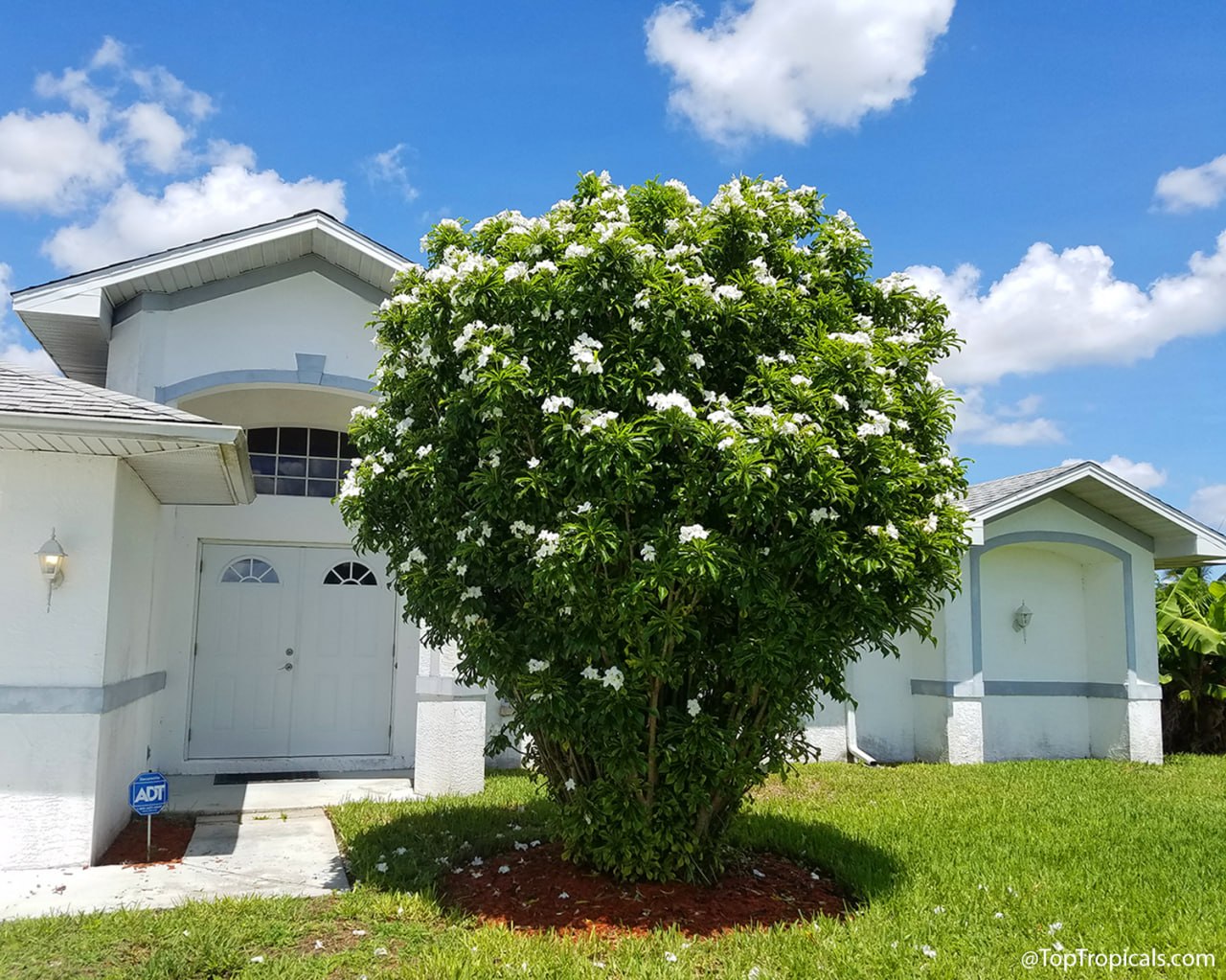
  • ☀️ 6. Plumeria 📸
Built for sun and neglect - thrives in poor and sandy soil, needs minimal water, and rewards with fragrant blooms.

Plumeria Plant Facts

Plumeria sp.
Plumeria, Frangipani
USDA Zone: 9-11
Large shrub 5-10 ft tallSmall tree 10-20 ftFull sunModerate waterYellow, orange flowersRed, crimson, vinous flowersWhite, off-white flowersPink flowersPlant attracts butterflies, hummingbirdsDeciduous plantFragrant plantSeaside, salt tolerant plant
👉 More

  • ☀️ 7. Pomegranate

One of the most drought-tolerant fruit trees - handles heat, poor soil, and still produces reliably.

Pomegranate Plant Facts

Punica granatum
Pomegranate, Granada, Grenade, Pomegranate, Granada, Anar, Granaatappel, Pomo Granato, Romeira, Melo Grano
USDA Zone: 9-11
Large shrub 5-10 ft tallSmall tree 10-20 ftFull sunModerate waterRed, crimson, vinous flowersThorny or spinyEdible plantDeciduous plantEthnomedical plant.
Plants marked as ethnomedical and/or described as medicinal, are not offered as medicine but rather as ornamentals or plant collectibles.
Ethnomedical statements / products have not been evaluated by the FDA and are not intended to diagnose, treat, cure, or prevent any disease. We urge all customers to consult a physician before using any supplements, herbals or medicines advertised here or elsewhere.Subtropical plant. Mature plant cold hardy at least to 30s F for a short timeSeaside, salt tolerant plant
👉 More

  • ☀️ 8. Aster Tree / Snow Bush - Baccharis halimifolia

A tough Florida native option - thrives in sandy, dry soils and coastal conditions with no fuss.

Aster Tree Plant Facts

Baccharis halimifolia
Aster Tree, White Cloud Tree, Snow Bush, Eastern Baccharis, Flannel Bush
USDA Zone: 9-11
Plant used for bonsaiLarge shrub 5-10 ft tallSmall tree 10-20 ftSemi-shadeFull sunRegular waterWhite, off-white flowersPlant attracts butterflies, hummingbirdsSubtropical plant. Mature plant cold hardy at least to 30s F for a short timeFlood tolerant plant
👉 More

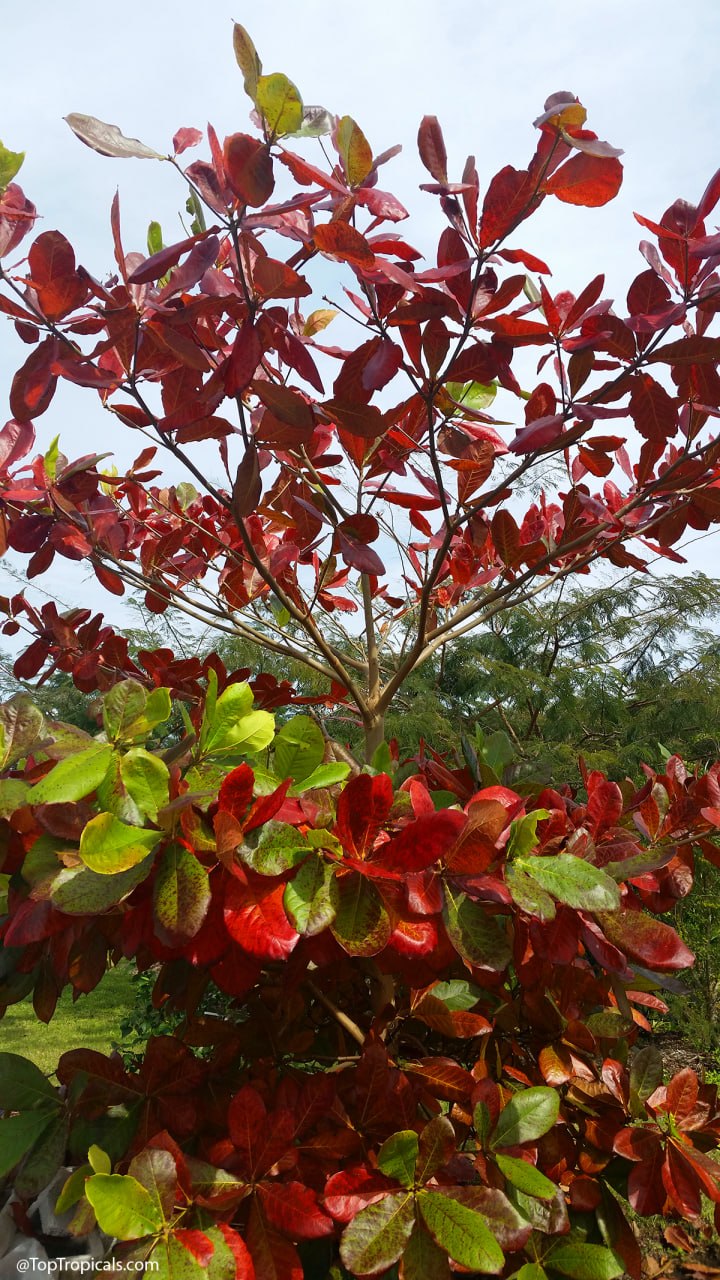
☀️ 9. Tropical Almond - Terminalia catappa 📸
A classic coastal shade tree that thrives in heat, wind, and dry sandy soil once established. Its broad, layered canopy provides excellent shade, and the large leaves turn striking shades of red and orange before dropping - a rare bonus color show for hot-climate landscapes. Plus almond nuts as extra bonus!

Tropical Almond Plant Facts

Terminalia catappa
Tropical Almond, Badamier, Java Almond, Indian Almond, Malabar Almond, Singapore Almond, Ketapang, Huu Kwang, Pacific Almond
USDA Zone: 9-11
Large tree taller than 20 ftFull sunModerate waterWhite, off-white flowersEdible plantDeciduous plantEthnomedical plant.
Plants marked as ethnomedical and/or described as medicinal, are not offered as medicine but rather as ornamentals or plant collectibles.
Ethnomedical statements / products have not been evaluated by the FDA and are not intended to diagnose, treat, cure, or prevent any disease. We urge all customers to consult a physician before using any supplements, herbals or medicines advertised here or elsewhere.Subtropical plant. Mature plant cold hardy at least to 30s F for a short timeSeaside, salt tolerant plant
👉 More

  • 👉 These trees are just the start - stay with us as we move into shrubs and smaller plants that thrive in the same harsh conditions.


🛒 Shop drought tolerant plants - for hot and dry spots

📚
Learn more:
#Discover #Trees #How_to
🟢 Join 👉 TopTropicals

Date: 10 May 2026

Nonstop blooms

Nonstop blooms Nonstop blooms Nonstop blooms
💕 Why is this shrub everywhere in Southern landscapes?

  • 🌸 Nonstop blooms

One look at Jatropha integerrima compacta - Peregrina and the answer becomes pretty obvious. This compact tropical shrub or a dwarf tree blooms almost nonstop with clusters of bright scarlet star-shaped flowers that butterflies can't seem to resist. In warm climates, it keeps adding color when many other plants take a break.

  • 🌸 Compact size, big impact

Compacta stays smaller and fuller than the regular Peregrina, which makes it especially popular for foundation plantings, pool areas, patios, and smaller gardens where oversized shrubs become a headache. The glossy green leaves stay attractive year round, giving it a clean, lush look even when it's between bloom cycles.

  • 🌸 Surprisingly low maintenance

Another reason gardeners love it - this plant is surprisingly easygoing. It tolerates many soil types as long as drainage is good, handles heat well, and can be pruned almost anytime because it flowers on new growth. Want a tidy shrub? Trim it. Want a small tropical tree shape? It can do that too.

🌸 A Southern landscape favorite


For Southern gardeners looking for reliable color without constant fuss, Peregrina has quietly become one of those "plant it and enjoy it" landscape favorites.
🛒 Plant and enjoy the compact everblooming Peregrina

📚 Learn more:

Peregrina Plant Facts

Jatropha integerrima, Jatropha pandurata
Peregrina, Spicy Jatropha, Coral Plant, Physic Nut
USDA Zone: 9-11
Plant used for bonsaiLarge shrub 5-10 ft tallSmall tree 10-20 ftSemi-shadeFull sunDry conditionsRed, crimson, vinous flowersPink flowersPlant attracts butterflies, hummingbirdsIrritating plantSubtropical plant. Mature plant cold hardy at least to 30s F for a short timeSeaside, salt tolerant plant

#How_to #Discover #Trees

🟢 Join 👉 TopTropicals