The most asked-about tree in the Sunshine State: Bauhinia
Purple Orchid tree - Bauhinia purpurea
🌸 The most asked-about tree in the Sunshine State: Bauhinia
🌸 If you visit Florida in winter, chances are you will notice a tree covered in orchid-like flowers and wonder what it is. That tree is often an orchid tree, most commonly Bauhinia purpurea. It is fast growing, wide spreading, and blooms from late winter through spring, sometimes with a second round in summer. The flowers range from magenta to lavender, are lightly fragrant, and stand out even from a distance. The leaves are just as distinctive - split into two halves like butterfly wings, which is why these trees are also called butterfly trees.
🌸 Orchid trees are easygoing and practical. They thrive in full sun, tolerate many soil types as long as drainage is good, and need little water once established. Growth is quick, often 2–3 feet per year, making them excellent shade trees for hot climates. The flowers attract bees, butterflies, and hummingbirds, and in some cultures the buds and blossoms are used in cooking, while the bark has a long history in folk remedies. Beautiful, useful, and low maintenance, orchid trees are a perfect fit for Southern landscapes.
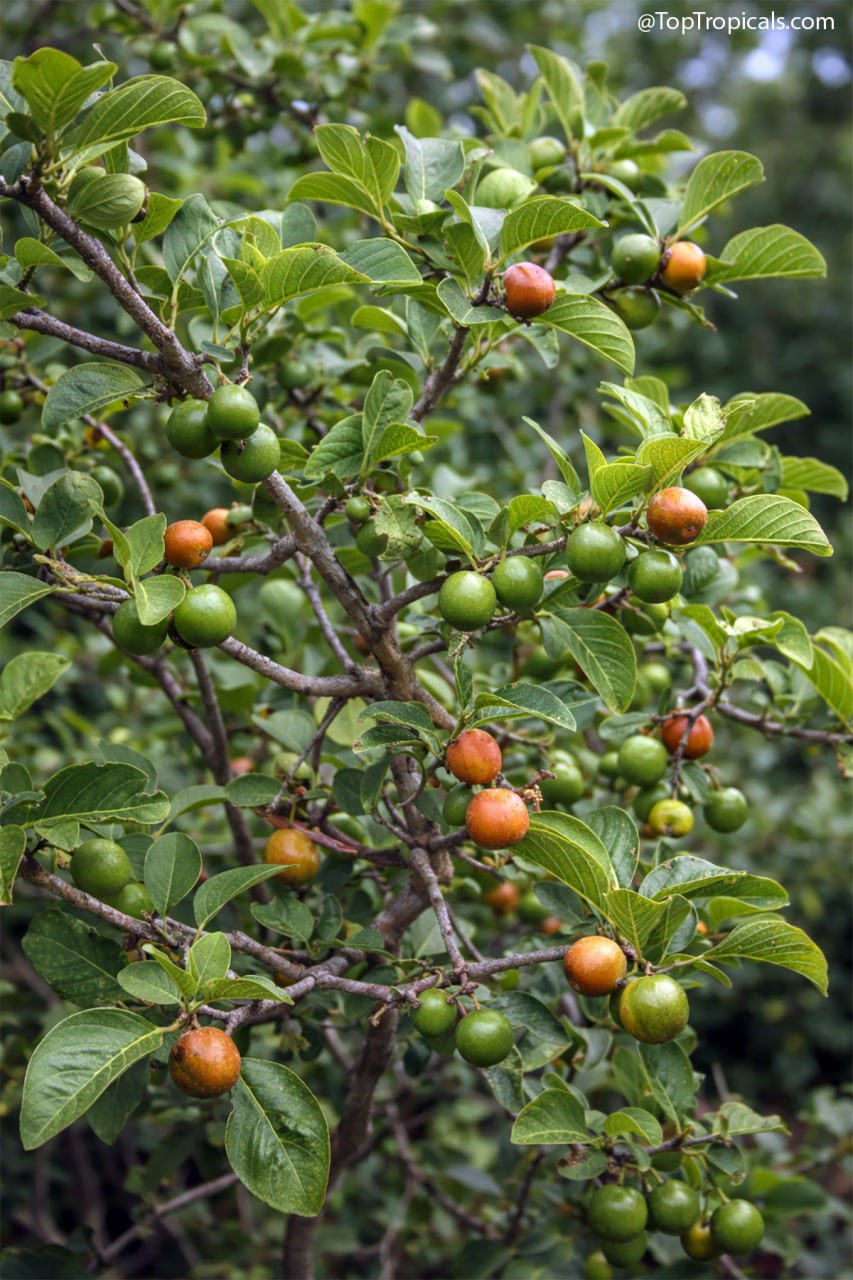
🍊 7 steps for a care-free Spanish Tamarind - the easiest rare fruit to grow
Yes, it can handle light frost - Vangueria infausta (Spanish Tamarind, Wild Medlar) - we just discovered it can handle cold snaps! After a few cold nights in January, our young tree planted just a few months ago, still looks happy and strong!
If you are looking for a tough little fruit tree that thrives on neglect but gives you something truly special in return - try this rare, compact fruit tree. Spanish Tamarind is native to southern Africa, it is drought-tolerant, pest-resistant, and surprisingly cold-hardy once established - making it a great choice even for gardeners in borderline zones.
Here’s how to grow this resilient gem:
🌞 Sun and soil
Spanish Tamarind loves full sun, but will tolerate light shade. It isn’t picky about soil as long as it drains well - sandy, rocky, or loamy, it will grow just fine. No special amendments needed.
💧 Watering
Once established, it's very drought tolerant, but young trees need regular watering to develop a deep root system. In containers, water when the top inch of soil is dry. In the ground, water deeply but infrequently.
❄️ Cold tolerance
Now for the surprise: while it’s considered a tropical fruit, Wild Medlar can handle brief dips into the mid-30s F without damage, especially when mature and dormant. In Sebring, FL, we’ve seen this tree shrug off light frosts with no protection!
And what makes this even more impressive? The tree has beautiful, lush velvet leaves - soft to the touch and tropical in appearance - yet surprisingly hardy for such large, tender-looking foliage.
· Young plants should be protected the first couple winters
· Grow in containers if you’re in USDA zone 8 or lower
· A little mulch around the base helps stabilize soil temps in winter
Growing in pots
This tree is very compact and does well in containers. Use a large, well-drained pot and a loose soil mix. Keep it outside in spring through fall, then bring it indoors before a hard frost. It grows slowly and stays compact for years, making it a great fit for patios or balconies.
🍊 When to expect fruit
With enough sun and time, your tree can start fruiting in 2-3 years. Mature trees can bear 20-40 small round fruits per season, ripening to a golden-brown with a tangy-sweet flavor. The fruiting season may vary depending on your local climate, but typically occurs in late summer to fall.
🛠 Maintenance? Almost none.
· No special pruning needed (except to shape)
· No major pests or diseases reported
· Tough and low-maintenance in the landscape
🏆 Final thought: grow it for the surprise
Spanish Tamarind - Wild Medlar - is a tree that rewards patience. It's unusual, beautiful in its own scruffy way, and packs a punch with cold tolerance, drought resistance, and tasty fruit. Spanish Tamarind belongs in every experimental garden or food forest - especially if you love growing things no one else in the neighborhood has.
Insulin Ginger traditional remedies: Quick-n-fun exotic recipes
Insulin Ginger (Chamaecostus cuspidatus) traditional remedies recipes
❣️ Insulin Ginger traditional remedies: Quick-n-fun exotic recipes
6 very simple, real-world ways people actually use Insulin Ginger (Chamaecostus cuspidatus)
✦ 1. 🍵 Simple leaf tea
Steep 1–2 fresh leaves (or dried) in hot water for 10–15 minutes. Drink warm, plain or lightly sweetened.
✦ 2. ❄️ Refreshing iced herbal drink
Blend a couple of leaves with water, strain, add ice. Some people add a squeeze of lemon.
✦ 3. Coconut water blend
Blend 1–2 leaves with fresh coconut water. Drink chilled as a mild daily tonic.
✦ 4. 🌿 Fresh leaf chew
The simplest method - chew a fresh leaf in the morning, then discard. Very common traditional use.
✦ 5. Salad add-in
Finely slice young leaves and mix with other greens. Use lightly, like a functional herb.
✦ 6. 🍲 Leaf Chutney
Leaves can be blended with spices and other herbs into a savory condiment. Meals like this make the leaves easy to include in everyday diet (though you’d want to adapt it for flavor and personal preferences).
👆This plant has a long history of traditional use. Everyone’s body is different, so if you have diabetes or take medication, it’s wise to check with your healthcare provider first.
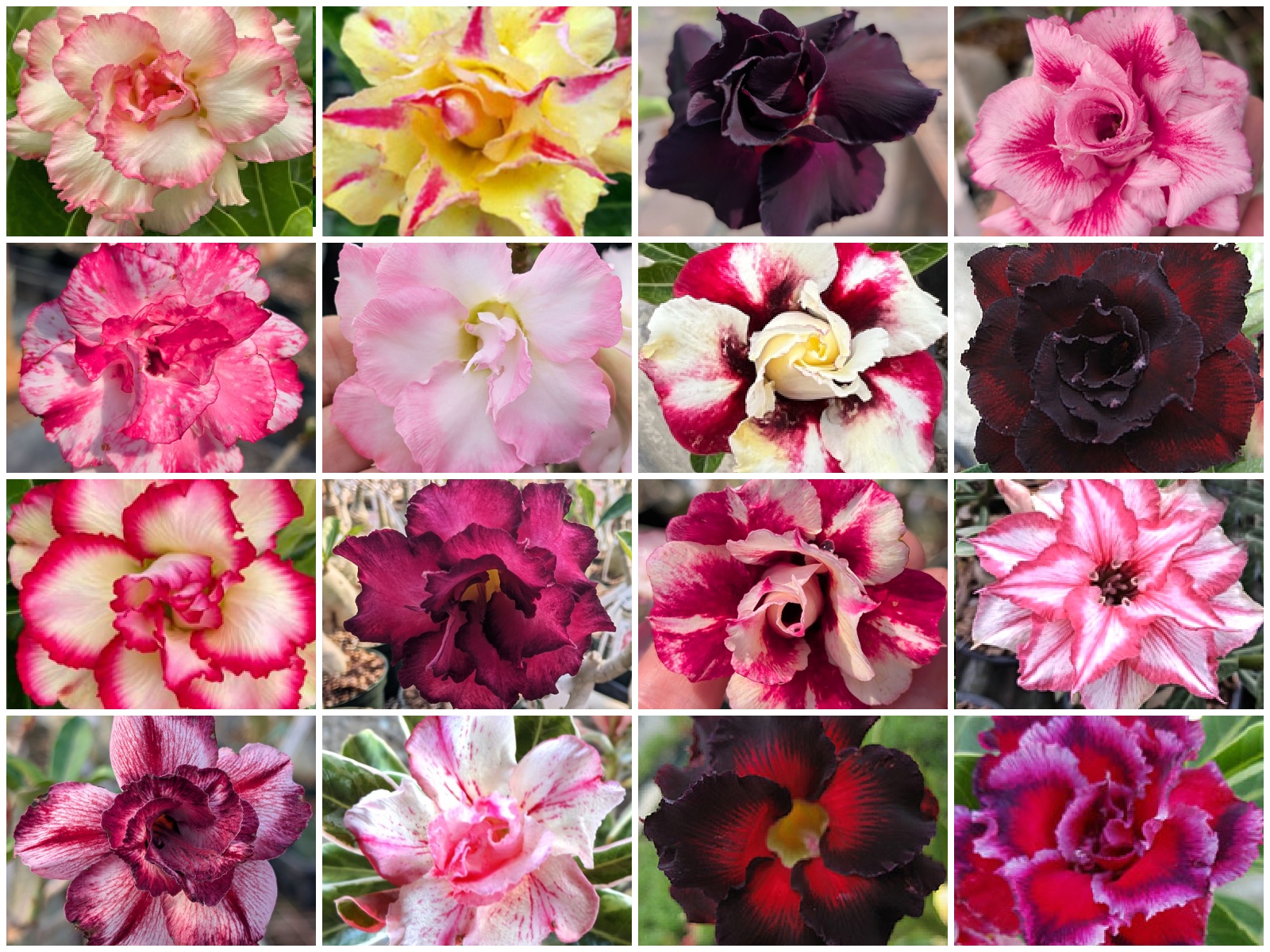
Compact size, ideal for patios, balconies, and windows
Form unique, sculptural caudex shapes
Decorative even when not in bloom
Produce stunning, long-lasting flowers
Often blooming in a few months
🌸 Adenium Care
Basics
Adeniums have many spectacular hybrids, and their basic culture is closer to
orchids than to typical houseplants.
The key is a small pot, excellent drainage, bright light, and careful
watering.
Pot and Soil
Use a small pot sized to the root system.
Excellent drainage is required.
Use a very well-drained mix. We recommend specially formulated for
Adeniums Desert
Rose Soilless Mix
Light and Blooming
Give lots of light for heavy flowering.
In warm conditions and longer days, most hybrids and species begin
blooming in spring.
In warmer climates they can keep blooming through fall and winter.
Watering (Most Important)
Adeniums dislike both extremes: over-watering and drying out too
often.
Use neutral to hard water when possible.
Acidic water can sour the mix quickly and may cause root rot.
Water in the early morning so the plant can drink through the day.
Watering frequency can range from daily to every few days, depending on
heat, light, and how fast the mix dries.
Never let the pot sit in a saucer of water.
Do not let the plant dry out too often, or it may go into early
dormancy.
Do not wet the leaves.
Fertilizer (Caudex + Flowers)
To build a large swollen base/trunk (caudex), use a good quality
fertilizer.
A fertilizer that helps trunk swelling also supports flowering. The best
choice for this is Sunshine
Megaflor.
Avoid fertilizers that are too high in nitrogen; choose a formula where
the middle number is the highest.
Never apply fertilizer directly on roots.
Do not liquid feed a thirsty plant.
Always water lightly first, then feed, to avoid root burn and leaf
drop.
The Caudex "Secret" (Shaping the Base)
At each repotting, lift the plant slightly so the upper roots are a
little exposed.
This encourages new roots to grow downward and helps create a thicker,
more interesting caudex shape.
Multi-Grafted Plants (Important Note)
Adenium hybrids can be multi-grafted with several colors/varieties on
the same plant.
The swollen base forms only when the rootstock plant is grown from
seed.
✍️ Adenium
FAQ
How much light do Adeniums need?
Adeniums need lots of light for heavy flowering. Most hybrids and species
start blooming when conditions are warm and days get longer, and in
warmer climates they can keep blooming through fall and winter.
What is the best pot size for Adeniums?
Use a small pot sized to the root system, with excellent drainage. A small
pot with excellent drainage is a must.
What kind of soil mix should I use?
Use only a well-drained mix. Adeniums do best in very well-drained soil. A
small pot plus excellent drainage is the foundation of success.
How often should I water Adeniums?
Adeniums do not like both over-watering and drying-out too often. Water
preferably in the early morning and do not water again until the mix dries
on the surface. Watering can range from daily to every few days depending on
heat, light, and how fast the mix dries.
Can Adeniums sit in a saucer of water?
No. Never allow your Adenium to sit in a saucer of water.
Should I wet the leaves when watering?
No. Do not wet the leaves.
What kind of water do Adeniums prefer?
Adeniums prefer neutral to hard water. Acidic water tends to sour the soil
too fast and may cause root rot.
How do I create a large, swollen caudex?
At each repotting, lift the plant slightly so the upper parts of the roots
are a little exposed. This encourages the plant to form more roots that grow
downward and helps create a thicker, more interesting caudex.
What fertilizer should I use for caudex growth and blooms?
Use a good quality fertilizer to support both trunk swelling and flowering.
Avoid formulas that are too high in nitrogen; the middle number should be
the highest. Never apply fertilizer directly on roots, and do not liquid
feed when the plant is thirsty. Water lightly first, then feed, to avoid
root burn and leaf drop.
Can an Adenium have multiple flower colors on one plant?
Yes. Adenium hybrids can be multi-grafted with several colors or varieties
on the same plant. Note that the swollen base forms only when the rootstock
plant is grown from seed.
Sapodilla - Manilkara or Achras zapota, the Brown Sugar Fruit
🍊 How to make Sapodilla fruit profusely?
Sapodilla - Manilkara or Achras zapota), the Brown Sugar Fruit is a warm-climate evergreen fruit tree that can produce a lot of fruit once conditions are right. So why do so many sapodilla trees grow beautifully, flower heavily, and still refuse to set fruit?
Sapodilla Fruit Production - What Really Matters
1. 🌳 Choose the Right Tree
Grafted or air-layered trees fruit much sooner - typically in 1-2 years - and more reliably than seedlings, which may take 6–8+ years.
Some varieties are more profuse producers than others. For example, Silas Woods is virtually everbearing, Hasya is commercial prolific producer, Oxkutzcab (or Ox) -is also heavily productive (learn more about varieties).
2. ☀️ Environment: Heat, Sun & Water Balance
Temperature and Humidity
Excessive heat above 90F and low humidity can cause flowers to dry up and fall before setting fruit.
Solution: Provide filtered light or shade during the hottest part of the day to reduce heat stress on blossoms.
Water
Sapodillas are drought tolerant, but consistent moisture during flowering and fruit set improves fruit retention.
Avoid waterlogged conditions - soggy soil can stress roots and reduce yield.
Sun Exposure
Full sun is best for growth and flowering - but for hot climates, protection during peak afternoon heat helps reduce flower drop.
Young trees can also suffer sunburn.
3. Fertilization: Feed for Fruit, Not Just Foliage
Good nutrition is critical for flowers to turn into fruit. Apply a routine feed through the growing/flowering season - contolled-release (Green Magic) or liquid (Sunshine C-Cibus) both work.
Balanced fertilizer with trace elements like Boron (B), Molybdenum (Mo), Iron (Fe), and Copper (Cu) is essential for fruit set and development. Boron & Molybdenum deficiency as a frequent cause of flower/fruit drop in container-grown trees (nutrients get depleted quickly in pots).
Micro-nutrient sprays 2-3 times per year help improve fruit retention and quality. Some growers use sugar boosters (Sunshine Honey) or micronutrient blends that include Mo & B to help fruit set (Sunshine Superfood).
4. 🐝 Pollination - Often Overlooked
Sapodilla flowers are small and often require pollinators for best fruit set.
In some regions, small insects like thrips are key pollinators.
In places with low insect activity, hand pollination dramatically increases fruit set - brushing pollen from one flower to another with a small paintbrush during peak bloom times can help.
Placing fruit scraps (apple peels/banana peels) under the tree to attract beetles is an inexpensive way to boost insect activity.
5. ✂️ Pruning and Tree Structure
Moderate pruning can help open the canopy for better light penetration and air circulation, which supports flowering and reduces stress. Training young trees promotes a strong branch structure that can carry more fruit later. Sapodilla flowers on young growth (tips of the branches).
6. Pot vs Ground: Size Matters
If your sapodilla is in a container, root bound trees struggle with fruit set because roots run out of space and nutrients - stepping up to a larger container or planting in the ground can help.
Root-bound trees often bloom but fail to develop fruit.
7.
📅 Patience & Timing
Even healthy trees can take years to start fruiting well.
Trees often flower repeatedly but only set fruit when environmental conditions and pollination align - especially important for young or newly planted trees.
📌 Summary Checklist for Better Sapodilla Fruiting
✔️ Choose a grafted variety (faster, more reliable fruit). ✔️ Manage heat & humidity - shade during hot hours. ✔️ Water consistently but avoid waterlogging. ✔️ Fertilize balanced NPK + micronutrients (include B & Mo). ✔️ Encourage pollination