Date: 22 Dec 2021
Pipers, the Pepper Plants
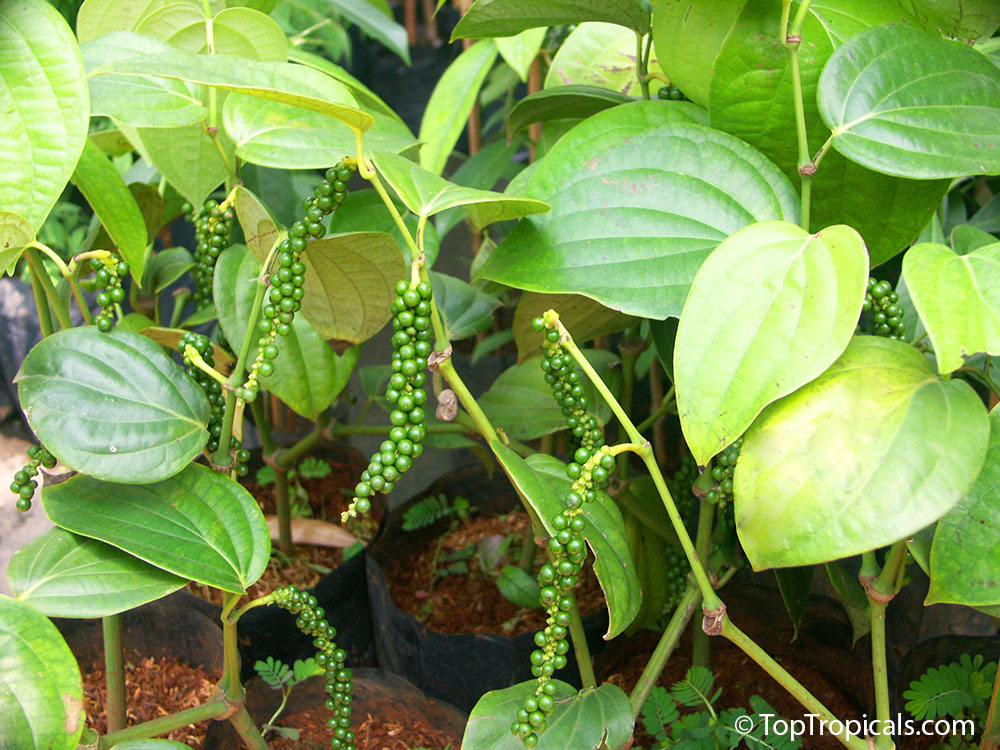
Piper nigrum (Black Pepper), the one that is used more frequently than salt or sugar!
by Alex Butova, the Witch of Herbs and Cats
...Who doesn't know Black Pepper? Every household has a pepper shaker,
even if they are not fans of spicy food. But do you know where black pepper
comes from? Certainly, from a plant. But not from the same plant that gives us
Chili pepper! You will be surprised to know that Black pepper along with its
other spicy relatives, belong to the same family as a Peperomia houseplant!
In the 16th century, people began using name pepper to also mean the unrelated
New World Chili pepper (genus Capsicum of family Solanaceae). Piper's
spiciness is due to the chemical compound piperine, which is a different kind of
spicy from the capsaicin characteristic of Chili peppers...
Today we will tell you more about the most interesting and useful species -
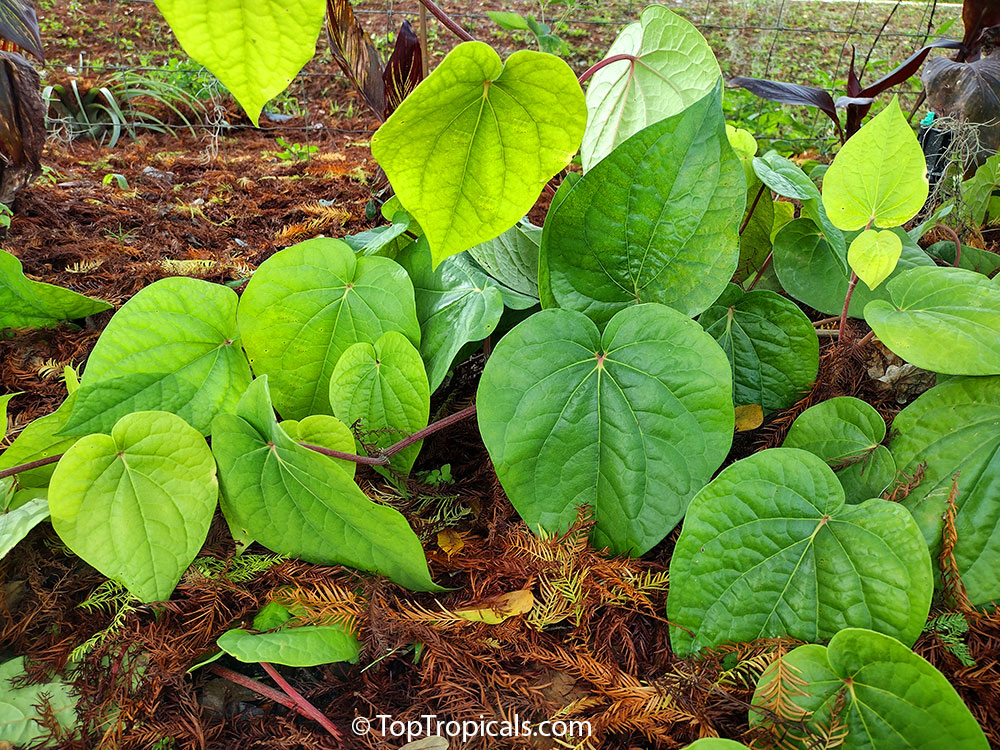
Piper nigrum (Black Pepper), Piper betle (Betel Leaf), Piper sarmentosum (Lalot), and Piper auritum (false Kava-Kava, or Root Beer Plant).
CONTINUE READING >>

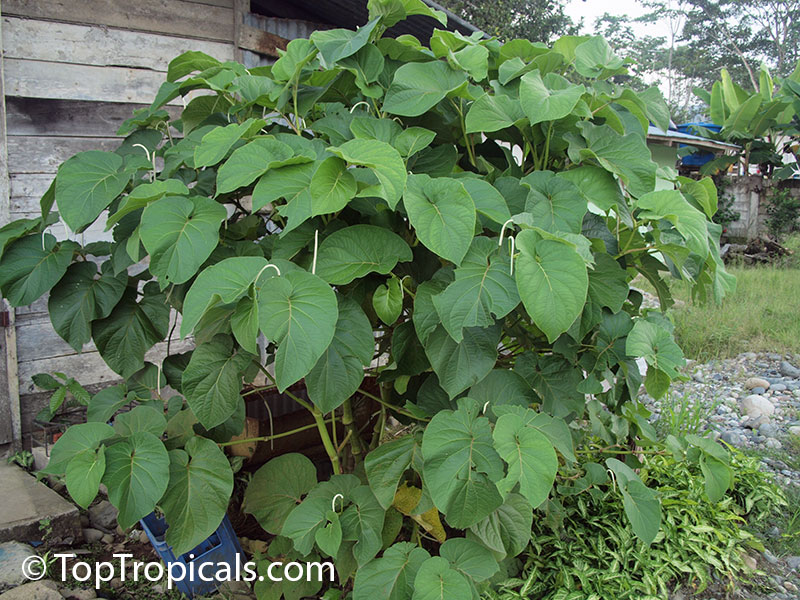
Piper auritum (false Kava-Kava, or Root Beer Plant) - the most useful especially in Mexican cuisine

Date: 16 Dec 2021
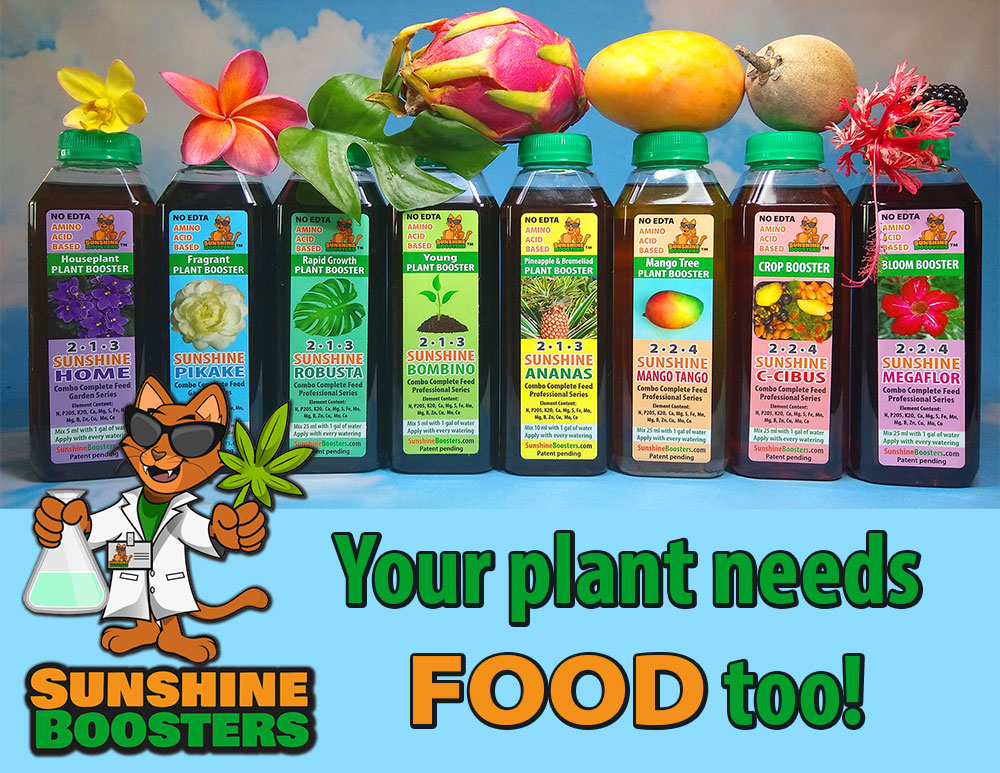
Why should you use Sunshine Boosters?
by Ed Jones, the Booster guy
...You have heard it before, but I will tell you again. Sunshine Boosters are safe to use with every watering. It means that you can use Sunshine Boosters amino acid based fertilizers whenever you water your plants, even in the winter. Why is that so important?..
...We normally stop using dry, timed release, fertilizers around the first of November and not resume using them until the first part of March. This is true in many areas of the deep south where the ground stays above freezing year round...
However, it is safe to use Sunshine Boosters during these cooler months... Temperature does not play a role in the absorption of nutrients when using Sunshine Boosters...
To find out how it works, see Ed's new Article Why should you use Sunshine Boosters. If you want to learn even more in depth, check out his blog: Micronutrients Delivery Systems.
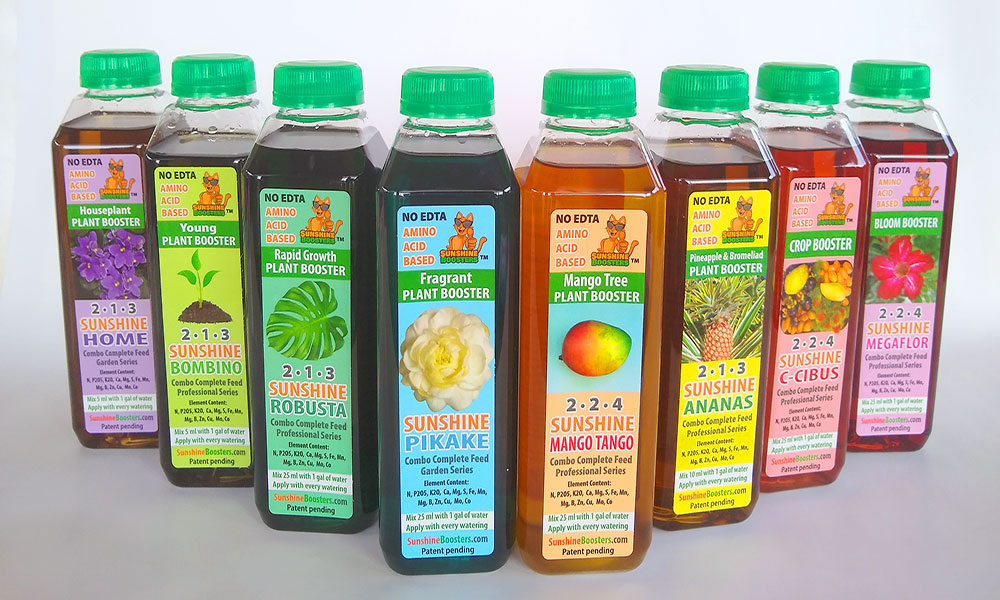
As of this writing, all Sunshine Boosters are on Holiday Sale. There are boosters for all different types of plants. Check them out and -
Give your plants a little something extra for Christmas!
CONTINUE READING >>
Date: 10 Nov 2021
Yerba Mate Tea from Argentina
(llex paraguariensis)
by Ed Jones, the Booster guy
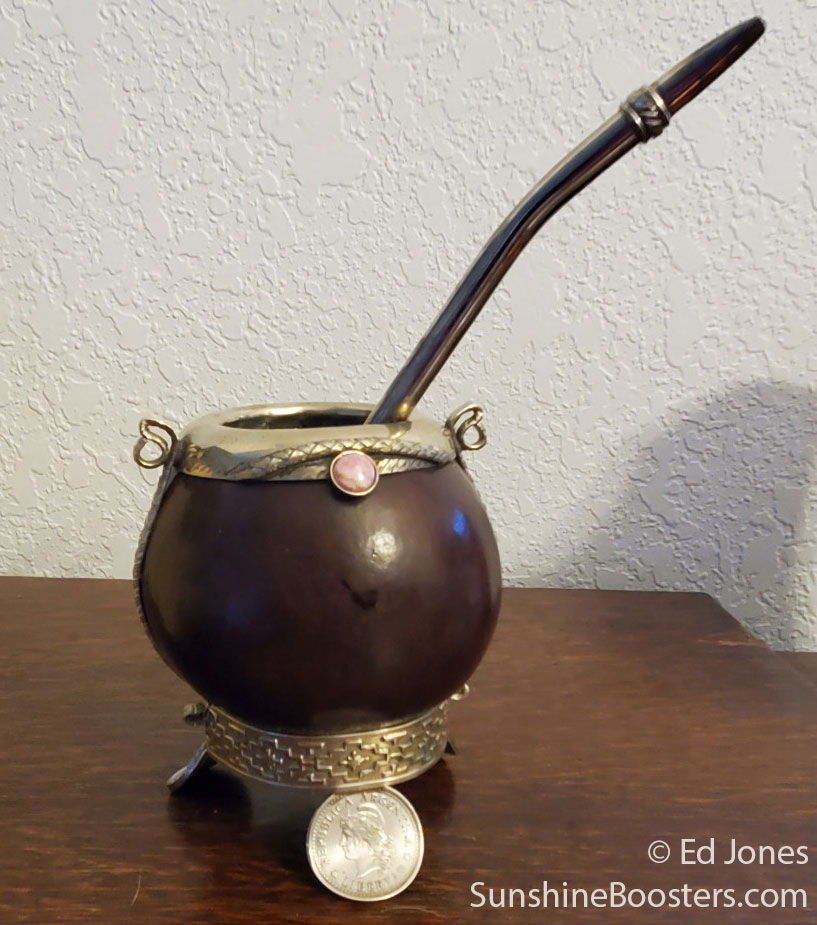
...My first introduction to Yerba Mate happened many years ago when my stepson returned home for a visit after graduating from college and then touring with a vocal group from the school. One of the stops on their tour included the country of Argentina. While there, they took in the local customs, one of those being the sharing of a cup of tea made from this tree. He brought a bag of the dried tea home along with a special vessel that is used to steep and drink the concoction and gave it to my wife as a gift...
CONTINUE READING >>
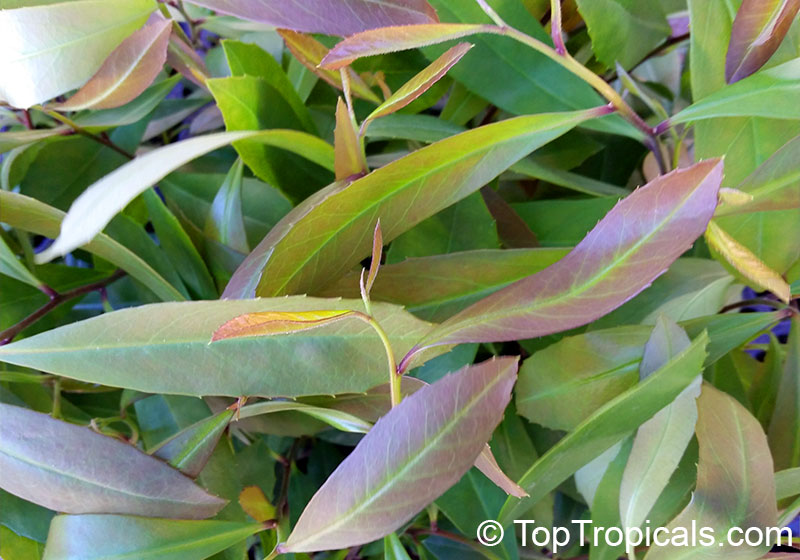
...Yerba Mate is high in antioxidants, contains 24 vitamins and minerals and several amino acids...Find out more...
Date: 18 Oct 2021
Season star:
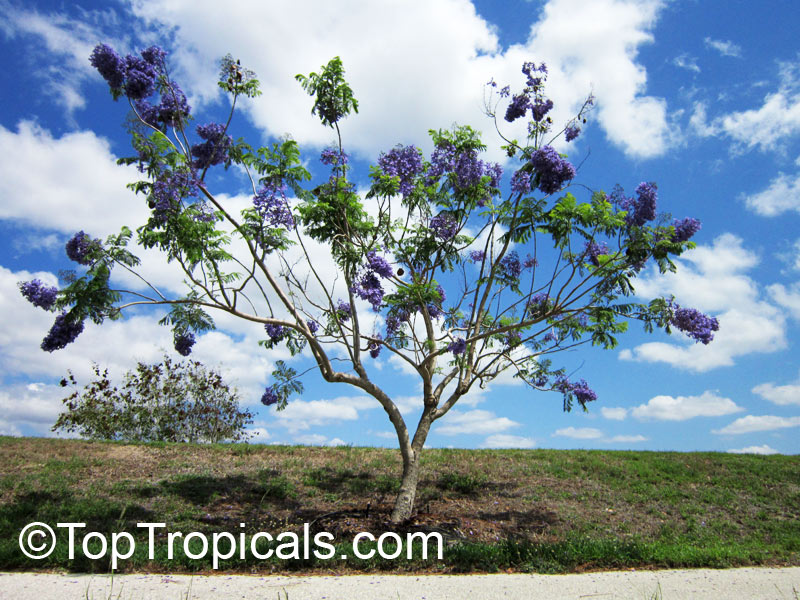
The Purple Tango of Hypnotizing Jacaranda
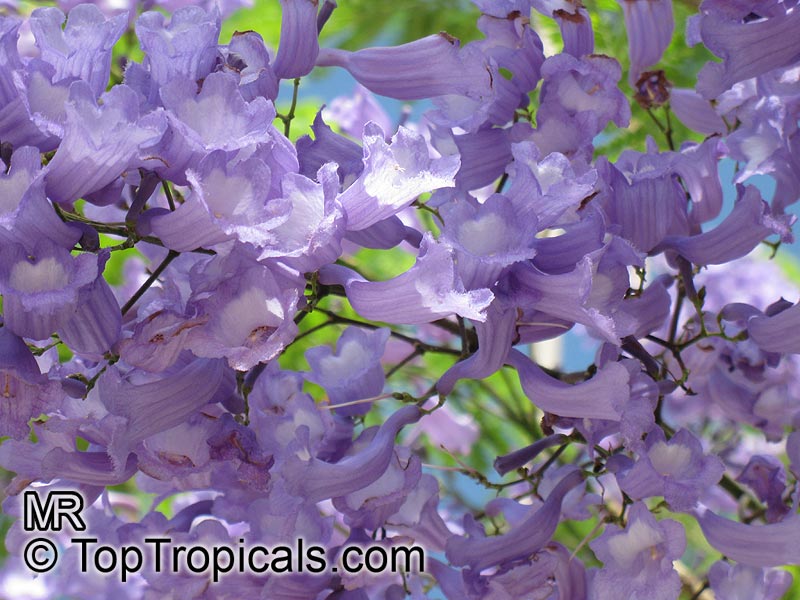
by Alex Butova, the Witch of Herbs and Cats
...Hypnotizing bluish-purple, trumpet-like flowers create the magical image of the tree. Incredible, long-lasting purple blooms in spring give way to rich, yellow hues in the fall, making the Jacaranda Tree a season-to-season star that stands out. Fern-like foliage lends volume to its bold, dramatic silhouette for a landscape look unlike any other. When the trumpet-shaped blooms finally fall, they form a lilac carpet beneath the awe-inspiring Jacaranda for luxuriant curb appeal...
CONTINUE READING >>
Date: 8 Sep 2021
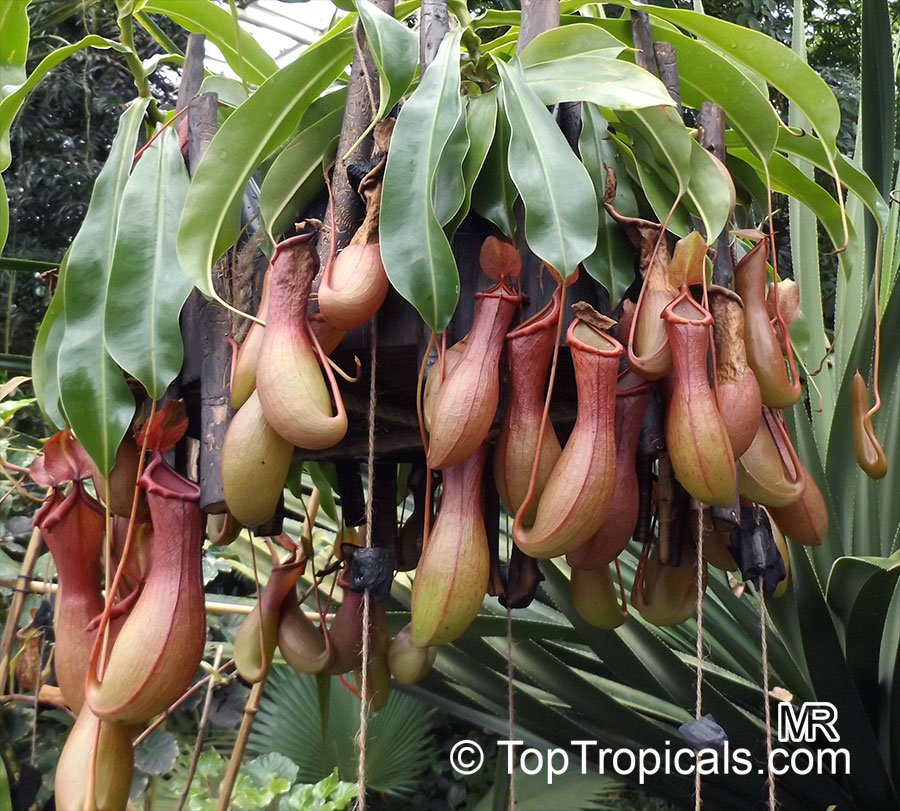
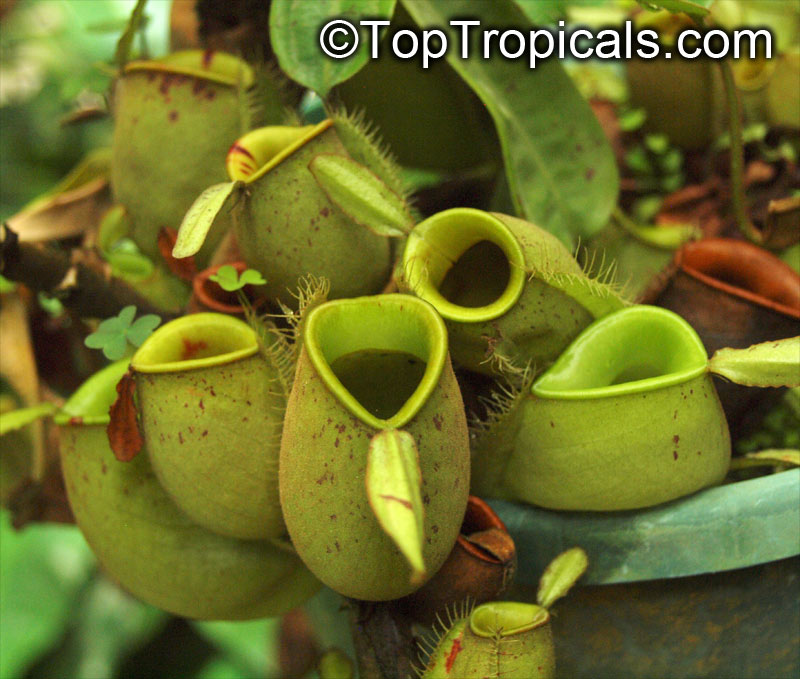
Nepenthes: Deadly Traps of Monkey Cups
by Alex Butova, the Witch of Herbs and Cats
...The name "monkey cups" refers to the fact that monkeys were once
thought to drink rainwater from the pitchers. This is false; monkeys do not drink
from them, and the pitchers are filled with digestive juices, rather than
rainwater. The trap contains a fluid of the plant's own production, which may
be watery or more viscous, and is used to drown the prey...
...The lower part of the trap contains glands which absorb nutrients from
captured prey. Along the upper inside part of the trap is a slick, waxy
coating which makes the escape of its prey nearly impossible...
...Prey usually consists of insects, but the largest Nepenthes species may
occasionally catch small vertebrates, such as rats and lizards. Records of
cultivated plants trapping small birds have been made!..