Date: 27 Jan 2026
🌸 Why adenium?
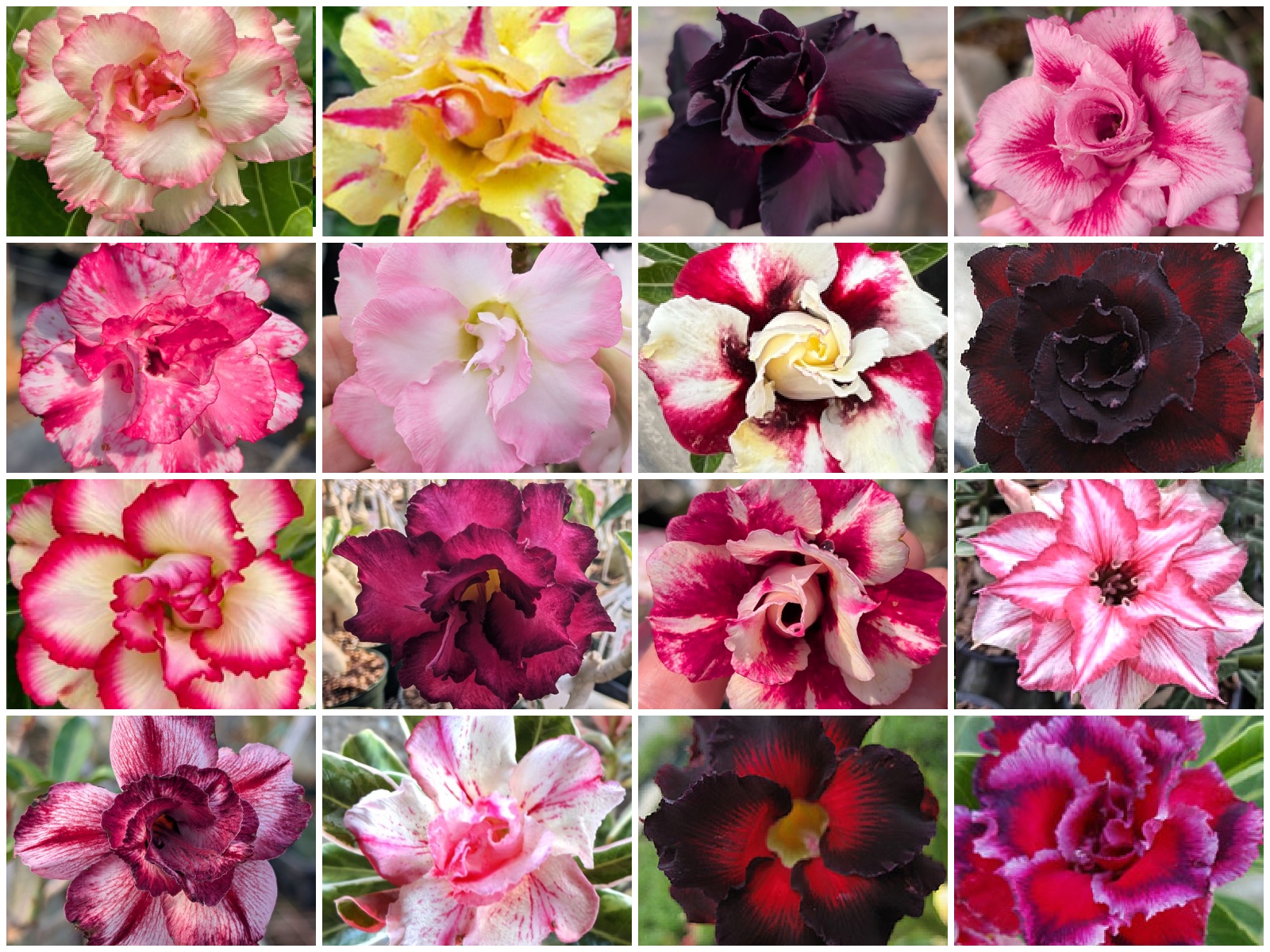
- Easy to grow in containers
- Thrive in sun or shade, indoors or out
- Tolerant of low humidity
- Very low water needs
- Forgiving plants that tolerate missed watering
- Long-lived plants that improve with age
- Compact size, ideal for patios, balconies, and windows
- Form unique, sculptural caudex shapes
- Decorative even when not in bloom
- Produce stunning, long-lasting flowers
- Often blooming in a few months
🌸 Adenium Care Basics
Adeniums have many spectacular hybrids, and their basic culture is closer to orchids than to typical houseplants. The key is a small pot, excellent drainage, bright light, and careful watering.
Pot and Soil
- Use a small pot sized to the root system.
- Excellent drainage is required.
- Use a very well-drained mix. We recommend specially formulated for Adeniums Desert Rose Soilless Mix
Light and Blooming
- Give lots of light for heavy flowering.
- In warm conditions and longer days, most hybrids and species begin blooming in spring.
- In warmer climates they can keep blooming through fall and winter.
Watering (Most Important)
- Adeniums dislike both extremes: over-watering and drying out too often.
- Use neutral to hard water when possible.
- Acidic water can sour the mix quickly and may cause root rot.
- Water in the early morning so the plant can drink through the day.
- Watering frequency can range from daily to every few days, depending on heat, light, and how fast the mix dries.
- Never let the pot sit in a saucer of water.
- Do not let the plant dry out too often, or it may go into early dormancy.
- Do not wet the leaves.
Fertilizer (Caudex + Flowers)
- To build a large swollen base/trunk (caudex), use a good quality fertilizer.
- A fertilizer that helps trunk swelling also supports flowering. The best choice for this is Sunshine Megaflor.
- Avoid fertilizers that are too high in nitrogen; choose a formula where the middle number is the highest.
- Never apply fertilizer directly on roots.
- Do not liquid feed a thirsty plant.
- Always water lightly first, then feed, to avoid root burn and leaf drop.
The Caudex "Secret" (Shaping the Base)
- At each repotting, lift the plant slightly so the upper roots are a little exposed.
- This encourages new roots to grow downward and helps create a thicker, more interesting caudex shape.
Multi-Grafted Plants (Important Note)
- Adenium hybrids can be multi-grafted with several colors/varieties on the same plant.
- The swollen base forms only when the rootstock plant is grown from seed.
✍️ Adenium FAQ
How much light do Adeniums need?
Adeniums need lots of light for heavy flowering. Most hybrids and species start blooming when conditions are warm and days get longer, and in warmer climates they can keep blooming through fall and winter.
What is the best pot size for Adeniums?
Use a small pot sized to the root system, with excellent drainage. A small pot with excellent drainage is a must.
What kind of soil mix should I use?
Use only a well-drained mix. Adeniums do best in very well-drained soil. A small pot plus excellent drainage is the foundation of success.
How often should I water Adeniums?
Adeniums do not like both over-watering and drying-out too often. Water preferably in the early morning and do not water again until the mix dries on the surface. Watering can range from daily to every few days depending on heat, light, and how fast the mix dries.
Can Adeniums sit in a saucer of water?
No. Never allow your Adenium to sit in a saucer of water.
Should I wet the leaves when watering?
No. Do not wet the leaves.
What kind of water do Adeniums prefer?
Adeniums prefer neutral to hard water. Acidic water tends to sour the soil too fast and may cause root rot.
How do I create a large, swollen caudex?
At each repotting, lift the plant slightly so the upper parts of the roots are a little exposed. This encourages the plant to form more roots that grow downward and helps create a thicker, more interesting caudex.
What fertilizer should I use for caudex growth and blooms?
Use a good quality fertilizer to support both trunk swelling and flowering. Avoid formulas that are too high in nitrogen; the middle number should be the highest. Never apply fertilizer directly on roots, and do not liquid feed when the plant is thirsty. Water lightly first, then feed, to avoid root burn and leaf drop.
Can an Adenium have multiple flower colors on one plant?
Yes. Adenium hybrids can be multi-grafted with several colors or varieties on the same plant. Note that the swollen base forms only when the rootstock plant is grown from seed.
✍️ Learn About Adeniums 🎥 Watch Adenium Videos 🛒 Shop AdeniumsDate: 26 Jan 2026
Why Turmeric was named the 2026 Herb of the Year
Turmeric - Curcuma
🌷 Why Turmeric was named the 2026 Herb of the Year
- 🌷 Turmeric was named the 2026 Herb of the Year by the International Herb Association, and it is easy to see why gardeners are paying attention. This tropical plant from the ginger family is best known for its bright orange underground rhizomes, used for centuries as a spice, natural dye, and traditional remedy.
- 🌷Native to India, Turmeric (Curcuma longa) is closely related to Ginger and Cardamom. Its rhizomes are a staple in curry and widely used in Asian, African, and Caribbean cuisines. In recent years, turmeric has also gained attention for potential anti-inflammatory properties.
🌷 Herb, spice or flower?
- • Botanically, turmeric is a spice, since it comes from the plant’s rhizomes rather than its leaves. In the kitchen, however, it often functions like an herb. Fresh turmeric can replace powdered turmeric in most recipes and delivers brighter flavor and color.
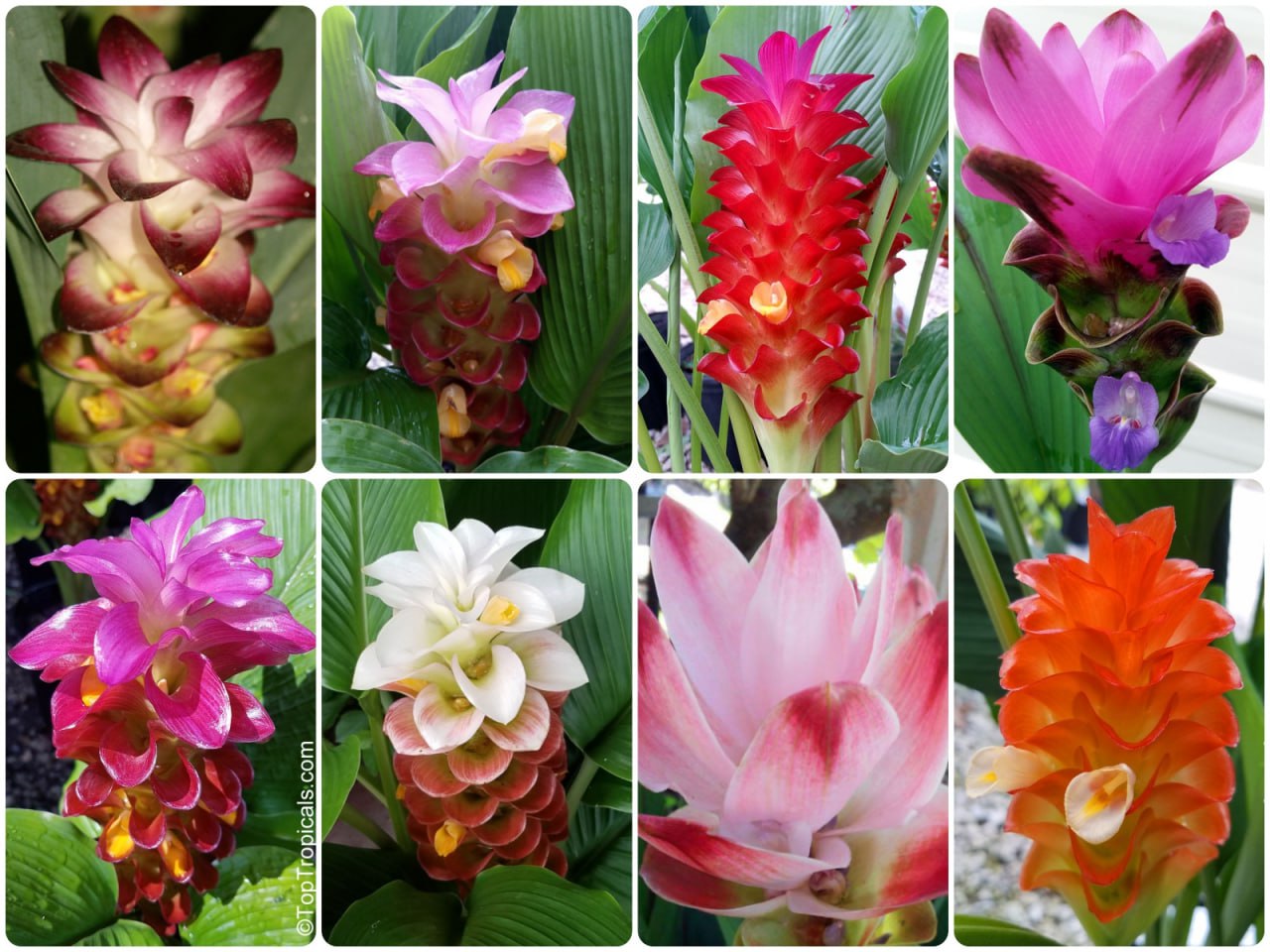
- • Beyond edible Turmeric, there are many Curcuma hybrids grown purely for ornament. These selections produce striking, long-lasting flower spikes in shades of pink, white, orange, red, and purple, rising above lush tropical foliage. Ornamental curcumas are popular as patio plants and indoor accents, adding dramatic color and texture even where they are grown strictly in containers.
🌷 Growing turmeric anywhere - even in cool climates
Although Turmeric is a tropical perennial, it grows very well in containers, making it suitable for gardeners everywhere. When grown in pots, turmeric is treated as a warm-season plant that can be moved indoors as temperatures cool.
🌷 How to grow Turmeric
Turmeric is a compact, but bold plant, reaching 3-4 feet tall and wide, so it needs a roomy container. It prefers:
- • Rich, well-drained soil
- • Slightly acidic conditions (around pH 6–6.5)
- • Consistent moisture
- • Warm temperatures and bright, indirect light
The plant produces flowers that do not set seed, so turmeric is grown entirely from rhizomes.
🌷 Harvesting and using Turmeric
As the season ends, turmeric naturally goes dormant and the leaves yellow and dry. This signals harvest time. Dig the rhizomes, clean them, and dry them in a cool, shaded place.
Rhizomes can be:
- • Boiled, dried, and ground into powder
- • Frozen whole and grated as needed
- • Pickled for long-term storage
Some healthy rhizomes can also be saved and replanted the following season, making turmeric both productive and renewable.
Compact, bold, and useful, turmeric proves that tropical plants can thrive well beyond the tropics - especially when grown in pots.
🛒 Plant Curcuma for both flowers, spice and herb
📚 Learn more :


#Food_Forest #Container_Garden #Remedies #Discover
🟢 Join 👉 TopTropicals
Date: 25 Jan 2026
Collecting clerodendrums: big color, little effort

Clerodendrum collage
🎨 Collecting clerodendrums: big color, little effort
🎨 Collector hook
If you love plants that look rare, unusual, and a little dramatic - but do not want high-maintenance divas - Clerodendrums belong in your collection.
Clerodendrums are a surprisingly diverse group of plants, ranging from flowering vines to shrubs and even small trees. What they all share is bold, colorful blooms and an easygoing nature that makes them far less fussy than they appear. This combination of exotic looks and forgiving care is exactly why collectors gravitate toward them.
Many clerodendrums bloom repeatedly through the year in warm climates, and several tolerate lower light better than most flowering plants. That makes them flexible - happy in the garden, in containers, on patios, or even indoors near a bright window. Their flowers come in striking combinations of red, white, blue, pink, and purple, often with unusual shapes that stop people mid-walk.
🎨 Why clerodendrums earn collector status
- ✦ Uncommon, eye-catching flowers
- ✦ Long or repeat bloom cycles in many varieties
- ✦ Vines, shrubs, and small trees in one genus
- ✦ Excellent performance in containers
- ✦ More tolerant of lower light than expected
🎨 Clerodendrum care made simple
Give clerodendrums bright filtered light to partial sun, regular watering with good drainage, and light feeding during active growth. A little pruning keeps them tidy and encourages fresh blooms. That is it. No complicated routines, no constant fixing.
For collectors who want maximum visual payoff without constant effort, clerodendrums deliver exactly what the title promises - big color, very little work.
🛒 Start your Clerodendrum collection
📚 Learn more:
- 💋Clerodendrums in Plant Encyclopedia
- 💋Do you see Musical Notes in this flower
- 💋The shrub that smells like a royal bouquet and grows like a weed
- 💋Bleeding Heart Vine surprised everyone this year!
- 💋How to get a large, lush and fragrant bush in no time
- 💋How to add Music to your garden
- 💋Clerodendrum schmitii and Clerodendrum wallichii
- 💋What is the difference between Clerodendrum schmitii and Clerodendrum wallichii?
- 💋What is the most spectacular Clerodendrum
- 💋How to grow Clerodendrums
- 💋Fireworks of Winter
- 💋Fragrant Cashmere Bouquet
- 💋Fountain Clerodendrum
- 💋What is better - Blue or Pink
- 💋Why is it called Blue Butterfly
- 💋Clerodendrum paniculatum
- 💋Seaside Clerodendrum
- 💋Pink Bleeding Heart
- 💋Why is it called Musical Notes
- 💋Bleeding Heart Vine
- 💋Cashmere Bouquet
#Butterfly_Plants #Shade_Garden #How_to #Hedges_with_benefits #Container_Garden


Date: 6 Feb 2026
💕How would you like to give a Valentine plant gift?
Choose the plant
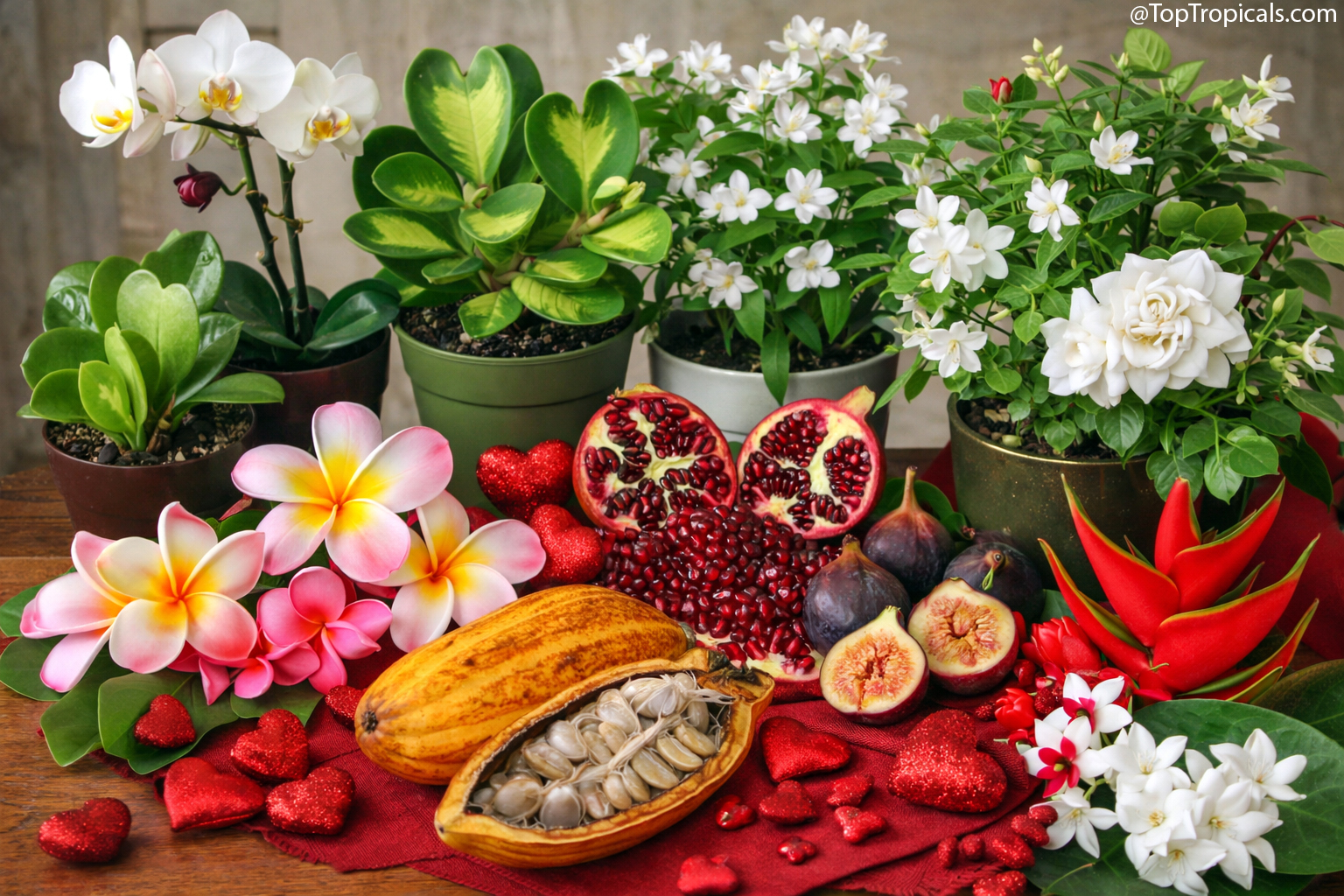
If you already know what feels right, choose the plant now. Sweetheart Hoya is a favorite for a reason, and there are other Valentine plants to explore if you want options.
A good choice when you feel confident, love plants, or are gifting something meant to live indoors.
Let your Valentine choose
If timing, weather, or choice feels uncertain, a Gift Card keeps the moment simple. Your Valentine can choose the perfect plant when the time is right.
Especially helpful for gardeners up north, or when you want the gift to unfold later.
About shipping and timing
We ship live plants with care and pay close attention to weather along the way. If conditions are not right, we may hold a shipment briefly to keep plants safe.
If timing or weather makes you hesitate, a Gift Card is an easy way to give a Valentine gift now and choose the plant later, when conditions are perfect.
More Valentines Gift Plants
- Valentines plants from around the world that symbolize love, connection, and appreciation. 👉Learn
- Top nine plants of love, desire, and the senses: aphrodisiacs and sensory connections. 👉Learn
- Four popular plants of friendship, appreciation, and shared connection. 👉Learn
- Eight favorite plants of romance, affection, and emotional connection. 👉Learn
Date: 14 Feb 2026
🍭 From Vine to Bean: A Practical Guide

How to Grow Vanilla: quick how-to
Vanilla is not complicated, but it does have preferences. Start with a pot and regular, well-draining mix. It does not need anything exotic. Give it:
- Bright, indirect light
- Warm temperatures
- Good humidity
- Air movement
Most importantly, give it something solid to climb. A wooden trellis, a log, or a burlap-covered board works well. The surface should be porous so the aerial roots can grip.
As it grows, guide the vine gently. You can prune it to control size. Vanilla is slow to mature. That is normal.
The Bloom Secret
Vanilla does not bloom just because it looks healthy. It blooms when it feels secure.
This is a climbing orchid. It must attach firmly to a solid, porous support such as a wood log, trellis, or burlap-covered board. When the aerial roots grip and the plant reaches maturity, flowering becomes possible.
Once the flowers appear, they usually need to be hand pollinated to produce pods. Each flower stays open for only a short time, so timing matters.
How to pollinate vanilla: In this video, we show you exactly how to pollinate vanilla step by step
❓Vanilla care: quick FAQ
- Does Vanilla planifolia really produce vanilla
beans?
Yes. Vanilla planifolia is the commercial source of vanilla. After flowering, it can form long green pods (vanilla beans). The aroma develops later during curing. - What is the secret to getting vanilla to bloom?
Let it climb. Vanilla is a climbing orchid and usually will not bloom until its aerial roots attach firmly to a solid, porous support like a wood log, trellis, or burlap-covered board. - Do I need to pollinate vanilla flowers?
Yes. In most home growing conditions, vanilla flowers must be hand pollinated to produce pods. Each flower is open for only a short time, so timing matters. - Can I grow vanilla indoors?
Yes, if you can provide bright, indirect light, warmth, humidity, and a support to climb. A sunny room with filtered light and a trellis or log can work well. - What should I use for support?
Use a sturdy trellis, a wood log, or a burlap-covered board. The key is a porous surface that aerial roots can grip. Avoid chemically treated wood. Check out this very unusual way to grow Vanilla Orchid over a wall. - What potting mix should I use for Vanilla plant?
Start in a pot with a regular, well-draining potting mix such as Sunshine Abundance. As the plant matures, it relies more on its support and aerial roots than the soil. - What fertilizer should I use?
Sunshine Boosters Orchidasm is formulated specifically for orchids and will work perfecty for Vanilla orchid as well. - How big will it get?
As big as you let it. Train it and prune it. Vanilla grows according to the structure and space you provide. - How long until it flowers?
Typically a few years. Vanilla is a long-term project, but it is very rewarding once established.
For Collectors and Enthusiasts:
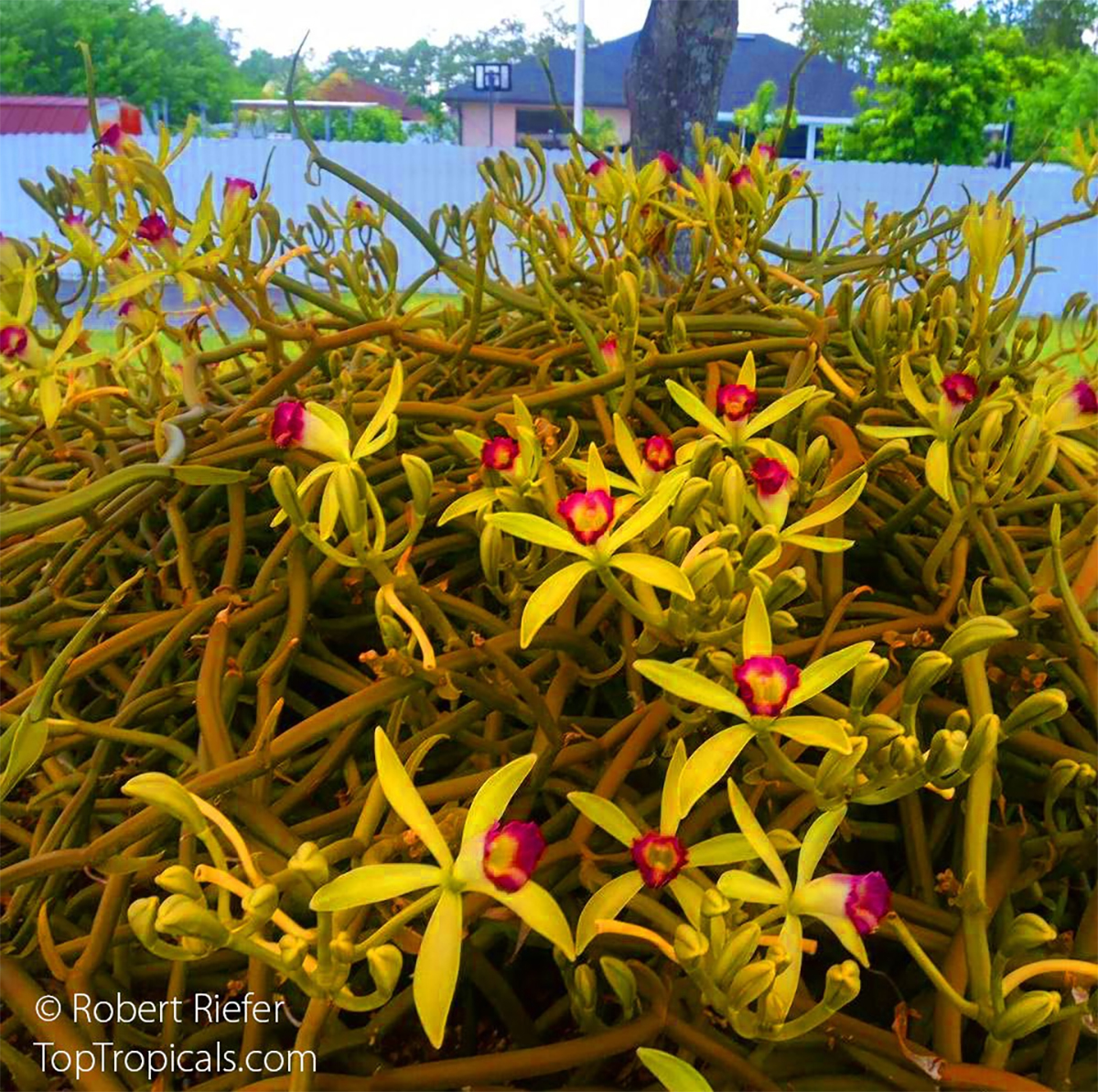
We also offer Vanilla dilloniana, a rare Florida native species with distinctive flowers.
One remarkable specimen of this species, grown by our friend Robert Riefer, became so vigorous over many years that it outgrew a 100 gallon container and was eventually moved into a 250 gallon pool on wheels.
The plants we offer are propagated from that very specimen:
That kind of growth reflects deliberate cultivation and ideal conditions - not something that happens unintentionally.
Vanilla grows according to the space and structure you provide.
For gardeners focused on producing real vanilla beans for the kitchen, Vanilla planifolia remains the right place to start.