🔻 Heliconia rostrata - Lobster Claw or Parrot's Beak - is one of the most iconic tropical plants, and for good reason. Its vivid, dangling blooms look like parrot feathers or lobster claws and last for weeks, making them perfect for garden displays or cut flower arrangements.
🔻This bold beauty grows up to 7 feet tall, thriving in tropical climates or large pots in cooler zones. Surprisingly cold-tolerant, it can handle temps in the high 20s and still put on a spectacular show.
This sacred perfume tree is perfect for small spaces: Parijat blooms with heartbreak and heaven
🕊 This sacred perfume tree is perfect for small spaces: Parijat blooms with heartbreak and heaven
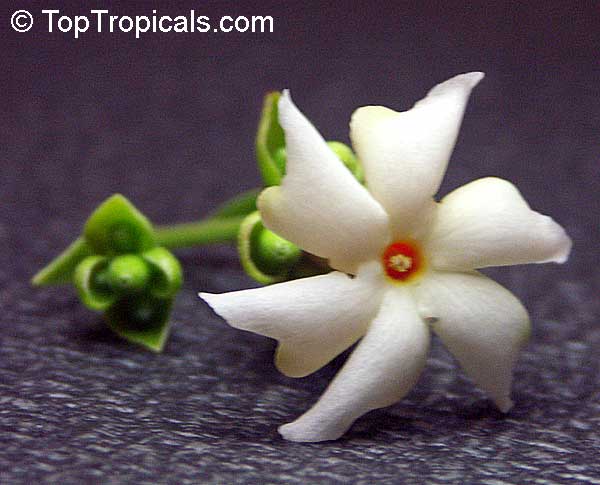
Nyctanthes arbor-tristis, known as Parijat, Night Jasmine, or the Sad Tree, is more than a fragrant flowering shrub - it's a story wrapped in petals. This small tree from India with highly perfumed flowers is one of the most desired fragrant plants.
Parijat blooms at night and drops its white-and-orange flowers by dawn, like scattered tears on the ground. In Hindu mythology, it was brought to Earth by Krishna, sparking divine jealousy. Another legend says it rose from the ashes of a heartbroken princess, blooming in sorrow each night.
Parijat grows 5-10 feet tall and thrives in sun or partial shade with moderate water. Its heavenly scent draws butterflies and hearts alike, and its ghostly, glowing flowers are used in Buddhist temples and traditional medicine - stems for headaches, leaves for liver ailments, and blossoms for fevers and faintness.
Parijat is a tree of romance, ritual, and resilience. Cold-tolerant to the 30s F, it can be container-grown in cooler zones. Just give it well-draining soil and a bit of fertilizer each month, and let the magic unfold!
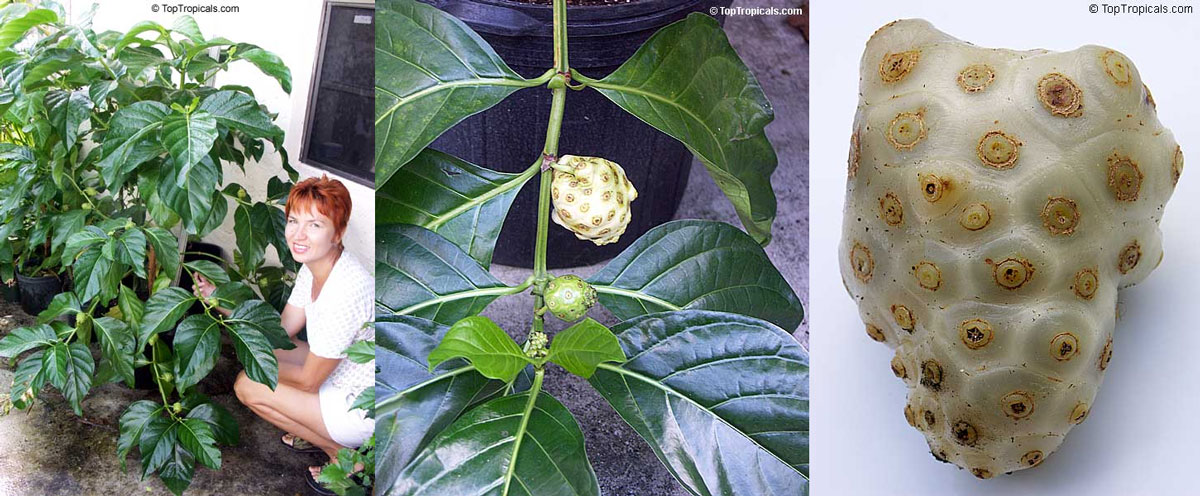
Noni isn't just ornamental - it earns its place. This small tropical
tree is packed with potential, from fruiting fast to delivering real, time-tested benefits.
Begins fruiting within a year
Flowers and fruits nearly non-stop if grown in proper conditions
Grows well in containers, indoors or out
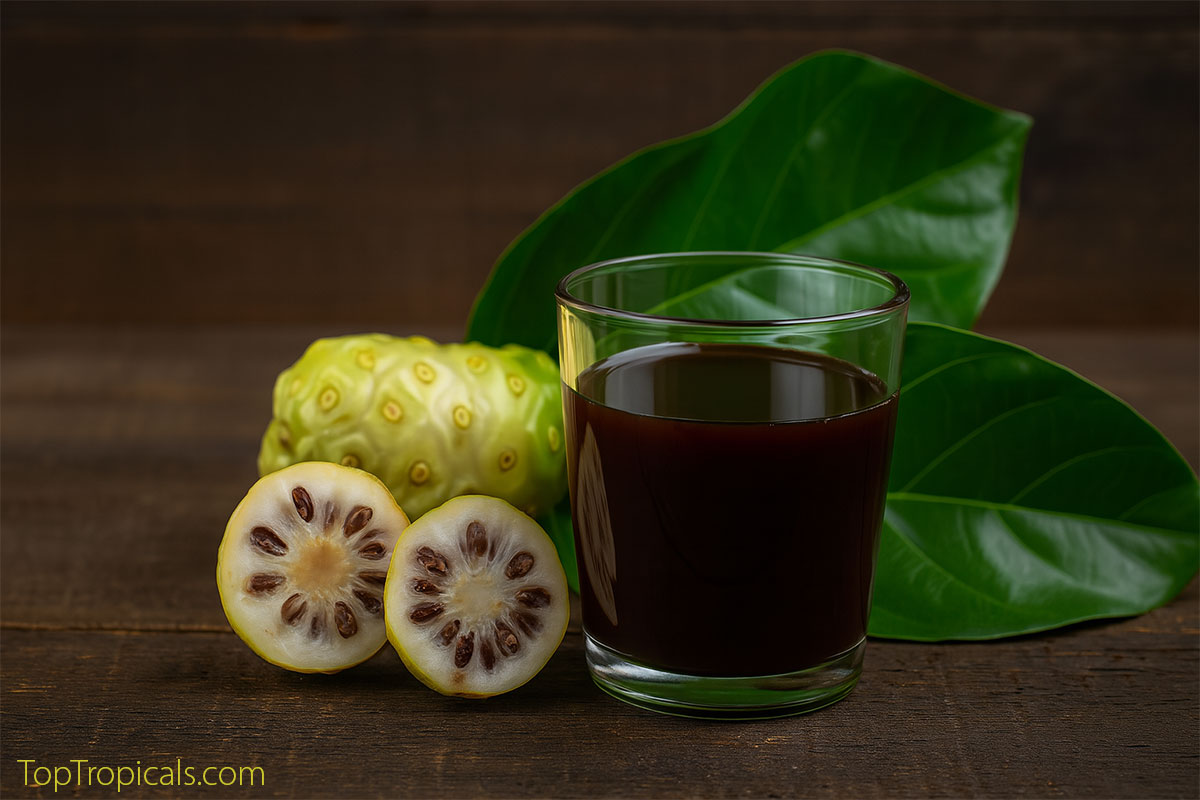
Used to support immunity, joints, digestion, and more
Leaves and fruit are both used in traditional remedies
How to Grow Noni Tree
In Zone 10 and warmer, Noni grows beautifully outdoors in full to part
sun. It thrives in poor soil, tolerates salt, and bounces back from drought.
Just keep it warm and lightly fertilized for year-round flowering and
fruiting.
For indoor growers, Noni adapts well to containers. Place it near a
bright window or under grow lights. It can tolerate lower light, though fruiting
may slow. Keep soil moist but not soggy. Leaves may drop if it gets too cold
or too dry - warmth is key. In deep shade, the foliage becomes lush, dark, and
ornamental.
Pro tip: Start with a 3 gal or larger plant for faster fruit production.
🍒 Cherry of the Rio Grande (Eugenia aggregata) is one of those tropical fruits you don't forget once you taste it. The fruit looks like a dark ruby jewel and ripens to almost black, with a sweet, full cherry-like flavor.
🍒 Unlike the temperate cherries, this one thrives in warm climates and starts flowering as early as March, keeping the harvest going well into summer.
🍒 This little fruit tree that fits anywhere! It's slender, branching, fits neatly in limited spaces or even in a pot, yet still produces plenty of fruit.
🍒 Can a tropical cherry really handle freezing temps? Once mature, Cherry of the Rio Grande can handle surprising cold snaps down into the 20s. A tough little tree that gives you a taste of the tropics right in your own backyard!
Night jasmine that disappears with sunrise: Parijat
Nyctanthes arbor-tristis - Parijat, Night Jasmine, Sad Tree, Tree of Sorrow
💔 Night jasmine that disappears with sunrise: Parijat
💔Nyctanthes arbor-tristis, Parijat, Night Jasmine, Sad Tree or Tree of Sorrow... What secret is hidden in this flower?
💔 Parijat is a small tree or shrub from South Asia known for its intensely perfumed white flowers with bright orange centers that open at dusk and fall by dawn.
Mostly for its scent and stories - but locals also use it in traditional remedies. The flowers are beloved in temple garlands and perfumery. Leaves, flowers, bark, and seeds are used in Ayurveda for treating fevers, sciatica, arthritis, and more. Extracts also show anti-inflammatory and liver-protective effects in modern studies.
It’s both fragrant and spiritual. Parijat is sacred in Hindu myth - some say Krishna brought it from heaven, others that it sprang from a grieving princess’s ashes. People plant it near temples or in small gardens not just for the scent, but for its cultural symbolism and graceful beauty.
Yes - if your climate cooperates. Parijat grows up to 10 feet tall, handles full sun or light shade, and thrives in well-drained soil with regular, moderate watering. It blooms best with monthly fertilizer and tolerates light cold (into the 30s F). In cooler areas, grow it in a container. Regular pruning helps it stay compact and flower more.