Garden Blog - Top Tropicals

Date: 28 Jan 2026

Moonlight Cactus, the Night Blooming Wonder with a mystical twist: Epiphyllum oxypetalum FAQ

Epiphyllum oxypetalum, Queen of the Night

Epiphyllum oxypetalum, Queen of the Night

Epiphyllum oxypetalum, Queen of the Night, Night-Blooming Cereus, flower close up

Epiphyllum oxypetalum, Queen of the Night, Night-Blooming Cereus, flower close up

Epiphyllum oxypetalum, Queen of the Night, Night-Blooming Cereus, flower

Epiphyllum oxypetalum, Queen of the Night, Night-Blooming Cereus, flower

Epiphyllum oxypetalum, Queen of the Night flower center

Epiphyllum oxypetalum, Queen of the Night flower center

Epiphyllum oxypetalum, Queen of the Night flower with highlight

Epiphyllum oxypetalum, Queen of the Night flower with highlight

Epiphyllum oxypetalum, Queen of the Night flower with highlight

Epiphyllum oxypetalum, Queen of the Night flower with highlight

🔮 Moonlight Cactus, the Night Blooming Wonder with a mystical twist: Epiphyllum oxypetalum FAQ


🌙 Epiphyllum oxypetalum, also known as Queen of the Night or Night-Blooming Cereus, is a tropical epiphytic cactus famous for its huge, fragrant white flowers that open only at night. The blooms usually last just one night, often opening after sunset and closing by morning, which is why it has such a mystical reputation. The plant itself has long, flat, leaf-like stems and is often grown in hanging baskets or trained to climb. It is easy to grow, prefers bright filtered light, and rewards patience with one of the most dramatic blooms in the plant world.

Belle de Nuit Plant Facts

Botanical name: Epiphyllum oxypetalum
Also known as: Belle de Nuit, Lady of the Night, Queen of the Night, Night blooming Cereus, Dutchman's Pipe
USDA Zone: 9 - 11
Highligths Large shrub 5-10 ft tallSemi-shadeShadeWatering: Moderate. Water when top soil feels dryWatering: Regular. Let topsoil dry slightlyEpiphyte plantWhite, off-white flowersPink flowersPlant attracts butterflies, hummingbirdsFragrant plantSubtropical plant. Mature plant cold hardy at least to 30s F for a short time
Get personalized tips for your region


🎆 Why is it called Queen of the Night?


Because it produces large, fragrant white flowers that open only at night. The blooms usually open after sunset and close by morning.

🎆 How often does it bloom?


Usually once or a few times a year, often in late spring or summer. Blooms are short-lived but unforgettable.

🎆 Is it really a cactus?


Yes, but it is a tropical epiphytic cactus. It grows more like an orchid or jungle plant than a desert cactus.

🎆 Does it need full sun?


No. It prefers bright, filtered light or partial shade. Direct hot sun can scorch the stems.

🎆 Can it be grown indoors?


Yes. It does very well indoors near a bright window or outdoors in warm, shaded areas.

🎆 Does it need a lot of water?


More than desert cacti, but not soggy soil. Water when the top layer of soil dries out.

🎆 Can it grow in a pot or hanging basket?


Yes. It is commonly grown in containers, hanging baskets, or trained to climb on a support.

🎆 Is it rare?


Mature blooming plants are highly valued because flowering takes patience and good care.

🛒 Add Moonlight Queen of the Night to your exotic plant collection

Collect epiphytic jungle cacti:
· Epiphyllum oxypetalum - Queen of the Night
· Pseudorhipsalis (Wittia) amazonica - Blue Flame
· Epiphyllum guatemalense Monstrosa - Orchid Cactus, Curly Locks
· Disocactus ackermanni - Red Orchid Jungle Cactus

📚 Learn more:


Epiphyllum oxypetalum - Queen of the Night Cactus in Plant Encyclopedia
Does Queen of the Night bloom only one night out of the year?
Weird cactus looks like pasta with Dragon Fruit
This giant red stared right back at me
Red Orchid Cactus puts out the biggest bloom show
Pseudorhipsalis (Wittia) amazonica - Blue Flamу Jungle Cactus
Epiphyllum guatemalense Monstrosa - Orchid Cactus, Curly Locks

#Container_Garden #Shade_Garden #Nature_Wonders

🟢 Join 👉 TopTropicals
Date: 22 Sep 2025

When do I get the fruit from my Dragon Fruit?

Dragon fruit varieties

🍉 When do I get the fruit from my Dragon Fruit?


🌵Dragon Fruit (Pitaya) is one of the most rewarding exotic fruits to grow. Sweet pulp, striking looks, and plenty of health benefits make it a favorite. You'll see it in three main types: white-fleshed (Hylocereus undatus), red-fleshed (Hylocereus costaricensis), and yellow-skinned (Hylocereus, or Selenicereus megalanthus).

🌵Don't want to wait years for fruit? Here’s the good news: unlike many tropical trees that test your patience, dragon fruit is a fast-fruiting, easy-going cactus. With the right care, you can harvest in just 1-2 years from a cutting - or even the same season if you plant a well-established specimen.

🌵 How to get Dragon Fruit faster


Give it strong support - trellis, fence, or post. This cactus loves to climb.
Full sun and good drainage - sandy or well-draining soil works best.
Smart watering - water deeply in hot weather, then let the soil dry. Dragon fruit loves water during active summer growth, but remember it's still a cactus - don’t keep soil soggy.
Pollination matters - flowers open at night. Some varieties are self-fertile, but planting a few different types boosts fruit set. This is why it helps to keep several varieties close together.
Feed well - use organic liquid fertilizers like Sunshine Boosters C-Cibus with every watering, or Green Magic controlled-release fertilizer every 6 months.

With these steps, dragon fruit quickly rewards you with flowers, followed by colorful, delicious fruit. Few exotics are this easy - or this fast!

🛒 Start your fast-growing Dragon Fruit production


📚 Learn more:


· Pitaya vs Dragon fruit - what is the difference and how to grow it. Varieties.
· The secret to abundant dragon fruit harvests
· How to grow Dragon Fruit from a cutting - Quick Guide
· How to grow Dragon Fruit 📱
· Planting your own Dragon Fruit plantation
· Do-It-Yourself Support Structure for Dragon Fruit
· Grow Your Own Exotic Dragon Fruit Garden
· Top 10 fruit you'll ever need for your health benefits: Dragon fruit
· What does Dragon Fruit Flower look like?
· Why you need to grow your own dragon fruit
· Do red, white and yellow Dragon fruit taste differently?
· What to do with a lot of Dragon Fruit

#Food_Forest #How_to #Dragon_Fruit

🟢 Join 👉 TopTropicals

Date: 3 Jul 2025

Coral-blooming bonsai with a bottle-shaped trunk - perfect container plant

🔥 Coral-blooming bonsai with a bottle-shaped trunk - perfect container plant


Jatropha podagrica - Gout Plant - is a one-of-a-kind tropical showpiece with a knobby, swollen caudex, massive umbrella-like leaves, and bright coral-red flowers that pop like underwater treasures.

Compact and only 2-3 feet tall, it's perfect for containers, bonsai lovers, and small gardens craving something bold and unusual. It thrives in partial shade, grows giant leaves in low light, and needs little water to stay happy. Easy-care and eye-catching, it's more than a plant it’s a conversation starter.

🛒 Get your Gout plant - the plant with a personality

📚 Learn more:


Attention grabber: swollen trunk, giant leaves, and flowers just like corals

#Container_Garden #Nature_Wonders #Shade_Garden

🟢 Join 👉 TopTropicals

Date: 31 Dec 2023

What to do with a Dragon fruit?

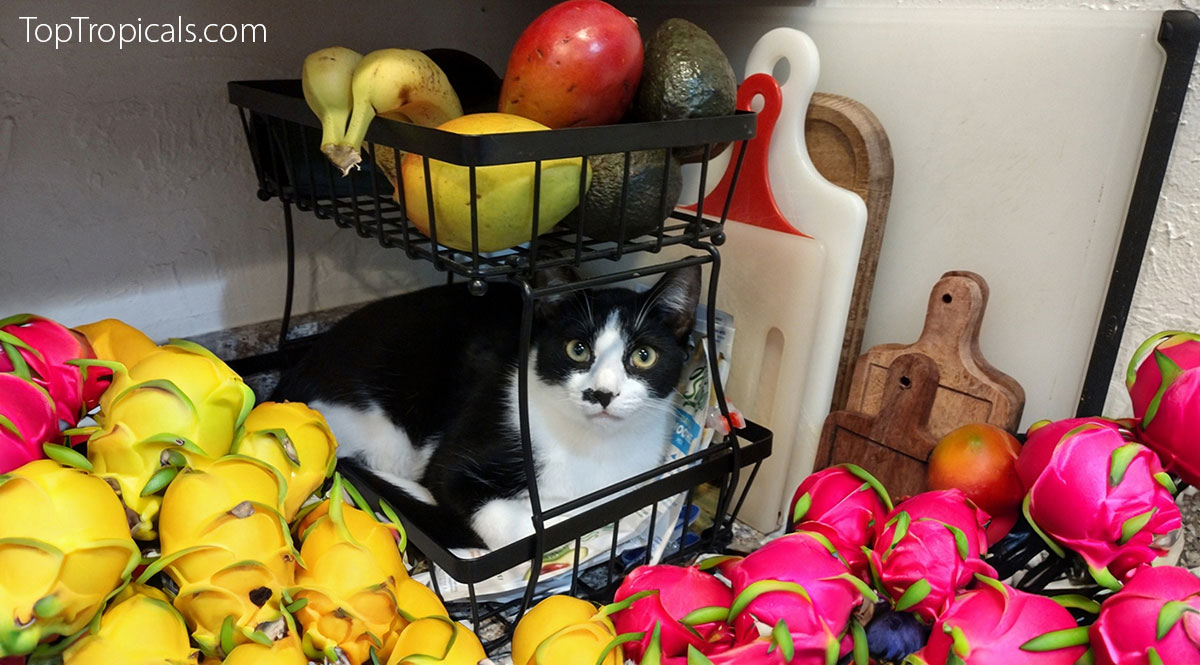
Cat  with  dragon  fruit

Q: What can you do with Dragon Fruit? I bought some from the grocery store, but they don't have much flavor.

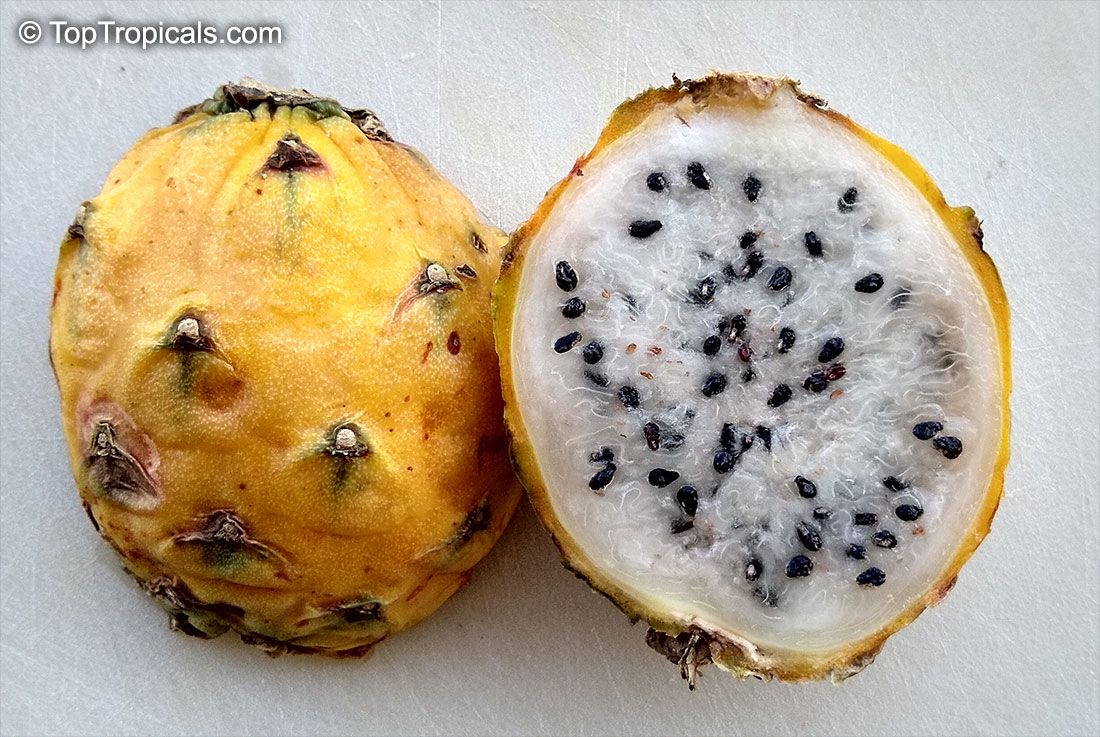
A: Dragon fruit, or Pitaya, comes in many varieties that differ in flavor, sweetness, and texture. In the store they usually carry simple varieties that are easy to ship and store but have very little flavor. This is why we prefer grow our own Dragon Fruit, same way like we grow many varieties of Mango - to enjoy their excellent flavors that you can't find in a store. Our favorite is the Yellow Dragon Fruit that is not only the sweetest of all but also have the best flavor, with pineapple-mango hint. It is best enjoyed fresh out of hand.

Pitaya  Yellow  Dragon  Fruit,  Selenicereus  megalanthus  Equador  Golden

Yellow Dragon Fruit - Selenicereus megalanthus Equador Golden

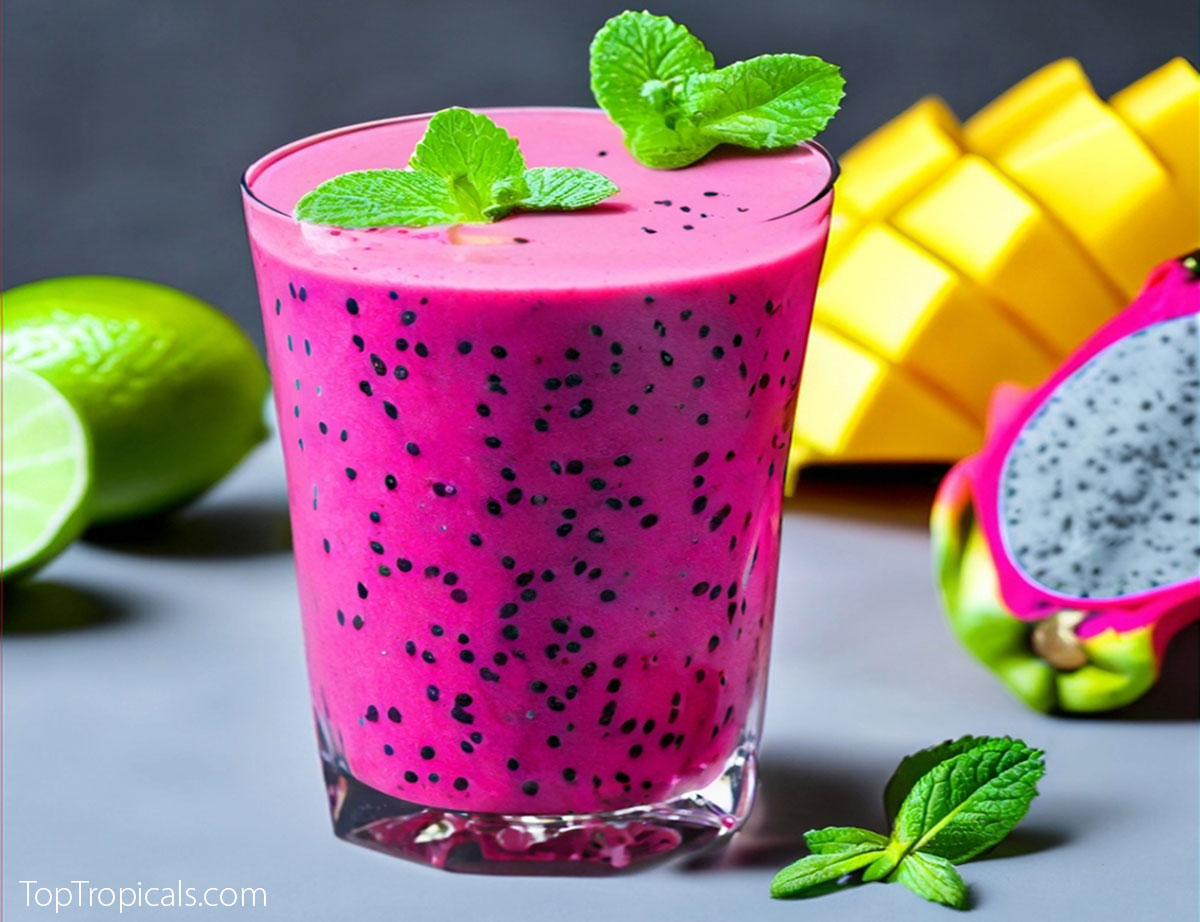
Dragon Fruit Smoothie: simple and tasty recipe

Dragon fruit, regardless of variety, makes excellent smoothies. A perfect Dragon Fruit Smoothie can be made with a creamy blend of dragon fruit, mango, and banana. The tropical flavor is played up with a squeeze of fresh lime.

Dragon  fruit  pink  smoothie  with  lime,  mint,  mango  and  banana

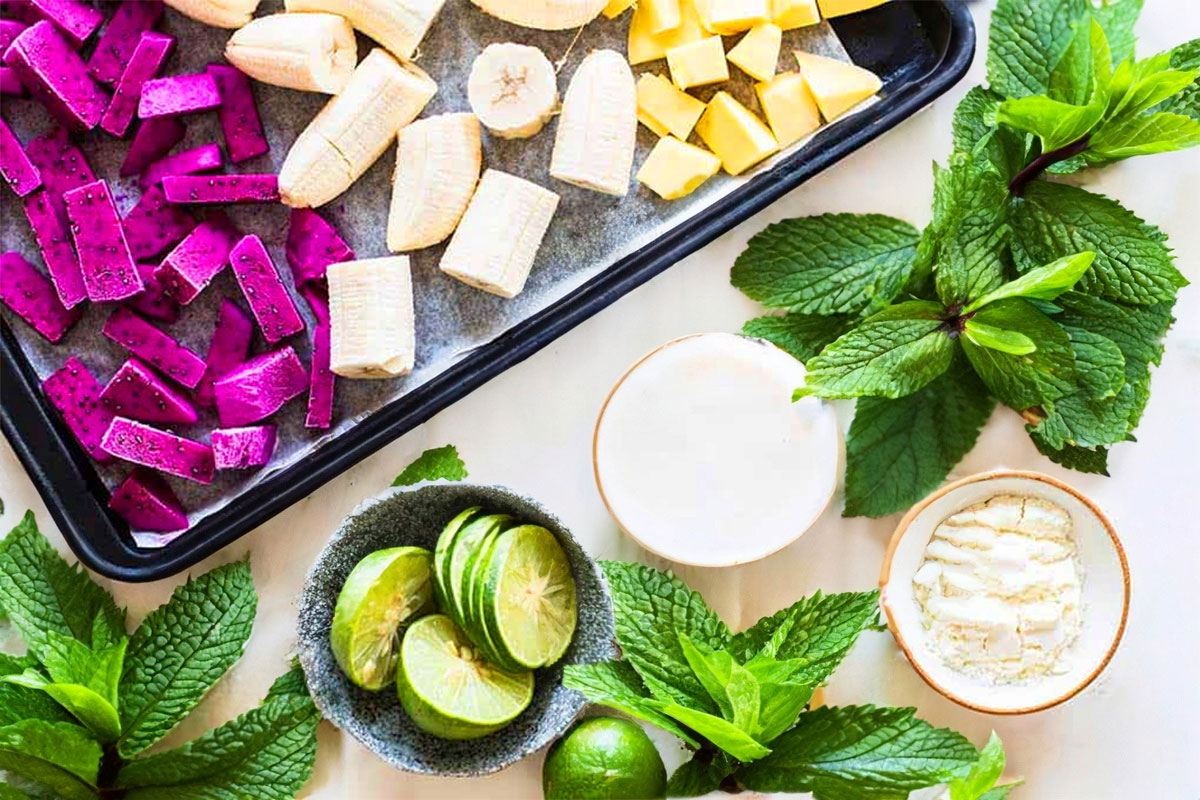
Ingredients

Mix in a blender:
2 dragon fruit, peeled
1/2 cup of mango pulp
1 banana
1 cup of milk of your preference
2 tbsp sugar
1/2 tsp Lime juce
Some Ice
-
Mint for decoration

Dragon  fruit  smoothie  ingredients:  lime,  mint,  mango  and  banana

Dragon fruit contains lots of of nutrients, most notably high vitamin C and iron. Its low calorie content helps give it superfood status because of high nutrient density. Try it today, even from the grocery store! Although these fruit can be quite costly. So, plant your own Dragon Fruit variety collection and enjoy an endless palette of deliciousness!

Date: 12 Dec 2023

Easy compact bush for sandy soil

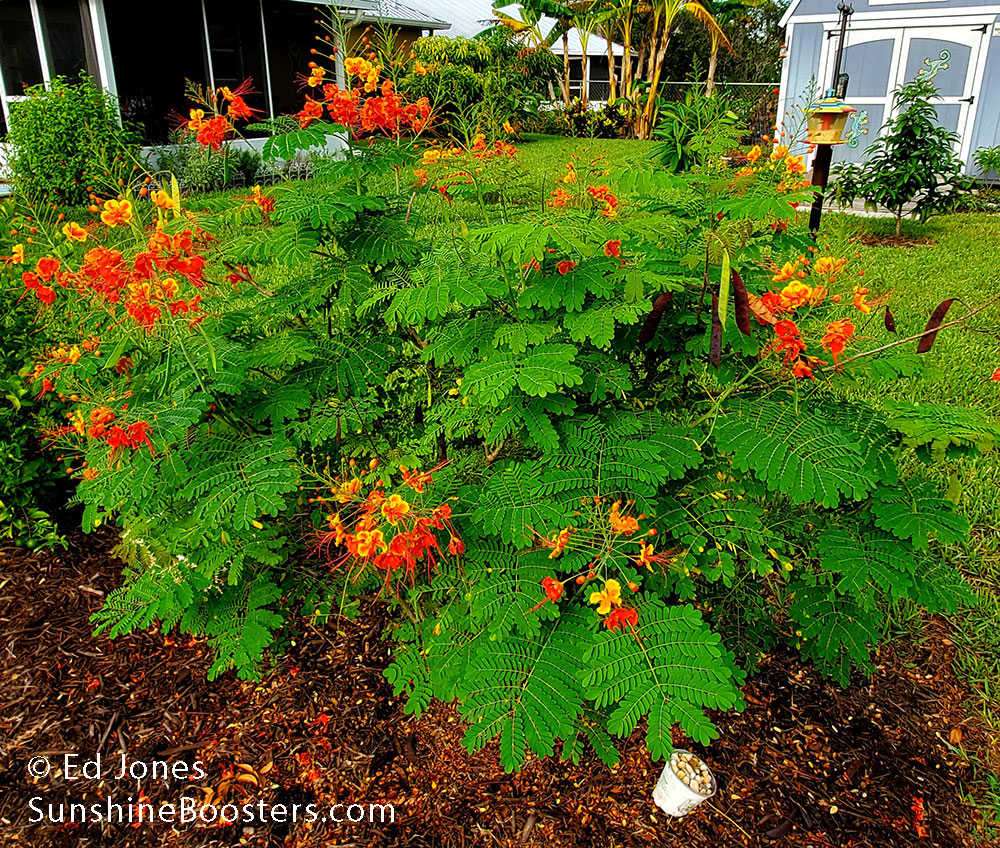
Caesalpinia  pulcherrima  -  Red  Dwarf  Poinciana,  Bird  of  Paradise

Caesalpinia pulcherrima - Red Dwarf Poinciana, Bird of Paradise.

Q: Can you recommend a flowering bush that will be in full sun and in sandy soil. I do not want it to exceed 10 feet.

A: For a garden specimen bush that is medium size and tolerates poor soils, we can recommend to choose from the plants below. These are all easy to grow, not fussy about soil and water, and stay compact and require minimal or no trimming at all.

Calliandra surinamensis - Powderpuff - 6-8 ft
Hibiscus mutabilis Cotton Candy - Mallow Hibiscus - 5-6 ft
Dombeya seminole - Tropical Rose Hydrangea 4-6 ft
Allamanda schottii - Dwarf Allamanda Bush 3-4 ft
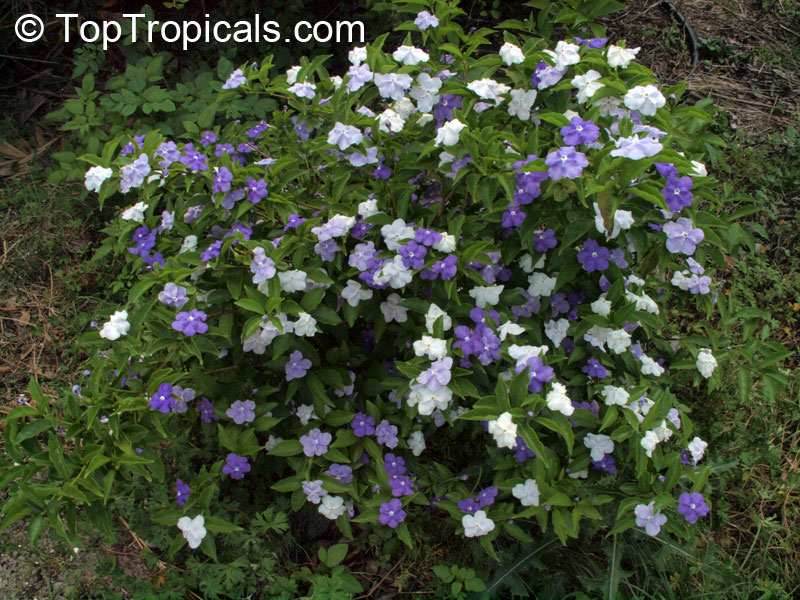
Brunfelsia pauciflora Compacta - Dwarf Yesterday-Today-Tomorrow - 4-5 ft
Calliandra schultzii - Dwarf calliandra - 4-5 ft
Plumbago auriculata Imperial Blue
Caesalpinia pulcherrima - Red Dwarf Poinciana, Bird of Paradise - 2-4 ft
Hibiscus schizopetalus - Coral Hibiscus - 5-6 ft
Jatropha integerrima compacta - 4-5 ft
Clerodendrum bungei - Glory Bower - tolerates shade, 4-5 ft
Eranthemum pulchellum - Blue Sage, Lead Flower (prefers shade) - 4-5 ft
Magnolia figo - Banana Magnolia - small tree, 6-8 ft
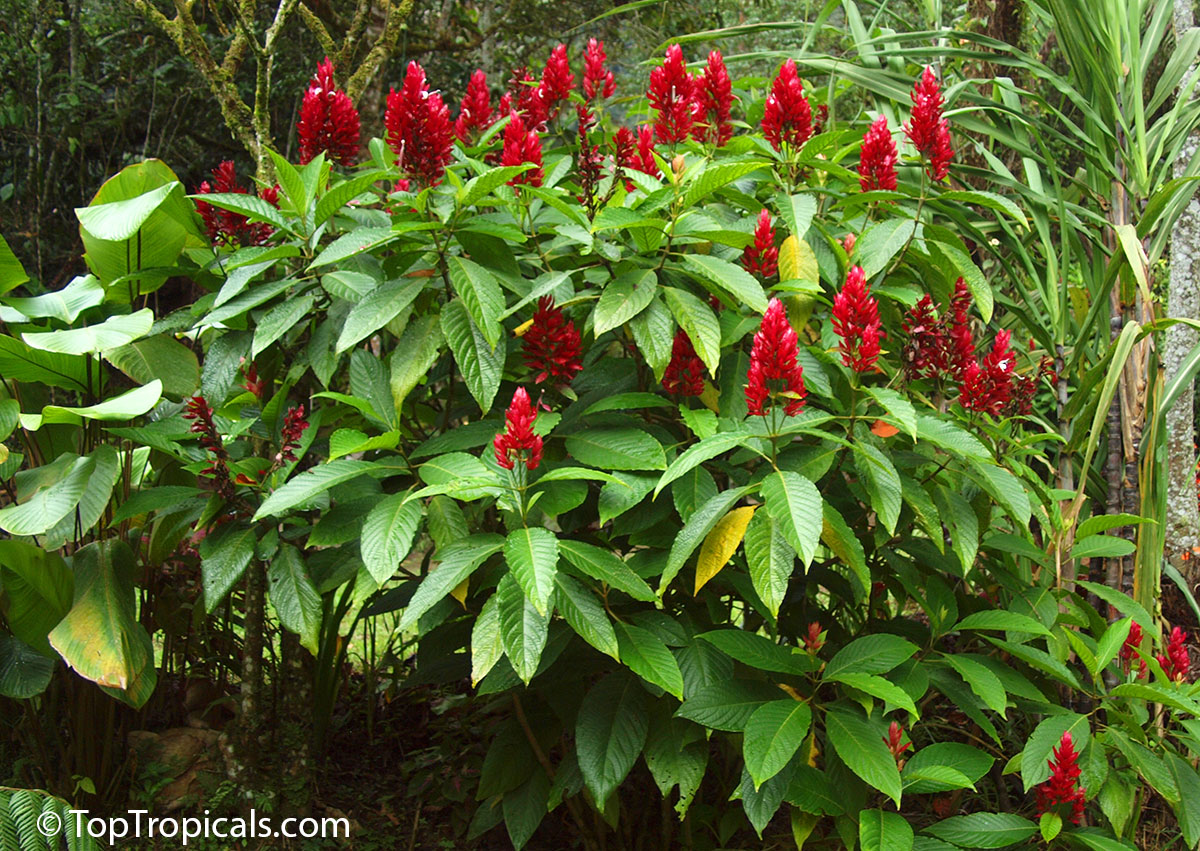
Megaskepasma erythrochlamys - Brazilian plume (tolerates shade) - 5-6 ft
Tibouchina lepidota - Ecuador Princess, Jules Dwarf - 3-4 ft
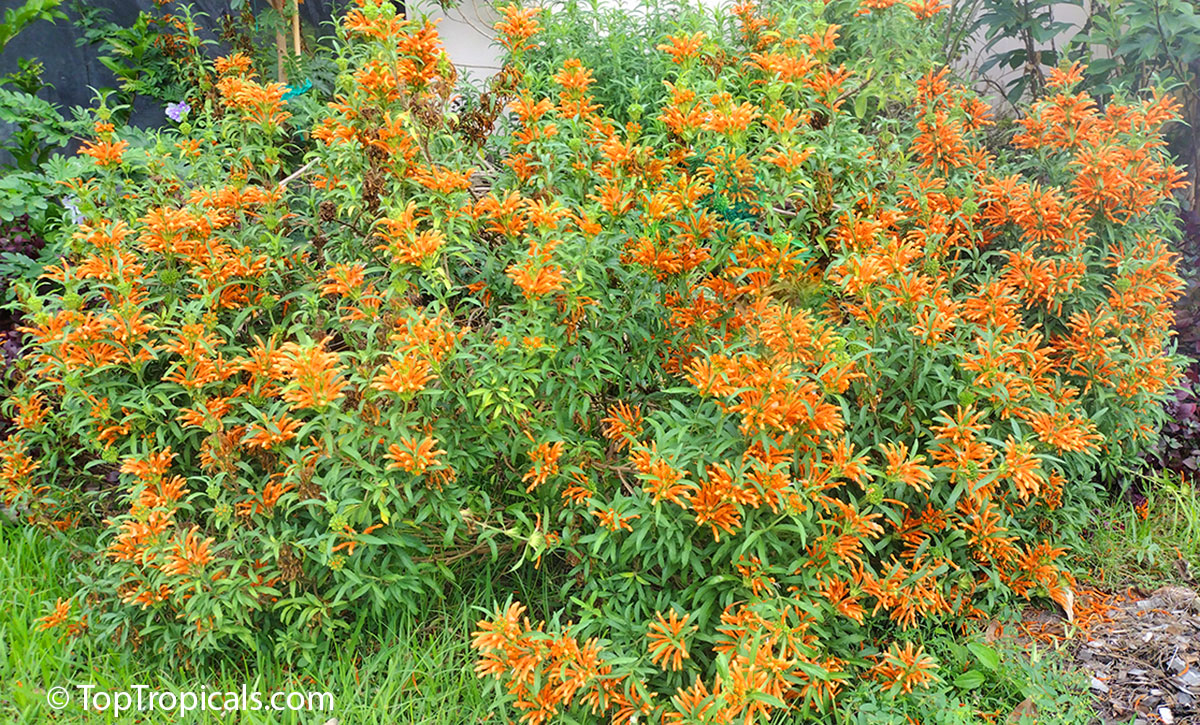
Leonotis leonurus - Lions Ears - 3-4 ft

Also, for your further reference, check out the reference chart Hedges with Benefits Chart to see different flowering bushes that are great for hedges as well as garden specimens, depending on your specific needs.

Megaskepasma  erythrochlamys  -  Brazilian  plume

Megaskepasma erythrochlamys - Brazilian plume.

Brunfelsia  pauciflora  Compacta  -  Dwarf  Yesterday-Today-Tomorrow

Brunfelsia pauciflora Compacta - Dwarf Yesterday-Today-Tomorrow.

Leonotis  leonurus  -  Lions  Ears

Leonotis leonurus - Lions Ears.