Disocactus ackermanni, Red Orchid Cactus, Jungle Cactus
👹 This giant red stared right back at me
🌺 Disocactus ackermanni, also called the Red Orchid Cactus, or Jungle Cactus - is one of those plants that surprises you even when you already know it well. It grows like a tropical fern, with flat, leaflike stems that hang and drape from a basket. Most of the year it looks calm and green. Then, without much warning, it opens a single huge, bright red flower that can reach up to 6 inches wide. The color is intense, almost glowing, and the bloom only lasts a short time, which makes it even more special.
🌺 Despite being a cactus, it behaves nothing like a desert plant. This species is native to the tropical forests of Mexico, where it grows as an epiphyte in trees. It prefers shade or filtered light, and it enjoys regular watering. No spines, no trouble, just a very unusual growth habit and a spectacular bloom.
🌺 The plant usually flowers from spring through summer, sometimes offering more than one flush. When it does, it always steals attention, and it is one of those plants visitors immediately point at and ask about. This makes it a favorite among collectors of epiphytic cacti and unusual hanging plants.
🌺 If you grow it in a hanging basket and give it bright shade, humidity, and consistent moisture, it rewards you with one of the most striking red flowers you will ever see!
Floridians, mark your calendar: December 13, 2025 - Holiday Plant Market!
🎉 Floridians, mark your calendar: December 13, 2025 - Holiday Plant Market!
🔴 Welcome to the Holiday Plant Market, proudly hosted by the #PeopleCats of TopTropicals.
King is on gate duty (checking every car, as usual). Paisley is rearranging plants for the tenth time this morning because he wants them perfect. Snitch is already relaxing in a chair, supervising with a cup of iced tea. Persephone is under the tables, greeting guests from the Underworld. Sushi and Loki are grooming - getting ready for the guided tours. Together they invite you to stroll the gardens, snack on a donut, enjoy holiday music, and pick out something tropical and beautiful to take home.
🔴 Why you should come
It is December in Florida - warm breeze, sunshine, and perfect planting weather. While the rest of the country is scraping frost off windshields, you're choosing which banana tree to take home. Come enjoy a colorful Saturday surrounded by plants, music, snacks, and friendly #PeopleCats. This is your holiday escape, your plant-hunting adventure, and your chance to bring home something amazing before the season ends.
🔴 What makes this event special
We bring out the biggest, rarest, most impressive plants we grew all summer. Trees with developed branches, vines ready to take off, fragrant blooms that stop people mid-walk. Everything looks better by December in Florida, and this is the day we put it all on display!
🔴 Holiday extras
- 30% OFF online prices - FREE plant with purchase - $5-10 specials - Mini donuts and holiday treats - Cold drinks, iced tea, citrus-infused water - Tropical Christmas music playing all day - Cat-guided tours from our PeopleCats (they know the garden better than we do) - Subject to Purrrson's schedule/availability - Exciting Raffle prizes - Fruit tasting table (subject to enough ripe fruit in the morning!)
📱 Event discounts and specials valid at both locations:
Do not throw out your poinsettia - 4 simple tips how to keep it alive for next Christmas
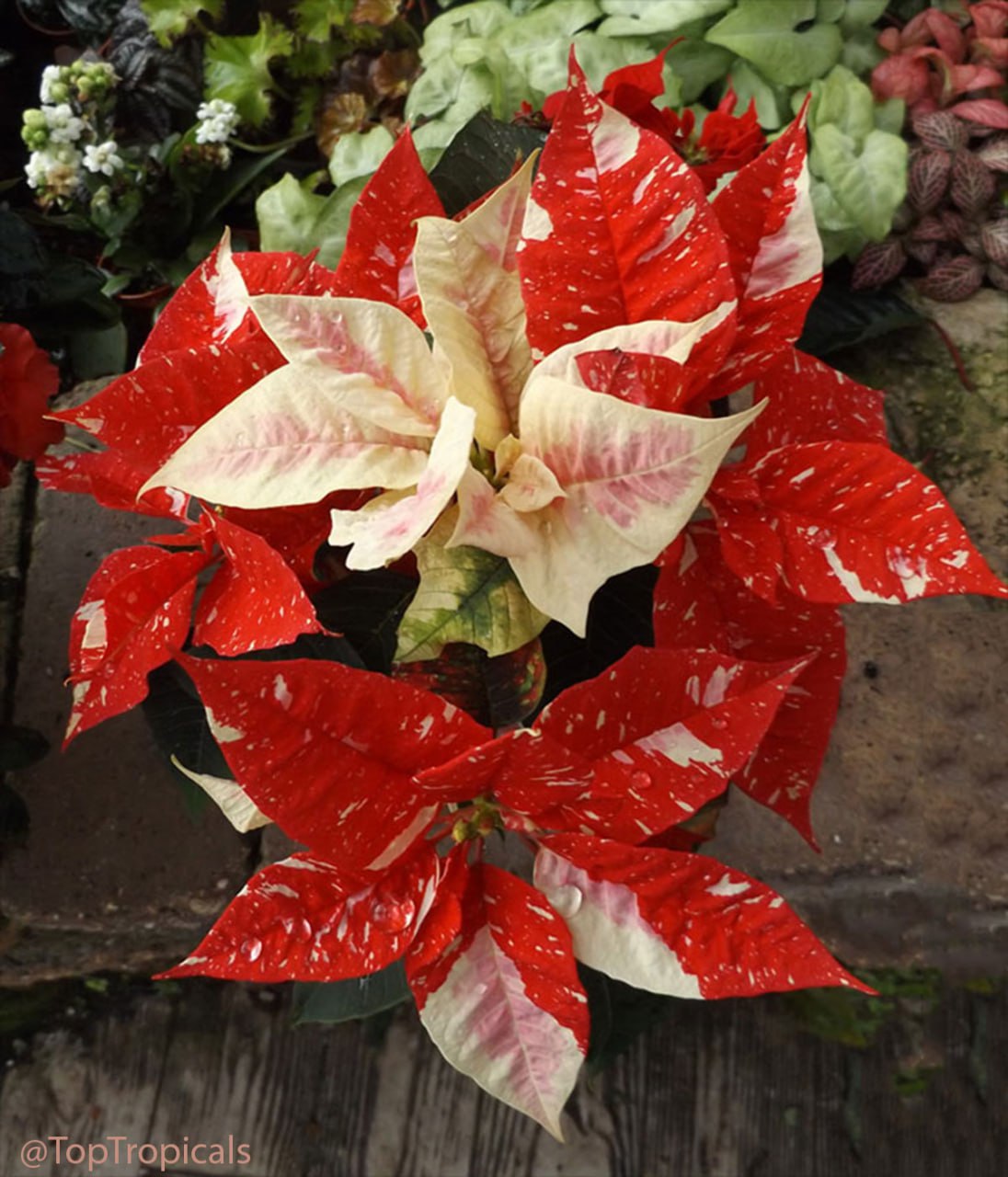
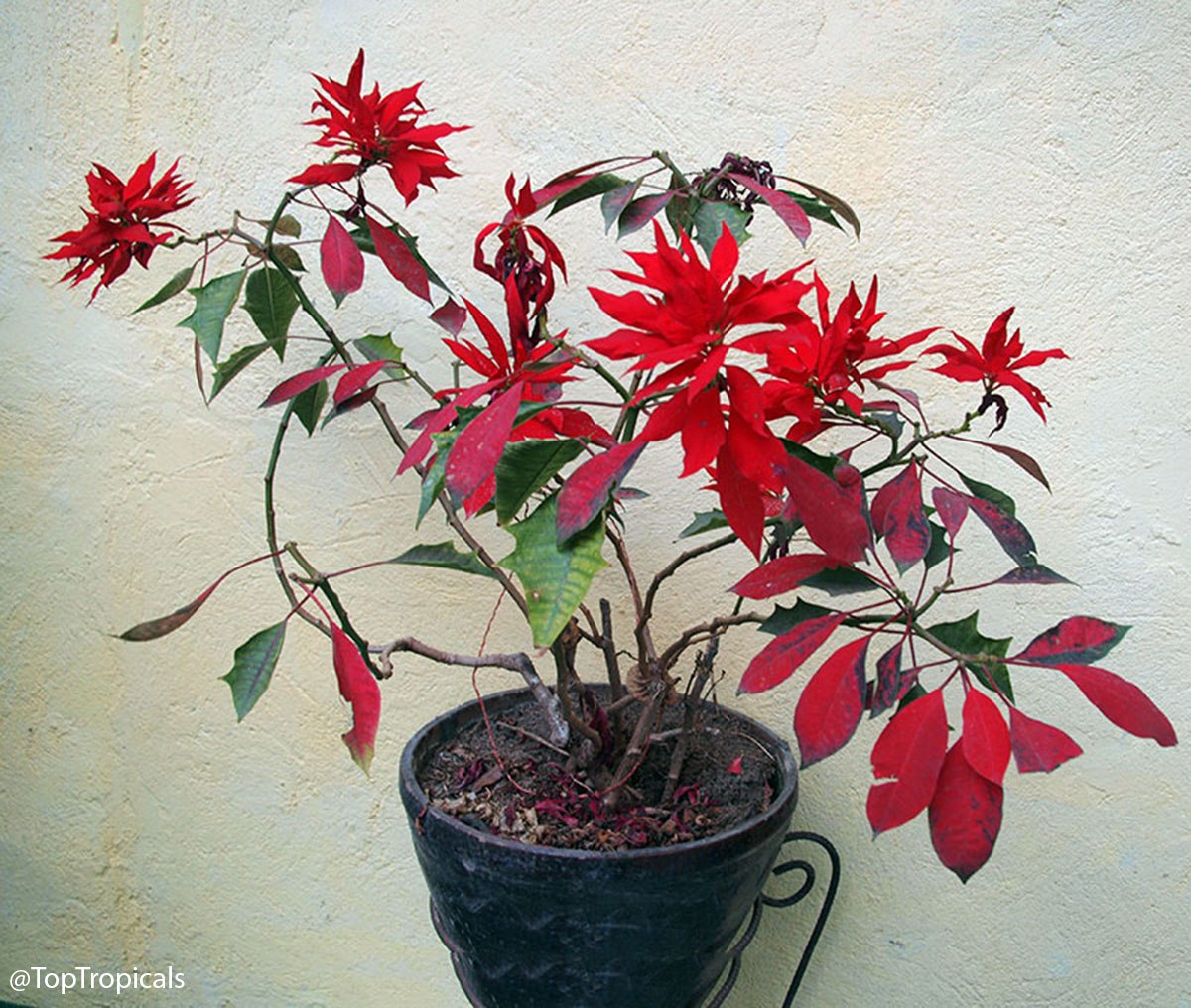
Poinsettia - Euphorbia pulcherrima veriegated leaves
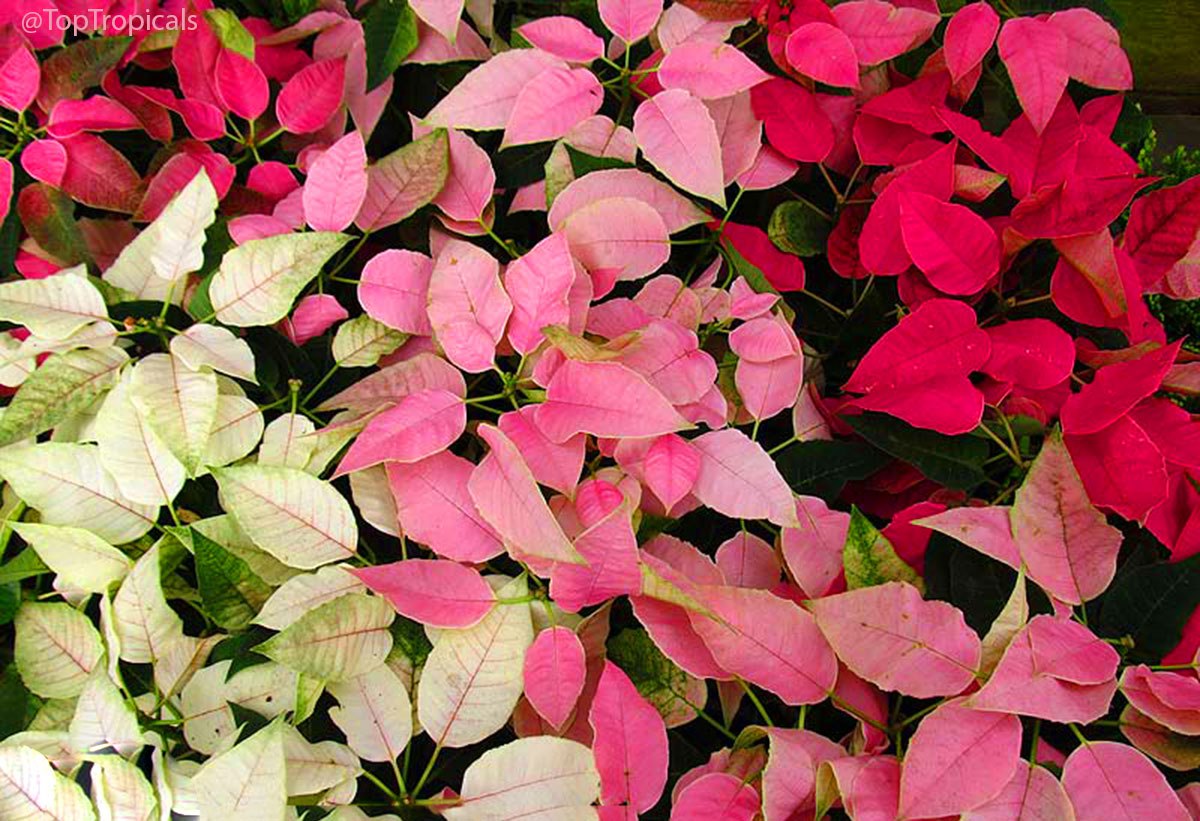
Poinsettia - Euphorbia pulcherrima - white, pink and red
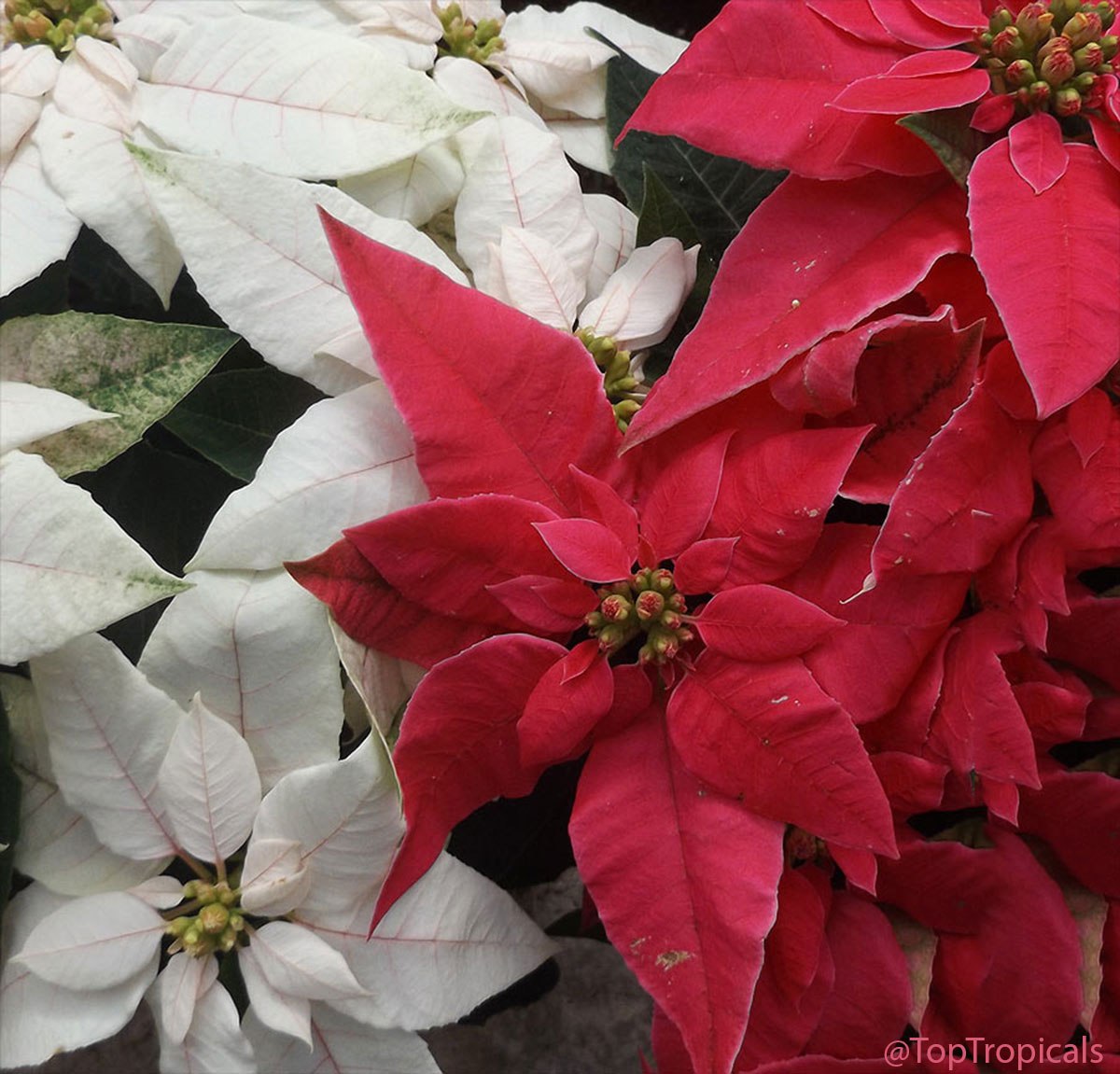
Poinsettia - Euphorbia pulcherrima - white and red
Poinsettia - Euphorbia pulcherrima - in a pot
🎄 Do not throw out your poinsettia - 4 simple tips how to keep it alive for next Christmas
Poinsettias - Euphorbia_pulcherrima - are tender perennials, not one-season plants. After the holidays they naturally fade, rest, and regroup. With a few simple care tweaks, a healthy plant can live all year and rebloom next winter.
🎄 1. Let it rest after the holidays
✦ Flowering ends naturally - faded bracts and some leaf drop are normal.
✦ Prune when bracts fall: cut stems back by 1/3 to 1/2, leaving 4-5 inches.
✦ Wear gloves - the sap can irritate skin.
✦ Move to a cooler, bright spot for 4-6 weeks.
✦ Ideal temp: 55-60°F
✦ Reduce watering.
✦ Water only when the top 2 inches of soil are dry.
✦ Avoid soggy soil.
🎄 2. Repot in late spring
✦ New growth usually starts in late spring.
✦ Repot at this stage to refresh nutrients and give roots space.
✦ Use a well-draining, slightly acidic potting mix.
✦ Choose a pot only slightly larger, with drainage holes.
✦ Loosen roots gently and remove old compacted soil.
✦ Water lightly, then place in a bright, warm spot.
✦ Resume regular watering and light feeding through spring and summer.
🎄 3. Adjust care during the growing season
✦ Increase temperature gradually to 64-68°F.
✦ Water more often once growth resumes.
✦ Wilted or curling leaves signal thirst.
✦ Water thoroughly and evenly.
✦ Bright light is key, but avoid harsh direct sun.
✦ Use sheer curtains or a grow light if needed.
✦ Fertilize periodically with a balanced houseplant fertilizer.
✦ Pinch back new shoots in late spring for a fuller, bushier plant.
🎄 4. Preparing for winter color
✦ In fall, poinsettias need long nights to bloom.
✦ Provide 12-14 hours of complete darkness nightly for 6-8 weeks.
✦ This triggers colorful bracts in time for the holidays.
❓ Quick FAQ
Can it go outside?
Yes, in warm months only. Bring it indoors before temps drop below 50°F.
Winter outdoors?
No - poinsettias are cold-sensitive and must stay inside.
🎄 Poinsettias don't die after Christmas - they just take a nap. Give them rest, light, and patience, and they will reward you next year.
Stop planting shade plants until you see this one!
Megaskepasma erythrochlamys - Brazilian plume or Red Cloak
Stop planting shade plants until you see this one!
🚩Megaskepasma erythrochlamys - Brazilian plume or Red Cloak is one of my favorite winter colors in the garden. It comes from a plant most people overlook.
It keeps pushing bold red flower spikes when many plants slow down.
🚩It handles sun or shade, attracts butterflies and hummingbirds, and even surprises people with light cold tolerance. Big leaves, strong structure, and steady color make it a solid choice for beds, fences, or large containers.
🚩If your garden needs color that does not quit when the season changes, this one earns its space.