Garden Blog - Top Tropicals

Date: 30 May 2019

Selecting the right jasmine
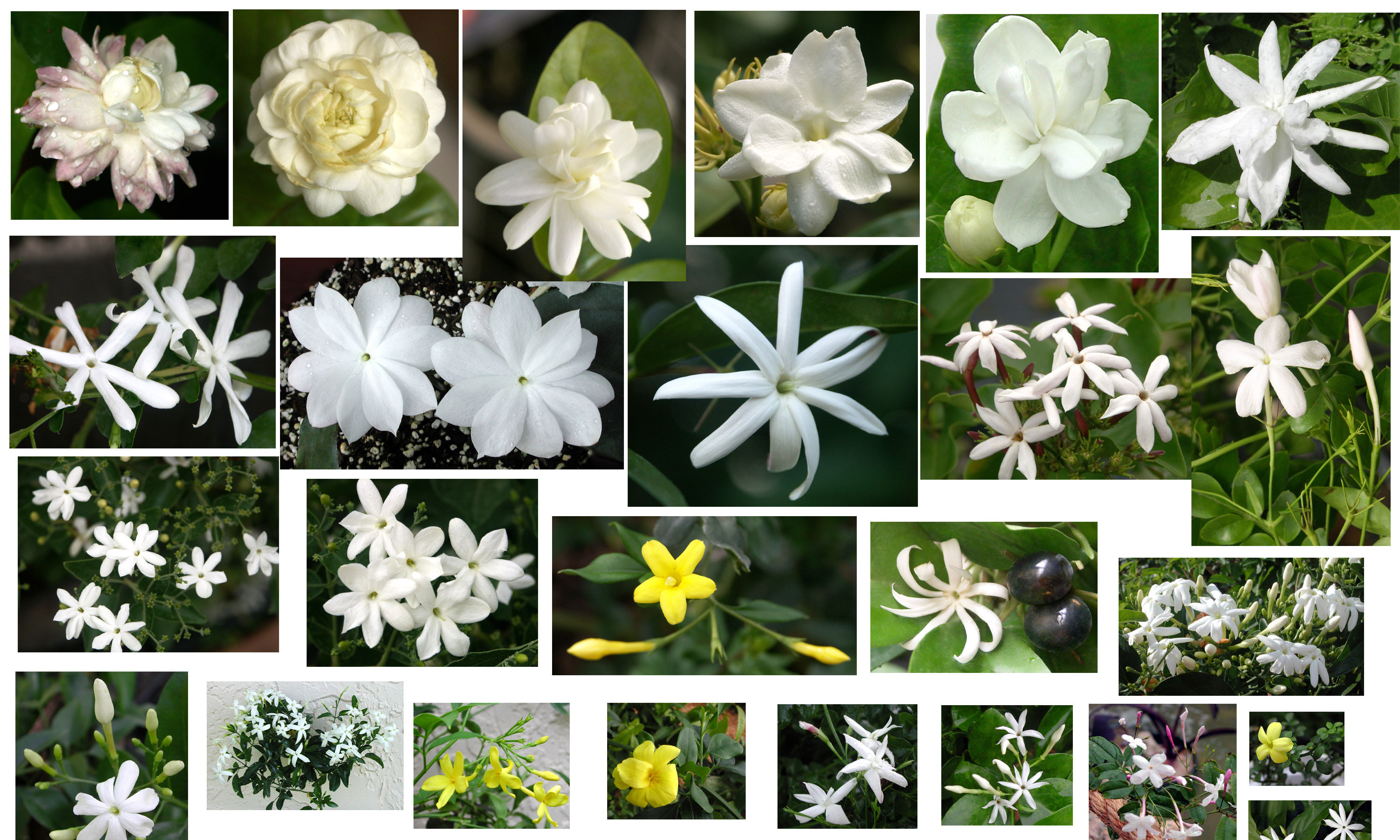
TopTropicals.com

Q: Would you please help me select the right jasmine? I want to find a jasmine that smells like lily of the valley or honeysuckle or roses, not the one that smells like gardenia. I'm in Missouri, zone 6, so I want a jasmine for my deck for the summer, so I want it to bloom this season.

A: There are 3 major types of tropical flower fragrances - Sweet, Fresh, and Fruity (including Lemony). Below are the most interesting fragrant tropical flowers, excluding Gardenias (which are sweet type). These are all same-year bloomers, so you can enjoy the fragrance this year assuming proper care and bloom booster feeding.

* - The fastest growers that can be treated as annuals. Others can be grown in a pot and brought inside for winter, and be enjoyed every year.

Sweet

* Aloysia virgata - Almond Bush
* Cestrum diurnum - White Chocolate Jasmine, Day Blooming Jasmine
* Cestrum nocturnum - Night blooming jasmine
* Heliotropium peruviana - Turnsole, Cherry Pie
Portlandia Cubanola domingensis - Cubanola (Warm white Chocolate)
Portlandia grandiflora - Glorious Flower of Cuba (Warm white Chocolate)

Fresh

Beaumontia grandiflora - Easter Lily Vine
* Brugmansia Jean Pasco - Yellow Angels Trumpet
* Brugmansia Variegated Orange Angel Trumpet
* Brunfelsia americana - Lady of the night
* Brunfelsia lactea - Lady of the night
* Brunfelsia nitida - Lady of the night
Crinum Queen Emma - Spider lily
* Eucharis grandiflora - Amazon Lily
* Hedychium coronarium - Butterfly Ginger
Hiptage benghalensis - Helicopter Flower
Hoya odorata - Fragrant Hoya
Ixora hybrid Sea Green
Ixora odorata - Fragrant Ixora
* Jasminum azoricum - River Jasmine
* Jasminum Molle - Indian Jui
Jasminum nitidum - Star Jasmine
* Jasminum officinale Flore Pleno - French Perfume Jasmine
* Jasminum polyanthum - Pink Winter Jasmine
* Jasminum sambac Belle of India
* Jasminum sambac Grand Duke
* Jasminum sambac Maid of Orleans
* Polianthes tuberosa - Tuberose
*Sclerochiton harveyanus - Blue Lips, Mazabuka (Lavender-violet-like)

Fruity

Aglaia odorata - Chinese Perfume Plant (Lemony)
Artabotrys siamensis - Climbing Ylang-Ylang (Lemony)
Cananga fruticosa - Dwarf Ylang-Ylang
Carissa grandiflora - Natal Plum
Cerbera x manghas hybrid - Enchanted Incense
* Jasminum dichotomum - Rose Bud Jasmine
* Lonicera japonica - Japanese Honeysuckle
Magnolia figo - Banana Magnolia (Banana-like)
Magnolia x Alba grafted (Bubble-gum-like)
* Mirabilis jalapa - Four oclock plant
Oxyceros horridus, Randia siamensis
* Quisqualis - Rangoon Creeper
* Radermachera Kunming - Dwarf Tree Jasmine
* Stephanotis floribunda - Bridal Bouquet
Strophanthus gratus - Climbing Oleander
Telosoma cordata - Pakalana vine (Lemony)

Fertilizers for profuse flowering:

Pink N Good Daily Plant Food - Flower Booster
Tropical Allure - Smart-Release Booster
SUNSHINE-Superfood micro-elements

Date: 20 Apr 2025

How to tell the difference between Jasmine Sambac Varieties

Jasminum Sambac varieties

⏳ How to tell the difference between Jasmine Sambac Varieties


💮 Jasminum Sambac is hands down the most fragrant jasmine in existence - and the most popular among tropical gardeners and plant collectors.

💮 Native to India, it's the source of jasmine perfume oil and the signature ingredient in jasmine tea.

💮 This plant comes in several varieties, each with unique flower size, shape, and growth habit - ranging from compact shrubs to vigorous bushes and climbing vines. It takes both sun and shade and makes a perfect container plant and indoor plant favorite.

💮 All varieties of Sambac are equally fragrant. To get more flowers, just use Sunshine Pikake plant booster and enjoy the perfume all day long!

💮 At Top Tropicals, we grow every known variety of Jasminum sambac in cultivation:

Arabian Nights - compact slow growing shrub with small delicate flowers

Belle of India - compact vine with long elegant petals, shade lover

Grand Duke of Tuscany - the most popular, vigorous bush with carnation-like flowers

Grand Duke Supreme - bigger, more vigorous version of Grand Duke with larger flowers

Gundu Malli - new hybrid between Arabian Nights and Grand Duke

Little Duke - more compact version of the Grand Duke

Maid of Orleans - vigorous full sun climber, great for hedges and fences

Mali Chat - very delicate, rare variety, with miniature 3-tier flowers, not easy to establish, shade lover

Mysore Mulli - vigorous vining shrub for sunny or semi-shade locations

🛒 Smell the Difference – Shop Sambac varieties

Learn more:
📚 Jasminum Sambac Absolute Flower - book download
📱 Sambac varieties
📱 Jasminum Sambac Page

#Perfume_Plants #Hedges_with_benefits #How_to #Discover

🔴 Join 👉 TopTropicals

Date: 20 Aug 2025

What is your favorite variety of Jasmine Sambac?

Jasminum Sambac varieties

💮 What is your favorite variety of Jasmine Sambac?


💮 Jasminum Sambac is hands-down the queen of fragrant flowers. The scent is heavenly - so much so that it's the key to jasmine perfume and the secret behind authentic jasmine tea.

💮 Jasmine sambac comes in all shapes and sizes - from neat little shrubs to big, vigorous bushes and even climbing vines. Every variety shows off a different flower form. It’s happy in sun or shade, perfect for pots, and loved as an indoor plant.

💮 At TopTropicals we love them all, but these three are our favorites:
- Belle of India - with elegant long petals
- Arabian Nights - vigorous yet compact, always covered in blooms
- Little Duke - same big carnation-like flowers as Grand Duke, but in a smaller, tidy package

👉 At Top Tropicals, we grow every known variety of Jasminum sambac in cultivation:


Which one would you choose for your garden?

✔️ Arabian Nights - compact slow growing shrub with small delicate flowers
✔️ Belle of India - compact vine with long elegant petals, shade lover
✔️ Grand Duke of Tuscany - the most popular, vigorous bush with carnation-like flowers
✔️ Grand Duke Supreme - bigger, more vigorous version of Grand Duke with larger flowers
✔️ Gundu Malli - new hybrid between Arabian Nights and Grand Duke
✔️ Little Duke - more compact version of the Grand Duke
✔️ Maid of Orleans - vigorous full sun climber, great for hedges and fences
✔️ Mali Chat - very delicate, rare variety, with miniature 3-tier flowers, not easy to establish, shade lover
✔️ Mysore Mulli - vigorous vining shrub for sunny or semi-shade locations

👉 To get more flowers, just use Sunshine Pikake plant booster and enjoy the perfume all day long!

🛒 Smell the Difference – collect Sambac varieties

📚 Learn more:


The most wanted fragrant plant
How to tell the difference between Jasmine Sambac Varieties
Jasmine Sambac in bloom
📚 Jasminum Sambac Absolute Flower - book download
📱 Jasminum Sambac - Absolute Flower
📱 Jasminum Sambac Page

#Perfume_Plants #Hedges_with_benefits

🟢 Join 👉 TopTropicals

Date: 6 Dec 2025

🌿 Bring the Jungle Inside: Winter Survival Guide Part 2.Temperature. ❄️

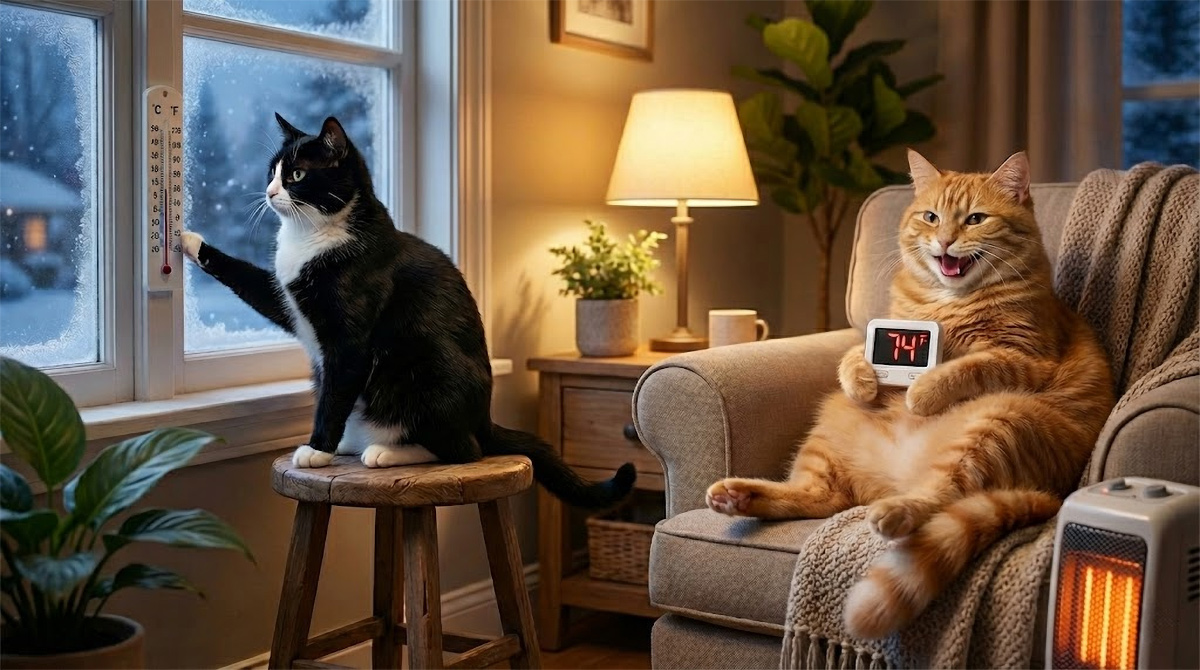
Smokey  the  tuxedo  cat  checks  thermometers  by  a  cold  window  while  Sunshine  the  ginger  tabby  relaxes  near  a  heater  holding  a  room  thermometer  showing  74  F.

Smokey: Too cold. We need more heaters so the plants feel comfortable.
Sunshine: I feel comfortable.
Smokey: You are not part of my plant collection, but I am glad you are comfortable.

🌡️ TEMPERATURE: THE TROPICAL DORMANCY LINE

In Part 1 (Winter Survival Guide: Temperature) we covered the foundation: light, placement, and acclimation. That is the survival layer.

Most tropicals stop growing below 70 to 75 F. They stay green, but their engine shuts down.

Below 70F:

  • Water intake drops.
  • Roots slow down.
  • Fertilizing becomes risky.
  • Root root becomes easy.

If you WANT your plants to grow in winter, you must take care of everything: Warmth, light, humidity, water. It all works together.

  • Aim for 75 F with bright light. Water lightly. No fertilizer.
  • Watch out for drafts. Cold windows. Door blasts. Garage entryways. Even one gust can trigger leaf drop.
  • Vents are the opposite problem: hot, dry, dusty air. That gives you crispy edges and mites.
  • Root zone temperature matters just as much as room air. Your thermostat may say 72 F, but your pot on a tile floor may be sitting at 55 F. Fix this by elevating pots on boards or stands. Use Styrofoam. Never keep pots directly on cold tile o windowsill
  • Extra winter heat: Space heaters are fine if used smartly. Do not blow hot air directly on plants. Keep heaters away from cords, trays, and water. Oil filled radiators are the safest option for plant rooms.
  • Use a humidifier if you want growth or want to prevent spider mites. But do not blow mist directly onto leaves. Always place the unit lower than the plant canopy.
  • Grouping helps. Put tropical plants close together to share humidity. Do not mix succulents with humidity lovers.
  • Cats and dogs love to knock over lights and stands. Secure your fixtures. Trust us.
  • Airflow: Light airflow is healthy. Direct fan blast is not. Still, dry corners invite mites.
  • A mild night drop is OK. A big one below 55 F will stop growth completely.

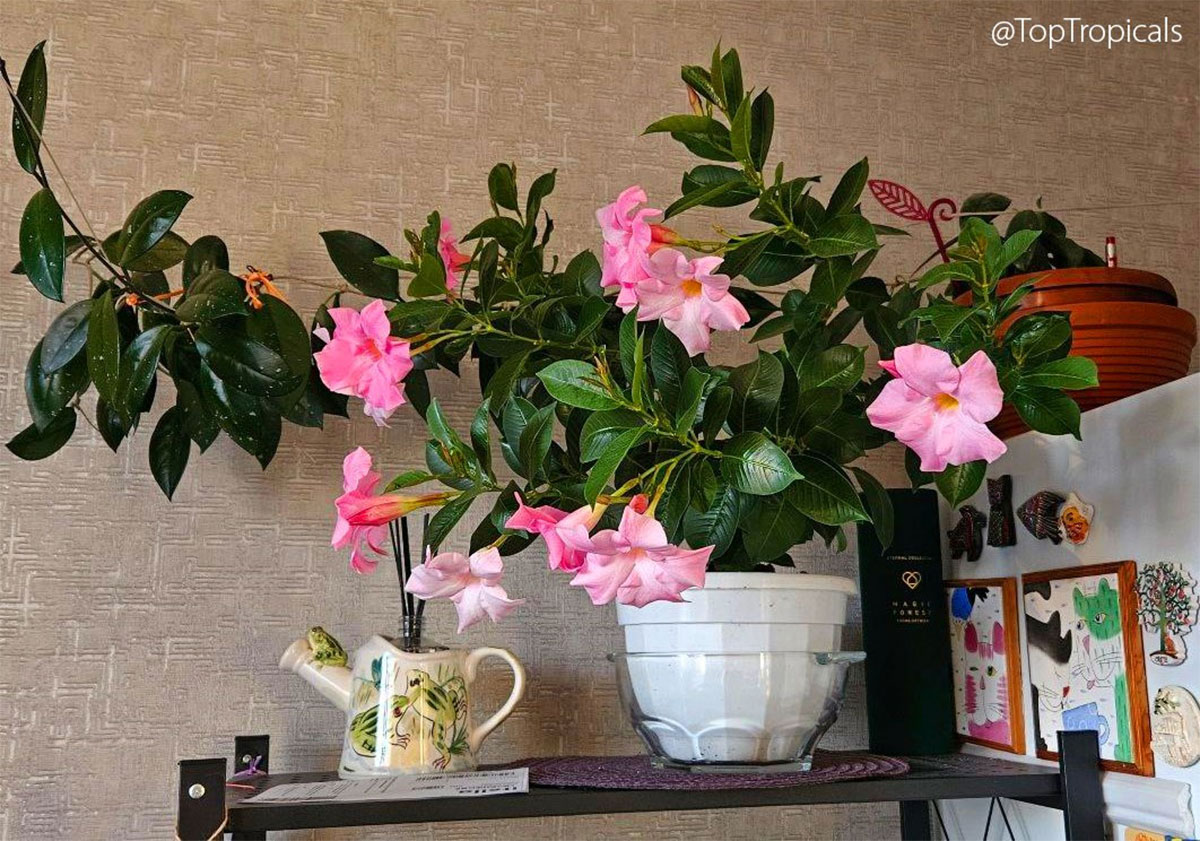
Pink  mandevilla  vine  blooming  indoors  in  a  white  pot  on  a  shelf.

A mandevilla thriving indoors with bright pink blooms and glossy green leaves.

☂️ PLACEMENT: MICROCLIMATES RULE EVERYTHING

Indoors is one big tradeoff: light but cold near windows, warm but dim away from them. The winning combo is a warm room with supplemental light.

Best zones to keep plants in winter:

  • South or east windows with additional light
  • Warm living spaces
  • Bright bathrooms for natural humidity

Worst zones to keep plants in winter:

  • Behind curtains
  • Directly on windowsills
  • Near heaters or vents
  • Against cold exterior walls
  • Dark corners without supplemental lighting

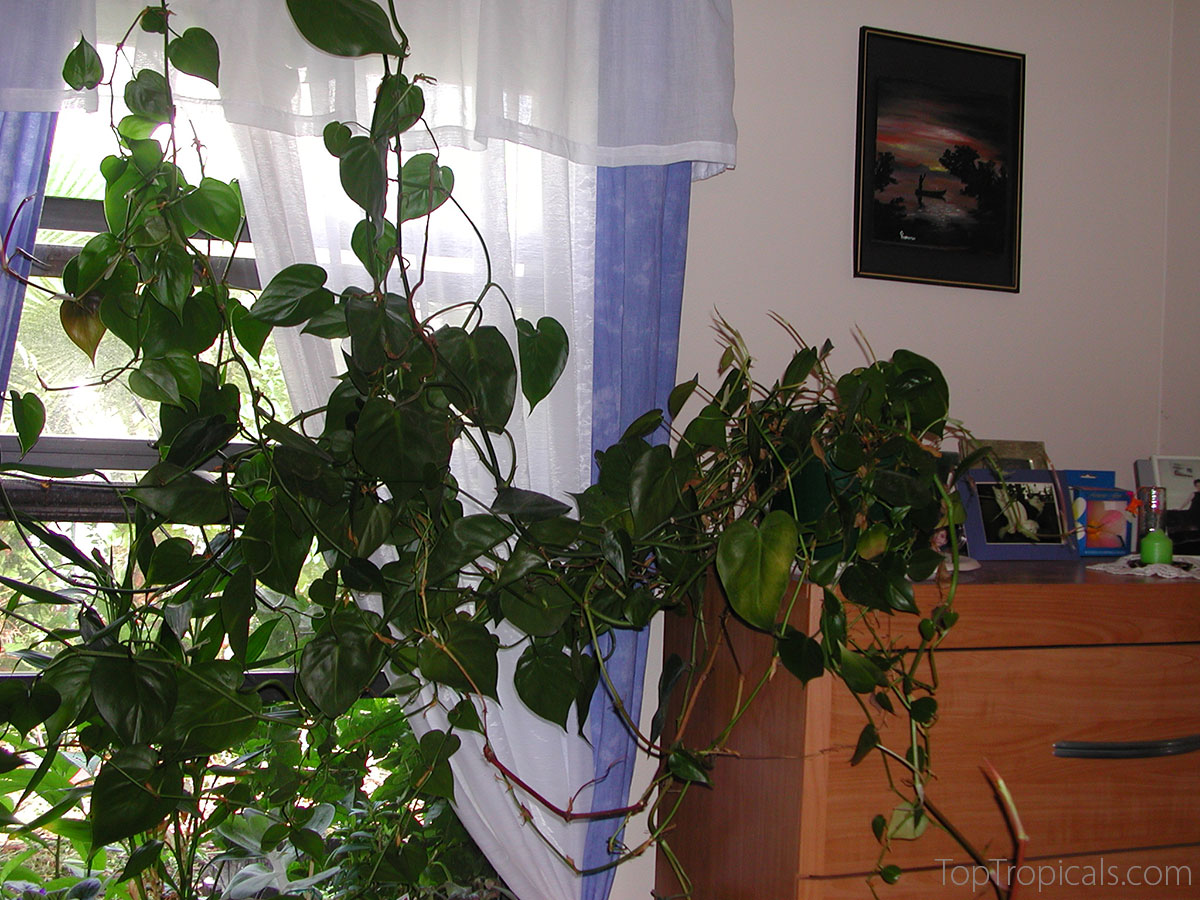
Large  philodendron  vine  growing  indoors  across  a  window  and  dresser.

A vigorous indoor philodendron stretching across the window.

💨 ACCLIMATION

Moving a plant from outdoors to indoors is a shock. Light drops. Humidity drops. Airflow stops. Soil cools. Even healthy plants may drop some leaves for a few weeks. That is normal.

Before you bring them inside:

  • Rinse foliage to remove dust and pests. We recommend Sunshine NoBug - and organic, safe solution.
  • Check for ants.
  • Trim weak branches.
  • Treat soil if fungus gnats are present.

Try to bring plants inside before the first cold front, not after. If you are reading this too late, do the prep now and expect a little leaf drop.

If you nail light and temperature, winter becomes simple. In the next mail-list we will cover watering, fertilizer timing, humidity, and other indoor tricks that keep tropicals happy till spring. Stay tuned.

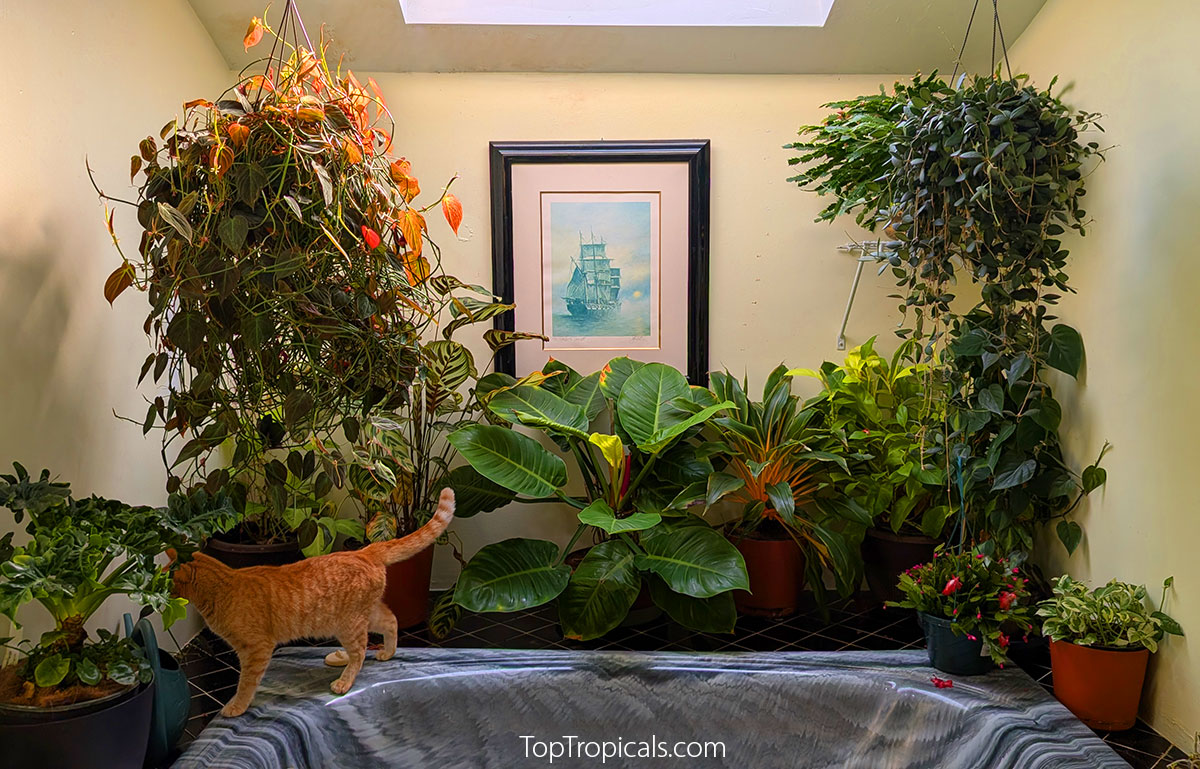
Indoor  bathroom  garden  with  tropical  plants  under  a  skylight  and  an  orange  cat  walking  in  front.

Cat Bob is inspecting his indoor garden around the tub with a bright skylight


✔️ WINTER INDOOR FAQ: TEMPERATURE AND PLACEMENT

Q: Why are leaves dropping only on the window side?
A: Cold glass. The room may be warm, but the glass surface can be much colder.

Q: Is a cold room OK for tropicals?
A: They may survive, but they will not grow below about 65F to 75F. When nights stay below 65F for a week, many plants enter dormancy.

Q: My room feels warm. Why is my plant still not growing?
A: Check the soil temperature. Pots on cold tile can be 10 to 20F colder than the air.

Q: Can plants sit directly on the floor?
A: Not on cold tile. Always elevate them on boards, stands, or trays.

Q: Is it OK to keep plants near a heater or vent?
A: No. Vents and heaters blast hot, dry air and cause crispy leaves and mites.

Q: My plant is dropping leaves after coming indoors. Why?
A: Normal acclimation to reduced light and humidity right after the move.

Q: Can I keep plants in a bright bathroom?
A: Yes. Bathrooms can have good humidity. Just keep pots off cold tile.

Q: Do I need a humidifier?
A: Not for survival. Yes if you want better growth and fewer pests like spider mites.

Q: Do I need a grow tent?
A: No. A bright LED plus a warm room is enough for winter holding.

Q: Should I fertilize in winter?
A: Not now. Winter fertilizer rules will be covered in the next mail-list.

Q: Should I water the same as in summer?
A: No. Indoor plants need much less water in winter. Watering rules also coming soon.

🛒 Shop Indoor Garden


Indoor  plants


📚 Learn more:


Date: 16 May 2024

When Bigger means Better

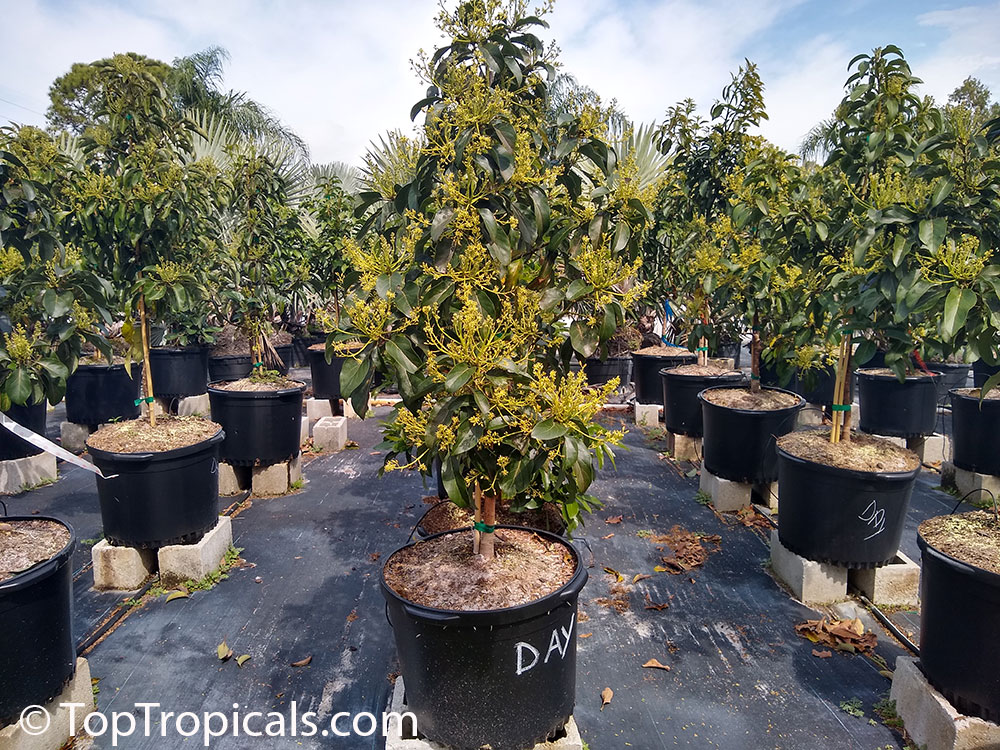
Large  Avocado  trees  in  containers

Everybody loves shopping online nowadays, and plants are no exception. Buying plants by mail order is not uncommon anymore; it only takes one click, and luckily, there are many sources - from big shopping malls like Amazon to small backyard nurseries that sell their seedlings on eBay or Facebook - all delivered to your door. But plants are alive... So when doing your online plant shopping, you must ensure that you fully enjoy your experience and are happy with a healthy plant that a) doesn't die; b) recovers quickly; and c) starts growing fast, so you can see flowers and fruit as soon as possible.

The rule of thumb for shipping plants: bigger plants undergo shipping better, experience less stress, less leaf drop, and recover quicker than plants with smaller root systems. So when it comes to buying plants online, the bigger, the better. Unfortunately, many mail-order plant sources may sell you a tiny twig that has very few chances of surviving. Shipping is very expensive today, so shipping a bigger size plant may cost more than the plant itself.

Below is a piece of advice on how to make the best plant selection for your garden...

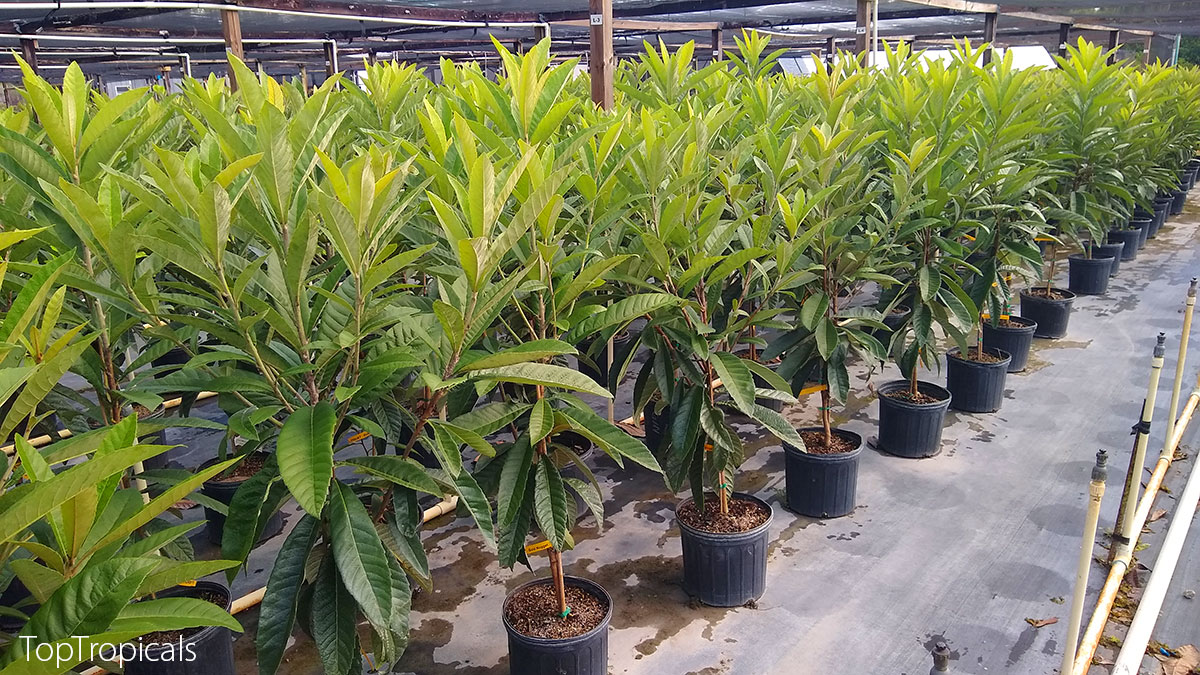
Loquat  trees  in  containers

Photo above: Loquat trees in 3 gal containers.

5 important rules on how to buy trees online

1. Find a source with bigger plants. Check reviews, ask friends for recommendations, inquire from the company about the size of their plants and how they pack their plants for shipping.
TopTropicals offers well-established, strong plants with developed root system, in container sizes 1, 3, 7, 15 gallon, directly from a tropical Florida growing farm. Our unique plant-packing techniques are state of the art!

2. Price not always reflects the size and quality of the plant
TopTropicals offers many deals, discounts and sales, while still providing the biggest and strongest plants grown in real tropical conditions.

3. Most fruit trees must be grafted to produce good fruit. Make sure you are not purchasing a seedling when it comes to Mango, Avocado, Peaches and some other trees with named varieties that don't come true to seed.
TopTropicals offers only grafted - Mango, Avocado and a large number of other tropical cultivars.

4. Pick up when possible from the nursery your ordered from, or get a delivery, instead of shipping the plants. A drive to the nursery will save you more time and money in the future, plus you can hand-pick the biggest and healthiest specimens.
TopTropicals is open 7 days a week for your convenience. Visit our Ft Myers Garden Center or Sebring Farm to select the biggest plants.

5. Take advantage of X-Large size plant material if you live outside the tropical zone and are trying to zone-push your tropical garden. Bigger plants will establish faster and have more chances to survive cold winters. Again, it will save you money in a long run (although bigger plants may be more expensive, but their survival rate is much higher when it comes to cold nights).
TopTropicals offers X-Large flowering and fruiting trees (7-15-25 gallons), and most of the varieties you see in our online store can be custom-ordered in big sizes. Delivery and installation available.

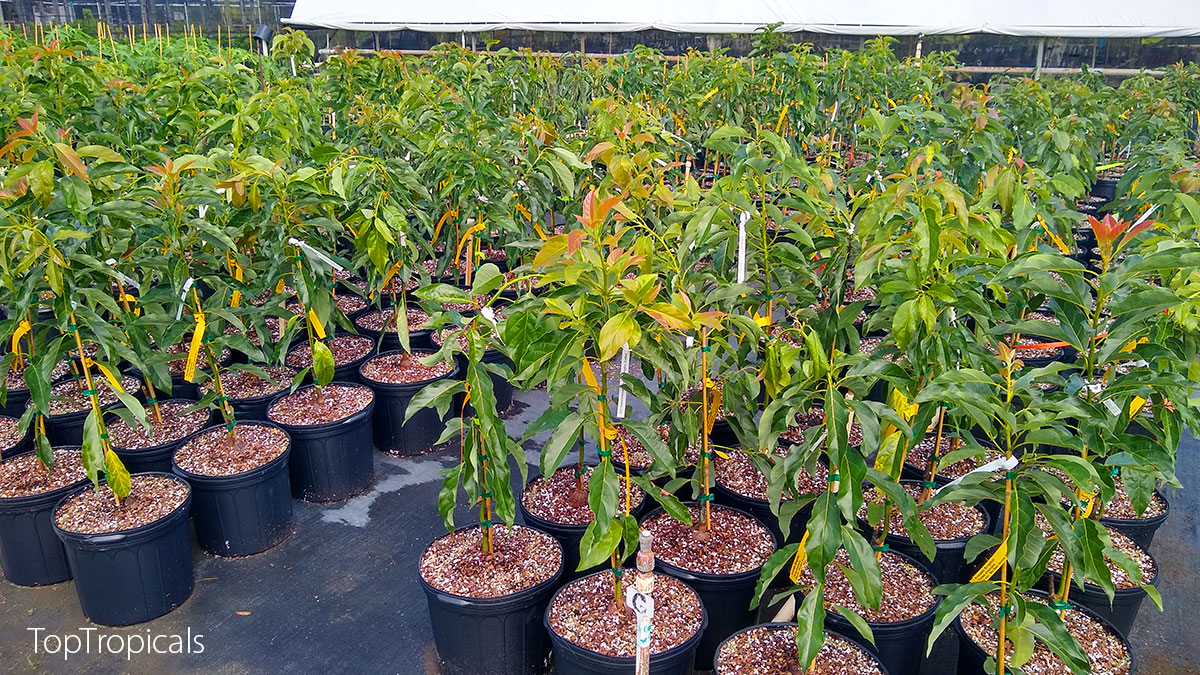
Avocado  trees  in  containers

Photo above: Avocado trees in 7 gal containers.

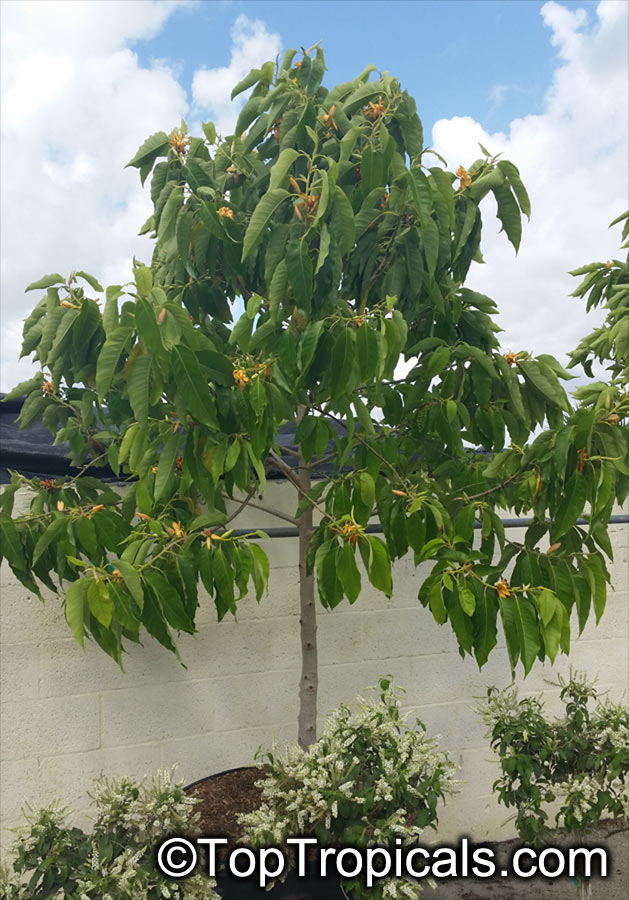
Large  Champaka  tree  in  container

Photo above: Magnolia champaca - Joy Perfume Tree in 25 gal container.