Garden Blog - Top Tropicals

Date: 12 Sep 2025

Mulberry yogurt swirl: Quick-n-Fun exotic recipes

Mulberry yogurt swirl

Mulberry yogurt swirl

🍴 Mulberry yogurt swirl: Quick-n-Fun exotic recipes

  • 🔵Layer fresh mulberries with plain yogurt and a drizzle of honey.
  • 🔵The berries bleed into the yogurt, creating a natural tie-dye effect.

Mulberry Yogurt Swirl

Ingredients

  • 1 cup fresh mulberries
  • 1 cup plain yogurt
  • 1 tbsp honey

Instructions

  1. Layer fresh mulberries with plain yogurt in a glass.
  2. Drizzle with honey on top.
  3. Let the berries bleed into the yogurt, creating a natural tie-dye swirl.

🛒 Discover Mulberry varieties

#Food_Forest #Recipes

🟢 Join 👉 TopTropicals

Date: 17 Sep 2025

Mulberry Care and Growing Tips

Mulberry  fruit  on  a  plate

Mulberries are tough, low-maintenance fruit trees that adapt to many conditions.

  • Climate: Hardy from USDA zone 5 to 10.
  • Soil: Grow well in almost any soil; prefer good drainage.
  • Watering: Regular watering during dry spells; drought tolerant once etablished.
  • Growth: 3–5 feet per year, producing fruit early.
  • Pruning: Annual pruning controls size and improves branching.
  • Pot culture: Dwarf types thrive in containers, staying 6–7 feet tall. Use a large pot, water consistently, and prune lightly. Use Abundance potting mix for best results.
  • Fertilizer: For reliable production, fertilizer regularly. Apply Sunshine C-Cibus liquid booster with every watering, or Green Magic controlled release fertilizer every 5-6 months.

❓ Mulberry FAQ


How soon will a mulberry fruit?

One to two years, sometimes the very first season.

What climates are suitable?

USDA zones 5–10, from -20F winters to hot summers.

How tall do they get?

Standard trees 20–30 ft; dwarfs 6–10 ft in pots.

Do I need more than one tree?

No, they are self-pollinating.

What do they taste like?

Sweet and juicy, like a blend of blackberry and raspberry.

How long is the harvest?

Everbearing types ripen gradually from summer into fall.

Do birds eat them?

Yes, but trees are so productive there’s plenty to share.

Are they messy?

Dark-fruited varieties can stain; white mulberries do not.

Can I grow them in containers?

Yes, dwarf types (Dwarf Everbearing, Issai) fruit well in pots.

How long do they live?

Many live for decades; Illinois Everbearing can endure for generations.

What are the health benefits?

Mulberries are low-glycemic, support healthy blood sugar, improve heart health, and are rich in antioxidants.

Shop Mulberries

Date: 3 Dec 2025

Can Poinsettia grow for years? 5 most common mistakes with new container plants

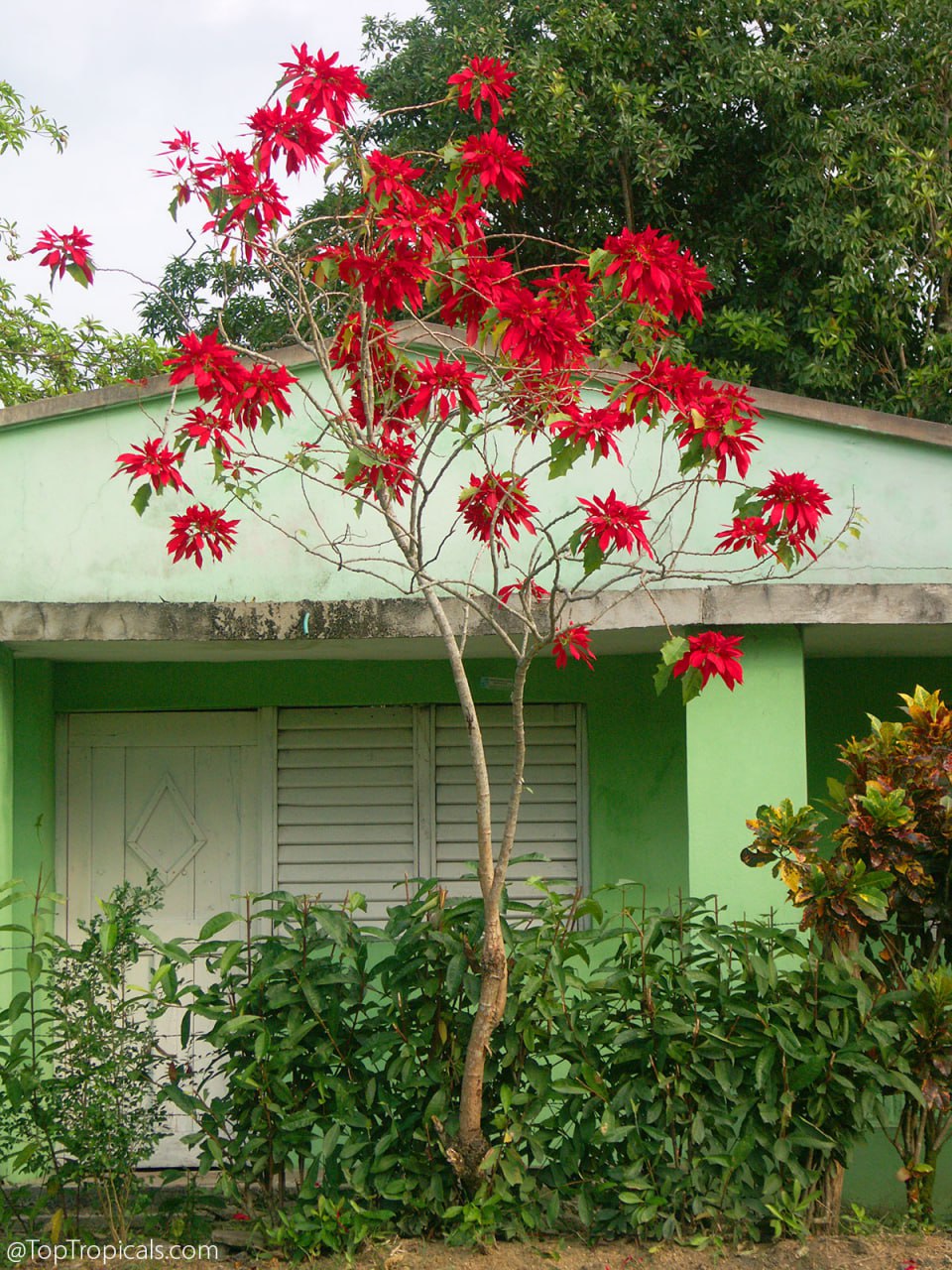
Poinsettia - Euphorbia pulcherrima tree
Poinsettia - Euphorbia pulcherrima tree

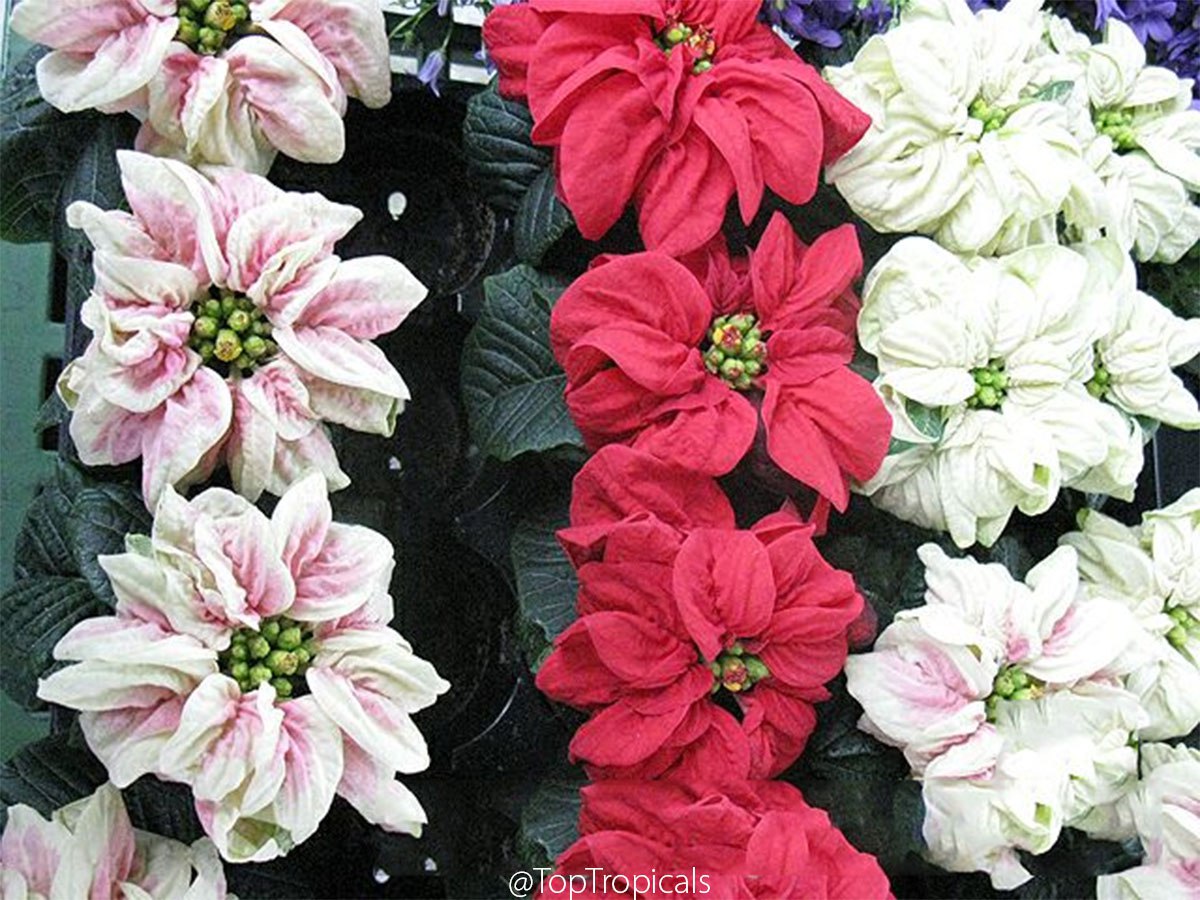
Poinsettia - Euphorbia pulcherrima colorful leaves
Poinsettia - Euphorbia pulcherrima colorful leaves

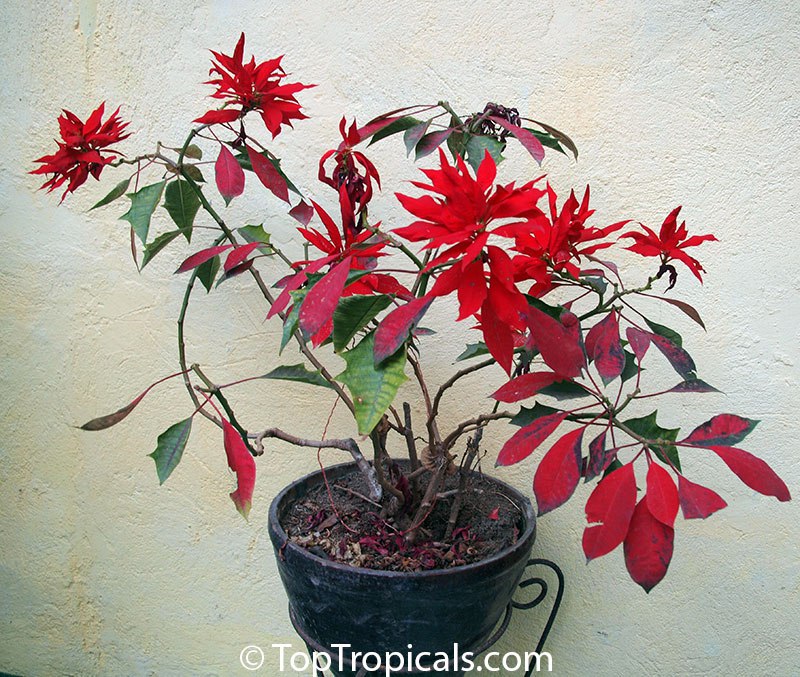
Poinsettia - Euphorbia pulcherrima in a pot
Poinsettia - Euphorbia pulcherrima in a pot

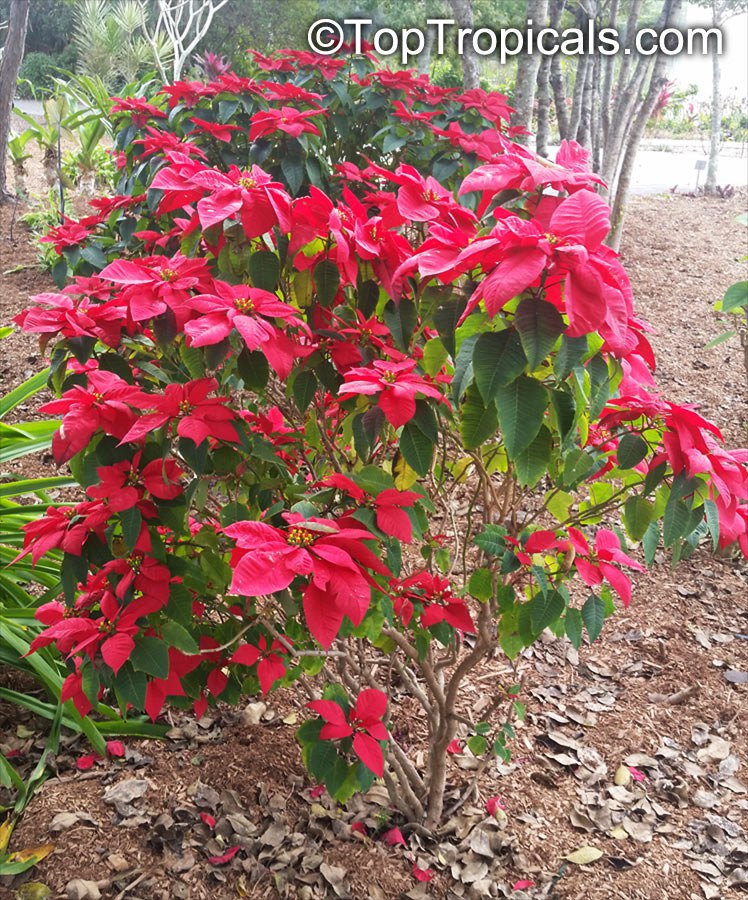
Poinsettia - Euphorbia pulcherrima bush

Poinsettia - Euphorbia pulcherrima bush

Can Poinsettia grow for years? 5 most common mistakes with new container plants.


You buy a beautiful plant from a big garden center, or maybe you received one as a holiday gift. It looks perfect - lush, bushy, colorful, spotless. But a few weeks later… what happened? It is dropping leaves, getting leggy, or simply dying. Think about poinsettias after Christmas - most end up in the trash like annuals. But poinsettias are actually perennial shrubs that live for many years in their native environment!

So what went wrong? Here are simple ways to avoid these disappointments and keep your new plants as happy as they were in the greenhouse - and even help them grow bigger and nicer for a long time.
  • ❌ Do not put a plant directly into hot, bright sun.


    Most nursery plants are grown in filtered light under shade cloth, and sudden full sun can burn the leaves.

    ✅ Move sun-loving plants gradually into full sun.

  • ❌ Do not rely on the original container.


    Holiday and gift plants often come in decorative pots that have issues:
    - no drainage holes
    - glazed or heavy plastic that traps moisture and causes root rot
    - dry, porous terra cotta that loses moisture too fast
    - cone-shaped pots that hold water and create waterlogging
    - pots that are simply too big or too small for the root system

    ✅ Use simple black nursery pots with straight sides.


    They:
    - hold moisture at the right level
    - are made of safe professional-grade plastic
    - make it easy to remove the root ball when stepping up
    For a fancy display, place the black pot inside a decorative planter. It will also act as a saucer to collect excess water - no stress, no mess.
  • Do not skip checking the soil. Even plants from professional growers can hide surprises:
- the plant may be buried too deep. Large nurseries sometimes add extra soil on top to make the pot look full, but burying the stem can kill the plant in days.
- soil type on top may be wrong. They may pack peat moss or sphagnum on top to keep stems tight for display.
- the entire soil media might be temporary. Many orchids in stores, for example, sit in glazed pots stuffed with soggy sphagnum - not how orchids should grow.

✅ Take the plant out of the pot and inspect the roots and soil.


Remove excess peat or sphagnum. Use a quality, well-drained mix like Abundance and repot into a container that matches the root size or is just slightly larger.
  • ❌ Do not forget fertilizer.


    Your plant came from a professional nursery where it likely received constant feeding through a liquid injection system - almost like being on life support. Once removed, it can decline within weeks.

    ✅ Put your plant on a regular fertilizer schedule.


    When repotting, mix in Green Magic controlled-release fertilizer and refresh it every 6 months. Simple and easy! You can also apply liquid Sunshine Boosters - safe to use with each watering.
  • ❌ Do not ignore individual plant needs.


Take a moment to ask what the plant prefers and what to avoid, when buying from a nursery where you can talk to a grower, like Top Tropicals. The grower knows exactly how it was grown and what it likes. Getting a plant is like adopting a baby - knowing its habits makes all the difference!

🛒 Select plants for containers

#How_to #Container_Garden

🟢 Join 👉 TopTropicals

Date: 6 Dec 2025

See how Golden Rain turns pink overnight!

Golden Rain tree, Koelreuteria paniculata

🌸 See how Golden Rain turns pink overnight!

  • 🌸 Golden Rain tree, Koelreuteria paniculata, is one of those plants you can drive past a hundred times without realizing you’re looking at a seasonal firework show. In early summer it loads itself with long, bright yellow flower clusters that drip from every branch. Then, just when you think the show is over, the tree shifts into its second act: paper-thin pink seed lanterns that cover the canopy through fall.
  • 🌸 It’s surprisingly tough for such a delicate-looking tree. Cold hardy, drought tolerant, and fast growing, it fits easily into Florida and other warm climates where people want a shade tree that also puts on a real spectacle. The foliage stays elegant and airy, and the lantern pods look good long after the flowers fade.
  • 🌸 If you’re into trees that change looks through the seasons and don’t need pampering, Golden Rain tree is one of the most rewarding additions you can plant.


🛒 Plant impressive Golden Rain tree - hardy and beautiful

📚 Learn more:

#Trees

🟢 Join 👉 TopTropicals

Date: 28 Dec 2025

🎉 2026 Gardening Resolution That Actually Works

According to our experts: Smokey and Sunshine. When we say experts, we do not mean consultants or trend writers. We mean two real gardeners. Smokey watches patterns. Sunshine notices when people rush. Together, they explain what actually works.

Smokey  the  tuxedo  cat  writes  gardening  plans  for  2026  at  a  table  while 


Sunshine  the  ginger  cat  rides  a  hobby  horse  holding  coffee,  with  donuts, 


plants,  and  a  fireplace  in  a  winter 


room.
Sunshine: Smokey, thank you for the Christmas present. I am riding this hobby horse straight into the Year of the Horse!
Smokey: I am making the plans for 2026. Planning makes gardening successful.
Sunshine: Coffee and donuts help too, so please include them in your plan.

Smokey: Hello gardeners. 2026 is the Year of the Horse.

Sunshine: Horses do not garden.

Smokey: Please do not interrupt me. No, they do not. That is just the calendar. What matters is what gardeners do at the start of every new year. They often rush and repeat the same mistakes.

Sunshine: The biggest one is rushing the garden before morning coffee.

Smokey: Correct. Rushing looks like effort, but it is usually just impatience. Gardens punish impatience very reliably.

Most early-season problems come from doing things too soon:
- watering before roots are active
- fertilizing before growth begins
- planting before conditions settle
- poking plants daily to check how the roots are growing

Sunshine: If you are poking the roots, the plant was fine until you started poking it.

Smokey: Good gardening is not constant action. It is knowing when to act and when to stop interfering.
- Plant when the timing is right.
- Let roots work quietly.
- Leave resting plants alone.

Sunshine: Coffee first. Donuts optional, but highly recommended.

Smokey: One last thing, while you are not rushing.

Our gift cards are still on promotion. They do not need planting, watering, or timing decisions today.

A gift card is a symbol of patience. Buy it now. Use it when the moment is right.

Smokey and Sunshine:
Our resolution for 2026 is simple: stop rushing the garden. Wishing you a calm, steady, coffee-fueled 2026 garden 🐾🌿