Garden Blog - Top Tropicals

Date: 9 Mar 2026

Golden canistel cream: quick-n-fun exotic recipes

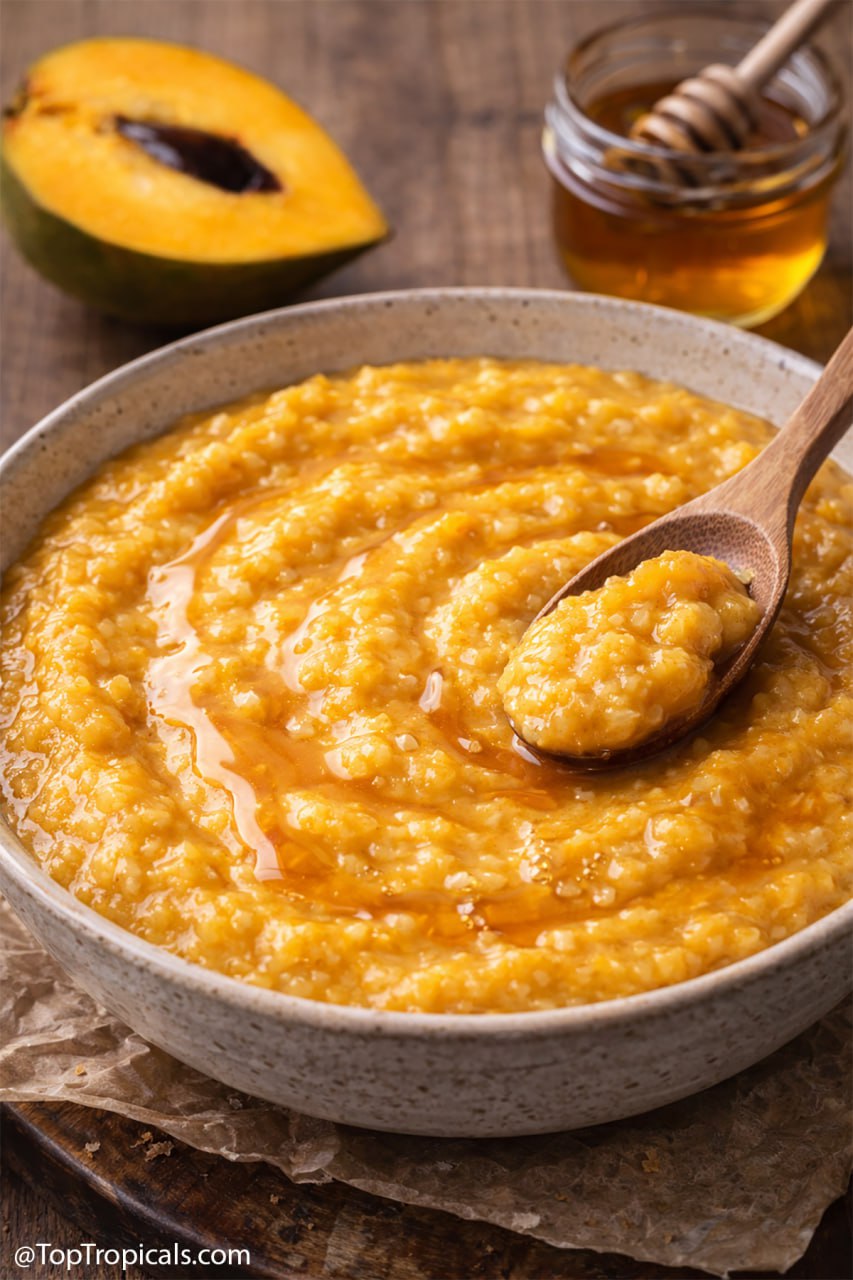
Golden canistel cream

Golden canistel cream

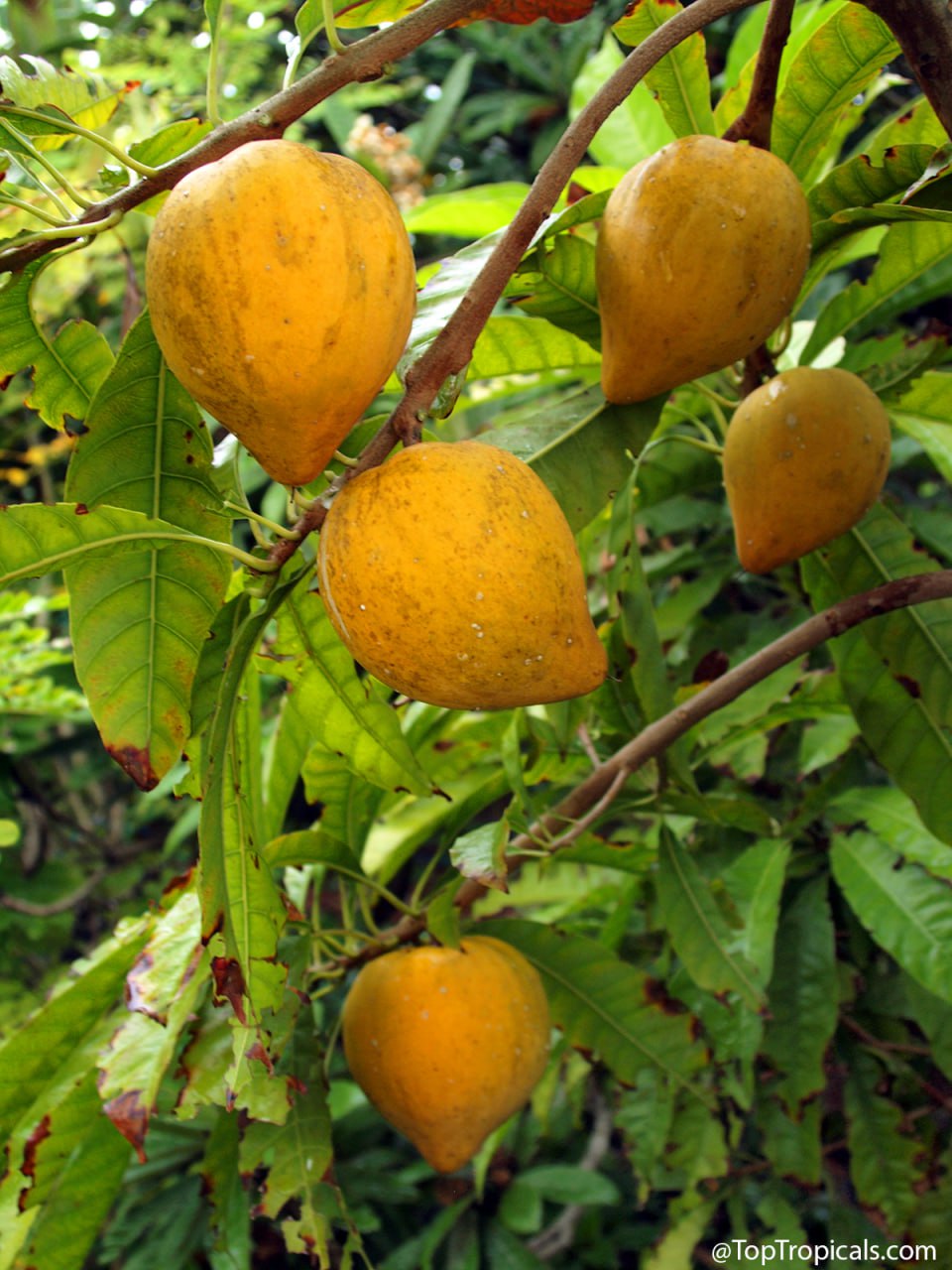
Pouteria campechiana - Canistel, Eggfruit

Pouteria campechiana - Canistel, Eggfruit

🍴 Golden canistel cream: quick-n-fun exotic recipes


Golden Canistel Cream

Ingredients

  • 1 ripe canistel (eggfruit)
  • 2 to 3 tbsp milk
  • 1 to 2 tsp honey

Instructions

  1. Scoop the ripe canistel flesh into a bowl.
  2. Add milk and honey.
  3. Mash until smooth and creamy.
  4. Warm gently in a small pan if desired.
  5. Serve warm like a thick tropical porridge.

🌿 About the plant:


Also called Eggfruit, canistel has bright yellow flesh that is dense and slightly dry when ripe.

🏡 In the garden:


Grows well in warm climates with good drainage. Compact growth makes it suitable for small yards.

🛒 Plant Canistel Egg Fruit tree - grows well in container too

📚 Learn more:

Plant Facts

Pouteria campechiana
Canistel, Eggfruit, Chesa
USDA Zone: 9-11
Large tree taller than 20 ftSmall tree 10-20 ftFull sunRegular waterEdible plant

#Food_Forest #Recipes

🟢 Join 👉 TopTropicals

Date: 7 Mar 2026

Sapodilla caramel toast: quick-n-fun exotic recipes

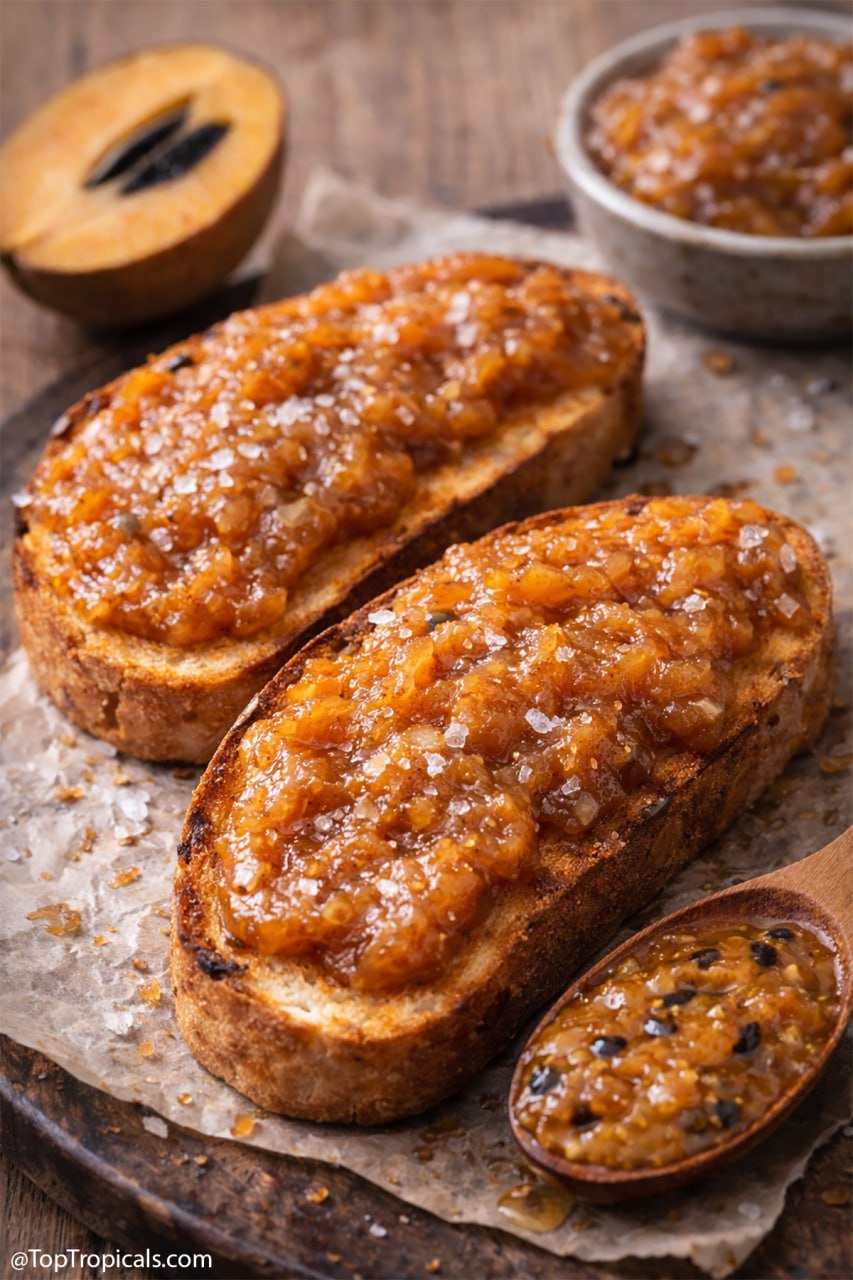
Sapodilla caramel toast

Sapodilla caramel toast

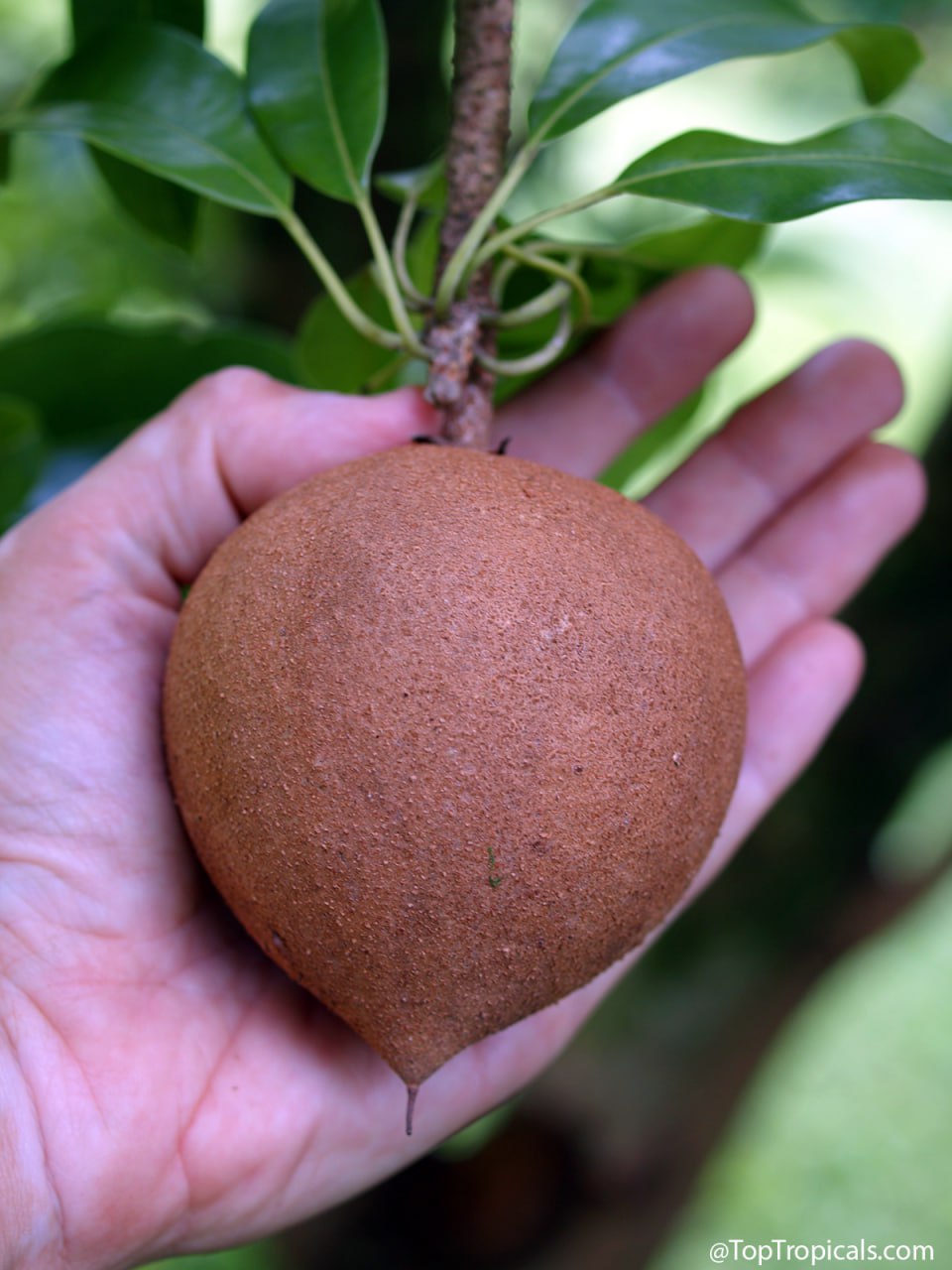
Sapodilla (Achras zapota) fruit

Sapodilla (Achras zapota) fruit

🍴 Sapodilla caramel toast: quick-n-fun exotic recipes

Sapodilla Caramel Toast

Ingredients

  • 1 ripe sapodilla
  • 2 slices toasted bread
  • Pinch of salt

Instructions

  1. Mash the ripe sapodilla flesh in a small pan.
  2. Warm gently until it becomes thick and caramel-like.
  3. Spread the warm sapodilla mixture over toasted bread.
  4. Finish with a small pinch of salt to balance the sweetness.


🌿 About the plant:


Sapodilla is a tropical evergreen producing brown fruit with sweet, brown-sugar flavored flesh.

🏡 In the garden:


Likes heat and humidity. Grafted or air layered trees fruit earlier. Drought tolerant once established but best with regular watering.

🛒 Add Sapodilla - Brown Sugar Fruit tree to your Food Forest

📚 Learn more:

Plant Facts

Manilkara zapota, Manilkara achras, Achras sapota
Sapodilla, Ciku, Naseberry, Nispero, Sapote, Brown Sugar Fruit
USDA Zone: 9-11
Large tree taller than 20 ftSemi-shadeFull sunRegular waterEdible plantSubtropical plant. Mature plant cold hardy at least to 30s F for a short timeSeaside, salt tolerant plant

#Food_Forest #Recipes

🟢 Join 👉 TopTropicals
Date: 5 Mar 2026

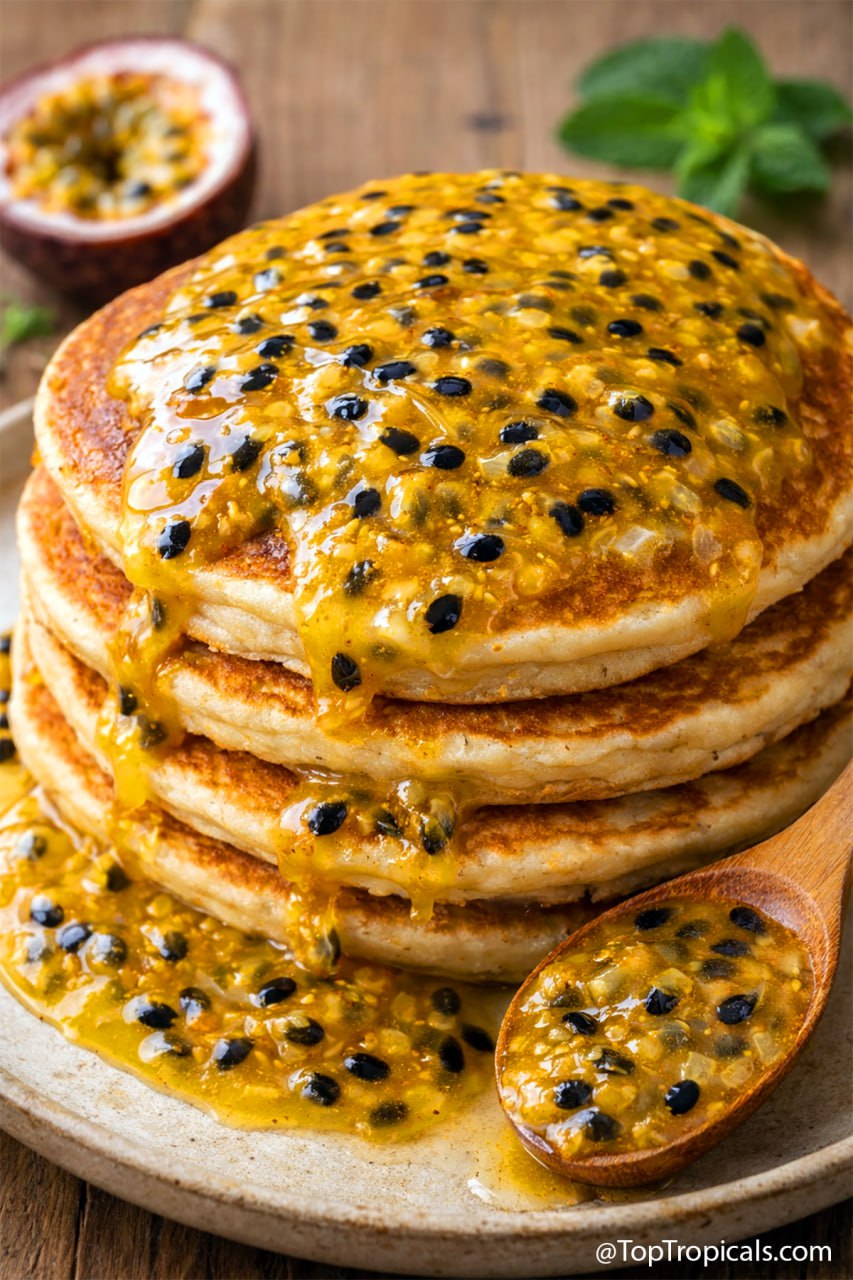
Passion fruit butter glaze: quick-n-fun exotic recipes

Passion fruit butter glaze

Passion fruit butter glaze

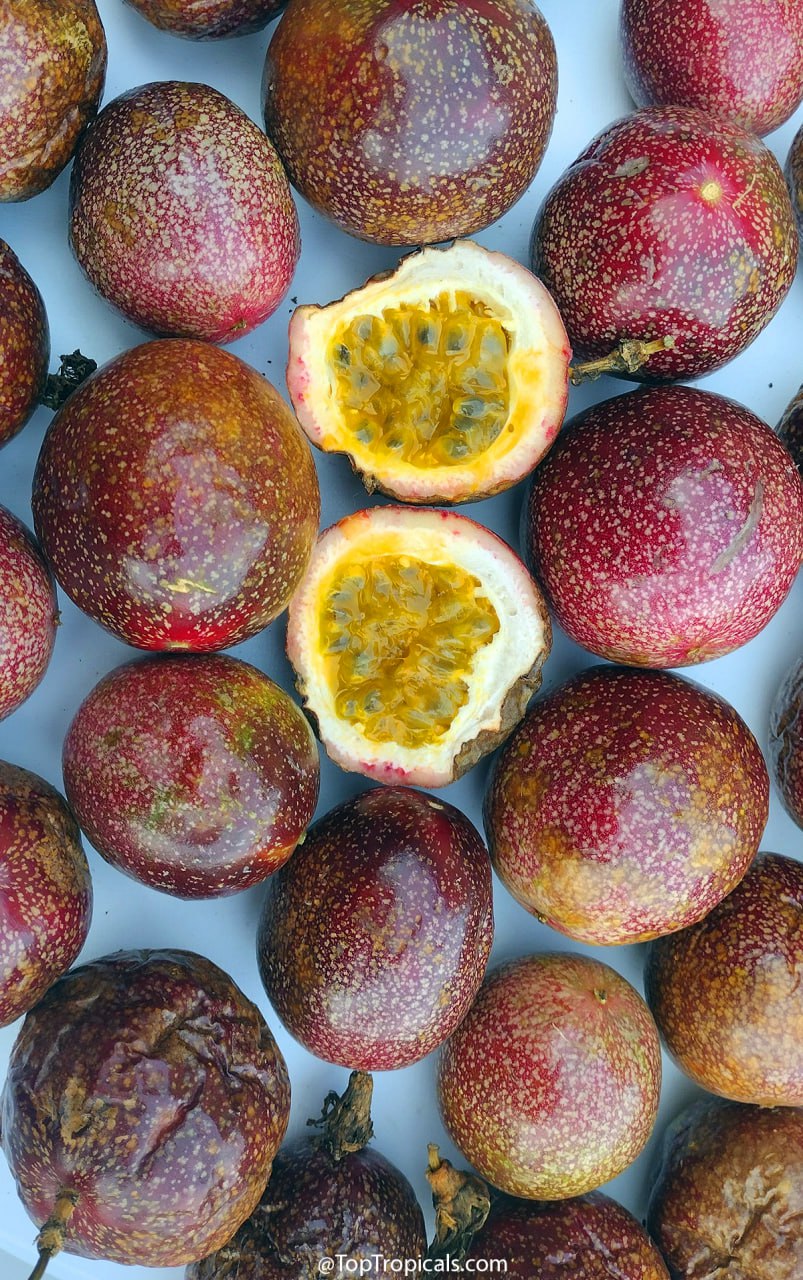
Passion fruit - Passiflora edulis

Passion fruit - Passiflora edulis

🍴 Passion fruit butter glaze: quick-n-fun exotic recipes

Passion Fruit Butter Glaze

Ingredients

  • 2 passion fruits
  • 1 tablespoon butter
  • 1 teaspoon sugar

Instructions

  1. Scoop the pulp from the passion fruits into a small saucepan.
  2. Add butter and a small amount of sugar.
  3. Simmer gently while stirring until the mixture thickens.
  4. Spoon the warm glaze over pancakes, toast, or grilled pineapple.


🌿 About the plant:


A fast-growing vine with exotic flowers and intensely aromatic fruit filled with juicy seeds.

🏡 In the garden:


Needs strong support, full sun, and warmth. Very fast growth in zones 9-11. Prune to keep productive.

🛒 Plant Passionfruit Vine - fast growing and rewarding

📚 Learn more:

Plant Facts

Passiflora edulis
Passion Fruit, Parcha, Maracuya, Granadilla
USDA Zone: 9-11
Vine or creeper plantFull sunModerate waterBlue, lavender, purple flowersWhite, off-white flowersEdible plantSubtropical plant. Mature plant cold hardy at least to 30s F for a short time

#Food_Forest #Recipes

🟢 Join 👉 TopTropicals
Date: 3 Mar 2026

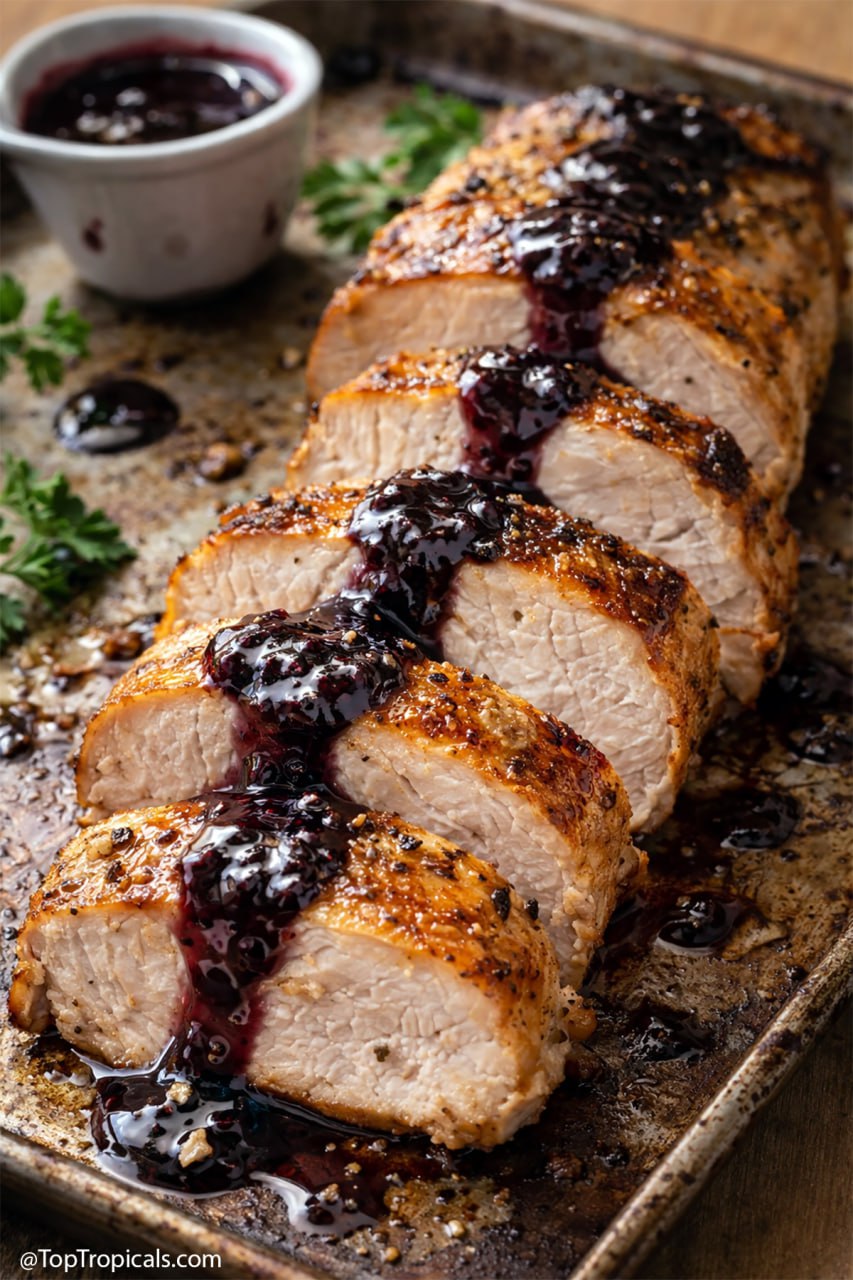
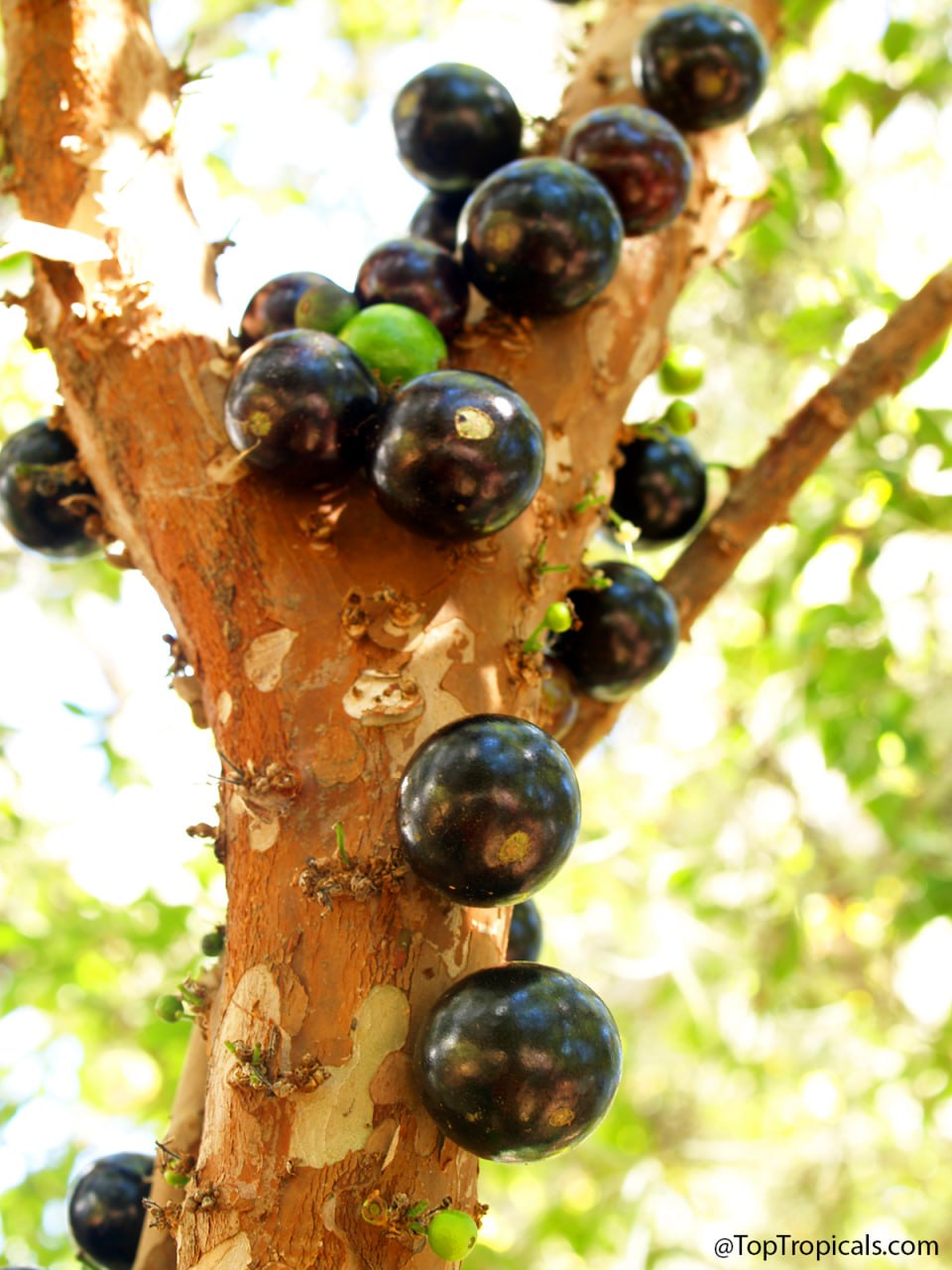
Jaboticaba reduction sauce: quick-n-fun exotic recipes

Jaboticaba reduction sauce

Jaboticaba reduction sauce

Myrciaria cauliflora - Jaboticaba fruit

Myrciaria cauliflora - Jaboticaba fruit

🍴 Jaboticaba reduction sauce: quick-n-fun exotic recipes

Jaboticaba Reduction Sauce

Ingredients

  • 1 cup ripe jaboticaba fruit
  • 1 tablespoon sugar
  • 1 tablespoon water

Instructions

  1. Crush the jaboticaba fruit in a small saucepan.
  2. Add sugar and a little water.
  3. Simmer gently until the mixture thickens and becomes glossy.
  4. Strain the sauce to remove skins.
  5. Drizzle over roasted pork, chicken, or grilled vegetables.


🌿 About the plant:


A Brazilian tree that fruits directly on the trunk. The grape-like fruit has a thick skin and juicy pulp inside.

🏡 In the garden:


Grows well in warm, humid climates. Slow growing but very ornamental. Can be grown in large pots when young.

🛒 Plant Jaboticaba tree now, don't wait - it's slow growing!

📚 Learn more:

Plant Facts

Myrciaria cauliflora, Plinia cauliflora, Eugenia cauliflora
Jaboticaba, Duhat
USDA Zone: 9-11
Plant used for bonsaiSmall tree 10-20 ftFull sunKeep soil moistEdible plantSubtropical plant. Mature plant cold hardy at least to 30s F for a short timeFlood tolerant plant


#Food_Forest #Recipes

🟢 Join 👉 TopTropicals

Date: 2 Mar 2026

Beyond fruit: how this African tree supports wildlife and garden health

Vangueria infausta - Spanish Tamarind

Vangueria infausta - Spanish Tamarind

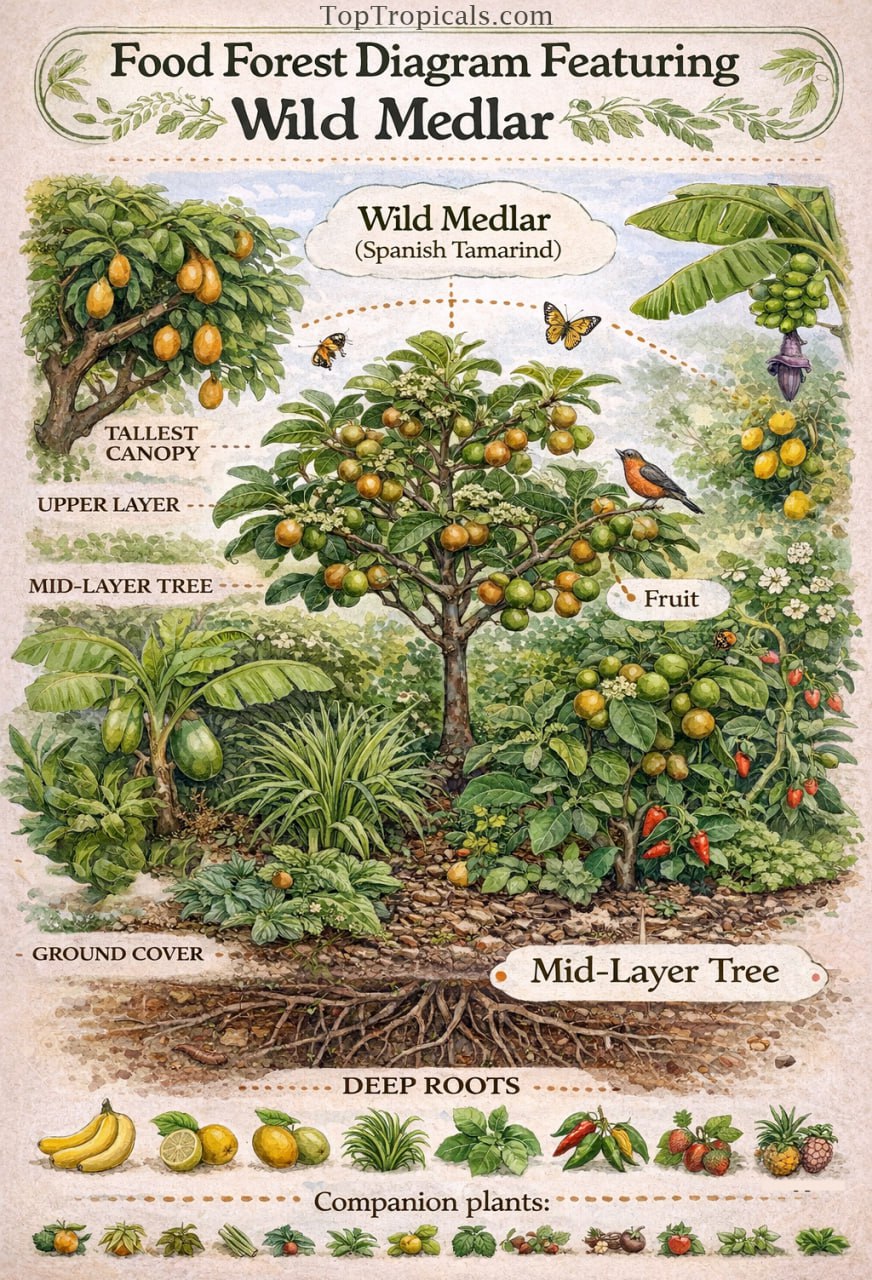
Beyond fruit: how this African tree supports wildlife and garden health: Wild Medlar in the ecological food forest 🍊

Vangueria infausta (Spanish Tamarind, Wild Medlar) might win your heart for its sweet-tart fruit and folk medicine magic - but did you know it’s also a quiet hero in the ecosystem? Whether you’re planting a full-blown food forest or just a mixed backyard garden, Vangueria infausta brings more than fruit to the table. It brings balance, beauty, and biodiversity.

🐝 Pollinator power


When in bloom, this tree produces nectar-rich flowers that attract bees, butterflies, and other pollinators. These beneficial insects don’t just help the Wild Medlar fruit - they boost productivity in your entire garden.
If you grow mangos, citrus, guava, or veggies nearby, Spanish Tamarind helps keep the pollinator traffic moving.

🐦 Bird magnet


Birds are big fans of this tree. They nest in its dense branching, snack on overripe fruit, and help spread seeds. In return, they’ll help keep down pests like caterpillars and beetles.
Even in a small garden, one Wild Medlar can be a micro-habitat for birds, insects, and other helpful wildlife.

🌱 Soil stabilizer


With its deep roots and drought-hardy nature, Wild Medlar helps hold soil in place, especially on slopes or rocky patches. It improves drainage and reduces erosion, which makes it a great addition to food forests in challenging spots.

🍂 Natural mulch & green cleanup


The tree drops a modest amount of leaf litter, which breaks down into soft, rich mulch. In a diverse planting, that means fewer weeds, better soil structure, and less watering needed.

🌿 Companion planting & food forest stacking
  • · Works great as a mid-layer tree in multi-tiered systems
  • · Provides light shade for herbs or smaller fruiting plants
  • · Plays well with bananas, papaya, guava, lemongrass, and ground covers
In zones 9-11, it can live happily in a mixed border or permaculture guild. In colder zones, just keep it potted and move it around as needed - it still offers many of the same benefits.

🛡 Pest and disease resistant


One more bonus: Spanish Tamarind is incredibly low-maintenance. It resists most common pests and doesn’t suffer from fungal issues like many tropical fruit trees do. That means fewer chemicals and more harmony in your garden ecosystem.

✍️ Ready to plant something that gives back?


Think you need more than just another fruit tree? More life. More movement. More meaning in your garden?
Grow Wild Medlar for the fruit - but keep it for everything else it brings. The pollinators. The shade. The quiet medicine. The steady presence that makes your space feel alive.
If you’re building a food forest - or simply want a tree that earns its place every single season - this one doesn’t just sit there. It contributes.

🛒 Plant Spanish Tamarind in your Food Forest for a happy wildlife

📚 Learn more:

Plant Facts

Vangueria infausta
Wild Medlar, Spanish Tamarind
USDA Zone: 9-11
Small tree 10-20 ftFull sunModerate waterEdible plantDeciduous plantEthnomedical plant.
Plants marked as ethnomedical and/or described as medicinal, are not offered as medicine but rather as ornamentals or plant collectibles.
Ethnomedical statements / products have not been evaluated by the FDA and are not intended to diagnose, treat, cure, or prevent any disease. We urge all customers to consult a physician before using any supplements, herbals or medicines advertised here or elsewhere.Subtropical plant. Mature plant cold hardy at least to 30s F for a short time

#Food_Forest #Discover

🟢 Join 👉 TopTropicals