Date: 19 Feb 2026
10 ways to enjoy Wild Medlar - Spanish Tamarind
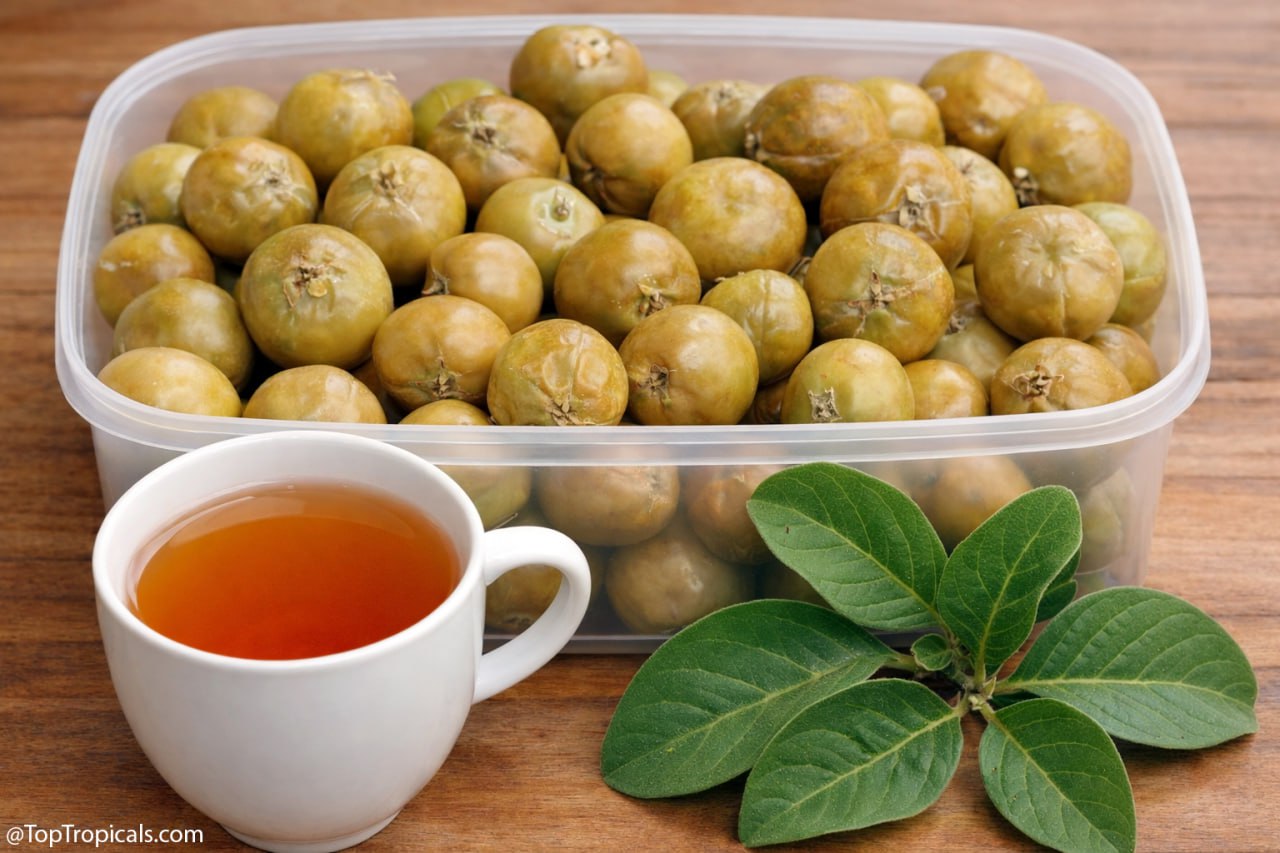
🍊 10 ways to enjoy Wild Medlar - Spanish Tamarind
Vangueria infausta (Spanish Tamarind, Wild Medlar) from Africa to your backyard: the fruit, the medicine, the tradition.
Spanish Tamarind may look like a small, unassuming fruit - but don’t let it fool you. In its native Africa, this tree is a food staple, a home remedy, and a cultural favorite, all wrapped into one. And now, it’s ready to bring that same magic into your garden and kitchen. People have used this fruit for generations - and how you can too.
🍊 1. Eat it fresh, off the tree
When ripe, the fruit turns golden brown and softens slightly. Its flavor is sweet-tart, almost like a tangy apple or tamarind with a hint of citrus. Just peel and eat!
🍬 2. Dry it for snacks
In many African regions, the fruit is sun-dried and enjoyed like natural fruit leather. It keeps well, travels well, and makes a great healthy snack.
🍵 3. Brew it into a fruit tea
Dried fruit can be steeped into a tart, refreshing tea that’s packed with vitamin C and antioxidants. Add honey or ginger for a soothing drink.
🍷 4. Ferment it into traditional beer or wine
In some local cultures, the fruit is fermented into a mild alcoholic drink, similar to fruit wine or beer. This is one of the tree’s oldest known traditional uses.
🍧 5. Make jams and preserves
Boil the pulp with sugar and lemon juice to make tangy medlar jam. Spread it on toast, stir into yogurt, or use it in baking.
6. Add to porridge or smoothies
Crushed or juiced medlar fruit is added to traditional maize porridge for a nutrient boost. You can do the same with oatmeal or smoothies.
7. Try traditional fruit pudding
A simple medlar mash with a little sweetener makes a rich, apple-like pudding with hints of spice. Great as a chilled dessert.
🌿 8. Use the leaves and bark medicinally
In folk medicine, leaves are brewed into a tea for treating fever, colds, and stomach aches. Bark is used for chest congestion and coughs. Roots are sometimes used for even stronger remedies like malaria treatment.
9. Clean your teeth the traditional way
Believe it or not, people use medlar leaves to clean their teeth! The leaves are antimicrobial and have a slight astringent taste that leaves your mouth feeling fresh.
🎨 10. Dye fabric naturally
Crush the bark or boil the leaves to create natural dyes in yellow, green, and even purple tones. This use is still practiced in rural areas of southern Africa.
✍️ Why this tree belongs in your life
Wild Medlar is more than just a fruit. It’s a versatile, resilient, and deeply cultural plant that connects generations. It’s food, it’s healing, it’s art—and now it can be part of your garden story.
Grow it for the fruit, the medicine, the tradition… or just for the joy of growing something wild and wonderful.
🛒 Plant Spanish Tamarind and enjoy exotic fruit benefits
📚 Learn more:
- Vangueria infausta - Spanish Tamarind in Plant Encyclopedia
- 7 steps for a care-free Spanish Tamarind - the easiest rare fruit to grow
- The wild fruit with a secret: health benefits of rare Spanish Tamarind - the exotic fruit you've never heard of
#Food_Forest #Remedies #Recipes #Discover
🟢 Join 👉 TopTropicals
 How to Grow Jasmine Sambac Successfully