Garden Blog - Top Tropicals

Date: 5 Jan 2026

A tuxedo cat planting a small shrub in a tropical garden while a ginger
 cat relaxes nearby with coffee and donuts, illustrating winter planting in 
a warm 
climate.
Sunshine: January might feel warm, but its still winter. Wool socks, scarf, hot coffee.
Smokey: You get warm when you work. Plant now so roots are established before spring growth starts.
Sunshine: Alright. Lets see who stays warmer - you digging or me with coffee.

🌴 Why winter planting works in a warm climate

By our plant expert Tatiana Anderson

We are lucky to live in a warm climate. This is how I think about the seasons here. Winter is for roots. Spring is for growth. Summer is for managing heat and water.

So if we want plants that handle summer better, we plant them in the season that gives them the best start. Winter here is comfortable. The soil stays workable. The days are mild. And plants are not being stressed by heat. That is exactly why winter is the best time to plant in Florida and other warm areas.

If we use this season well, plants go into spring already settled instead of trying to catch up. This is what I like to plant now, and why.

🟢 Trees first. Anything that will be in the ground for years. Fruit trees, shade trees, flowering trees. When we plant them in winter, they can focus on roots before the spring growth surge starts. By the time spring arrives, the tree is anchored and ready to grow on top.
Examples: mango, avocado, Eugenia cherries, jackfruit, sapodilla, longan, lychee, canistel.

🟢 Shrubs next. Shrubs establish faster than trees, but winter still gives them an advantage. They settle in quietly before the spring flush and bloom cycles begin. That usually means steadier growth and fewer problems once heat returns.
Examples: gardenia, jasmine, brunfelsia, hibiscus, clerodendrums.

🟢 Vines are often overlooked. Vines want to grow fast when spring starts. If the root system is not ready, you get weak growth and frustration. Planting vines in winter gives them time to build a foundation first, so spring growth has support.
Examples: Rangoon creeper, stephanotis, Petrea, Mexican Flame Vine.
🛒 Explore cold tolerant plants

Date: 4 Jan 2026

Meet PeopleCats of TopTropicals: Paisley

Meet PeopleCats of TopTropicals: Paisley

Paisley is a cherished cat who joined us thanks to one of our employees, Cindy, and has since become part of the family. Known for her affectionate personality, Paisley spends her mornings wandering through the nursery, happily greeting staff and visitors alike. She’s easy to spot by her striking mix of brown and black patterns. When the day grows warm, Paisley heads indoors to help answer phones before curling up for a cozy afternoon nap.

🐈📸 Cat Paisley at TopTropicals PeopleCats.Garden

#PeopleCats

🟢 Join 👉 TopTropicals

Date: 4 Jan 2026

Dont drink your coffee until you see this!

Coffea arabica - Coffee tree, fruit

☕️ Don't drink your coffee until you see this!
  • Our coffee trees, Coffea arabica, are growing in 7-gallon pots, and after months of waiting, the cherries are fully ripe!

  • They bloomed in May, set fruit in August, and now in winter the fruit has turned red and ready to harvest.
  • Coffee is one of the easiest fruiting plants you can grow at home. It does well in containers, loves shade, and can be grown indoors or outdoors in warm climates. With regular watering and a little patience, you can grow, harvest, roast, and brew your own coffee right from your home garden.
  • We are harvesting now, and the next video will show the full roasting process step by step.

  • 👉 Coming up next: Roasting video coming soon - stay with us!


🛒 Start your own coffee harvest

📚 Learn more:
🎥

#Food_Forest #Container_Garden #Shade_Garden

🟢 Join 👉 TopTropicals

Date: 4 Jan 2026

Is it Star Apple, Star Fruit, Cainito or Caimito? Are you lost? Here is the truth:

⭐️ Is it Star Apple, Star Fruit, Cainito or Caimito? Are you lost? Here is the truth:


#Food_Forest

🟢 Join 👉 TopTropicals

Date: 4 Jan 2026

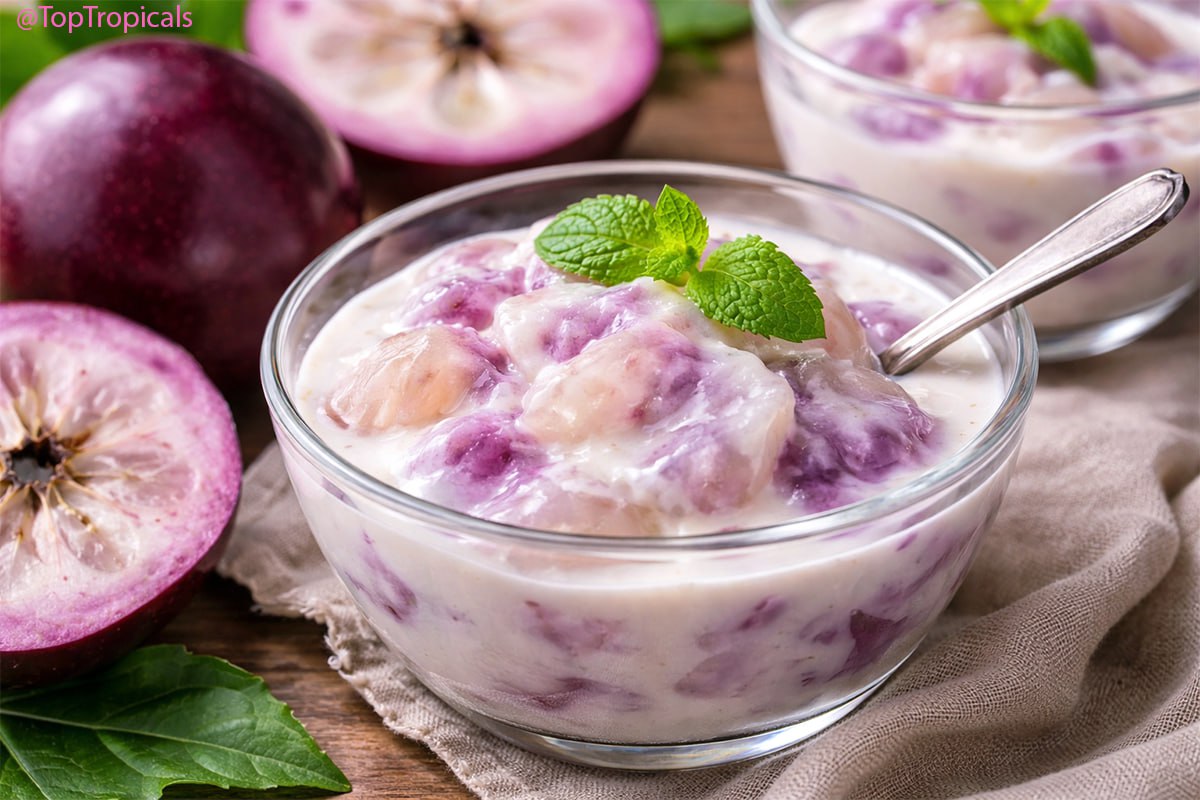
Caimito creamy scoop: quick-n-fun exotic recipes

Caimito creamy scoop

Caimito creamy scoop

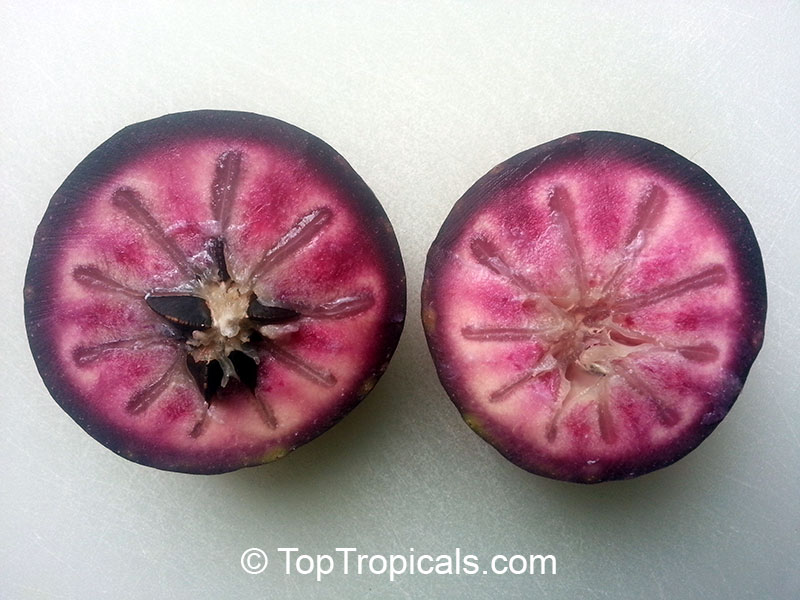
Caimito Star Apple (Chrysophyllum cainito), fruit

Caimito Star Apple (Chrysophyllum cainito), fruit

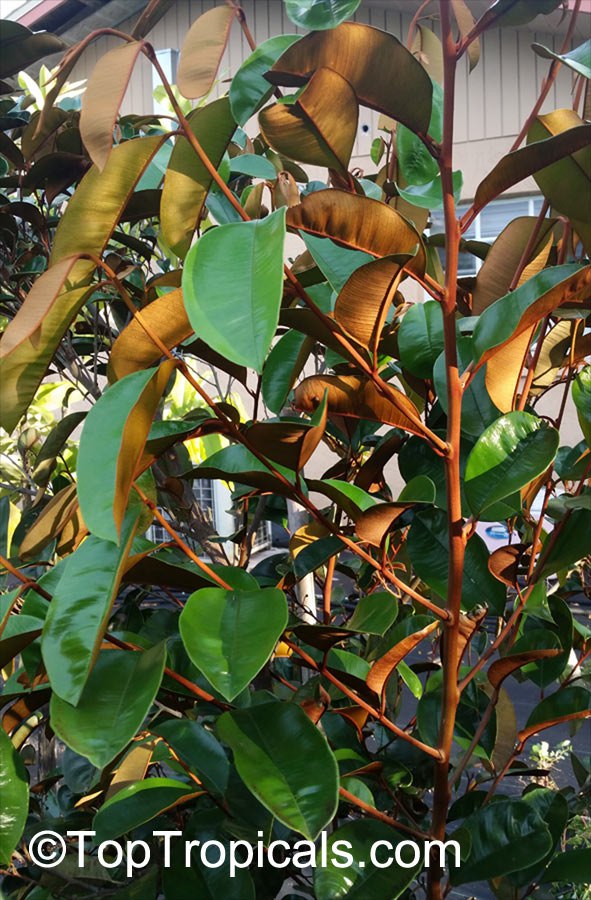
Caimito Star Apple (Chrysophyllum cainito), leaves with rusty underneath

Caimito Star Apple (Chrysophyllum cainito), leaves with rusty underneath

🍴 Caimito creamy scoop: quick-n-fun exotic recipes
  • 🔴Chill star apple halves, then scoop out the jelly-soft pulp.
  • 🔴Stir gently with cold sweet cream for a tropical dessert cup.


⭐️ About the fruit:
Caimito, also known as star apple, is a classic tropical fruit tree native to the West Indies and widely grown throughout the Caribbean, Central America, and other warm regions. It thrives in USDA zones 10-11 and can handle brief dips into the low 30s. The fruit has a mild, grape-like flavor and a soft, jelly texture, and is a good source of vitamin C and minerals. Traditionally eaten fresh, caimito is also used in desserts, drinks, and preserves.

🌱 In the garden:
Beyond its fruit, caimito is highly ornamental. Its large, glossy green leaves have a striking coppery-rust colored underside, giving the tree a dramatic two-tone effect when stirred by wind. It prefers full sun and regular watering and grows well in the ground or large containers. In cooler climates, container-grown trees can be moved indoors for winter protection, making caimito both a productive and visually stunning addition to the garden.

🛒 Plant exotic Caimito Star Apple fruit tree

📚 Learn more:

#Food_Forest #Recipes

🟢 Join 👉 TopTropicals