Garden Blog - Top Tropicals

Date: 17 Dec 2025

What is so unique about Wurtz avocado?
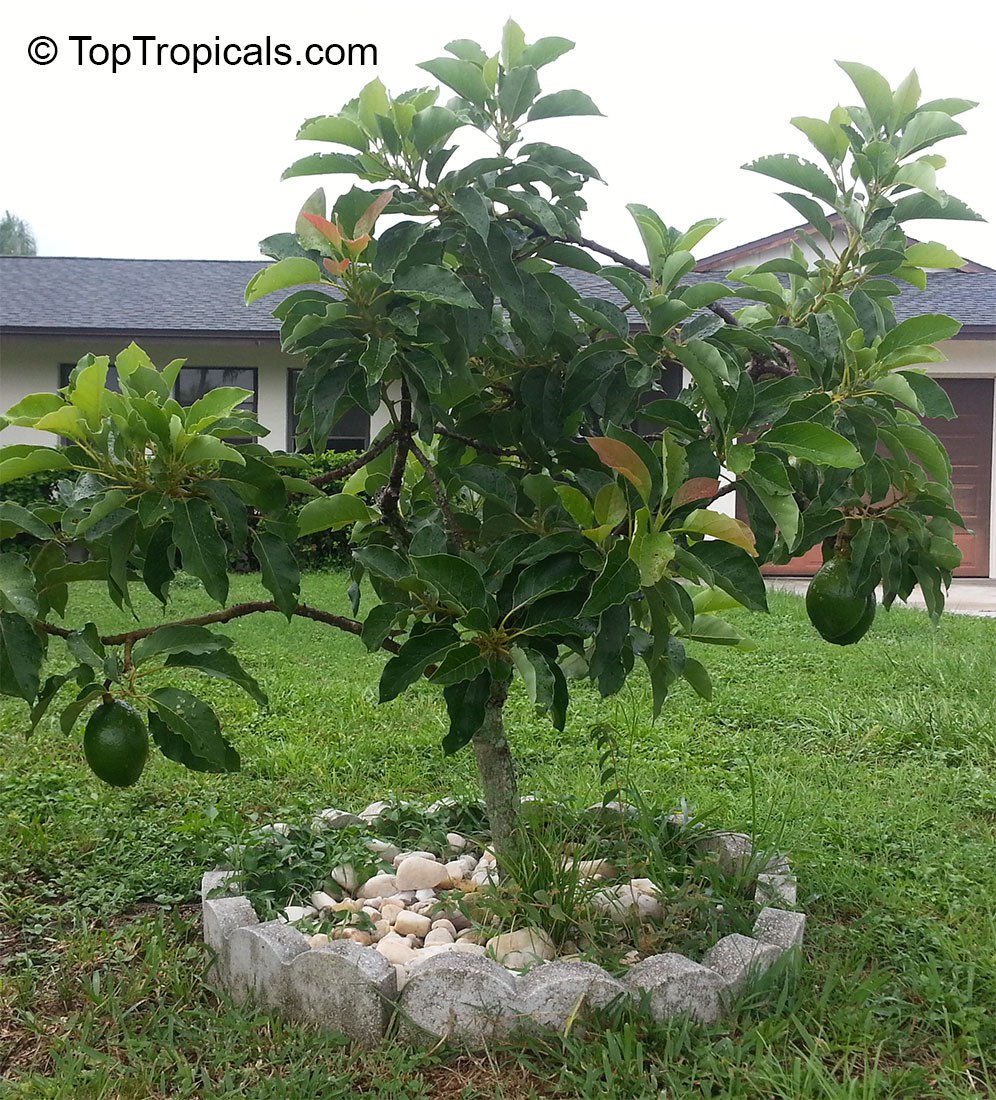
Wurtz Avocado, Little Cado or Mexicola Dwarf, is special because it's a true dwarf tree.

Wurtz Avocado, Little Cado or Mexicola Dwarf, is special because it's a true dwarf tree.

🌳 What is so unique about Wurtz avocado?


Avocados come from three main regions, and each group has its own special look, taste, and growing habits. The three types are Mexican, Guatemalan, and West Indian. Many of today’s popular varieties are hybrids, mixing traits from these types as we mentioned in earlier post.
  • Wurtz Avocado, also known as Little Cado or Mexicola Dwarf, is special because it’s a true dwarf tree. That means it stays small, making it perfect for small gardens, patios, or containers. You can even grow it indoors in a sunny spot!
  • Wurtz is actually a Guatemalan-type avocado, not exactly a Florida or California type. It has a slightly different growth habit and pollination pattern than those two groups.
  • The fruit is small to medium in size, with smooth green skin and a rich, buttery flavor. Its flesh is creamy and full of healthy oils, much like the California (Hass-type) avocados.
  • In short: Wurtz is a compact, easy-to-grow avocado tree that produces delicious, buttery fruit. It’s perfect for gardeners who want a real avocado tree without needing a big yard.


✔️ Check out
Avocado Variety Guide interactive chart. Sort them by flower type A or B, tree habit, fruit shape and quality, cold hardiness, origin, season and more!

🛒  Plant Avocado Wurtz
Explore Avocado varieties and Dwarf Avocado

📖 Our Book: Avocado Variety Guide, Snack or Guacamole?

📚 Learn more:

Plant Facts

Persea americana, Persea gratissima
Avocado, Alligator Pear, Aguacate, Abacate
USDA Zone: 9-11
Large tree taller than 20 ftSmall tree 10-20 ftFull sunRegular waterEdible plantSubtropical plant. Mature plant cold hardy at least to 30s F for a short time
  • · Avocado Variety Guide
  • · Posts about #Avocado
  • · Avocado tree (Persea americana) in Plant Encyclopedia

    🎥 What is a Dwarf Condo Avocado that fruits at 3 ft tall? 📱

    #Food_Forest #Avocado

    🟢 Join 👉 TopTropicals
  • Date: 17 Dec 2025

    What is a Dwarf Condo Avocado and does it really fruit at 3 ft tall?

    What is a Dwarf Condo Avocado and does it really fruit at 3 ft tall?


    🛒 Explore Avocado varieties and Dwarf Avocado

    #Food_Forest #Avocado

    🟢 Join 👉 TopTropicals

    Date: 16 Dec 2025

    Nobel Prize goes to this pregnant male!

    Male papaya with fruit

    🏆 Nobel Prize goes to this pregnant male!

    • 👀 Some Papaya trees really break the rules, and this one deserves its own headline. We have a true oddball in the garden - a male papaya tree that actually set a lot of fruit! Not just one fruit, but a whole cluster hanging from those long flower stalks.
    • 👀 We all know that male papayas only make flowers but never set fruit. They only give us sweet fragrance from these flowers! By the way, thanks for the flowers, guys!
    • 👀 The fruit comes from the female flowers that sit tight on the trunk. But every now and then, nature throws a curveball. It looks like a male tree forms perfect female flowers on its long stems and decides to become a parent after all!
    • 👀 The result? Ripe, sweet papayas growing where they absolutely should not be. And yes, they even had seeds inside.
    • 👀 Gardeners wait years for good surprises like this. A male papaya giving birth… that’s rare enough to give a Nobel prize!


    🛒 Explore the unpredictable world of Papayas

    📚 Learn more:

    Plant Facts

    Carica papaya
    Papaya
    USDA Zone: 9-11
    Small tree 10-20 ftFull sunDry conditionsModerate waterYellow, orange flowersWhite, off-white flowersEdible plantEthnomedical plant.
Plants marked as ethnomedical and/or described as medicinal, are not offered as medicine but rather as ornamentals or plant collectibles.
Ethnomedical statements / products have not been evaluated by the FDA and are not intended to diagnose, treat, cure, or prevent any disease. We urge all customers to consult a physician before using any supplements, herbals or medicines advertised here or elsewhere.Subtropical plant. Mature plant cold hardy at least to 30s F for a short time
  • More about Carica papaya from Plant Encyclopedia
  • The secret facts of Papaya's private life: it can go transgender!
  • ✦ Posts about #Papaya

  • #Food_Forest #Papaya

    🟢 Join 👉 TopTropicals

    Date: 16 Dec 2025

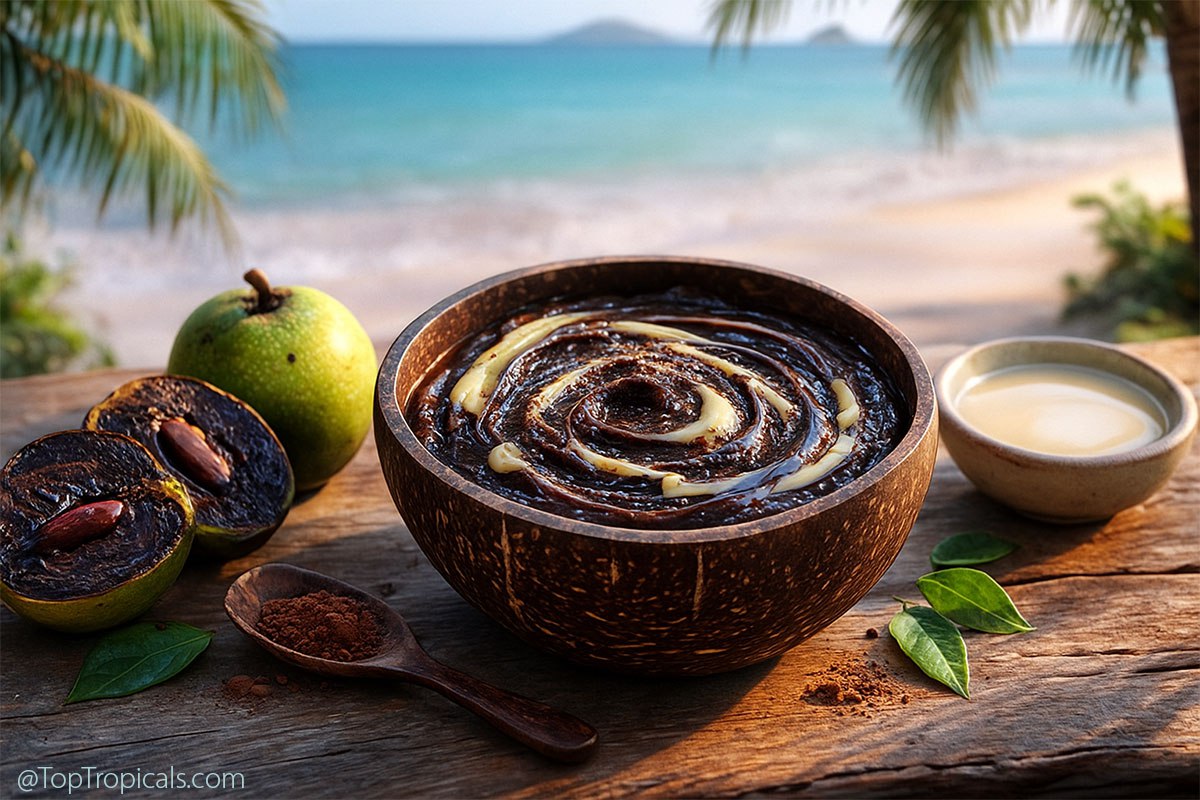
    Black sapote mocha dip: quick-n-fun exotic recipes

    Black sapote mocha dip

    Black sapote mocha dip

    🍴 Black Sapote Mocha Dip

    Ingredients

    • Ripe black sapote fruit (Diospyros digyna), pulp only
    • Cocoa powder, 1 spoon
    • Condensed milk, a light drizzle

    Instructions

    1. Scoop the soft pulp from ripe black sapote fruit and remove any seeds.
    2. Mix the pulp with cocoa powder until evenly blended.
    3. Stir in a light drizzle of condensed milk until smooth and silky.
    4. Serve as a dip or spread and enjoy immediately.


    📚 Learn more:

    Plant Facts

    Diospyros nigra, Diospyros digyna, Diospyros obtusifolia
    Black Sapote, Chocolate Pudding Fruit, Black/Chocolate Persimmon
    USDA Zone: 9-11
    Large tree taller than 20 ftFull sunRegular waterEdible plantSubtropical plant. Mature plant cold hardy at least to 30s F for a short timeFlood tolerant plant

    Black Sapote tree (Diospyros digyna) in Plant Encyclopedia

    #Food_Forest #Recipes

    🟢 Join 👉 TopTropicals

    Date: 15 Dec 2025

    🌿 Bring the Jungle Inside: Winter Survival Guide. Part 3. Watering and Humidity. ❄️


    💦 Water, Humidity, and the Small Things That Decide Who Makes It to Spring

    Smokey  the  tuxedo  cat  checks  soil  moisture  and  wipes  a  monstera  leaf 
 while  Sunshine  the  ginger  cat  relaxes  with  a  watering  can  beside  indoor 
 tropical  plants  in  winter.

    Smokey:"Still damp. No watering today."
    Sunshine:"Great. I am excellent at not watering."
    Smokey:"You have been practicing not doing any work your whole life."

    In Part 1 (Winter Survival Guide: Temperature) we covered the foundation: light, placement, and acclimation. That is the survival layer.

    Part 2 (Winter Survival Guide: Temperature)