Garden Blog - Top Tropicals

Date: 15 Jul 2024

How Mulberry fruit helps with diabetes
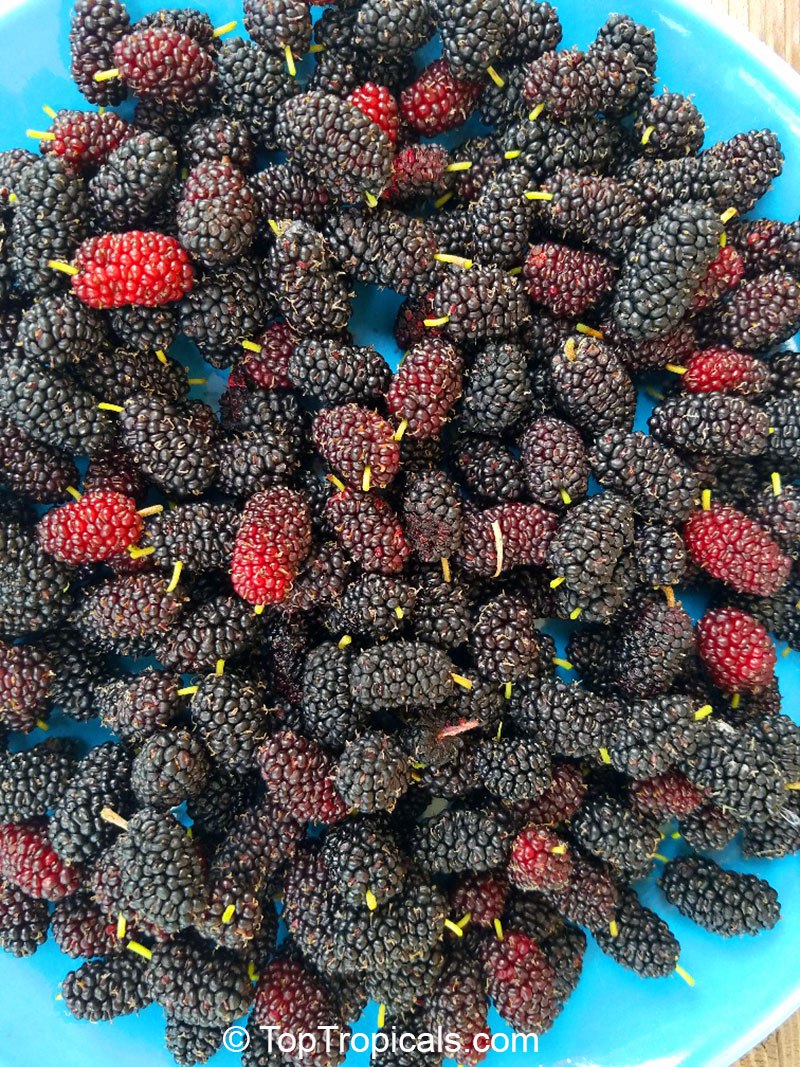
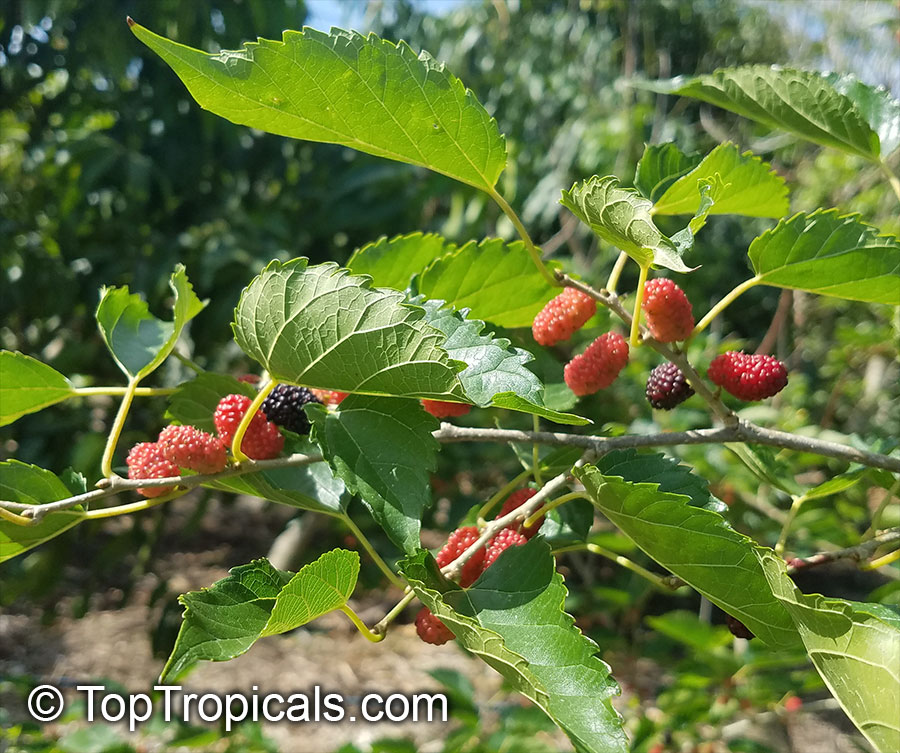
Fruit of Mulberry Tree (Morus x Alba hybrids)
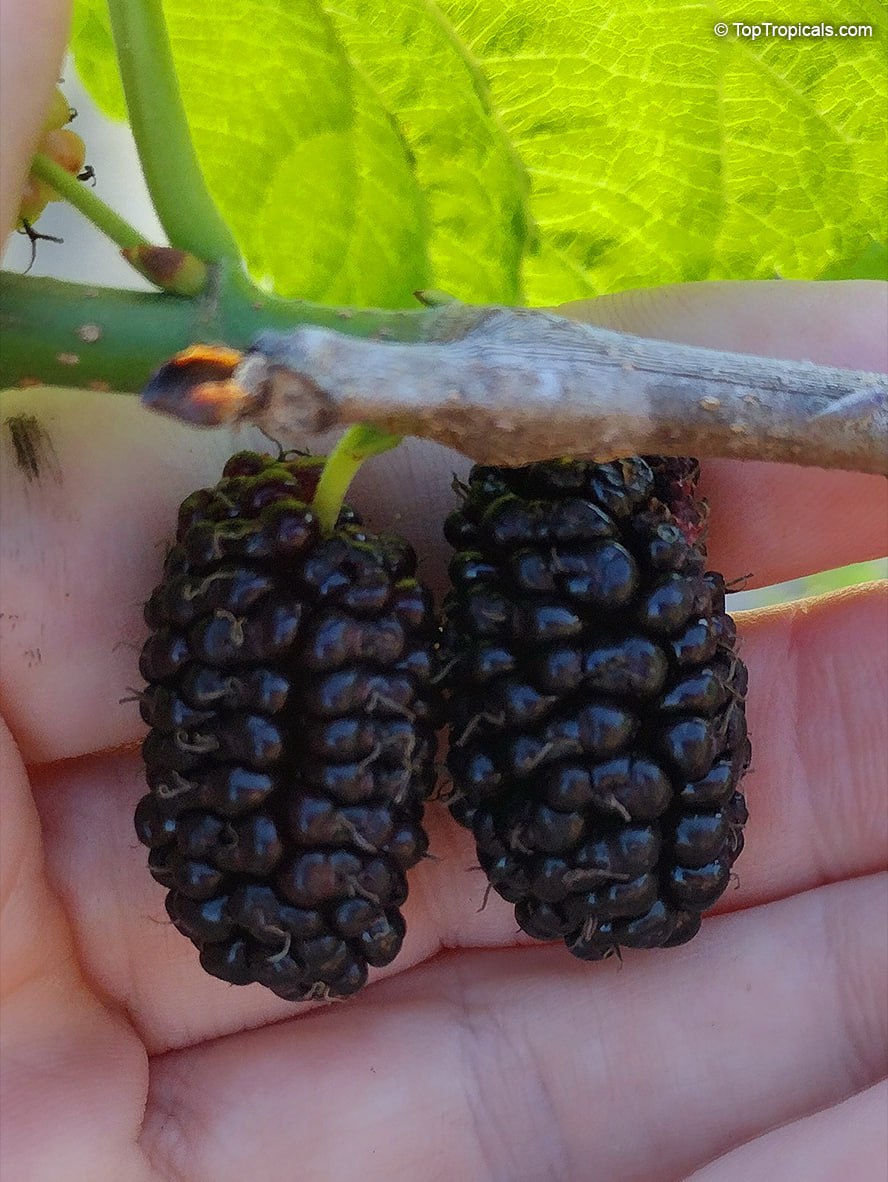
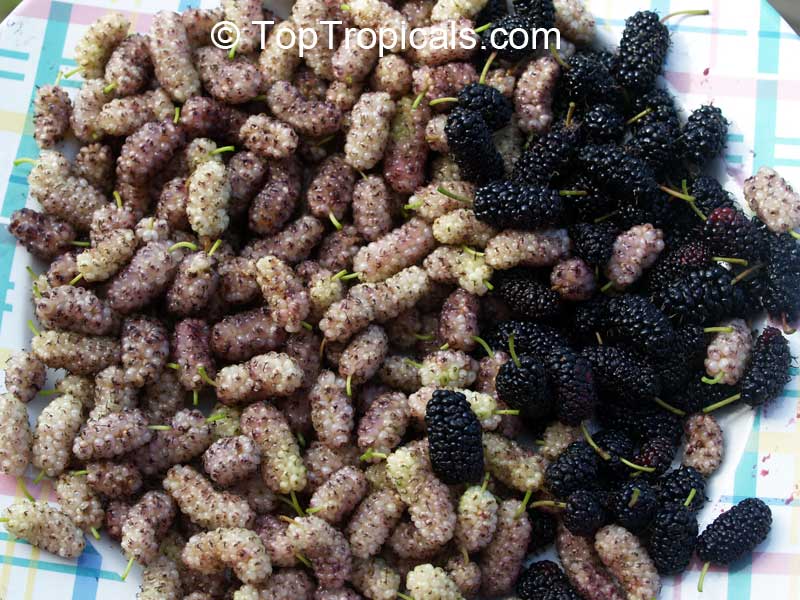
Fruit of Mulberry Tree (Morus x Alba hybrids)

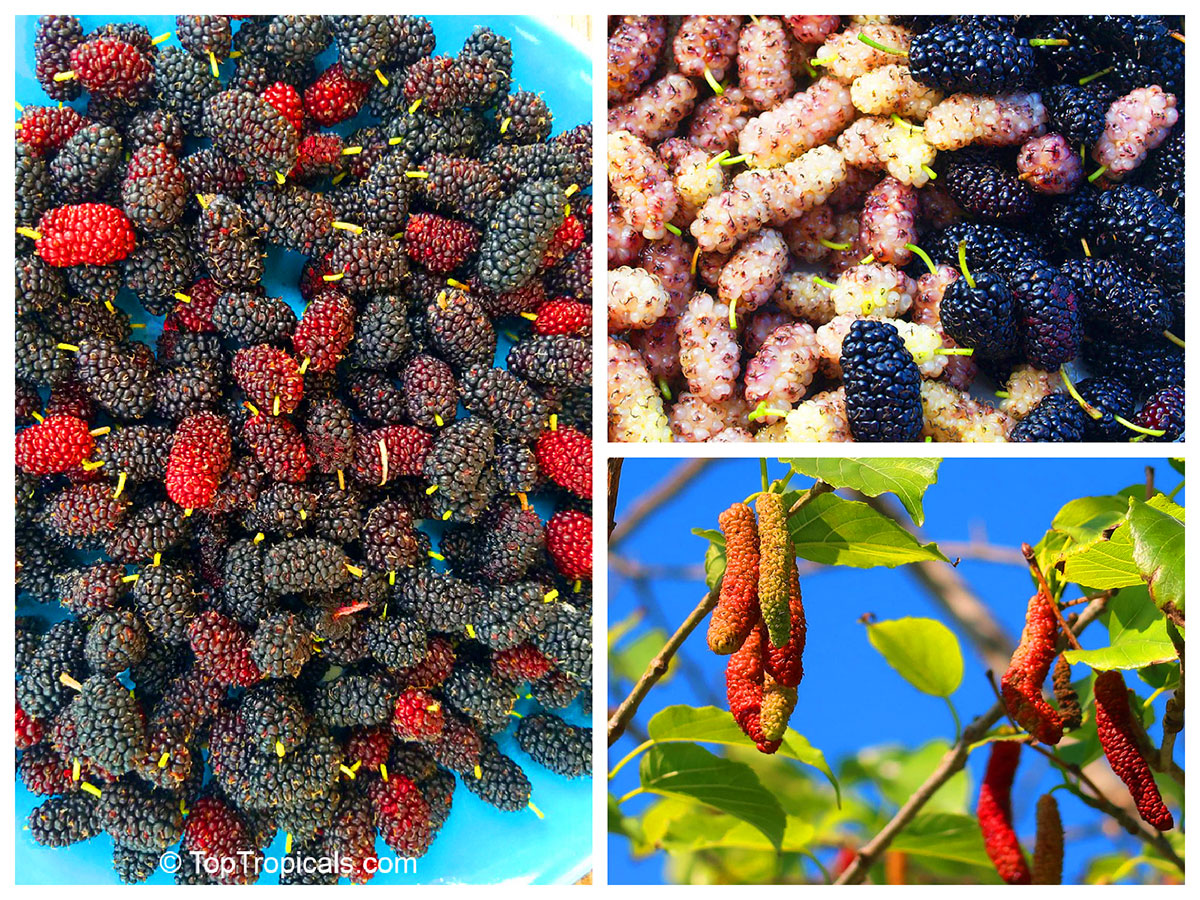
Mulberry fruit

Mulberry fruit

🍇 How Mulberry fruit helps with diabetes
  • 💜 Mulberry Tree (Morus x Alba hybrids) originated from China. Everyone knows this sweet, tasty, juicy fruit but very few people are aware of its amazing health benefits.
  • 💜 Mulberry fruit can lower blood sugar levels in patients with diabetes. They improve the absorption of carbohydrates in the gut. Eating this fruit slows the breakdown of sugar in the stomach so that it's absorbed more slowly into the blood. This helps the body keep blood sugar levels in a healthy range.
  • 💜 Mulberry fruit have a low glycaemic index, making them suitable to consume after meals to avoid spikes in sugar levels.
  • 💜 More health benefits of Mulberry:

  • - help prevent fatty liver diseases, and lower cholesterol levels.
    - Mulberry leaves show their benefits against cardiometabolic risks, including antioxidative, anti-inflammatory, antiobesity
    - Due to flavonoids and other phytochemicals, Mulberry juice has been shown to have anti-cancer properties, specifically against breast cancer cells.
  • 💜 Mulberry is called Tree of Life for a reason.

  • Revelation 22, Verse 2: "In the midst of the street of it, and on either side of the river, was there the tree of life, which bare twelve manner of fruits, and yielded her fruit every month, and the leaves of the tree were for the healing of the nations."
  • 💜 Mulberry Tree is very cold hardy and can grow in wide range of climate zones, from USDA 5 to 10. Dwarf cultivars available - perfect for container culture. One of them is called Dwarf Everbearing - it fruits virtually year around!


🛒 Plant your own Mulberry tree

#Food_Forest #Remedies

🏵 TopTropicals

Date: 26 Aug 2024

Top ten fast-fruiting trees

Cat fruit in a box

Q: I would like to plant several fruit trees... I am 85 years old and hope to see them fruiting soon. What fruit trees can you recommend that will fruit quickly?

A: Most grafted fruit trees, such as Mango, Avocado, and Peaches, will fruit quickly - often within the same year or the next. There are also many wonderful tropical fruits that will produce for you within a year or two, even without the need for grafting. Below are the top 10 of most popular, most rewarding and easy to grow fast fruiting tropical trees:

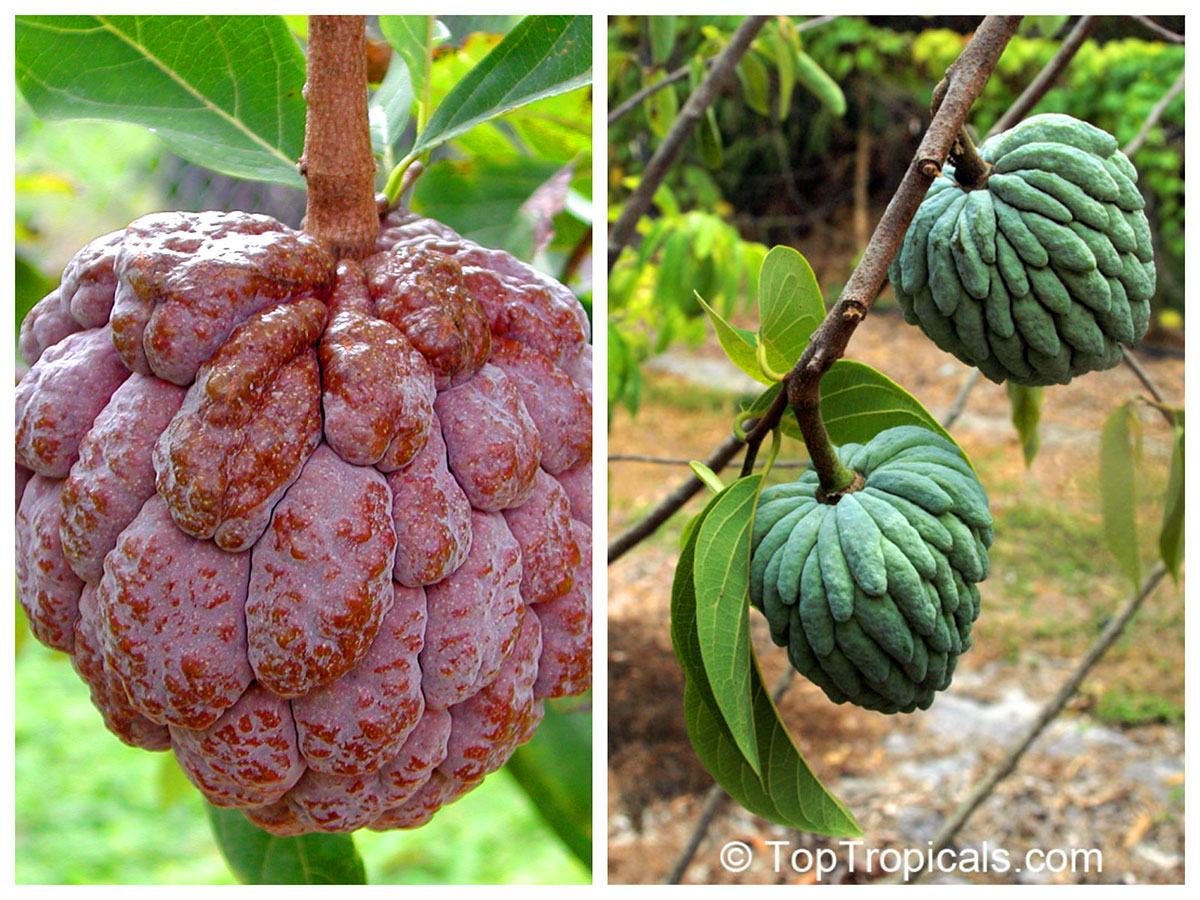
1. Annona - Sugar Apple, Custard Apple.

Annona - Sugar Apple, Custard Apple

Annonas are the fastest fruiting trees: 2-3-4 years from seed to fruit, depending on species. They are the best tropical fruit trees suited for container growing, due to their small height and can be maintained within 6-8 ft tall.

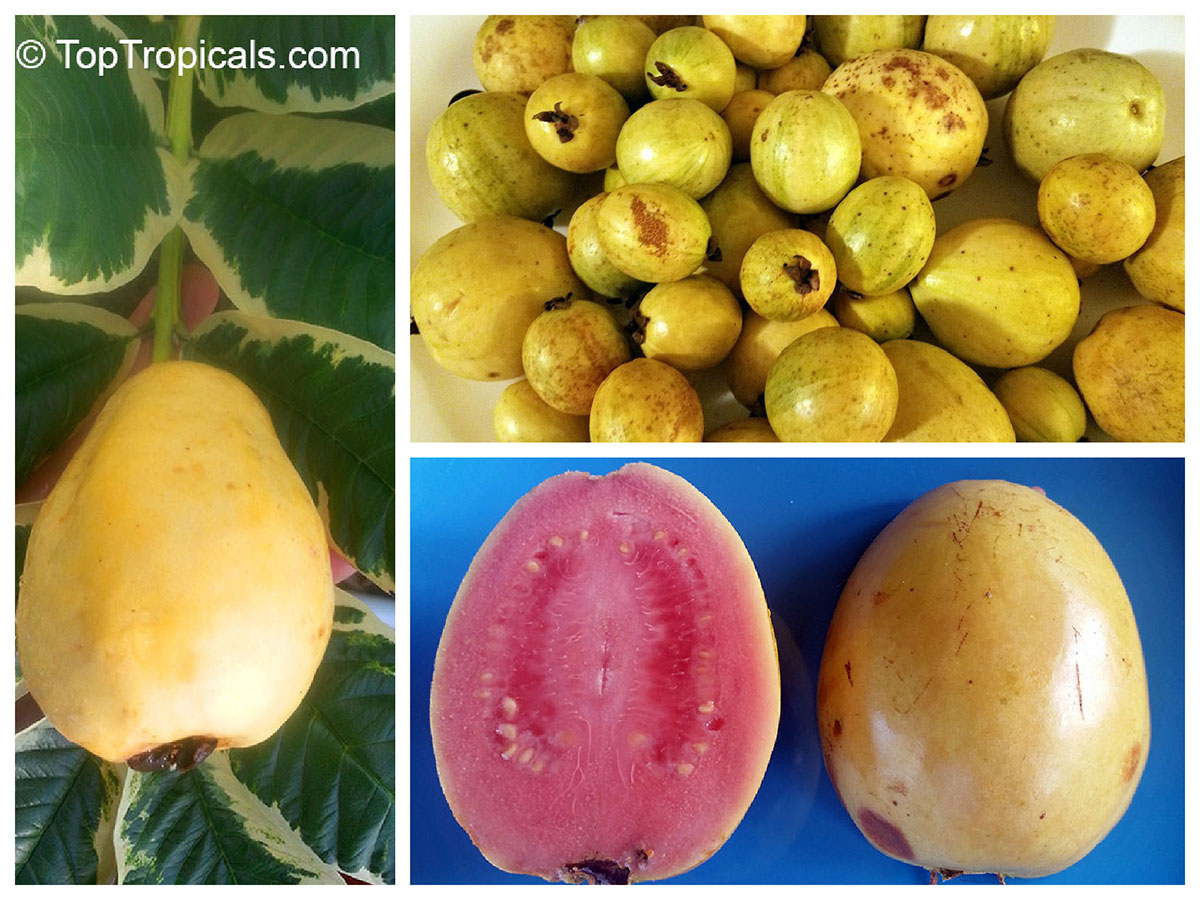
2. Guava (Psidium sp.): Cattley and Tropical guava

Guava fruit - Psidium

Guava is a reliable producer, starts fruiting in a pot at small size. Some varieties, especially Cattley guavas - Psidium littorale - are relatively cold hardy and can take some frost without damage. Guavas are fast growing small trees or large bushes.

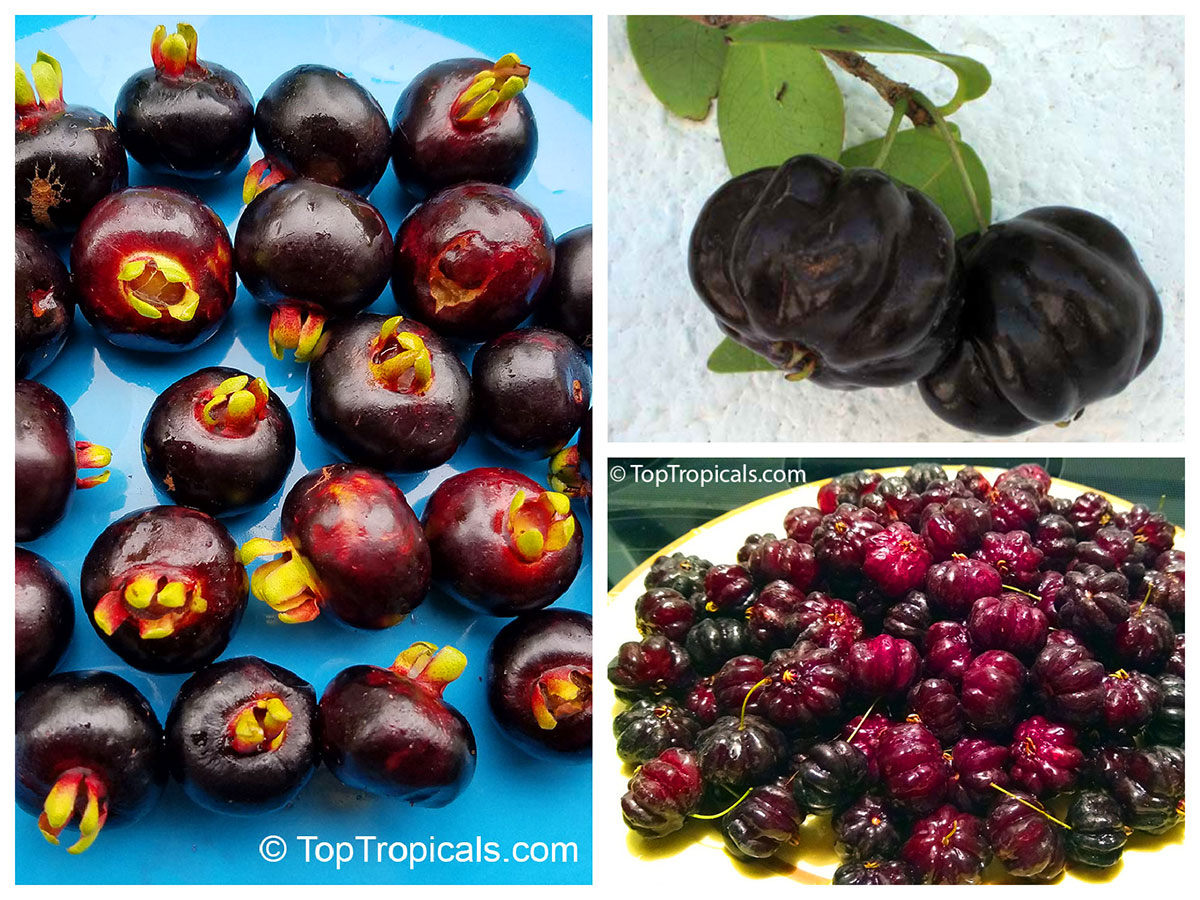
3. Eugenia - Tropical Cherries

Eugenias - Tropical Cherries

Eugenias are favorites of Southern gardens. They are relatively cold hardy and start producing right away. Black Surinam Cherry Lolita and Grumichama are our favorites!

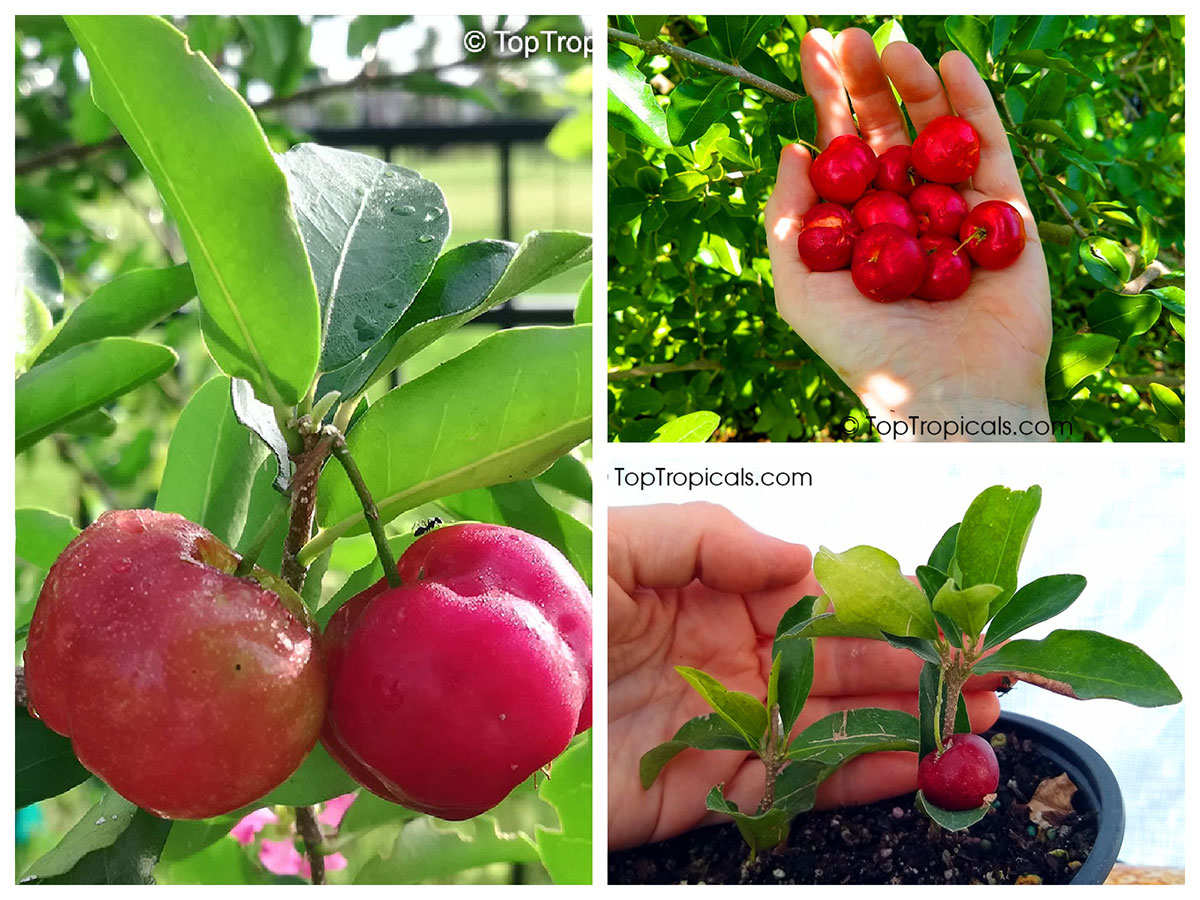
4. Barbados Cherry (Malpighia glabra)

Barbados Cherry - Malpighia glabra

Another exceptional tropical cherry is Barbados Cherry. It is super popular as a heavy producer. The plant can start fruiting when it's only a few inches tall! If you are looking for a compact, but fast growing tree with colorful fruit that starts fruiting right away - plant Barbados Cherry. It will also happily fruit in containers.

5. Eriobotrya (Eriobotrya japonica)

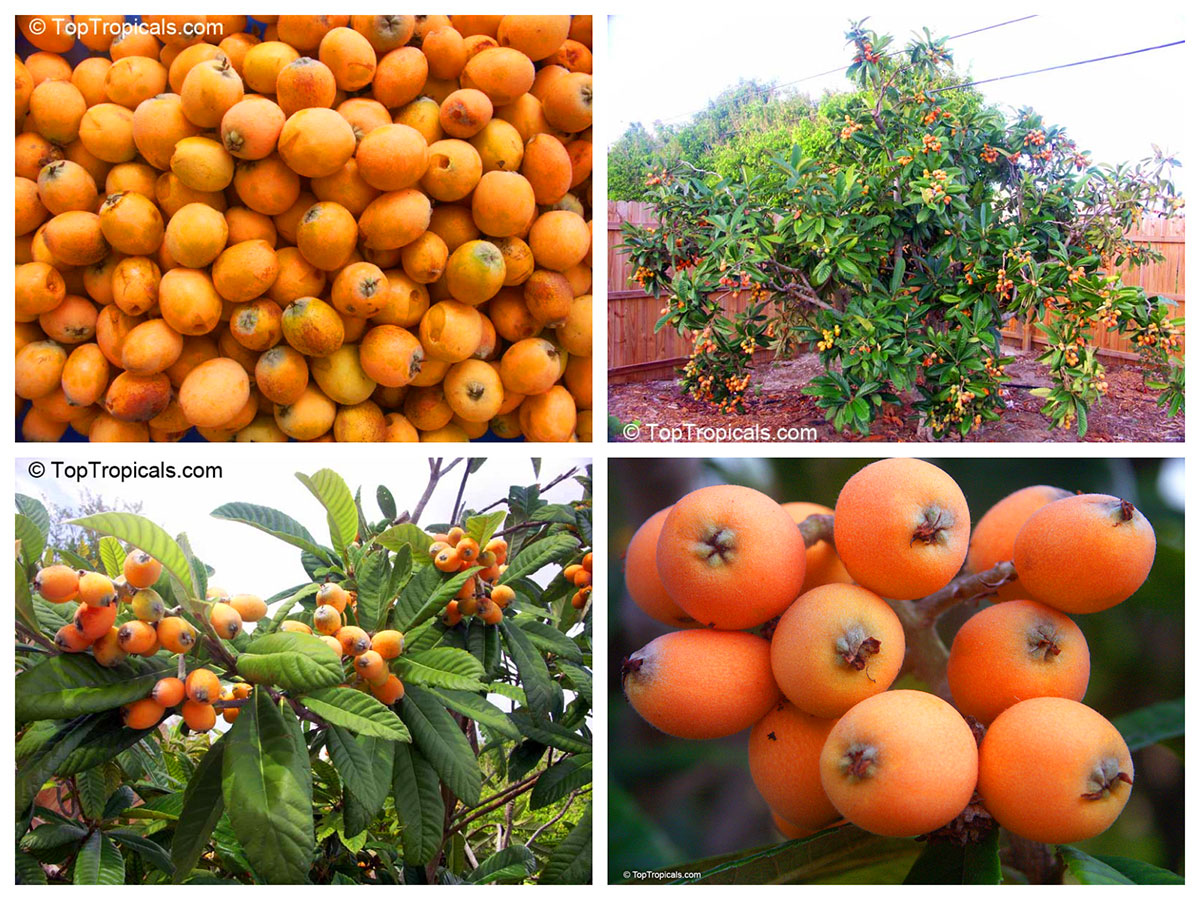
Loquat - Eriobotrya japonica

Loquat tree is fast-growing, drought-tolerant, cold-tolerant, compact tropical fruit tree. It is a heavy producer. Fruits are juicy, aromatic, and resemble apricots. Ripen from early Spring to early Summer. Ideal for small gardens, beginner fruit tree growers.

6. Papaya (Carica papaya)

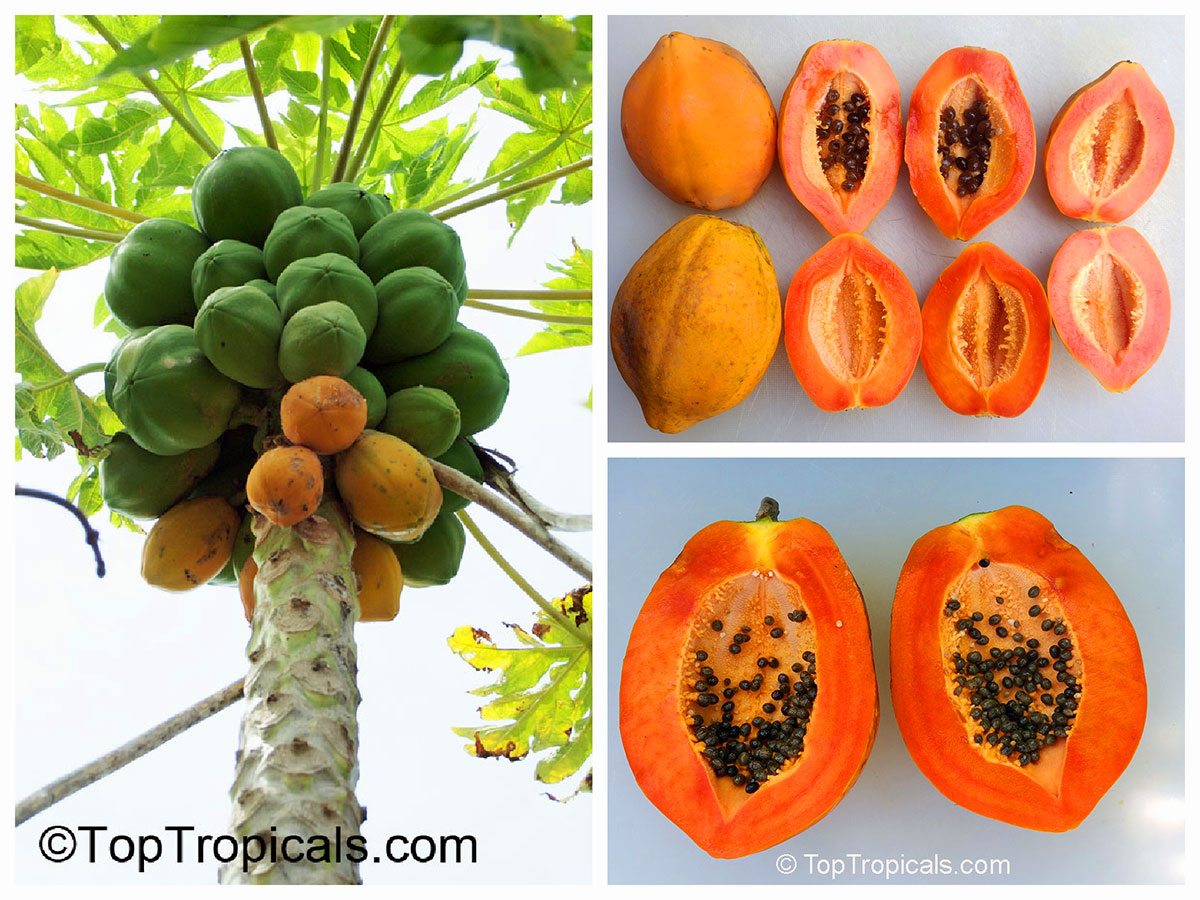
Papaya

Papaya is probably the fastest fruiting tree that can start production the same year from planting a seed. Many dwarf varieties available in selection, reaching only 6-8 ft tall, but producing large crops of full size fruit - they are easy to harvest. Plant 2-3 Papaya trees of different cultivars that fruit at different times of the year and enjoy heavy crops of healthy fruit year around! Another benefit - this tree doesn't take much space in the garden, you can plant as many as you want.

7. Mulberry (Morus hybrids)

Mulberry

Mulberry is very cold hardy and can grow in wide range of climate zones, from USDA 5 to 10. Everyone knows this sweet, tasty, juicy fruit. The tree will produce right away, you will see fruit the next season after planting, and the tree grows fast.

8. Carambola - Starfruit (Averrhoa carambola)

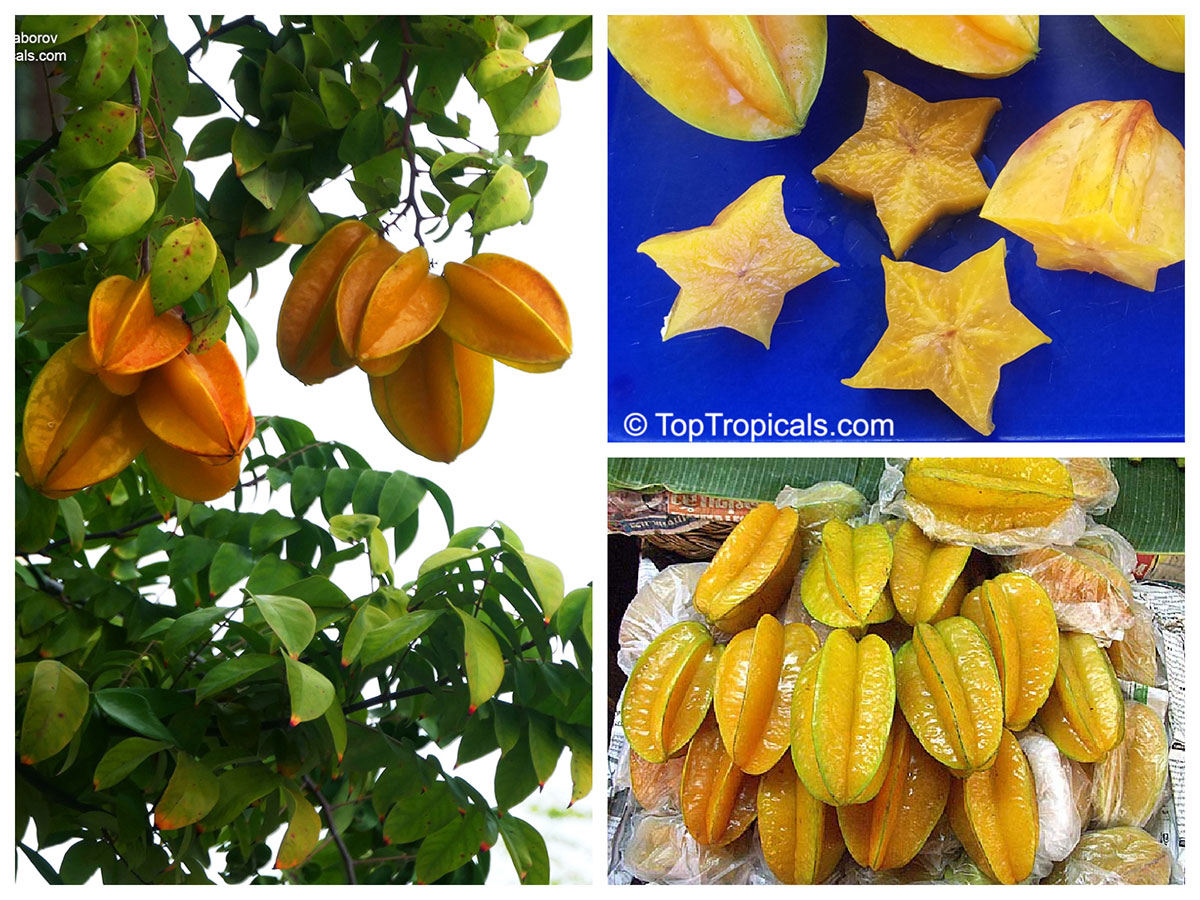
Carambola - Starfruit, Averrhoa carambola

Growing Carambola tree is a fun and rewarding way to enjoy this unique star-shaped delicious fruit right at home. It fruits on the 3d year from seed. The tree is easy to grow and reliable producer, providing wind protection.

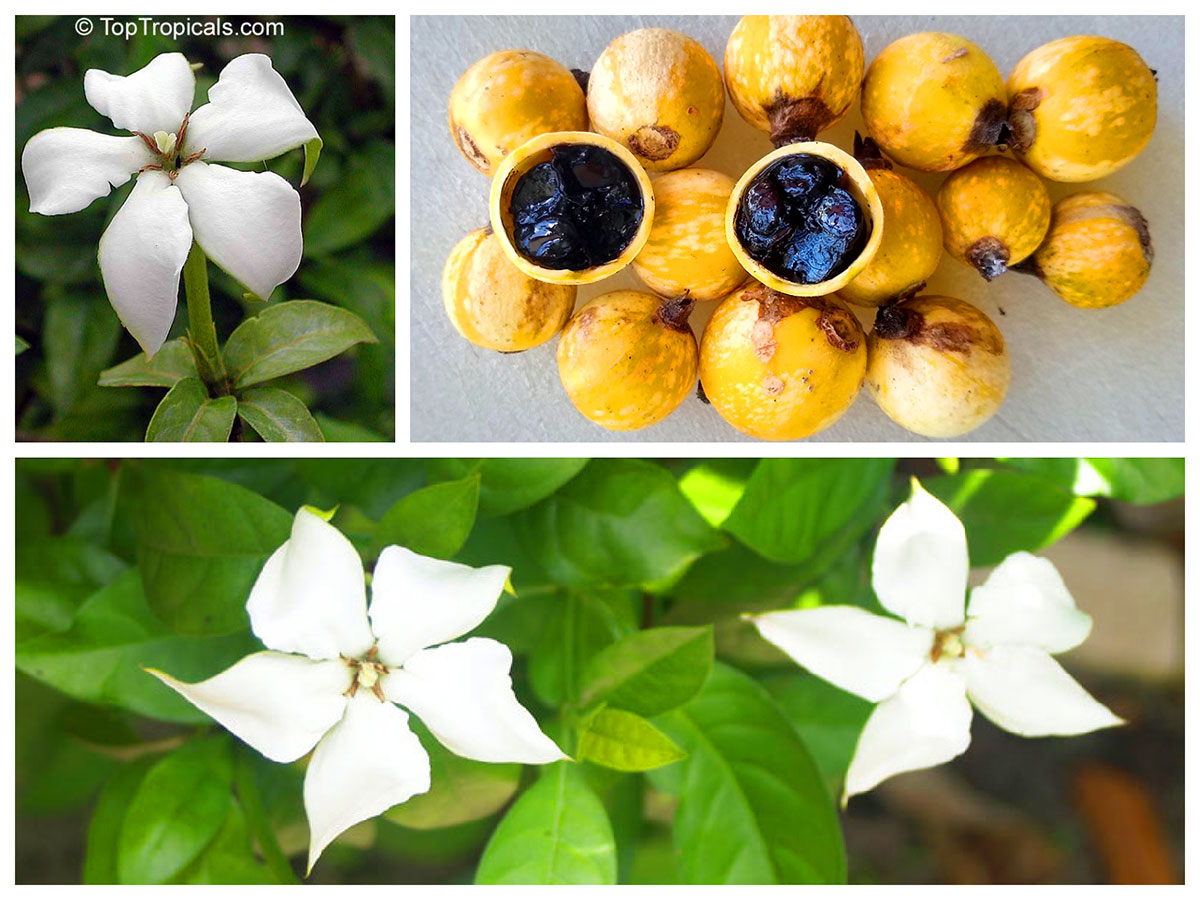
9. Blackberry Jam Fruit (Randia formosa)

Blackberry Jam Fruit - Randia formosa

Blackberry Jam Fruit, Jasmin de Rosa is a curious small evergreen tree or bush that combines features of a fragrant flower and delicious dessert fruit which tastes like fresh Blackberry jam. Fragrant white flowers are similar to Gardenia.

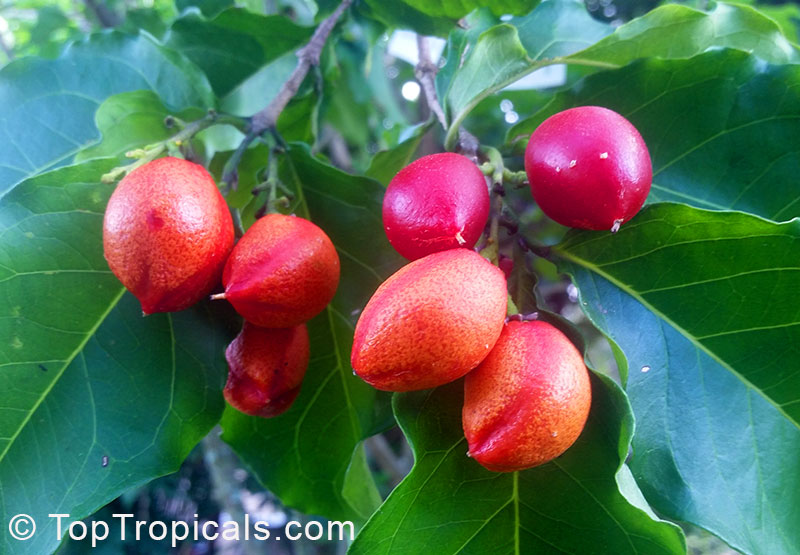
10. Peanut Butter Tree (Bunchosia argentea)

Peanut Butter Tree - Bunchosia argentea

Peanut Butter Tree, earns its name from its fleshy fruits that boast a delightful peanut butter flavor. Compact in size, small tree reaching only 10-15 ft or kept as a bush, it's a perfect choice for limited spaces. Can thrive indoors, starting to fruit within just 2-3 years from seed.

Date: 20 Apr 2019

More about Mulberries

TopTropicals.com

Customer comment on our Mulberry column in the previous newsletter:

...I planted a Himalayan mulberry, Morus macroura, about six years ago. For several maddening years, it shot only very long, un-branching tentacles out there, and it resisted my efforts to force some branching by pruning. It would send another long, reaching shoot from the tip of the pruned branch, with NO laterals. Several times, it did this. Finally, two years ago, it broke buds that looked like they meant it all along those long branches, and in one season, it fluffed out. The next season it elaborated on this, acting much more like a proper tree. The fruit is fabulous, three or more inches long, very sweet, with a rich berry flavor that's more raspberry than mulberry. I guess it just needed more time. My understanding is that mulberries don't really like to be pruned, but it needed to happen in this case, along a driveway, so I reigned it in, and now it's a treasure. Be patient.
Cheers, your admirer, C

Check out our Mulberry trees.

Date: 17 Apr 2019

Mulberries - biggest, sweetest, and compact...

TopTropicals.com

Q: What is the difference between Pakistani and Australian Mulberry plants? Would one be better suited for South Florida backyard? Can one be maintained/pruned to be a tall shrub vs a large tree? Which one has the sweetest fruit? Thank you for the previous plants we've purchased from you. They're all doing great.!

A: These two varieties are very similar indeed. Both fruit are very large. Var. Pakistani fruit is a little longer than var. Australia and the tree is a more vigorous grower, but they both are very sweet, even before the fruit fully ripen. Both trees are a good choice and start fruiting at a young age.
We've had Australia in the ground in our garden for 4 years by now and for some reason, it has been very slow growing which is normally not the case with Mulberries. Maybe it is not fully happy with FL humid conditions.
There are two Mulberry varieties that can be maintained as bushes: Issai and Dwarf Everbearing. However, even vigorous Mulberry trees respond well to pruning and can be kept compact for easy harvesting. Just make sure to prune before the flowering season starts; here in S Florida Mulberries start flowering in March, and fruit start ripening during April-May.

Check out our Mulberry trees.

Date: 4 Feb 2017

Groundhog Day Feb 2

On Groundhog Day Feb 2: Groundhog Punxsutawney Phil saw his shadow on Thursday morning, predicting six more weeks of winter during Groundhog Day festivities at Gobbler's Knob, a small hill just outside Phil's hometown.
According to folklore, if it is cloudy when a groundhog emerges from its burrow on this day, then the spring season will come soon; if it is sunny, the groundhog will supposedly see its shadow and retreat back into its den, and winter weather will persist for six more weeks.
Phil promised long winter, however, we should not cry in despair but starting to get ready for Spring!

Spring Check List:
- Make sure min temperatures are above 45F before you start bringing potted plants outside.
- When active new growth appears from buds, after-winter pruning can be done.
- You may start weekly fertilizing as soon as night temperatures raise above 55F.
- Start planting in the ground as soon as there are no more chances of frost, until then keep newly arrived plants in pots so they get better established.
- Low chill cold hardy fruit trees including Peaches, Nectarines, Plums, Apples, Mulberry, Loquats go in the ground first, so you can enjoy their blooms and early fruit set. Plant Pomegranates, blueberries and cranberries, raspberries and blackberries, grapes.
- Water as needed, still keeping on dry side until afternoons get hot and plants start using more water.
- Start seeds indoors. The sooner the better, to give seedlings more time to establish before planting out in the ground.

Overwintering Magnolia (Michelia)

Michelia alba Question: I have a question about Michelia alba. My Michelia alba leaves turning yellow and losing leaves. When I brought it inside for the winter, after the leaves falling off new one grow back not all of them grow back and now the new the branches start to die. I water once a week.

A: Whenever moving a plant in or out of the home it is always best to do it gradually. Moving a plant all in one day will cause stress to the plant due to environmental changes such as, new humidity levels, new light levels and new watering requirements. Michelias usually loose their leaves once in the spring and once before winter but grow them back right away. Now that your plant is inside with less humidity, light and leaves, you only need to water once the soil as almost dried out. You will need to stick your finger in the soil to see if it is still wet as the top layer dries before the under layer. If the branches are starting to die at the tips this usually means too much water. Move the plant to a bright light window, decrease water and you may want to also use a humidifier.