Garden Blog - Top Tropicals

Date: 12 Jul 2024

How does Zig-Zag Cactus grow

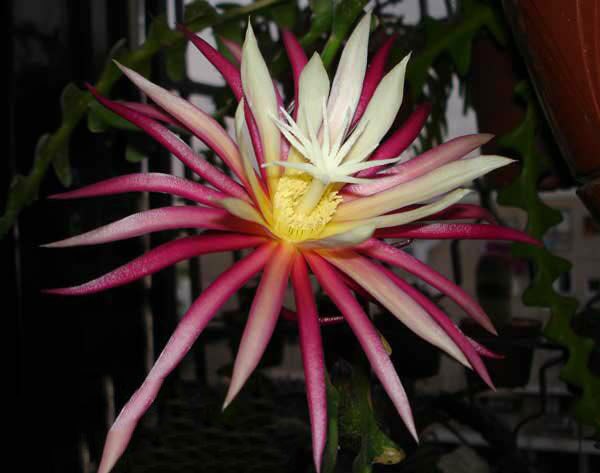
Cryptocereus anthonyanus - Zig-Zag Cactus flower

Cryptocereus anthonyanus - Zig-Zag Cactus flower

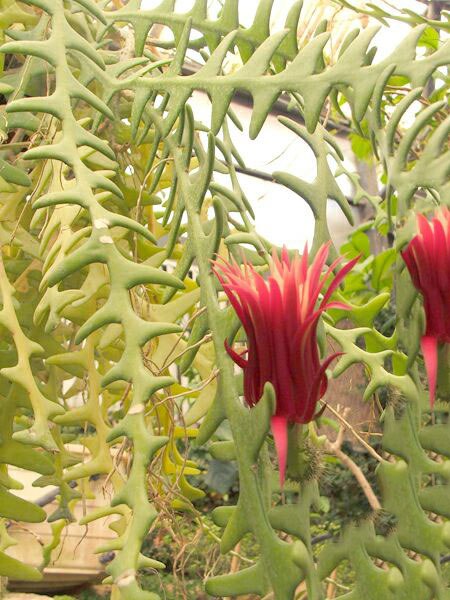
Cryptocereus anthonyanus - Zig-Zag Cactus

Cryptocereus anthonyanus - Zig-Zag Cactus

Cryptocereus anthonyanus - Zig-Zag Cactus

Cryptocereus anthonyanus - Zig-Zag Cactus

⚡️ #Fun_Facts: Zig-Zag Cactus

Cryptocereus anthonyanus (Zig-Zag Cactus) has zigzag-shaped stems and beautiful night-blooming flowers that make it a fascinating addition to cactus collections.

🛒 Order Zig Zag Cactus

#Container_Garden

🏵 TopTropicals

Date: 24 Jun 2018

TopTropicals

Mysterious Night Blooming Cactus - Epiphyllum. How to grow it?

Q: My friend has a huge Queen of the Night Cactus, and the blooms are so gorgeeous! She gave me a cutting but I am not sure how do I plant it? How long will it take till it starts blooming? Is it true that it has only one flower once a year and only at night?

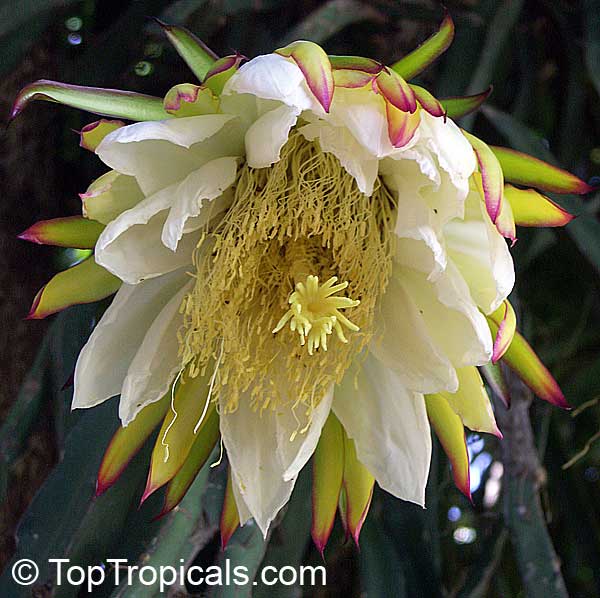
A: Queen of the Night is a very popular and yet mysterious plant. The flowers open once a year after sunset for one night. However the flowering period can last a month or two during the warm season. So each flower lasts only one night, but there will be more flowers to come! In the Nature, Epiphyllum oxypetalum - Queen of the Night - grows on trees in the jungles of Central and South America. It is actually very easy to grow as an indoor plant in colder climates. Here is South Florida we grow them outside in hanging baskets. This is how to start Queen of the Night from a cutting:
1) Put the cutting in a dim, dry place for three days, with no soil and its base exposed to the air, so it will form a callus.
2) Fill a 4-6-inch pot with slightly damp potting soil or succulent mix. Insert the cutting 1 or 2 inches into the soil and tamp the soil around its base.
3) Place the pot where the cutting will get bright light, but no direct sun. Spritz it occasionally with a spray bottle of water to keep the soil only slightly moist. It should root in couple weeks.
4) Keep the plant on an east- or west-facing windowsill where it will receive direct sunlight only in early morning or late afternoon. Water the cactus until water runs out of the pot's drainage holes. Dump the excess out of the pot's saucer immediately, and wait until the surface of the soil is dry to the touch before watering your cactus again.
5) Fertilize once a month from March through October with a balanced plant food, and apply micro-elements once a month for a healthy vigorous growth. Refrain from feeding the plant in December and January.
6) Position the cactus in partial shade under a porch roof or tree, if you decide to move it outdoors during the summer. This plant likes summer humidity!
7) Repot the cactus only once every two years or so, to keep it slightly root bound. Wait until after it flowers in summer, and repot it after it blooms. Prune off any damaged growth at that time as well.
8) Move the plant to a cooler room over the winter months, one that remains dark during the evening hours with temperatures above 45 degrees. Reduce the frequency of watering, waiting until its soil is dry. Resume regular watering in March.

If grown from cutting, it may take 2-3 years until the plant starts blooming, so if you don't want to wait that long - just get a blooming size plant from our store!

We only have a few plants... if sold out, add to wish list and we will have more soon!

Date: 15 May 2024

What does a dragon taste like? Does Dragon Fruit come from a monster cactus? Learn why you need to grow your own

Hylocereus and Selenicereus Dragon Fruit or Pitaya

Hylocereus and Selenicereus Dragon Fruit or Pitaya

Hylocereus and Selenicereus Dragon Fruit or Pitaya trees on trellis

Hylocereus and Selenicereus Dragon Fruit or Pitaya trees on trellis

Hylocereus and Selenicereus Dragon Fruit or Pitaya on trellis

Hylocereus and Selenicereus Dragon Fruit or Pitaya on trellis

Hylocereus and Selenicereus Dragon Fruit or Pitaya red fruit

Hylocereus and Selenicereus Dragon Fruit or Pitaya red fruit

Hylocereus and Selenicereus Dragon Fruit or Pitaya purple fruit

Hylocereus and Selenicereus Dragon Fruit or Pitaya purple fruit

Hylocereus and Selenicereus Dragon Fruit or Pitaya Yellow Parlora

Hylocereus and Selenicereus Dragon Fruit or Pitaya Yellow Parlora

Hylocereus and Selenicereus Dragon Fruit or Pitaya flower

Hylocereus and Selenicereus Dragon Fruit or Pitaya flower

🐲 What does a dragon taste like? Does Dragon Fruit come from a monster cactus? Learn why you need to grow your own. 🌵
  • 🔴 You may have tried a Dragon fruit from the store l, but do you know how it grows? On a cactus tree!
  • 🔴 Names: varieties of Hylocereus and Selenicereus - these fruit bearing cactus plants are also called Dragon Fruit or Pitaya.
  • 🔴 Commercially grown fruit sold in a grocery store may be tasteless. You need to grow your own good variety to have tasty, sweet, flavorful fruit!
  • 🔴 Dragon fruit comes in many varieties. Colors of flesh differ: white, pink, dark red and even purple. The outside of the fruit can be red/pink or yellow.
  • 🔴 In commercial groves, Pitayas grow like cactus trees, over a strong support - big "umbrella frames" ☂️
  • 🔴 It is an easy plant, with low water needs, takes both sun and semi-shade.
  • 🔴 Our favorite variety is Yellow Dragon Fruit Palora, (Selenicereus megalanthus). It is the sweetest and has the most flavor of all. We shared some recipes earlier.
  • 🔴 Can be grown in container with a wooden trellis. And the flower is beautiful, too!


📚 Learn more about Dragon Fruit
🍹 Recipe: What to do with a Dragon fruit?

🛒Grow your own Tasty Dragon Fruits

#Food_Forest #Recipes #Nature_Wonders

🏵 TopTropicals

Date: 14 Jun 2024

Stop! Dont touch! Just smell that magic fragrance

Easter Lily Cactus (Echinopsis sp)

🌵 Stop! Don't touch! Just smell that magic fragrance... 😭
  • 💠 Easter Lily Cactus (Echinopsis sp) is native to Brazil and Argentina. It is a globular cactus that produces splendid night-blooming, white fragrant flowers up to 10" long!
  • 💠 Big, white or pink, fragrant blooms.
  • 💠 Flowers open at night or early morning, creating a magical experience.
  • 💠 Blooms last only a day or two, making each one special.
  • 💠 Cool shapes: unique, spiny, ribbed bodies come in different forms and sizes.
  • 💠 Easy Care: low-maintenance, very little water, lots of sunlight, and well-draining soil. Adapted to survive in harsh, dry environments, it can take both drought (obviously - cactus) and rainy seasons (like we have in Florida).
  • 💠 Great for water-saving gardens and container culture.
  • 💠 Many species and hybrids to collect, with a range of colors and forms.


What other cactus species with fragrant flowers do you know? Share in comments👇

🛒 Order online

#Nature_Wonders #Container_Garden

🏵 TopTropicals

Date: 9 Aug 2021

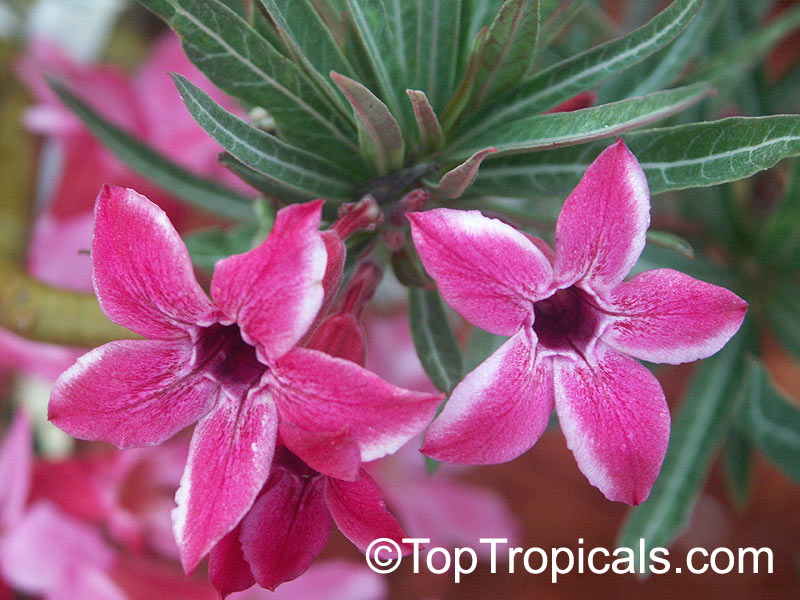
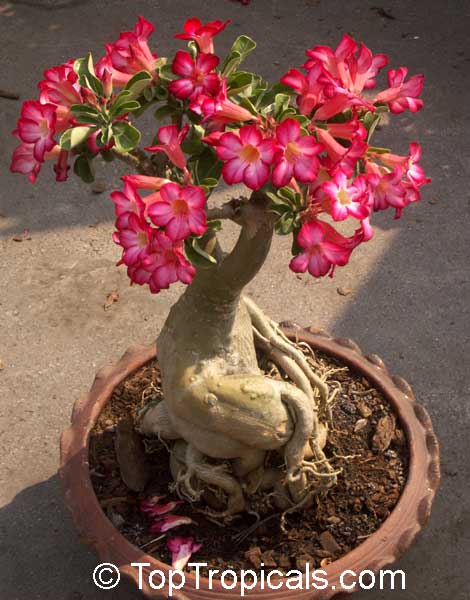
Care of Desert Roses

Q: I am looking forward to my three desert roses I just ordered from you and I am wondering how to take care of them, especially during winter time. Should I put the pots in full sun or shade? What kind of soil do they like? How often should I water them? When it gets cooler, should I bring them inside? We do have occasional frost here during winter.

A: Here are a few tips for your desert roses:

1. When received Adenium from mail-order, unpack carefully; branches are fragile. Plant in well-drained potting mix. Cactus mix will do, but we recommend special Adenium mix. If using regular acidic peat-based potting mix, you may add sea-shells on top of soil to neutralize acidity: adeniums prefer alkaline soils. Using clay pots is beneficial. Water once and do not water again until soil gets dry. Place in bright shade until new leaves sprout, then the plant can be moved to full sun.

2. Adenium is a succulent, but not a cactus. It needs watering, however let soil dry before waterings. Reduce watering during cool season and discontinue when plant gets dormant (drops all leaves in winter).

3. Bright light is the best for profuse flowering. However, adeniums look much healthier in slightly filtered light rather than in all-day full sun.

4. Fertilize and spray leaves with liquid fertilizer SUNSHINE Megaflor - Nutrition Bloom Booster. Phosphorous is responsible both for flowering and caudex development. Avoid caudex, spray over foliage only. Dry fertilizer can be used only during hot months.

5. Watch for spider mites during hot and dry season.

6. Give plants a break during winter dormant season. Keep in bright shade and reduce watering to 1-2 per month or stop watering if temperature is below 65F.

More info on growing Desert Roses:
What you need for successful growing Adeniums
Overwintering Adeniums outside of tropics
Growing Exotic Adeniums - Growing Exotic Adeniums