Date: 18 May 2024
What was discovered in the Pyramids: Pigeon Pea - an Ancient Superfood
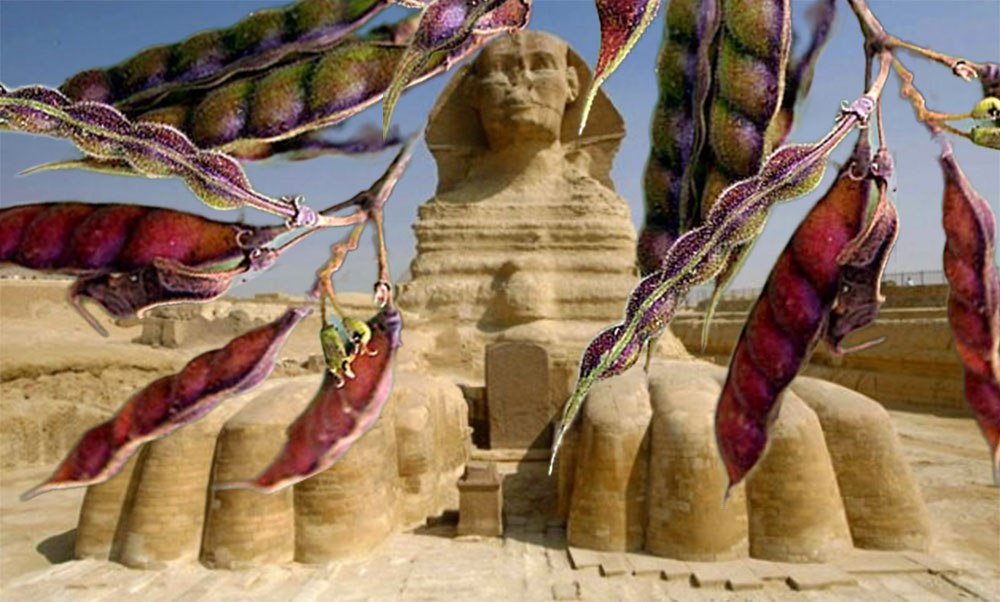
Cajanus cajan - Pigeon Pea and Egyptian pyramids
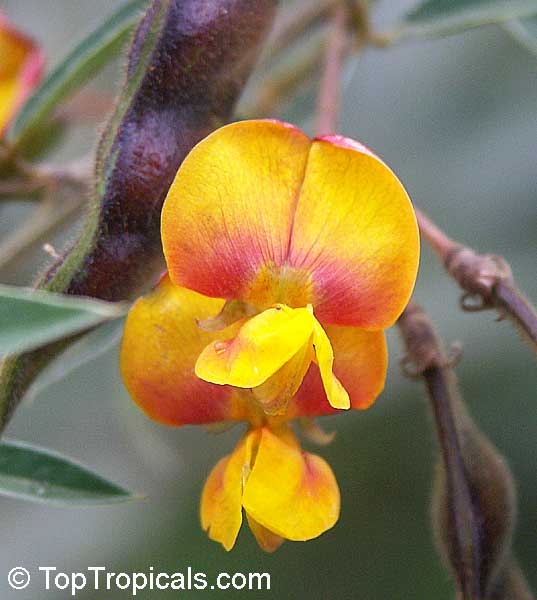
Cajanus cajan - Pigeon Pea
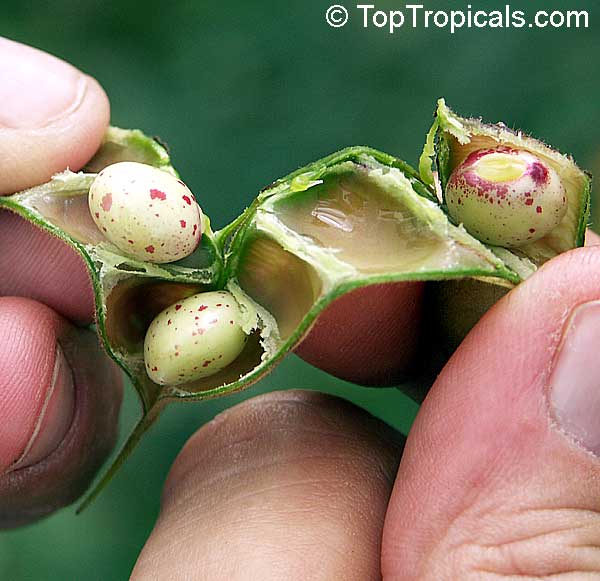
Cajanus cajan - Pigeon Pea
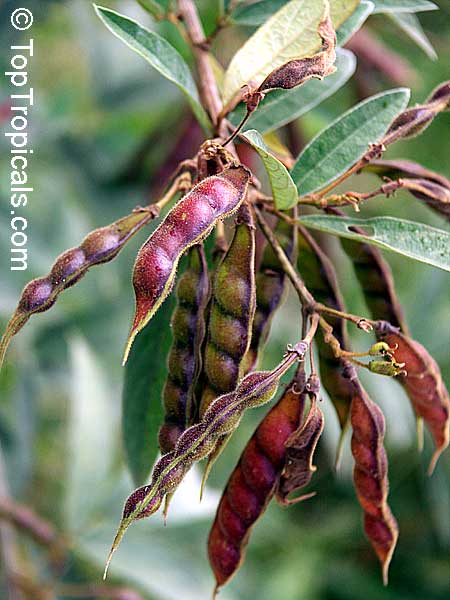
Cajanus cajan - Pigeon Pea
What was discovered in the Pyramids: Pigeon Pea - an Ancient Superfood...
-
Cajanus cajan
- Pigeon Pea - existed for more than 4800 year!
It's been widely consumed in South Asia, South East Asia, Africa, and Latin America. Documented in India since 2,800 BC; reached Ancient Egypt around 2,200 BC. -
Provides flavorful, nutritious, and healthy food
, with potential to become widely popular like Japanese sushi 🍱 -
It is a showy perennial
woody shrub or small tree, 4-8 ft tall, with soft leaves. Can be grown in container Pretty flowers
are yellow, with purple or red streaks, pods containing oval to round seeds.-
Many culinary uses:
the tasty and healthy beans used in rice dishes, soups, stews, tempeh, tofu. Unripe pods eaten in curries, leaves and young shoots cooked as a vegetable. -
Rich source of fiber, protein, vitamins
(B, C, E, K), and minerals (calcium, iron, magnesium, manganese, phosphorus, potassium, zinc). -
Medicinal value:
various folk medicinal uses for sores, bladderstones, jaundice, skin irritations, bronchitis, coughs, pneumonia, toothache, dysentery, and more. -
Everyone can grow it!
The plant is super easy, tolerates poor soils, drought tolerant, improves soil quality like many other beans.
📚 Learn more about Pigeon Pea
🛒Grow your own Pigeon Pea Superfood
#Food_Forest #Remedies #Container_Garden #Fun_Facts
🏵 TopTropicals