Garden Blog - Top Tropicals

Date: 16 Jun 2023

10 tips how to care of tropical garden
during hot Summer

Cats in shade of tropical plants

Q: Do you have any special recommendations how to take care of plants during hot season, to reduce heat strees?

A: Tropical plants prefer temperatures of 70-90F, except for heat-adapted desert plants. High temperatures above 90F can cause slowed metabolism and signs of stress like wilting, yellowing, and leaf drop. Hot and humid conditions attract pests and fungal diseases. To keep your plants stress-free and healthy, during Summer:

1. Monitor temperature and signs of stress.
2. Provide shade to regulate heat exposure: use shade cloth or simply a sheet of fabric as needed to protect lush foliage from burns.
3. Choose heat-tolerant plant varieties.
4. Plant in groups and levels, with trees protecting smaller shade loving plants (see companion planting).
5. Water deeply in the morning or evening to prevent evaporation.
6. Mulch to conserve moisture and regulate soil temperature.
7. Air: ensure good air circulation.
8. Trim damaged foliage and crowded branches.
9. Fertilize: use appropriate fertilization to improve plant heat tolerance. Remember, plants need lots of food during active growth period.
10. Remove weeds, pests, and diseases promptly.
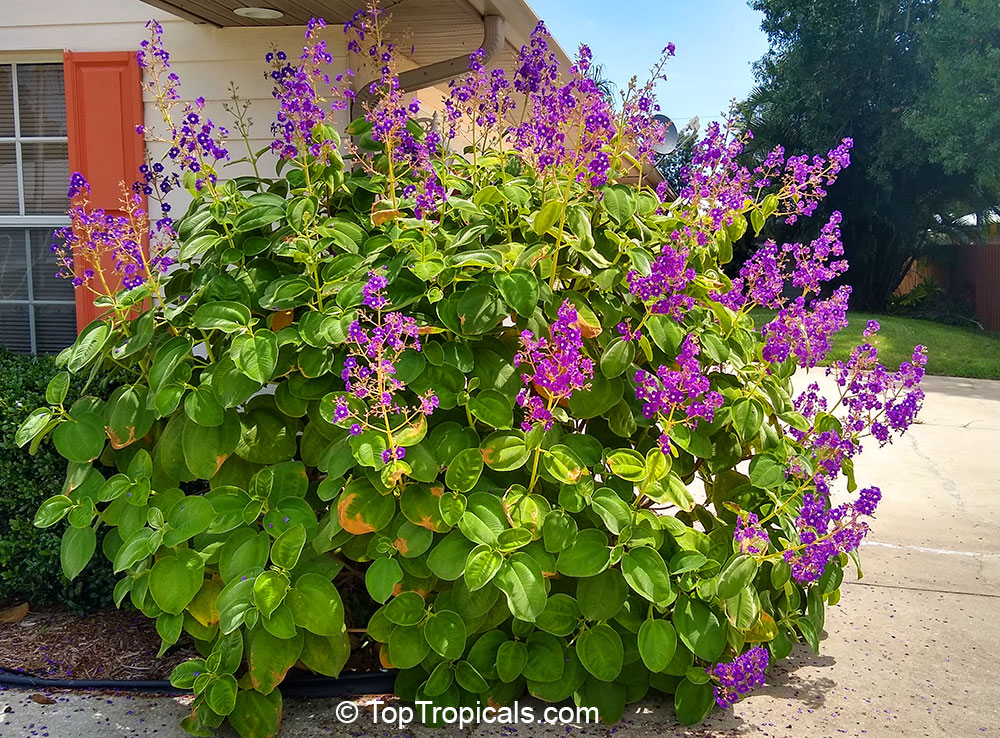
Tibouchina multiflora (grandifolia) - Glory bush, Quaresmeira

In the photo: Tibouchina multiflora (grandifolia) - Glory bush, Quaresmeira, one of the most impressive flowering plants for tropical gardens, with impressive, large velvet leaves and beautiful purple flowers. It blooms in both sun or shade!

Date: 27 Apr 2024

Longevity Spinach Superfood Recipes: how to make healthy food delicious

Longevity Spinach Superfood Recipes: how to make healthy food delicious Longevity Spinach Superfood Recipes: how to make healthy food delicious
👨 Longevity Spinach Superfood Recipes: how to make healthy food delicious.

Can healthy food taste delicious?

Healthy Longevity Spinach... It tastes like... spinach? You can add it to your salads, but let's face it, you can only eat so much of a salad. So try it cooked - you will be so surprised and want to eat it every day!

🍳 Eggs with Longevity Spinach

You will need:

🌿 Longevity Spinach or Okinawa Spinach: 2 handfuls
  • 1 cup Bacon (optional), sliced or chopped, or: 2 tbsp Olive or vegetable oil

1 large Onion, sliced in semi-rings
1 sweet pepper, red or yellow, sliced
3-5 cloves garlic, chopped (optional, to taste)
5-6 eggs
1 cup ground beef or turkey/chicken (optional), or mushrooms
½ cup shredded cheese (regular or Parmesan)
salt and pepper to taste
🌶 Sweet Chile Sauce (optional. Tastes great with this dish!)
  • 🍷 a glass of your favorite wine or cocktail to enjoy your dinner 🍷


Preparation time: 10 min
Makes dinner for 2

Open detailed recipe

🛒 Order Longevity Spinach

#Edible_Forest #Recipes

TopTropicals.com
We Grow Happiness

Date: 14 Jul 2019

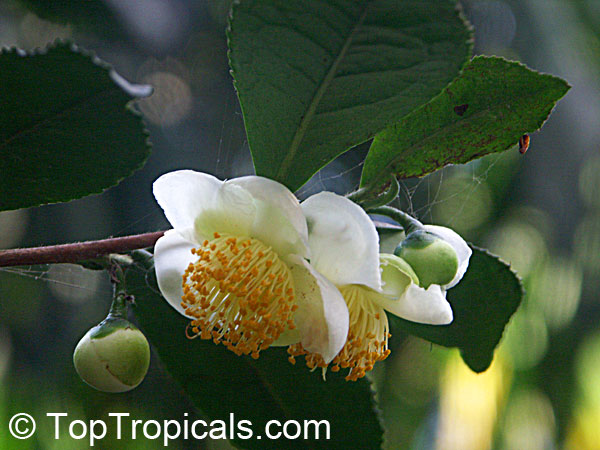
A Cup of Tea Plant

By Onika Amell, tropical plant specialist

A: I live in Ave Maria, Florida. I want to try my hand at growing my own tea. Which plant do I need?

A: Most people do not realize they are actually enjoying camellias when they sip their cup of tea. True tea comes from the Camellia sinensis plant, an evergreen shrub or small tree.
In the fall and winter, the plant will produce small white flowers with a lovely fragrance. The foliage is shiny and dark green with a very nice informal and open look. Camellia sinensis (or tea plant, as it is commonly known) prefers a temperature between 65 and 86 degrees, which makes Florida an ideal area to grow them. However, if you live in colder zones, you can certainly succeed growing your own tea plants using a greenhouse. Alternatively, you can use containers which can be brought inside when temperatures start falling. Tea plants will usually survive a very slight freeze, though the leaves may be damaged or killed. It will not tolerate a hard freeze. They prefer full sun or light shade in the garden.
Tea plants will become small trees or large bushes if not pruned. Hardcore tea growers trim back the shoots repeatedly to a height of around 4 feet to encourage new growth and to contain the size.
Make sure to pick an area of your landscape where it does not flood or remain wet during our rainy season. Camellia sinensis does not like wet feet at all. They prefer well-drained, sandy and slightly acidic soil. If grown in a container, add some sphagnum moss to the potting mix. They will benefit from frequent applications of small amounts of fertilizer.
You will need some patience, too. Your plant should be around 3 years old before you start harvesting leaves.

Recommended fertilizers:

Tropical Greenhouse Plus - Plant Booster
Tropical Allure - Smart-Release Booster

Harvesting recipes

Now that you know how to grow the Tea, you need to check this out: the Harvesting recipes how to harvest and make different kinds of real tea: Green Tea, Japanese Style Green Tea, Oolong Tea, Black Tea, Orthodox Indian Tea... Continue reading...

Date: 16 May 2024

What tropical fruit tree is cold hardy and easy to grow? Its Golden Loquat the Symbol of Prosperity, and it tastes like

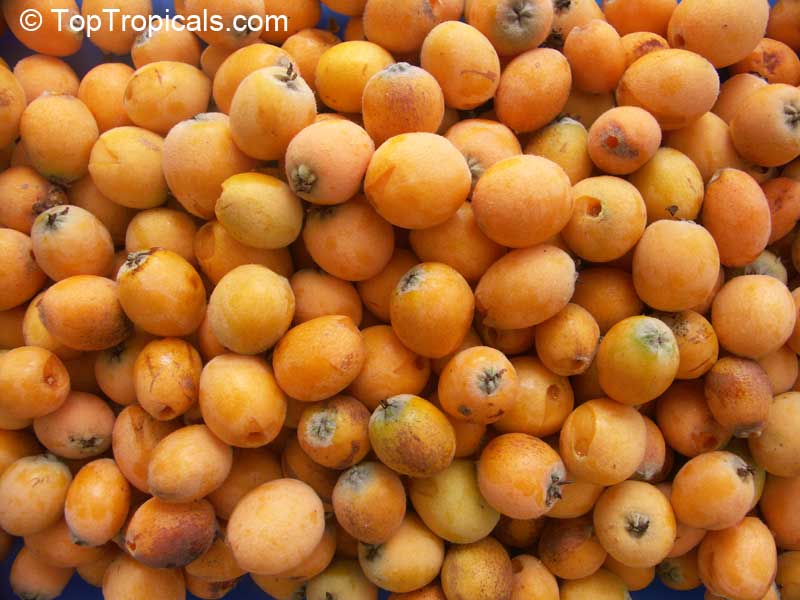
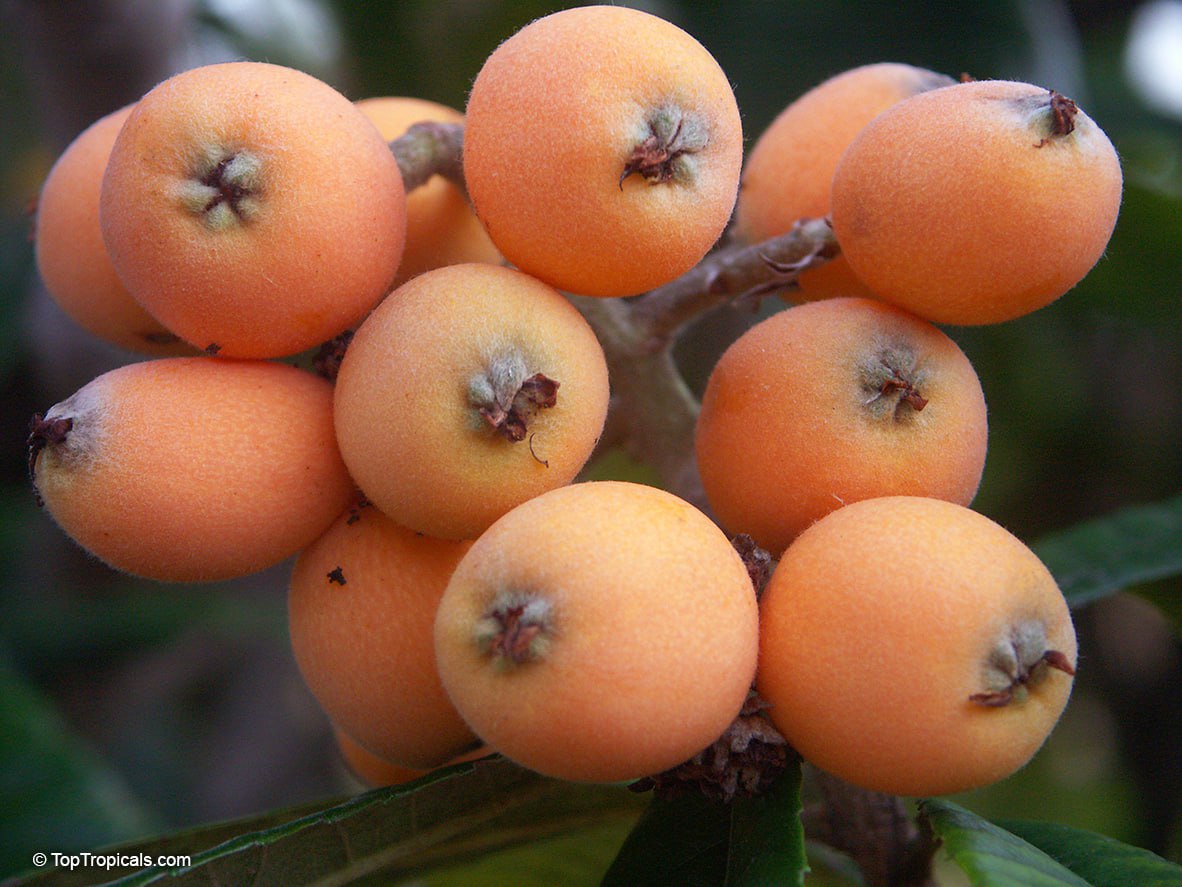
Loquat (Eriobotrya japonica) fruit

Loquat (Eriobotrya japonica) fruit

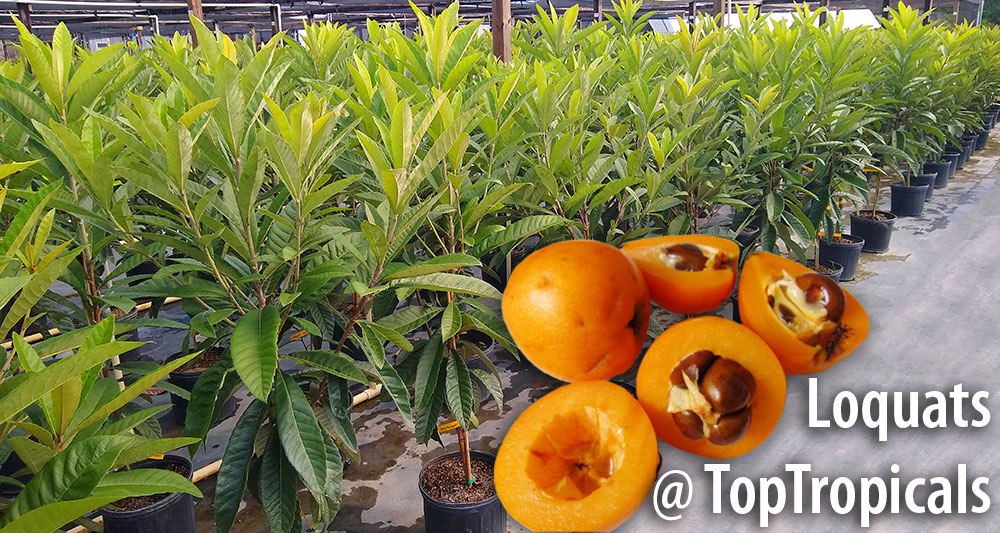
Loquat (Eriobotrya japonica) trees in pots

Loquat (Eriobotrya japonica) trees in pots

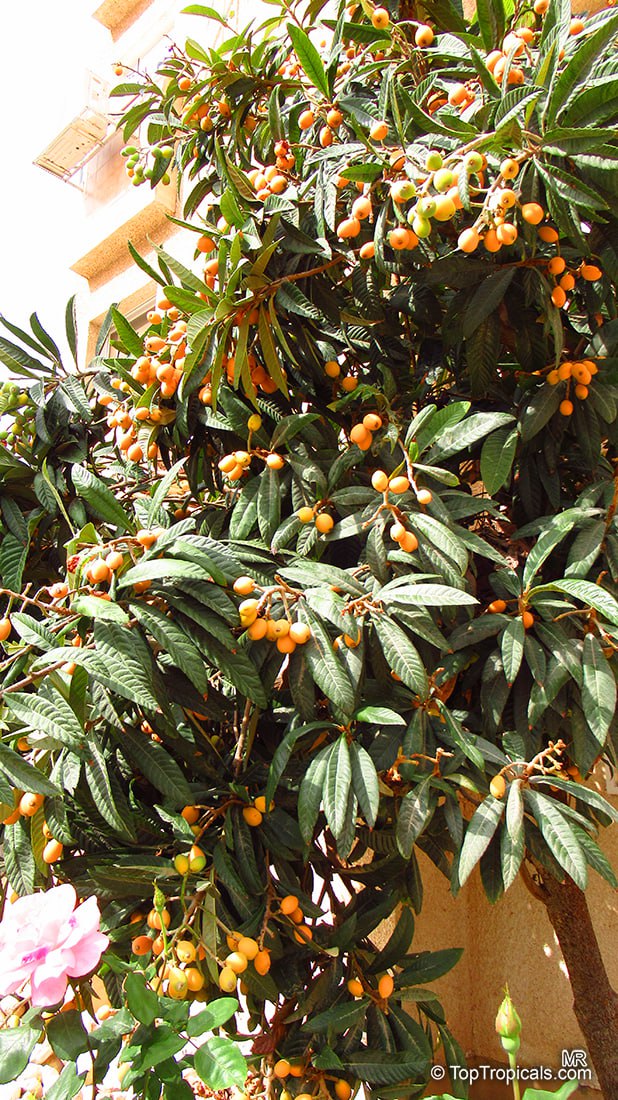
Loquat (Eriobotrya japonica) tree

Loquat (Eriobotrya japonica) tree

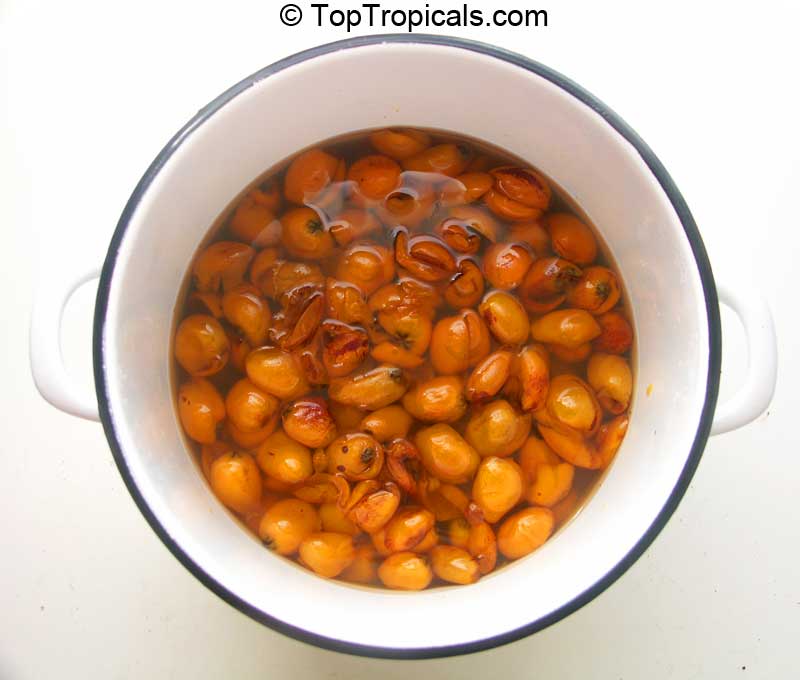
Loquat (Eriobotrya japonica) compot

Loquat (Eriobotrya japonica) compot

Loquat (Eriobotrya japonica) fruit

Loquat (Eriobotrya japonica) fruit

What tropical fruit tree is cold hardy and easy to grow? It's Golden Loquat – the Symbol of Prosperity, and it tastes like apricots!
  • 🍑 Loquat tree (Eriobotrya japonica) is fast-growing, drought-tolerant, cold-tolerant, compact tropical fruit tree.
  • 🍑 Heavy producer. Fruits are juicy, aromatic, and resemble apricots. Ripen from early Spring to early Summer.
  • 🍑 Ideal for small gardens, beginner fruit tree growers.
  • 🍑 High in sugar, acids, vitamins B and C, minerals, and pectin.
  • 🍑 Eaten fresh, used in fruit salads, jams, jellies, chutneys, pies, tarts, and wine

  • Popular as a natural sweetener and for creating sauces.
  • 🍑 Grown in Japan for over 1,000 years. In China, represents gold and wealth, often included in auspicious displays or offerings for prosperity💰


📚 Learn more about Loquats
' target="_blank" rel="noopener noreferrer">🎥 YouTube video about Loquat
📁 Overlooked fruit: tasty Loquat recipes (PDF)

🛒Start your fruit garden with Loquats

#Food_Forest #Recipes

🏵 TopTropicals

Date: 15 May 2024

What does a dragon taste like? Does Dragon Fruit come from a monster cactus? Learn why you need to grow your own

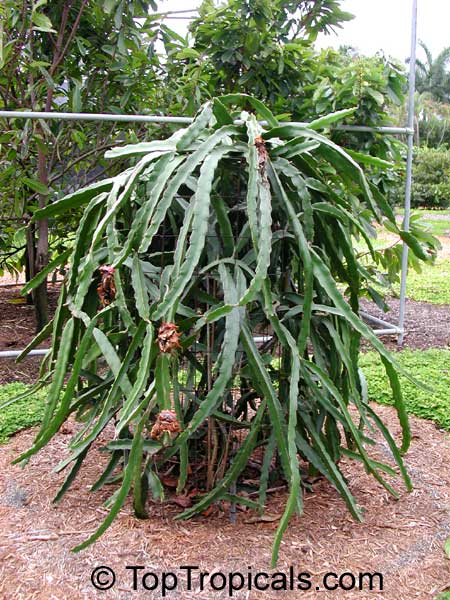
Hylocereus and Selenicereus Dragon Fruit or Pitaya

Hylocereus and Selenicereus Dragon Fruit or Pitaya

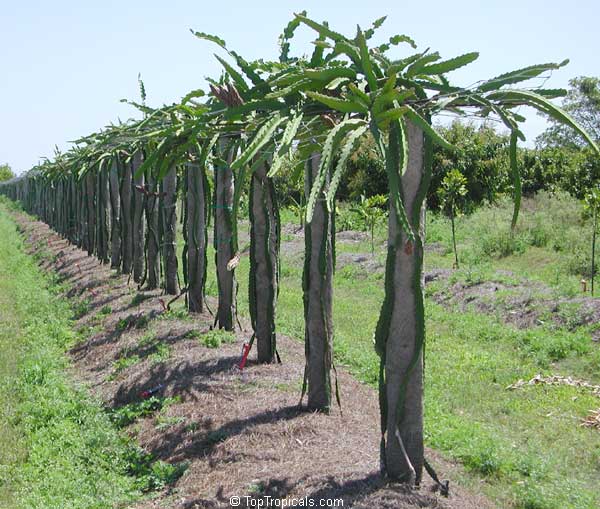
Hylocereus and Selenicereus Dragon Fruit or Pitaya trees on trellis

Hylocereus and Selenicereus Dragon Fruit or Pitaya trees on trellis

Hylocereus and Selenicereus Dragon Fruit or Pitaya on trellis

Hylocereus and Selenicereus Dragon Fruit or Pitaya on trellis

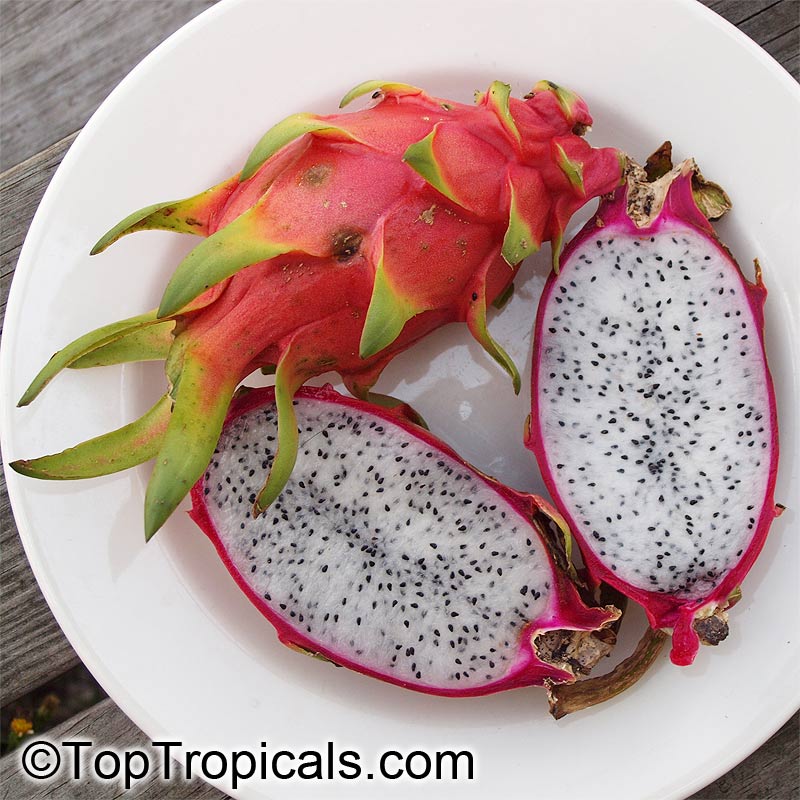
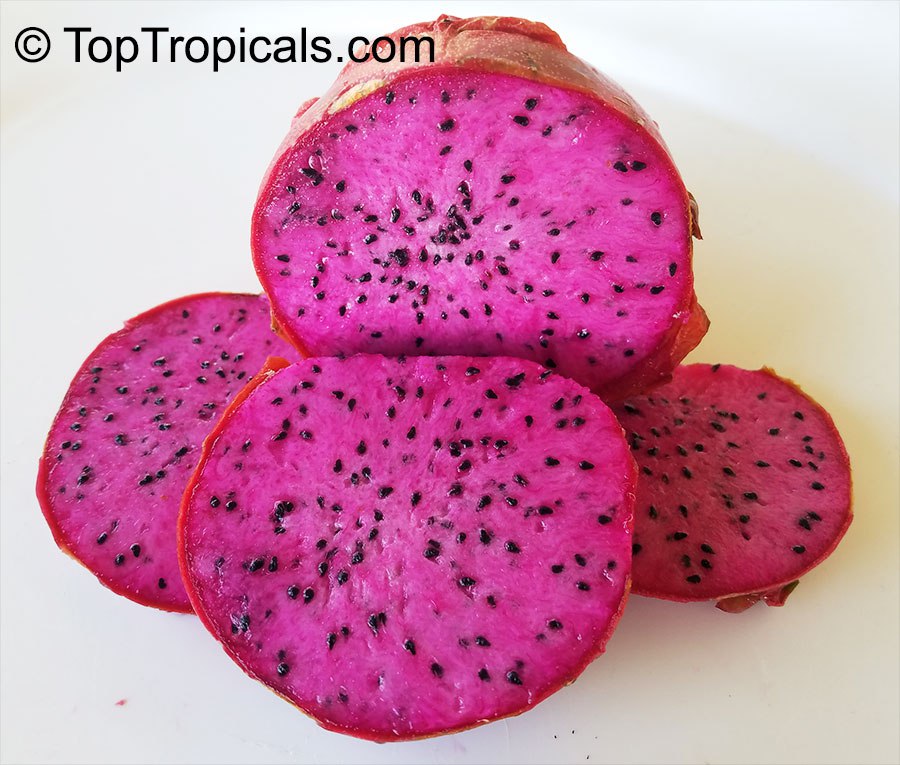
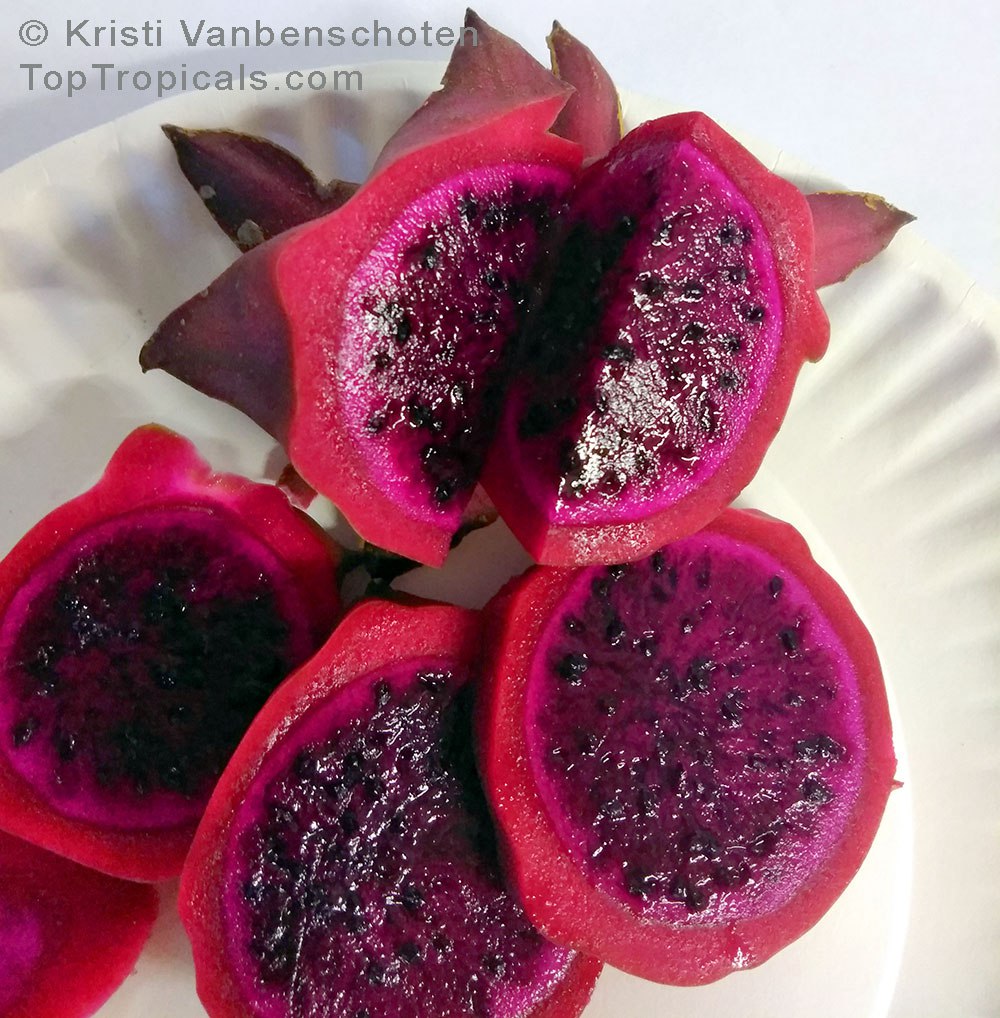
Hylocereus and Selenicereus Dragon Fruit or Pitaya red fruit

Hylocereus and Selenicereus Dragon Fruit or Pitaya red fruit

Hylocereus and Selenicereus Dragon Fruit or Pitaya purple fruit

Hylocereus and Selenicereus Dragon Fruit or Pitaya purple fruit

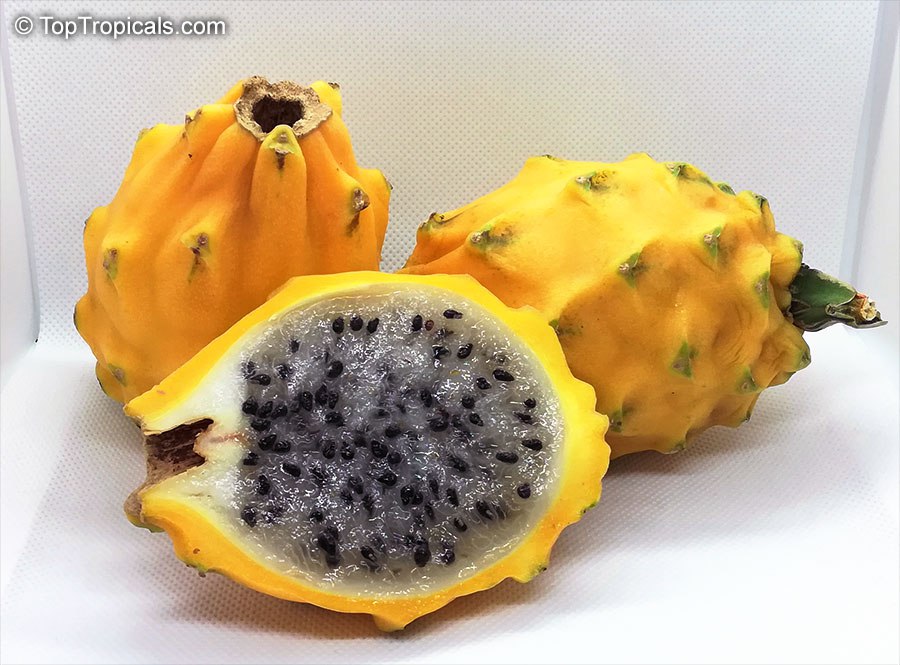
Hylocereus and Selenicereus Dragon Fruit or Pitaya Yellow Parlora

Hylocereus and Selenicereus Dragon Fruit or Pitaya Yellow Parlora

Hylocereus and Selenicereus Dragon Fruit or Pitaya flower

Hylocereus and Selenicereus Dragon Fruit or Pitaya flower

🐲 What does a dragon taste like? Does Dragon Fruit come from a monster cactus? Learn why you need to grow your own. 🌵
  • 🔴 You may have tried a Dragon fruit from the store l, but do you know how it grows? On a cactus tree!
  • 🔴 Names: varieties of Hylocereus and Selenicereus - these fruit bearing cactus plants are also called Dragon Fruit or Pitaya.
  • 🔴 Commercially grown fruit sold in a grocery store may be tasteless. You need to grow your own good variety to have tasty, sweet, flavorful fruit!
  • 🔴 Dragon fruit comes in many varieties. Colors of flesh differ: white, pink, dark red and even purple. The outside of the fruit can be red/pink or yellow.
  • 🔴 In commercial groves, Pitayas grow like cactus trees, over a strong support - big "umbrella frames" ☂️
  • 🔴 It is an easy plant, with low water needs, takes both sun and semi-shade.
  • 🔴 Our favorite variety is Yellow Dragon Fruit Palora, (Selenicereus megalanthus). It is the sweetest and has the most flavor of all. We shared some recipes earlier.
  • 🔴 Can be grown in container with a wooden trellis. And the flower is beautiful, too!


📚 Learn more about Dragon Fruit
🍹 Recipe: What to do with a Dragon fruit?

🛒Grow your own Tasty Dragon Fruits

#Food_Forest #Recipes #Nature_Wonders

🏵 TopTropicals