Date: 24 Jun 2018
Tip of the Month: dealing with heat waves
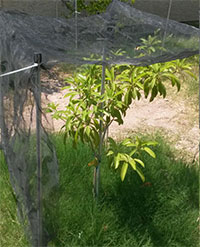
Q: I live in California and this summer has been super hot, with temperature above 100 degrees. This heat wave is killing my plants! Please help!
A: If
you live in Southwest, then you are familiar with heat
waves, when temperature raises above 110F and up to 120F,
while humidity is below 10%. Scorching heat can damage and
kill unprotected young plants. Especially if they're
recently planted.
Most tropical plants came from humid tropics and they
don't easily tolerate high temperatures and low humidity.
You can tell such plants immediately. Desert plants have
small, waxy succulent leaves, which are capable to reduce
evaporation. (See list of plants tolerant to hot
and dry conditions). Tropical plants have large soft
leaves and need high humidity.
These steps will help to protect them... Continue reading...
Date: 24 Jun 2018
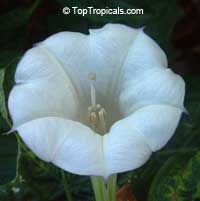
The Enchanting Datura
New article by
Jane Jordan
"...Commonly known as the Devils trumpet, Datura has long
been associated with witchcraft and voodoo rituals.
Ideally suited for moon or night gardens, the blooms are
fragrant and particularly so at night..." Continue reading...
5 important
tips for successful growing Datura and
Brugmansia;
1. Full sun
2. Use fertile soil that must be vewry well-drained. Plant
in elevation
3. Ample water encourages fast growth, but never allow wet
feet!
4. Fertilize heavily during hot season
5. Propagate Brugmansia with semi-woody cuttings, Datura -
with seeds that have a long shelf live
Buy Datura and Brugmansia
Date: 24 Jun 2018
We can ID plants for you! Even Mango Elephant...
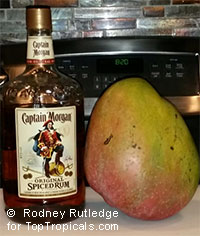
Q: I had a mango tree, the fruit was very large and no one knew the name of it. Can you please tell me the name of it or something about it? I have never seen this variety before. It weighed in at 7 lbs, it smells a little like bubble gum, its flesh is fiberless and the taste is watery with a little sweet. And do you have it for sale? I don't have the tree anymore. My pictures are about a year or two old, lighting struck the tree and it died so I have been trying ever since then to find another tree but I don't know what kind it is. I originally bought the tree on side of the road cause I always wanted a mango tree so I didn't care at the time what kind it was so I bought it but I was shocked at how big the mango was. However I collected rotten mangoes off the ground and planted the seeds. Only one germinated.
A: This
mango is called Elephant. We will try to
find this grafted variety and let you know when we have
it. Unfortunately seedlings take many years to fruit (8-15
for mango) and usually do not come trues to seed.
The closest variety by fruit size is Lancetilla, it is a giant 5
lb fruit, of a very good quality. And the best tasting and
the most popular - Nam Doc Mai
Date: 24 Jun 2018
Choosing the right Mango for your garden
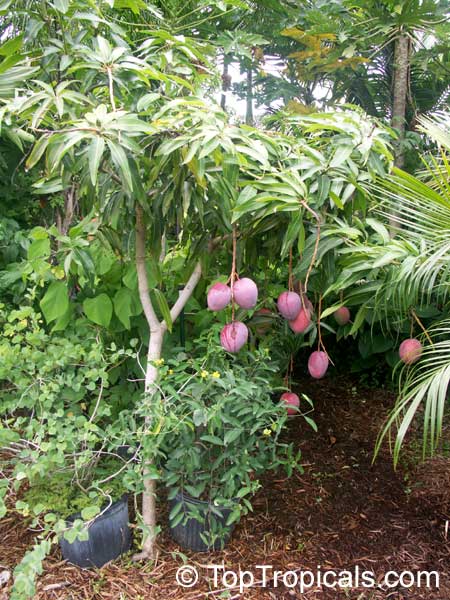
Q: Do the mango trees you sell already have fruit? Or how long does it take to get fruit? Are they tricky to keep up? I live locally and have been interested in getting a few!
A: Some
of our mangos in both 3 gal and 7 gal pots have fruit on
them. All our mango trees are grafted which means they are
ready to produce fruit. So if not the same year, you
should get fruit the next year.
Mangoes in general are easy to grow plants. They are not
picky about soil and water, however they need full sun for
fruiting. When you are lucky to live in tropical or
subtropical climate, your mango will thrive in a ground,
and within 2-3 years you will have a mature tree, and a
crop every year (those who have cold winters, still can
grow a mango tree in a pot, and move it indoors for colder
period). Visit our garden center for a tour of our Mango
Gardenthat is only 3 years old and is full of fruit!
Tasting table available :) We offer over 100 varieties,
and our experts can help you to make the right choice for
your garden. To start your own mango tree collection,
depending on space available, you may begin with the
following varieties:
Nam Doc Mai - one of the most
popular and delicious Asian mango
Carrie - very compact
grower, reliable producer with great taste
Cogshall and Ice Cream - dwarf varieties
for small yards, excellent taste
Alphonso - considered one of
the best tasting
Date: 24 Jun 2018
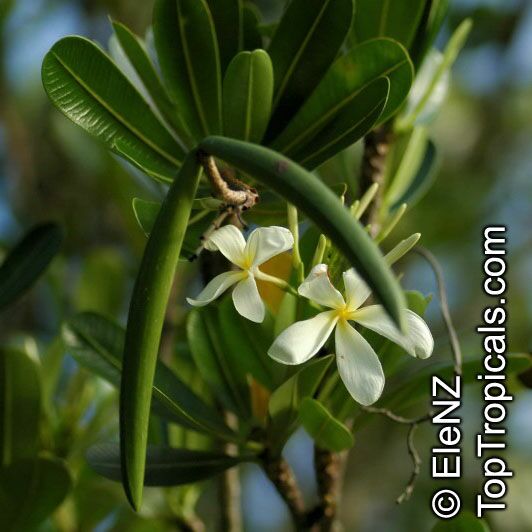
Tip of the day: Growing Plumeria from seed
Q: I purchased a Plumeria from your company. It has done quite nicely and now has produced a seed pod. Please forward me information on how to care for it and use the seeds that may be inside to propagate another plant.
A: Wait until seeds are ripe (seed pod turns brownish). Soak seeds overnight. Use only well drained soil, or cactus mix. Insert heavy end of seed 1/4"into soil, leaving feathered end exposed. Place the pot in direct sunlight. Don't allow soil to completely dry out, but don't let it be soggy. Germination occurs usually within 3 weeks. Do not overwater. For more information on growing Plumerias, see our slideshow guide: