Date: 9 Oct 2023
NEW
VIDEO:
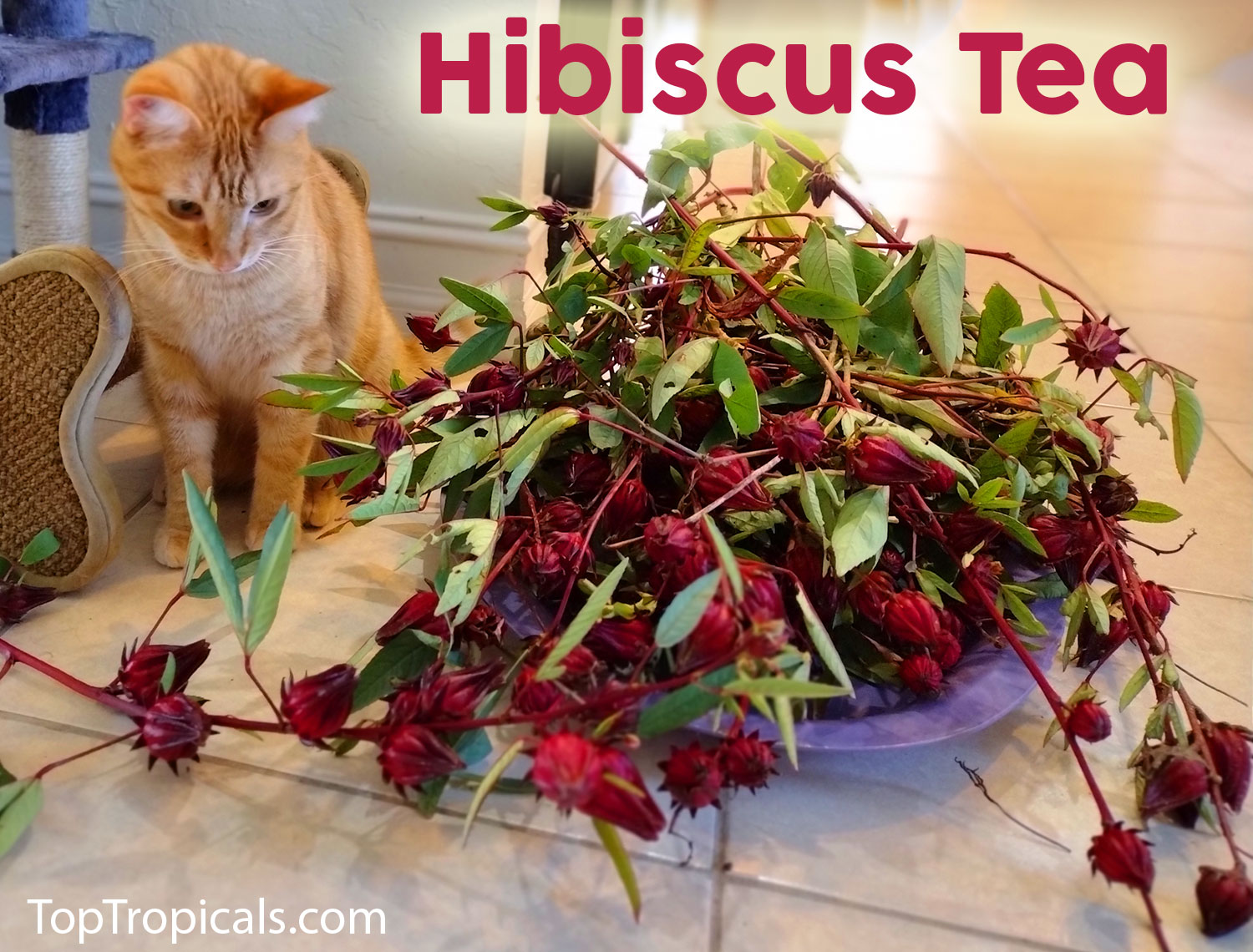
Jamaican Hibiscus Tea: what's in it?
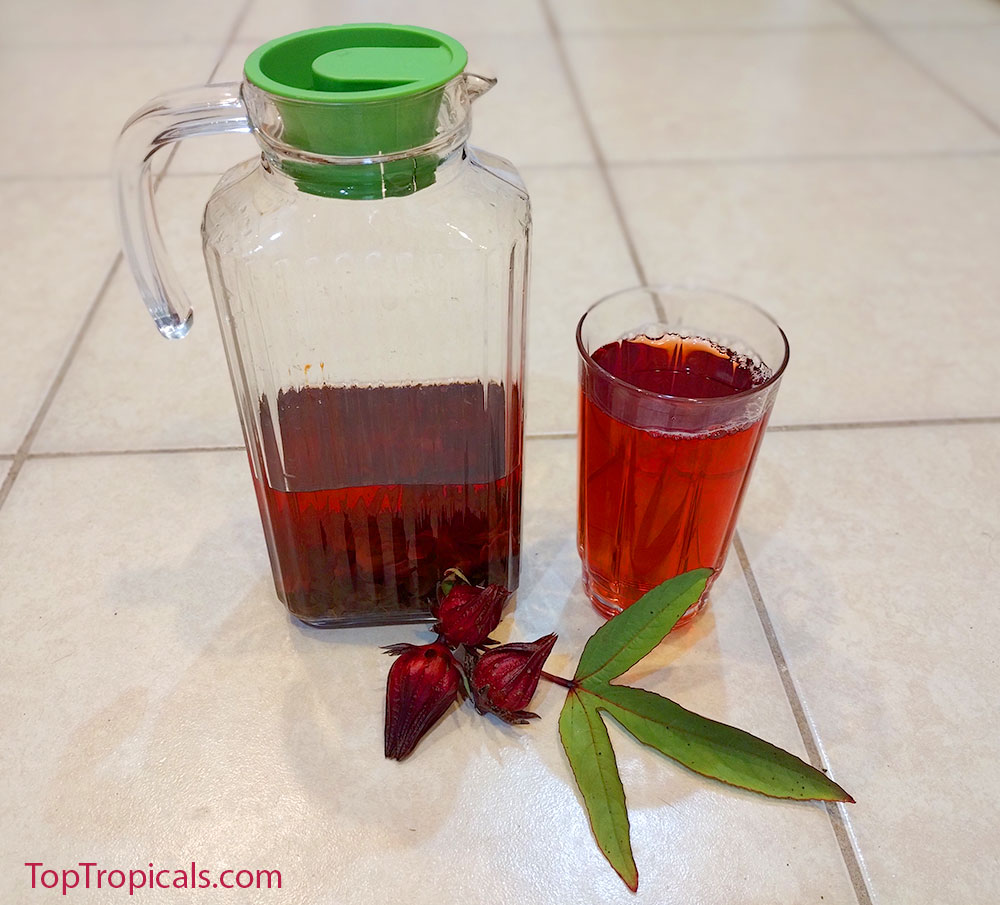
Ever wondered what's in your delicious Hibiscus tea? It's made from the
flower bracts of
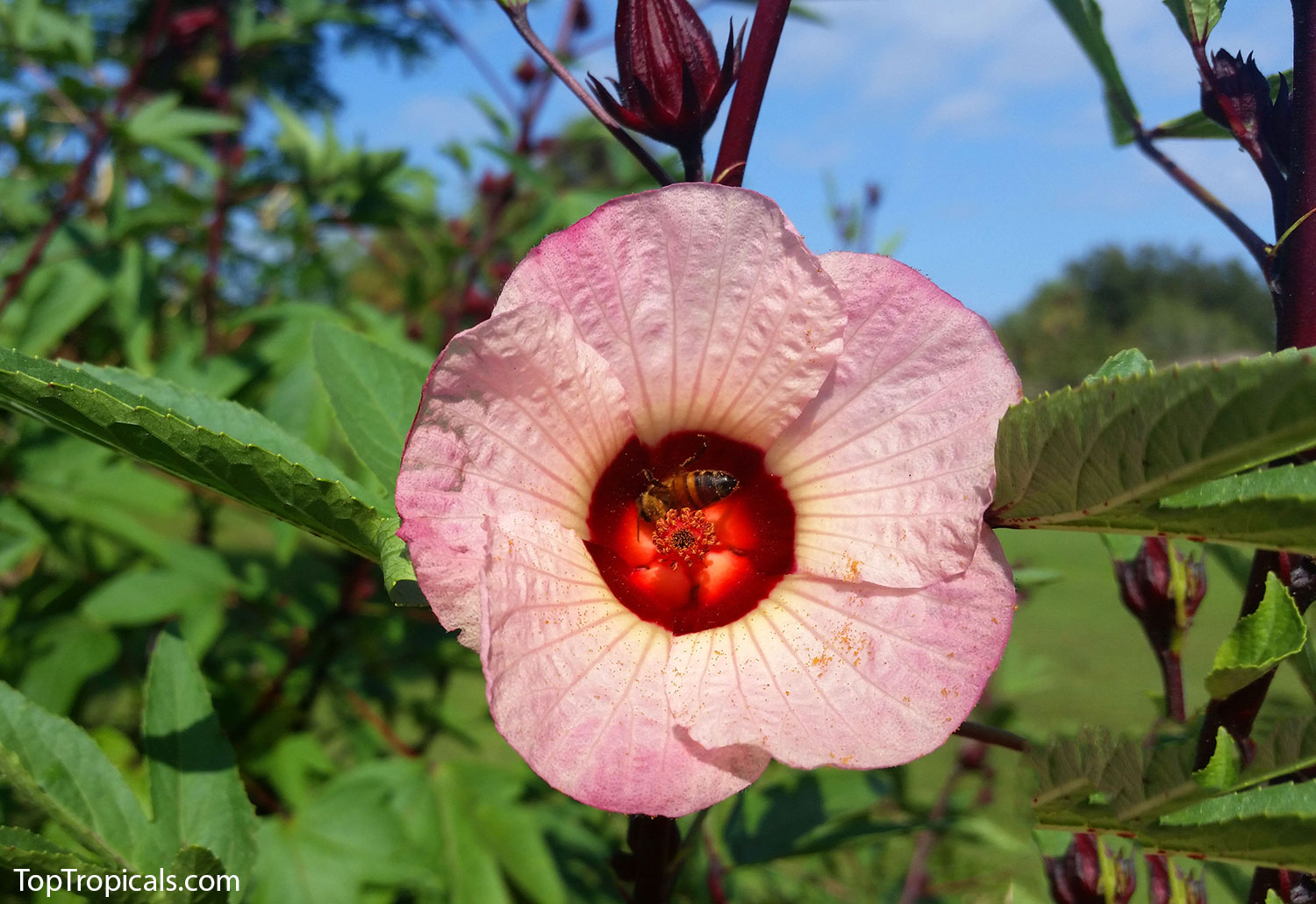
Hibiscus sabdariffa, also known as Jamaica Tea flower, Flor de Jamaica,
Karkade, or Roselle. To make it, pick ripe red seed pods with swollen calyces after
the flowers fade. You can use the whole plant including leaves and flowers,
but the best part is those flower bracts.
Enjoy this chilled summer drink, known as Agua de Jamaica, popular in
Jamaica, the Caribbean, Central and South America. It's also used in Mexican
sangria and as hot or cold tea in the US, with a tart cranberry-like flavor.
Studies even show it can lower high blood pressure and has health benefits...
Learn more about Jamaican Hibiscus Tea from our new video...
Subscribe to our Channel:
Stay updated with TopTropicals Videos by subscribing to our channel at YouTube.com/TopTropicals and get our latest video news of what is fruiting and blooming!
Date: 4 Oct 2023
Cat
Horoscope
Libra Zodiac Cats 09/23-10/23
By Alex Butova, the Witch of Herbs and Cats
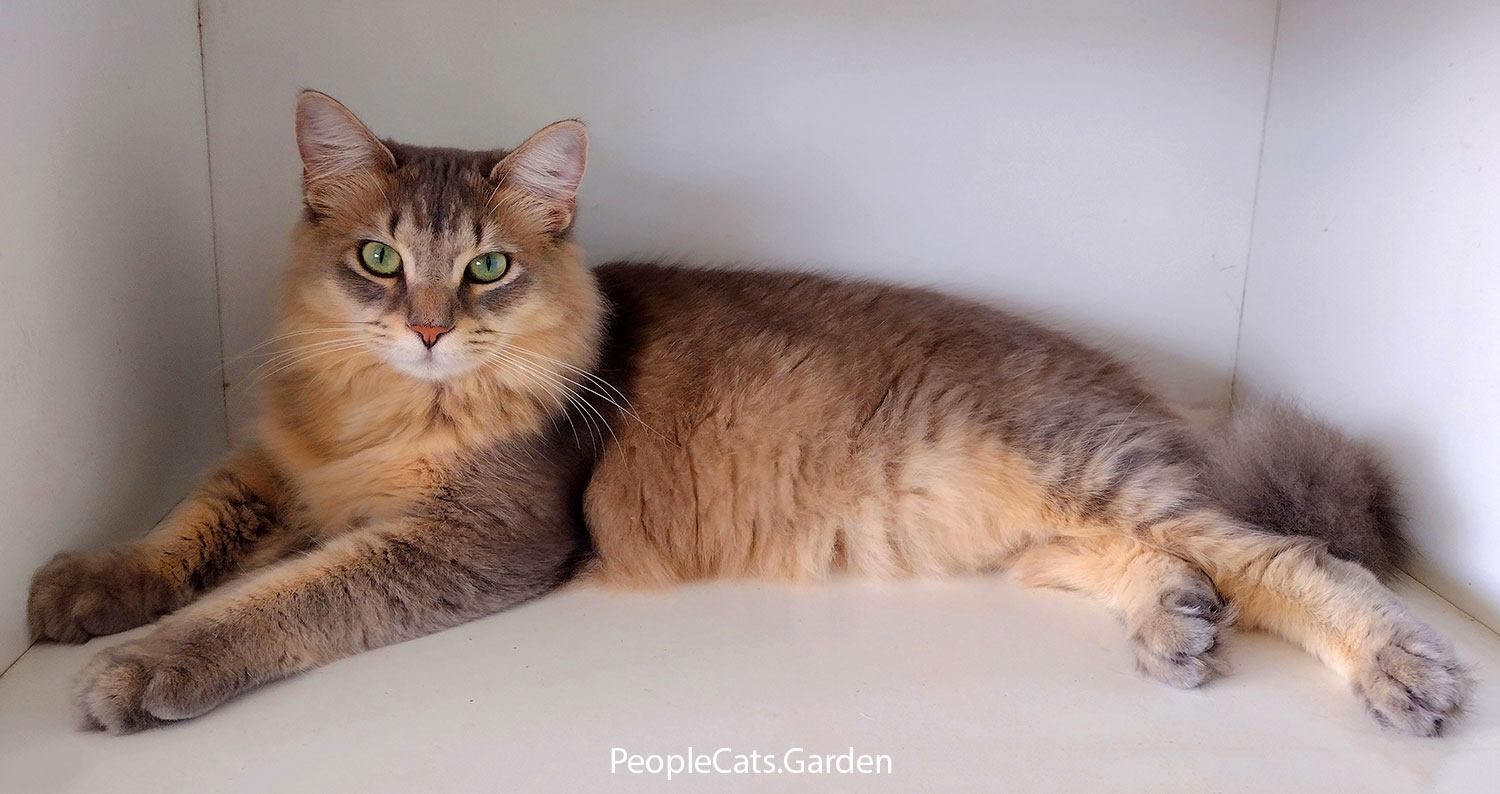
Scooby, the Libra Cat
How to know the astrological sign of your cat?
The astrological sign of a cat can be determined by either their date of
birth or adoption, as adoption is often considered a second birth for
cats...More >>
Cats that change their
minds...
...Like all representatives of the Libra sign, the temperament of Libra cats is characterized by variability... They frequently change their preferences, which can range from their food to their activities. What they love one day, they might completely ignore the next. One day Libra Cats can help you to plant flowers, next day or week, or until the wind changes, they fast dig out all that you planted on previous days…and so in everything!... Speaking of their preferences, all Libra cats have an affinity for plants... Continue reading >>

Shaka, the Libra Cat
Date: 4 Oct 2023
Most useful Hibiscus plants
Grow your edible flower landscape in no time!
Who doesn't adore hibiscus flowers? We usually think of the fancy Hibiscus rosa-sinensis in all its colorful glory or the Exotic Garden Hibiscus. But guess what? There's a whole bunch of other hibiscus species out there that are not only drop-dead gorgeous but also surprisingly practical. They can jazz up your garden and your dinner plate! Today, we're dishing out a sneak peek at a few of these charming hibiscus varieties. These beauties aren't just a treat for your taste buds; they're also a gardener's dream. They practically grow themselves and are always wearing a smile!
Hibiscus sabdariffa - Flor de Jamaica, Karkade Sorrel
Hibiscus acetosella - African Cranberry Hibiscus
Hibiscus cannabinus (furcellatus) - Salad Hibiscus, Sleepy Hibiscus
Hibiscus mutabilis Cotton Candy - Mallow
Hibiscus
Hibiscus variegated Snow
Queen
Hibiscus schizopetalus - Coral
Hibiscus
Tea or Salad Hibiscus
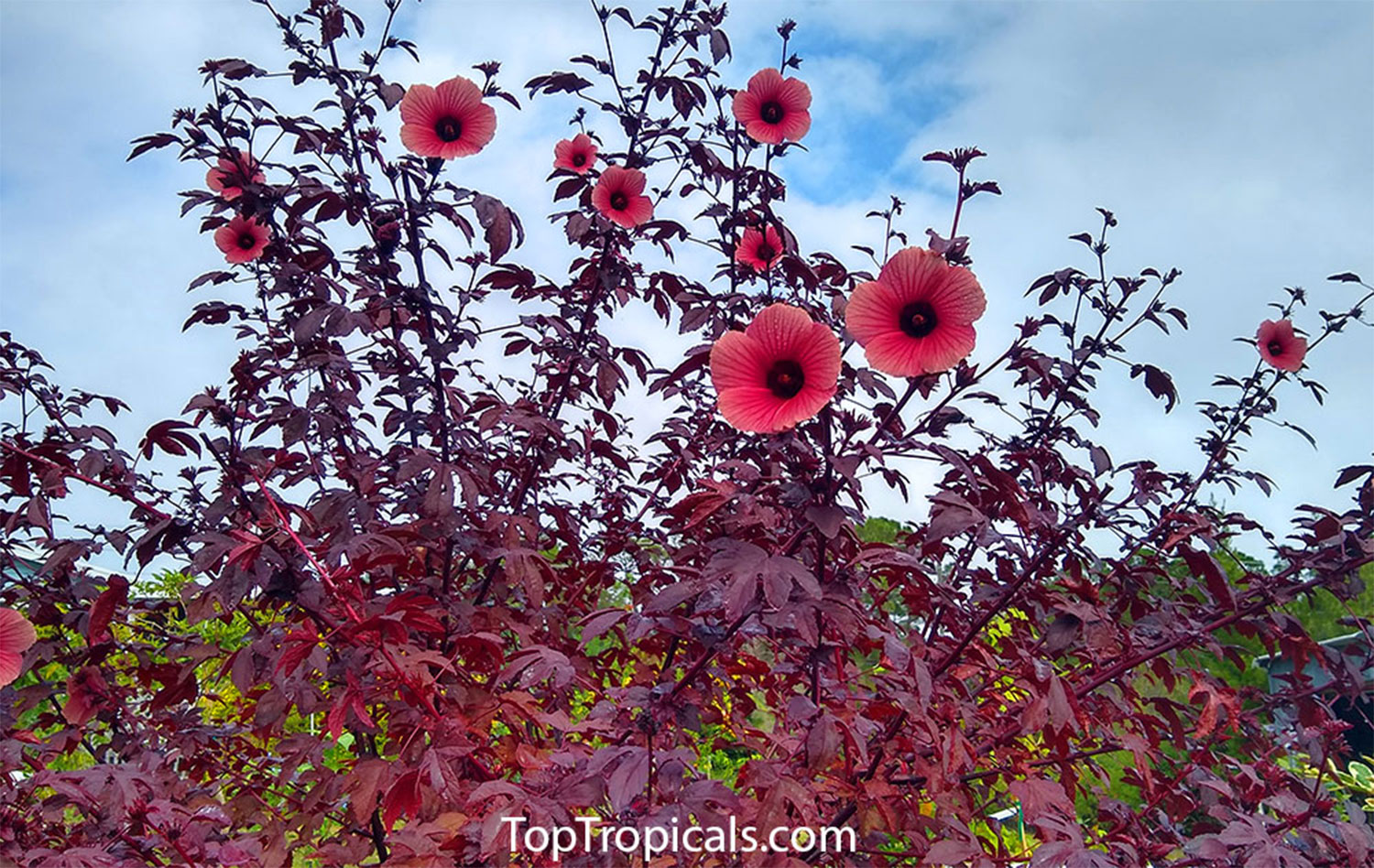
Hibiscus acetosella - African Cranberry Hibiscus. Leaves are acidic, rich of vitamin C, good for salads and teas.
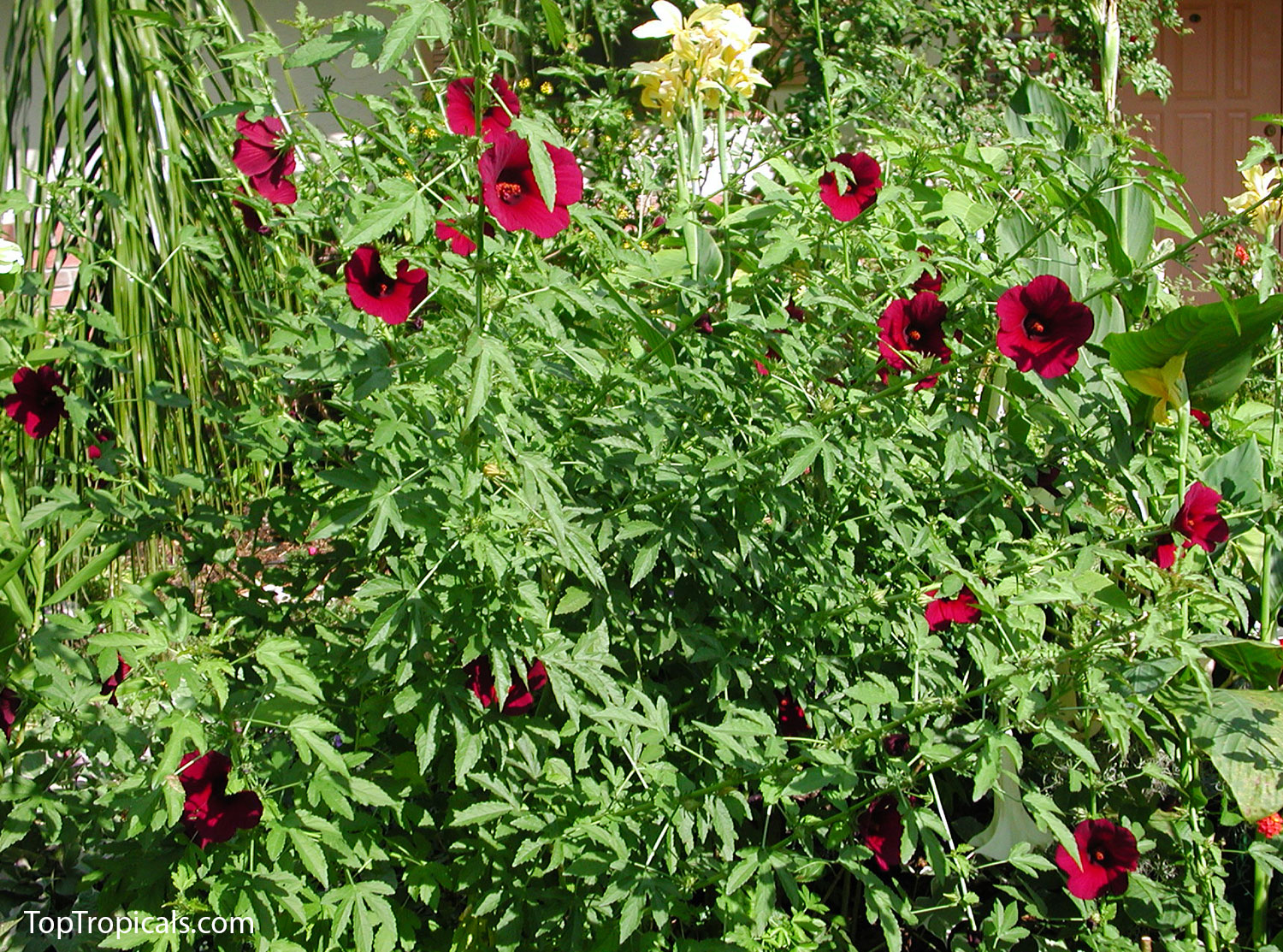
Hibiscus cannabinus (furcellatus) - Salad Hibiscus, Sleepy Hibiscus. Vinous flowers open in the morning, and by 3-4 pm they convolve into a curious fico-like knot. Very similar to acetosella, only with green leaves, this edible hibiscus is great for salads, rich of vitamin C. Seeds, flowers, and leaves are also used for making delicious tea. Very fast growing, forms a large bush.
Hibiscus sabdariffa - Flor de Jamaica, Karkade: the most delicious, fruity Jamaican Hibiscus tea. It makes our favorite Summer drink!
Hibiscus with a smile :)
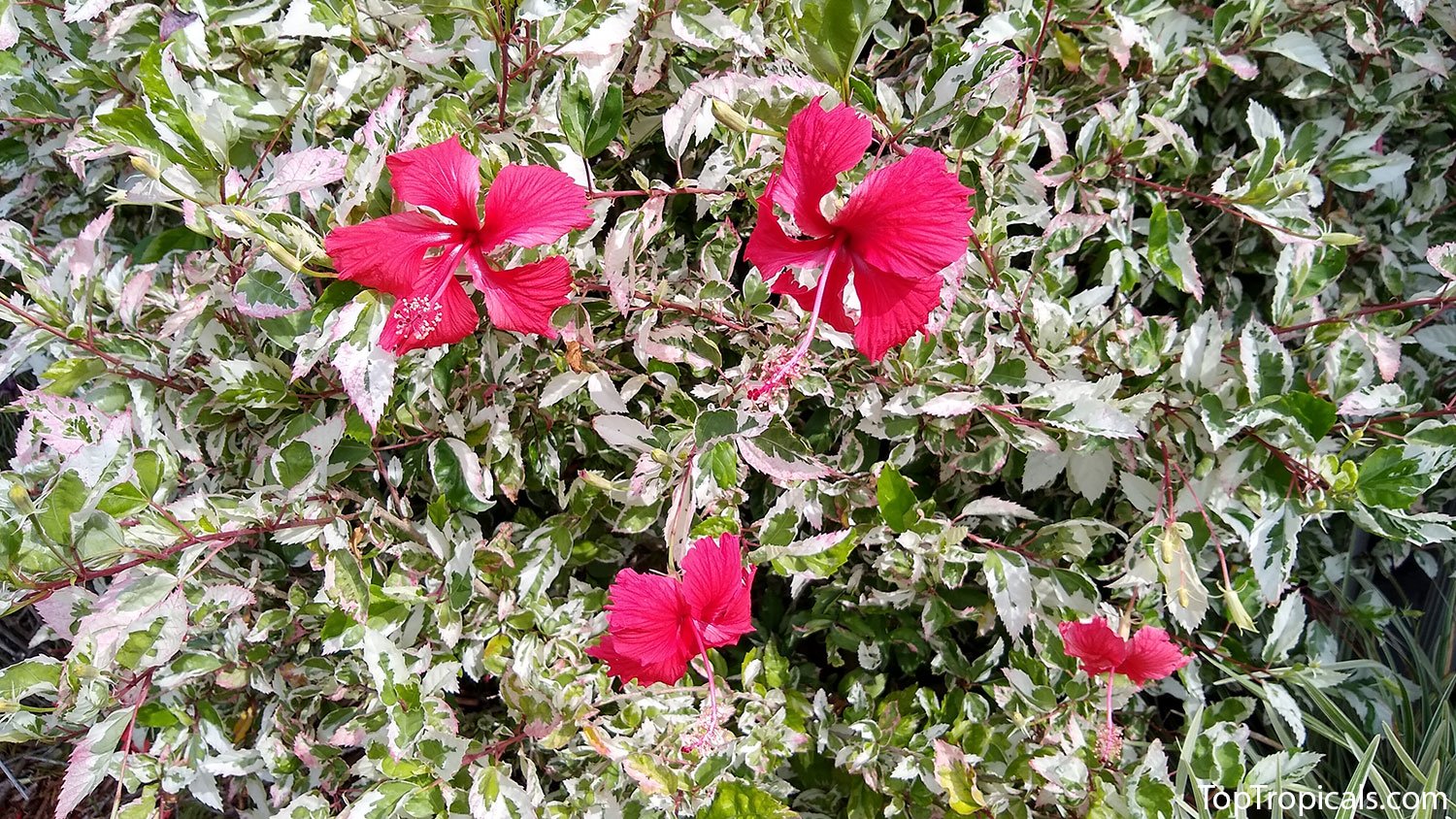
Hibiscus variegated Snow Queen. Green foliage is dramatically splashed with bright white which provides striking contrast to the large red flowers. A festival of color!
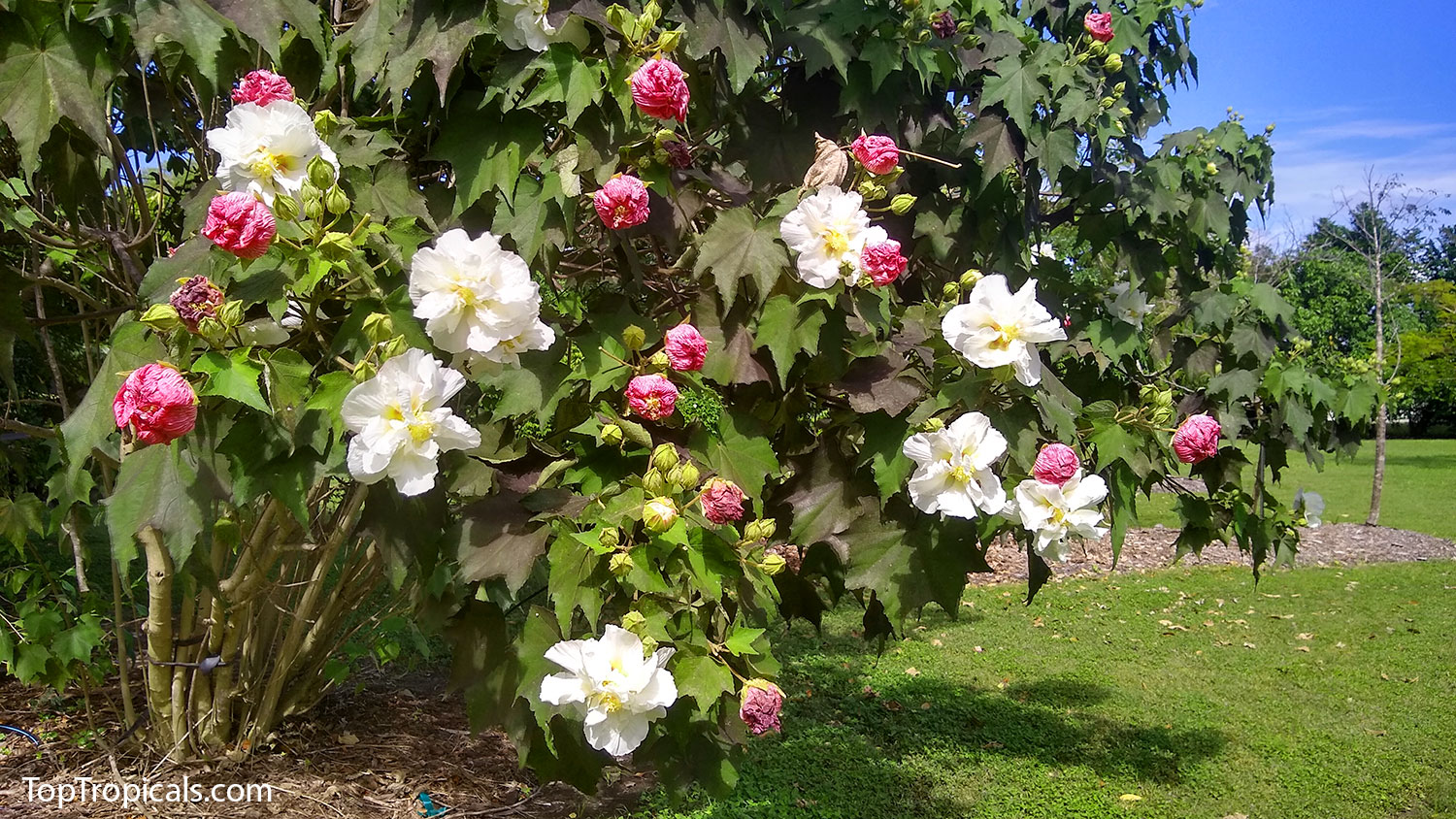
Hibiscus mutabilis Cotton Candy - Mallow Hibiscus. Flowers open pure white and change color over a three-day period until they are deep pink and then as they die assume a dark "blue-pink" hue. The three distinct colors appear on the bush simultaneously as the blooms color cycle independent of one another. Quite large blossoms are up to 5 inches across!
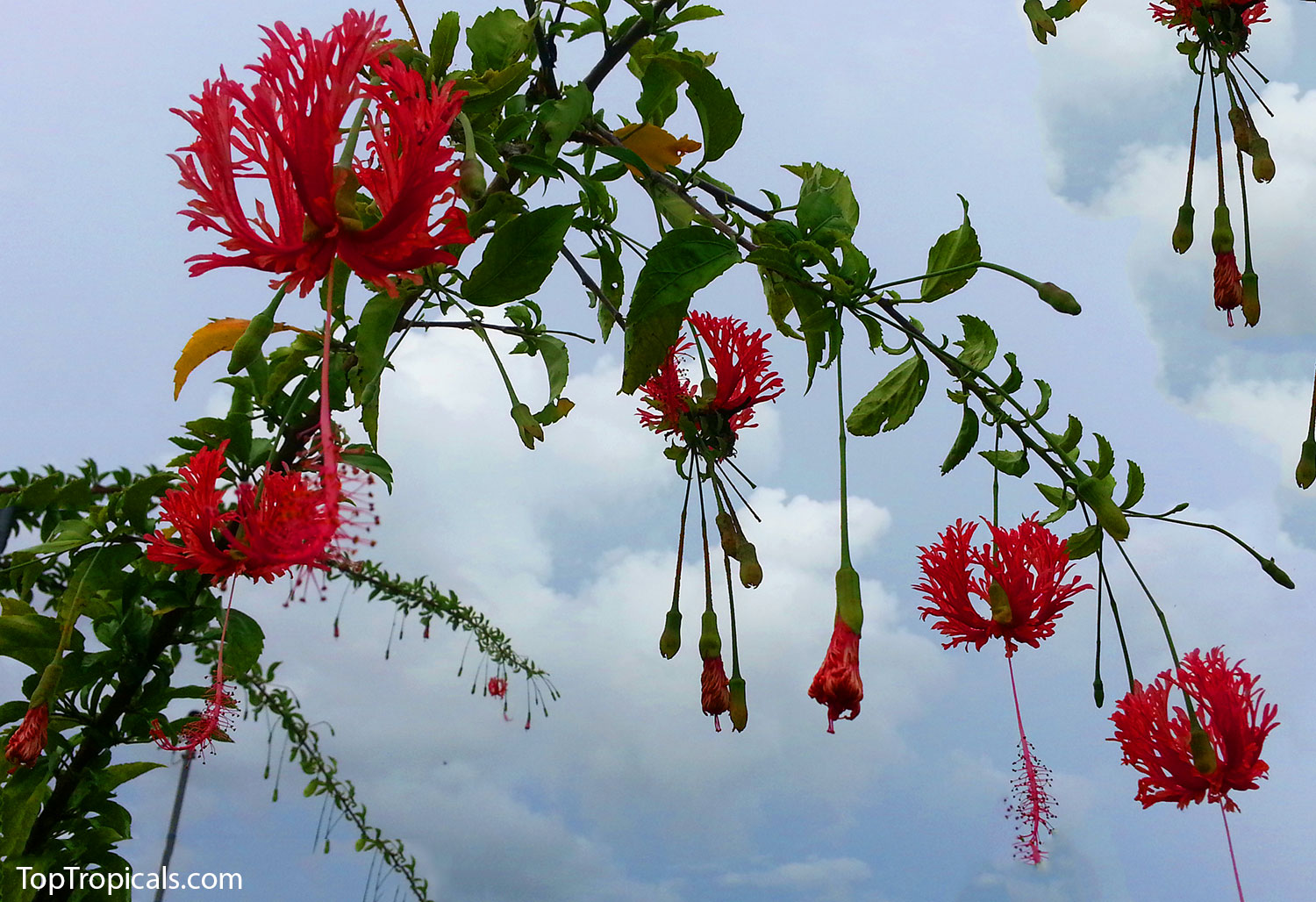
Hibiscus schizopetalus - Coral Hibiscus. A weeping tree hibiscus, rare and hard to find and every gardener wants it! Grows rapidly and blooms freely. Flowers look like parachutes and can be recognized by the fringed and lacy petals which are bent backward.
Date: 30 Sep 2023
A note from our customer:
Dwarf Avocado
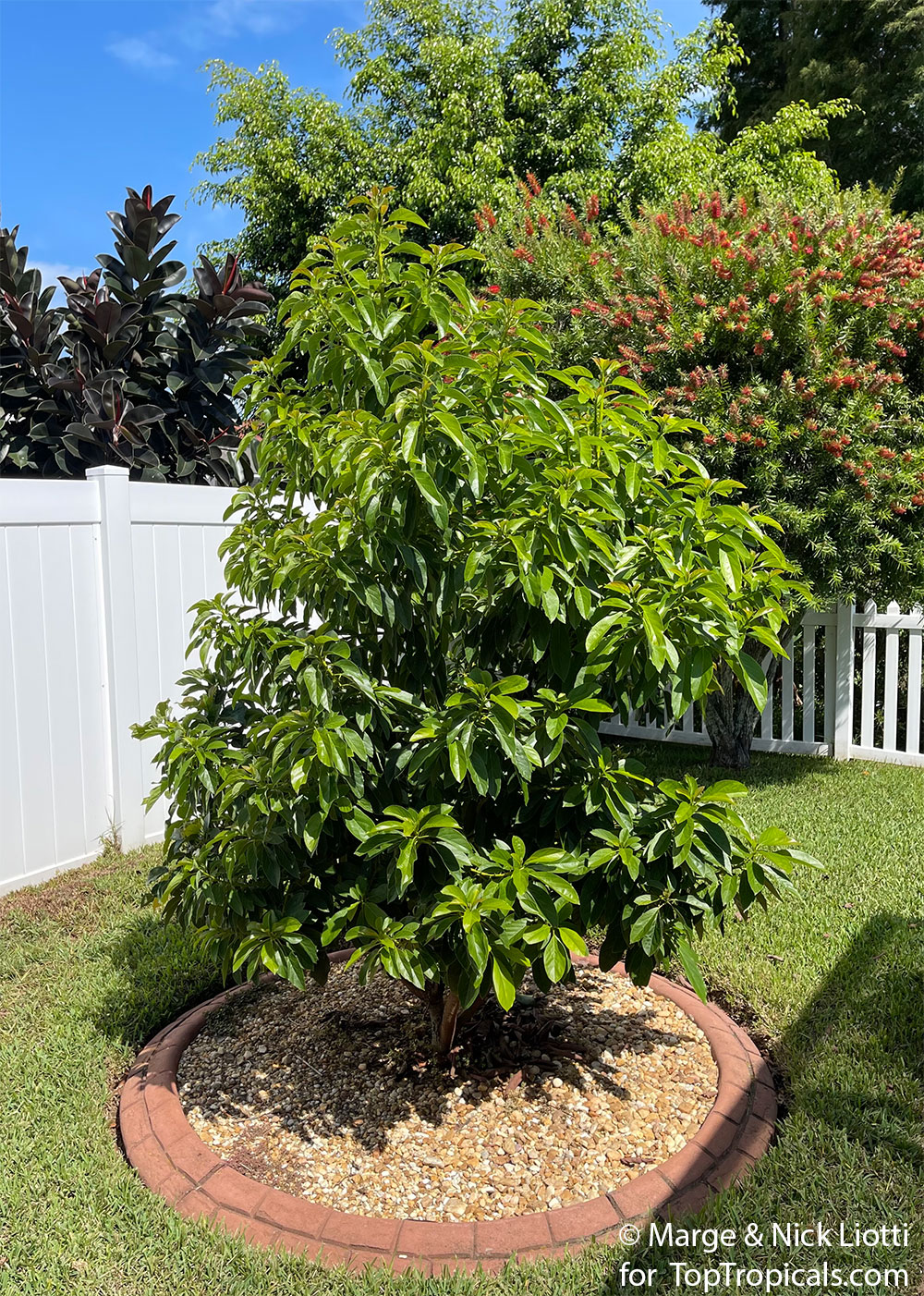
"Our beautiful Dwarf Avocado we bought in April 2021. Thought
you'd enjoy seeing!"
~Marge & Nick
Date: 30 Sep 2023
Avocado Variety Guide: Snack or Guacamole?
Collector's inspiration
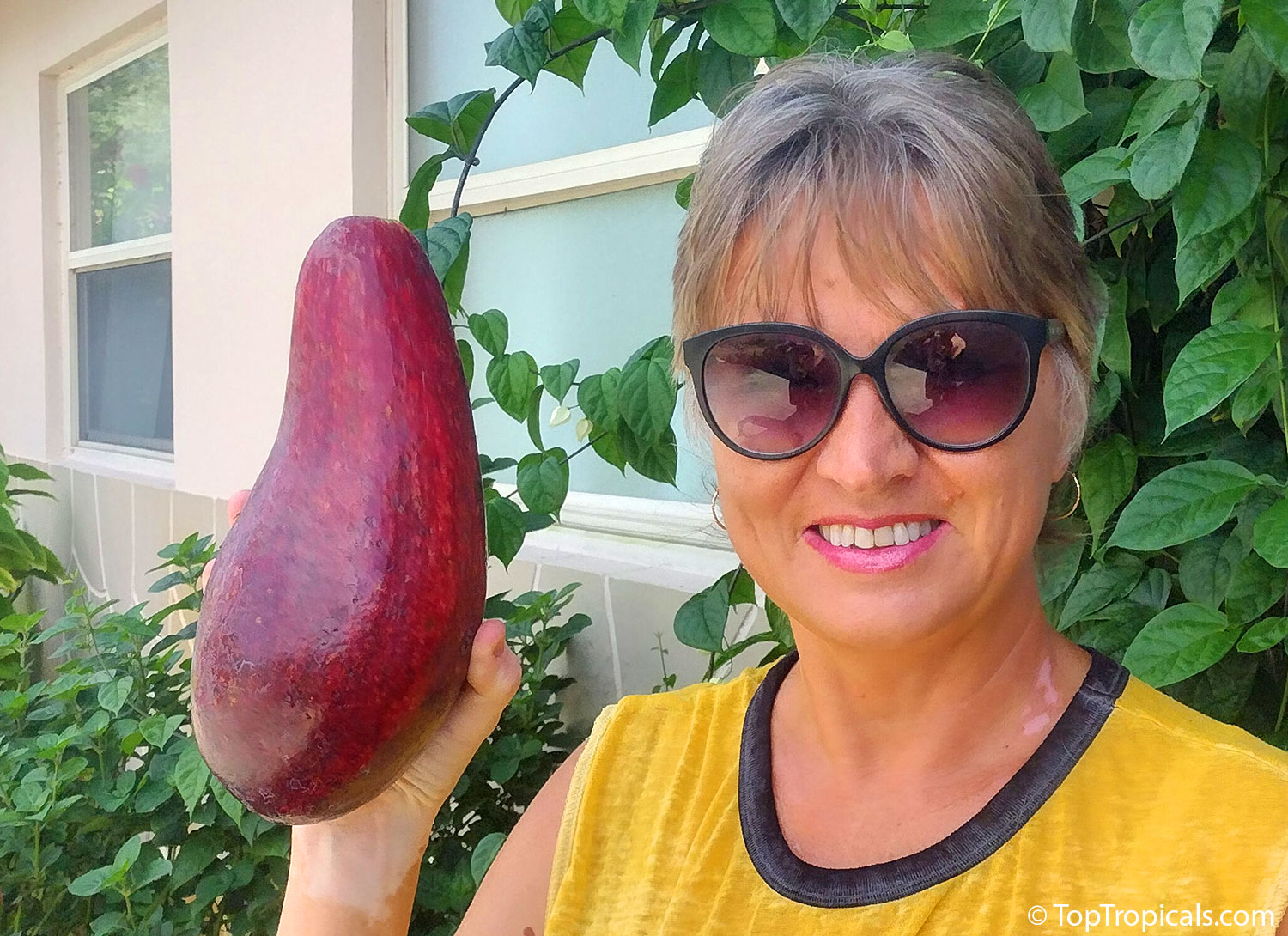
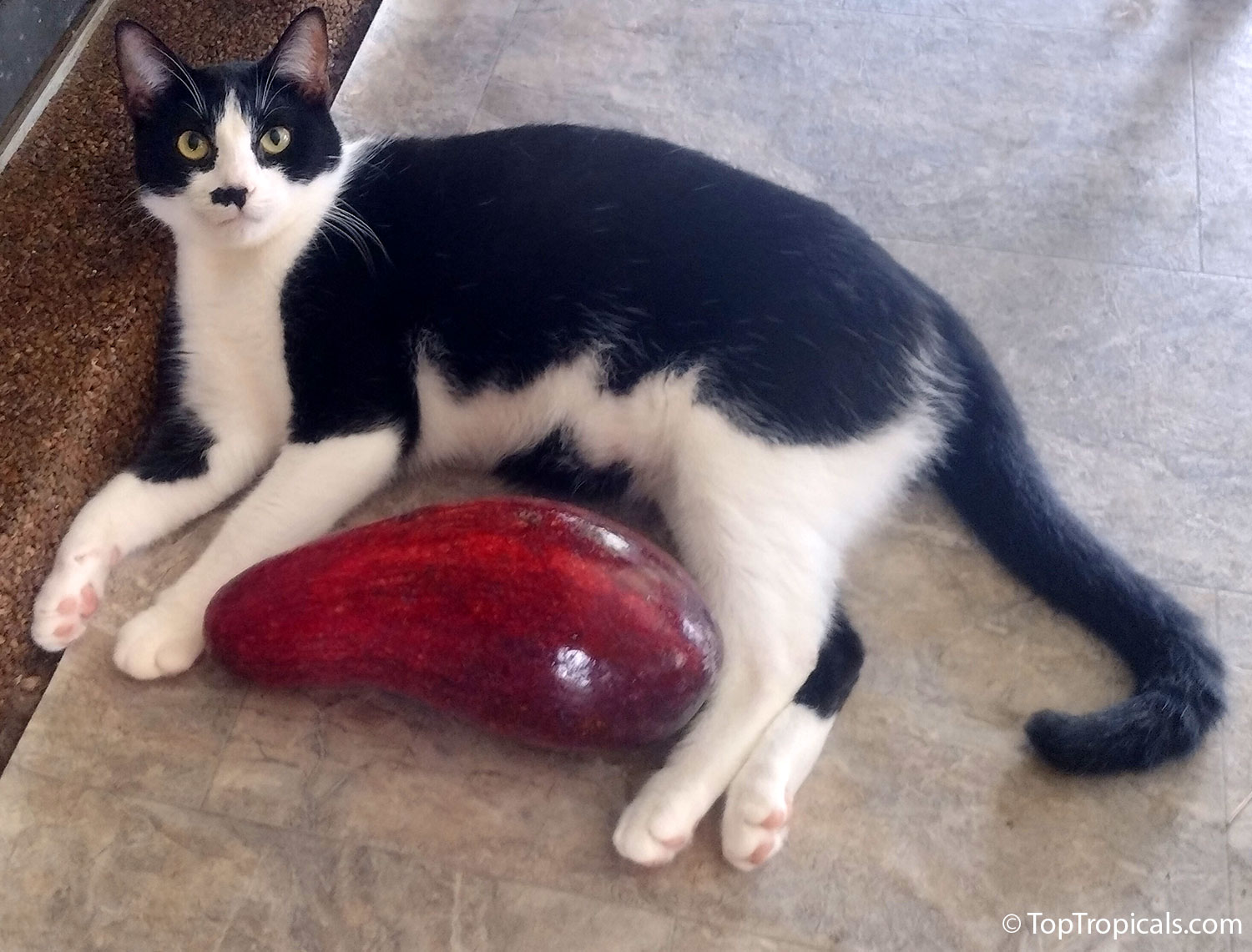
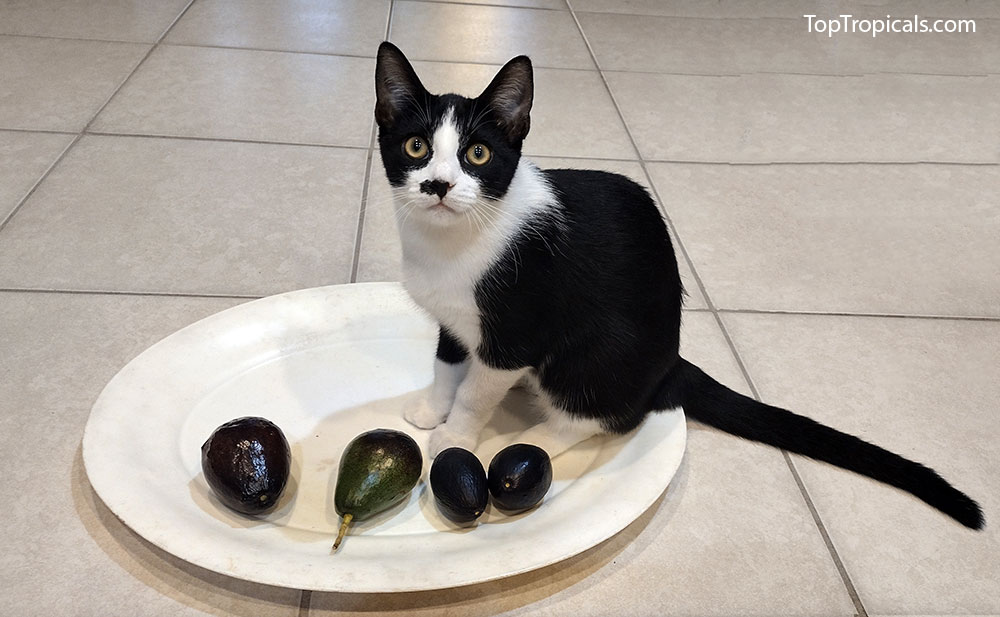
Photo above: It's NOT an egg plant! It's a Red Russell :)
A comprehensive guide to Avocado varieties by: flower type A or B, tree habit, fruit shape and quality, cold hardiness, origin, season and more!
Many gardeners who are eager to purchase their first avocado tree often wonder which variety to choose. Most people are familiar with two primary classifications commonly found in grocery stores: Small & Black or Large & Green.
Frequently, we hear customers ask, "Do you have the one I like, the smaller fruit with bumpy skin? Not that big, tasteless, and watery one!" What they may not realize is that this basic (but practical!) classification doesn't encompass all the wonderful qualities avocados have to offer. There are numerous hybrids in cultivation, and once you plant your first tree and taste the REAL fruit (not from the grocery store), you'll be eager to explore other varieties. It's a guarantee! While it's true that avocado fruit can vary in "butter" content and how "watery" or "buttery" it is, most superior varieties are equally delicious. Or perhaps we should say they are so versatile and distinct in taste that you'll start building your collection of these trees, much like fruit enthusiasts do with mango varieties.
Every garden has unique requirements based on climate, temperature, and property size. These factors must be considered before planning your avocado garden. Additionally, many gardeners may wonder about Type A vs. Type B classifications and whether they need more than one tree to yield fruit. You'll find all this valuable information in our Avocado Variety Guide.
Basic classifications of avocados
1) By flowering pattern and pollination behavior: Type A and Type B
2) By origin: Mexican, Guatemalan, and West Indian (along with many hybrids)
3) By fruit appearance, texture and taste: Guacamole Avocado ("Smooth skin") and Snack Avocado ("California" or "Hass" type)
4) By growth habit: full size trees, free branching or upright, semi-dwarf low growing, and dwarf ("condo avocados")
5) By cold hardiness: Cold sensitive (requiring frost-free conditions), cold tolerant (able to withstand light frost), and cold hardy (capable of enduring some hard freezes once established)
6) By ripening season: Early or Spring (March-June), Mid or Summer (July-September), and Late or Fall-Winter (October-February).