Garden Blog - Top Tropicals

Date: 13 Sep 2018

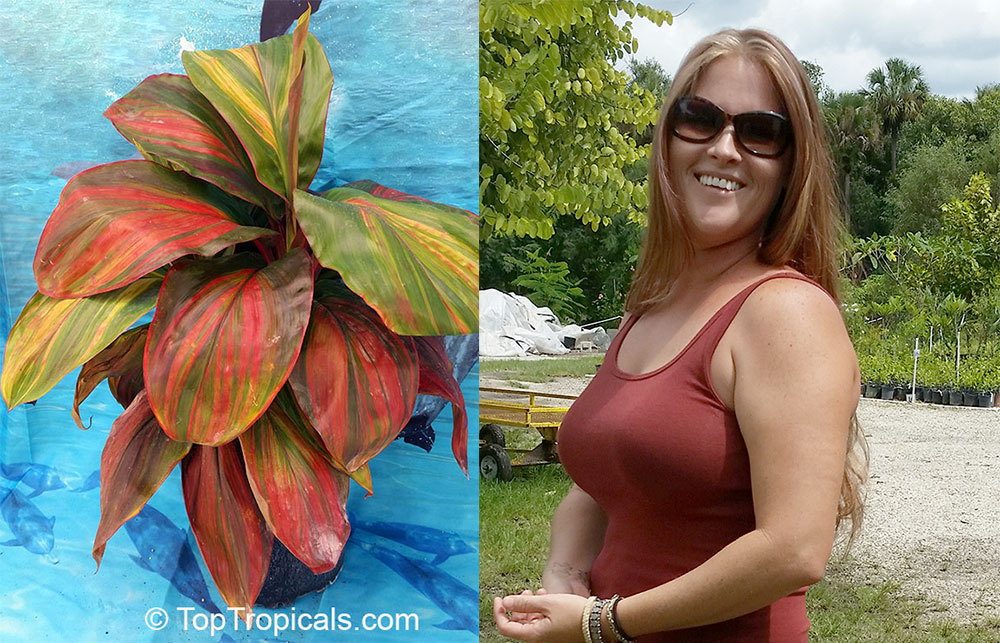
Season Colors from Kristi, TopTropicals Flower Queen
TopTropicals.com

Q: I live in New Jersey and I have a collection of potted tropical plants in my sun room. Our Fall season comes in bright colors, do you have something with colorful foliage for Fall?

A: For our northern customers it's almost time for the changing of the seasons. It is a very exciting and enjoyable time. The onset of fall means, less humidity, cooler nights and the Fall foliage. Here in Florida we do not get the chance to see the changing of the leaves, except maybe a few like Florida Maple Tree. So we use plants that mimic the season change, for all year round color! These are a few examples of the plants with colorful leaves that you may use for your Fall colors, plus remember - there is always a big list of Fall and Winter Flowering Tropicals!

Colorful tropical plants for Fall

Hibiscus tiliaceus - Variegated Mahoe
Acalypha wilkesiana - Chicago Brick Copper Leaf - see all acalyphas
Mussaenda philippica x flava - Calcutta Sunset Marmelade
Pseuderanthemum atropurpureum Purple Haze
Acer rubrum - Red Maple
Adenium Nil with red veined leaves
Cerbera x manghas hybrid - Enchanted Incense
Cordyline fruticosa Willies Gold - see all codyline
Graptophyllum pictum Chocolate Queen

See Fall and Winter Flowering Tropicals.

Date: 7 Sep 2018

6 reasons to buy tropical plants in Fall

TopTropicals

1) Easy planting. No sweat. Enjoy your gardening fun during cooler weather!

2) Easy shipping. With cooler weather, there are less chances for the mail order plants to get overheated in transit or at your doorstep in case you miss the delivery. But don't wait too long, another few weeks and too much cold will put another restriction for deliveries up North.

3) Easy establishing. Stress-free roots = stress-free plants = happy gardeners. Cooler weather is always better for planting and quick establishing.

4) Easy maintenance. Plant growth rate slows down during cool period, so your garden maintenance will be minimal.

5) Winter bloomers will brighten your days! Look at these winter-flowering plants that create a spectacular show during Fall-Winter in subtropical climates. If you grow them as houseplants, this is your chance to have flowers in Winter!

6) House plants Many tropical species suitable for indoor cultivation are available year round, but when you buy them in Fall - they are in their fullest and best shape after Summer vigorous growth.

One the photo: Barleria cristata Striped Lavender Lace.

Date: 4 Sep 2018

Checklist - Preparing for winter in subtropical areas

TopTropicals

Watering. Start reducing the amount you water your plants in early fall, once the temperature drops below 65F. Avoid watering your plants during cool nights, as this may cause serious root rot.

Mulch. When a plant is protected by a thick layer of mulch, the root system stays healthy.

No Pruning. Avoid pruning, trimming, or pinching branch tips altogether during the fall and winter which encourages new shoots that are soft, tender, and very cold sensitive. Last trimming should be done no later than September - early October.

No Fertilizer. Avoid fertilizers during the winter. The main reason being the same as above for pruning: fertilizing promotes growth of the upper plant parts which should be avoided during the winter months. The last time for fertilizer should be no later than October.

Date: 30 Aug 2018

6 Things to Do on Labor Day Weekend

TopTropicals

1. Plant a tree... or a shrub, even just a small perennial will do. This plant will make you feel good and accomplished for the whole year, until next Labor Day (or even longer!). You will always see this fruit of your work and remember your motivation, so things are not that bad with you!

2. Pull 66 weeds. Needless to say, you have plenty of those in your yard at the moment. Why 66? Just do it and see what happens. If you don't see any happy results, pull another 66.

3. Fertilize all plants in your garden or potted collection with slow release fertilizer and microelements. Remember, this is the last chance to give them food and strength to survive, before winter. Starting October, all leftover fertilizer goes to storage, even in tropical gardens.

4. Apply SUNSHINE booster to protect your plants from cool temperature, help to go into dormancy and rest without stress.
Remember, there are products for all your pre-winter needs: Sunshine-T for improving cold tolerance, Sunshine-BC for caudex and bonsai plants, Sunshine-H for houseplants, and general booster Sunshine-E to cover all occasions... 50 and 100 ml bottles available for large plant collections.
Sunshine-Honey should be applied on all fruit trees to ensure their next year successful crop.

5. Add extra mulch in those areas where it was washed off with summer rains or broke down. One day of mulch work will provide 6 months of safe overwintering for your plants.

6. Have a BBQ or simply a nice meal with your friends or family. Enjoy your holiday relaxation after hard work weekend and recharge your Happiness for many days to come.

Date: 24 Aug 2018

When and How Much to Water?

TopTropicals

Q: I have an automatic sprinkler system that waters my lawn. I purchased a tree from you and want to plant it in the middle of the back yard where sprinklers cover that area very well. Will it be enough water? Is there any specific time of the day I should set up the sprinklers and for how long?

A: Do not rely on sprinkler system until the tree is established and starts growing. Right after planting, saturate the soil around the root ball really well. If the weather is hot, water with a garden house daily for at least a week. Once the tree starts new growth, you may rely on sprinkler system.
Twice a day usually is enough, with 10-15 min of zone duration. As far as start times of your irrigation system, water first time in early morning (as early as 4-5 am in Summer time), and second time in late afternoon, when it cools down a little bit. It is important to give leaves a chance to dry before plants go to bed. This will help to eliminate fungus problems as fungus develops in dark moist environment. Usually 4-5 p.m. is a good time for second watering in Summer. As days get shorter, reschedule second watering time to earlier hours.