"Just when the caterpillar thought the world was over,
it became a butterfly"
Chuang Tzu (Taoist philosopher)
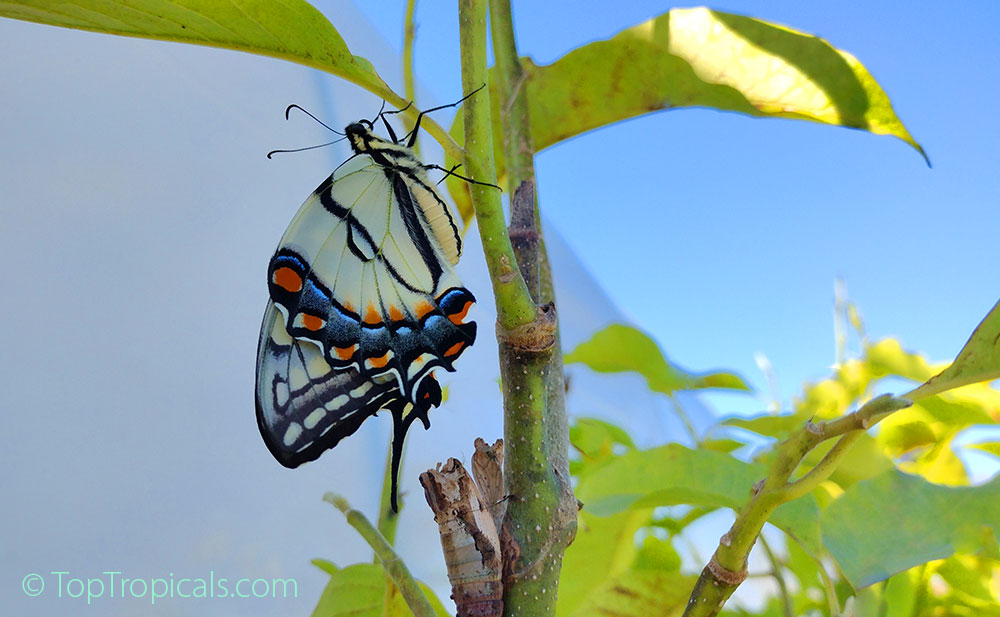
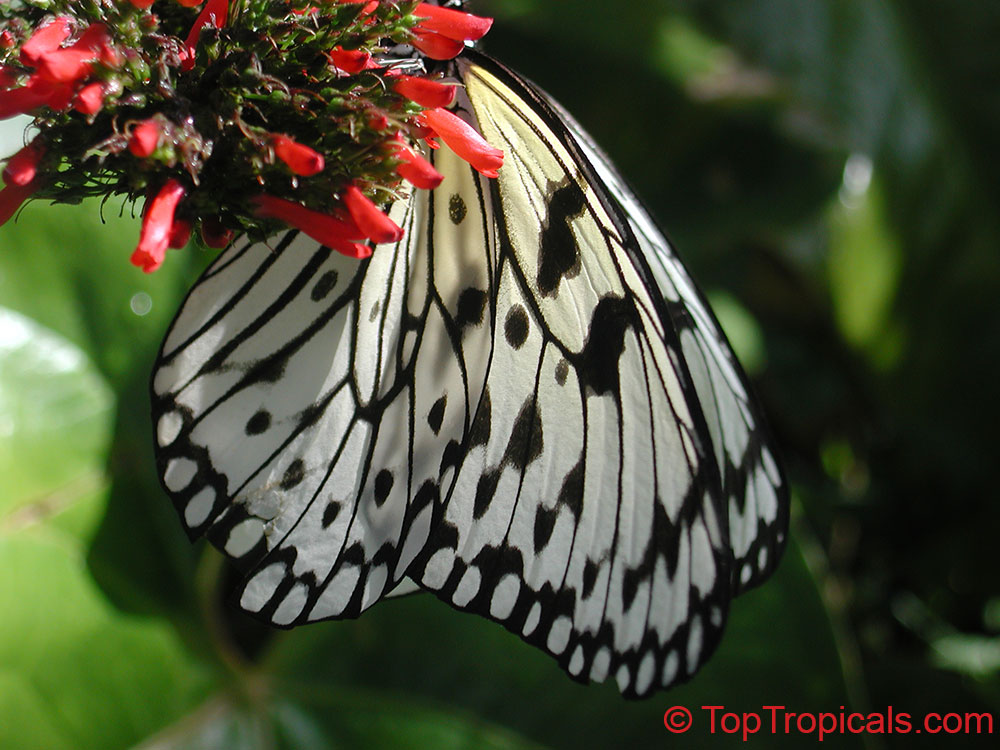
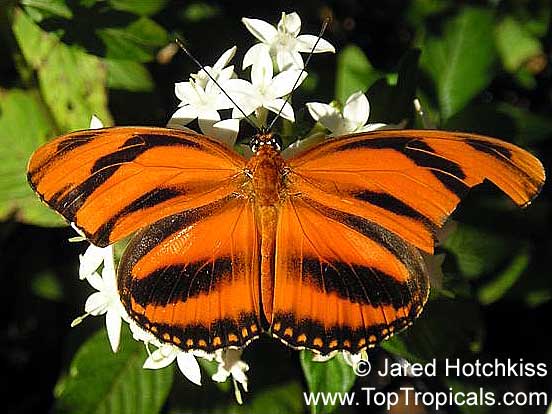
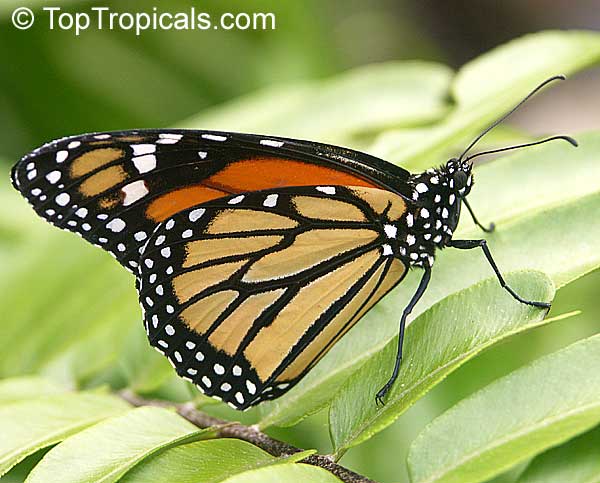
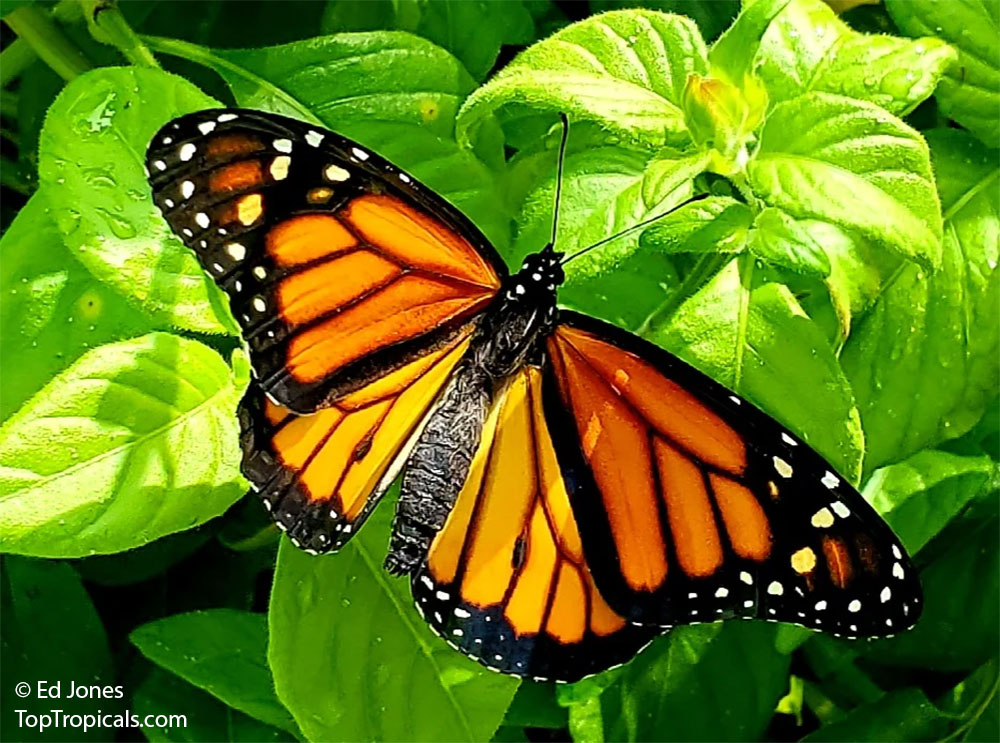
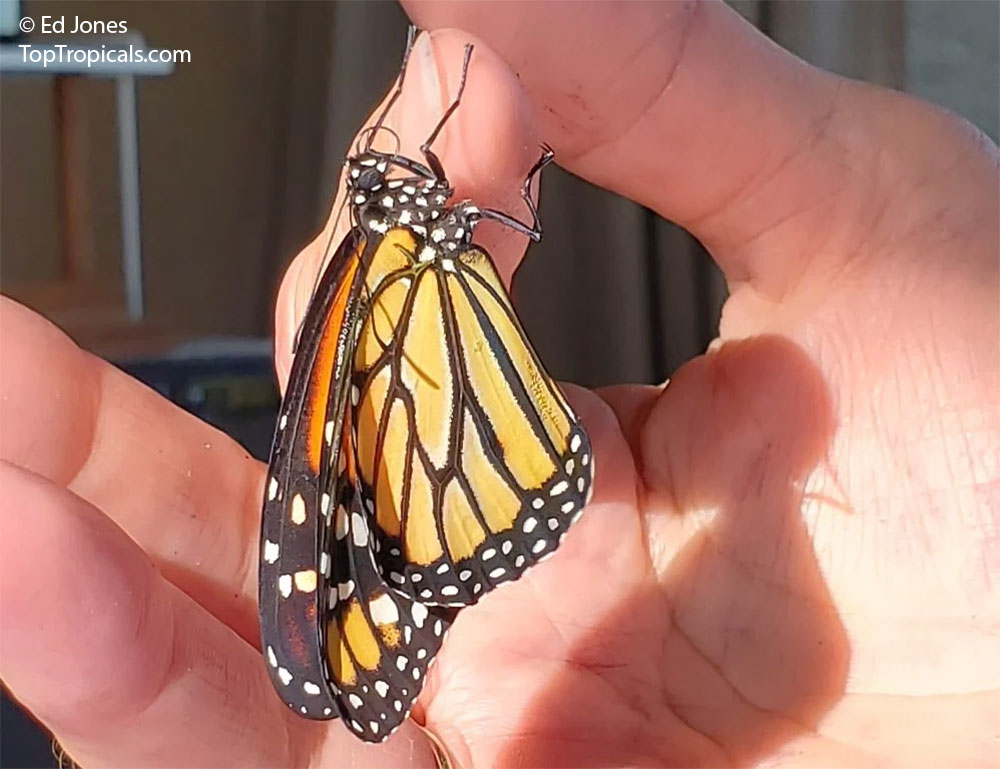
In the photo: yesterday we watched a butterfly born on
one of our
Champaka trees!
Q: What are the best butterfly attracting plants
for a Southern garden?
A: If you love butterflies and if you enjoy
having nature around your home, then plant a butterfly garden. Florida is a perfect place to create a year round and
fully functioning butterfly garden. Caterpillars, which transform into
butterflies, require special kinds of plants to feed upon and these plants grow
extremely well in the South Florida and other subtropical areas. Below are the
top five winners that butterflies appreciate the most. Besides, remember That
all yellow flowers are attractive to them, for example Cassias. Butterflies like the Sun and everything that looks like the
Sun!
1. Calotropis
gigantea - Giant milkweed, Arka
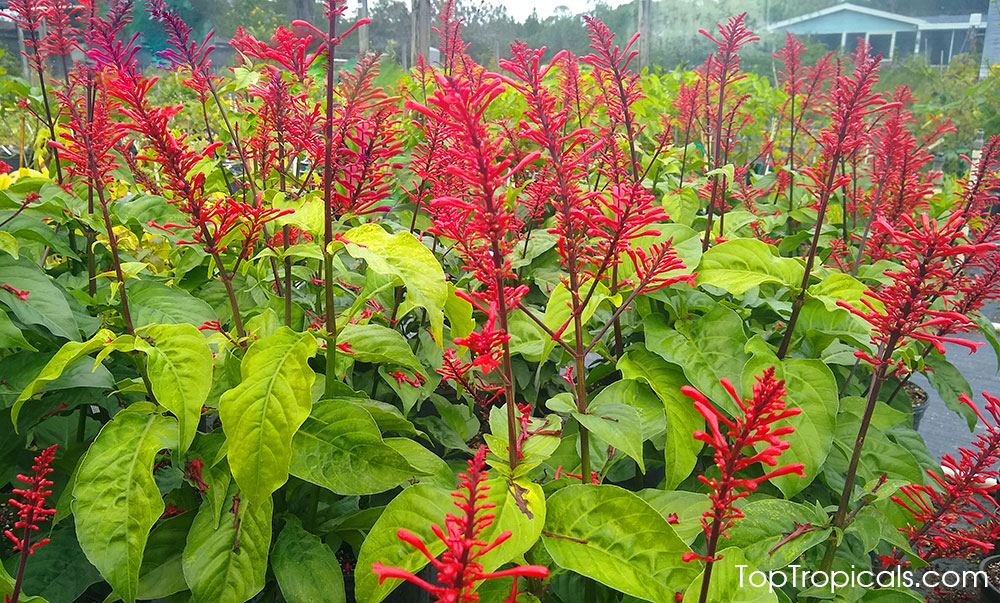
2. Odontonema
cuspidatum - Firespike
3. Plumbago
auriculata Imperial Blue
4. Rondeletia
leucophylla - Panama Rose
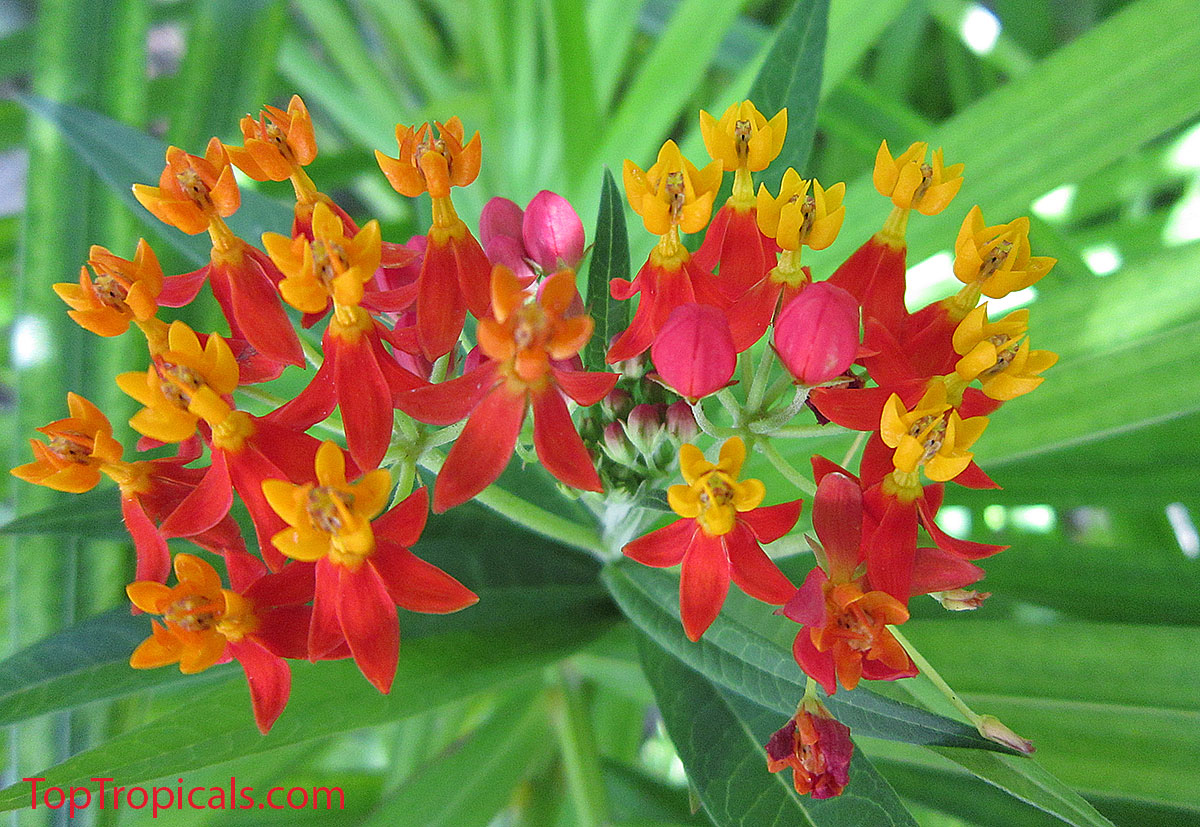
5. Asclepias
curassavica - Red Milkweed, Butterfly Weed
NEW
VIDEO:
ABC7 Fort Myers News: Butterflyplants at Top Tropicals
Butterfly plants... what can be more romantic and sweet in your garden!
Watch the news segment by Rachel Anderson for ABC-7: Butterfly plants at Top Tropicals.
"...Spring has sprung, and if you're looking to spruce up your
garden, Top Tropicals in Fort Myers has you covered! They have hundreds of exotic
plants, fruit trees, fragrant flowers and plants that will attract
butterflies to your garden!
If you're looking for a Mother's Day gift, plants are gifts that keep
on giving!.."
Stay updated with TopTropicals Videos by subscribing to our channel at
YouTube.com/TopTropicals
and get our latest video news of what is fruiting and blooming!
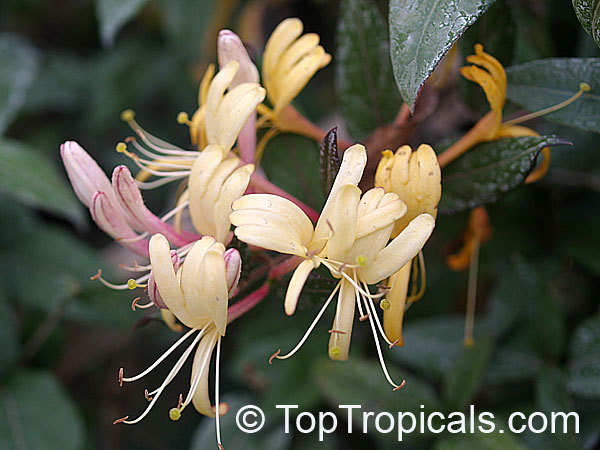
In the photo: Lonicera japonica - Japanese Honeysuckle - a garden favorite, hardy,
fast growing vine. Jasmine-sweet scented flowers attract butterflies, and
hummingbirds, and berries attract birds!
A: Attracting butterflies to your garden can be a fun and rewarding experience. Here are some tips to help you
create a butterfly-friendly environment.
1. Choose the right plants: Butterflies are attracted to nectar-producing flowers such as milkweeds, butterfly bushes. Plant lots of bright flowers, especially of yellow and pink colors like some cassias which seem to be the pleasant to butterfly's eye. Use a variety of flowers to attract different species of butterflies. This is a full list of butterfly-attracting plants.
2. Provide food for caterpillars: Butterflies lay their eggs on specific host plants that caterpillars will eat. For example, monarch butterflies lay their eggs on milkweed. Passion flower is also a great butterfly host,
but be prepared to sacrifice some leaves!
3. Provide a water source: Butterflies need a source of water to drink from. A shallow dish or birdbath
with rocks in it will provide a place for butterflies to rest and drink.
4. Avoid using pesticides: Pesticides can harm butterflies and other beneficial insects. Try using natural methods to control pests in your garden, such as companion planting and hand-picking.
5. Create a sunny spot: Butterflies love warm, sunny spots. Plant your butterfly garden in an area that receives at least six hours of direct sunlight each
day.
6. Add a butterfly house: A butterfly house can provide shelter for butterflies during bad weather and at night.
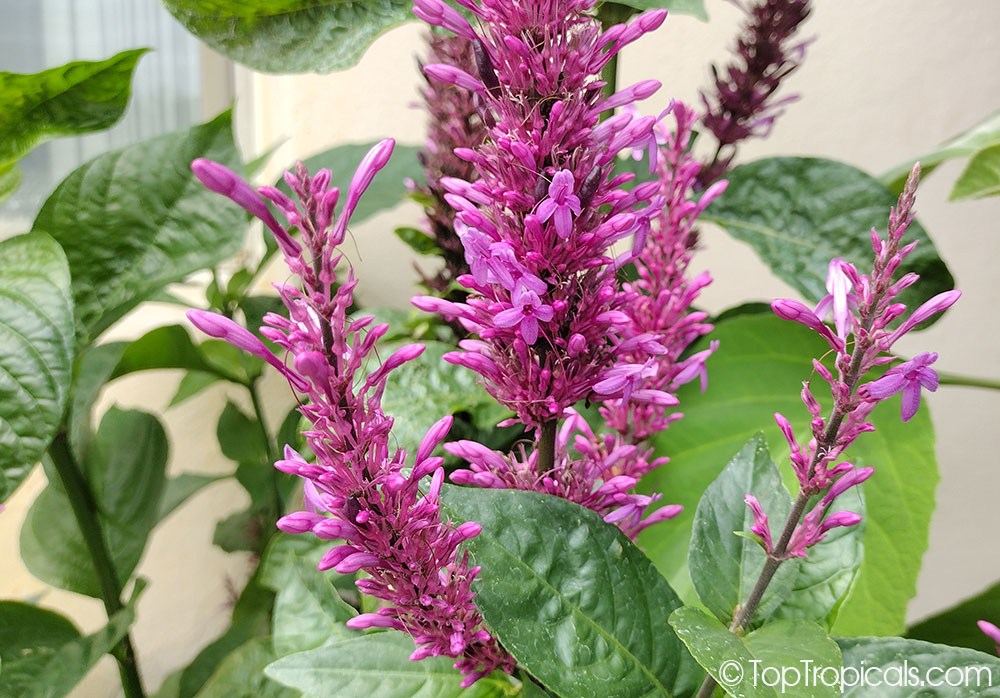
In the photo: Odontonema callistachyum - Lavender Butterfly Bush. Showy bright lavender flowers, butterfly attractor. Blooms in both sun or shade.
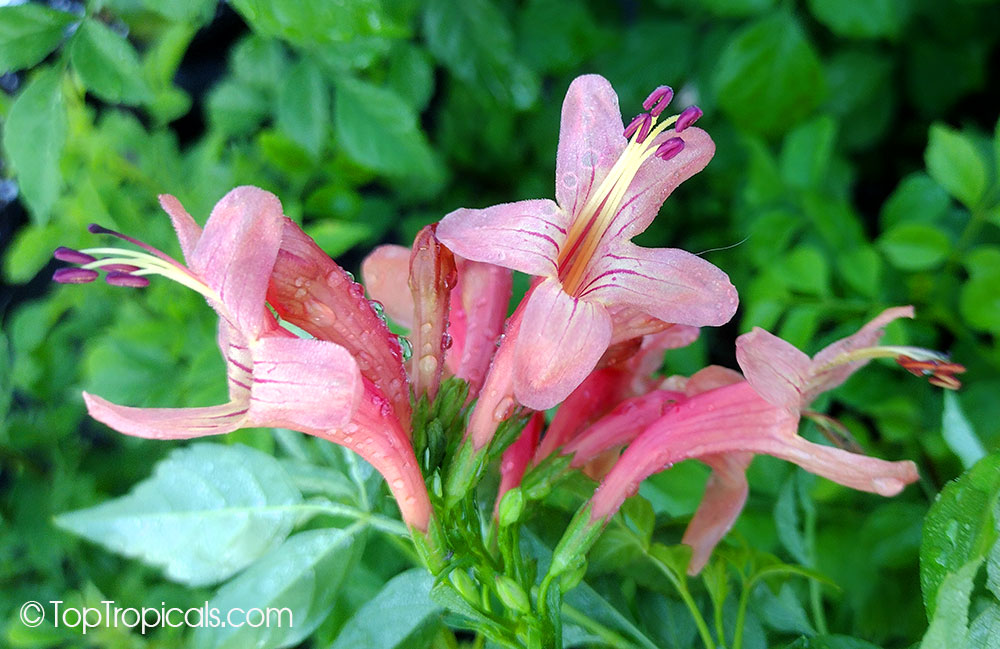
In the photo: Tecomaria capensis Apricot - Hammers Rose, Apricot Tecoma, Cape Honeysuckle. Very fast growing, it has attractive, light green foliage and frequent displays of long, tubular flowers that may be apricot or orange at the ends of the stems. Great for a privacy hedge that attracts butterflies!
Date: 20 Oct 2018
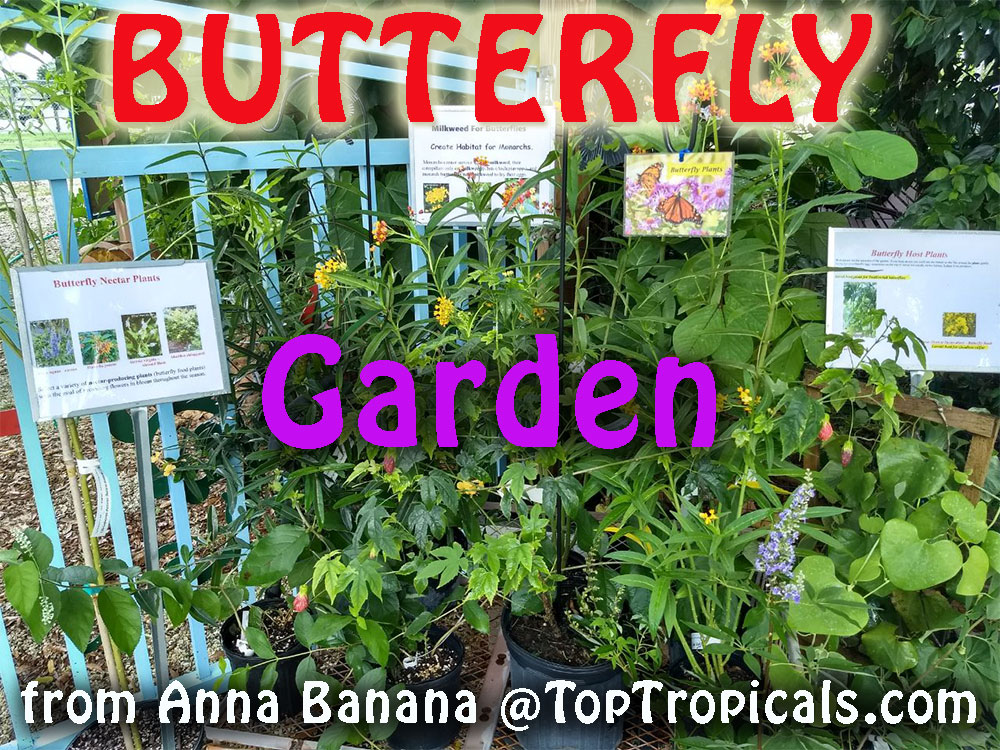
Butterfly Garden from Anna Banana
Butterfly facts
1. There are approximately 20,000 different species of
butterflies, the largest of which is the Queen Alexandra
Birdwing with a wingspan of 11 inches.
2. Female butterflies can lay over 1000 eggs during their
short lifetime.
3. Butterflies lay their eggs on host plants which usually
hatch within a few days, then turning into caterpillars.
The caterpillar will then eat until it sheds it's skin
several times, called instars, finally emerging from the
chrysalis as a beautiful butterfly.
4. Butterflies are born to breed, their goal being to mate
and begin the cycle again. Most live only a few days
except the Monarch which can live up to six months.
5. Monarch butterflies migrate to Mexico every fall and
remain there until spring when they make the return
migration.
6. Due to the continuing destruction of the rain forests,
where the largest population of butterflies are found,
their numbers are dwindling. We encourage you to plant a
butterfly garden!!
Remember:
- A sunny, less windy location is best, however, Zebras
love to float in the shade of bushes and trees.
- The more host and nectar plants you have, the more
butterflies will be attracted to your garden.
- Butterflies"puddle". They like a wet sandy area where
they congregate and sip minerals and nutrients from the
wet sand and water.
- Rocks to rest and enjoy their beautiful garden, and
don't forget a bench or hammock for yourself.
FREE
butterfly garden guide from Anna Banana
For our local Florida customers, it is a perfect time now
to start a garden with plants for butterflies that will
appear first thing in Spring. Establish these plants now
for the Spring blooms that will attract the Beauty into
your garden!
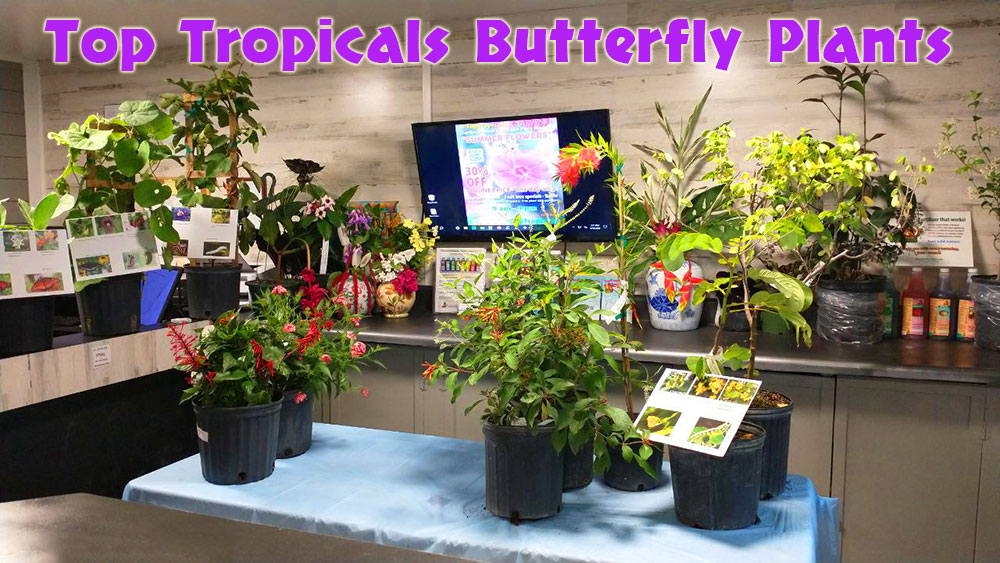
Stop by our Garden Center to check out our Butterfly Plants display, or
simply call Anna Banana for a free consultation on
Butterfly Garden at 239-771-8081.
Hurry up while butterfly plants are on 4-day sale!
Date: 22 Jul 2024
What are the best butterfly attracting plants for a Southern garden?
Asclepias - Milkweed, butterfly attractor
What are the best butterfly attracting plants for a Southern garden? 5 best butterfly attractors.
If you love butterflies and if you enjoy having nature around your home, then plant a butterfly garden. Caterpillars, which transform into butterflies, require special kinds of plants to feed upon. Below are the top five winners that butterflies appreciate the most. Besides, remember That all yellow flowers are attractive to butterflies, for example Cassias. Butterflies like the Sun and everything that looks like the Sun! 🌞
Q: I am trying to find some easy flowering shrub
to screen the ugly corner of my neighbor's yard, can you suggest something
fast growing and pretty?
A: One of our favorite flowering shrubs in
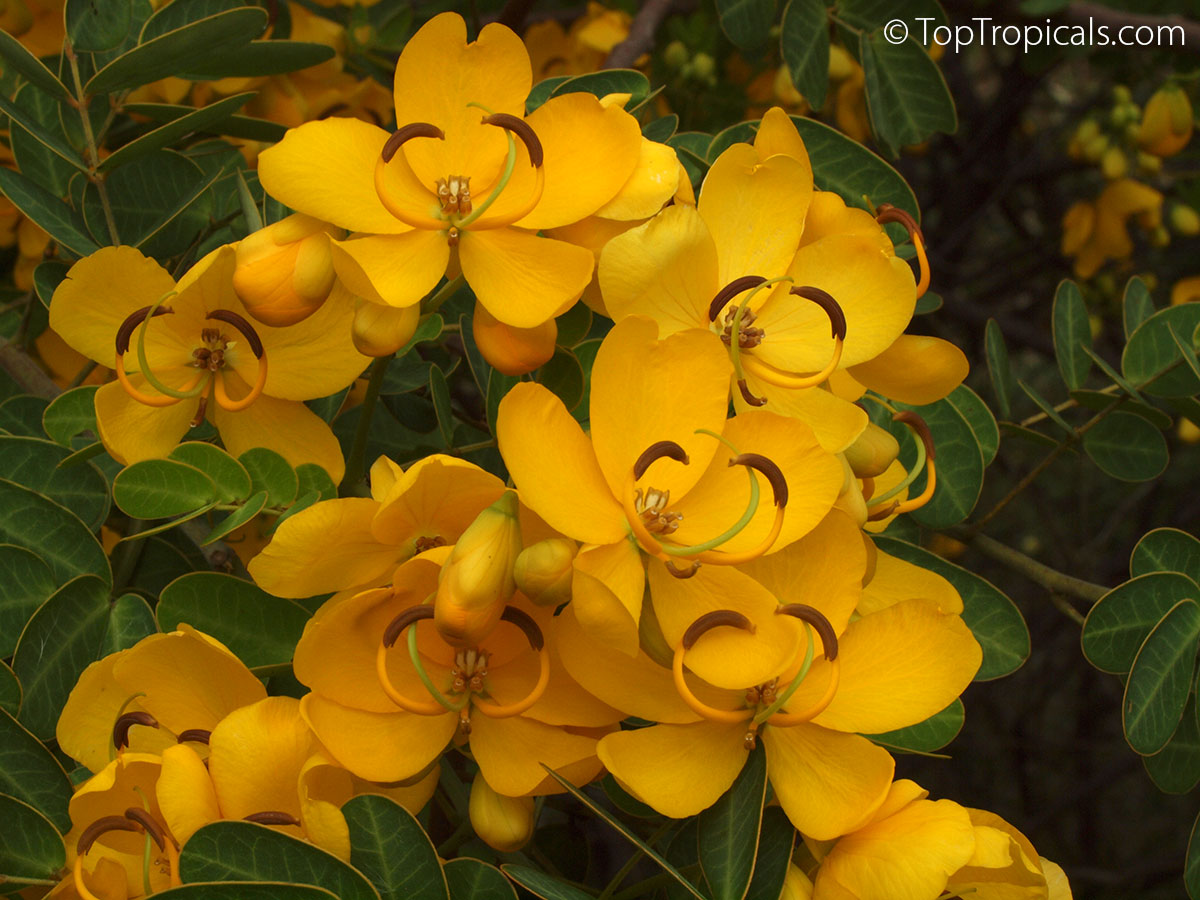
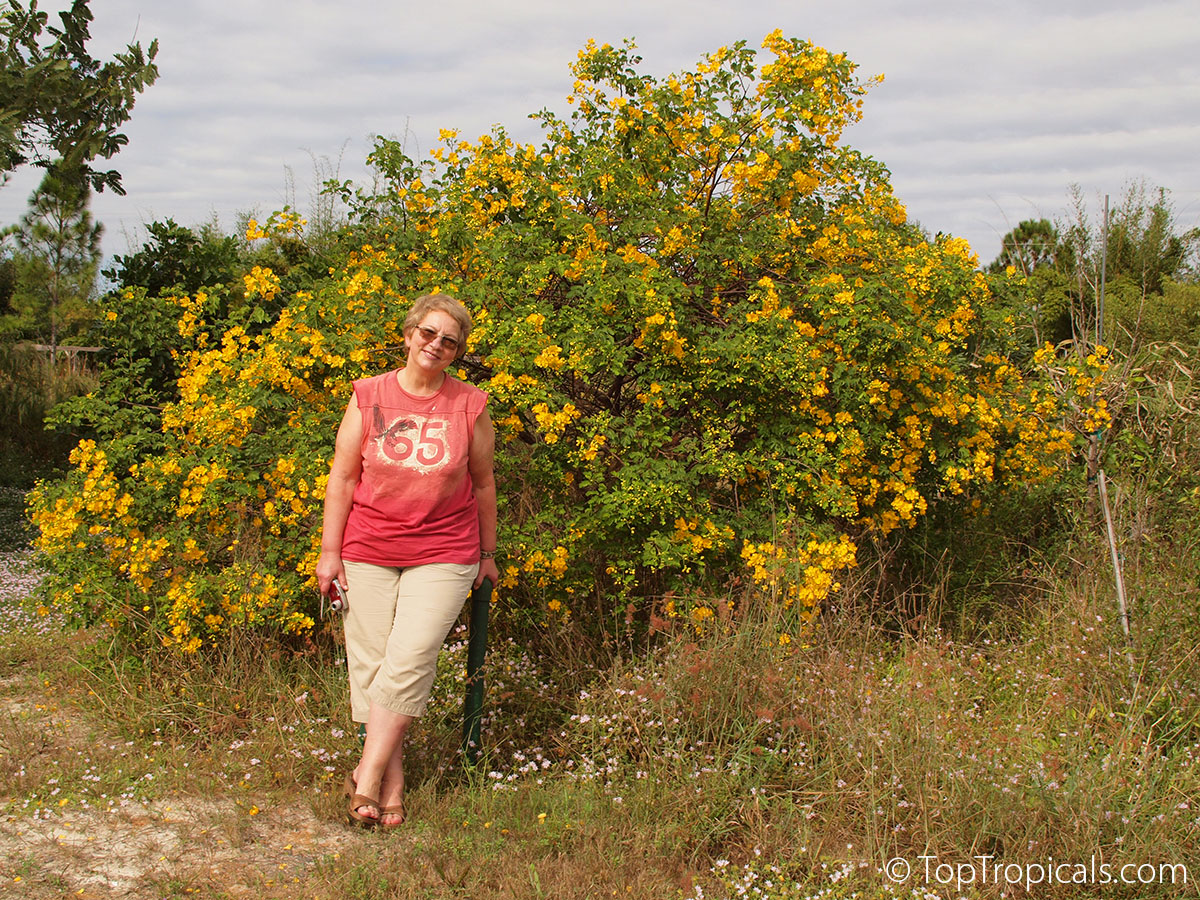
Florida is the Cassia
bicapsularis, commonly known as Scrambled Egg Bush or Butterfly Bush. It is one
of the most desirable plants for the southern landscape. It has all the
benefits any gardener may dream of, whether a beginner or an expert:
1. Very fast growing, can screen unwanted views and create a
beautiful flowering hedge. Cassia bicapsularis is known for its rapid growth,
making it an excellent choice for quickly transforming an unsightly corner into
a vibrant and lush area. Its dense foliage and attractive yellow blooms add
both beauty and privacy to your outdoor space.
2. Easy to grow, not fussy about soil or water, drought and flood
tolerant, cold tolerant. Butterfly Bush is incredibly adaptable and
resilient. It thrives in a variety of soil types, is not demanding when it comes to
water, and can withstand both drought and occasional flooding. Additionally,
it is cold tolerant and can withstand occasional frosts once established.
3. Blooms for many months, featuring especially in winter flowers
from Fall to spring. Very pretty, large "sunny" flowers resembling bright
yellow butterflies, hence the name. It is a generous bloomer, gracing your
garden with vibrant yellow flowers for an extended period, particularly from fall
to spring. The large, sunny blooms not only add visual appeal but also
attract pollinators, enhancing the ecological balance of your garden.
4. Attracts lots of butterflies. As the common name suggests, the
Butterfly Bush is a magnet for butterflies. If you enjoy the presence of
these beautiful winged creatures in your garden, planting Cassia bicapsularis is
an excellent way to encourage and support butterfly populations.
5. Low maintenance. Butterfly Bush can be trimmed and controlled
at the desired shape if needed, but if you have room for a big bush in a full
sun area - just let it go and it will form a nice dense bush without any
pruning: this shrub is a low-maintenance delight. While it can be pruned and
shaped according to your preferences, it also flourishes when left to grow
naturally. Its ability to form a dense and attractive bush without constant
pruning makes it an ideal choice for those seeking a fuss-free gardening
experience.
If you're looking for a fast-growing, low-maintenance, and aesthetically
pleasing solution to screen an unsightly corner, Cassia bicapsularis is an
unbeatable choice. It ticks all the boxes for a beautiful and resilient
flowering shrub in the southern landscape.
"...Without a doubt, Butterfly Cassia became one of my favorite
plants during my visit to Florida for Christmas a few years ago. I only wish I
could have taken it back home with me to Latvia. If only my windowsill hadn't
already reached its greenhouse capacity!.." - Alex Butova.
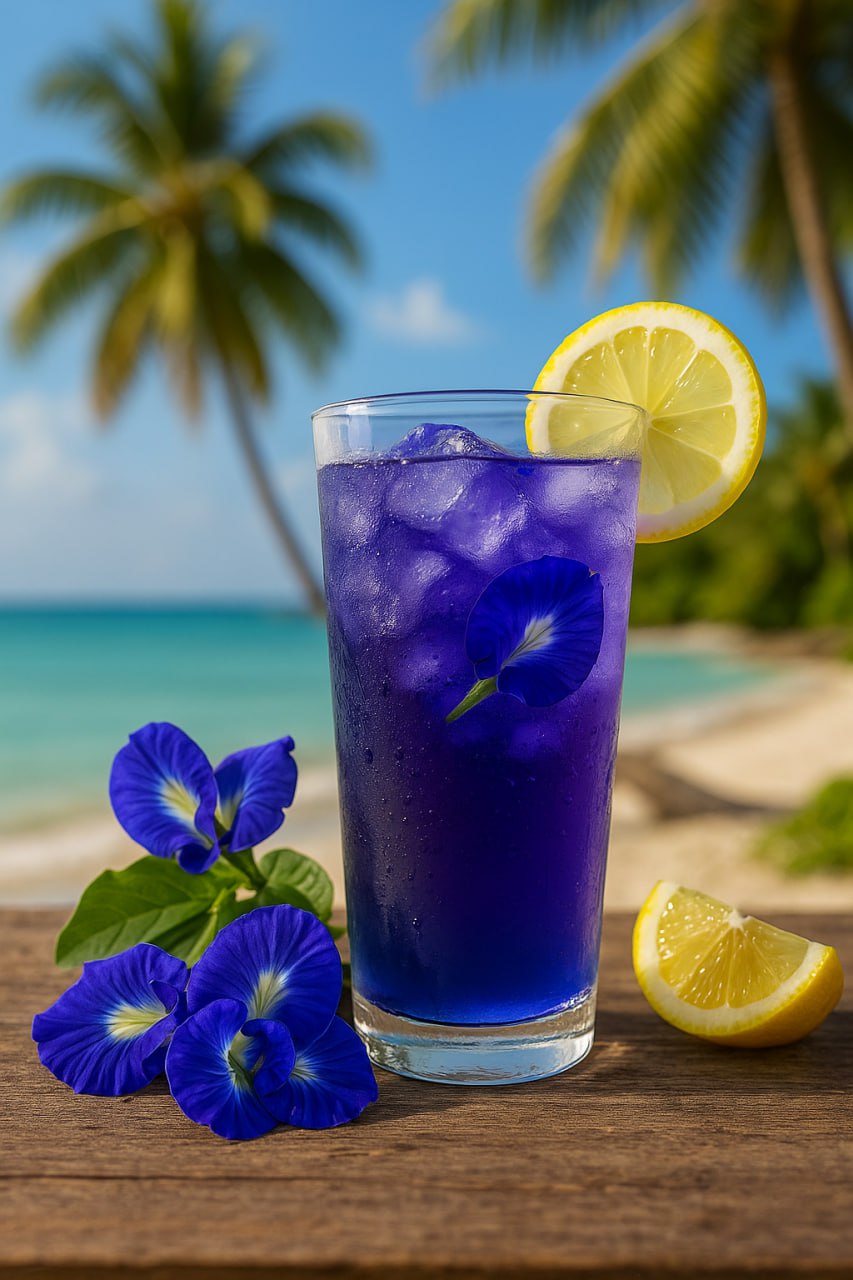
Blue butterfly pea lemonade: quick-n-fun exotic recipes
Blue butterfly pea lemonade
🍴 Blue butterfly pea lemonade: quick-n-fun exotic recipes
🔵Blue butterfly pea flowers (Clitoria ternatea) make an excellent lemonade! 🔵Brew the flowers into a blue tea, add a bit of lemon juice. 🔵Watch the color turn purple like magic!
Monarch Butterflies Are In Trouble
You Can Help By Planting Milkweed
Do you want to save butterflies from extinction? This is all you need -
embrace the allure of butterflyplants and become a hero for monarchs!
...Ecologists and other scientists have been warning about an 80 percent
decline in monarch populations due to habitat loss, pesticides and climate
change over the past two decades, but 2024 is a critical year. A recently
released annual survey on monarch populations reported a 59.3 percent decrease in
population from 2022.
Milkweed plants are one of the best butterfly attractors and they can grow
pretty much anywhere. It is a favorite of monarchs, according to Monarch
Watch.... (Source: blockclubchicago.org)
Join us in combating the decline of monarch populations by welcoming
these graceful creatures into your garden! Discover the beauty of butterfly plants today and help preserve their habitat.
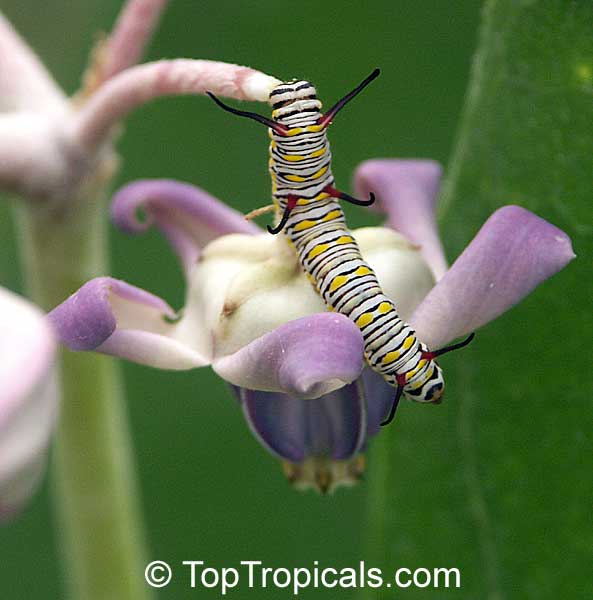
In the photo: a caterpillar of a future Monarch
butterfly climbing up the
Calotropis gigantea - Giant milkweed flower, one of the best host plants
for Monarch butterfly.
Date: 12 Jul 2022
The Milkweed and the Monarch, how to
raise your own
by Ed Jones, the Booster Guy
...How to attract butterflies in your garden? What plants do butterflies
love? How to grow those plants when butterfly larvae keep eating them?...
Many gardeners ask these questions and butterfly attracting plants always
have been very popular. But did you know that you could actually turn your
garden into a little butterfly farm?...
Find out from Ed and Juvonda's butterfly mini-farm experience!
CONTINUE READING >
13 tropical flowers to plant in spring to attract pollinators year around
13 tropical flowers to plant in spring to attract pollinators year around: Abutilon Fireball (Abutilon darwinii x striatum), Almond Bush (Aloysia virgata), Calico Flower (Aristolochia littoralis), Pride of De Kaap (Bauhinia galpinii), Mexican Bird of Paradise (Caesalpinia mexicana), Red Tassel Flower (Calliandra tweedii With Love), Giant Milkweed (Calotropis gigantea), Blue Butterfly (Clerodendrum ugandense), Tropical Hydrangea (Dombeya wallichii), Fire Bush (Hamelia patens), Butterfly Orchid
13 tropical flowers to plant in spring to attract pollinators year around
Spring is when everything wakes up - and if you plant smart now, your garden can stay alive with butterflies, bees, and hummingbirds all year long. The key is mixing tropical bloomers that flower in waves, not all at once. These plants don’t just look good - they keep pollinators coming back season after season, turning your yard into a living, moving ecosystem.
1. Abutilon Fireball (Abutilon darwinii x striatum)
Bell-shaped flowers in warm red and orange tones hang like little lanterns. Very cold hardy, blooms on and off through the year, especially in mild climates. A steady nectar source for hummingbirds. More 👉
2. Almond Bush (Aloysia virgata)
Light, airy clusters of tiny white flowers with a strong almond scent. Bees absolutely cover this plant when it’s in bloom. Flowers repeatedly through warm months. More 👉
Sweet Almond Bush Plant Facts
Botanical name: Aloysia virgata Also known as: Sweet Almond Bush, Incense Bush
USDA Zone: 9 - 11
Highligths
3. Calico Flower (Aristolochia littoralis)
One of the most unusual flowers you can grow - patterned like fabric. More importantly, it’s a host plant for butterflies, giving them a place to lay eggs. More 👉
Elegant Dutchmans Pipe Plant Facts
Botanical name: Aristolochia littoralis, Aristolochia elegans Also known as: Elegant Dutchmans Pipe, Calico Flower
USDA Zone: 9 - 12
Highligths
4. Pride of De Kaap (Bauhinia galpinii)
Bright orange-red blooms cover this shrub for months. Tough, fast-growing, and constantly visited by butterflies and bees. More 👉
Pride of De Kaap Plant Facts
Botanical name: Bauhinia galpinii, Bauhinia punctata Also known as: Pride of De Kaap, Nasturtium Bauhinia
USDA Zone: 9 - 11
Highligths
5. Mexican Bird of Paradise (Caesalpinia mexicana)
Sunny yellow flowers with a light fragrance. Handles heat, freeze, and poor soil easily. A reliable nectar plant for bees and butterflies. More 👉
Mexican Bird of Paradise Plant Facts
Botanical name: Caesalpinia mexicana Also known as: Mexican Bird of Paradise, Dwarf Poinciana
USDA Zone: 9 - 11
Highligths
6. Red Tassel Flower (Calliandra tweedii With Love)
Very showy red-flowered powderpuff, fast-growing and spacey shrub. Cold tolerant to hard freeze, making it a strong choice for subtropical gardens. Forms a dense, many-stemmed plant with fine, feathery foliage that folds at night or by touch. Large scarlet tassel flowers bloom from spring to autumn and attract pollinators nonstop. More 👉
7. Giant Milkweed (Calotropis gigantea)
A bold plant with thick leaves and waxy flowers. Important host plant for butterflies, especially monarchs. Handles heat and drought well. More 👉
Giant Milkweed Plant Facts
Botanical name: Calotropis gigantea Also known as: Giant Milkweed, Crown Flower, Giant Calotrope, Arka, Jilledu, Erukkam Madar, White Madaar
USDA Zone: 9 - 11
Highligths
8. Blue Butterfly (Clerodendrum ugandense)
Flowers really do look like little blue butterflies. Blooms frequently and attracts actual butterflies along with bees. More 👉
Butterfly Clerodendrum Plant Facts
Botanical name: Rotheca myricoides, Clerodendrum ugandense Also known as: Butterfly Clerodendrum, Blue Butterfly Bush, Blue Glory Bower, Blue Wings
USDA Zone: 9 - 11
Highligths
9. Tropical Hydrangea (Dombeya wallichii)
Large clusters of soft pink flowers appear in cooler months when little else is blooming. A major nectar source in winter. More 👉
Pink Ball Tree Plant Facts
Botanical name: Dombeya wallichii, Dombeya x cayeuxii Also known as: Pink Ball Tree, Tropical Hydrangea
USDA Zone: 9 - 11
Highligths
10. Fire Bush (Hamelia patens)
One of the best all-around pollinator plants and a tough bush - takes both cold and heat. Tubular orange-red flowers attract hummingbirds nonstop, plus butterflies and bees. More 👉
Fire Bush Plant Facts
Botanical name: Hamelia patens Also known as: Fire Bush, Firecracker Plant
USDA Zone: 8 - 11
Highligths
11. Butterfly Orchid Vine (Mascagnia macroptera)
A climbing, cold hardy vine covered in bright yellow flowers and butterfly-like seeds. Great for fences or trellises, adding vertical color and feeding pollinators. More 👉
Butterfly pea vine Plant Facts
Botanical name: Mascagnia macroptera Also known as: Butterfly pea vine, Yellow Orchid vine, Gallinita
USDA Zone: 9 - 10
Highligths
12. Mexican Flame Vine (Senecio confusus)
Fast-growing, hardy vine with intense red blooms. Flowers heavily and brings in butterflies quickly. More 👉
Mexican Flame Vine Plant Facts
Botanical name: Pseudogynoxys chenopodioides, Senecio confusus Also known as: Mexican Flame Vine, Orangeglow Vine
USDA Zone: 9 - 11
Highligths
13. Yellow Elder (Tecoma stans)
Bright yellow trumpet flowers that bloom over a long season. A dependable plant for both bees and hummingbirds. More 👉
Yellow Elder Plant Facts
Botanical name: Tecoma stans, Bignonia stans Also known as: Yellow Elder, Yellow Bells
USDA Zone: 9 - 11
Highligths
✔️ Planting a mix of these gives you something in bloom almost every month.
That’s the real trick - not just planting for spring, but building a rotation of flowers that keeps pollinators fed all year long.