🍷Before you open a bottle of wine, meet the Secret Wine Tree from Brazil
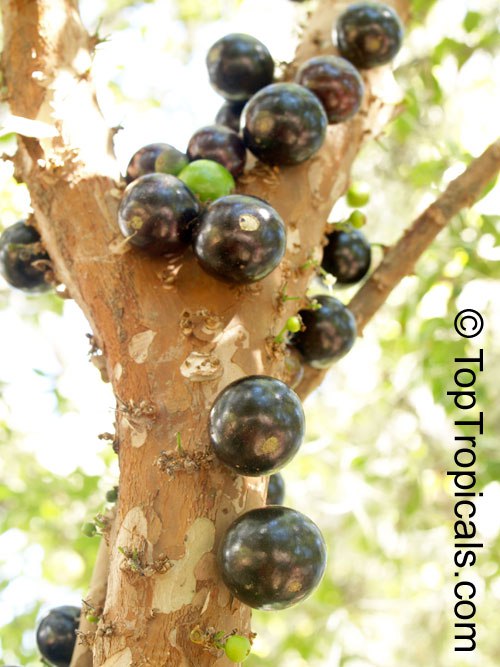
🍷Jaboticaba (Myrciaria cauliflora) grows grapes right on its trunk! It's one of Brazil’s most fascinating and beloved native fruits. Its name alone sounds exotic, but wait until you see it in fruit: shiny, grape-like berries bursting straight from the bark!
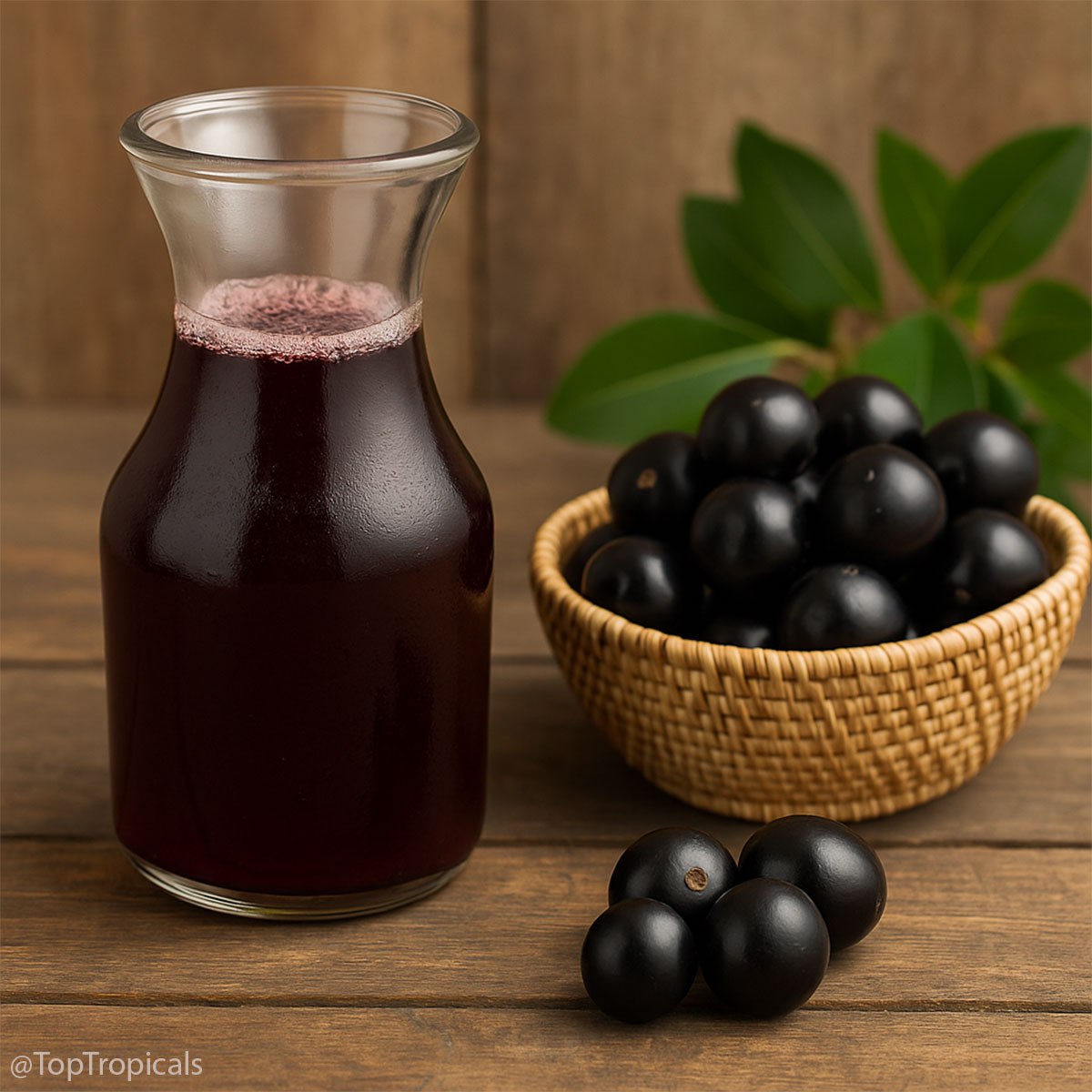
🍷 Jaboticaba is the source of the famous Brazilian wine Vinho Tinto de Jabuticaba. The fruits are small, dark purple, with a thick skin and a sweet, melting pulp that tastes a lot like black currant. They can be eaten fresh, made into jams, or fermented into homemade wine with an incredible aroma and rich color.
🍷 Jaboticaba tree is slow-growing and compact, often used as a bonsai because of its small leaves and graceful shape. But patience pays off - mature trees covered in purple fruits are absolutely stunning! The fruiting habit, called cauliflory, means the fruits grow directly from the trunk and main branches, creating a truly one-of-a-kind look.
🍷 Jaboticaba trees can handle some cold (down to mid-20's once mature), don't mind wet rainy seasons and can be grown in containers in cooler areas. They make beautiful landscape trees and conversation starters wherever they’re planted.
🍷 If you've ever dreamed of making your own wine from fruit grown in your backyard, this is the tree for you. Jaboticaba isn’t just a plant - it's an experience, a piece of Brazil's culture, and a living work of art that rewards patience with magic.
A homemade tropical wine with rich berry flavor and a hint of earthiness.
This traditional Brazilian recipe turns fresh Jaboticaba fruit into a deep purple wine with a unique aroma and flavor somewhere between grape and plum. Easy to make, fun to share!
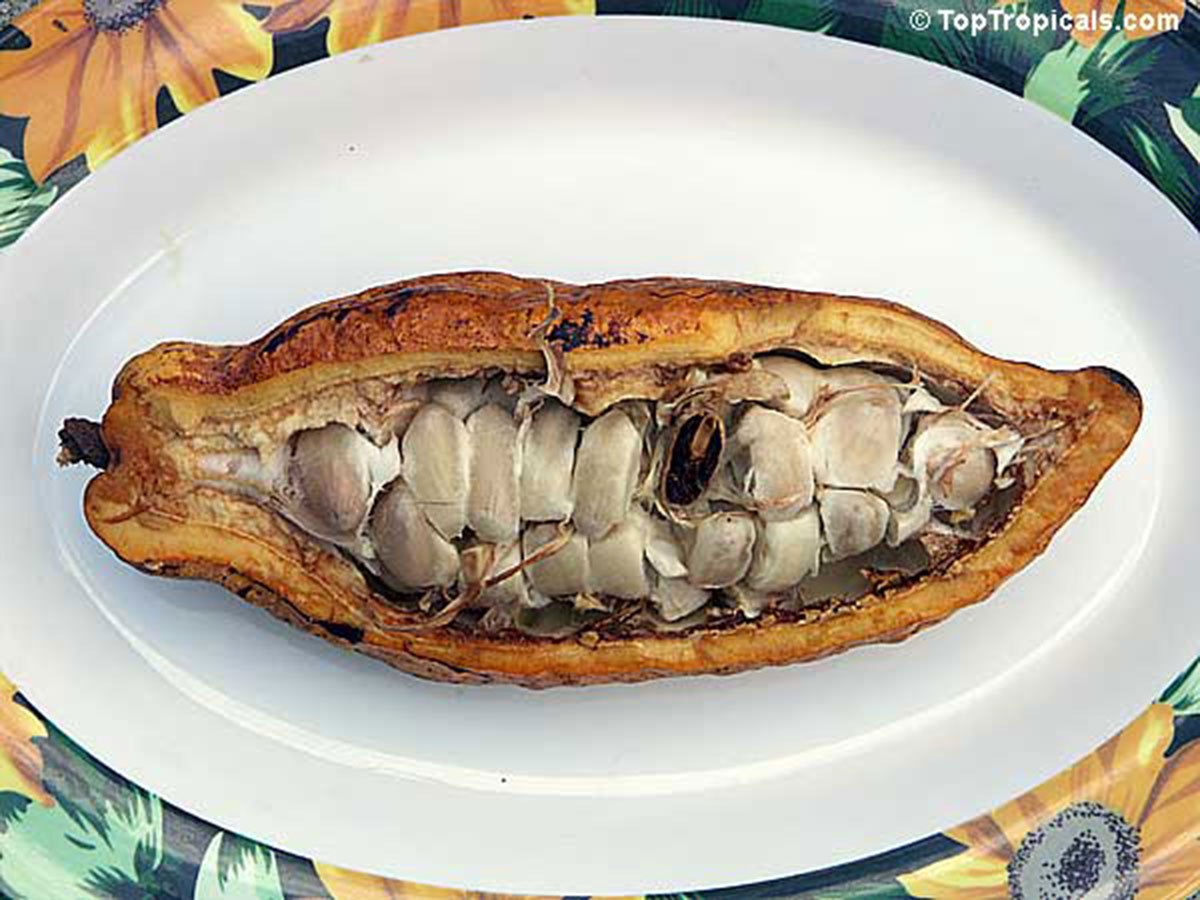
Chocolate tree fruit (Cocoa, Cacao beans) - Theobroma cacao
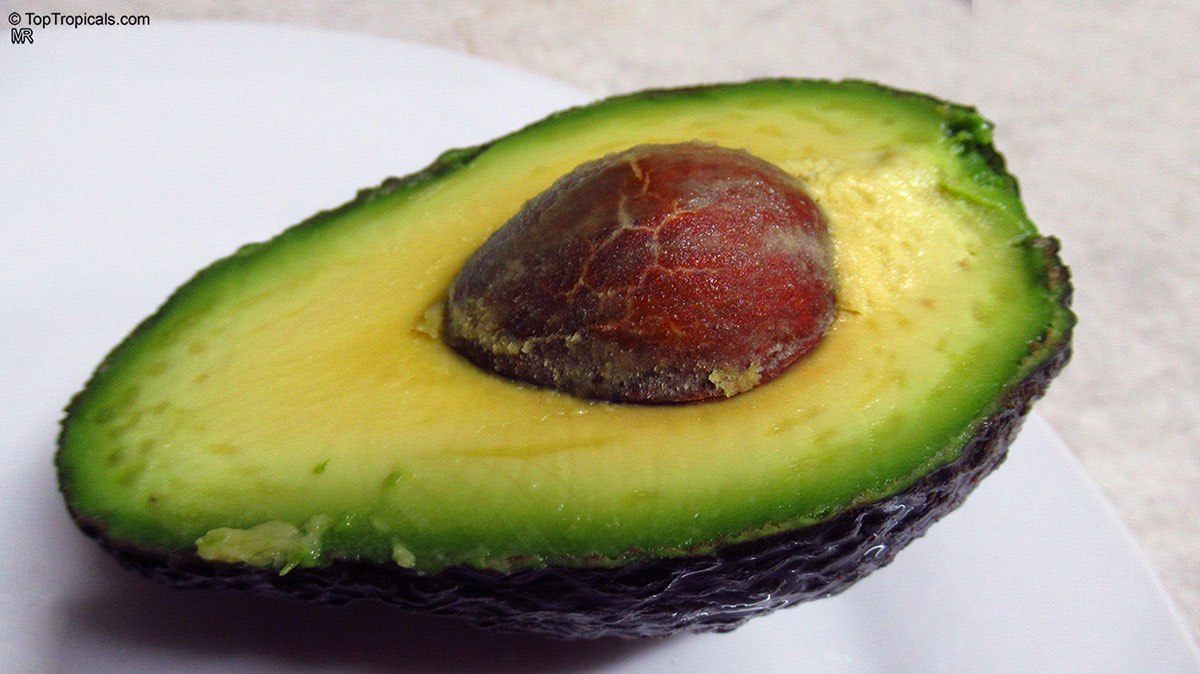
Avocado fruit
☕️ Grow your own brain food: Avocado and Cocoa
Avocado and cocoa aren't just a delicious combo - they’re also great for your brain. Studies show that Avocado's healthy fats
improve blood flow and memory, while Cocoa’s flavonoids
boost attention, mood, and overall cognitive performance. Together, they help protect brain cells from inflammation and aging.
Avocados are rich in monounsaturated fats and lutein, nutrients that support sharp thinking and long-term brain health. Cocoa, meanwhile, enhances circulation in the brain and has been linked to lower risk of stroke and dementia. So, growing your own avocado and cacao trees means growing your own natural brain boosters right in your garden.
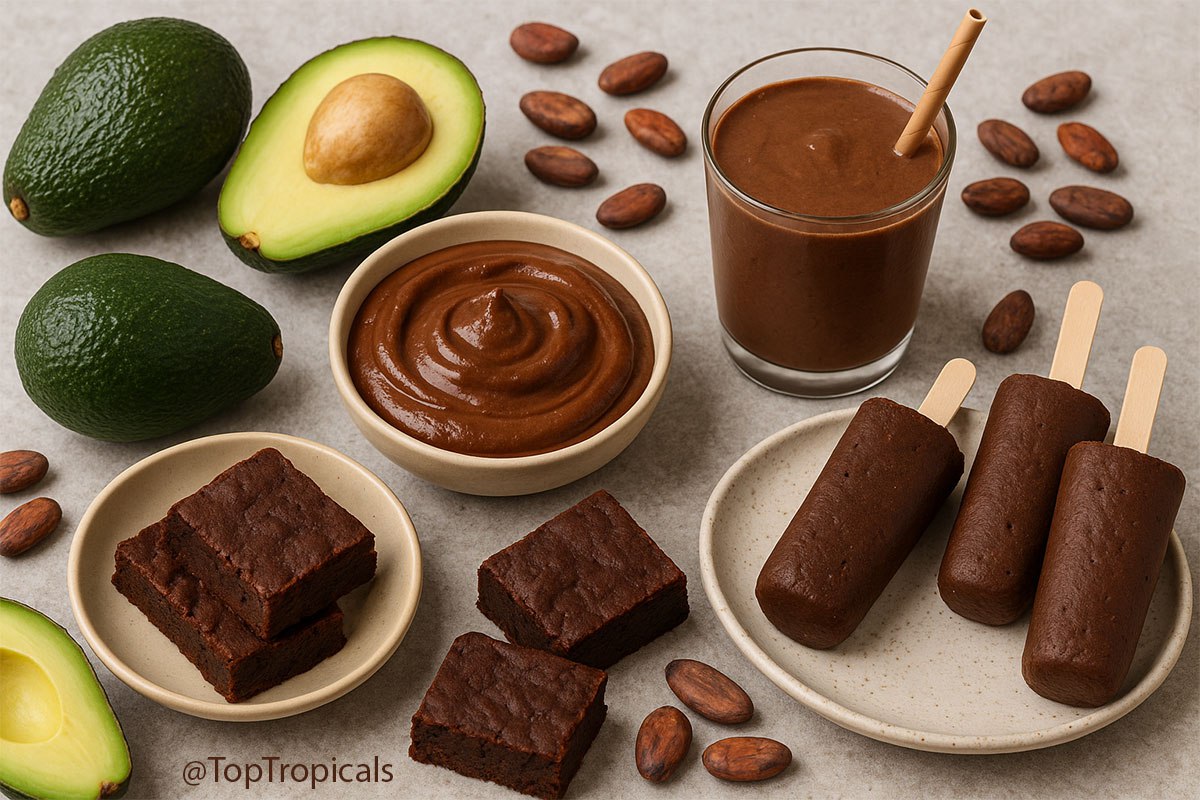
Try blending the two in simple treats like avocado chocolate mousse or a smoothie with banana and almond milk - creamy, rich, and packed with brain-loving nutrients.
🍽 Delicious Avocado-Chocolate recipes:
🍵 Avocado Chocolate Mousse
To make this, simply blend ripe avocado, unsweetened cocoa powder, honey (or maple syrup), and a splash of vanilla for a rich, creamy mousse that feels indulgent yet guilt-free.
🍵 Avocado Chocolate Smoothie
This is perfect for breakfast and to make it, combine avocado, cocoa powder, banana, almond milk, and a touch of nut butter for a thick, chocolatey breakfast smoothie.
🍵 Avocado Brownies
This one is for the sweet tooth lovers, use mashed avocado in regular brownie batter, add cocoa powder, and bake for fudgy, nutrient-dense brownies.
🍵 Chocolate Avocado Pudding Pops
To make this bite-size snack, blend avocado, cocoa powder, dates (or honey), and coconut milk, then freeze in molds for refreshing delights.
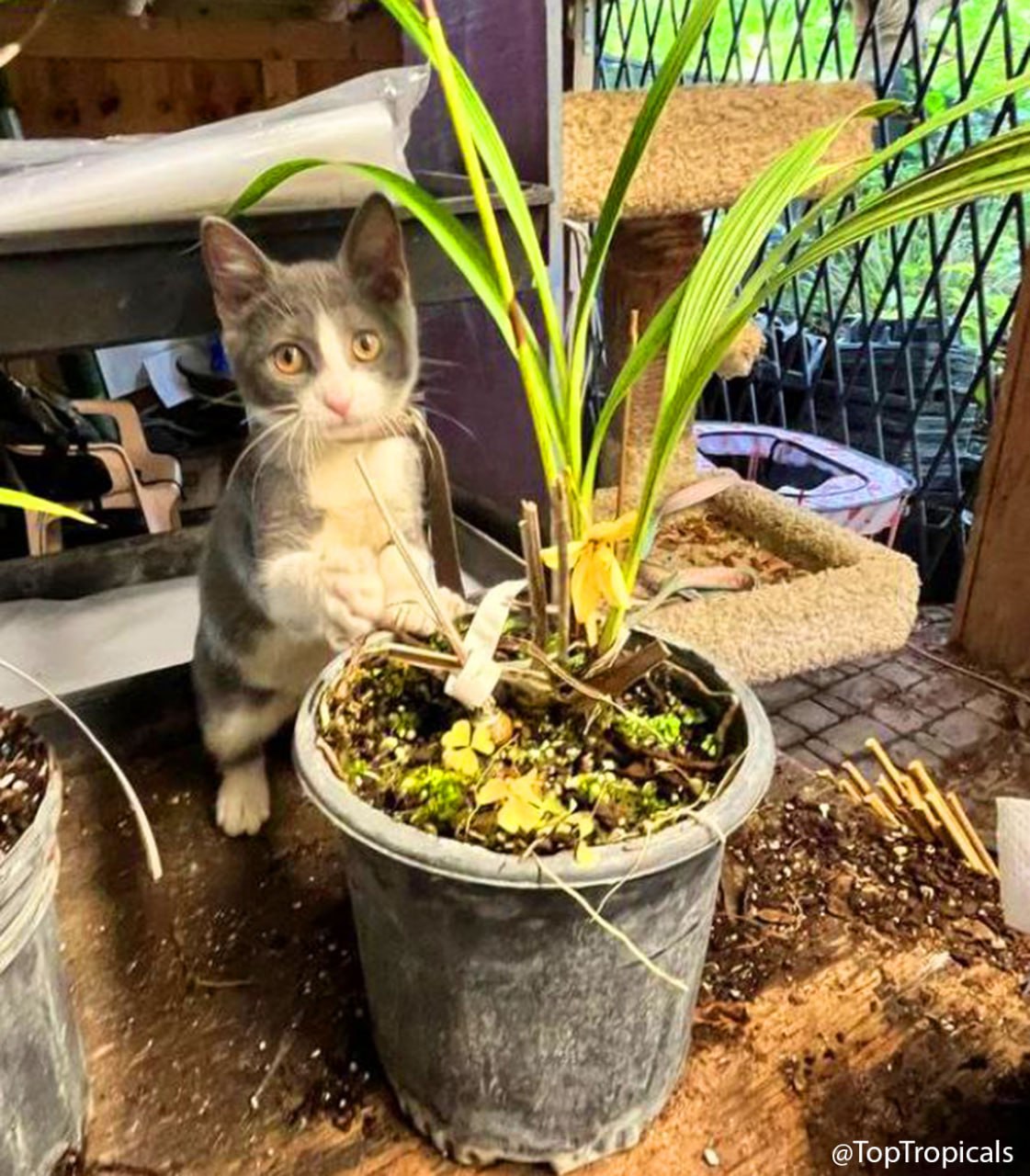
🐾 Guess who is also helping with shipping plants? King got jealous and told Chiane that it's not fair to give Mittens all the credit for the packing work. He does his share too!
🐾 King is one of TopTropicals oldest cats. He is a veteran of Plant Shipping!
Before opening a jar, see where the natural peanut butter comes from!
Peanut Butter Tree (Bunchosia argentea)
Before opening a jar, see where the natural peanut butter comes from!
Peanut Butter Tree (Bunchosia argentea) is a small tropical tree with one of the most surprising fruits on earth. Its red, fleshy berries taste just like peanut butter - creamy, nutty, and sweet, with a texture that melts in your mouth. No nuts, no sugar, no processing - just pure tropical flavor, straight from nature!
Native to Central and South America, this rare fruit has been a favorite among tropical fruit collectors for decades. The tree stays compact, reaching only about 8-10 feet tall, and can even be kept as a bush. It's perfect for small gardens, patios, or large containers, and it can thrive indoors with enough light. Within just 2 to 3 years from seed, it begins to reward you with clusters of yellow flowers followed by rich, red fruits that taste like peanut butter candy.
The fruit isn't just fun - it's healthy, too. It's rich in antioxidants, vitamins, and beneficial plant compounds that support the immune system and overall wellness. Kids love it, adults can’t stop talking about it, and gardeners love how easy it is to grow.
If you’re looking for something truly unique - an edible curiosity that sparks conversation and delights the taste buds - the Peanut Butter Tree is the one. Grow your own, and the next time someone opens a jar of peanut butter, you can smile and say, "Mine grows on a tree!"
🐾 Mittens showed up one day out of nowhere and immediately won everyone's heart. Our Shipping Specialist, Chiane, stood no chance against those bright eyes and tiny white paws - so Mittens was hired on the spot!
🐾 Now she’s in training, assisting Chiane with packing orders, inspecting boxes, and occasionally napping on the job (for quality control, of course). Every evening she clocks out and heads home with Chiane to rest up for another big day of helping.
🐾 If you ever spot tiny paw prints inside your plant box, that’s Mittens saying hello! It’s her little “magic paw” blessing to make sure your plants thrive happily in their new jungle home.
🐈📸 Chiane and Mittens shipping plants - from TopTropicals to your door! PeopleCats.Garden
Epiphyllum guatemalense Monstrosa - Curly Locks or Orchid Cactus
👀 Weird cactus looks like pasta with Dragon Fruit
➰ Epiphyllum guatemalense Monstrosa - Curly Locks or Orchid Cactus - is one of the most unusual jungle cacti you can grow. Instead of the usual flat cactus leaves, this one grows curly, looping stems that twist and spiral in every direction. It looks like a green waterfall of botanical noodles, perfect for a hanging basket or a high shelf where its wild shape can really show off.
➰Curly Locks is actually a natural mutation of a Guatemalan jungle cactus that grows high up in jungle trees, using its stems to absorb moisture and light from the air. Like many epiphytic cacti, it produces large, fragrant flowers that open at night and look strikingly similar to orchids. After blooming, it forms small, oval pink fruits that are edible and juicy - like tiny dragon fruits!
➰This plant is self-pollinating, so you don’t need insects or hand pollination to get fruit. It thrives in bright, indirect light and prefers to be a bit root-bound to trigger blooming. Just water moderately, let the soil dry slightly between waterings, and avoid moving it too often once it’s happy in its spot.
➰Epiphyllum Curly Locks is not your typical cactus - it’s a living sculpture, a conversation piece, and a fruiting wonder all in one.