Full sun - Plant Encyclopedia Results
| Number of plants found: 3843 | Next | 
|
Go to page: | 1 | 2 | 3 | 4 | 5 | Last |
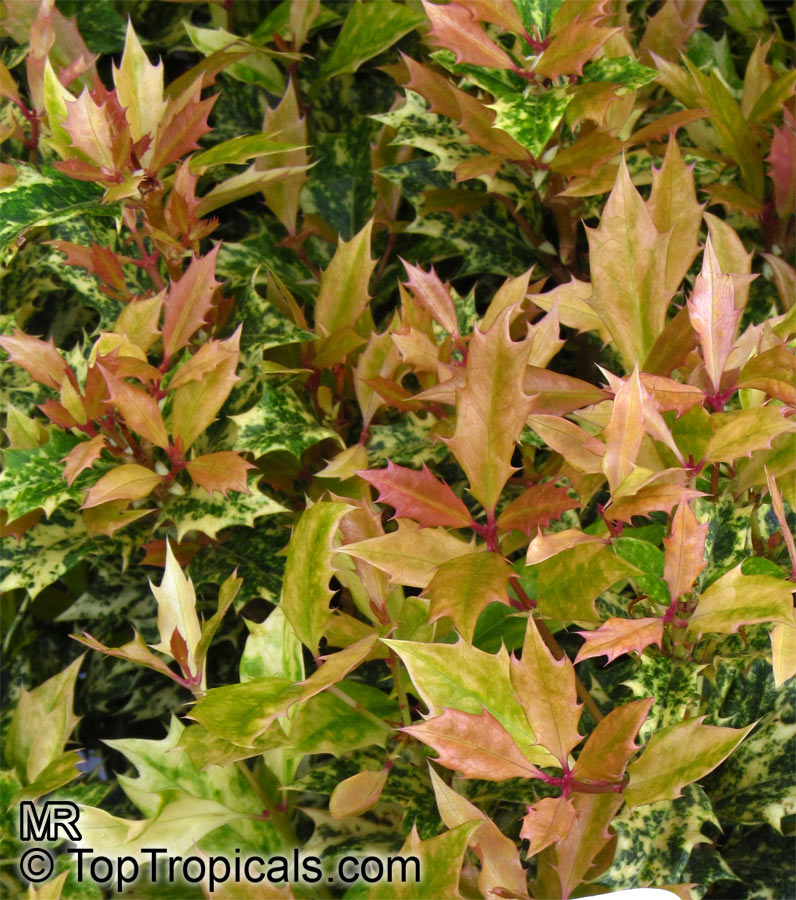
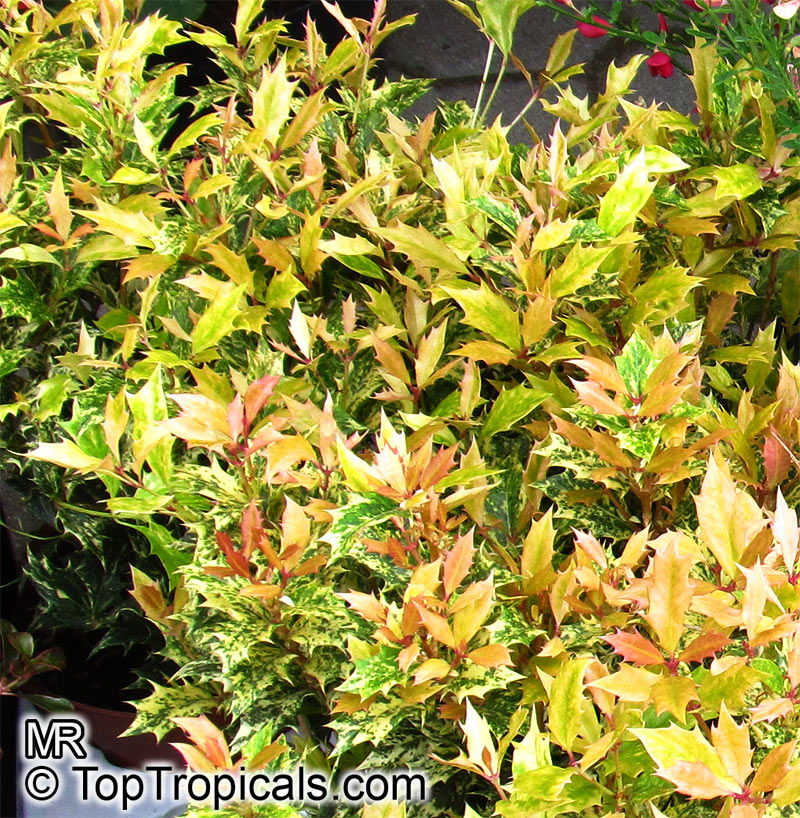
Botanical name: Osmanthus heterophyllus
Common names: Holly Osmanthus, Holly Olive, False Holly
Family: Oleaceae
Origin: Eastern Asia
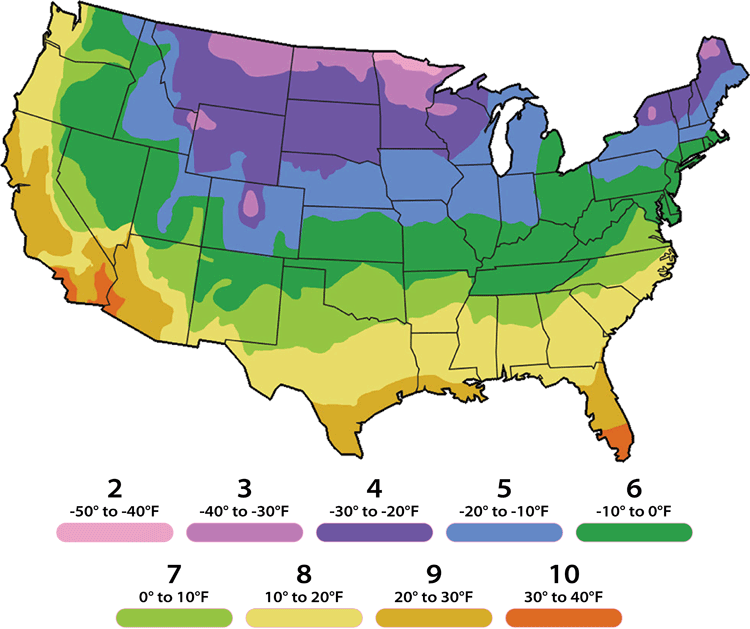
USDA Zone: 7-9


Grown as a large shrub, Osmanthus heterophyllus (Holly Osmanthus) is native to Eastern Asia and can reach up to 5-10 ft tall. Its foliage is attractive and ornamental, making it a great addition to any garden. Osmanthus heterophyllus is a popular choice for bonsai designs, as well.
It displays a wealth of features that make it a great addition to any garden. Its dense foliage is composed of bright, dark green, holly-like leaves, perfect for providing an attractive, evergreen backdrop for other plants throughout the year. In late spring, the shrub bears small, off-white flowers which give off a lovely, fragrant perfume.
Osmanthus heterophyllus prefers full sun or semi-shade, however shade is tolerated as well. It should be watered regularly, taking care to not over-water the shrub. In cold regions the shrub may need to be grown in a pot, to provide protection from frost in the winter months. When grown in a pot, take care to provide regular water and ensure the pot has adequate drainage.
Osmanthus heterophyllus is an ideal choice for adding a beautiful ornamental foliage, fragrant flowers and evergreen backdrop to any garden. Its dense foliage also makes it a great choice for use as a hedge.
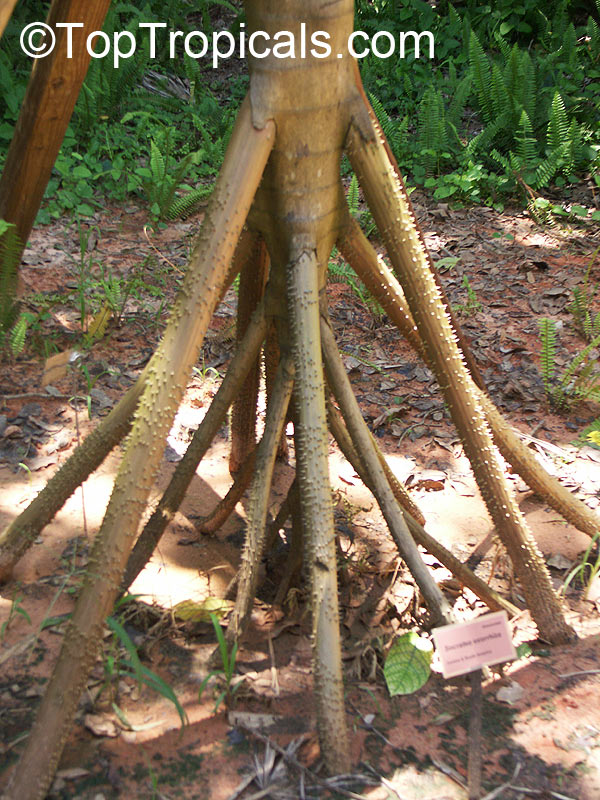
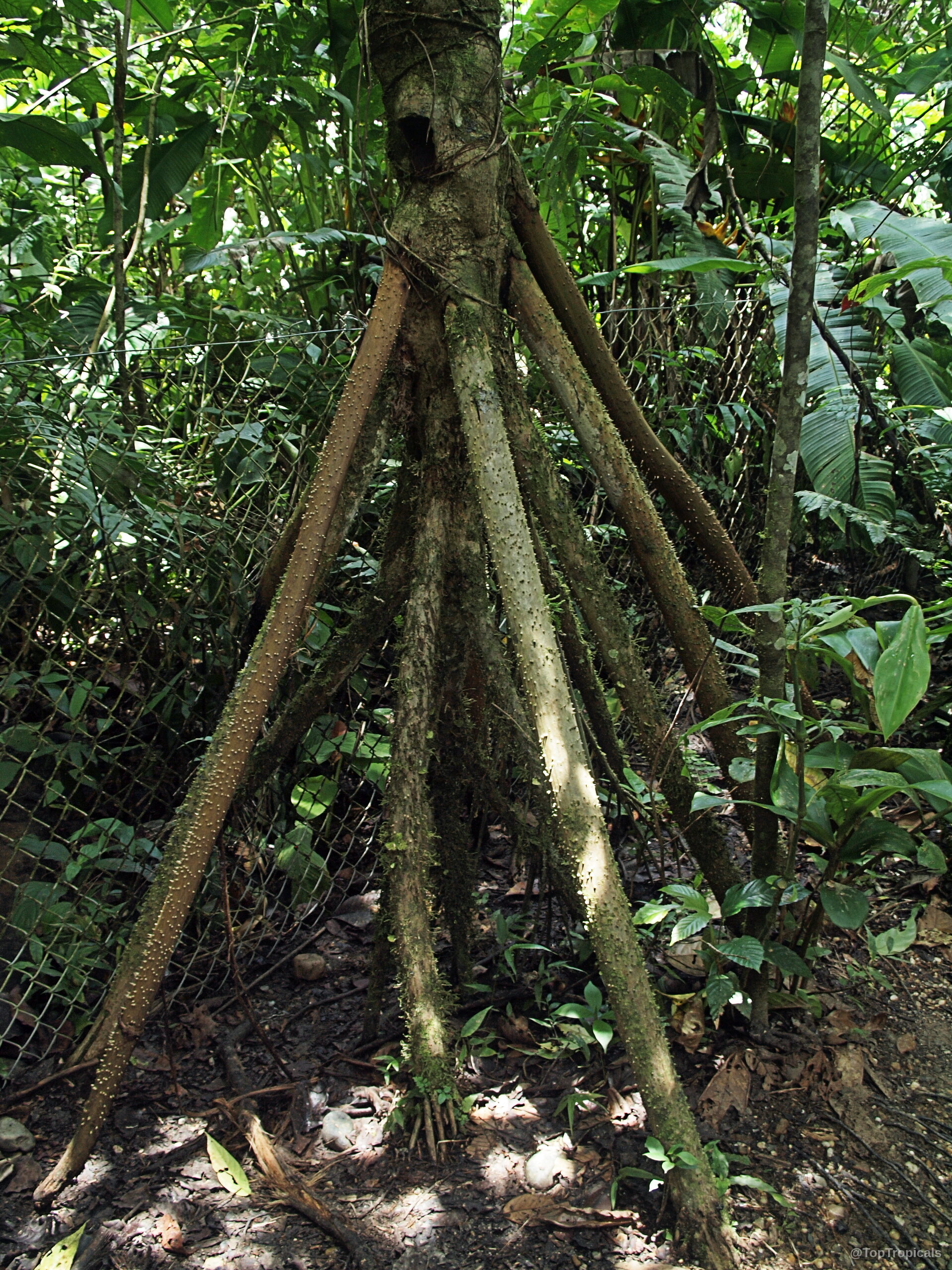
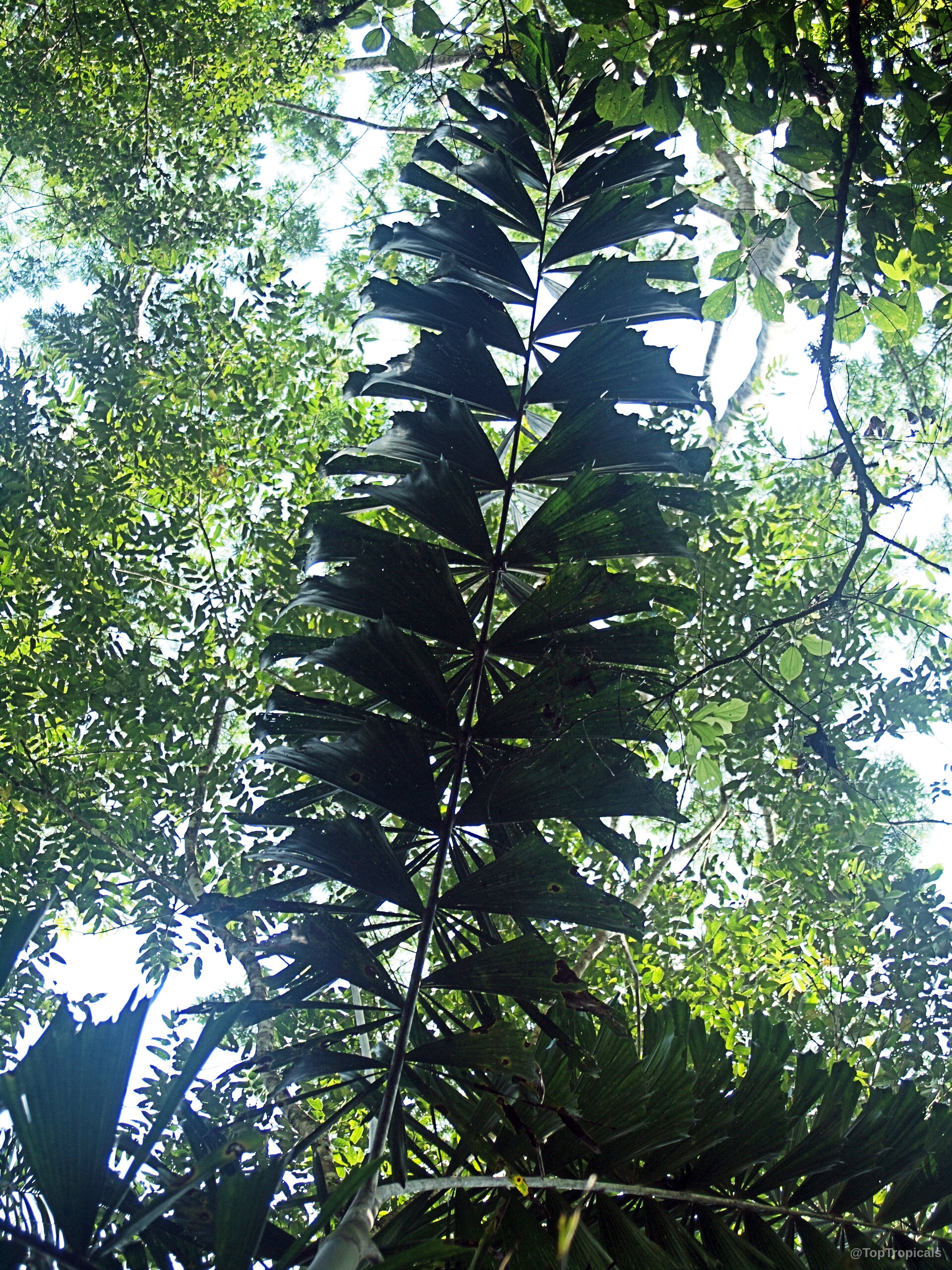
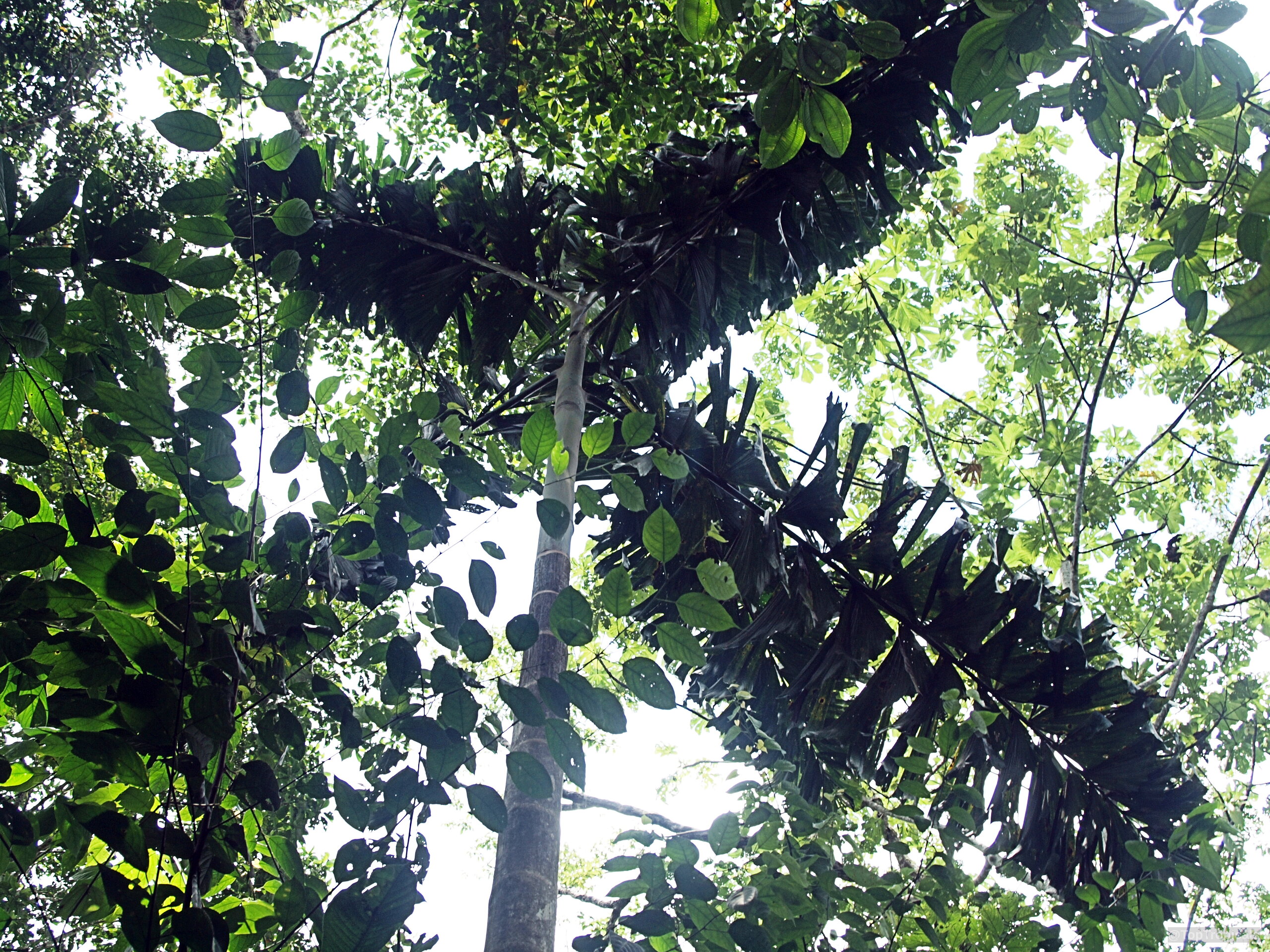
Botanical name: Socratea exorrhiza
Common names: Walking Palm, Cashapona
Family: Arecaceae / Palmae
Origin: Central America, South America
USDA Zone: 9-10


Probably the most famous of the stilt rooted palms, with the roots coming from up to 2m (6 feet) from the ground. The roots have small, white, conical spines.



Botanical name: Peltophorum africanum
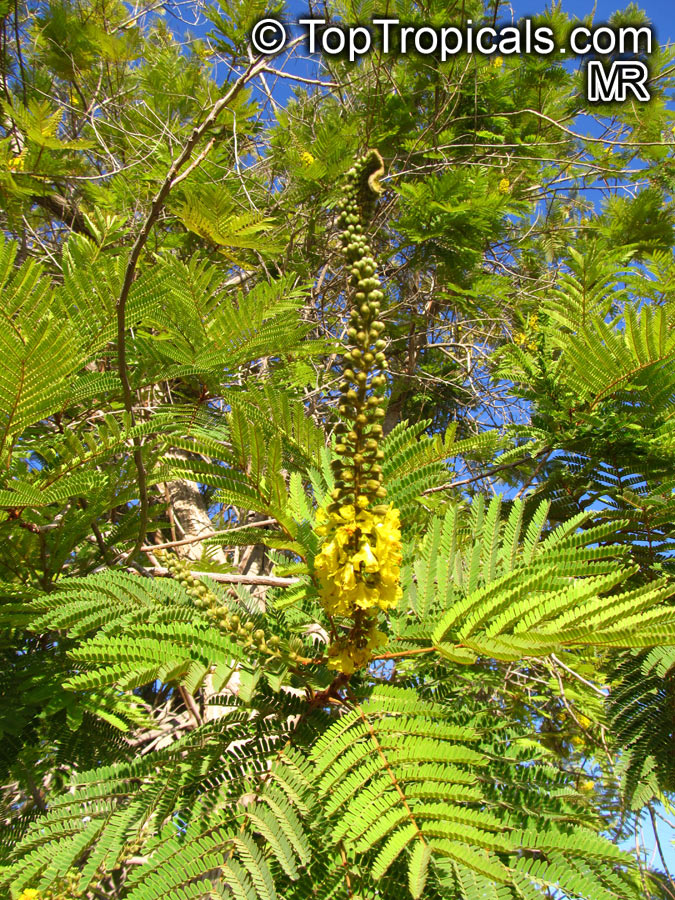
Common names: African Wattle, Weeping Wattle
Family: Fabaceae
Subfamily: Caesalpinioideae
Origin: South Africa
USDA Zone: 9-10


Peltophorum africanum (African Wattle) is a native plant to South Africa and is widely known for its ethnomedical properties. It is a fast-growing small to medium-size semi-deciduous to deciduous tree that reaches heights of 10-20 ft with a spreading crown and bark that is smooth and grey on the young branches. The leaves are compound, bipinnate, with 4-7 pairs of pinnae bearing up to 23 pairs of feathery leaflets. They are oblong in shape, have a dull green top side and a pale green underside, and the apex is rounded with a fine, hairlike tip. The flowers are bright yellow and crinkled, about 5 inches in diameter and hang in dense clusters. They attract butterflies and hummingbirds. The tree is tolerant of seaside conditions and salt, and it's grown in USDA Zones 9-11. It is also a great tree for bonsai, as it develops an adult shape and thick corky bark in just 2-4 years, with leaves that are much reduced.
When growing Peltophorum africanum, it should be planted in a well-drained soil in full sun or semi-shade. It needs moderate water and is frost-resistant and drought-tolerant. When grown as a bonsai tree or for shade protection, it needs protection for the first 2-3 years and should be watered during dry spells. In cold regions, it can be grown in pots and needs frost protection, regular watering, good drainage, and should be placed in a sunny location. It also likes to have its roots shaded from direct sunlight.
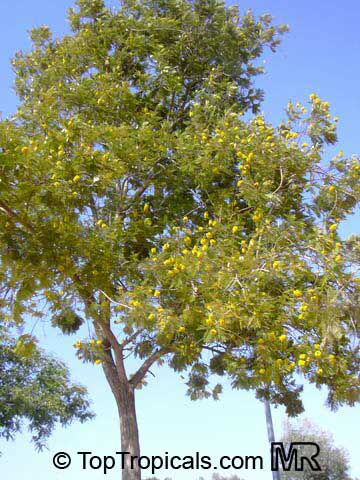
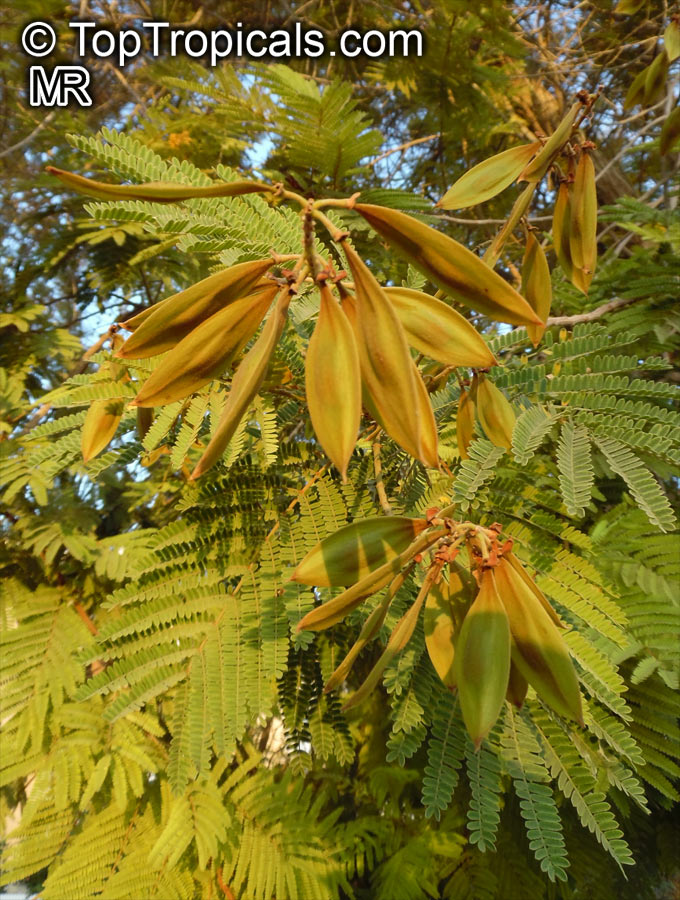
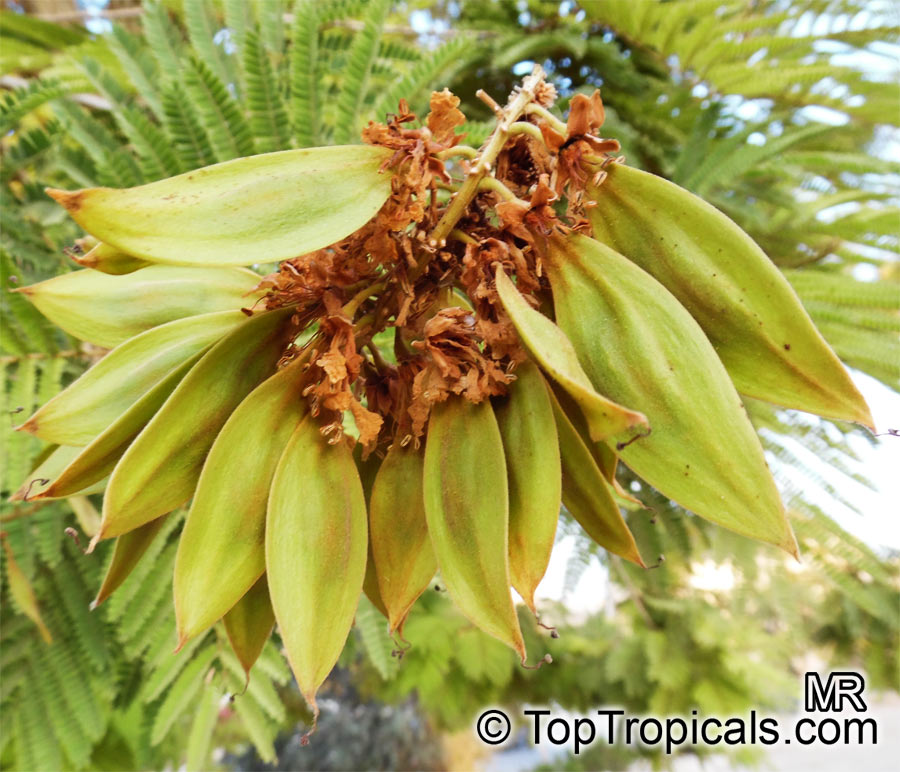
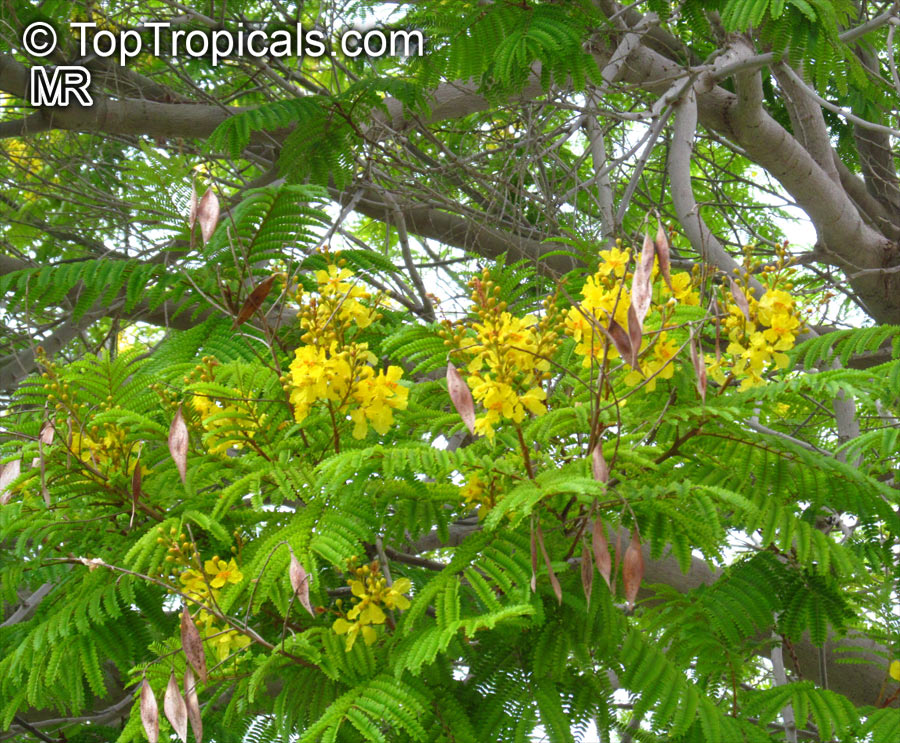
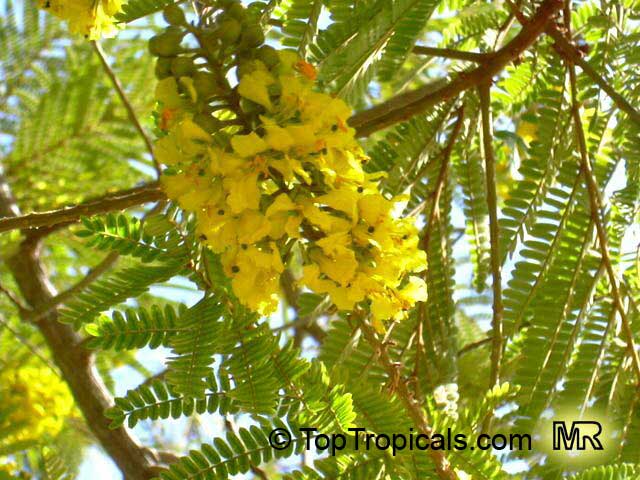
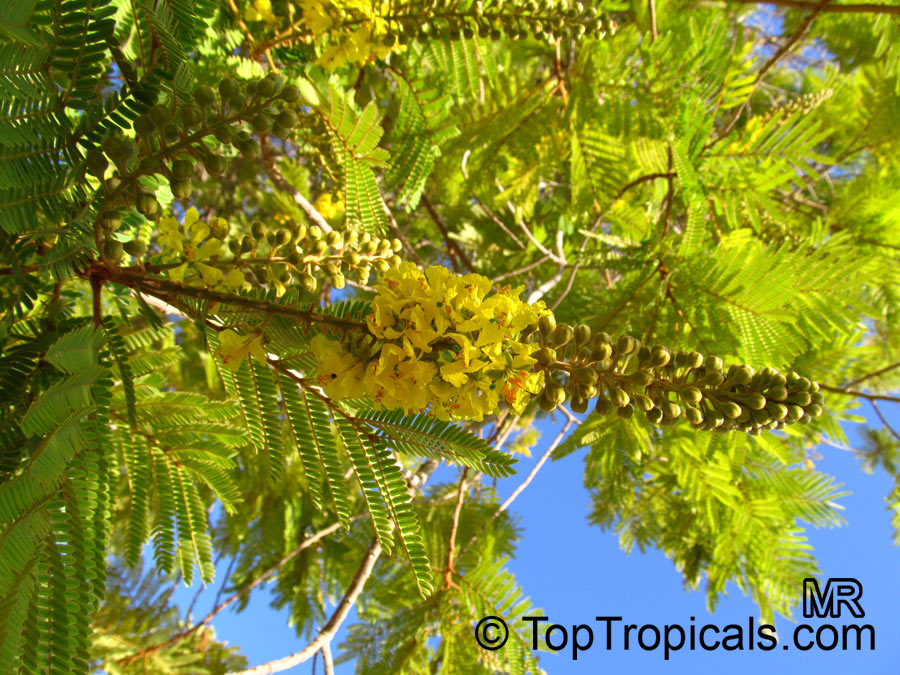
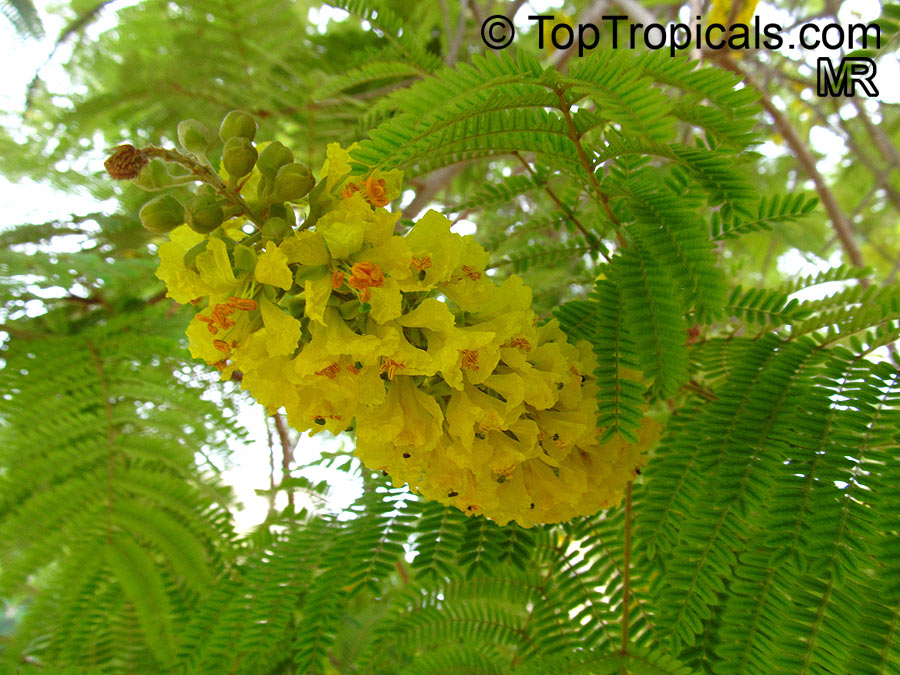
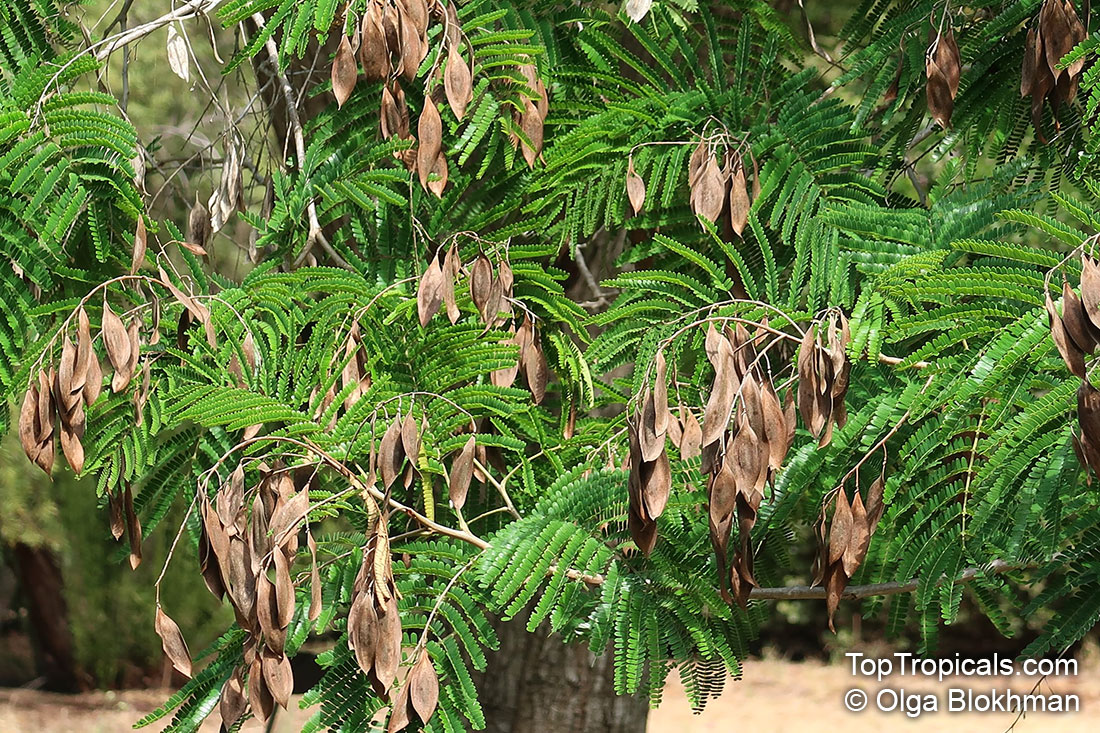
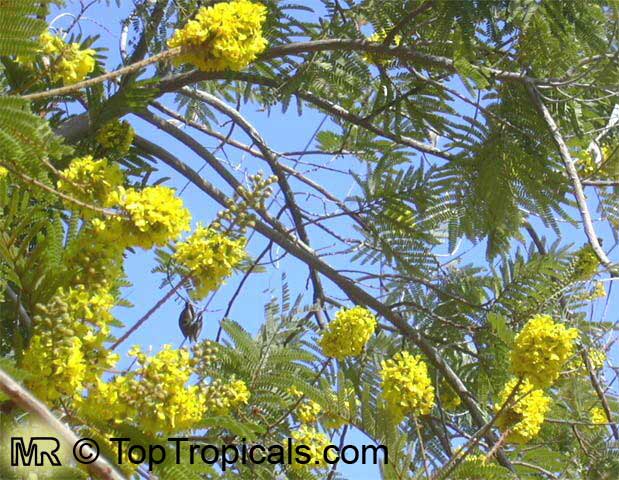
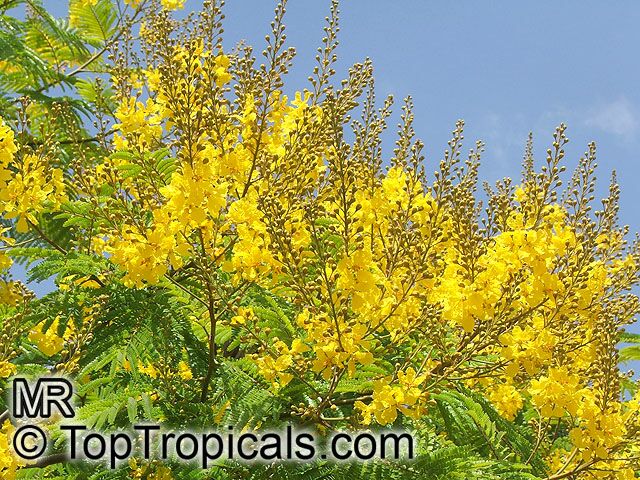
Golden Flamboyant, Yellow Poinciana, African wattle, weeping wattle. Small to medium-size semi-deciduous to deciduous tree. An excellent garden shade tree, beautiful in flower. Great plant for bonsai. This variety starts flowering at young age, in 3 gal pot.
Recommended Fertilizer: SUNSHINE Megaflor - Bloom Nutrition Booster
Golden Flamboyant, Yellow Poinciana, African wattle, weeping wattle. Small to medium-size semi-deciduous to deciduous tree. An excellent garden shade tree, beautiful in flower. Great plant for bonsai. This variety starts flowering at young age.
Recommended Fertilizer: SUNSHINE Megaflor - Bloom Nutrition Booster
Local pickup only. This item is not available for shipping. Local delivery may be available in Ft. Myers or Sebring, Florida. Contact us for an estimate. Non-pickup orders are subject to restocking fees.
Last one
Botanical name: Asclepias oenotheroides
Common names: Zizotes Milkweed, Longhorn Milkweed, Side-cluster Milkweed, Primrose Milkweed, Lindheimer's Milkweed
Family: Apocynaceae (Formerly:Asclepiadaceae)
Subfamily: Asclepiadoideae
Origin: Mexico
USDA Zone: 9-10

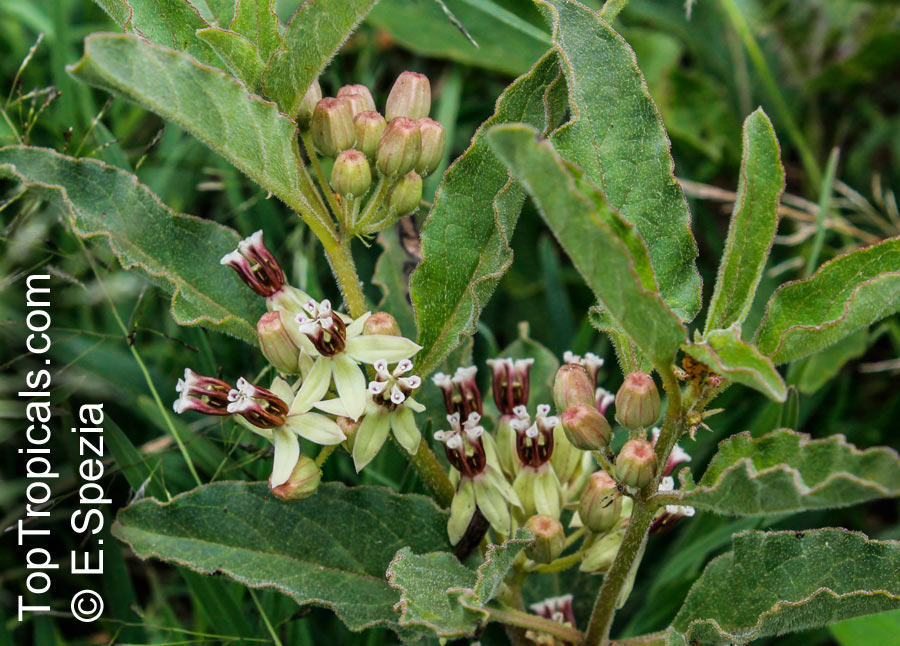
Asclepias oenotheroides is a middle elevation milkweed with distinctive crenate leaves. The flowers are greenish white. The flower of this species is unique among milkweeds. The long, slender hoods extend beyond the stigmatic groove and flare or bow outward at the top. This species survives periodic droughts and occasional mowing even though it has shallow roots. It leafs out and flowers if rains follow a dry period.
Botanical names: Randia formosa, Mussaenda formosa, Randia mussaenda, Rosenbergiodendron formosum
Common names: Blackberry Jam Fruit, Jasmin de rosa
Family: Rubiaceae
Origin: Central and South America
USDA Zone: 9-11


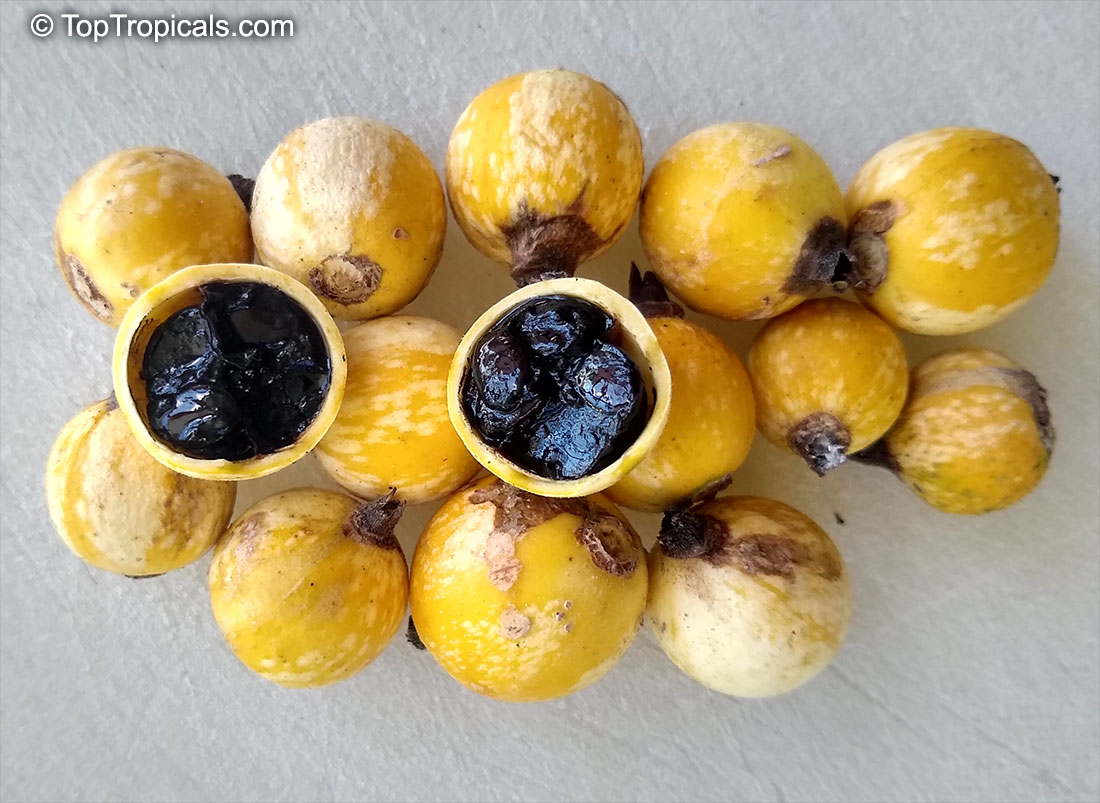
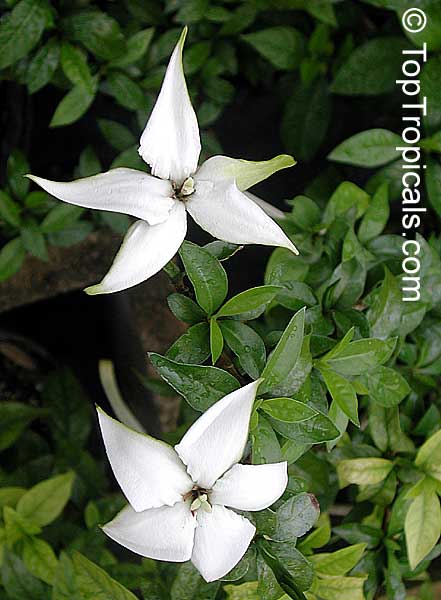
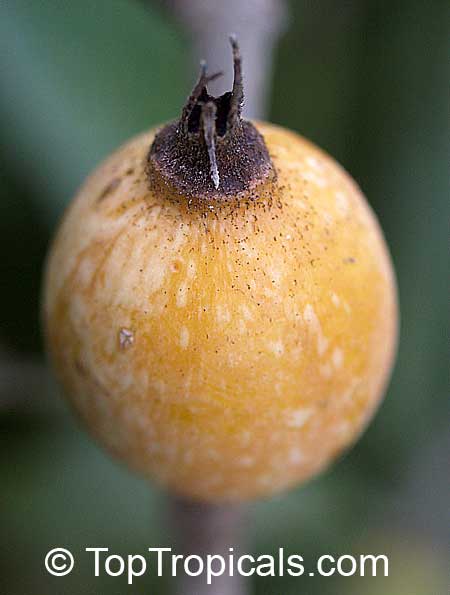
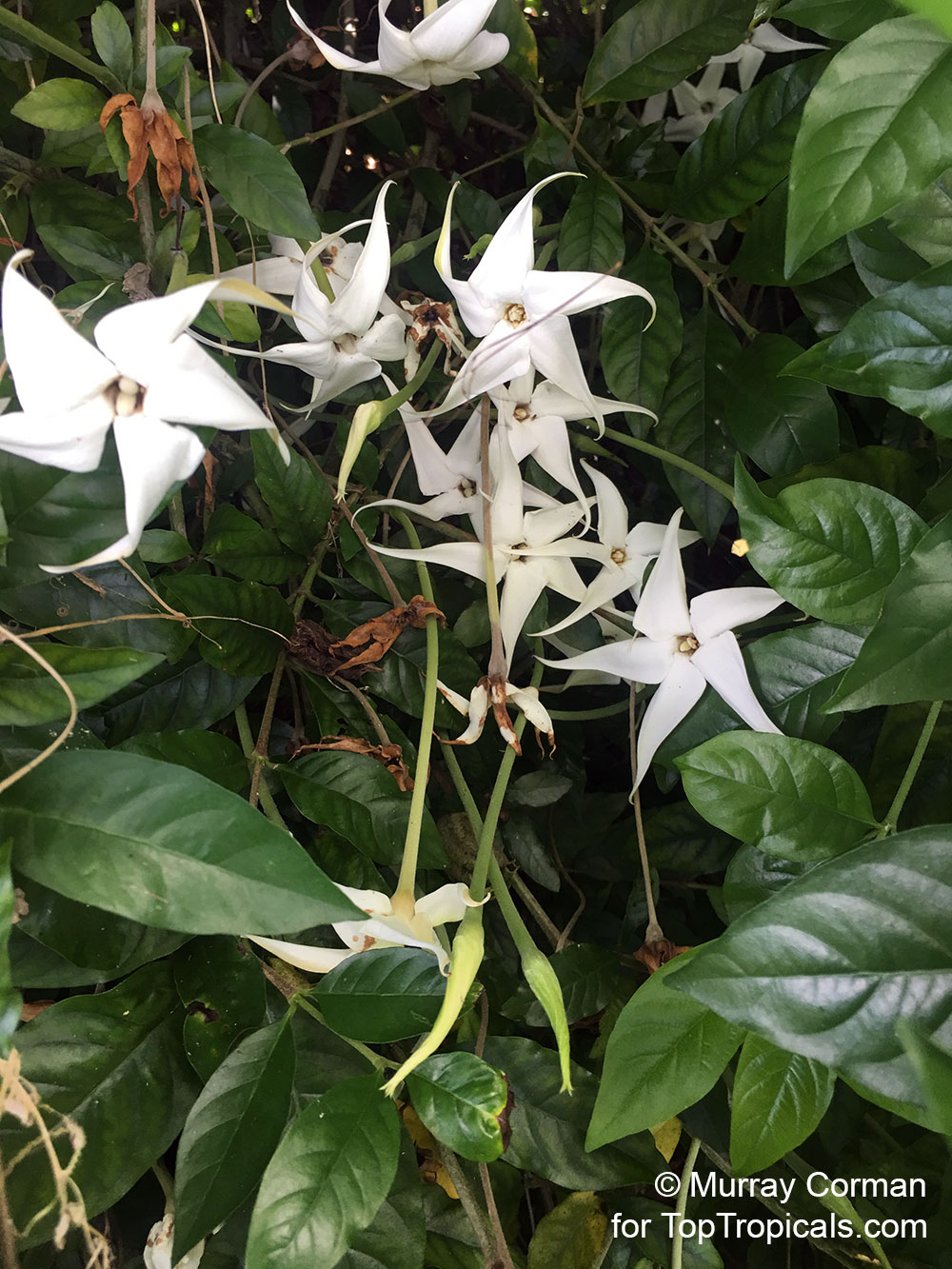
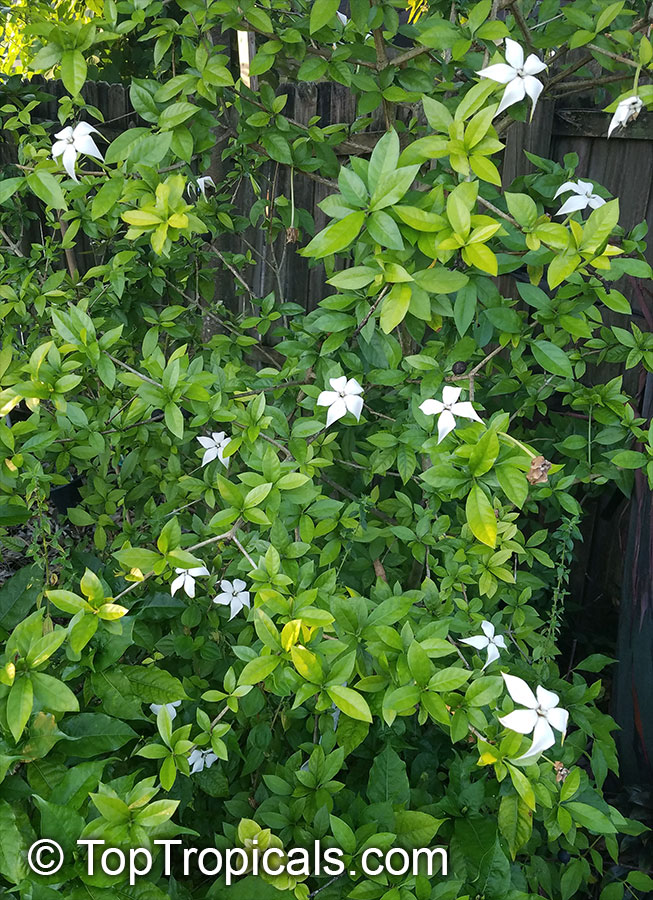
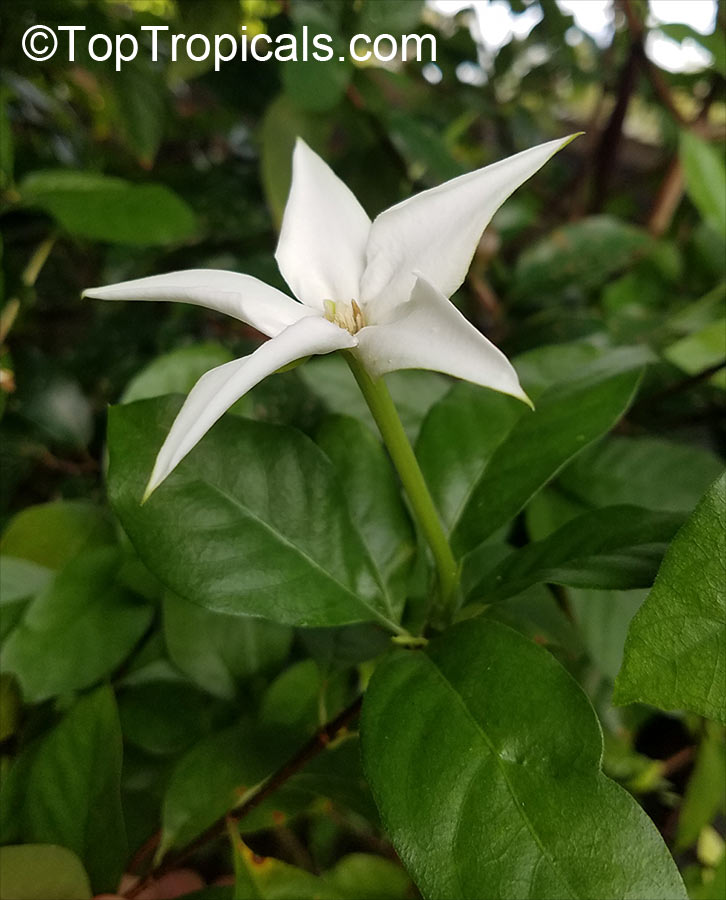
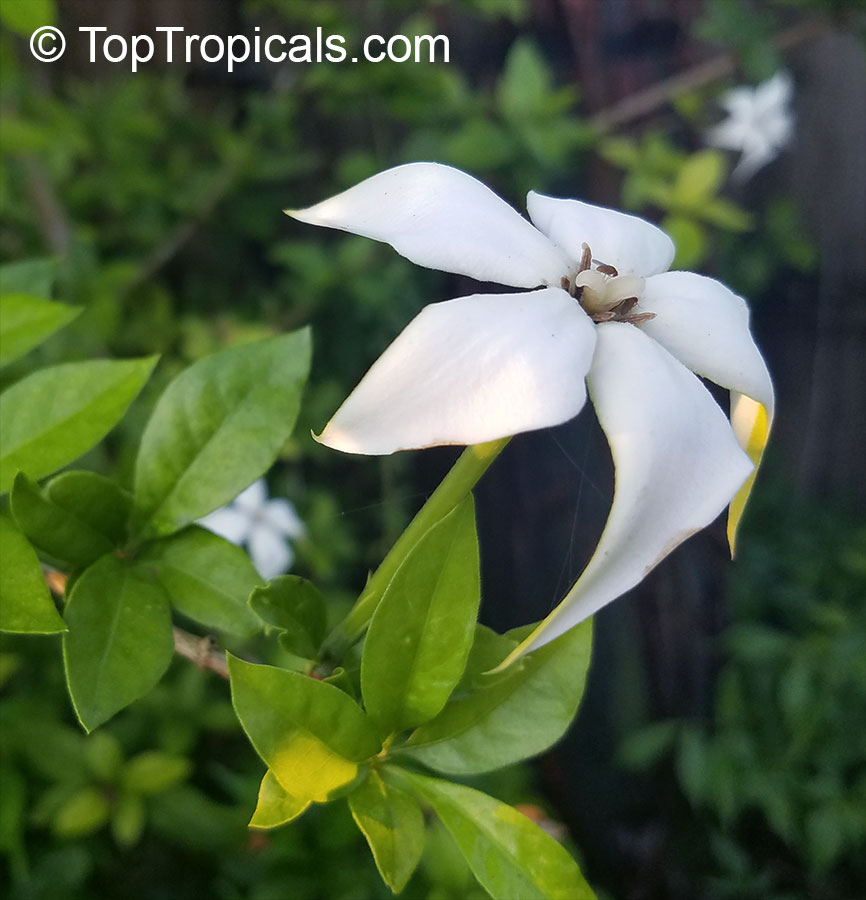
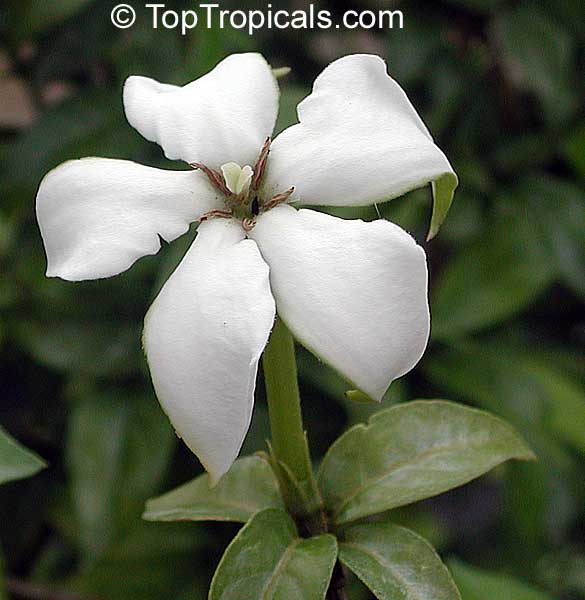
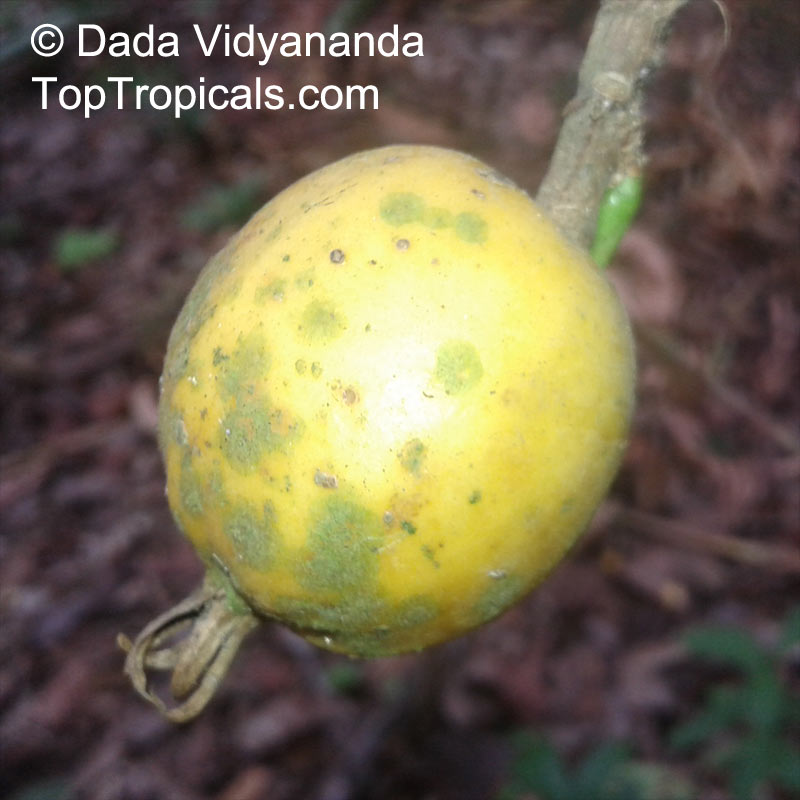
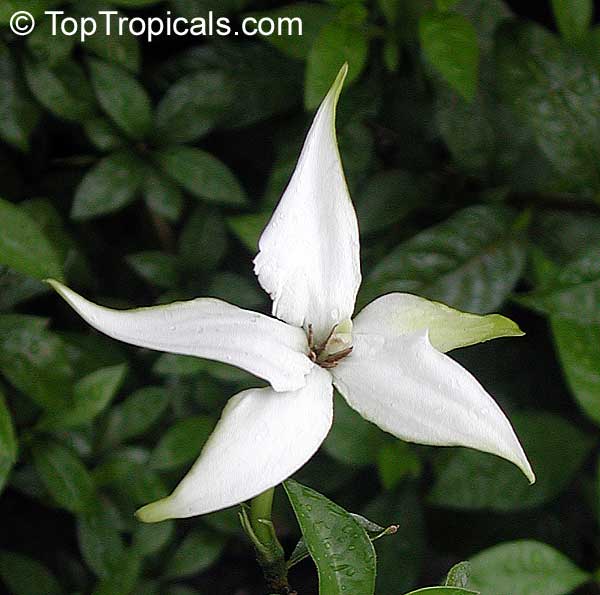
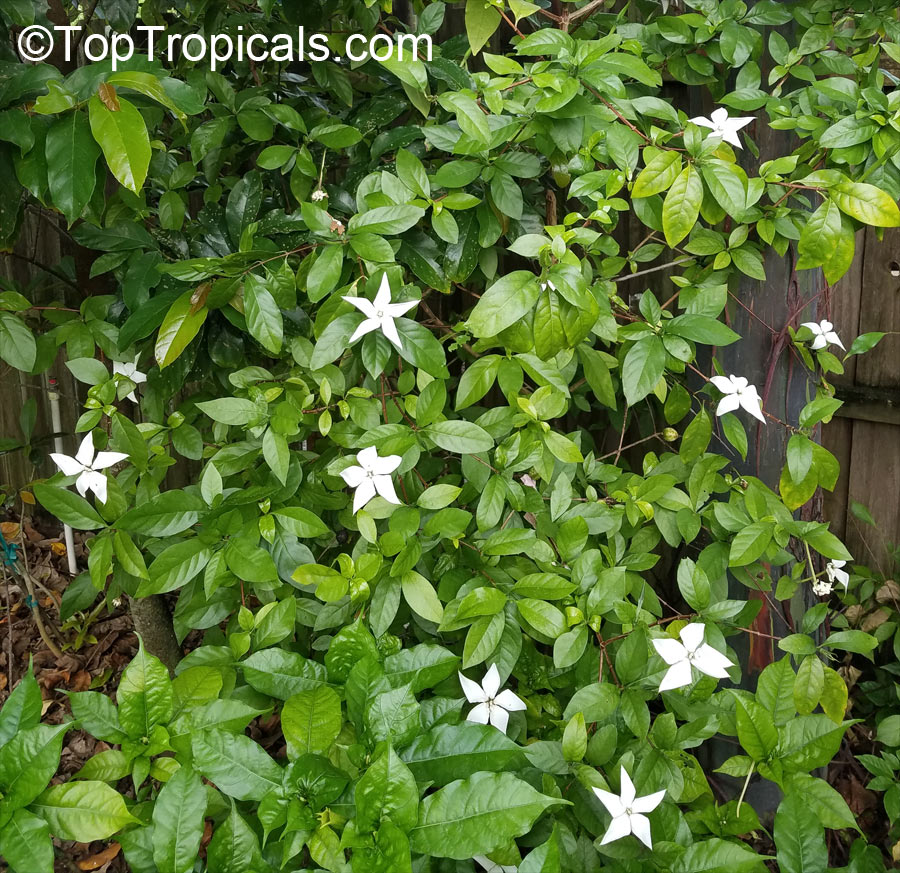
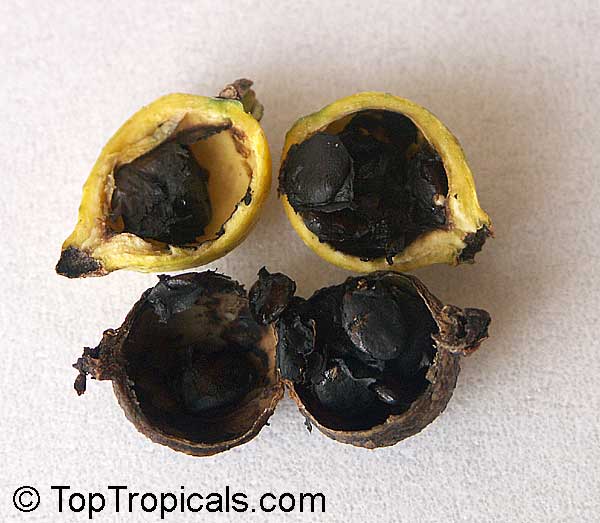
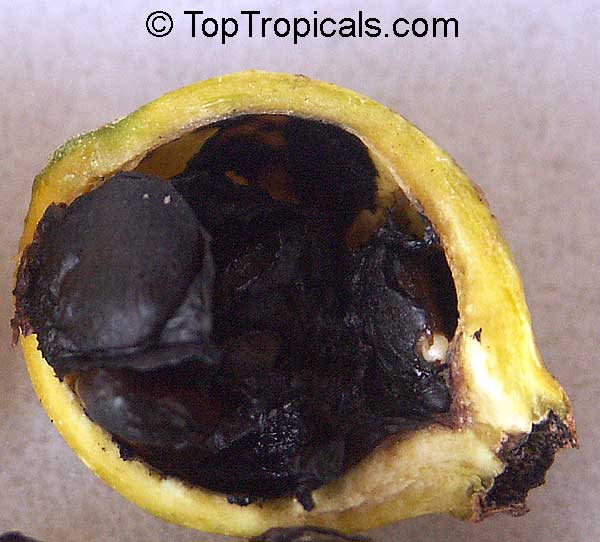
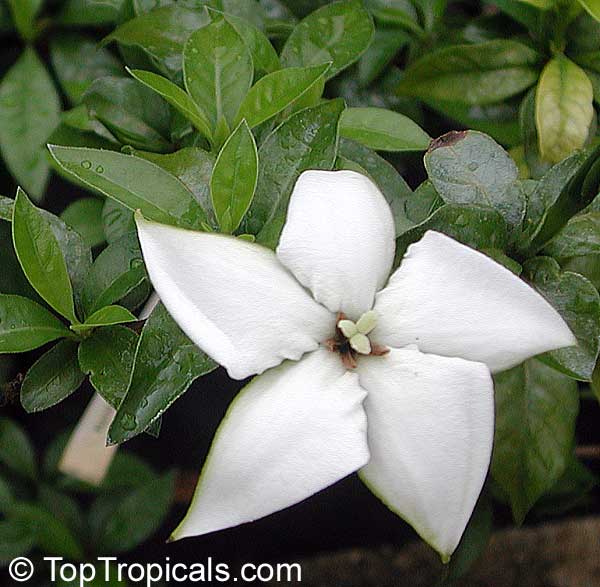
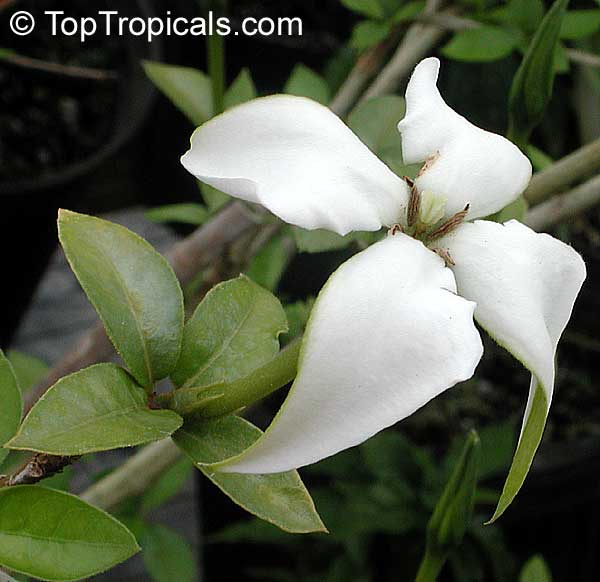
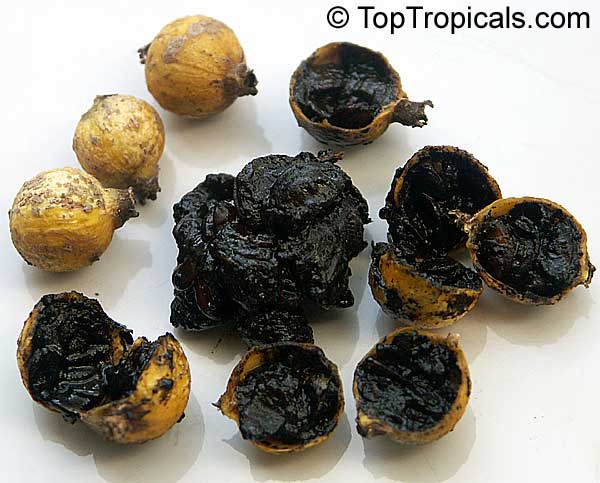
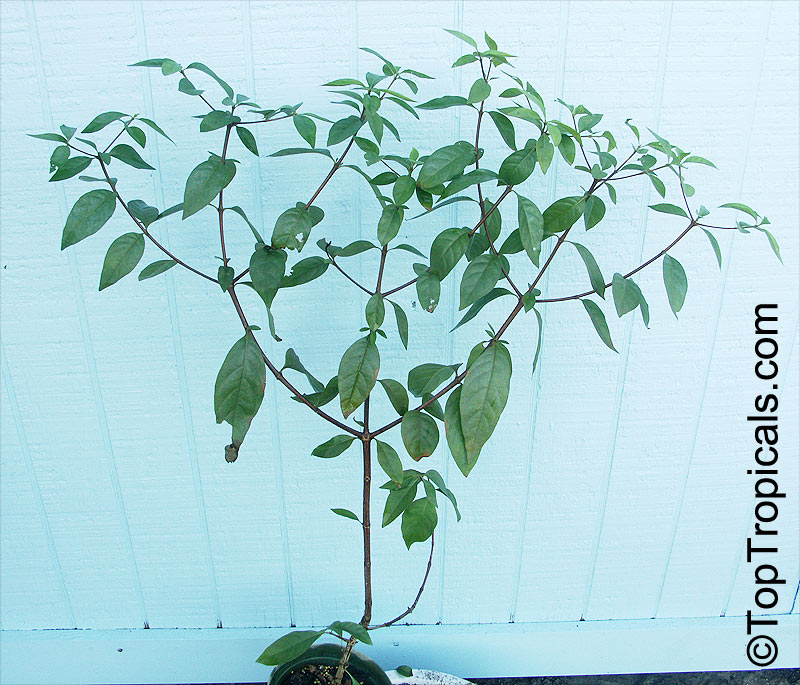
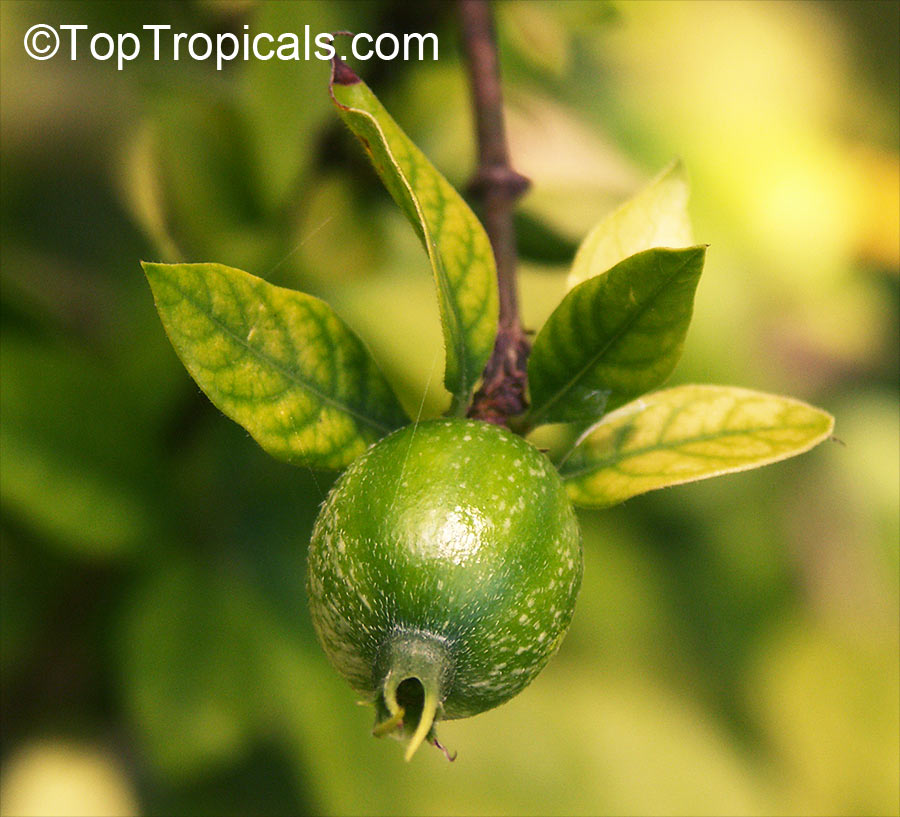
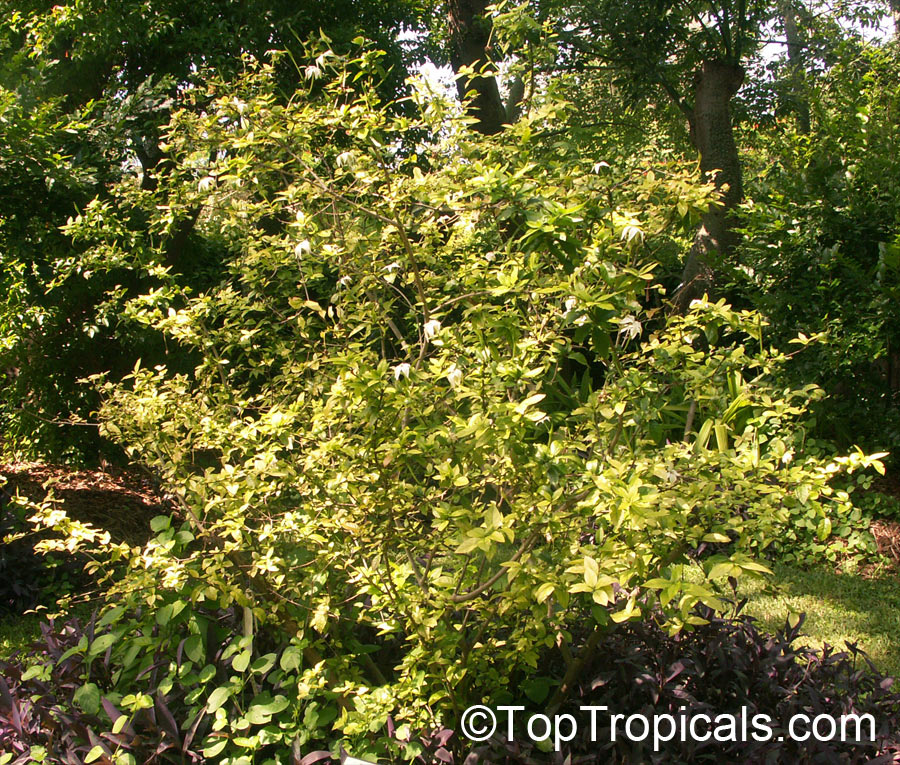
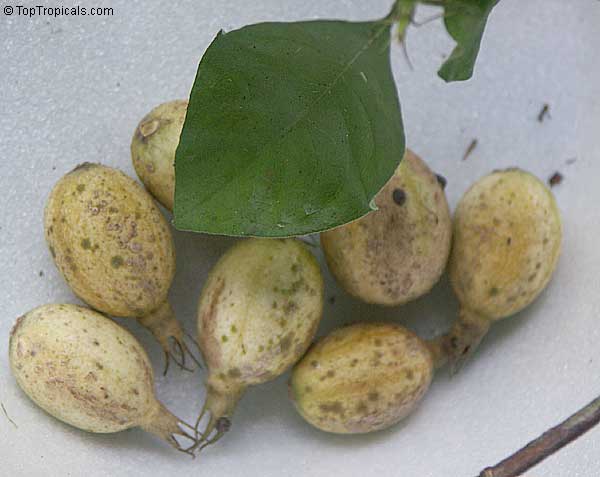
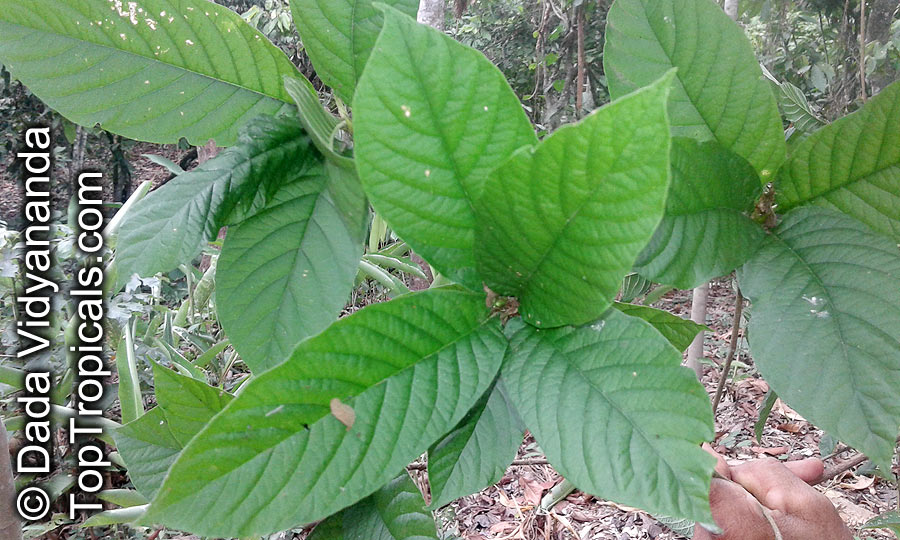
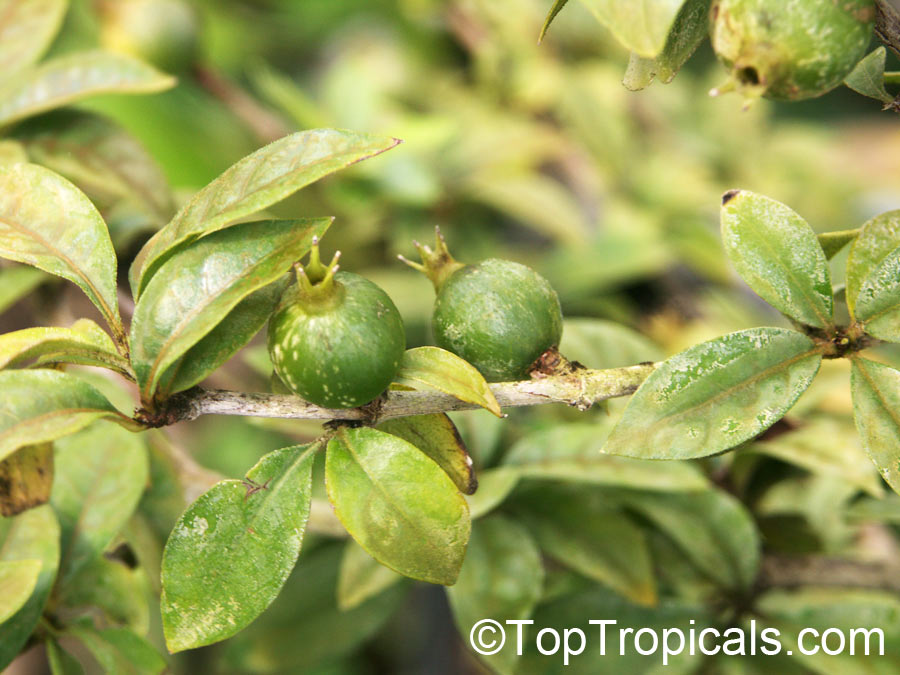
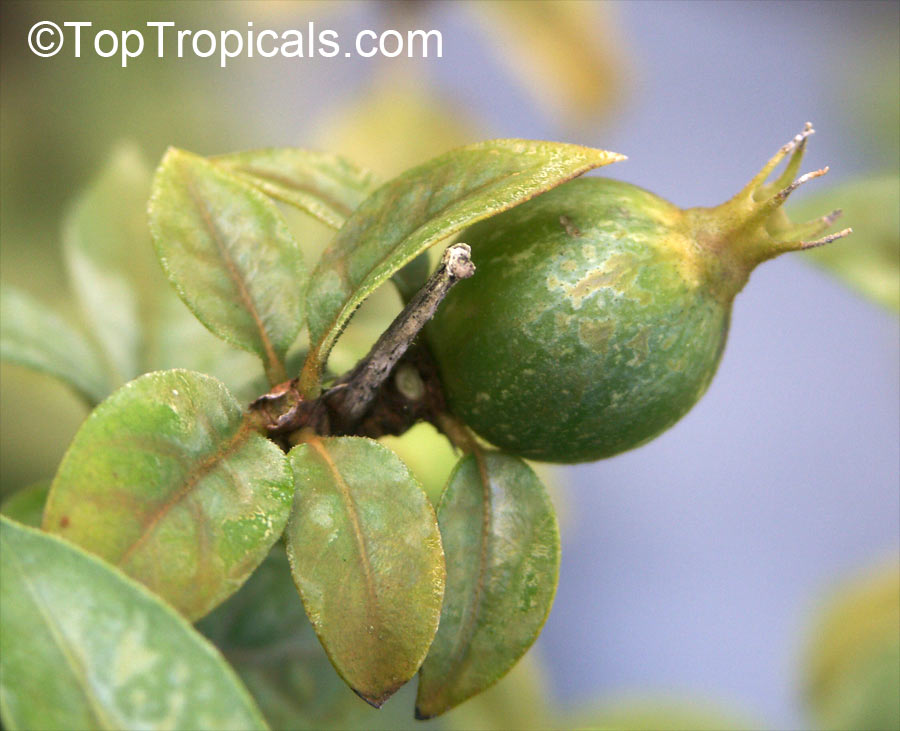
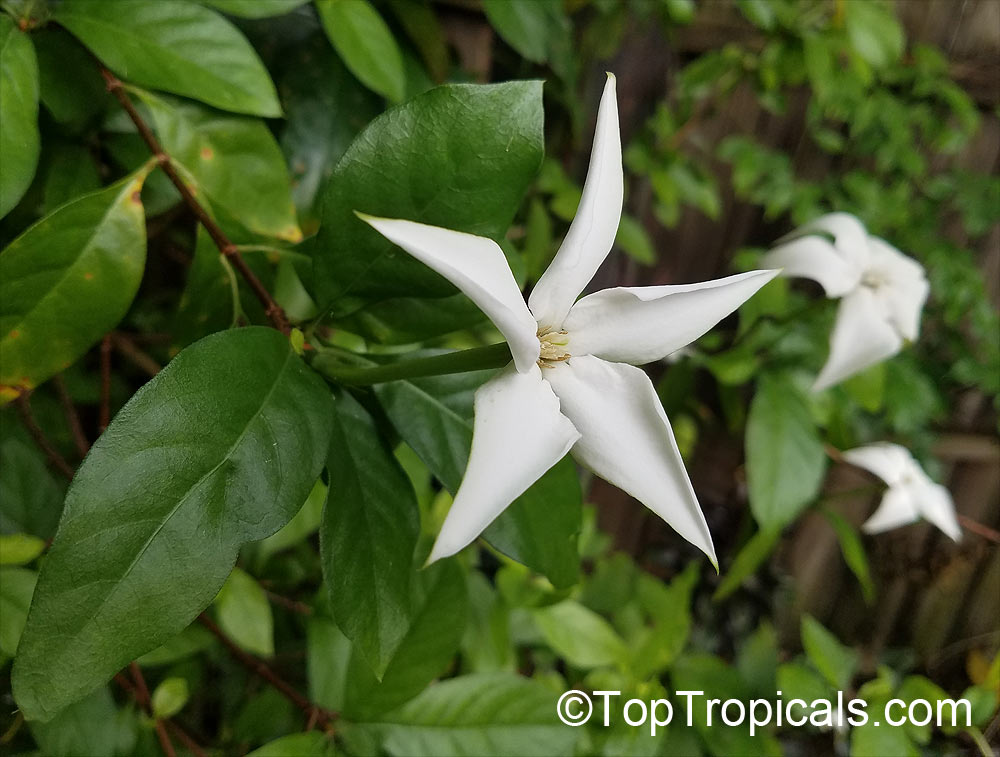
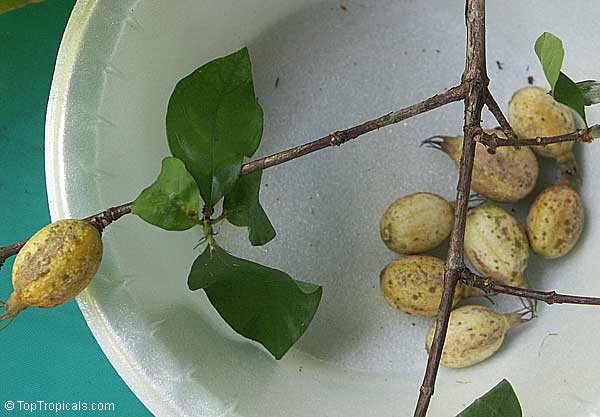
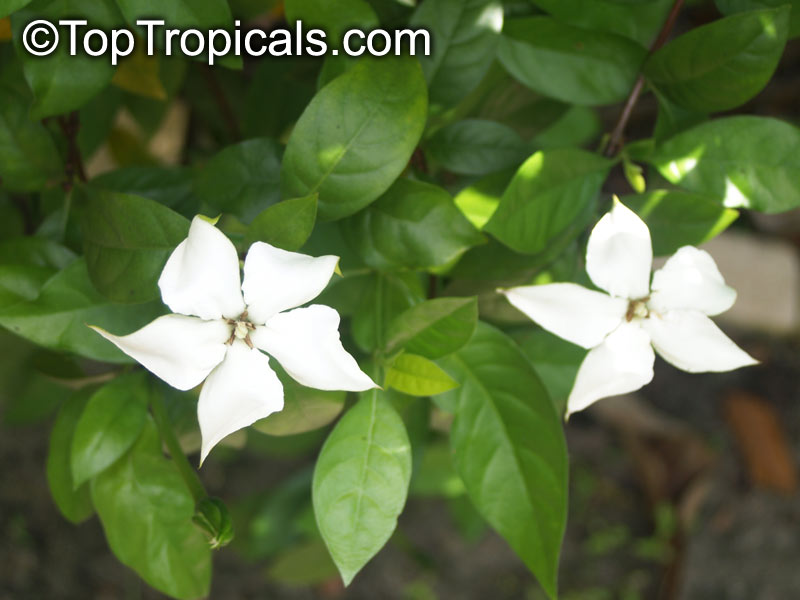
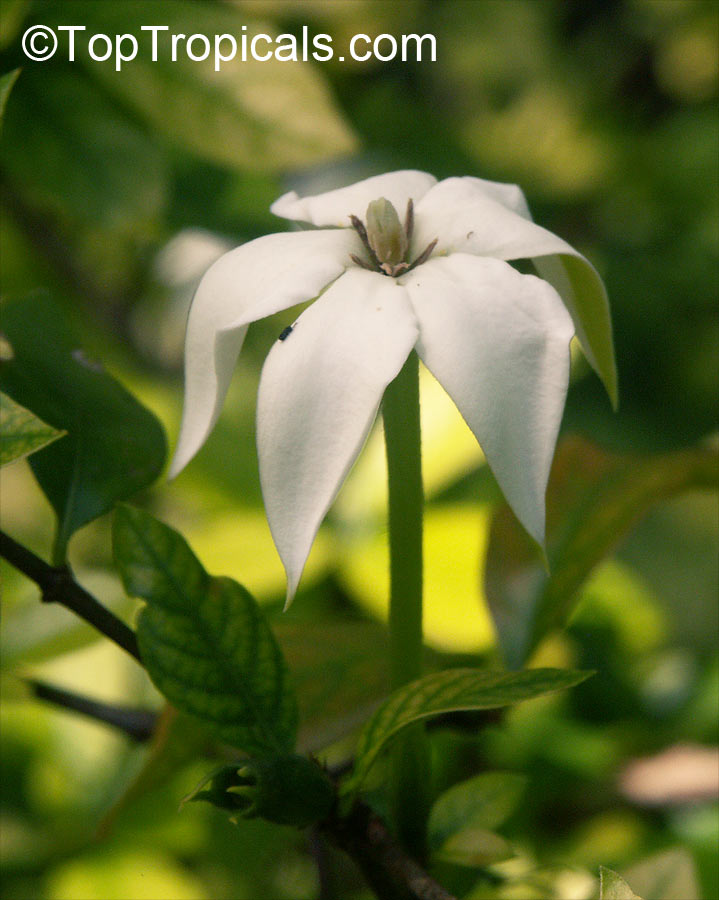
It is a bushy evergreen tree or shrub, with star shaped, very fragrant, large tubular white flowers that attract nocturnal moths. Fruits look like small feijoas, and are 1 inch long and 1/2 inch wide. They really do taste like a blackberry jam! This Gardenia relative will bear fruit in a container.
Blackberry jam fruit, Jasmin de rosa - fragrant white flowers and edible fruit that tastes like blackberry jam! Rare exotic that will fruit in a container. Kids love the fruit!
This unique compact plant, perfect for container culture, combines features of a fragrant flower and tasty desert fruit. Originally from Central and South America, this rare tropical small evergreen tree bears fruit which tastes like fresh Blackberry jam. Many claim that it's even better than preserves. Closely related to the gardenia, its flowers are sweetly fragrant. This relatively hardy tropical has attractive foliage and can be grown in a container as well as in the ground. Produces as many as 25 to 30 fruits at a time, and keeps flowering and fruiting at the same time. A single compact tree can easily load up with 100 to 200 fruits! Even better, thanks to their durable outer shells, the fruits hang fresh on the tree for months without losing a drop of quality. Since it blooms for a few months in the fall and winter, fruiting and flowering can be enjoyed when many other plants are dormant. Large tubular white flowers that attract nocturnal moths...
Long fruit variety "Lady Fingers" has long 2" fruit and larger flowers with long whiskers. It also blooms more profusely than regular round fruit variety.

Recommended Fertilizer: SUNSHINE C-Cibus - Crop Nutrition Booster
SUNSHINE-Honey - sugar booster
Ordering seeds info
RECOMMENDED SUPPLIES:
Seed Germination Mix #3, professional grade
SUNSHINE-Epi - Seeds and cuttings booster
SUNSHINE Bombino - Young Plant Booster
Botanical name: Gustavia augusta
Common names: Membrillo, Paco, Pacora, Choco, Sachamango, Heaven Lotus
Family: Lecythidaceae
Origin: Costa Rica, Panama, Colombia
USDA Zone: 9-11

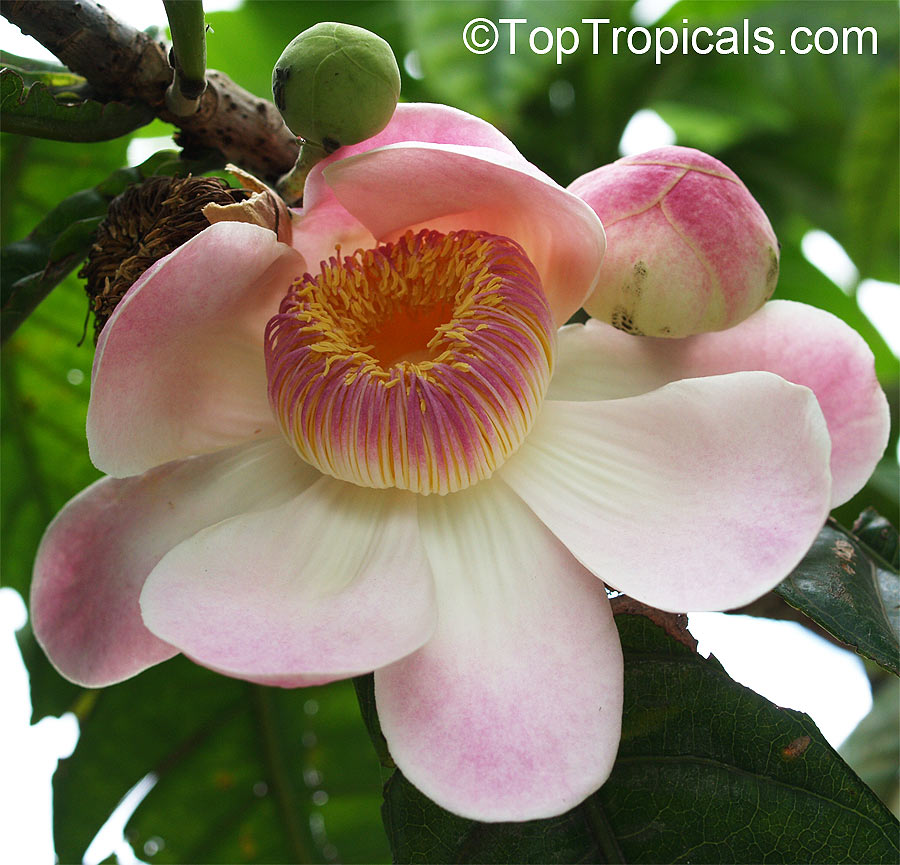
Gustavia augusta, also known as Heaven Lotus, is a stunning, small tropical tree from Brazil that looks like it stepped right out of a tropical paradise. Its spectacular, fragrant flowers resemble lotus blooms and are as beautiful as they are unique. These large, striking flowers have white and pink petals, and their sweet fragrance is so captivating that the central crown almost looks good enough to eat!
The tree features a straight, often unbranched trunk with a single cluster of large leaves at the top, giving it a palm-like appearance. As it matures, it may sprout a few large branches, each with its own leafy crown. The leaves are huge - no other tree around has leaves quite as large, except perhaps a palm. They're long, narrow at the base, and broad at the top, making them a real showstopper.
The tree also bears rounded, pear-shaped fruit directly on the trunk (a fascinating trait called cauliflory). The fruit contains delicious yellowish-orange pulp that can be boiled and is said to resemble meat in taste. The tree's wood is used in construction, and its leaves, when boiled into a decoction, are believed to cure intoxication.
This rare and exciting tree is a true gem for collectors and can even be grown in containers, making it an exceptional addition to any tropical garden!
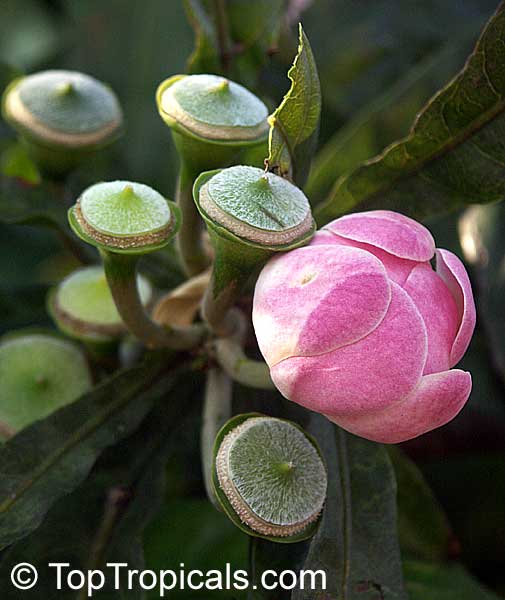
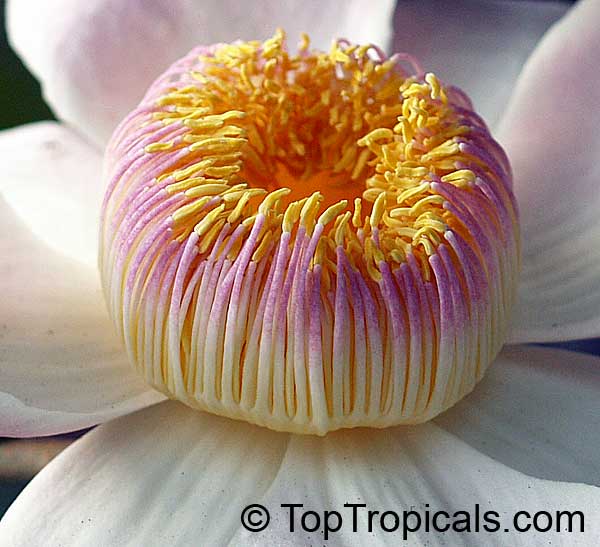
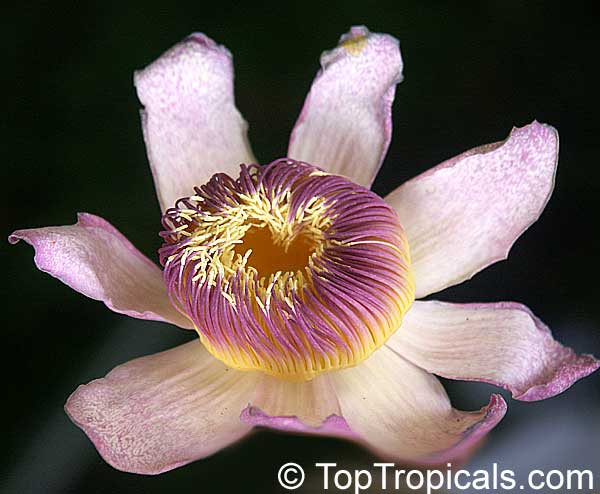
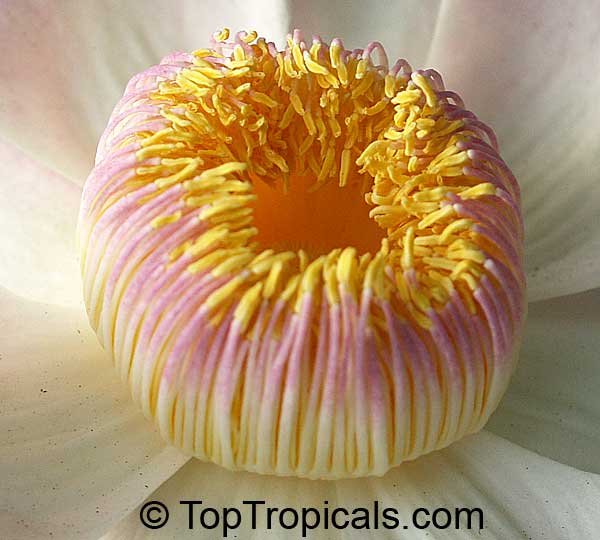

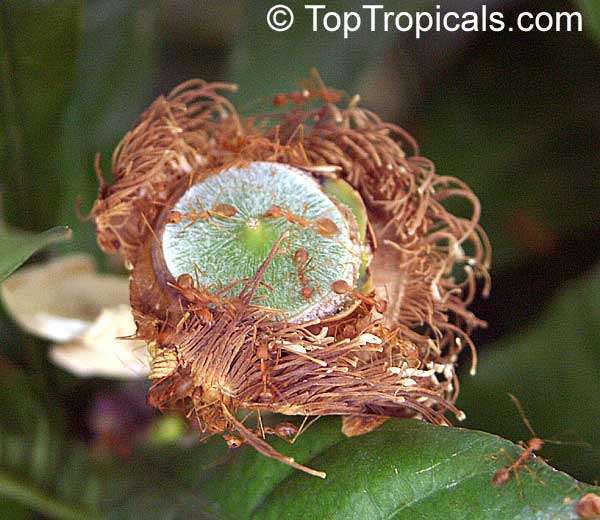
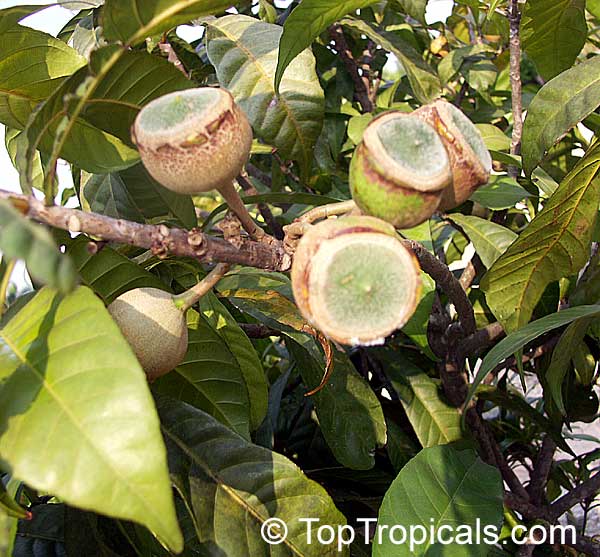
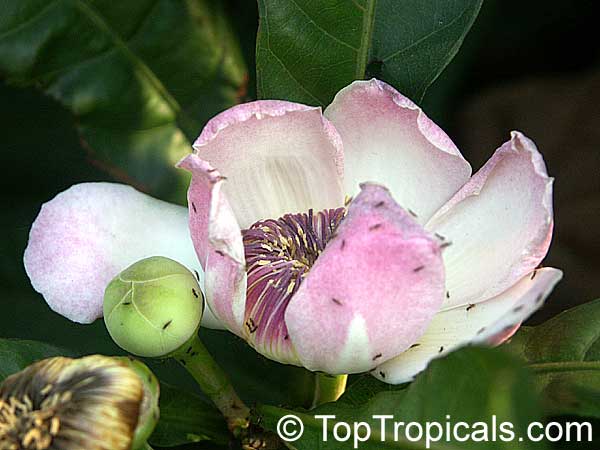


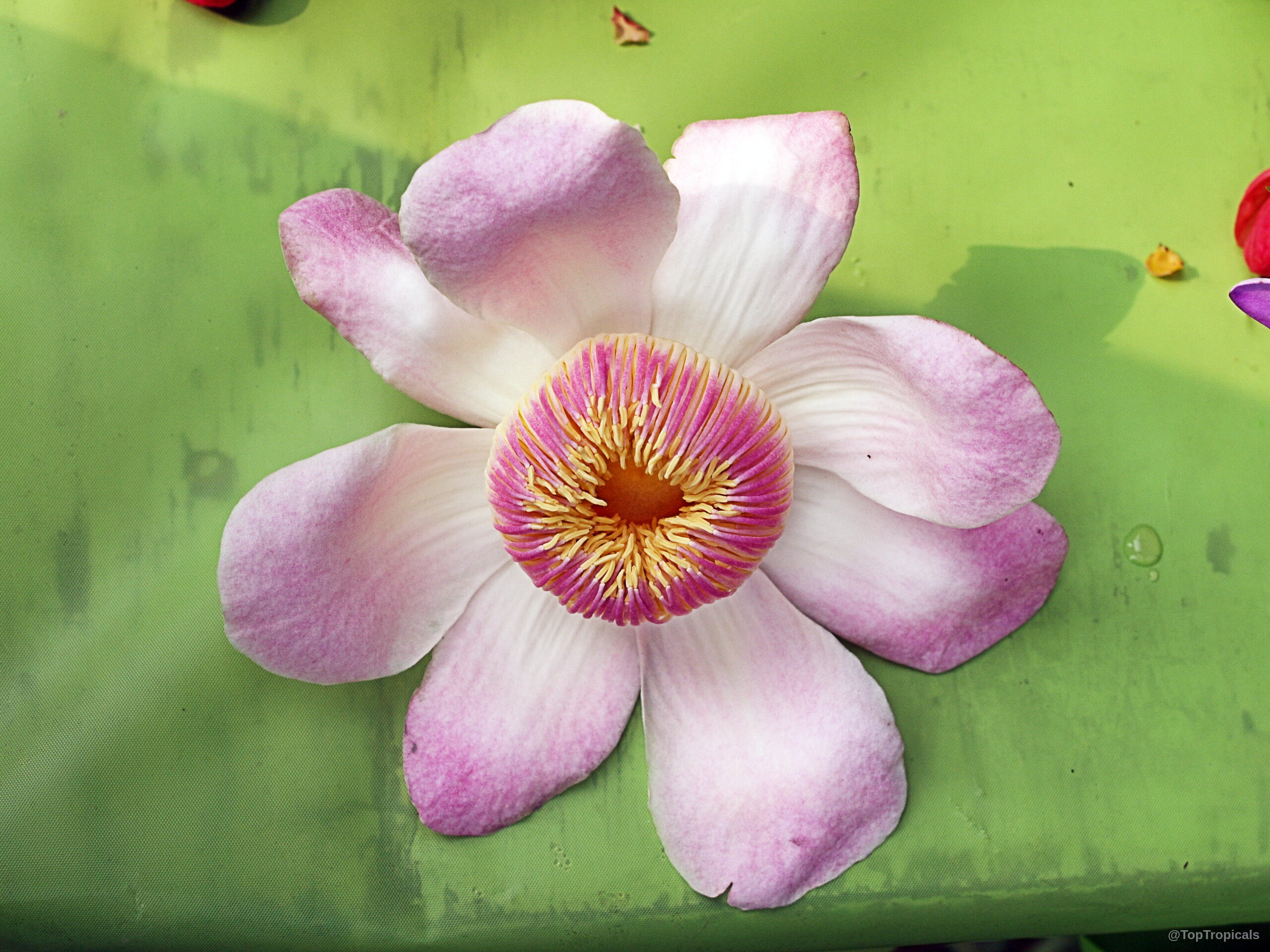
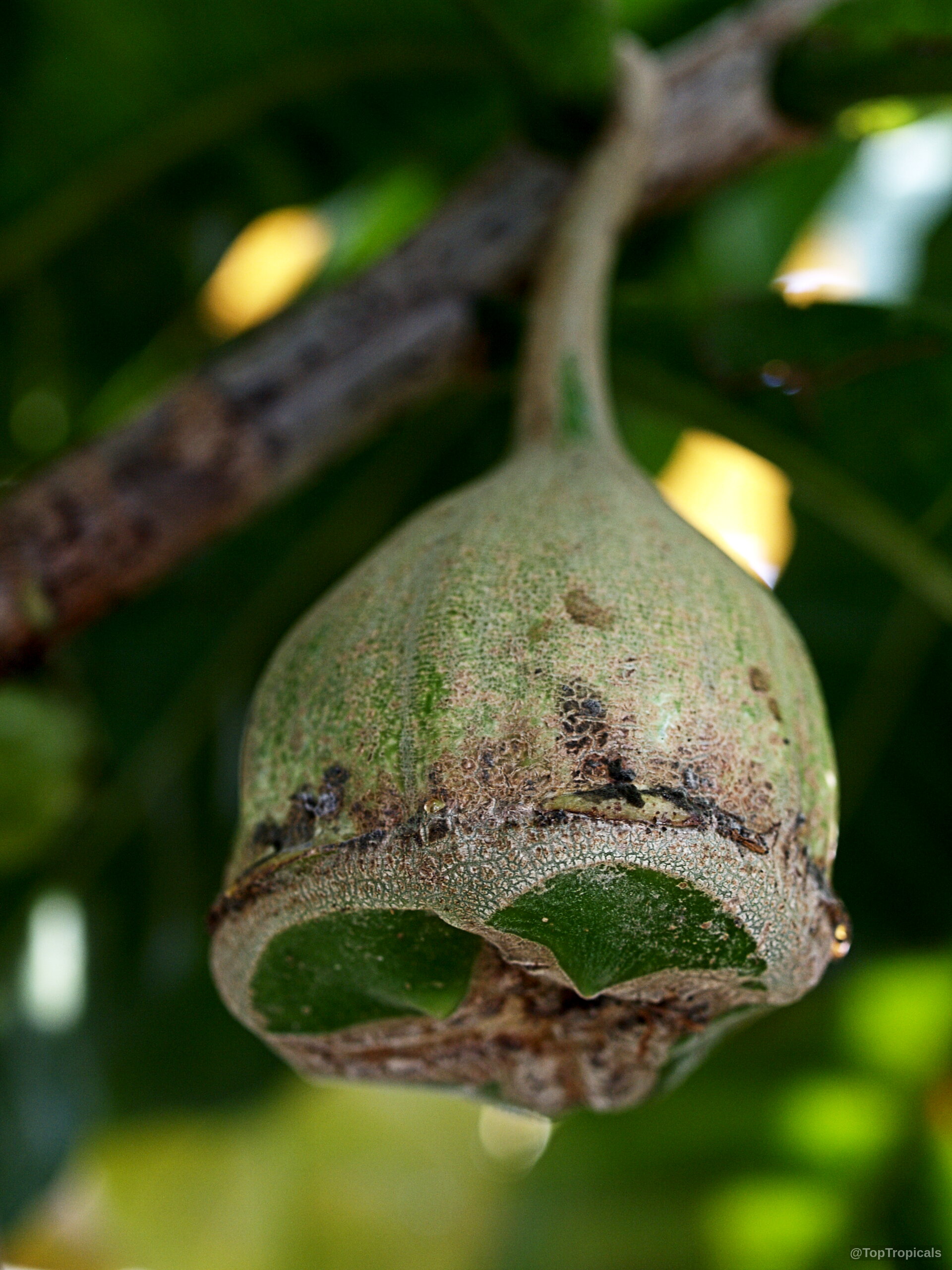
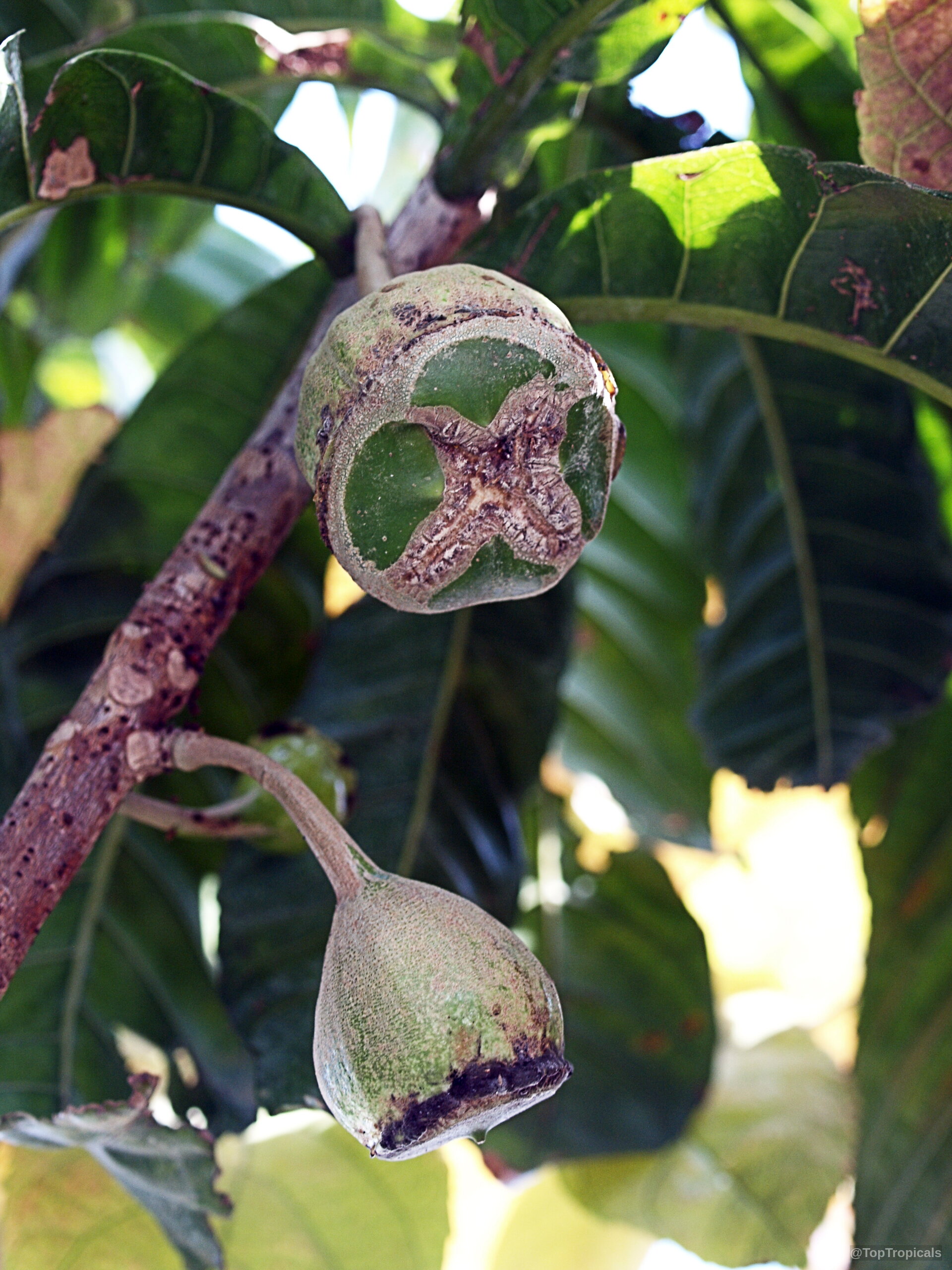

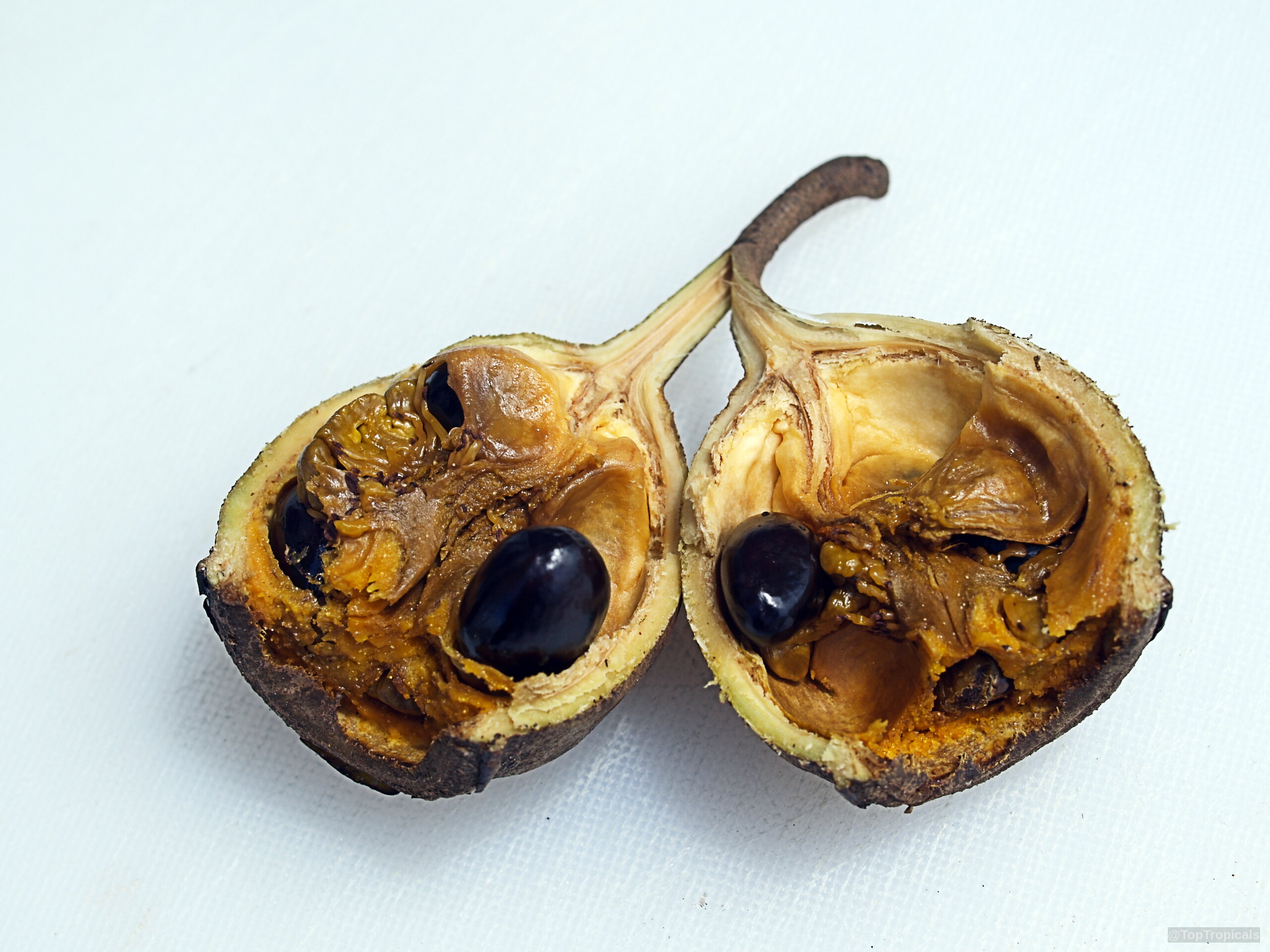
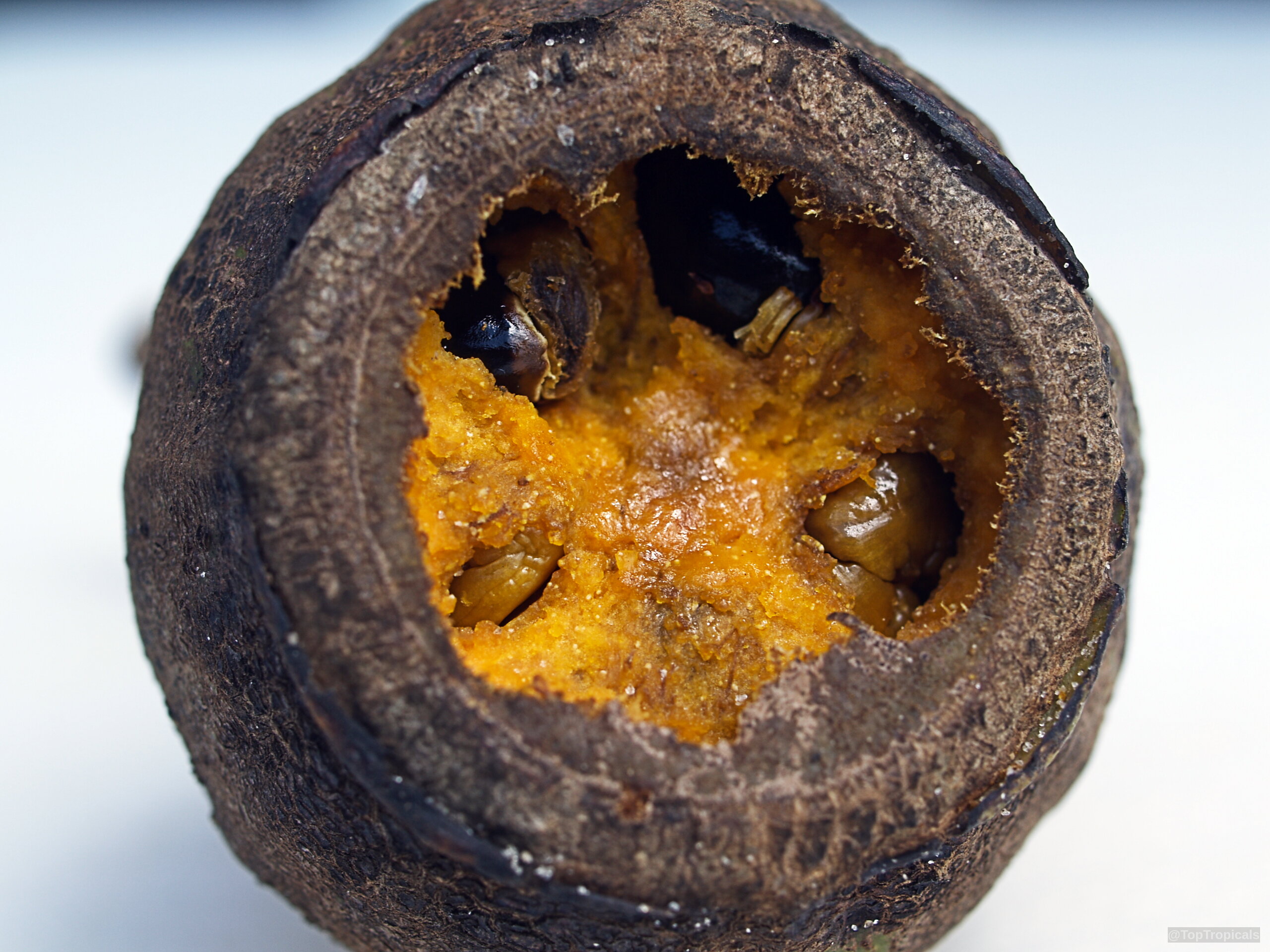
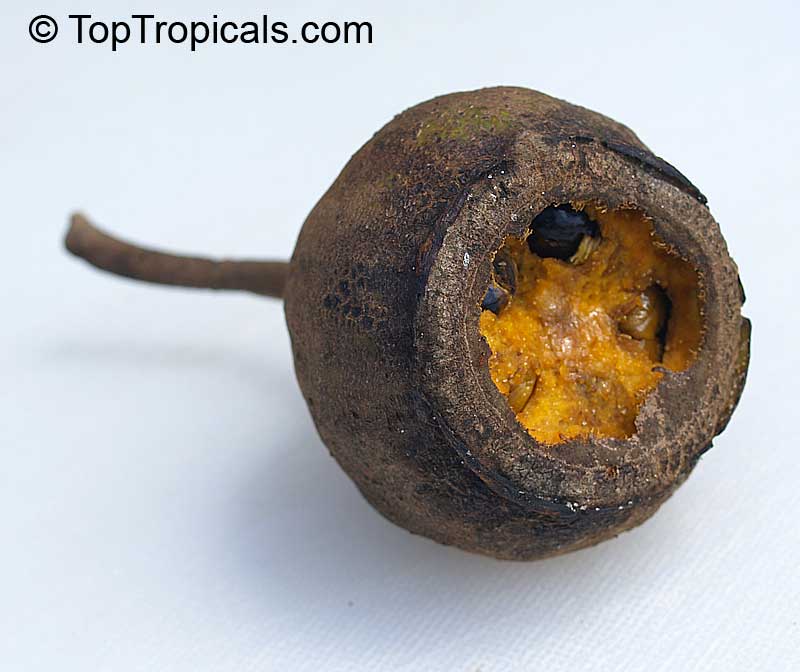
The tree features a straight trunk with large, palm-like leaves and may develop branches as it matures.
Its fascinating fruit grows directly on the trunk and contains edible, yellowish-orange pulp, said to resemble meat when boiled. The tree's wood is used in construction, and its leaves have medicinal uses. A true gem for collectors, this unique tree can even be grown in containers, making it a standout addition to any tropical garden.
Recommended Fertilizer: SUNSHINE Megaflor - Bloom Nutrition Booster
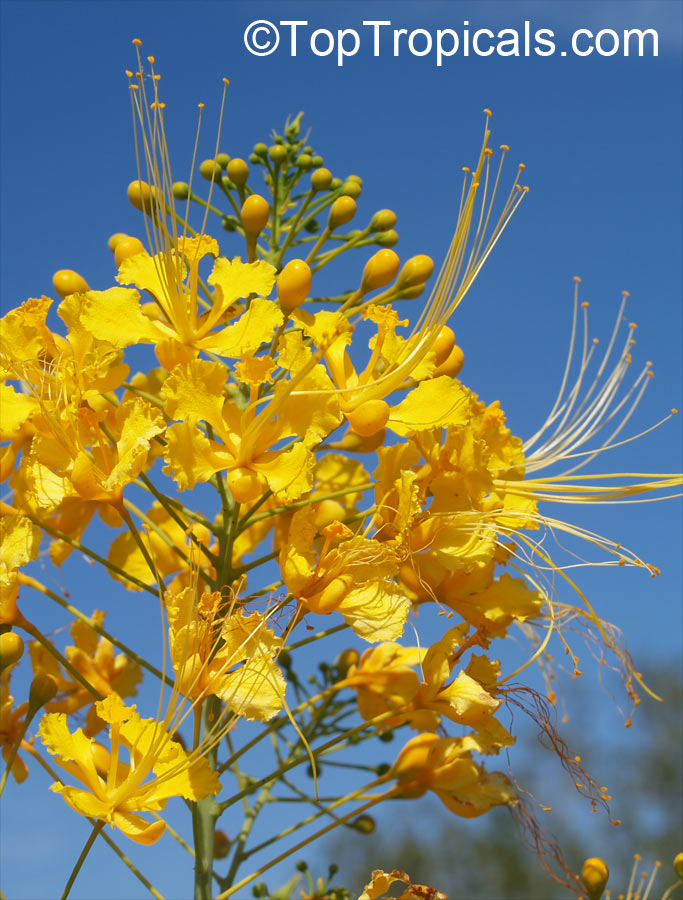
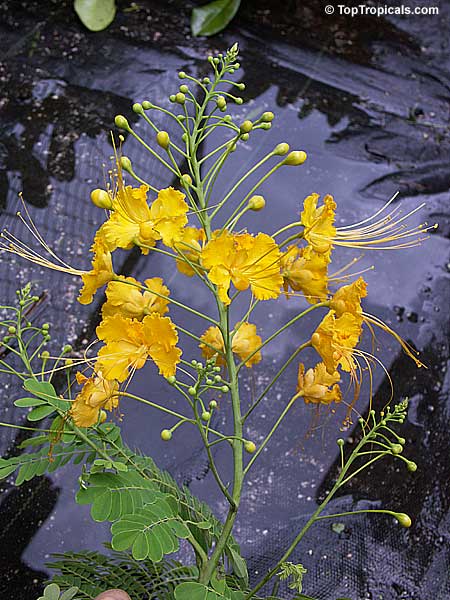
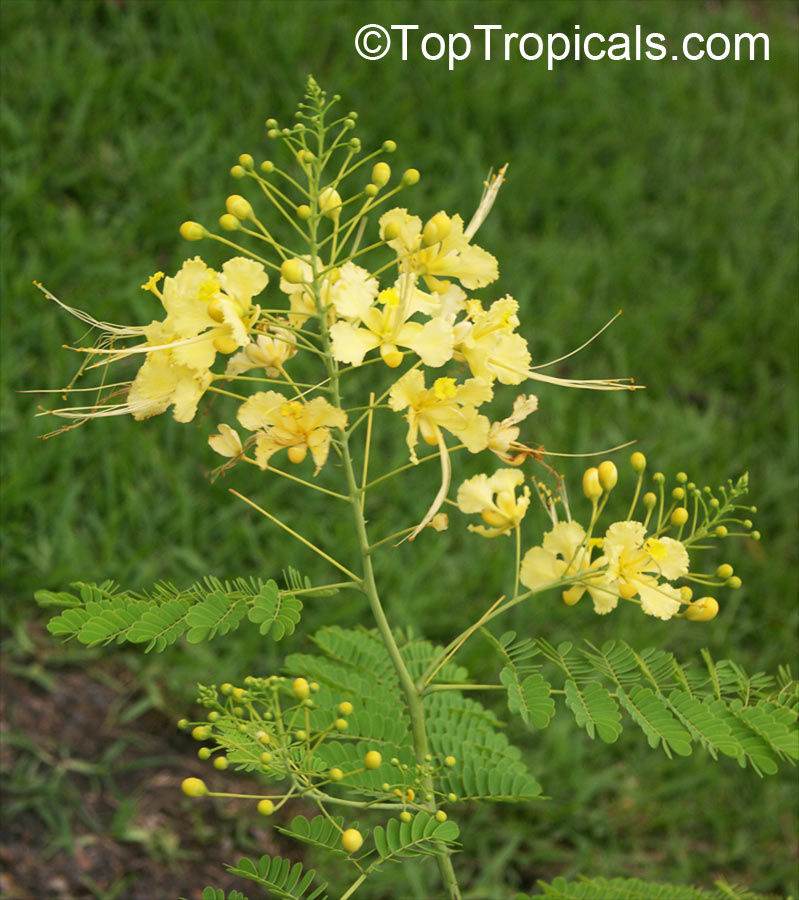
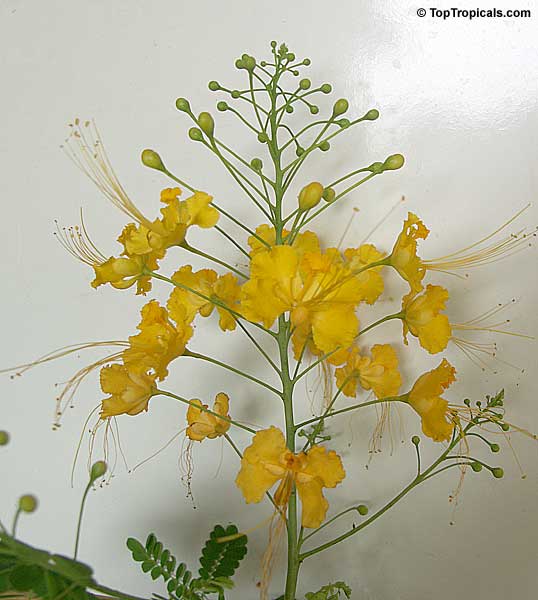
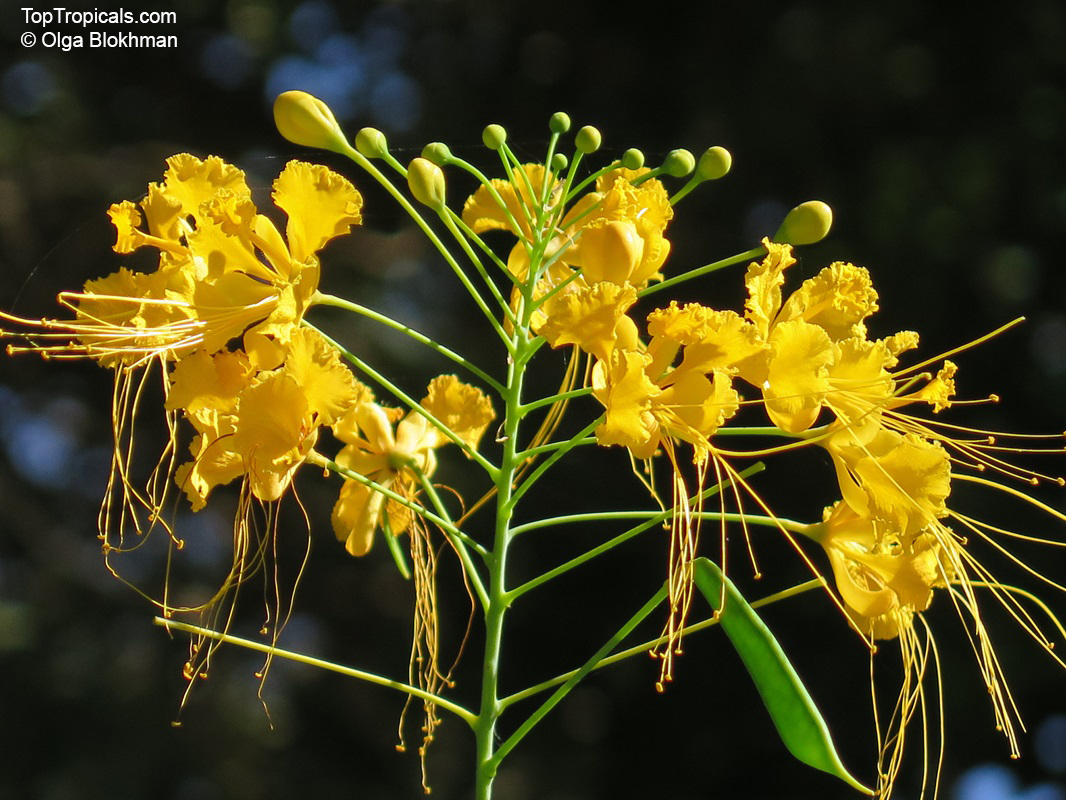
Botanical name: Caesalpinia pulcherrima var. lutea
Common names: Yellow Peacock Flower, Barbados Pride, Dwarf Poinciana, Barbados Flower-fence
Cultivar: Lutea
Family: Fabaceae
Subfamily: Caesalpinioideae
Origin: West Indies and tropical America
USDA Zone: 10-11
Cold tolerance: 35°F


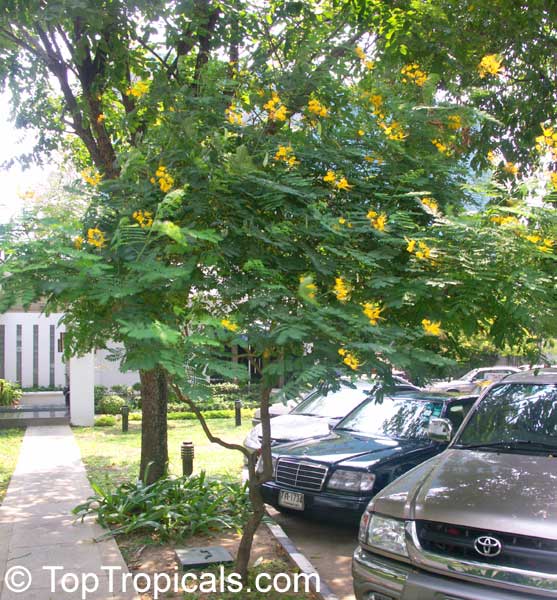
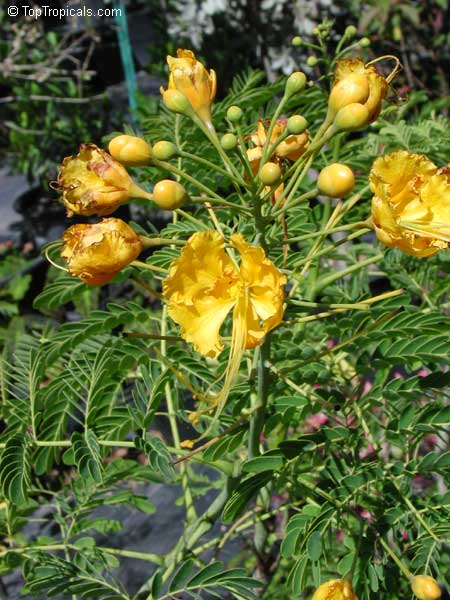
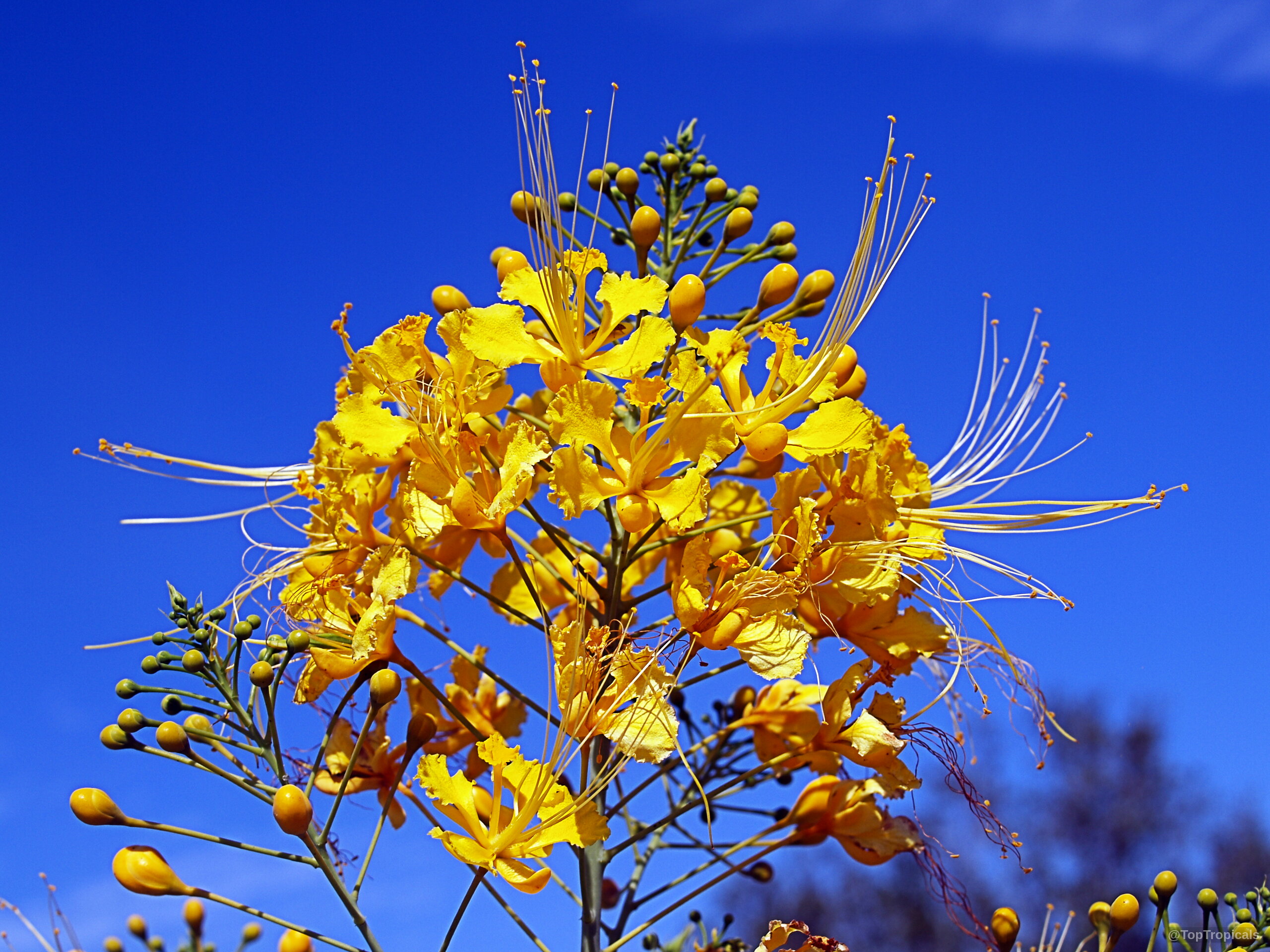
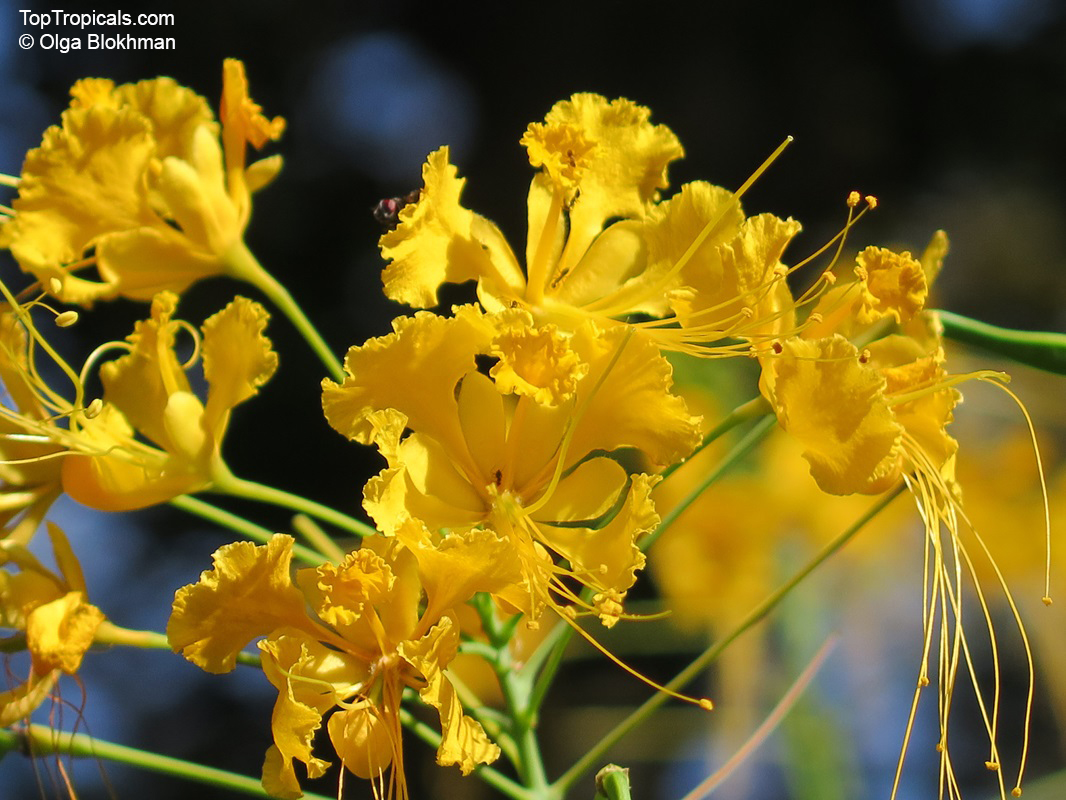
Evergreen shrub or small tree in frost free climates, a deciduous shrub in zone 9, and a returning perennial in zone 8. In the tropics it gets 15-20' tall and its ungainly, wide spreading branches can cover about the same width. In cultivation the peacock flower is usually 8-12' tall, growing that large even after freezing to the ground the previous winter. The stem, branches and petioles are armed with sharp spines and the leaves are fernlike and twice compound, with many small, oval leaflets. The flowers are borne in terminal clusters 8-10" tall throughout most of the year in tropical climates and in late summer and fall where frosts occur. The fruits, typical legumes, are flat, 3-4" long, and when ripe they split open noisily to expose the little brown beans. Very easy to grow in alkaline to acidic, well-drained soils. This is a fast growing, but short lived plant. It is moderately tolerant of salty conditions. Peaccock flower benefits from pruning, and can be shaped to tree form or shrubby bush form. The striking orange red flowers are an attention grabber! Use peacock flower as a specimen or in a mixed shrub border. It has an open, spreading habit and the branches sometimes get too long for their own good and break off. Still, a line of peacock flowers makes a showy fine-textured screen or informal hedge. You can cut peacock flower to the ground in late winter or early spring to get a bushier, more compact shrub.
Recommended Fertilizer: SUNSHINE Megaflor - Bloom Nutrition Booster
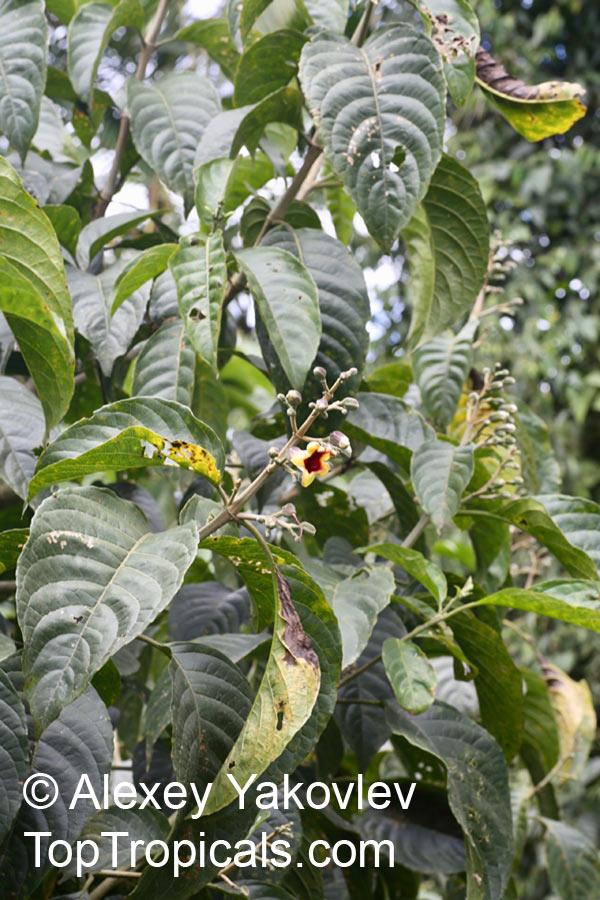
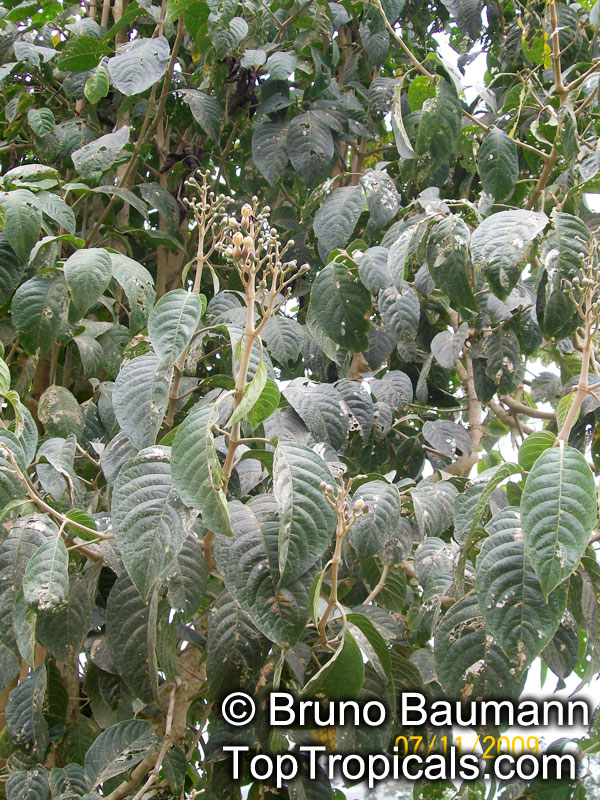
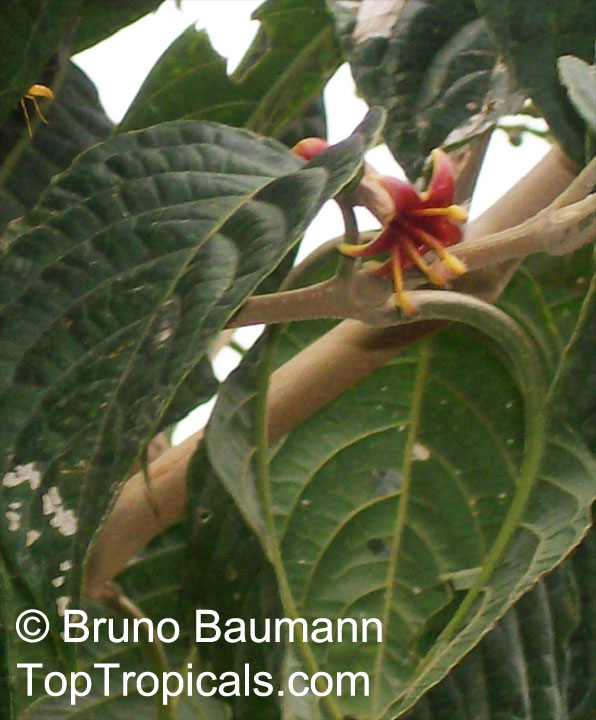
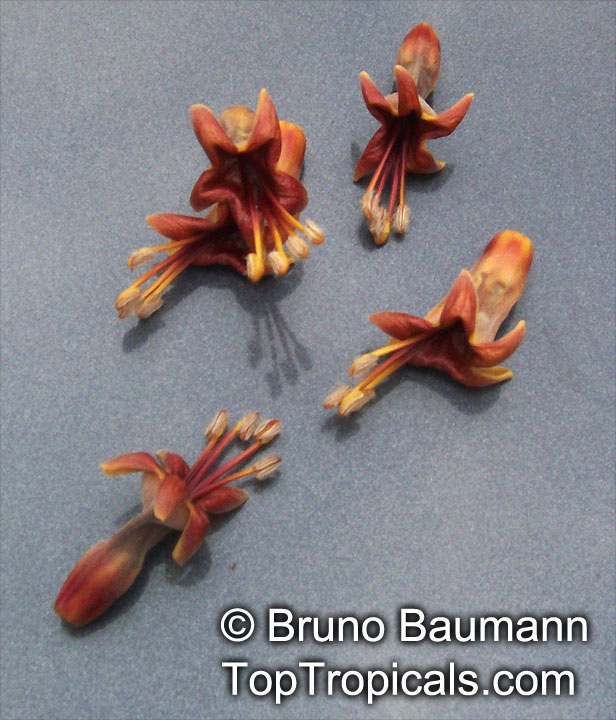
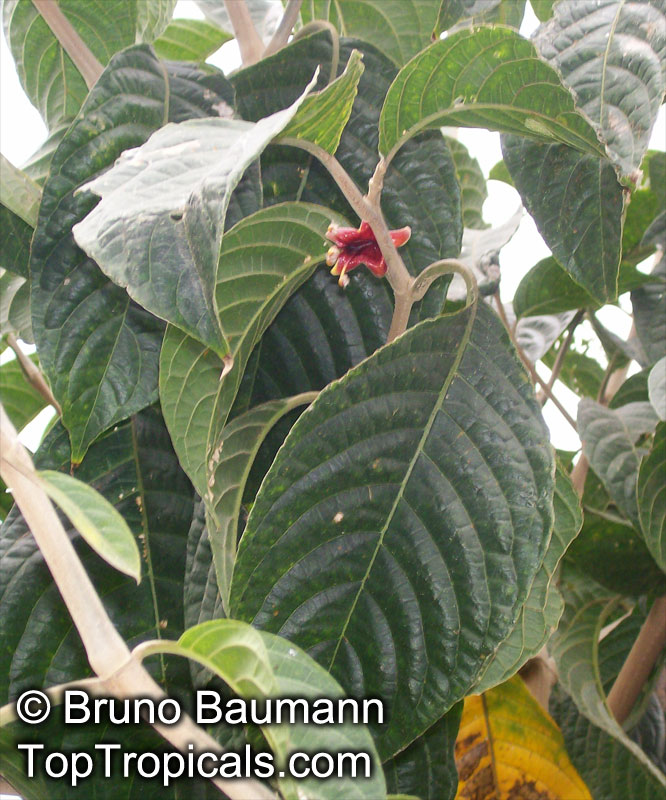
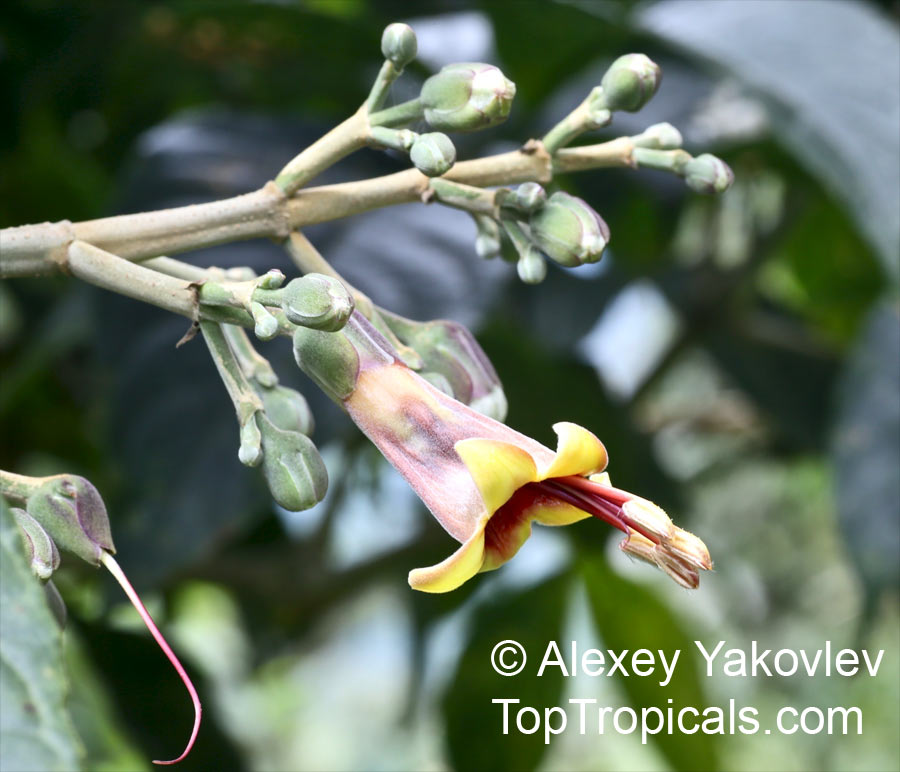
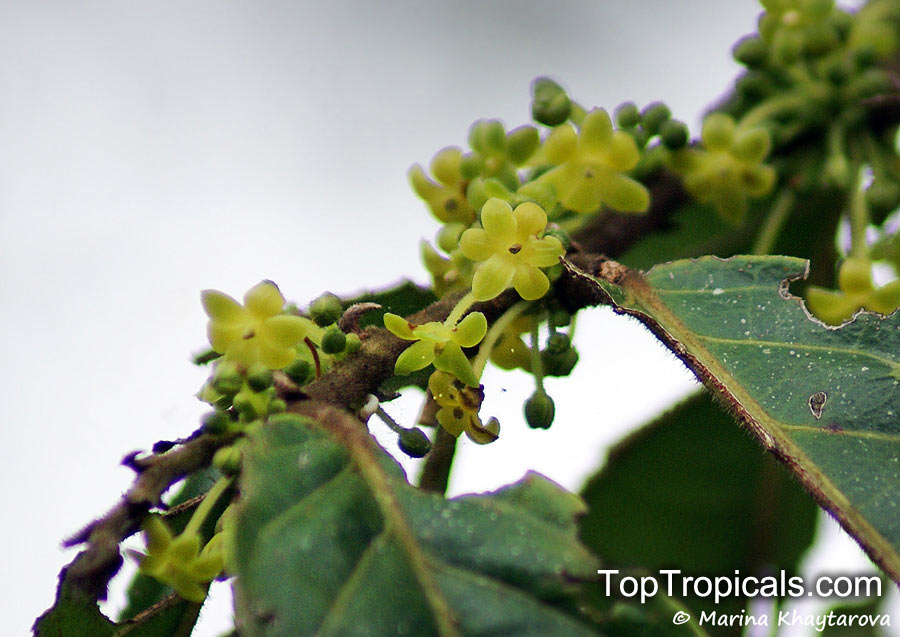
Botanical names: Trichanthera gigantea, Ruellia gigantea
Common names: Madre de Agua, Suiban, Cenicero, Tuno, Naranjillo, Palo de Agua
Family: Acanthaceae
Origin: Central America
USDA Zone: 9-10

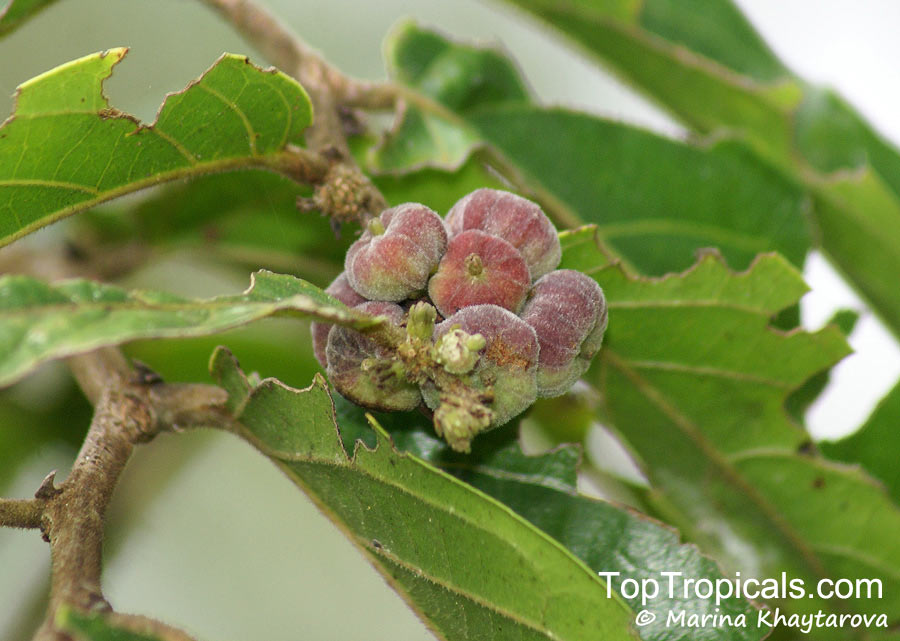
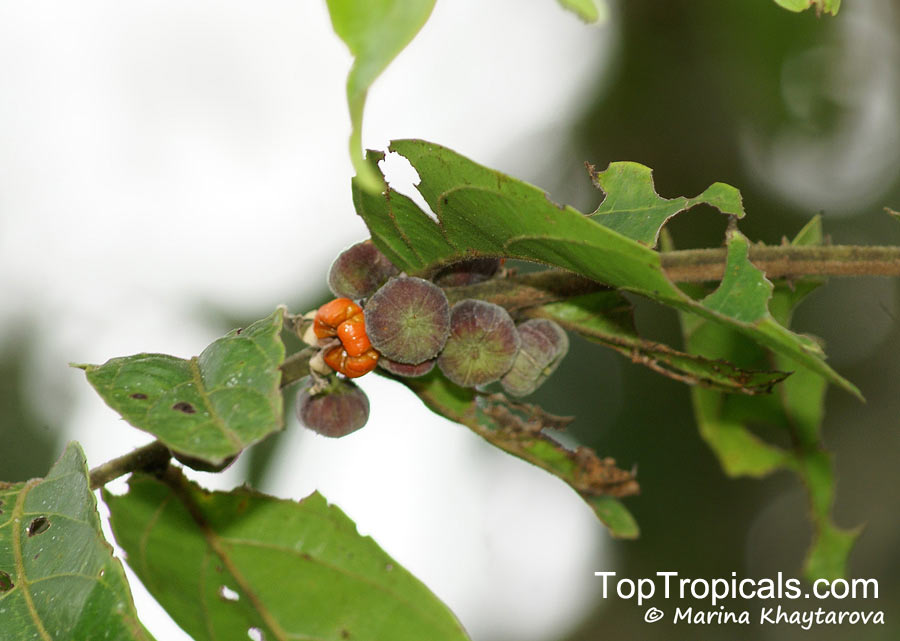
Botanical name: Glochidion sumatranum
Common names: Cheesetree, Pin Flower Tree, Sumatran Buttonwood, Umbrella Cheesetree
Family: Phyllanthaceae
Origin: Australia, New Guinea
USDA Zone: 9-10
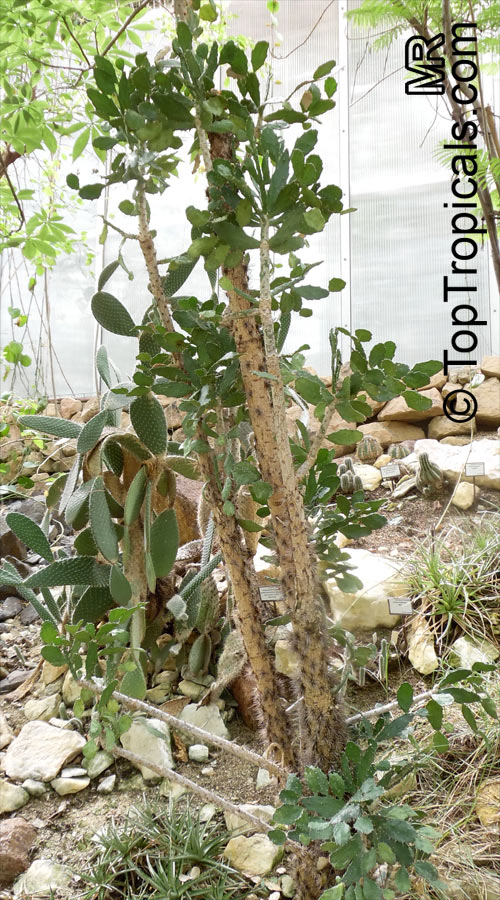
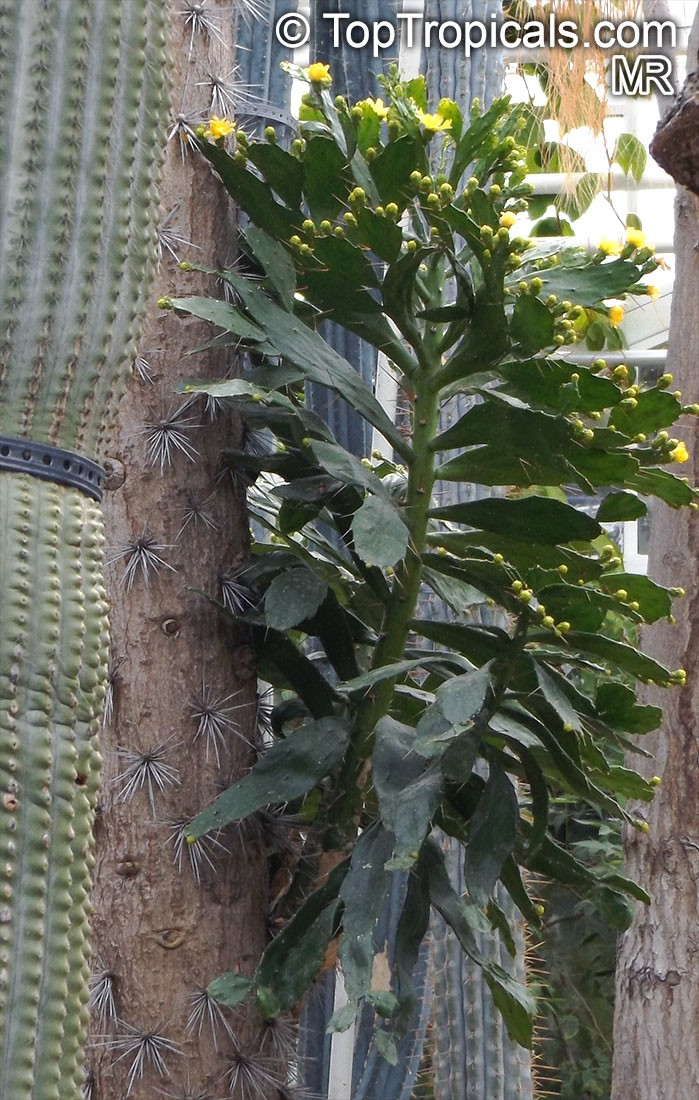
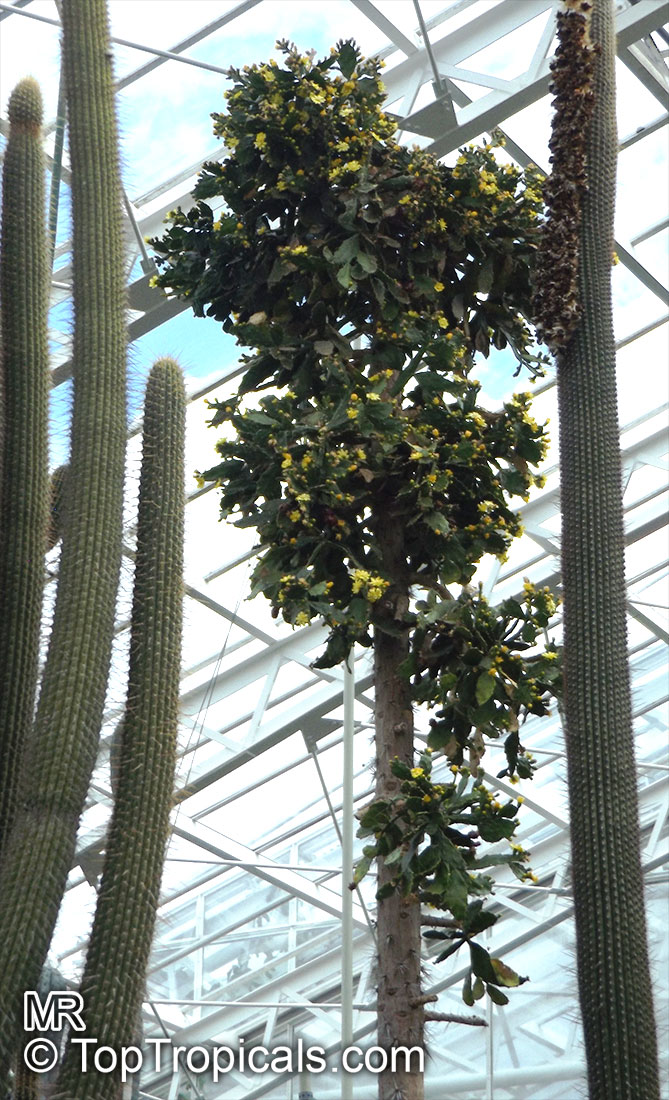
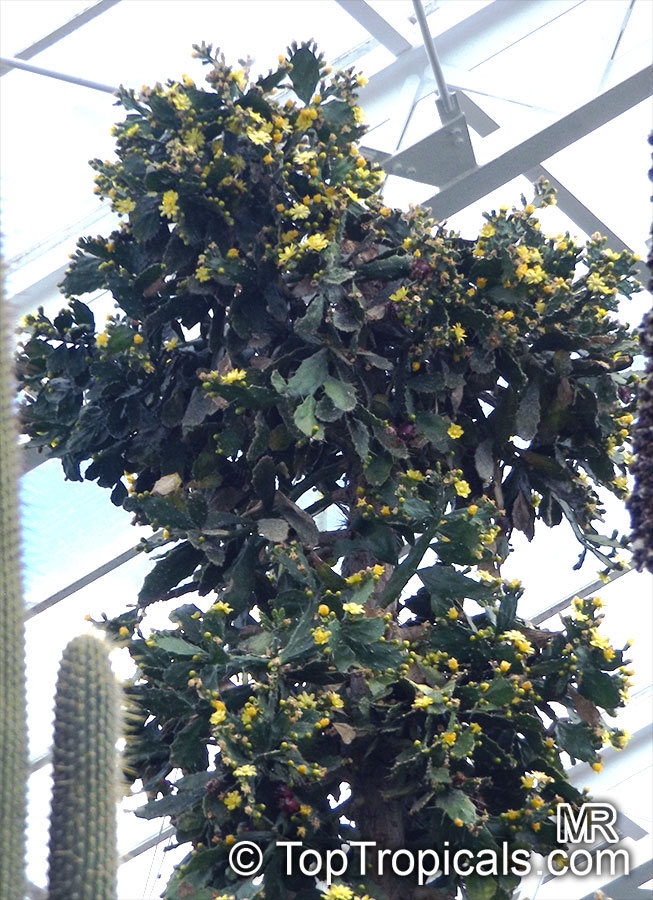
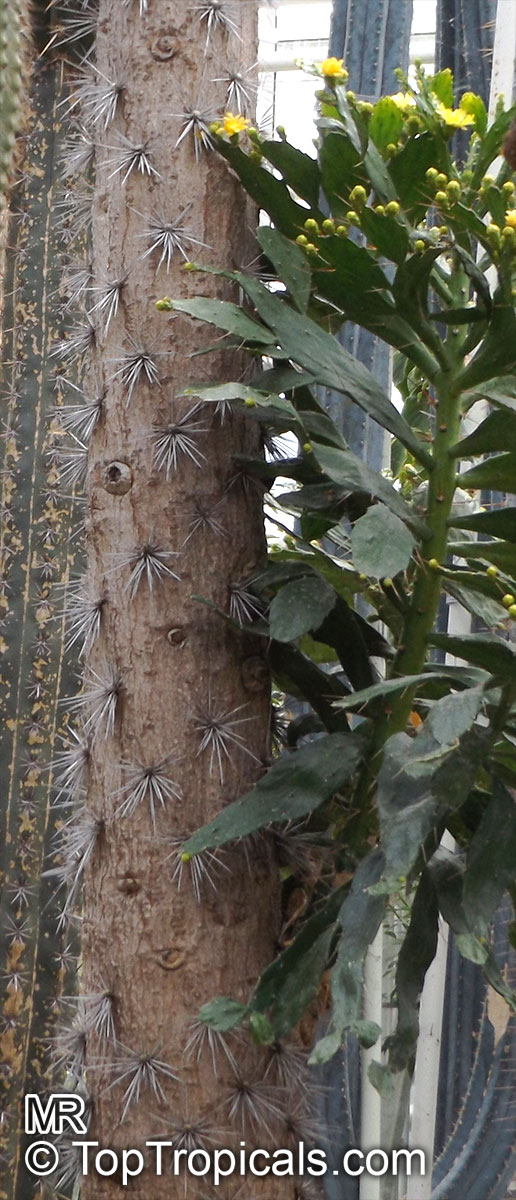
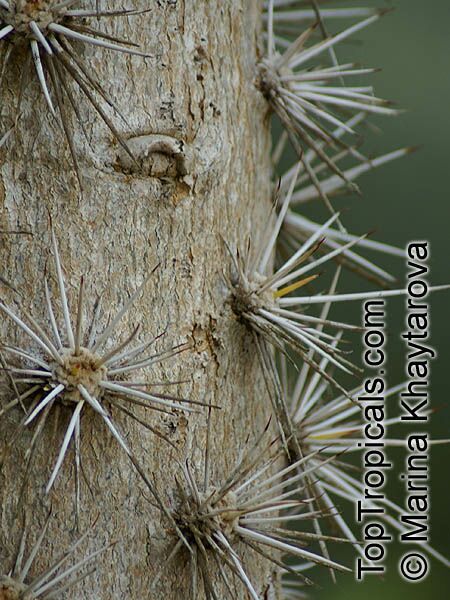
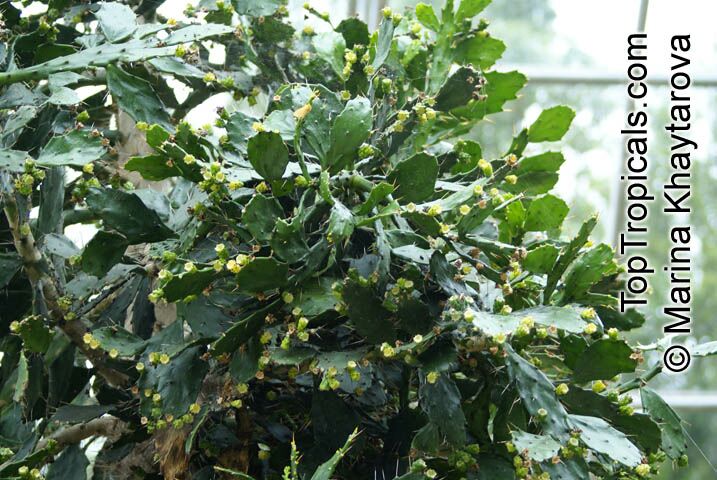
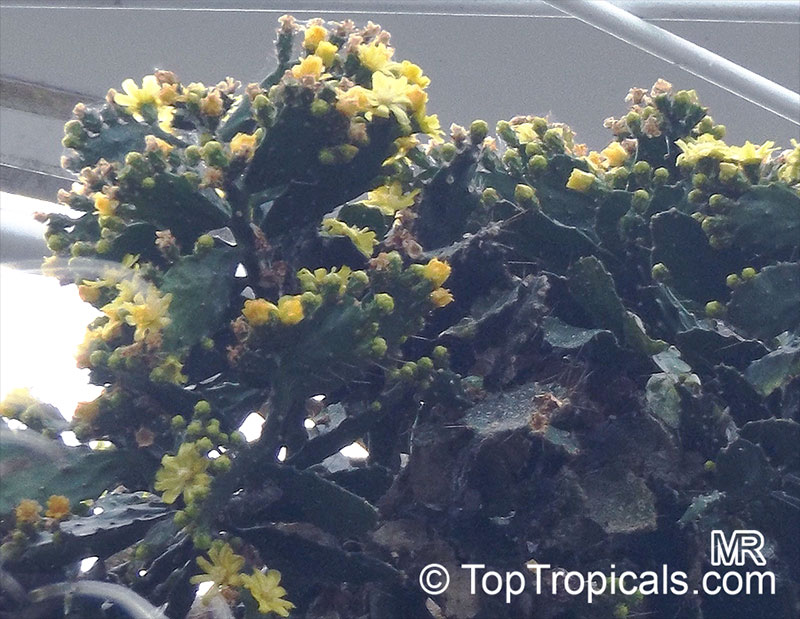
Botanical names: Brasiliopuntia brasiliensis, Opuntia brasiliensis
Common name: Brazilian Prickly Pear
Family: Cactaceae
Origin: Central America, South America
USDA Zone: 9-10

| Next | |
Use link to repeat this search:
https://toptropicals.com/cgi-bin/garden_catalog/cat.cgi?search_op=and&keyword_op=and&language=e&number=10&no_change_lang=1
&v1=sun&user=tt&sale=1&first=0