Ethnomedical plant - Plant Encyclopedia Results
| Number of plants found: 1016 | Next | 
|
Go to page: | 1 | 2 | 3 | 4 | 5 | Last |
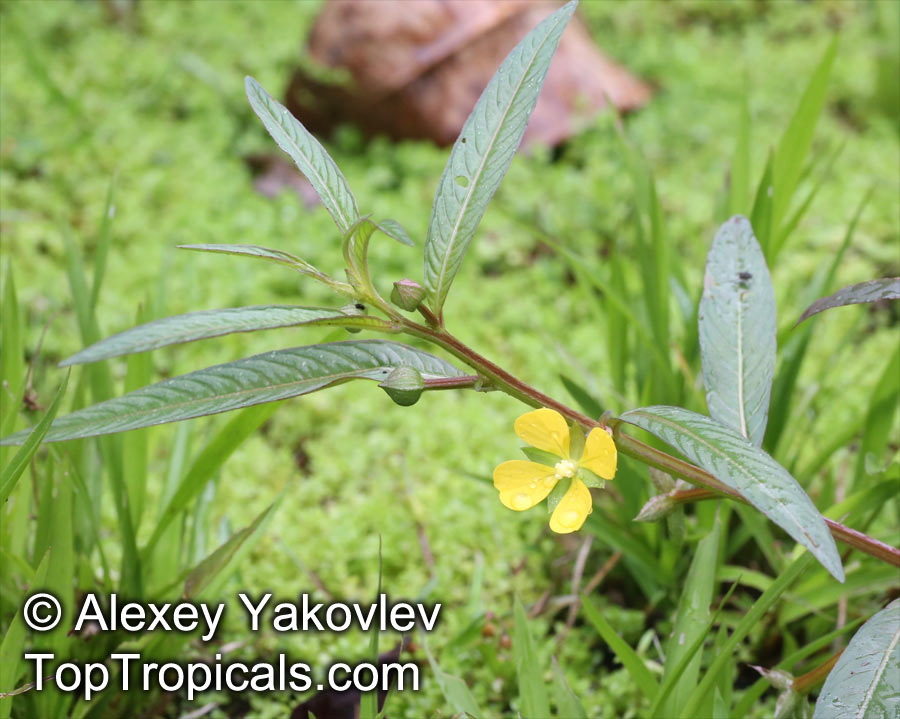
Botanical name: Ludwigia sp.
Common name: Swamp Primrose
Family: Onagraceae
Origin: Central America, Southern America



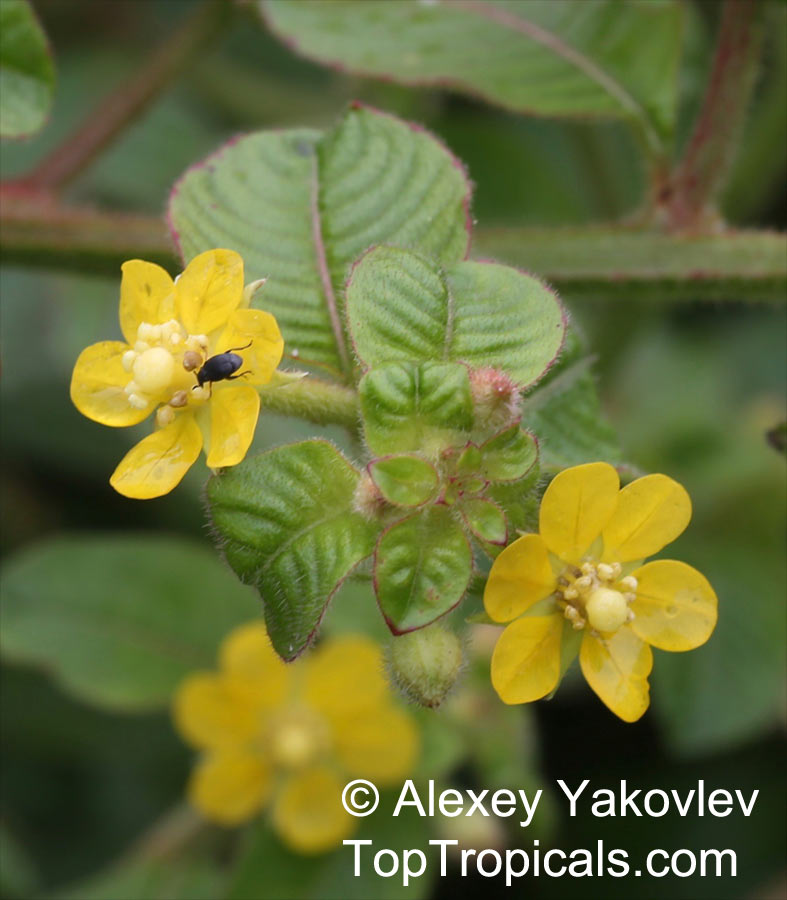
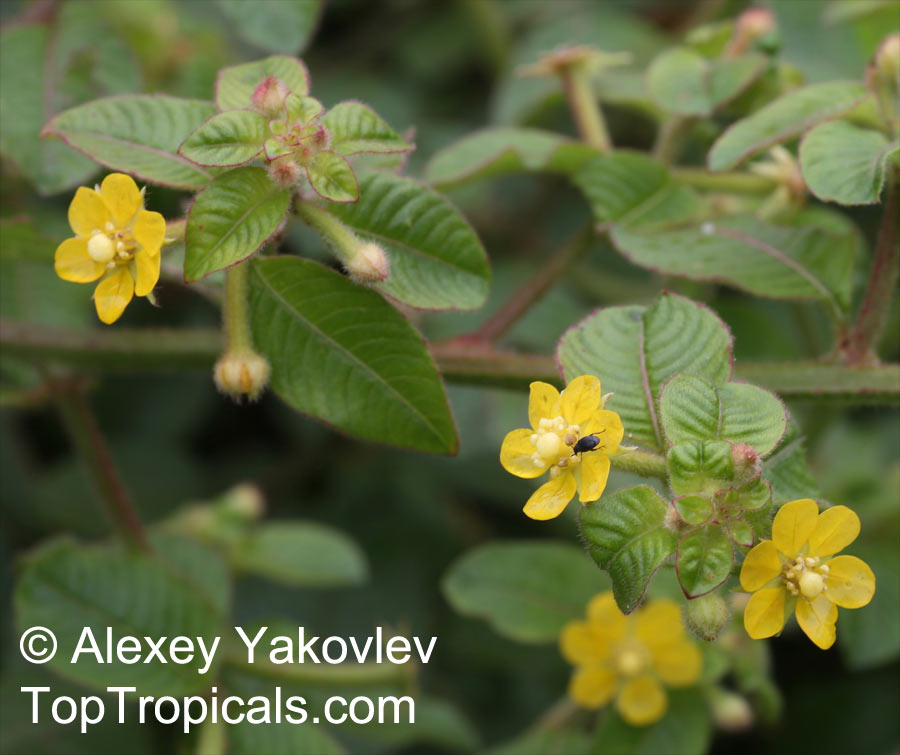
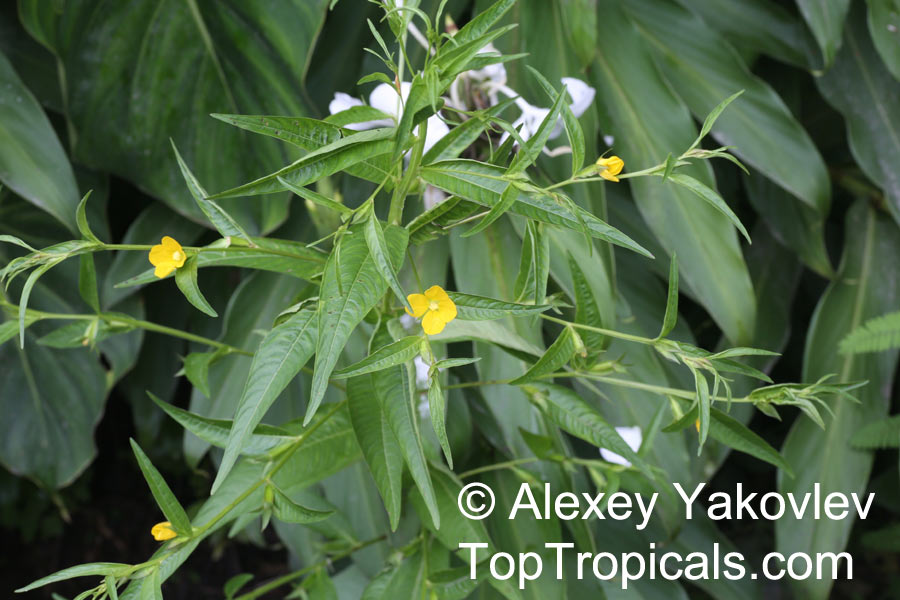
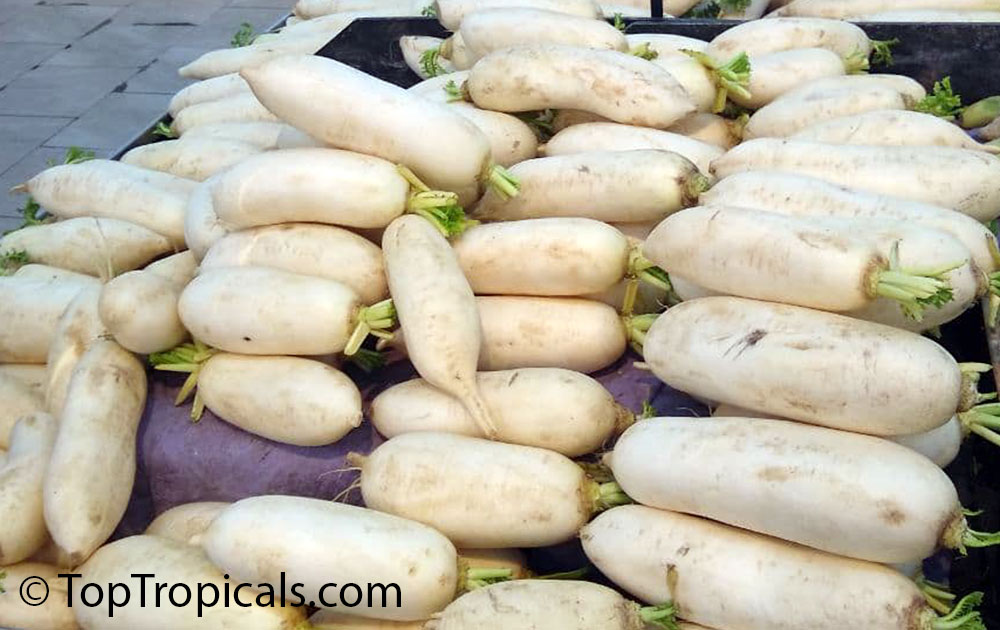
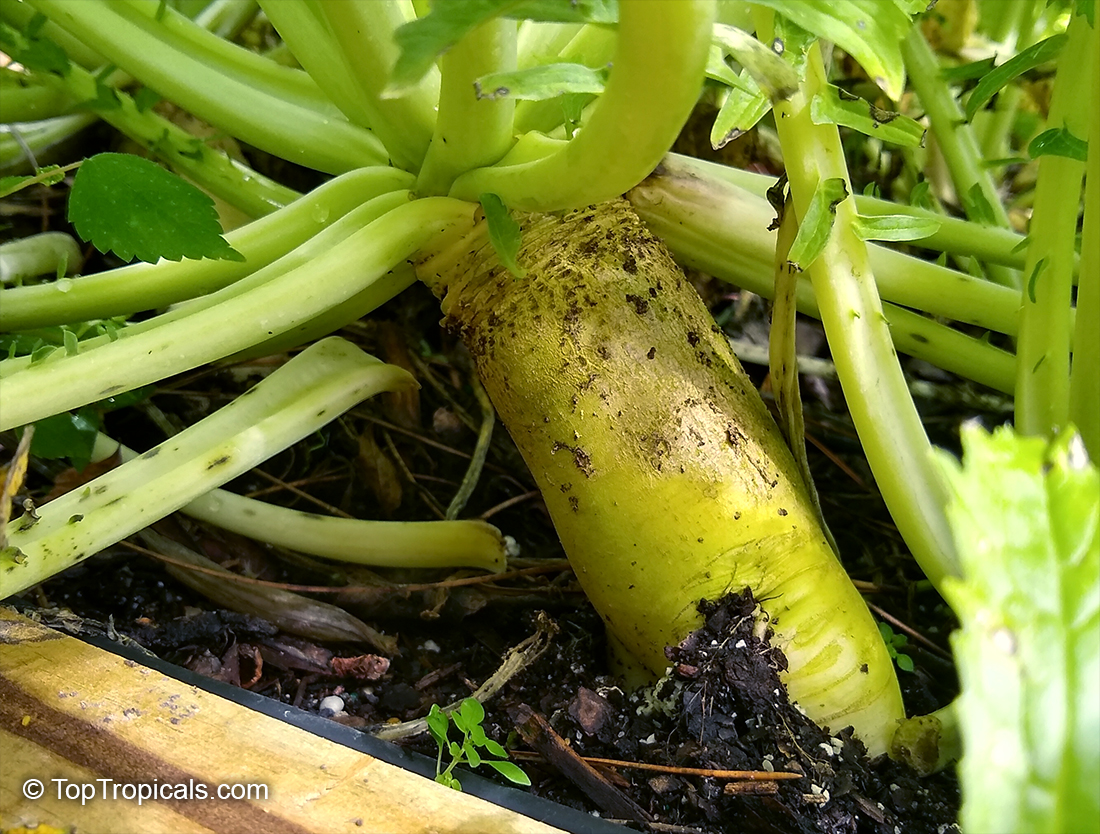
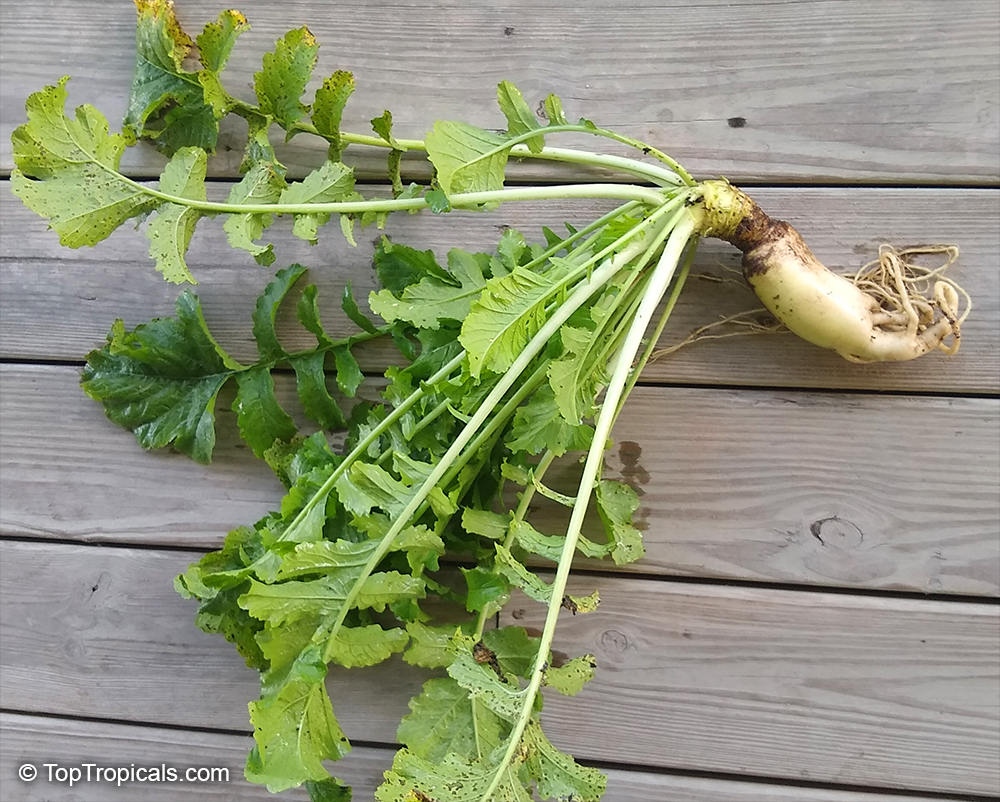
Botanical name: Raphanus sativus
Common names: Daikon, Winter Radish, Oriental Radish, Long White Radish
Family: Brassicaceae
Origin: East Asia


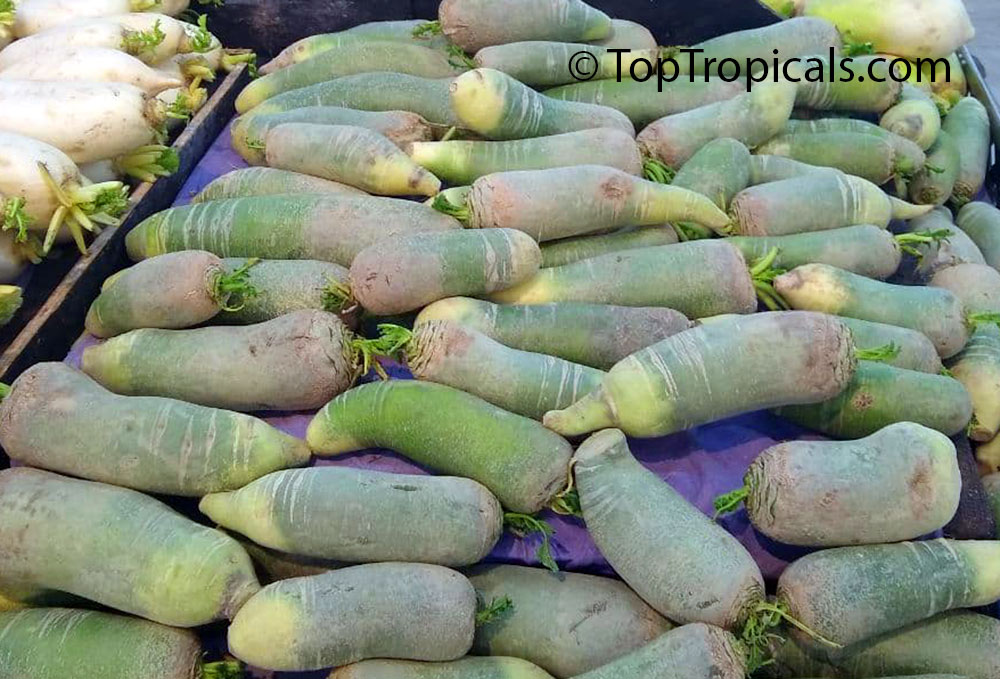
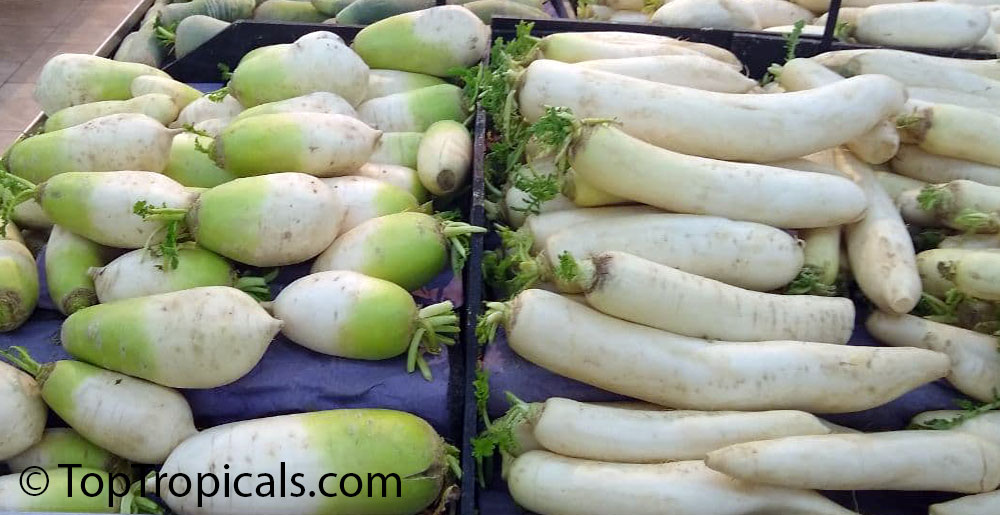
Daikon (literally - big root), Raphanus sativus var. longipinnatus, also known by many other names depending on context, is a mild-flavored winter radish usually characterized by fast-growing leaves and a long, white, napiform root. Originally native to continental East Asia, daikon is harvested and consumed throughout the region, as well as in South Asia, and is now available internationally. In some locations, daikon may be planted but not harvested, for its ability to break up compacted soils and recover nutrients.
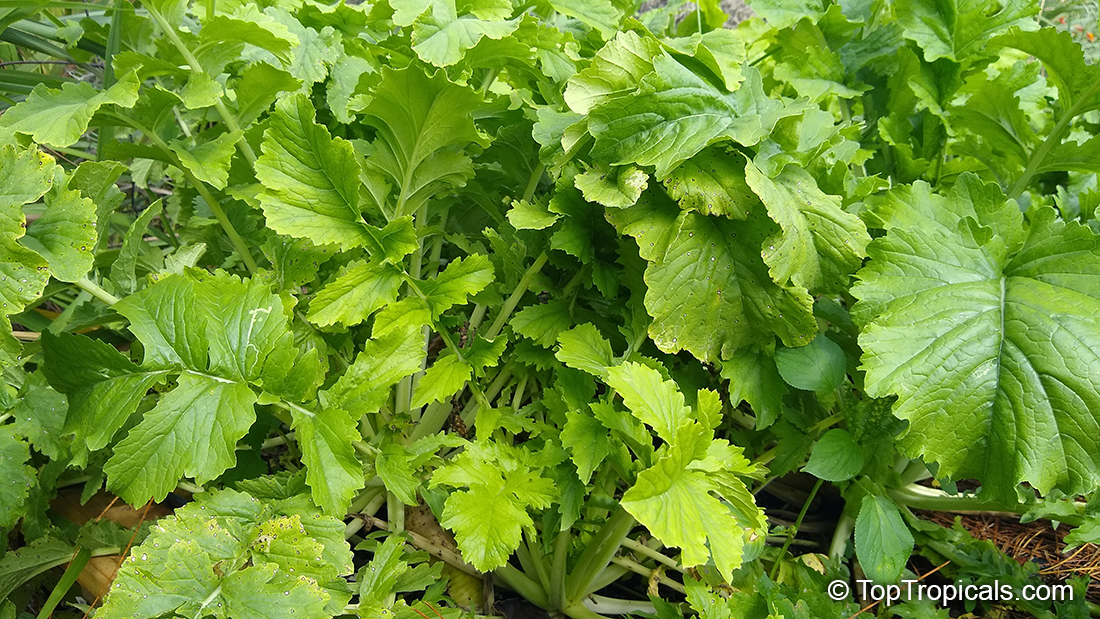
In Japan, many types of pickles are made with daikon roots, including takuan and bettarazuke. Daikon roots can be served raw, in salads, or as sashimi's tsuma which is prepared by meticulous katsura-muki. Daikon-oroshi (grated daikon) is frequently used as a garnish, often mixed into various dippings such as ponzu, a soy sauce and citrus juice condiment. The pink spicy momiji-oroshi, literally "autumn-leaf-red grated (daikon)") is daikon grated with chili pepper. Simmered dishes are also popular such as oden. Daikon that has been shredded and dried (a common method of preserving food in Japan) is called kiriboshi-daikon ("cut-dried daikon"). Daikon radish sprouts (kaiware-daikon (literally "open-clam-like daikon")) are used raw for salad or garnishing sashimi. Daikon leaves are frequently eaten as a green vegetable. They are thorny when raw, so softening methods such as pickling and stir frying are common. The daikon leaf is one of the Festival of Seven Herbs, called suzushiro.
In Chinese cuisine, turnip cake and chai tow kway are made with daikon.
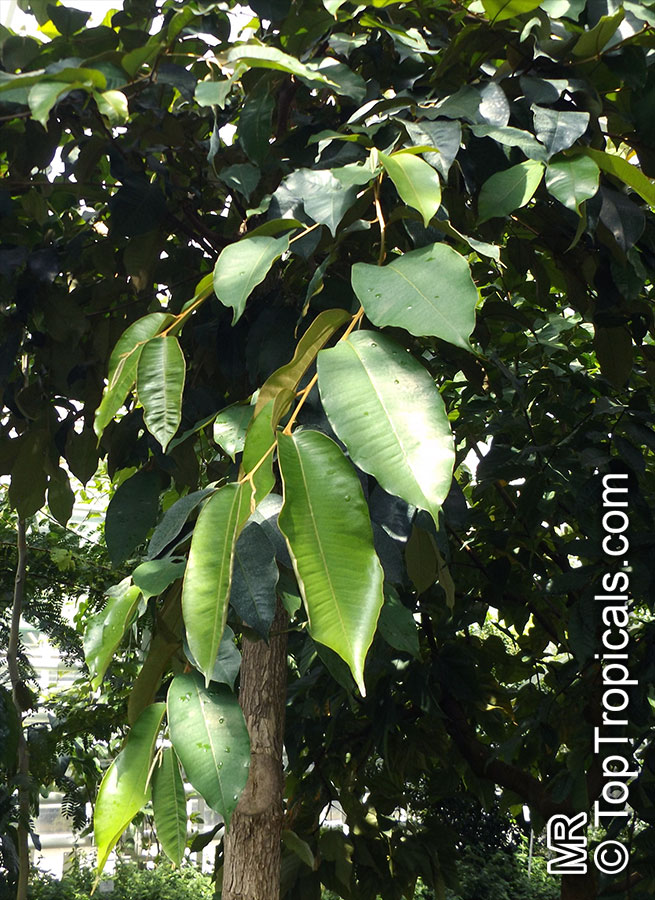
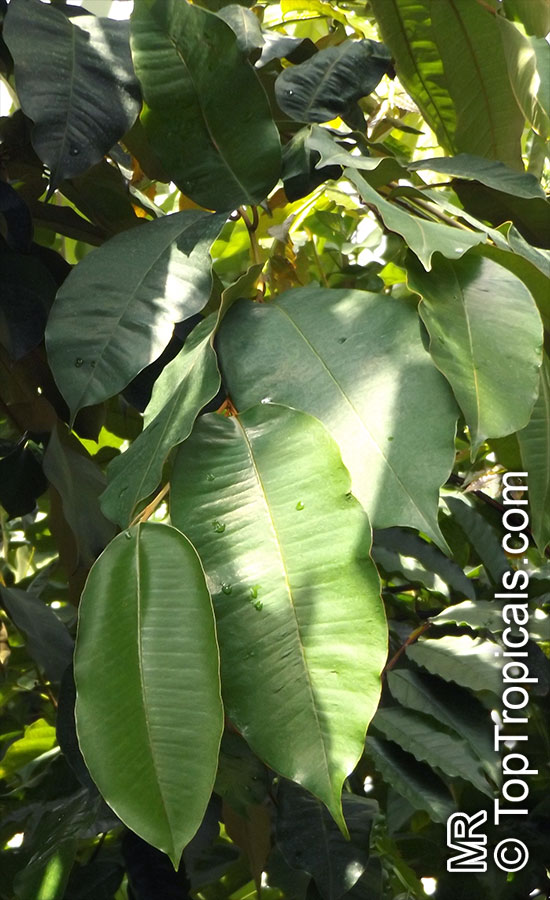
Botanical name: Chrysophyllum argenteum
Common names: Caimito de mono, Bastard Redwood
Family: Sapotaceae
Origin: South America


The plant is harvested from the wild for its edible fruit, wood and medicinal uses. Edible milky fruit. Leaves very variable in shape.
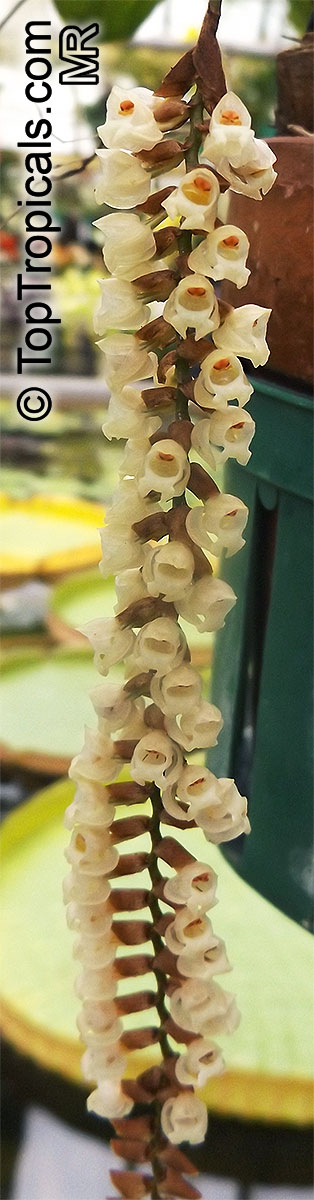
Botanical names: Pholidota imbricata, Coelogyne imbricata, Pholidota bracteata, Pholidota crotalina
Common names: Necklace Orchid, Rattlesnake Orchid
Family: Orchidaceae
Origin: Himalayas, Southeast Asia, Australia

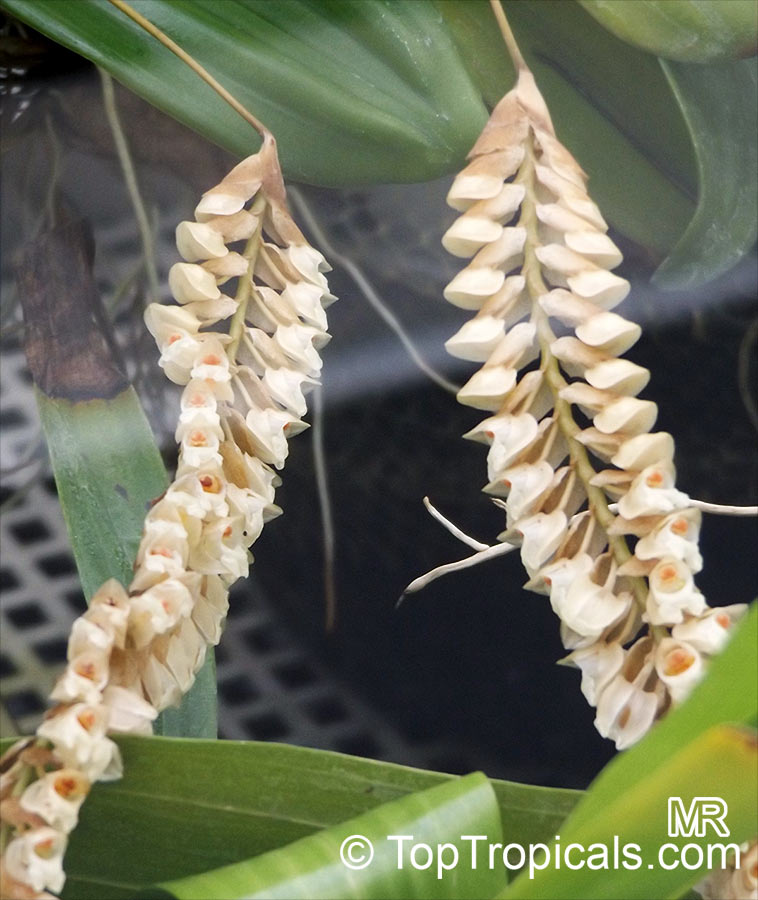
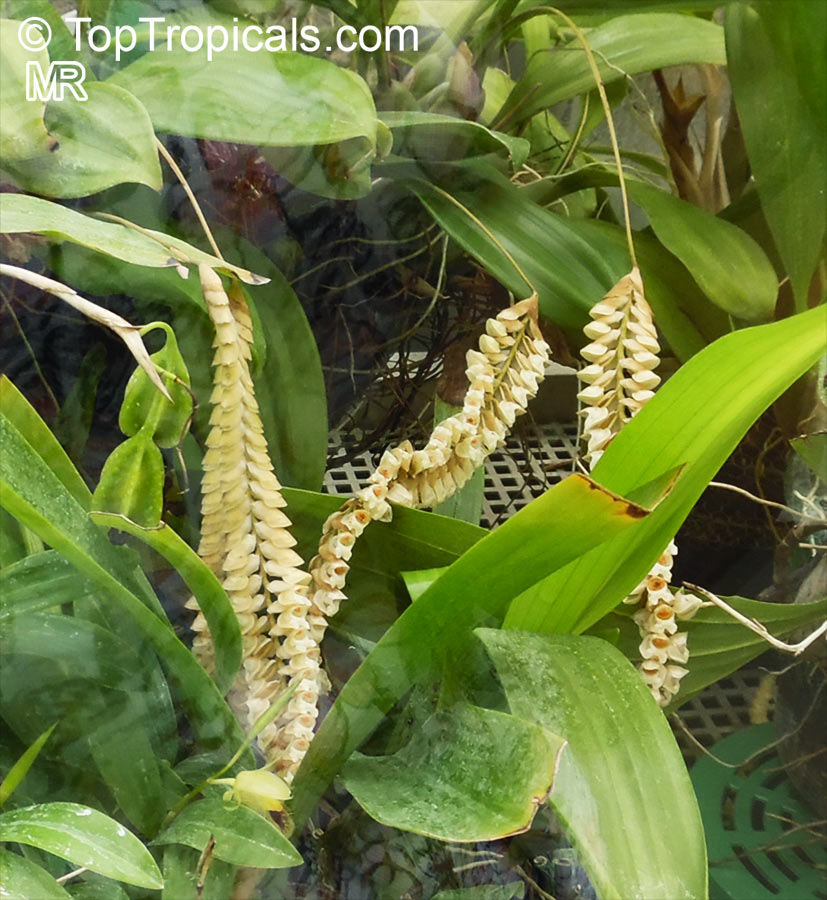
Native to the Himalayas, Southeast Asia, and Australia, Pholidota imbricata is a small shrub, which typically grows between 2-5 feet tall and about 12-24 inches wide. It is an epiphytic stemless orchid and must be provided support for the stem to cling to, such as a tree branch, moss or other plants. As a semi shade loving species, this orchid prefers indirect light, in partial shade or filtered sunlight, and should not be exposed to direct and intense sunlight.
When it comes to temperature and humidity, Pholidota imbricata prefers lows 70°F in summer and can tolerate as low as 50°F in winter. It's best to provide it with high humidity levels and regular water with an evenly moist soil mix. Watering can be done roughly every other day and during growing season, more frequent watering should be provided. During the dry season, water less and drench the pot when it's needed.
The flowers produced by Pholidota imbricata are quite small and they grow in umbels, either stalkless or borne on a slender peduncle. The flower colors are white, off-white, yellow, and orange and they have a slightly musky scent. Apart from its ornamental value, it also has ethnomedical benefit and has been used in traditional medicine for its therapeutic benefits.
When it comes to growing Pholidota imbricata in a pot, there are certain requirements that need to be met. In cold regions, using a good quality soil, providing the orchid with adequate light and allowing the soil to dry before watering the pot again is necessary. You may need to bring the pot into a sheltered area during the cold winter months for protection. Alternating between a light and a dark period is also important for stimulating blooms.
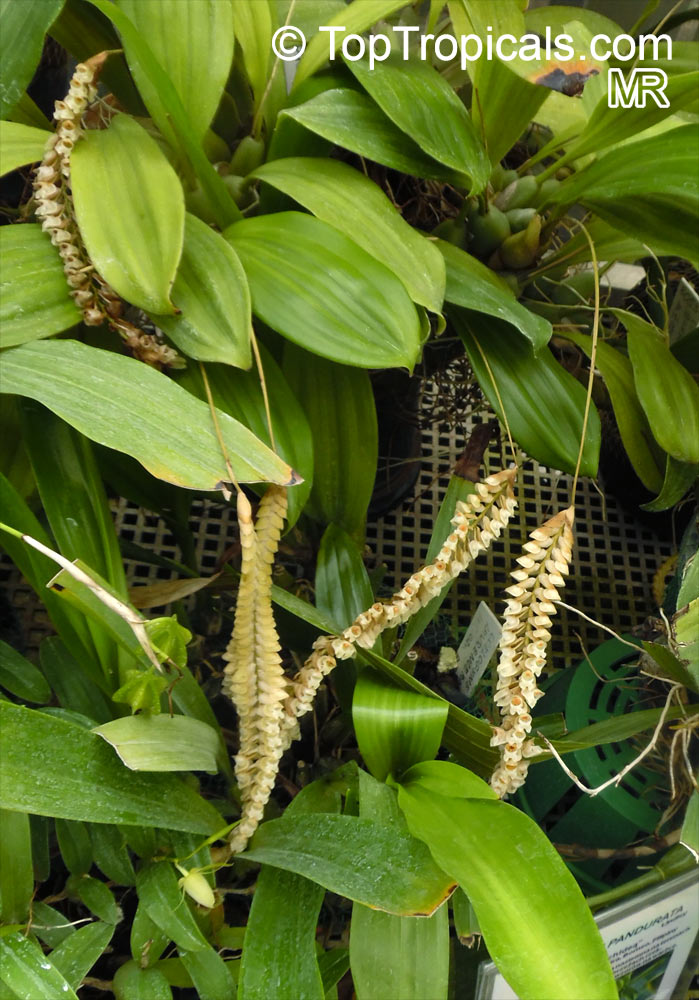
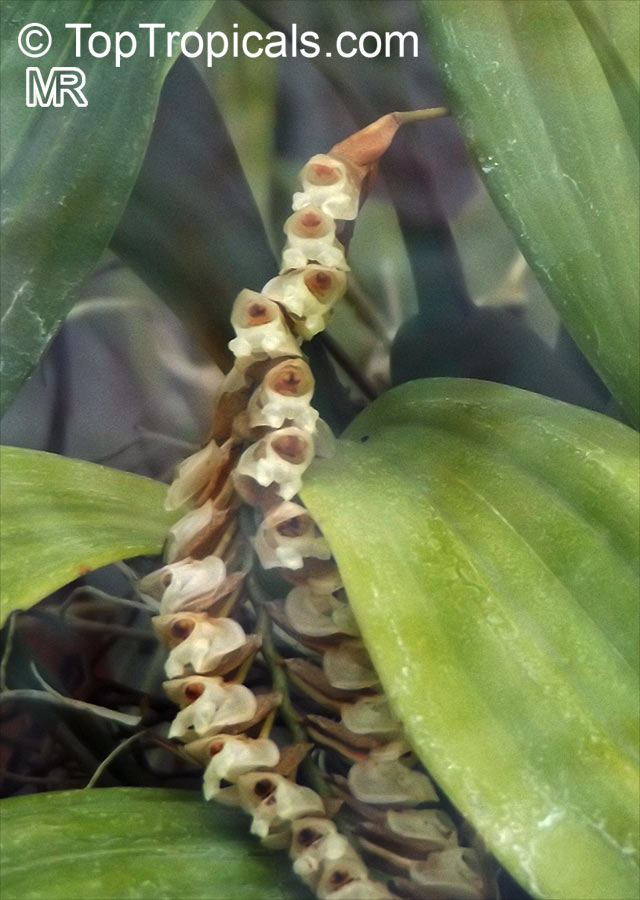
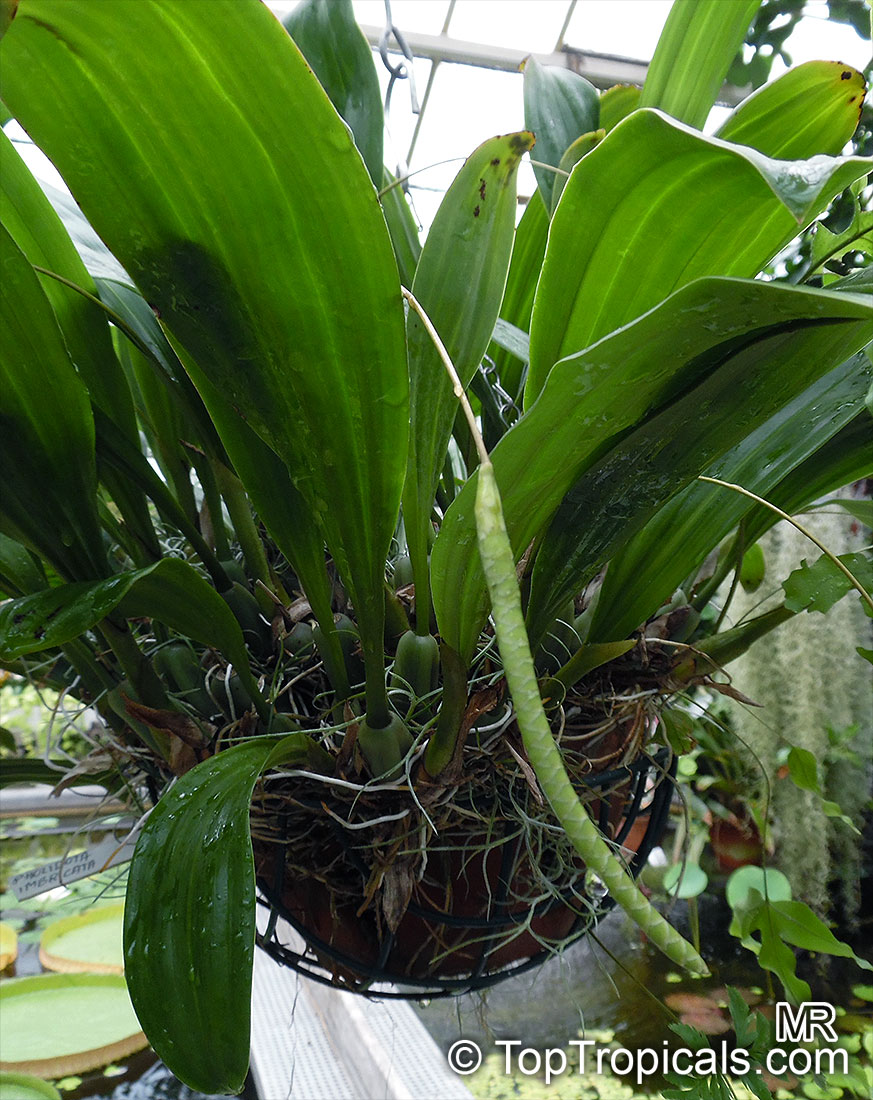

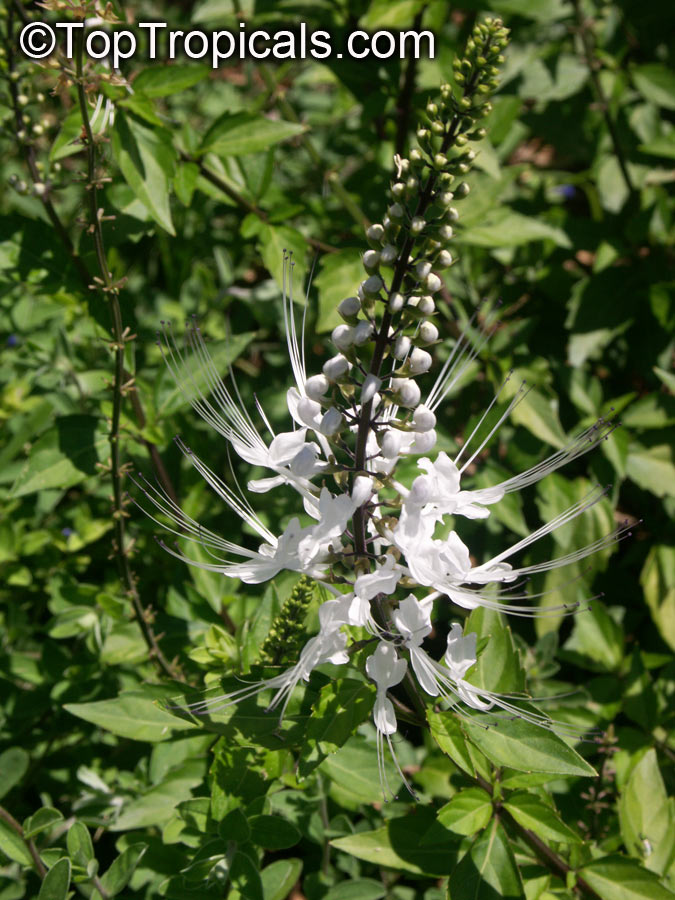
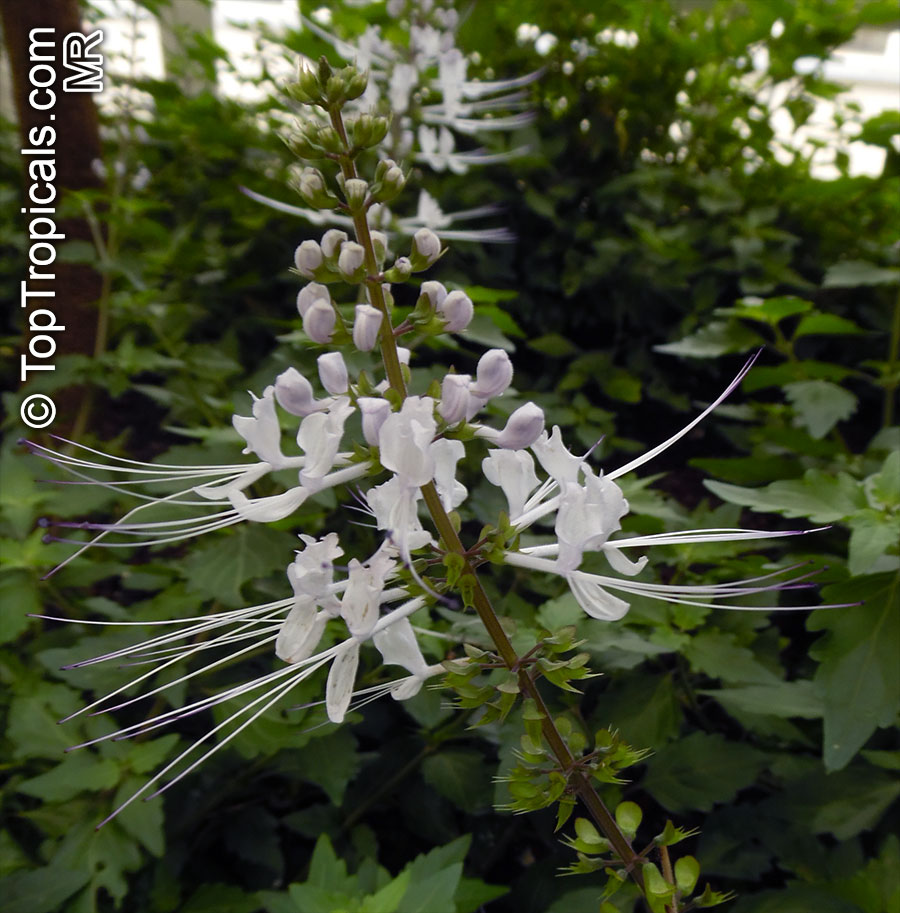
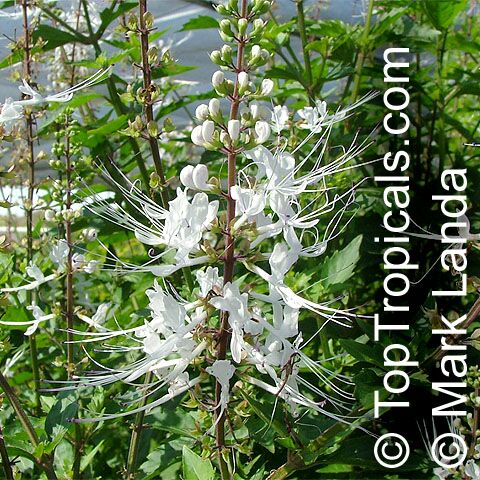
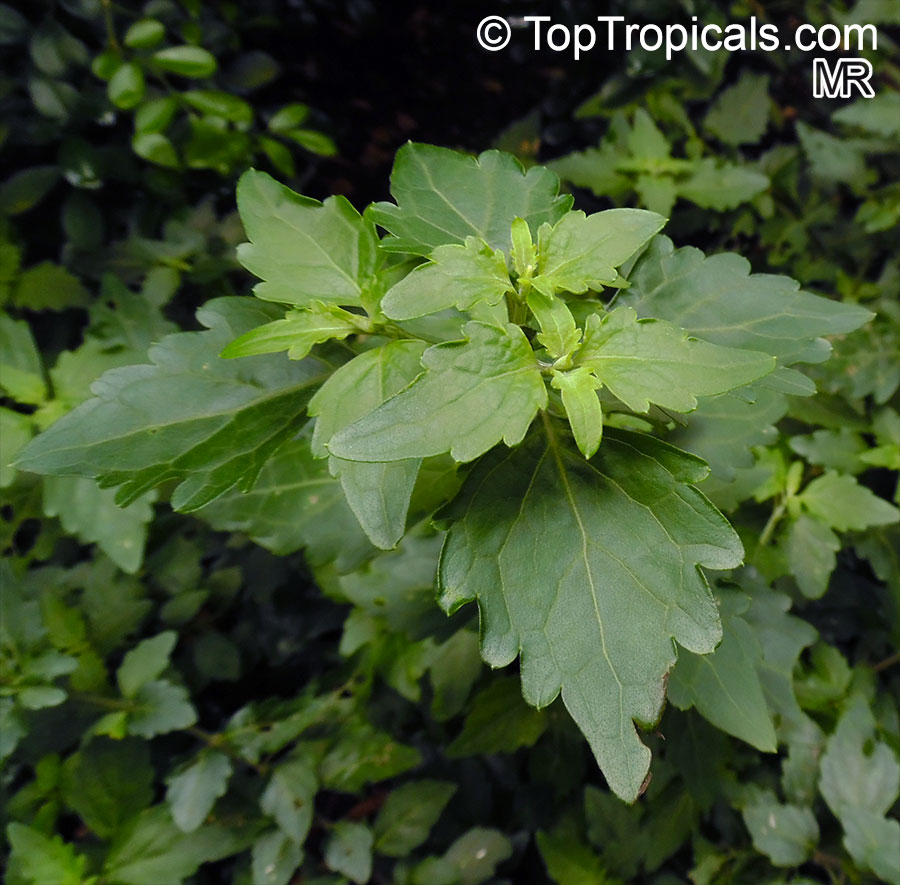
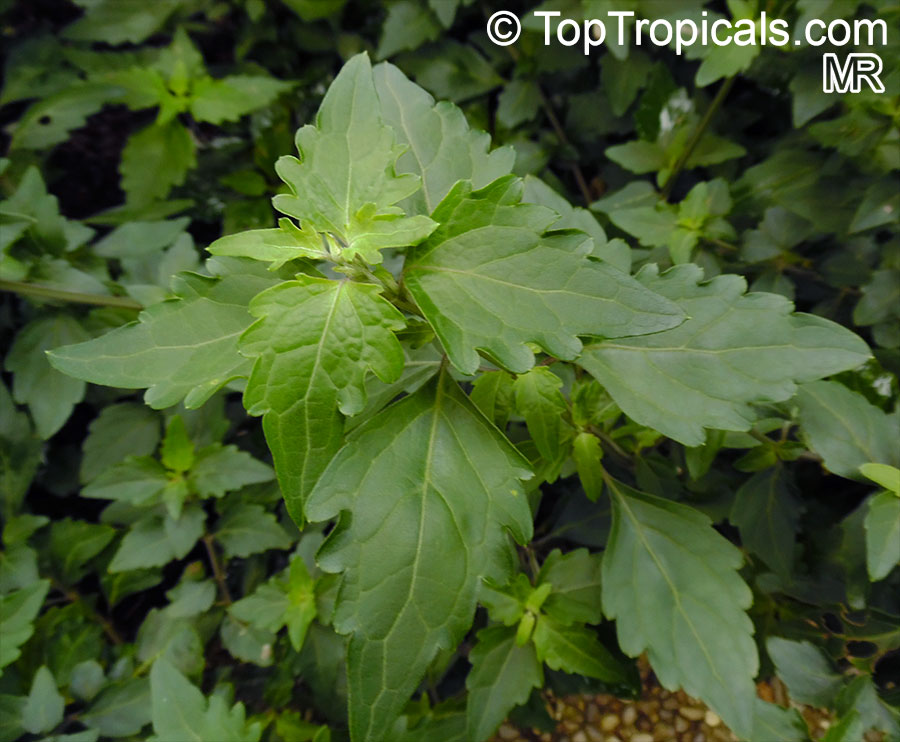
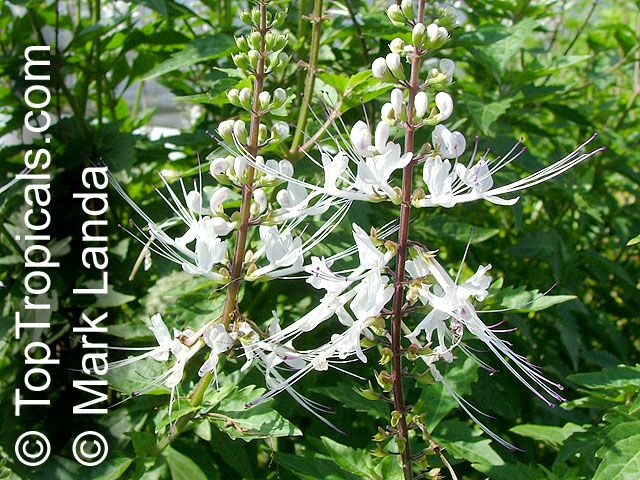
Botanical names: Orthosiphon stamineus, Ocimum aristatum, Orthosiphon aristatus
Common name: Cat's Whiskers
Family: Lamiaceae
Origin: Eastern Asia


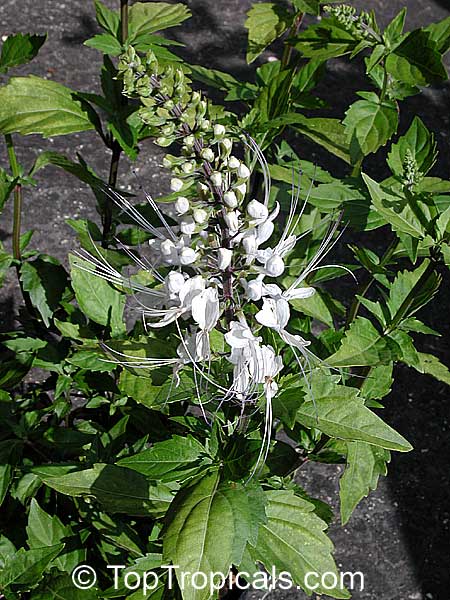
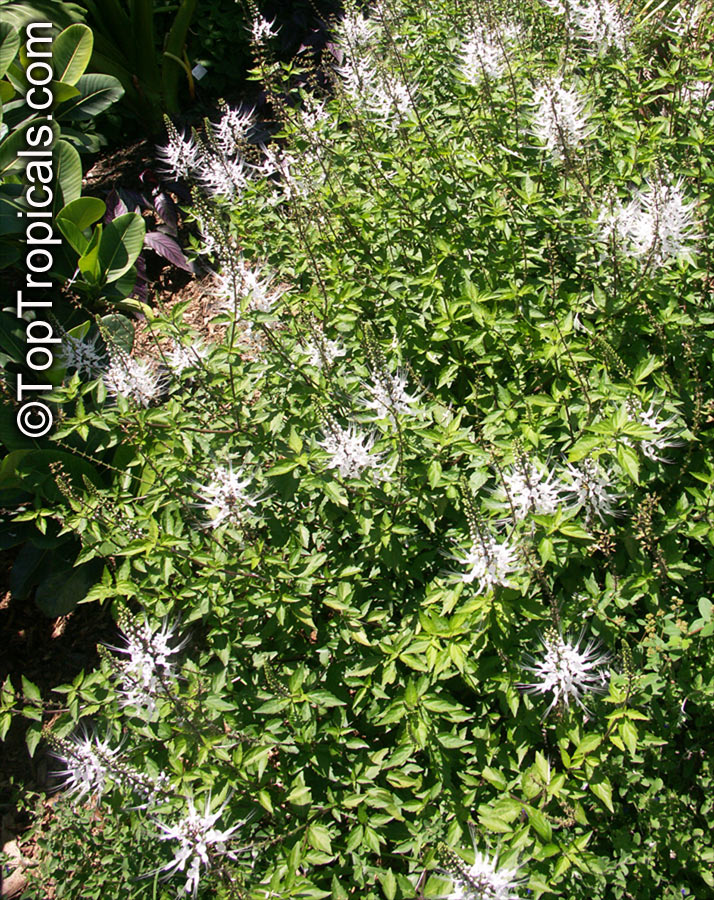
Cat's Whiskers is a small shrub native to Eastern Asia, growing in height from 2 to 5 feet, depending on variety and conditions. It prefers to grow in full sun or partial shade, and does well with moderate water. Flowering in pink or white, off-white blooms, Cat's Whiskers is an ethnomedical plant featuring fragrant blossoms and a number of medical uses from tea brewed from the leaves.
Grown in USDA Zones 9-11, Cat's Whiskers is easy to care for when grown in pots and containers. In colder regions, the key to over-wintering this tropical plant is pot protection: simply bring the potted plants into a covered, frost-free location. During the growing season, Cat's Whiskers can be successfully planted outside in the garden as long as it's kept in a sheltered area. It may require a little bit of extra water during extreme temperatures and during early spring while the new flowers are developing.
Cat's Whiskers is a great choice for gardeners looking to add a bit of subtle beauty and color to their garden. This small shrub is not only attractive to butterflies, bees and hummingbirds, but is also easy to care for and is an ethnomedical plant with a number of healing uses. Whether planted in a pot for a patio, balcony or deck, or out in the garden for those living in warmer regions, Cat's Whiskers is a great addition to any outdoor space.


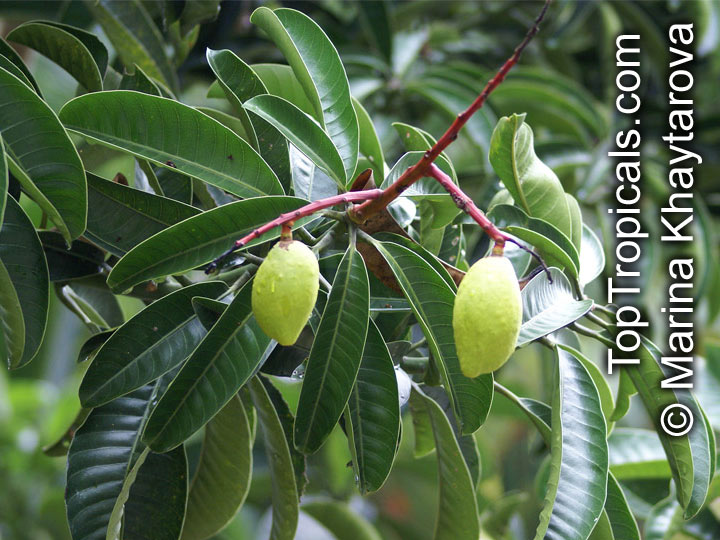
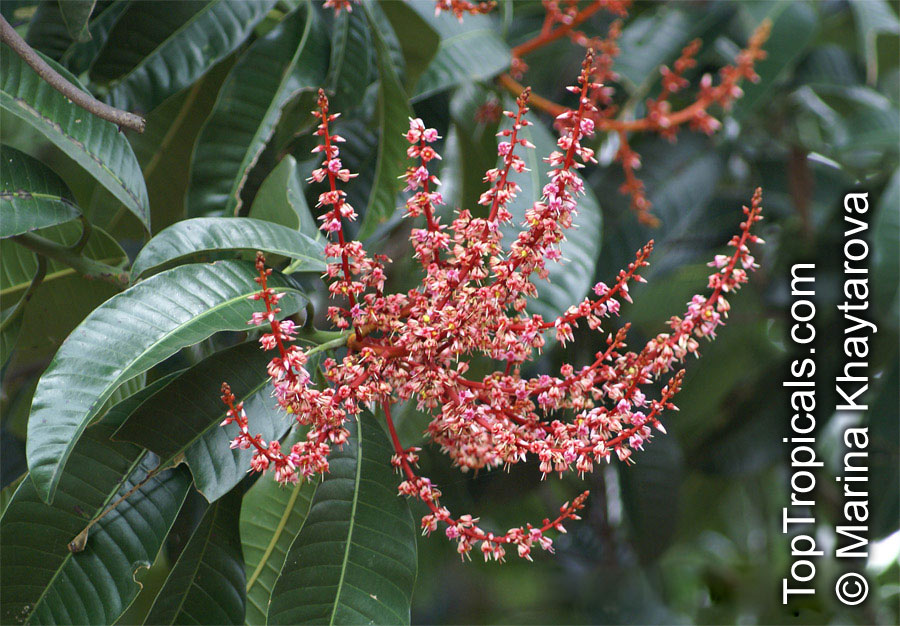
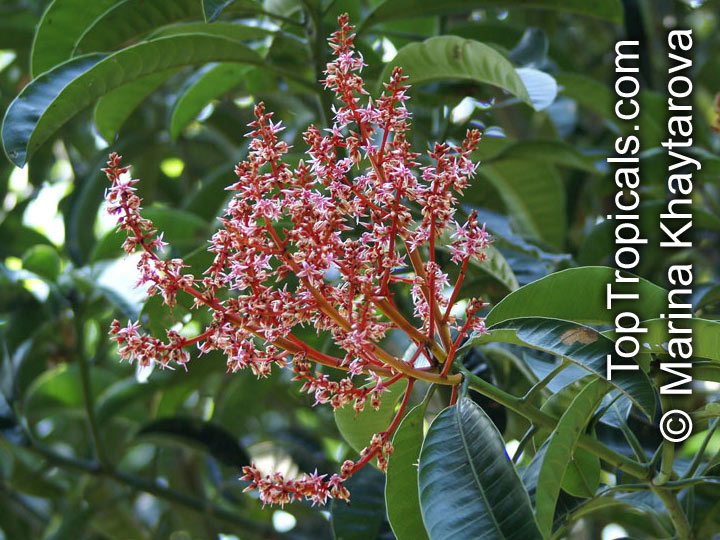
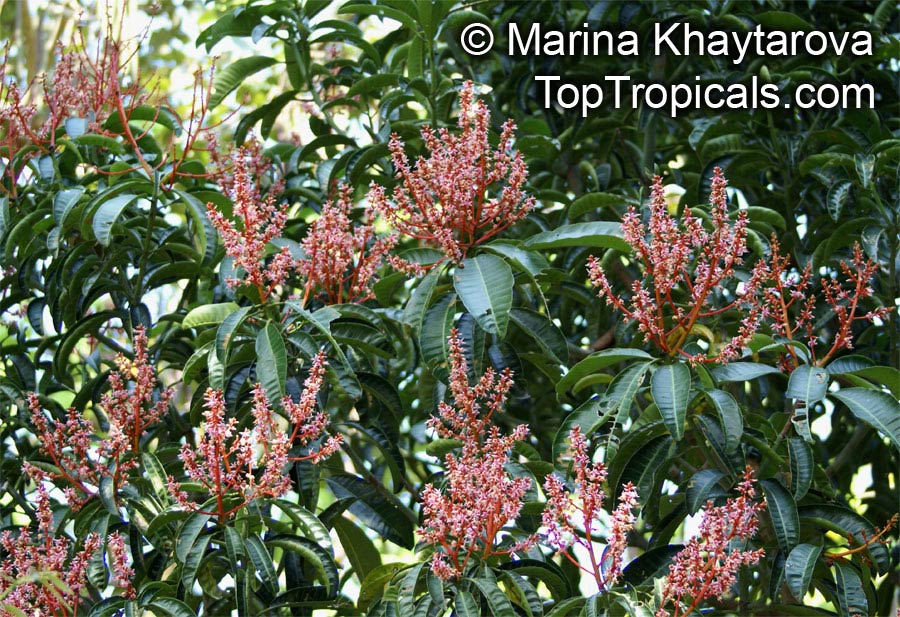
Botanical names: Mangifera foetida, Mangifera odorata, Mangifera oblongifolia
Common names: Kuwini, Horse Mango, Malmut, Limus, Machang, Bachang, Kuini
Family: Anacardiaceae
Origin: Indonesia


A Medium-sized tree. This tree has a very unique feature. It emits a charaecteristic fragrant smell. Even the flowers of this tree are strongly scented with the same fragrance. That is why this species has been named M. odorata. This fruit has never been found in the wild. Botanists are of the opinion that Kuwini (M. odorata) has originated as a hybrid between Mangifera indica and Mangifera foetida.
This fruit is commonly cultivated in Borneo, Sumatra and Java. It is also found in Thailand, Vietnam and Guam Islands. The Kuwini is a popular fruit, having local economic significance in areas where Mangifera indica cannot be grown satisfactorily because of excessive humidity. Kuwini can produce two crops a years in areas where two dry seasons prevail.
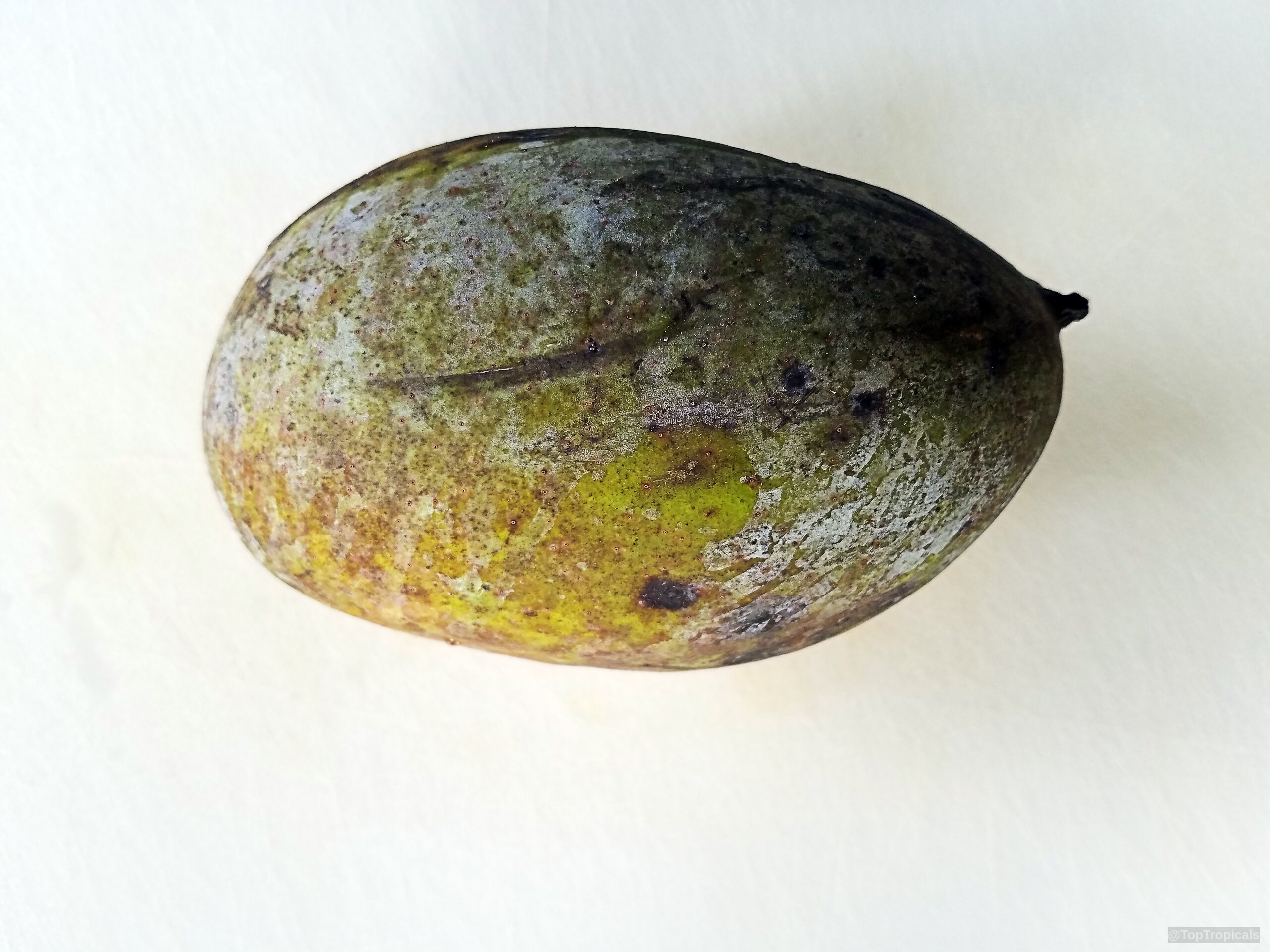
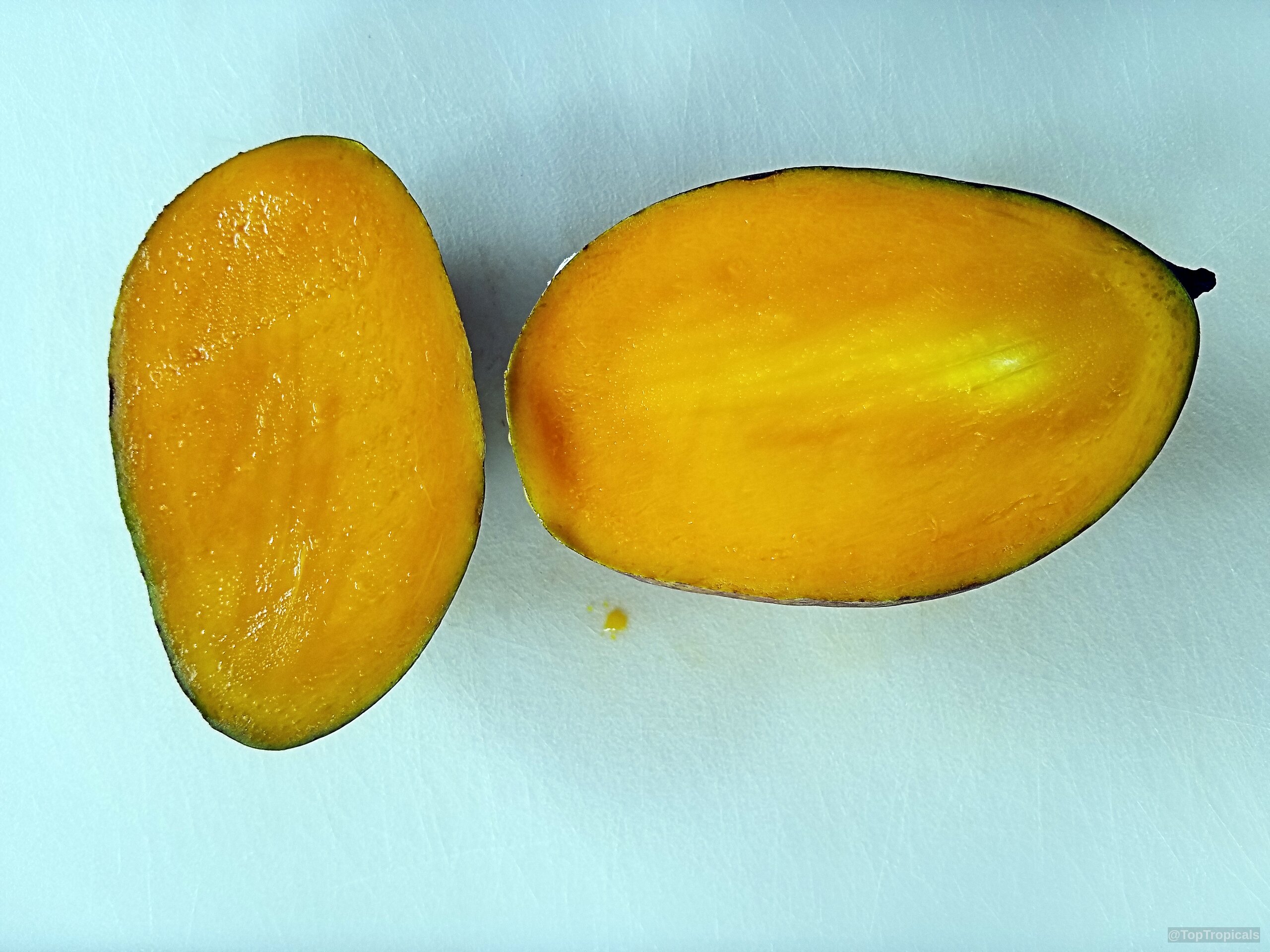
Fruit are much appreciated as table fruit. They must be peeled thick because of the presence of an acrid juice in the skin, which can also be reduced by steeping in diluted lime-water before eating.
The fruits are also used for making chutney and for pickles with salt. In Java a kind of flour is made of the seed kernels and used in the preparation of delicacies such as dodol (based on glutinous rice) and jenang pelok (a thick pappy preparation from Curcuma rhizomes).
Propagated by seed, only rarely by grafting.
The sap is an irritant which may inflame the lips and mouth.
Mangifera foetida fruit is very similar in appearance to the Mango. Ripe Horse Mango fruit is usually eaten fresh. Young fruits contain irritant juice and must be soaked.
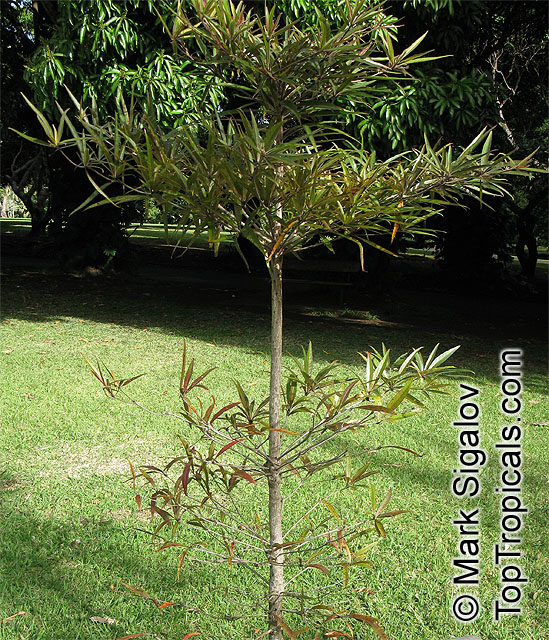
Botanical names: Terminalia bentzoe, Terminalia angustifolia
Common name: Benjoin
Family: Combretaceae
Origin: Mascarene Islands
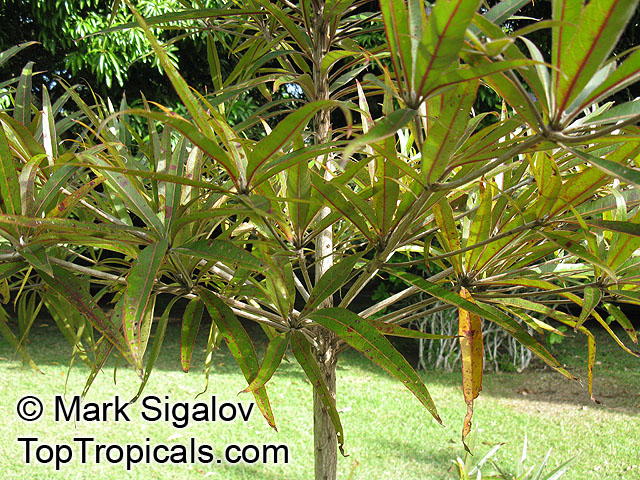
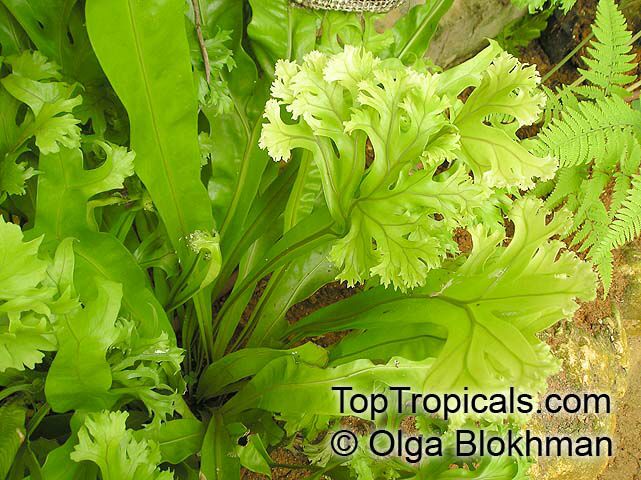
Botanical names: Polypodium polycarpon, Microsorum punctatum
Common name: New Guinea Microsorum
Family: Polypodiaceae
Origin: Malesia, tropical Asia


The species is ideal for cultivation indoors and outdoors provided that it is planted in deep shade, never exposed to direct sunlight and kept moist at all times. An increased humidity will be beneficial.
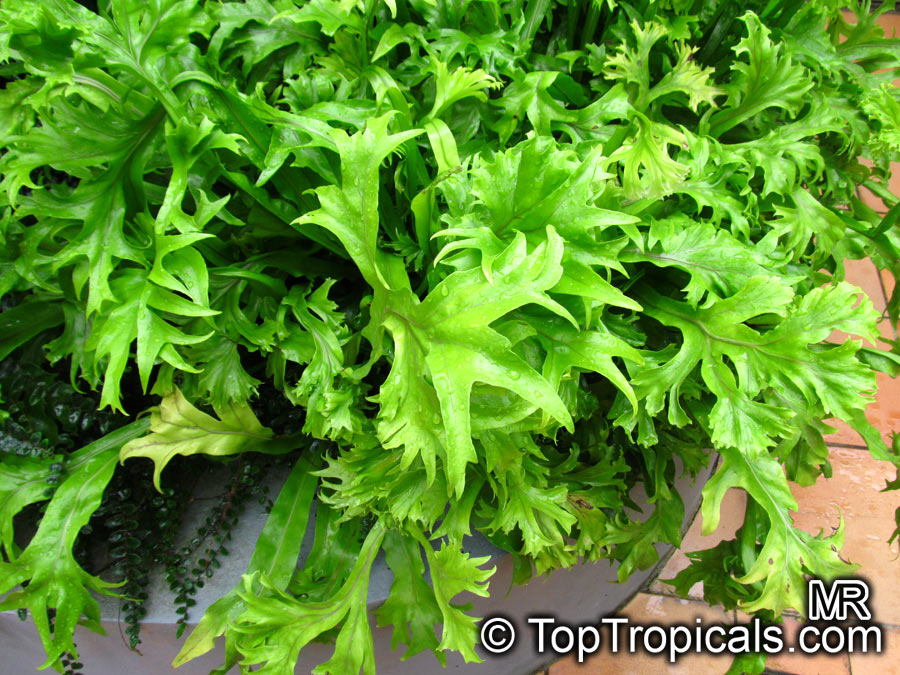

Botanical names: Tabernaemontana orientalis, Ervatamia orientalis, Ervatamia pubescens, Ervatamia floribunda
Common names: Banana Bush, Native Gardenia
Family: Apocynaceae
Origin: Asia


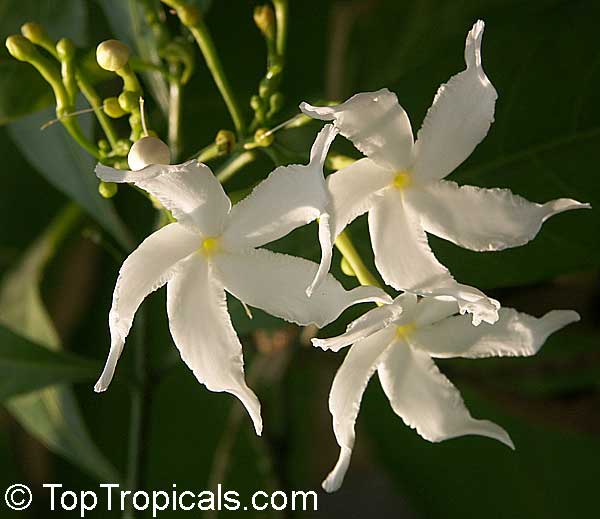
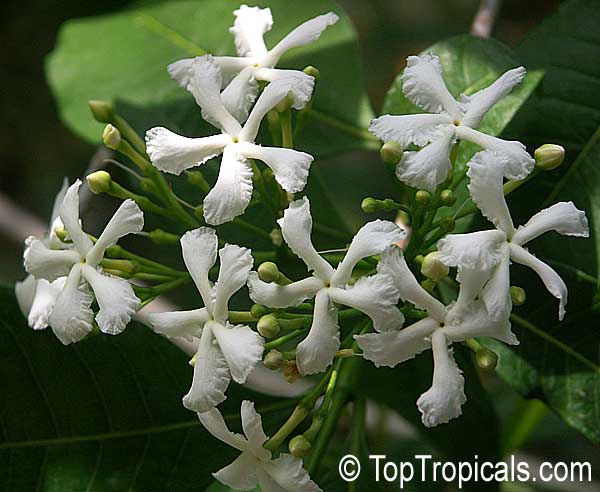
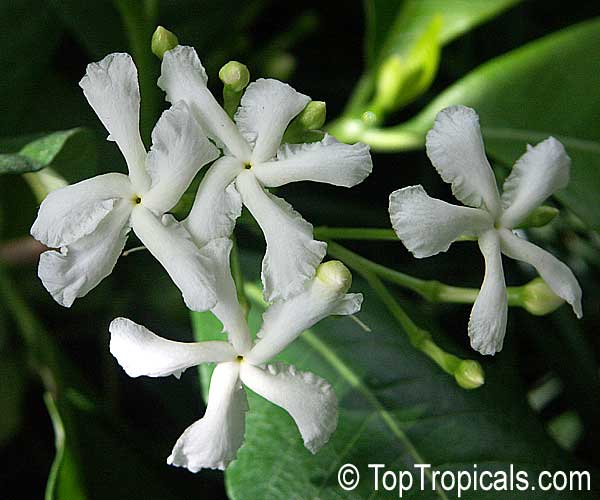
Tabernaemontana orientalis, also known as the Banana Bush, is a large shrub that is native to Asia. It can grow up to 10 feet tall, but is smaller when grown in pots, reaching only up to 5 feet in height. This plant thrives in full sun to semi-shade and requires regular watering.
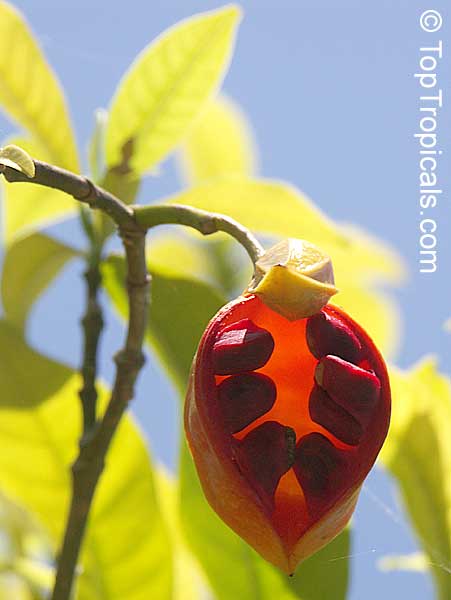
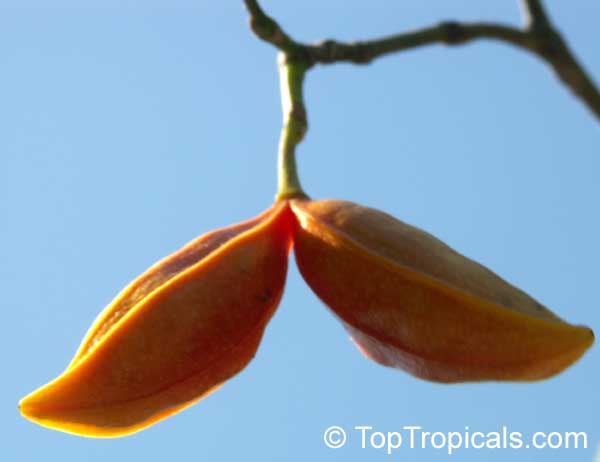
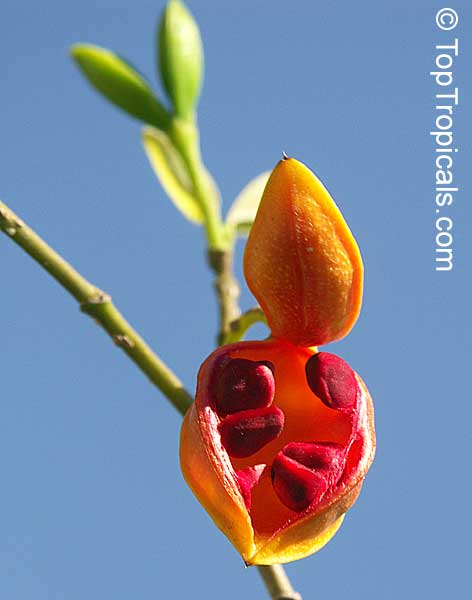
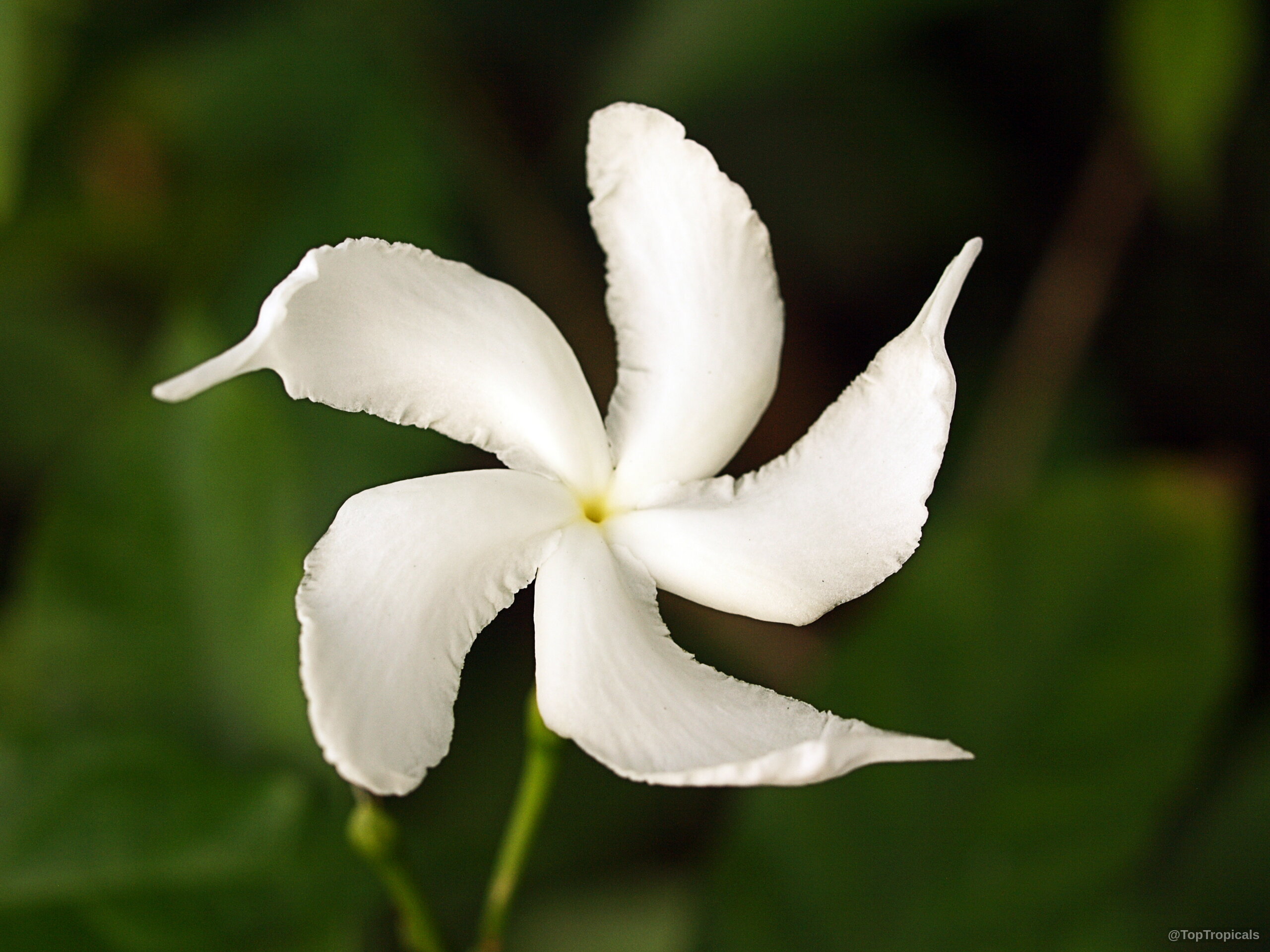
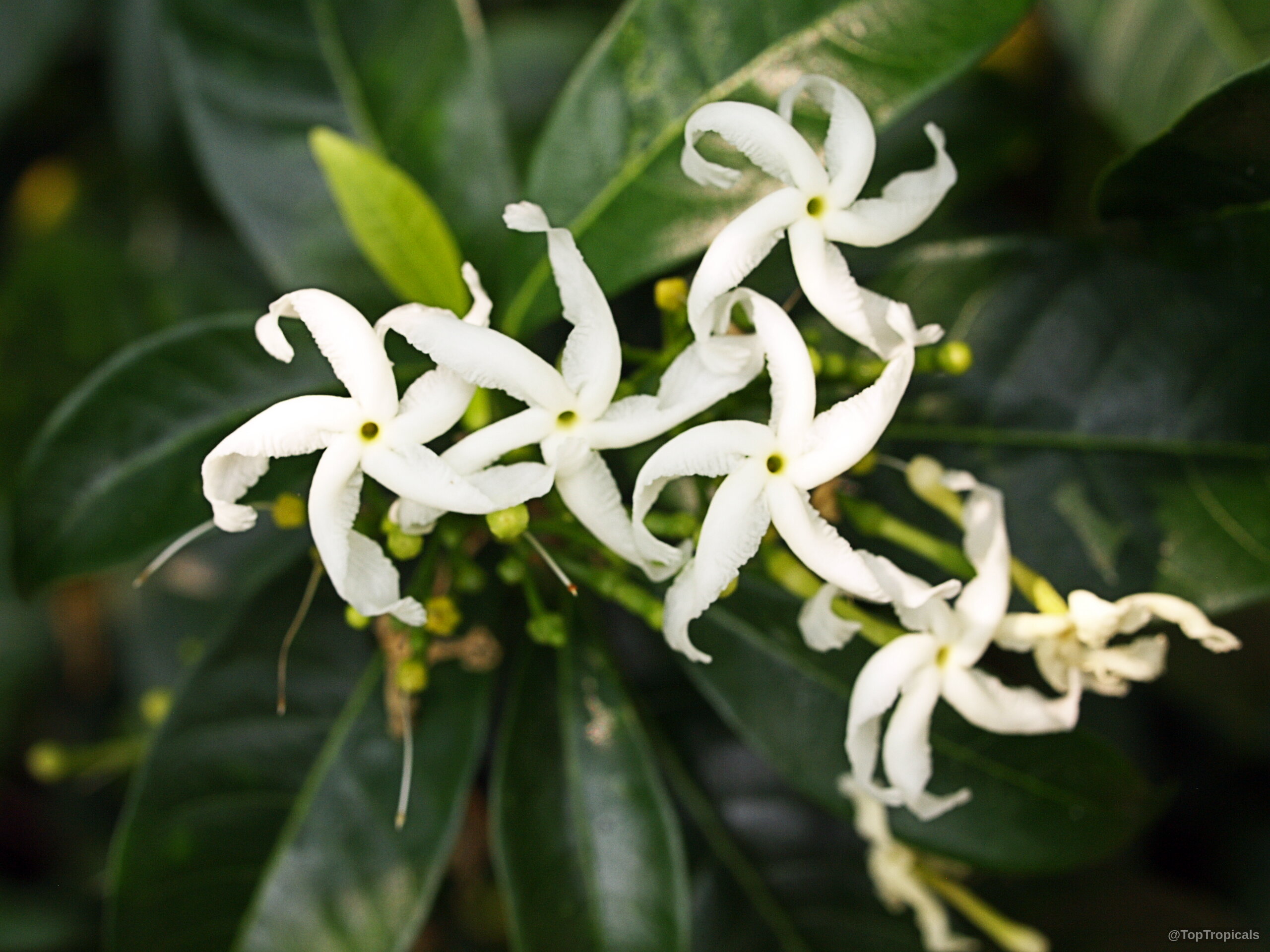
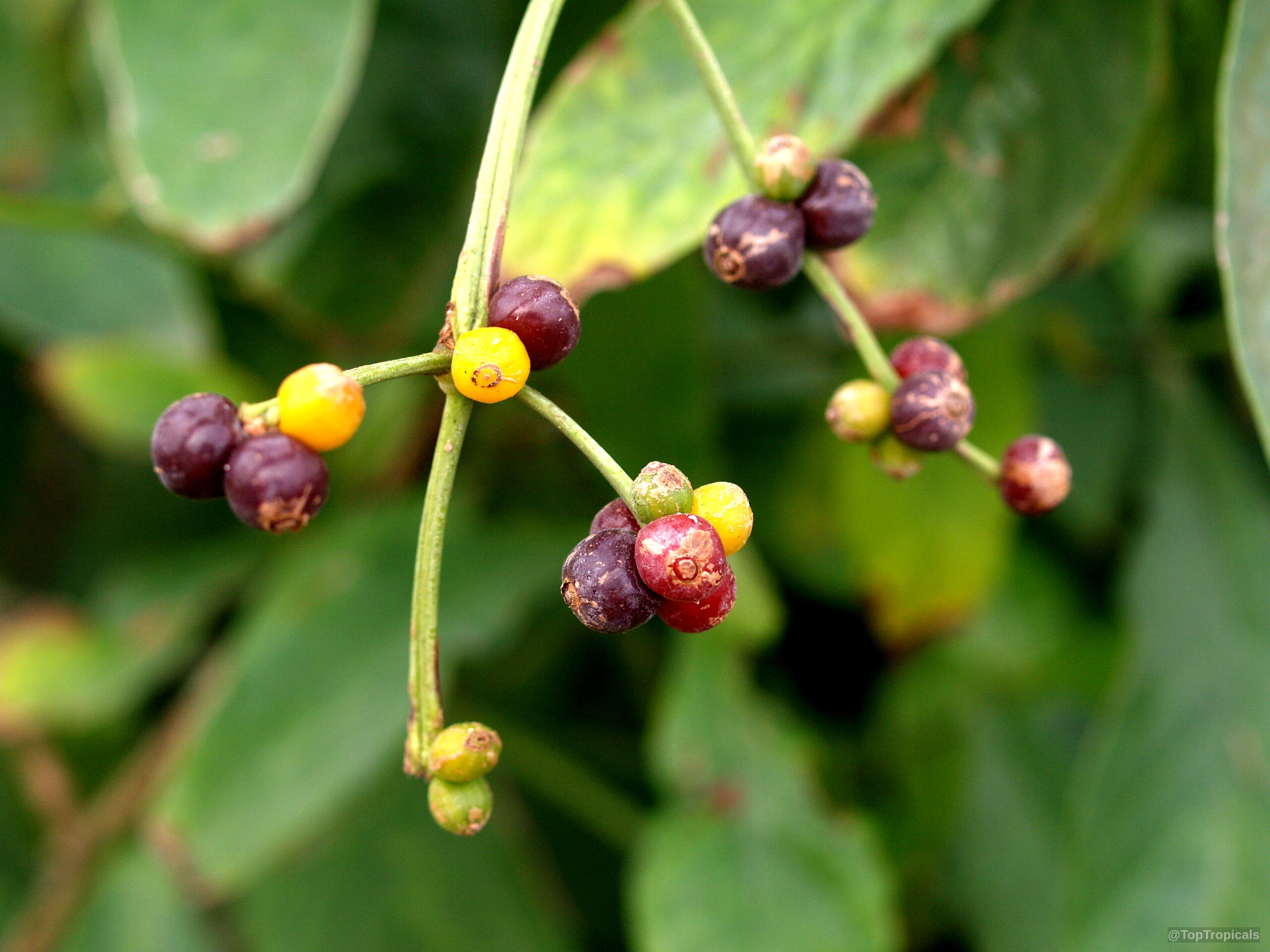
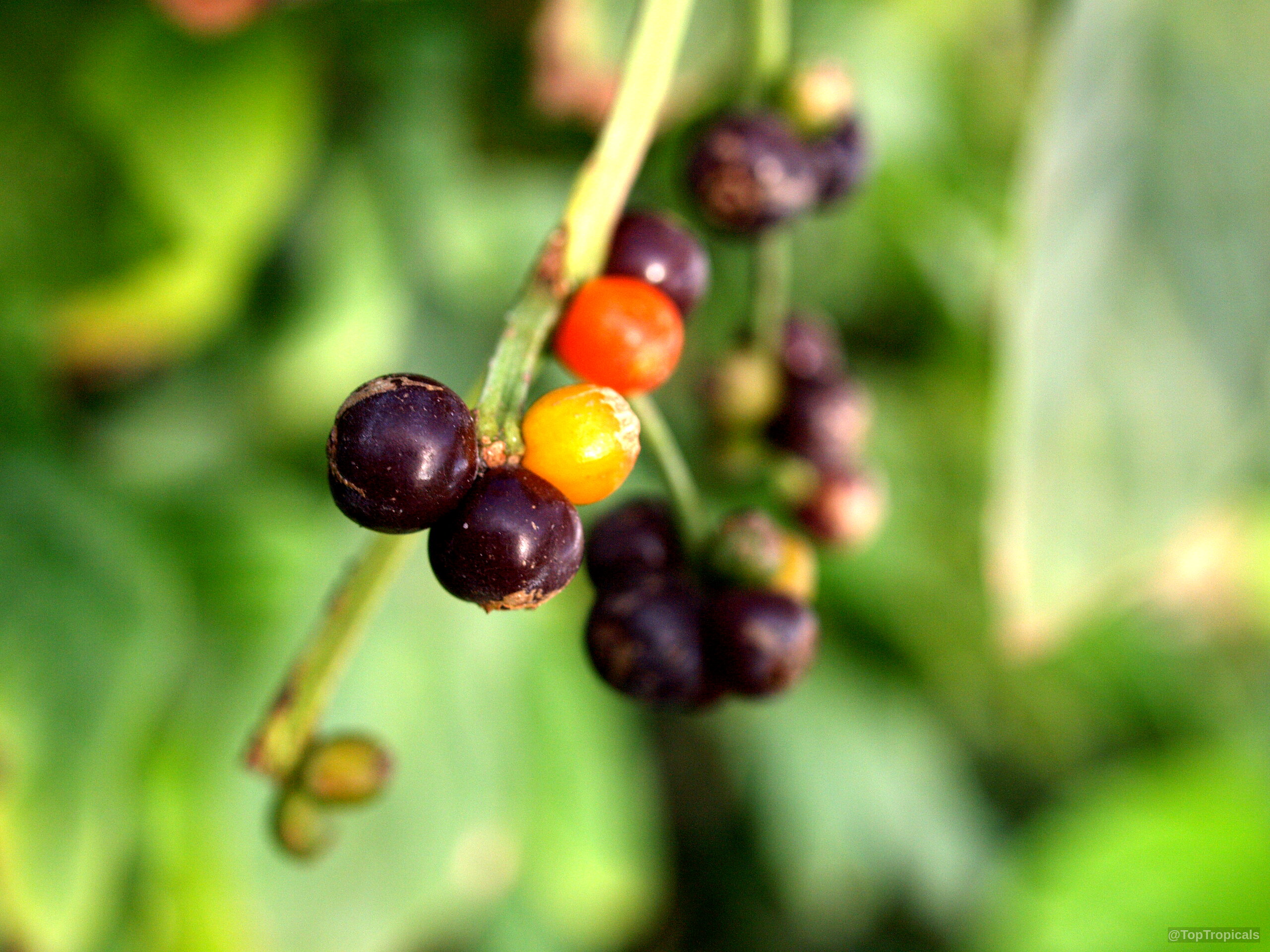
The Banana Bush produces highly fragrant, white or off-white, Jasmine-like pin-wheeled flowers that are attractive to butterflies and hummingbirds. The flowers have five petals that fuse together to form a tube, regularly symmetrical, and have long tips. The foliage and stems of this plant exude white latex when damaged. When grown in too bright light, the foliage may turn yellow. The fruit consists of pairs of orange-yellow fused banana-shaped capsules, similar to those found in other species.
In addition to its beauty, Tabernaemontana orientalis is also used in traditional Asian medicines. It is a deciduous plant and is recommended for USDA Zones 9-11. This plant's stunning blooms and low-maintenance care make it a great addition to any outdoor space.




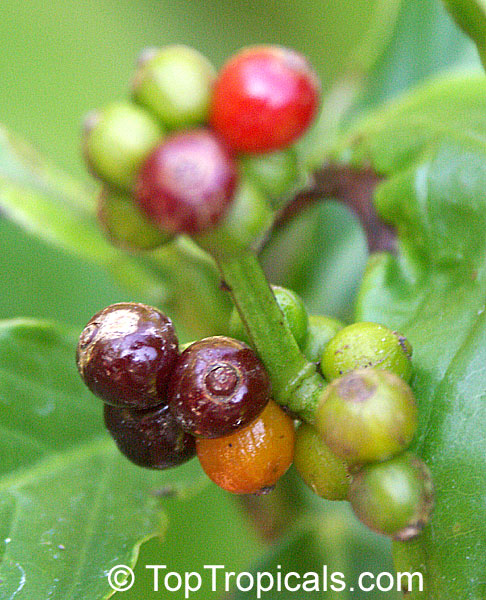
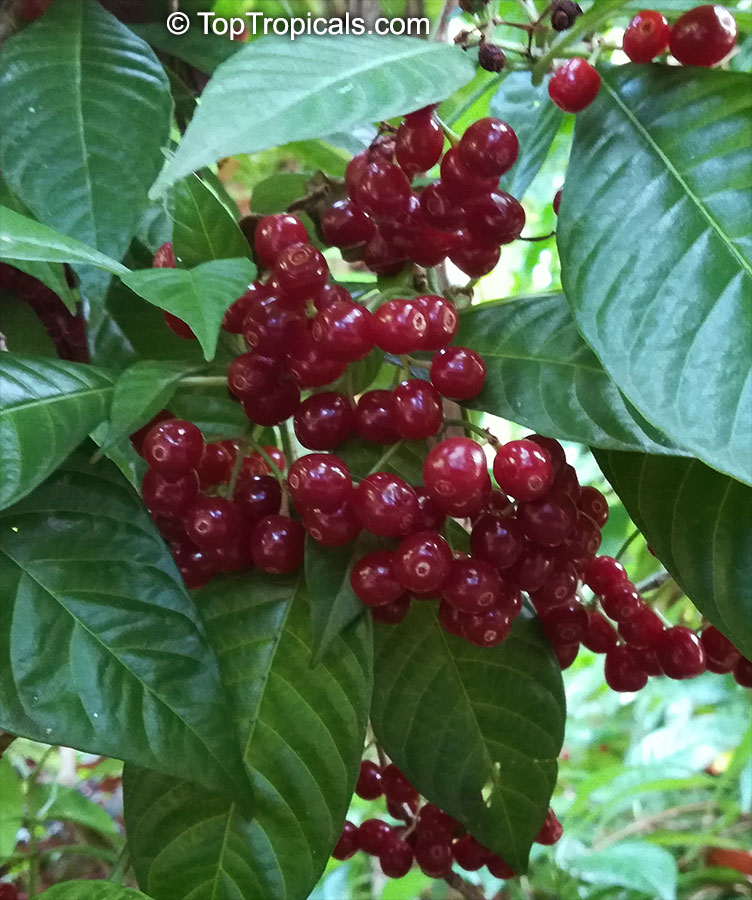
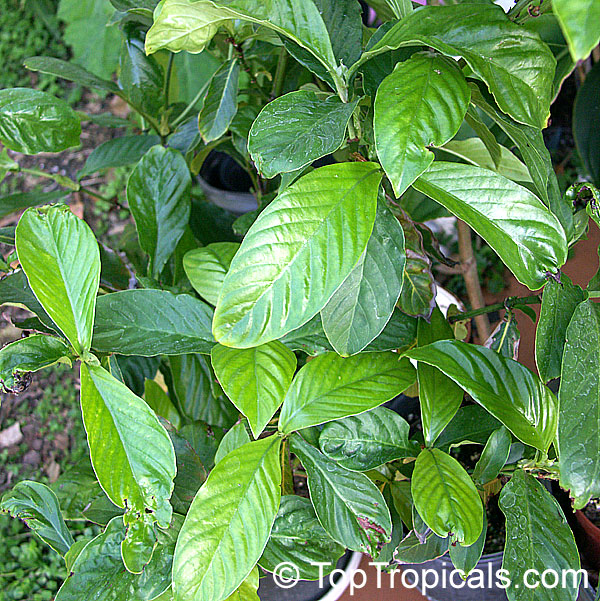
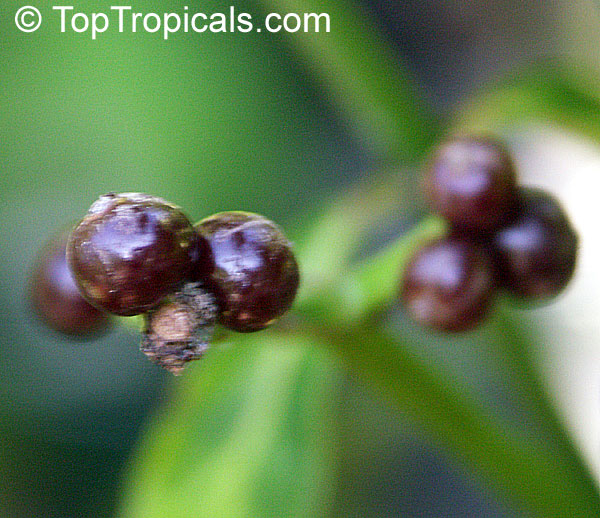
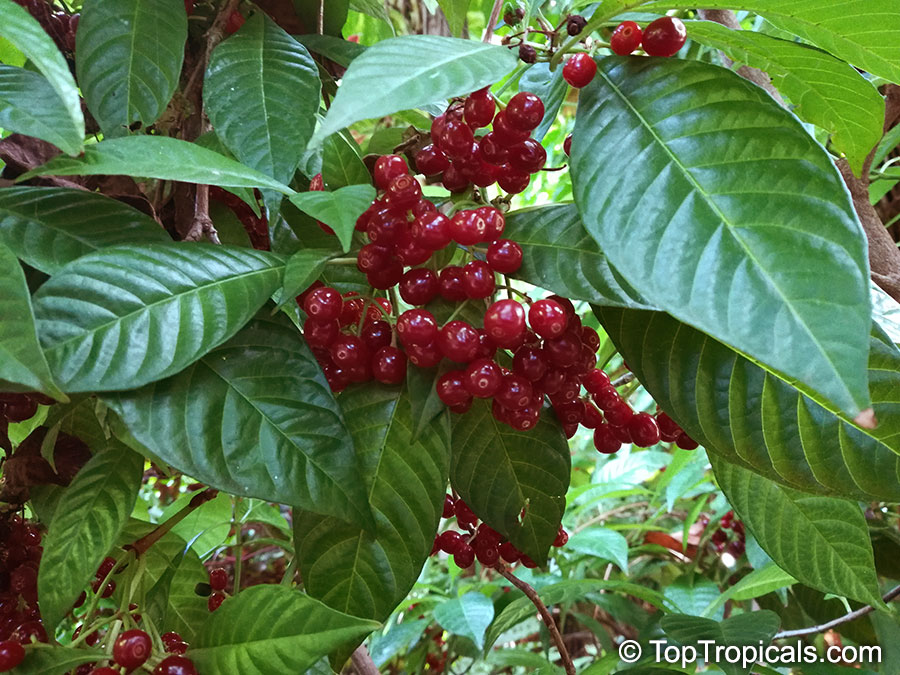
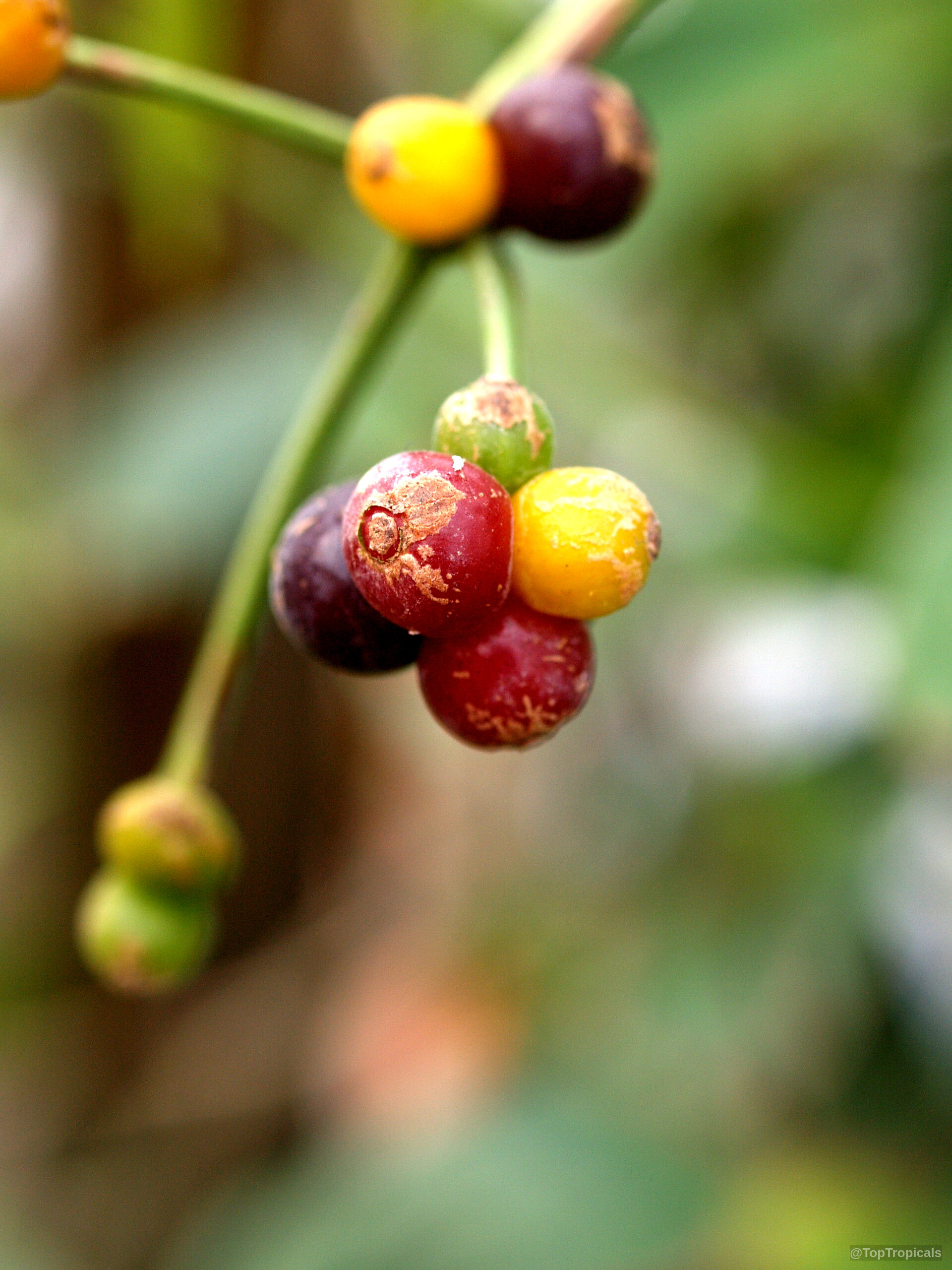
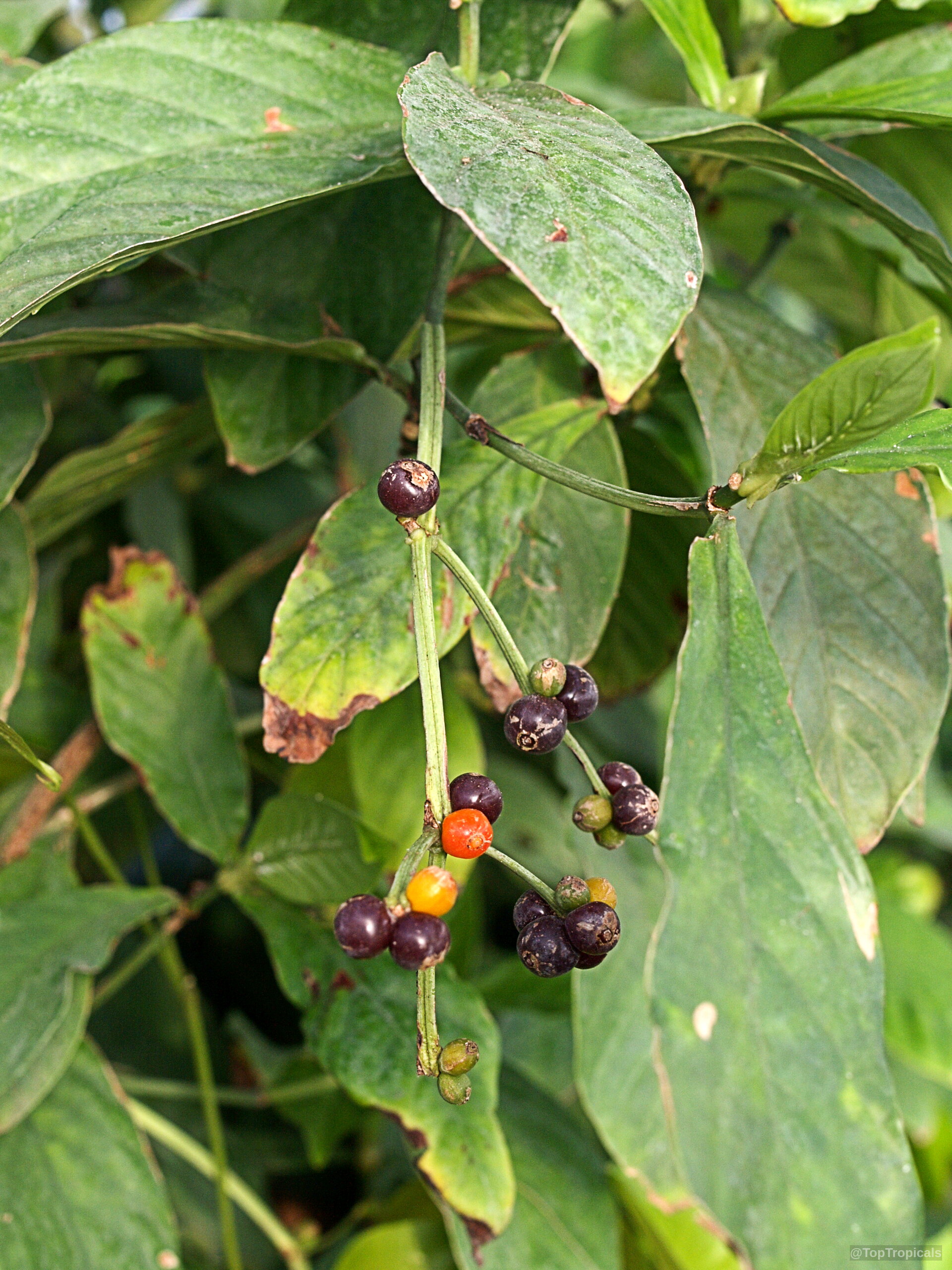
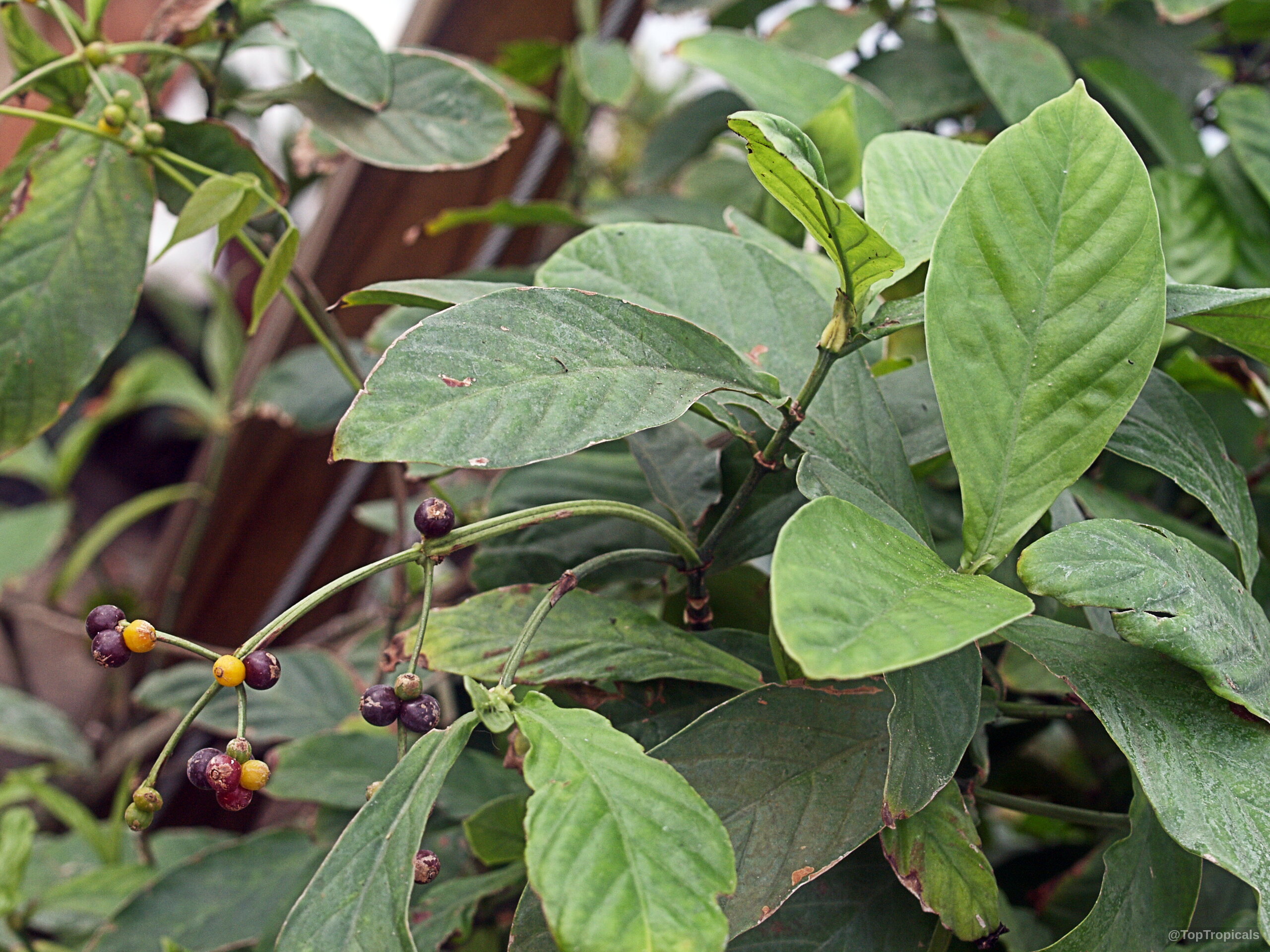
Botanical name: Psychotria viridis
Common names: Chacruna, Amiruca Panga, Sami Ruca, Reinha, Folha, Chacrona
Family: Rubiaceae
Origin: Central and South America
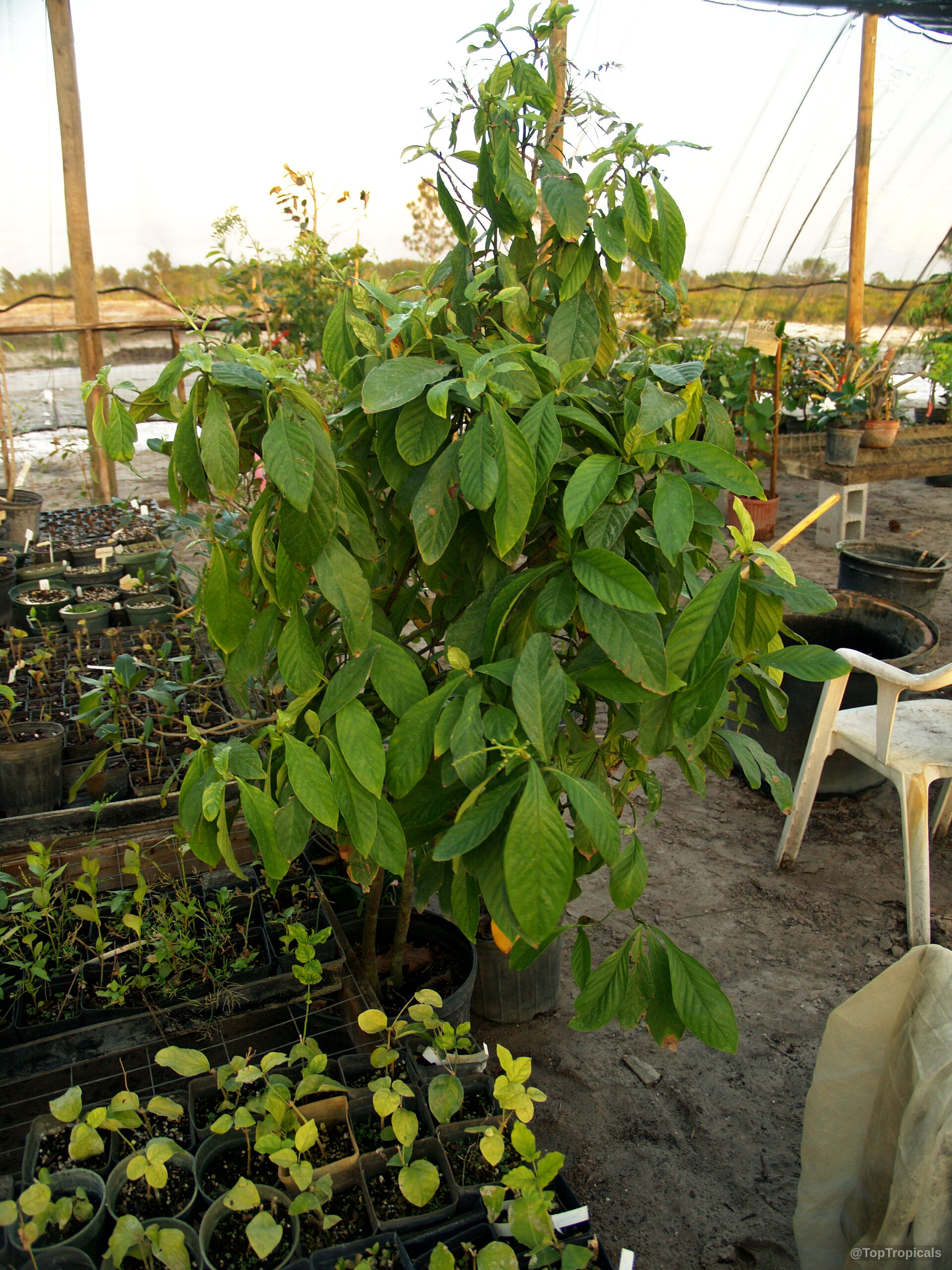
It thrives in full sun or semi-shade, although some shade is necessary in hot climates. It also requires regular watering, as it is a large shrub 5-10 ft tall. For best results in cold climates, it is best to grow the Psychotria viridis in a pot so that it can be brought indoors during the cold winter months. During the growing season, fertilize it every six weeks with a balanced liquid fertilizer. This will help the plant grow more lush and thrive under the best conditions. In cold climates, keeping the soil moist is especially important, as the roots are not able to withstand extreme temperatures and can be damaged if not properly cared for.
When caring for a P. viridis, it is important to monitor the watering and temperature of the soil. During the summer months, it should be watered once or twice a week depending on the climate. In areas with little rainfall, the plant may require daily watering. When the temperatures go below 10°C, it is important to reduce the amount of water, as the plant will go dormant during this period. If kept in a pot, it should be kept near a window to ensure that it receives plenty of light.
Overall, P. viridis is a rare yet rewarding species that is perfect for those who are looking for an ethnomedical plant for their garden. It requires careful attention to water and temperature, but if properly cared for, it can thrive for many years.
| Next | |
Use link to repeat this search:
https://toptropicals.com/cgi-bin/garden_catalog/cat.cgi?search_op=and&keyword_op=and&language=e&number=10&no_change_lang=1
&v1=med&user=tt&sale=1&first=0