Eugenia pyriformis (Uvaia)
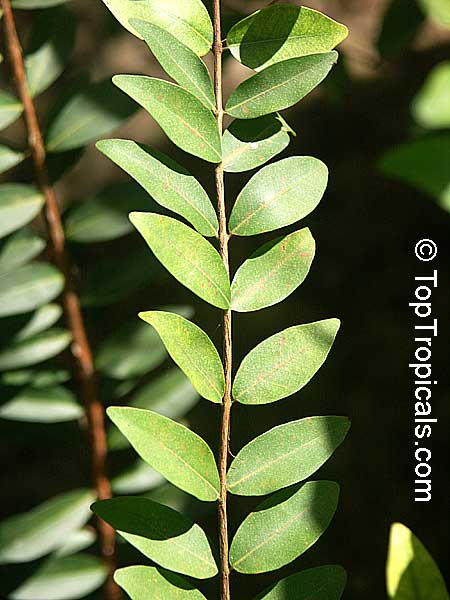
Botanical name: Eugenia pyriformis
Common names: Uvaia, Uvalha, Uvaia-do-mato, Uvaieira
Family: Myrtaceae
Origin: Brazil
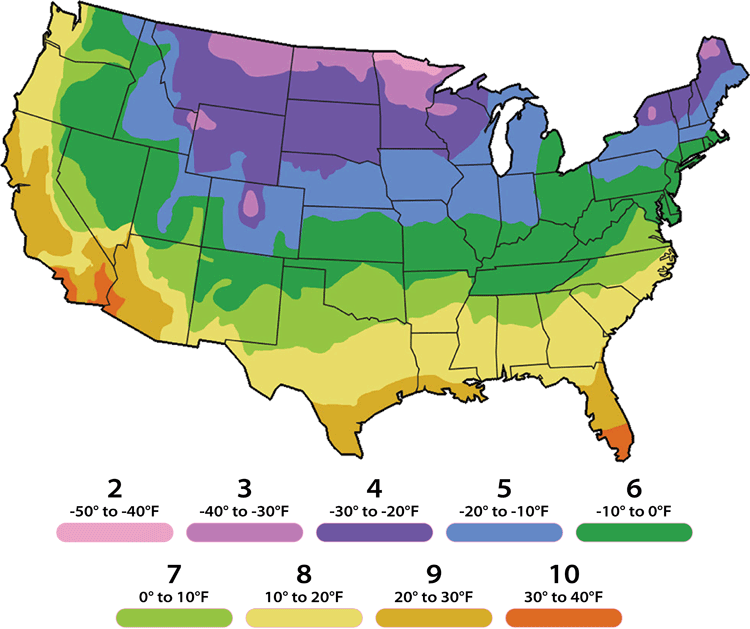
USDA Zone: 9-11

 Plant form: Large or medium tree
 Mature height: 20 ft or more
 Sun exposure: Full sun or bright light indoor; semi-shade
 Cold tolerance: Tolerates light freezing to about 30°F for short periods (mature plants). Young plants must be protected.
 Watering: Regular
 Suitable for: Outdoors in the suitable USDA zone; large gardens
Eugenia pyriformis (Uvaia) is a species of tree that is native to Brazil, sometimes referred to as "big tree/ tall tree". It is often grown as an ornamental tree as it can typically grow to be taller than 20 ft. When it comes to the growing requirements of this plant, Uvaia needs to be placed in areas that are exposed to full sun or semi-shade. It is important to water this tree regularly. It grows best in USDA Zone 9 to 11.
The Uvaia tree is a very special tree as it produces edible fruit. The fruit itself is sweet and aromatic with a tart taste. It is very commonly used for its juice, which is produced commercially in Brazil. In addition to the juice, the crushed leaves of this tree give off a spicy odor when crushed. Additionally, research suggests that the fruit has many health benefits and is considered to be a powerful remedy for certain ailments. It is known to contain high levels of Vitamin C and help in aiding digestion, improving heart health and providing a boost to the immune system.
Similar plants: Eugenia pyriformis (Uvaia)
- Blepharocalyx salicifolius (Murta)
- Eugenia brasiliensis (Grumichama)
- Eugenia calycina (Savannah Cherry)
- Eugenia confusa (Red Berry Stopper)
- Eugenia foetida (Spanish Stopper)
- Eugenia involucrata (Cherry of the Rio Grande)
- Eugenia luschnathiana (Pitomba)
- Eugenia neonitida (Pitangatuba)
- Eugenia reinwardtiana (Beach Cherry)
- Eugenia rhombea (Red Stopper)