

ZINGIBER (ELETTARIA) CARDAMOMUM - CARDAMOM GINGER
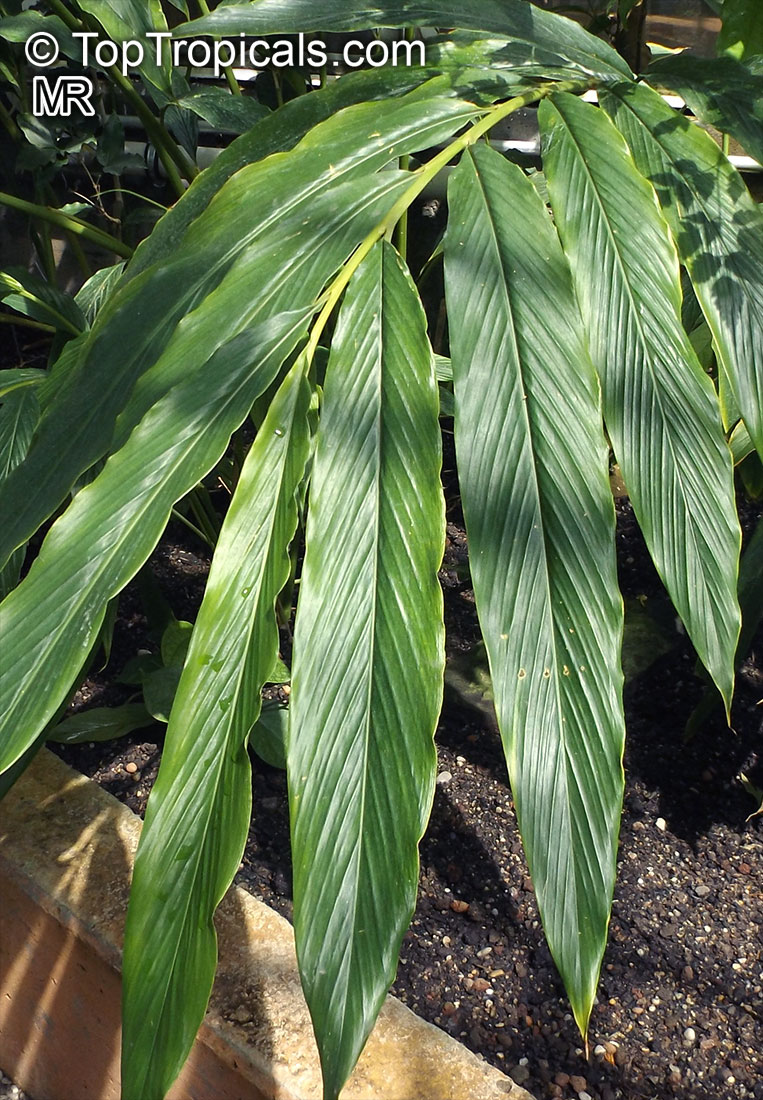
2277 Zingiber (Elettaria) cardamomum - Cardamom Ginger


Recommended Fertilizer: SUNSHINE Robusta - Rapid Growth Booster
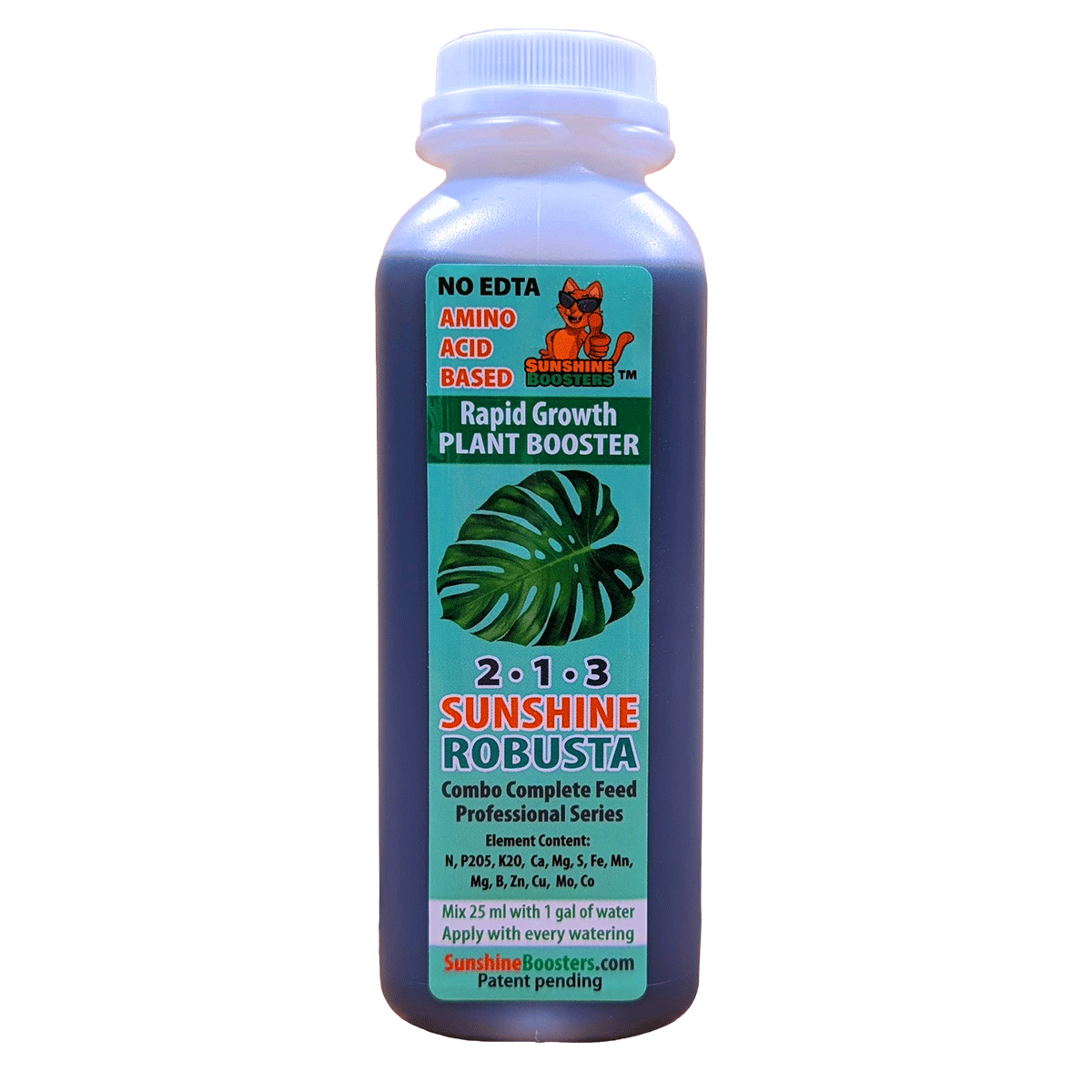 SUNSHINE Robusta (NPK 2-1-3) - Vegetative Vigor Booster for every watering. Formulated especially for vegetative stage of plant development. Can be used for a quick build-up of vegetative growth, for establishing and recovering damaged plants that lost many leaves. This is an eco-friendly nutrition booster that can be used for edibles and organic gardens. Can be used for daily feeding with every watering. Scientifically-balanced stable formula is organic Amino-acid based and has NO EDTA chelators to eliminate nutrients lockup; it does not affect crop taste. Organic Amino acids greatly enhance stability of all Sunshine boosters and provide excellent absorption of trace elements. Pollinating insects friendly.
 SUNSHINE Robusta (NPK 2-1-3) - Vegetative Vigor Booster for every watering. Formulated especially for vegetative stage of plant development. Can be used for a quick build-up of vegetative growth, for establishing and recovering damaged plants that lost many leaves. This is an eco-friendly nutrition booster that can be used for edibles and organic gardens. Can be used for daily feeding with every watering. Scientifically-balanced stable formula is organic Amino-acid based and has NO EDTA chelators to eliminate nutrients lockup; it does not affect crop taste. Organic Amino acids greatly enhance stability of all Sunshine boosters and provide excellent absorption of trace elements. Pollinating insects friendly.
Zingiber (Elettaria) cardamomum - Cardamom Ginger: Planting and Care Instructions
Plant Overview
Growth habit: This is a small herbaceous plant, growing between 2 and 5 feet. It is great for flower beds, pots, or small garden spots.
Growing conditions: This plant can be grown outdoors in suitable USDA zones. It is well-suited for small backyards, pots, or indoor spaces with enough light.
Watering: This plant requires regular watering. Water it when the top layer of soil begins to dry out.
Sun exposure: This plant prefers semi-shade. It grows well in places that get filtered sunlight or partial sun during the day.
USDA Zone: USDA 9 - 11. The USDA Plant Hardiness Zone Map categorizes North America into zones based on average annual minimum winter temperatures, each differing by 10 °F. This map serves as a basic guide for selecting appropriate plants for a region. However, it's not definitive; plant varieties vary in cold tolerance, and young plants typically need more protection. Additionally, local microclimates, like sheltered areas or sunny spots, can influence plant health and survivability beyond the general zone recommendation.
Cold Hardiness: Tolerates light freezing to about 30°F for short periods (mature plants). Young plants must be protected. Plant cold tolerance indicates the coldest temperature a mature plant can endure briefly while staying healthy. This rating is a guideline and can vary among varieties of the same species. Young plants often need more cold protection. Additionally, a plant's survival can be enhanced by the microclimate of its location, which may provide shelter from wind or extra warmth, allowing it to thrive beyond its typical hardiness range.
Plant type: This is a fruit tree. With proper care, it will grow edible fruits. It is also used as a spice or herb.
Flower color: This plant produces white and off-white flowers during its blooming season.
Deciduous plant: This is a deciduous plant, meaning it sheds its leaves seasonally. During the winter period, it may appear bare or dormant, but this is a natural part of its cycle. Minimal watering and protection from extreme cold may be needed, depending on the plant and climate.
Fragrance: This plant is known for its pleasant fragrance, adding a lovely scent to gardens or indoor spaces.
Outdoor planting
Select a planting spot that fits the plant sun and moisture needs. Loosen the soil and mix in compost or organic matter to improve poor soil. Dig a hole just slightly larger than the root ball and avoid planting deeper than it was before. For better drainage, the top of the root ball can sit slightly above the surrounding soil. Provide temporary shade at first if conditions are hot or sunny. Water regularly and monitor soil moisture until the plant is well rooted. nAdd mulch around the base to keep the soil moist and reduce weeds. Shape the mulch to form a shallow basin for water, but keep mulch away from the stem.
Indoor planting
Use a container with drainage holes and a well-draining potting mix. Position the plant so that the top of the root ball is level with the surface of the soil - avoid planting too deep. A slow-release fertilizer can be mixed into the soil at planting time to support healthy growth. Place the plant in a location that matches its light needs, and water according to its care requirements. Be careful not to overwater, and ensure good airflow around the plant to reduce the risk of pests and disease.
Protecting Plants in Winter
When it gets cold, some plants need extra help. You can move potted plants indoors or under a covered patio. Young plants need extra protection because they are more sensitive to cold and less established. For plants in the ground, use frost cloth to keep them warm. Stop using fertilizer in late fall so plants can rest. Try to place plants in areas protected from cold wind, rain, and frost.
Cold Hardiness and Microclimates
USDA zone and hardiness are only general guidelines. Actual cold tolerance can vary based on plant variety and local conditions. Even small differences between varieties can matter. Also, warmer spots in your yard—like near a wall or fence—can help plants survive cold nights. These little warm areas are called microclimates, and they make a big difference.